
People who are new to hand-brew coffee often come to FrontStreet Coffee and ask how to determine the grinding degree of each coffee bean, what effect the grinding degree has on the extraction of coffee, and how to tell the difference at home.Coffee grinding thicknessWaiting for questions, this article will talk about the grinding degree of Pour over(V60) coffee.
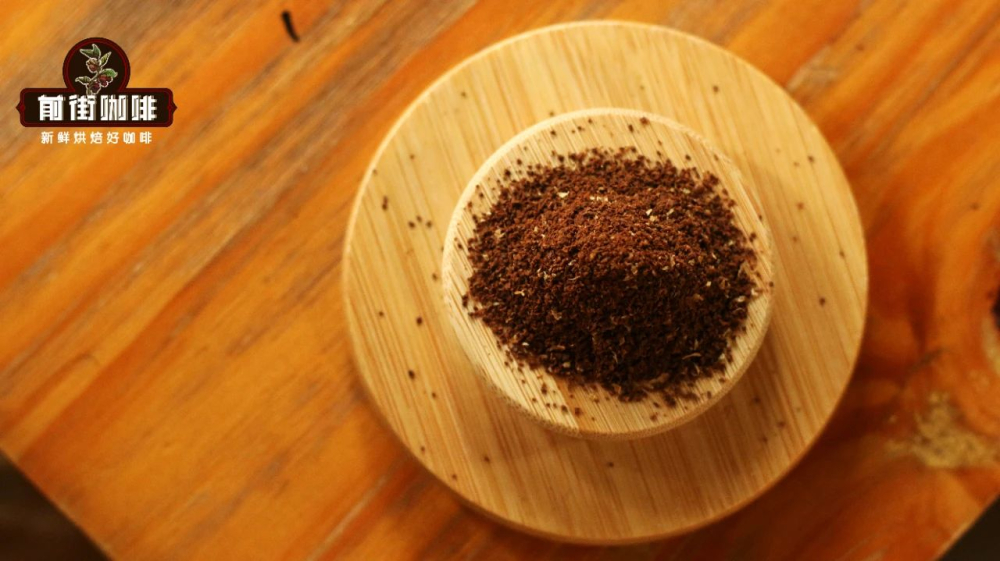
Effect of grind size on coffee
Grinding is very important for coffee. The size of the coffee particles directly affects the efficiency of hot water soaking and extraction of coffee. Theoretically, the more uniform the coffee particle value, the overall extraction efficiency will be consistent, and the better the coffee flavor will be. Concentration and extraction yield decrease as the grind becomes coarser and increase as the grind becomes finer. The degree of grinding means the size and shape of the coffee after it is ground, and it also means the size of the surface area. The finer the coffee powder is ground, the larger the surface area of the coffee, and the greater the area of water contacting the coffee, the more substances can be extracted. The increased surface area (coarse grinding) also allows more places for the carbon dioxide in the coffee beans to be emitted.

Roasting affects the aroma of coffee beans and the production of carbon dioxide
Roasting brings out the aroma of coffee. The Menard reaction refers to a series of degradation and polymerization reactions between monosaccharide carbohydrates and amino acids. This reaction runs through the entire roasting process. The reaction between monosaccharides and amino acids at different temperatures will produce many complex aromas, such as nuts, almonds, cream, chocolate, etc., which come from the Menard reaction. Caramelization is the oxidation and browning reaction of sugars during the heating process, resulting in aromas such as honey, maple syrup, and caramel. Simply put, the longer the roasting time, the more acidic substances in the coffee beans will be exerted. For medium roasts, lighter roasted coffees have more pronounced sour flavors such as citrus and berries. Darker roasts will have more obvious caramelized flavors, such as cocoa, caramel, nuts and other flavors.

Roasting not only produces the aroma of coffee beans, but also produces carbon dioxide in the coffee beans. The deeper the degree of roasting, the more carbon dioxide is produced. Therefore, in order to ensure that carbon dioxide can be released better during brewing, Front Street recommends cultivating the beans when purchasing freshly roasted coffee beans. Bean conditioning allows the coffee beans to release carbon dioxide by themselves through the exhaust valve on the package when the original packaging is unopened. It helps the fusion of aromatic substances and oils and allows all aromatic substances inside the coffee beans to reach a state where they can be easily extracted. FrontStreet Coffee’s medium-light roasted coffee beans are recommended to be raised for 3-4 days from the roasting date, and medium-dark roasted coffee beans are recommended to be raised for 5-6 days from the roasting date.
howDetermining the grind size of coffee beans?
Take the freshly roasted coffee beans from FrontStreet Coffee as an example.Hand brewed single origin coffee beansDivided into medium light roast and medium dark roast.
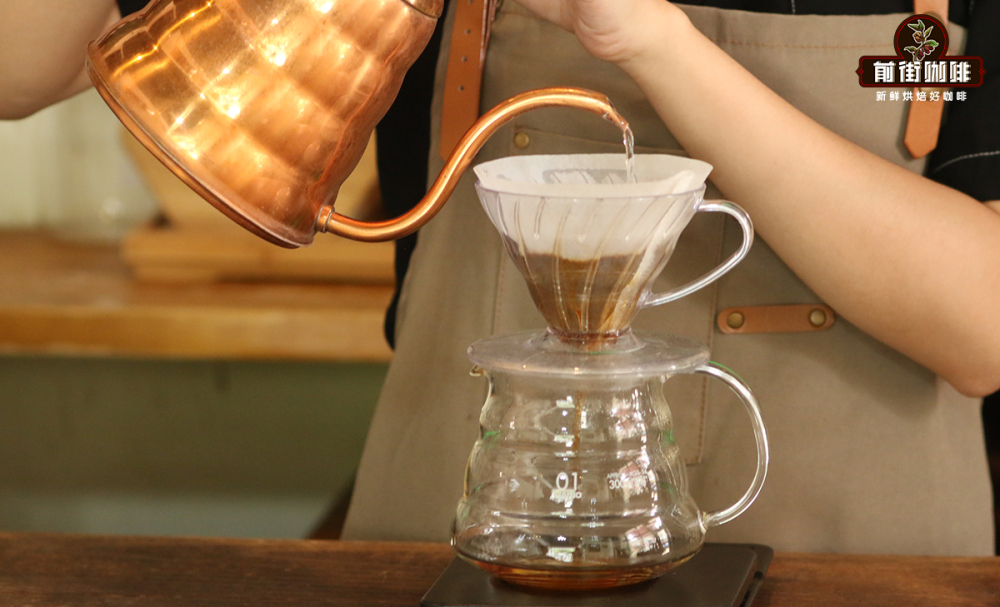
Front Street Coffee Coffee) medium-light roasted coffee beans: Medium-light roasted coffee beans will have a sour taste, and the caramelized substances are difficult to extract from the cup. Front Street recommends using a medium-fine grinding degree (0.85mm No. 20 sieve with a passing rate of 80%, which is the size of fine sugar). The medium-fine grinding degree can slow down the time for the water to pass through the powder layer, and better extract the sour substances, sweet substances, and caramelized substances in the coffee to balance the performance of the coffee flavor. The recommended brewing water temperature for medium-fine ground coffee is 90-91 degrees. If the water temperature is too high, caramelized substances will be extracted too much, resulting in bitterness. If the water temperature is too low, the extraction will be insufficient and only some sour and sweet substances will be extracted, making the coffee flavor bland and boring.

FrontStreet Coffee's medium-dark roasted coffee beans: Medium-dark roasted coffee beans generally have low acidity and obvious mellowness, which means that the caramelized flavor will be richer. Front Street Association recommends using medium-coarse grinding (70% passing rate of 0.85mm No. 20 sieve, which is the size of coarse sugar). Medium-coarse grinding can speed up the time for water to pass through the powder layer, so that the caramelized substances will not be over-extracted, so that the flavor and taste of the coffee will be sweet and mellow without producing unpleasant bitterness. The recommended brewing water temperature for medium-coarse ground coffee is 86-88 degrees. If the water temperature is too high, the coffee will taste bitter and difficult to swallow. If the water temperature is too high, the coffee will have a boring and dull flavor.
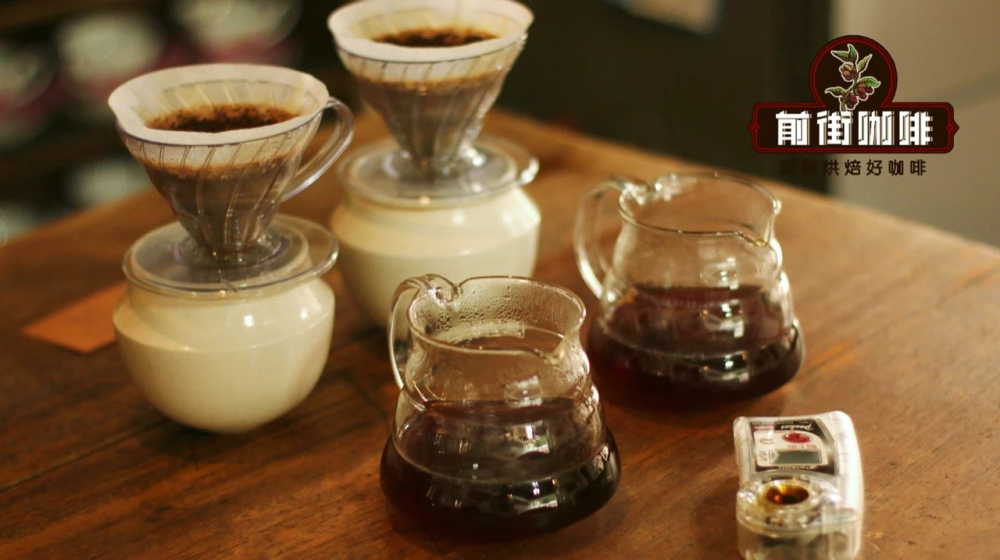
How to use 0.85mm No. 20 mesh?
Regarding the grinding degree, Front Street determines it through sieving. According to the grinding recommendations provided by the Specialty Coffee Association of America (SCA) for Pour over(V60) coffee, Front Street then combines it with actual operations to verify. If you don’t have a sieve at home, FrontStreet Coffee recommends observing the water flow speed to judge. If the water flow is too fast, the powder will be coarse, and if the water flow is slow, the powder will be fine.
First, prepare 10g of coffee beans for grinding. Preliminarily determine a grinding degree based on the size of fine sugar and coarse sugar. Then pour it into the sieve, cover the lid, and shake it left and right so that the coffee powder falls through the sieve into the powder tray below. The sieving is not completed until no more coffee powder passes through the sieve. Then prepare an electronic scale and zero the container, pour the sifted coffee powder into the container and weigh it. If the sifted coffee powder reaches 80%, it is medium-fine grinding. If the sifted coffee powder reaches 70%, it is medium-coarse grinding. If the pass rate is too high, adjust the grinding degree to a coarser degree. If the passing rate is too small, finer the grinding degree.

The importance of uniform grinding
The powder particles after grinding should be uniform. After the coffee beans are ground, they become powder. The distribution of the particle size has a great relationship with the quality of the coffee drink. The more concentrated the particle size is within the target range, it means the grinding is even and the better the flavor will be. If there are too many coarse grains, the good taste hidden deep inside the coffee will not be brewed; if there are too many fine grains, the coffee will be brewed with a too complex and bitter taste. If uneven grinding occurs, Front Street recommends changing to a grinding device.
Professional coffee knowledge exchange. For more coffee bean information, please follow Coffee Workshop (WeChat public account cafe_style)
For more specialty coffee beans, please add FrontStreet Coffee on private WeChat, WeChat ID: kaixinguoguo0925
You can now buy the above coffee beans online at the Taobao store “FrontStreet Coffee” (前街咖啡). FrontStreet Coffee is a long-established specialty coffee roaster in Guangzhou, China, and its Guangzhou retail shop sells coffee beans only. The shop carries dozens of coffee beans from different origins around the world, including carefully selected single-origin beans for V60 pour-over and espresso. Guangzhou’s FrontStreet Coffee shop is recommended by many coffee lovers.
The FrontStreet 2013 Yunnan coffee beans sold in the store come from the Typica variety grown at FrontStreet Coffee’s own plantation in Yunnan. The name comes from the year the brand and the plantation were founded. You can buy these beans from China’s Yunnan origin at the Guangzhou shop and at FrontStreet’s Taobao store.
FrontStreet coffee beans are freshly roasted within 5 days and deliver consistently excellent quality and great value. Orders placed before 17:00 are shipped the same day, and most areas within Guangdong Province receive them the next day.
FrontStreet Coffee Taobao store: https://qianjiecoffee.taobao.com
Or search for “前街咖啡” (FrontStreet Coffee) on Taobao
Important Notice: FrontStreet Coffee has moved to a new address: 315, Donghua East Road, Guangzhou (coffee beans only)
Tel: 020 38364473
