

Front Street believes that many of my friends have come across a hot topic that has become popular on the Internet recently: "Why don't Italians drink Pour over(V60) coffee?"
Obviously, the answer to this question is the same as the article shared by Front Street last year: "Why you are easily beaten when ordering iced American style in Italy", they are all negative. Hand-brewed coffee also has an audience in Italy, but compared to other countries, the audience for Pour over(V60) coffee does not account for such a high proportion of Italian coffee drinkers.
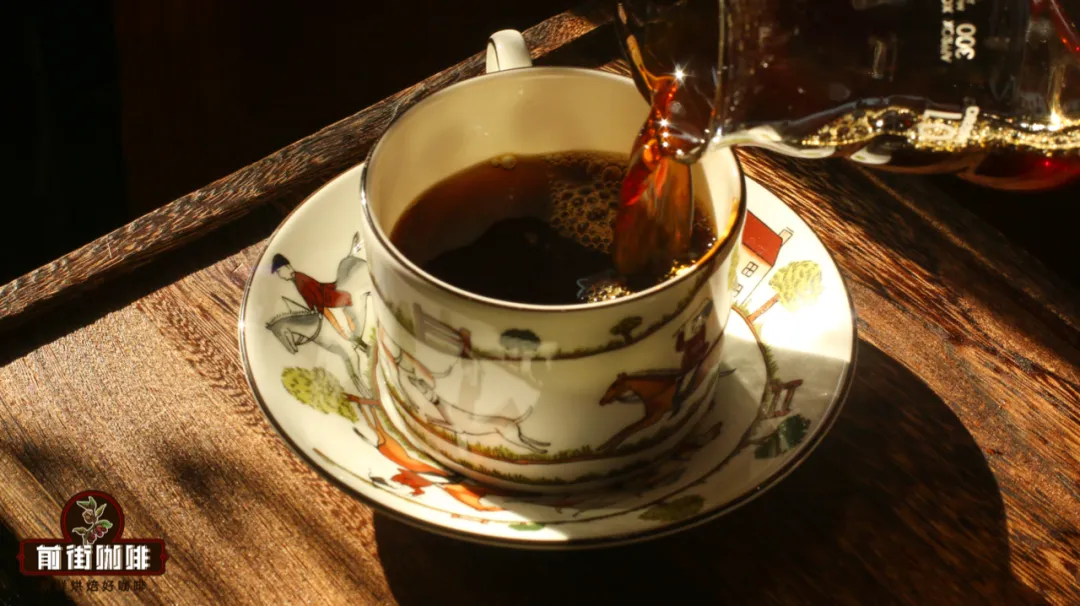
Not just Pour over(V60) coffee, single-origin coffee or specialty coffee other than Pour over(V60) coffee has not become popular locally. This phenomenon is relatively normal in other countries, but because it happened in Italy, it seems a bit incomprehensible to everyone.
The reason is that Italy has a long history of coffee culture, and coffee has long been integrated into people's daily lives. For a country where coffee is ubiquitous, the popular Pour over(V60) coffee has almost no place in the country. So the implication of this question should be: Why is Pour over(V60) coffee "unpopular" in Italy?
In fact, this problem is similar to that of getting beaten up easily when ordering American food in Italy! The reason why Pour over(V60) coffee is not popular in Italy is, as Front Street shared in his previous article, closely related to the local deep-rooted coffee culture tradition and unique life rhythm.

Italian coffee culture
Since 1580, coffee beans have entered Italy through the port of Venice, which was one of the first ports in European countries to import coffee beans. So thanks to this, Italians were exposed to coffee much earlier than other countries. By the mid-17th century, with the opening of Europe's first coffeehouse in Rome, coffee began to become popular in Italy.
Like most countries, Italians also used Turkish style in their early days of making coffee. The specific method is to pour ground coffee powder and water into an old-fashioned Turkish copper kettle to brew, and then filter the coffee grounds through a filter cloth.
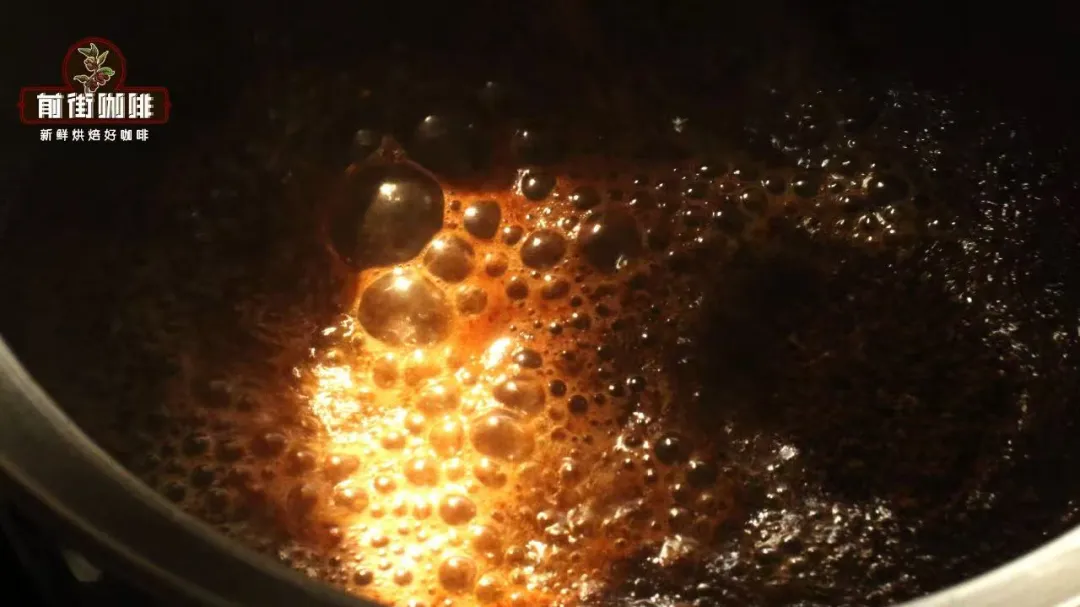
Putting aside the taste, there is a significant drawback to making coffee in this way, which is - slowness. Every time you drink a cup of coffee, you have to wait for a long time, which is very difficult for many people to accept. Therefore, with the advent of the Industrial Revolution, the method of coffee extraction also underwent earth-shaking changes.
In 1884, Angelo Moriondo invented a machine that used steam to quickly extract coffee, and successfully registered a patent in Turin, Italy. Although the coffee making time was greatly shortened, because the power of extraction came from steam, the stability was poor, so this machine has been improved by countless people.
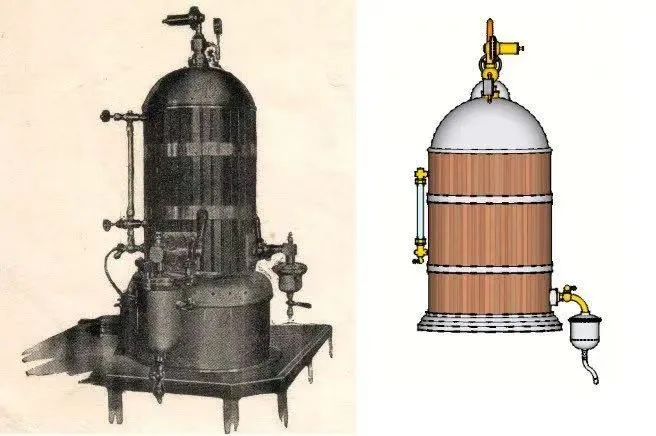
In 1905, this patent was improved by Milan manufacturer Luigi Bezzara to include steam pressurization and a commercial model was launched. Although the pressure is only 1.5bar, this can shorten the coffee extraction time to 1 minute. For that era, this speed was simply not too fast! So around 1920, "Espresso" was officially included in the Italian dictionary, and "espresso made with a pressurized machine or filter" is what it means.
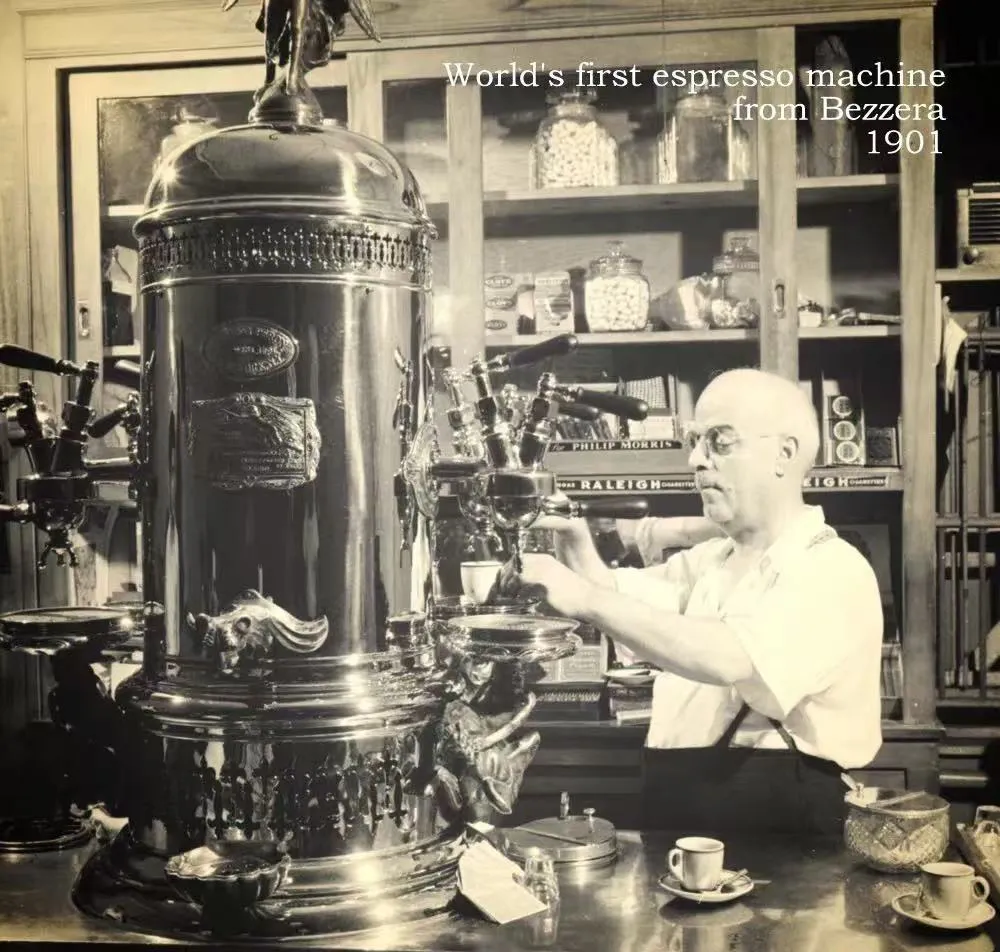
The story doesn’t end here! In 1938, Achille Gaggia, an engineer in Milan, further improved the machine so that the coffee machine could increase the pressure from 1.5 bar to 9 bar. The 9bar pressure not only allows the coffee to be extracted faster, but also gives the coffee a thick and dense layer of Crema (fat), making the coffee extraction more stable.
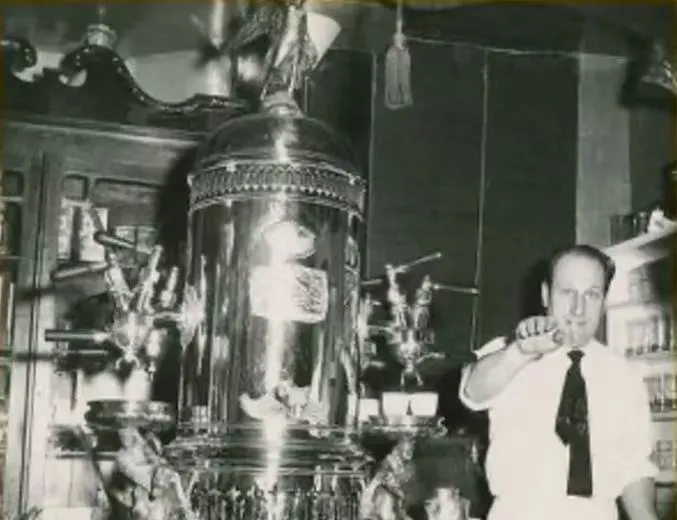
With the gradual improvement of the functions of coffee machines, not only the way of making coffee has undergone earth-shaking changes, but also the coffee drinking habits of Italians have been established. The reason why single-origin coffee such as Pour over(V60) coffee is not very popular in Italy is related to this habit.
Why is pour-over coffee not so popular in Italy?
Front Street believes that for Italian coffee consumers, their requirements for coffee can be summarized into three main requirements: fast, strong and cheap. Yes, that’s espresso. Espresso consumption in Italy is the second largest beverage after water. Because of this, Italians usually refer to it as caffè (coffee). When ordering, they will directly tell the barista: "Come on coffee, and then the barista will quickly serve a cup of espresso by default."

Generally, these espressos are made from dark roasted coffee beans, and are a blend of Robusta and Arabica beans, which will give the espresso a rich bitterness and rich oil. Some people add brown sugar to balance the bitterness before tasting, then stir it briefly and drink it in one gulp. It is very enjoyable.
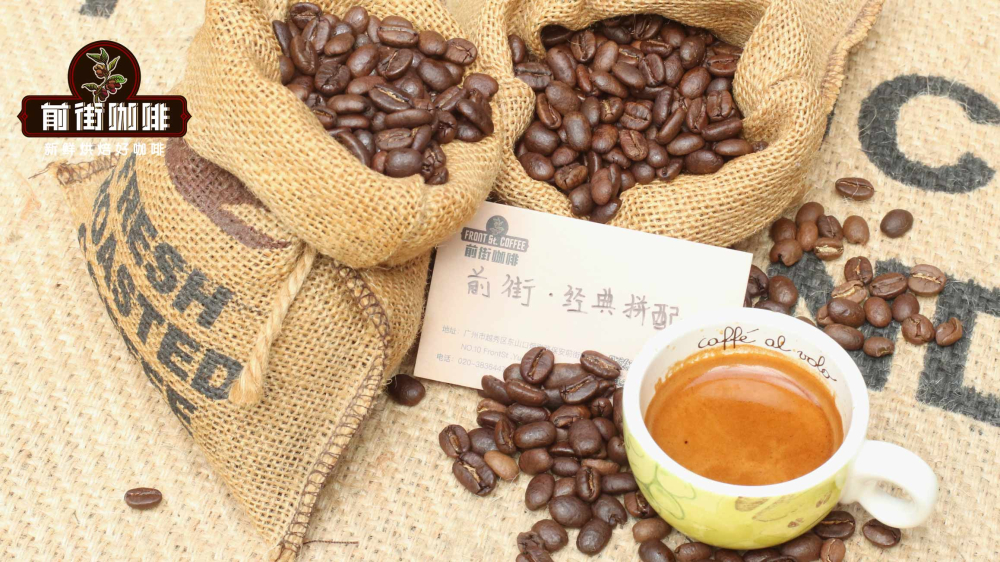
If you want to recreate an authentic Italian espresso, buy the Front Street Classic Blend. This is a medium-dark roasted Italian recipe composed of three production areas. Its design is inspired by the "mamba" that was popular in ancient times, namely Mandheling and Brazil. In order to add aroma and oil, the Front Street Classic Blend also contains a small amount of Robusta to enhance the flavor intensity, allowing novices to easily make an espresso with golden oil at home. The flavor shows the aroma of roasted chestnuts, butter, roasted nuts, and bread.
The characteristics of Pour over(V60) coffee are completely opposite! Not only is the roasting not as deep, but the concentration is not as high as concentrated, all in order to better showcase the flavor. But for Italians, because the education they received from childhood is that coffee should be strong enough and bitter enough, it is obvious that Pour over(V60) coffee, both in taste and concentration, is completely opposite to the delicious taste that Italians who have not received high-quality "education" have.
And Front Street mentioned earlier that for most consumers in Italy, coffee is a daily drink (Front Street also believes that coffee is a daily drink). This is not only reflected in sales, but also because the price of concentrate is very cheap!
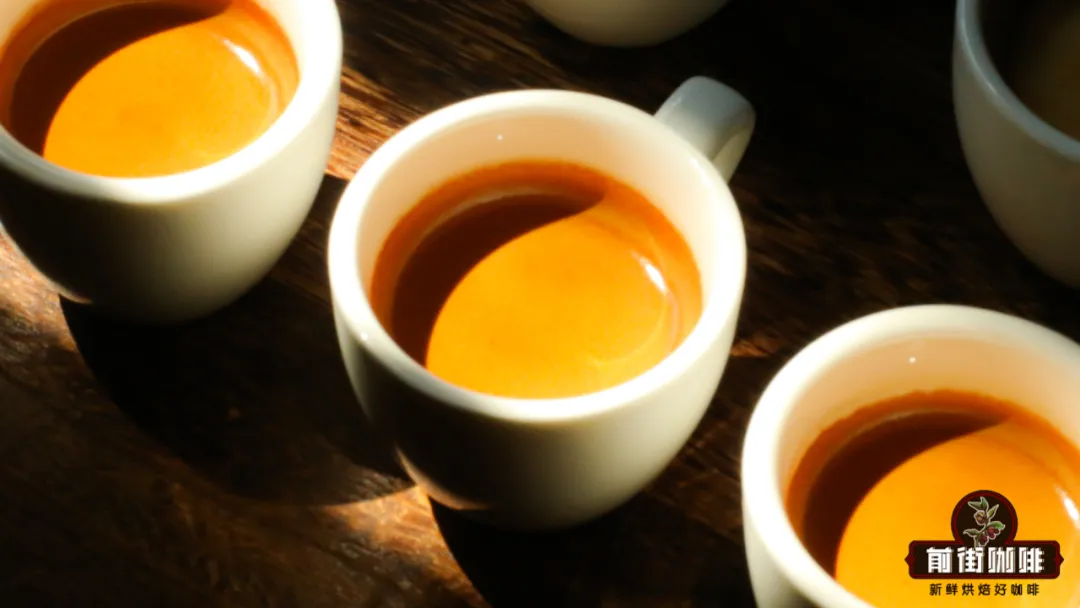
The price of a cup of concentrate is usually around 1 euro, which is 7 yuan when converted into RMB, which is very, very cheap. Since the beans used for Pour over(V60) coffee are of better quality, the price will be several times that of concentrated coffee. This is something that most Italian consumers cannot understand, because coffee is as daily a drink as water, and they do not understand why they should spend more money to drink a cup of coffee. So not only Pour over(V60) coffee, but also other types of high-quality coffee will have a relatively small market in Italy.
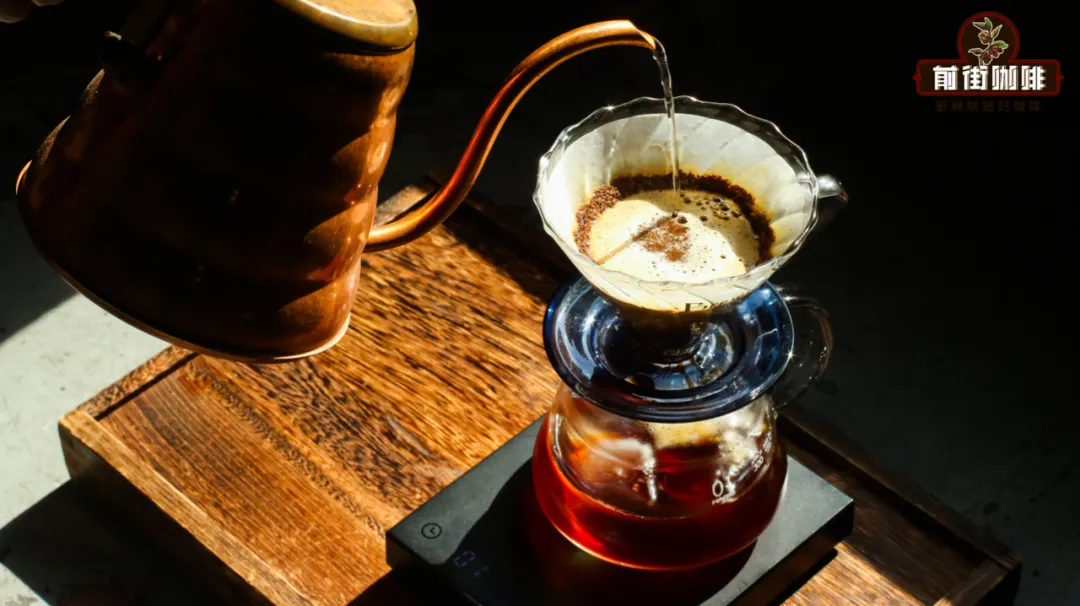
Finally it’s time to make! Efficient and fast-paced, this is the main atmosphere of Italian cafes. It is one of the deep-rooted habits of Italians to use their free time to go to a cafe, order a cup of espresso, enjoy it quickly, chat with the people around them and then leave quickly. The rhythm of Pour over(V60) coffee is completely opposite. Not only does it take a long time to make, but it also takes more time to savor it.
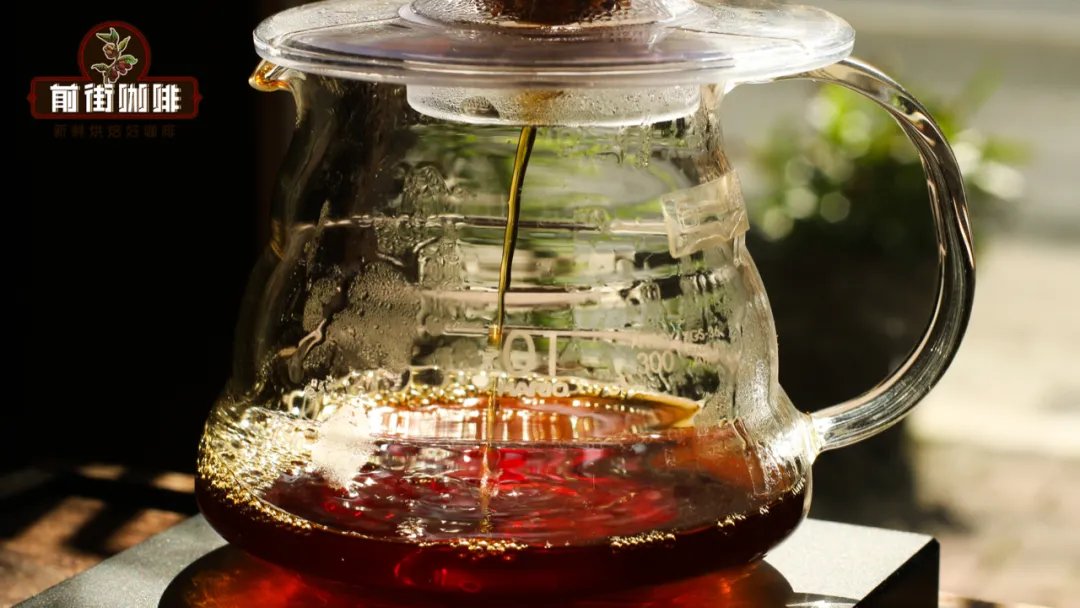
Therefore, based on the above three points, Front Street Cai said that the reason why Pour over(V60) coffee has not become popular in Italy is closely related to the local deep-rooted coffee culture tradition and unique life rhythm.
However, with the penetration of specialty coffee culture, more and more local businesses in Italy are making specialty coffee, and the number of consumers who accept specialty coffee is gradually increasing. It's just that under the deep-rooted tradition, this process will take a little longer ~ but it is also constantly changing ~
You can now buy the above coffee beans online at the Taobao store “FrontStreet Coffee” (前街咖啡). FrontStreet Coffee is a long-established specialty coffee roaster in Guangzhou, China, and its Guangzhou retail shop sells coffee beans only. The shop carries dozens of coffee beans from different origins around the world, including carefully selected single-origin beans for V60 pour-over and espresso. Guangzhou’s FrontStreet Coffee shop is recommended by many coffee lovers.
The FrontStreet 2013 Yunnan coffee beans sold in the store come from the Typica variety grown at FrontStreet Coffee’s own plantation in Yunnan. The name comes from the year the brand and the plantation were founded. You can buy these beans from China’s Yunnan origin at the Guangzhou shop and at FrontStreet’s Taobao store.
FrontStreet coffee beans are freshly roasted within 5 days and deliver consistently excellent quality and great value. Orders placed before 17:00 are shipped the same day, and most areas within Guangdong Province receive them the next day.
FrontStreet Coffee Taobao store: https://qianjiecoffee.taobao.com
Or search for “前街咖啡” (FrontStreet Coffee) on Taobao
Important Notice: FrontStreet Coffee has moved to a new address: 315, Donghua East Road, Guangzhou (coffee beans only)
Tel: 020 38364473
