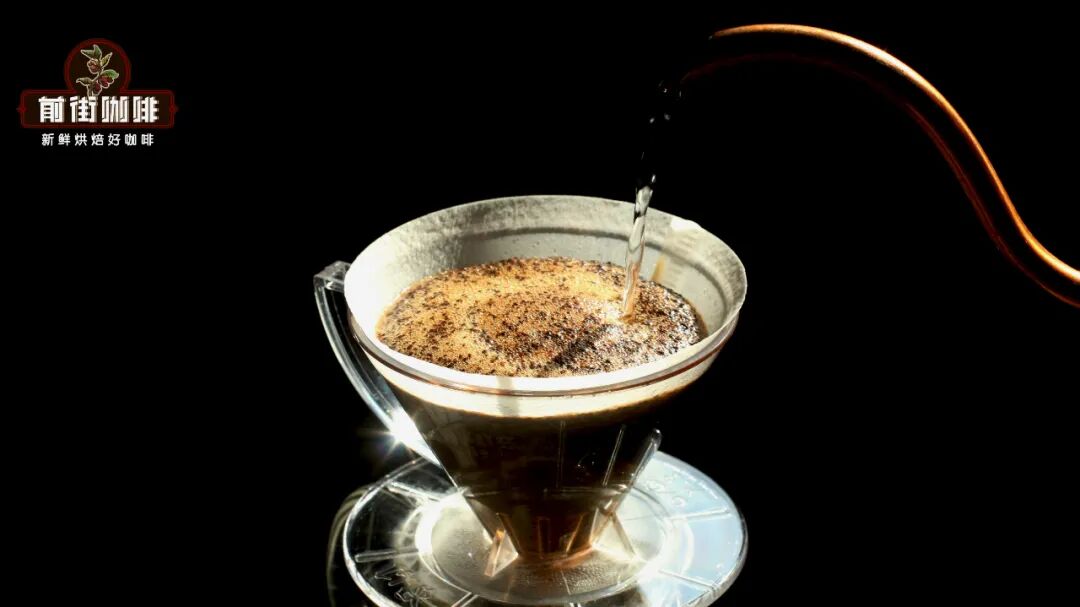
Coffee is one of the most popular drinks in the world. "Coffee" includes all beverages made from roasted coffee beans, which of course also includes espresso and cold brew.
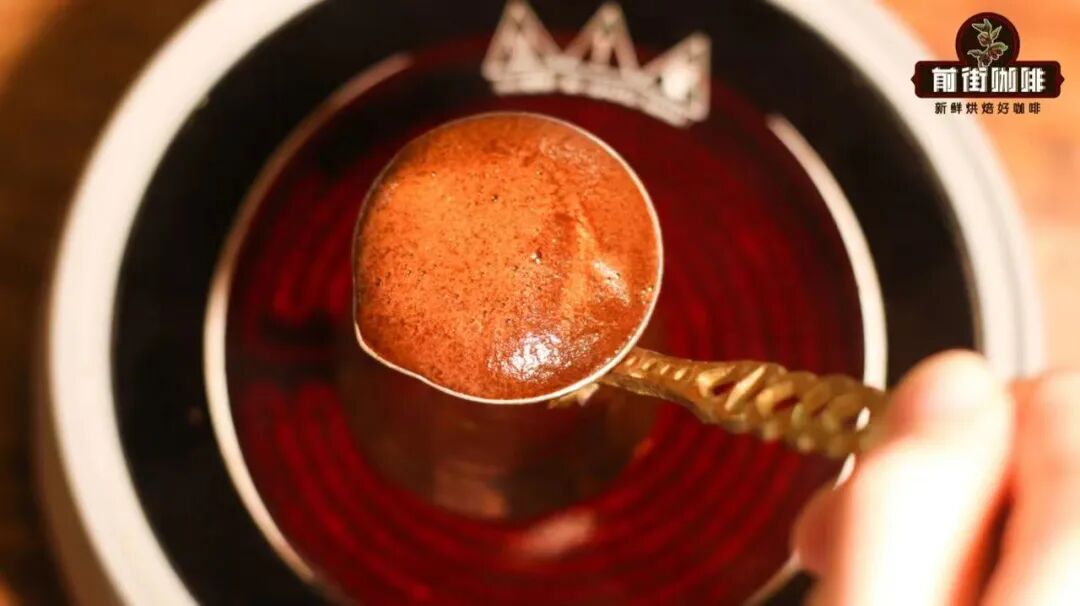
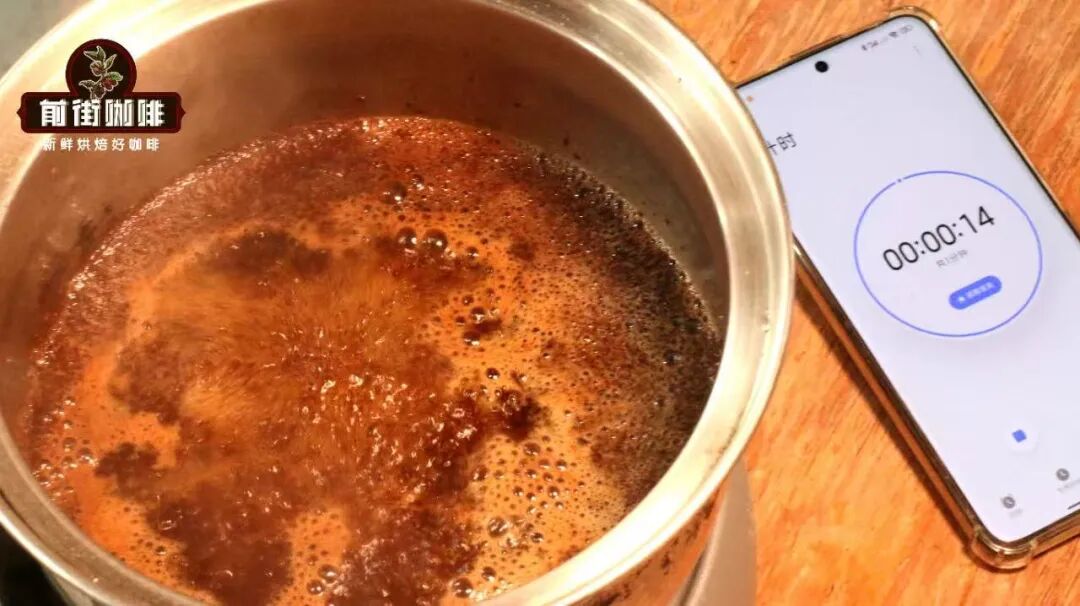
There are many types of coffee. Some people like to drink instant coffee, some people like to drink Pour over(V60) coffee, and some like to drink cold brew coffee. Coffee made by different methods has its own characteristics. Some have a distinct taste and obvious flavor, and some are easy to brew. You can choose according to your own preferences.Drip coffee:Under normal atmospheric pressure, hot water is passed through a layer of coffee powder to extract the aromatic substances of the coffee powder. But it should be noted that Pour over(V60) coffee is drip coffee, and drip coffee is not necessarily Pour over(V60). Drip coffee includes Pour over(V60) coffee, but is not limited to Pour over(V60) coffee. Hand-brewed coffee is a brewing method in drip coffee. This is the conceptual difference between the two.At present, the most common drip coffee brewing method is Pour over(V60) coffee. This kind of coffee can usually better reflect the exquisite taste of coffee, so people usually taste single-origin coffee by hand-brewing it, which is what everyone calls black coffee. Front Street believes that Pour over(V60) coffee is the best way to reflect the local taste of coffee, because unlike espresso coffee, drip coffee has a lower density and concentration, and is not layered, with a pure taste and uniform quality. This is because there is no pressure effect, and hot water can more fully absorb coffee oils and aromatic substances, making the coffee taste softer.Hand-brewed coffee is generally brewed manually, and the taste of the coffee will vary depending on the barista's technique. The so-called extraction is to grind the coffee beans into powder and extract the soluble substances in them with water.Hand brewing is a gentle and natural extraction method that faithfully presents the natural flavor spectrum of the coffee beans themselves. Because the filter paper will block the oil and fine powder of the coffee, the color of the final brewed coffee is very clear.Hand-brewed coffee can be regarded as the most cost-effective private coffee brewing solution. There is no need to spend high costs to buy a coffee machine or leave the house. Hand-brewed coffee allows you to experience the rich aroma of specialty coffee and easily control brewing variables. Different coffee brewing plans will bring different flavor characteristics, which may focus on the mellow taste or the clear and clean taste.Americans invented the electric drip pot based on the principle of Pour over(V60) coffee, which is also commonly known as the American coffee machine. Therefore, the Americano coffee machine produces not Americano coffee, but drip coffee.Italian coffee:Use an espresso machine to pressurize hot water to 9 atmospheres and then push it through extremely finely ground coffee powder to instantly extract the soluble ingredients. The resulting drink is espresso or espresso.If drip coffee is characterized by cleanness and clarity, then espresso is characterized by richness and intensity. Moreover, the lipid components in coffee beans will produce a caramel-like aroma after being emulsified. In addition to richness, another major feature of Italian coffee is the thick layer of foam on the surface - Crema.Crema is the result of a combination of carbon dioxide and changes in air pressure. The oil in the coffee beans will be dissolved in a large amount of water under the high pressure of the espresso machine, and then the carbon dioxide will be trapped in the mixture of oil and water to form bubbles. However, the coffee liquid returned to normal atmospheric pressure cannot continue to trap these carbon dioxide. Therefore, countless small bubbles emerge from the liquid and remain on the surface, looking like a layer of floating foam. Crema is an important criterion for testing the freshness of coffee beans. Because the longer the roasting date, the lower the carbon dioxide content in the coffee beans, and the less foam in the coffee liquid. Immersion coffee:Unlike drip and espresso, which allow water to pass through the coffee grounds, immersion appliances soak the coffee grounds and water together, resulting in a more consistent extraction. The coffee produced in this way will retain more oil and have a thicker and richer taste.Boiled coffee:The equipment needs to be placed on a heat source to continue heating. The representative tool is a Turkish coffee pot. Because the water temperature can easily soar, these tools often produce very rich and bitter coffee. The above are some of the more common extraction methods. In addition, the portable and playable Aeropress and the highly ornamental siphon pot are also popular extraction tools. Depending on the contact method between water and coffee powder and the size of the particles, coffee cooking is classified into five types: "brewing method", "pressure method", "gravity method", "leaching method", and "ice brewing method".The easiest way is to put the coffee grounds in a cup, add hot water, and let it cool while the coffee grounds sink to the bottom. This is an old method that is still used in some places in Indonesia. Be careful not to eat the coffee grounds at the bottom of the cup. The advantage of this method is simplicity.Turkish coffee is an early recipe still used in the Middle East, North Africa, East Africa, Türkiye, Greece and the Balkans. Add ultrafine ground coffee to water and boil it in a small container, usually flavored with sugar and cardamom. The espresso in the cup had foam on top and a layer of accumulated powder underneath. "Cowboy coffee" is made by adding water to ground coffee and boiling it directly in a pot for drinking. The name suggests an expedient under crude conditions; however some prefer this approach. In Finland and Sweden, where the population has the highest coffee consumption, they use traditional cooking methods.
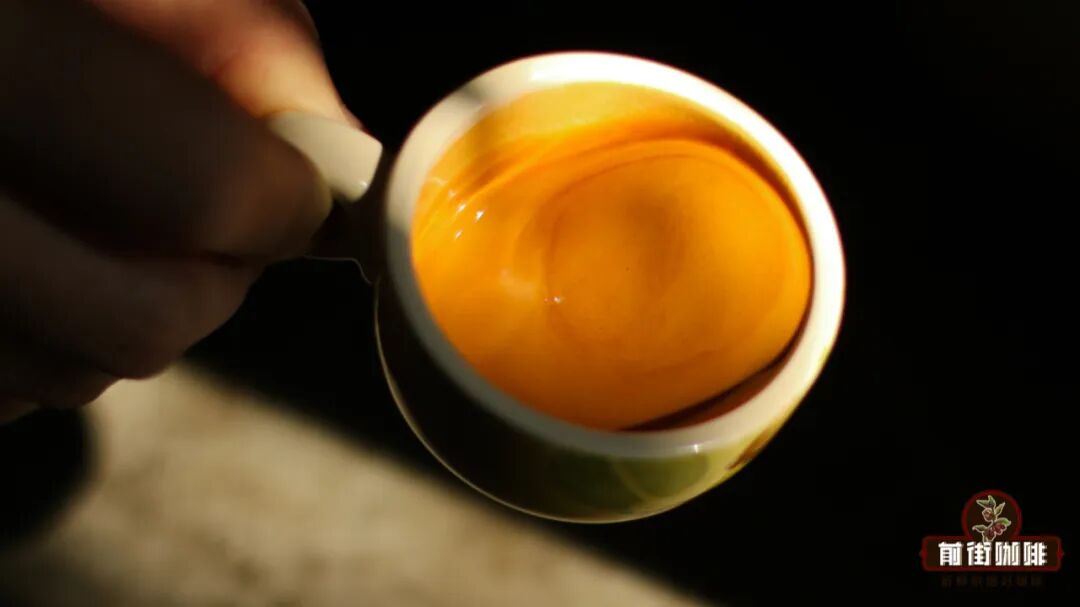
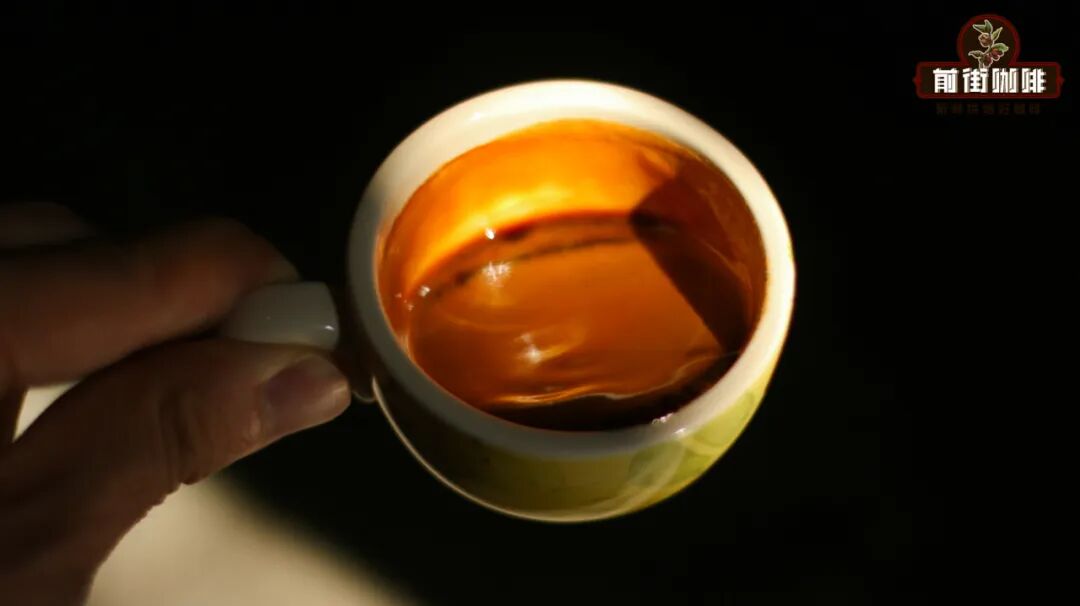
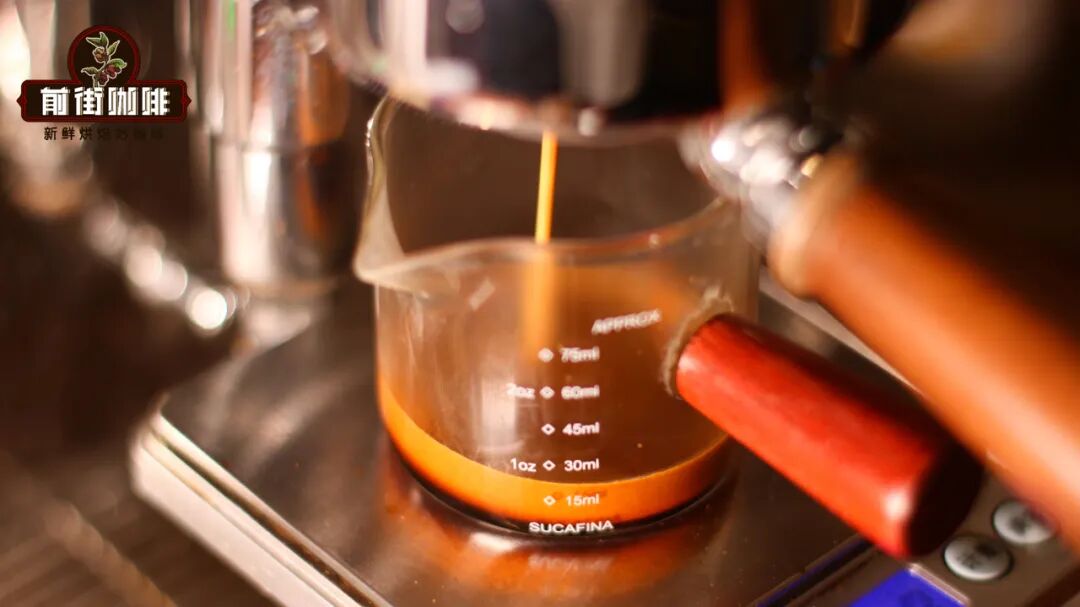
 Espresso is made by passing hot water at 80 to 96 degrees Celsius through compacted coffee powder at a pressure of 8 to 9 atmospheres. A cup of espresso is usually only 30 ml. It is the strongest among common coffees, but has a unique aroma and a touch of crema floating on the surface. It can be consumed on its own; it can also be further made into a variety of other drinks. Because it brews quickly, it has high concentration characteristics.
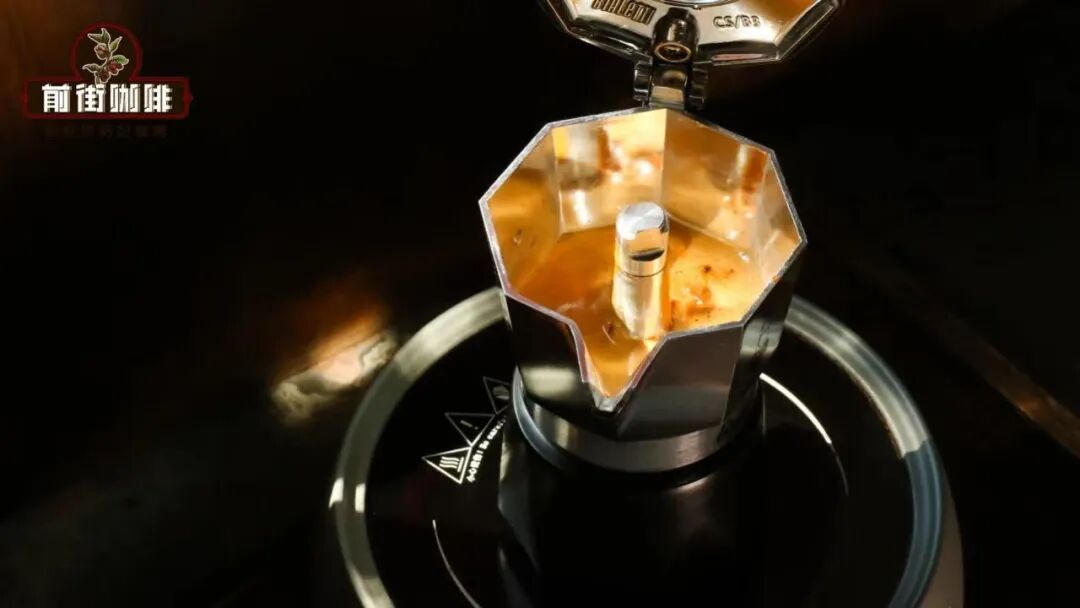
 The Moka pot, also called the "Italian coffee pot", is a three-layer structure stove. After the boiling water is boiled in the bottom layer, the coffee powder in the middle layer is pushed by the steam pressure into the upper layer. The resulting coffee concentration is comparable to espresso, but there is no floating oil. However, if a pressure reducing gasket is installed at the coffee overflow outlet, golden crema can be extracted. The structure of the Moka pot and the semi-automatic espresso machine are the same, but the water discharge method is upside down. After the coffee overflows about 30 to 40cc, remove the fire source from the bottom of the pot as soon as possible, and then wipe the bottom of the pot with a cold towel!
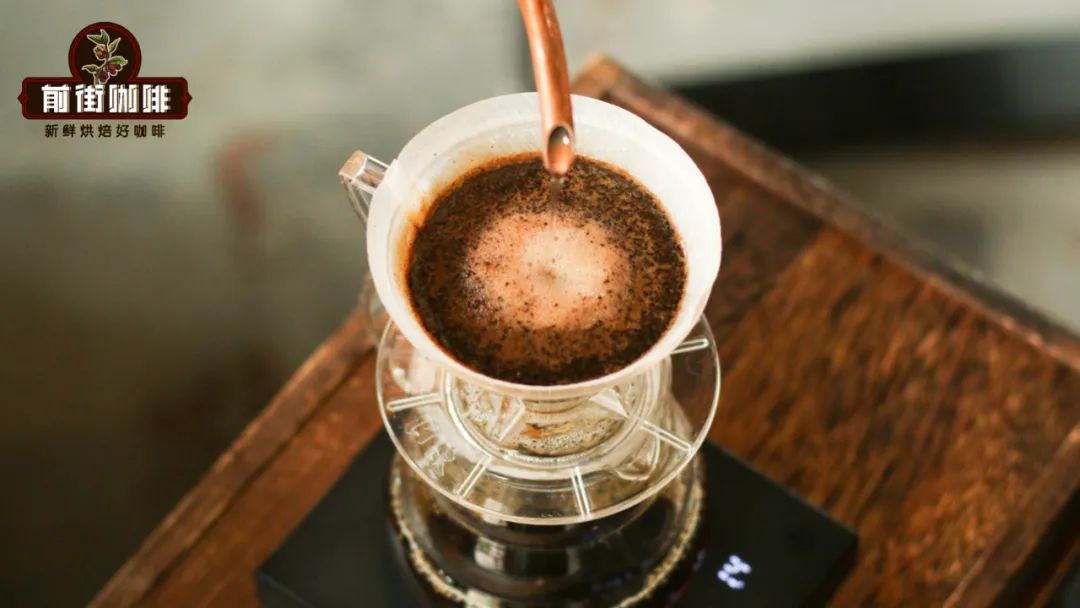
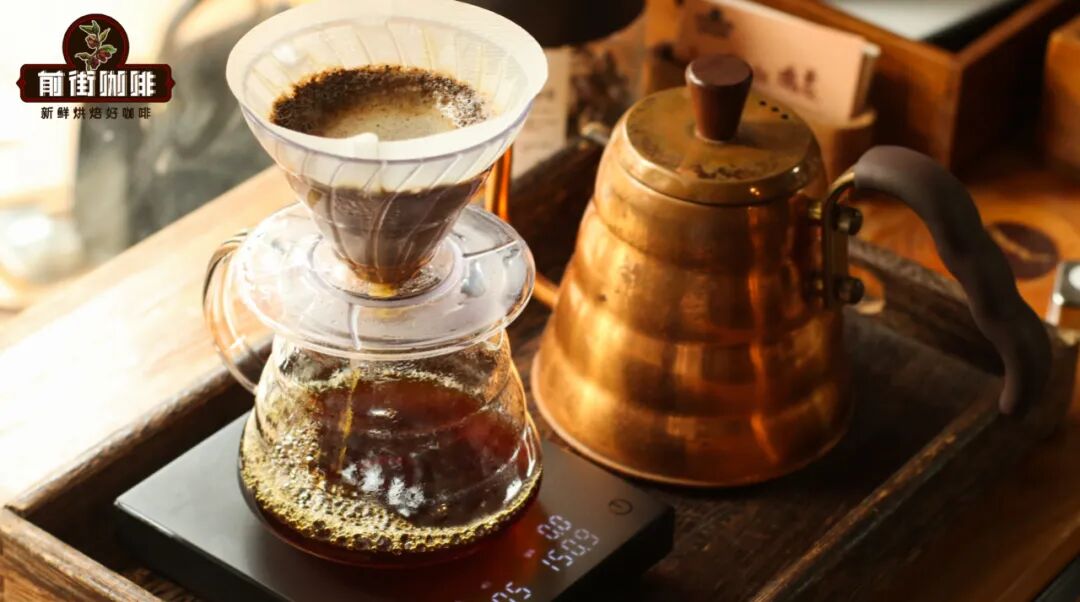
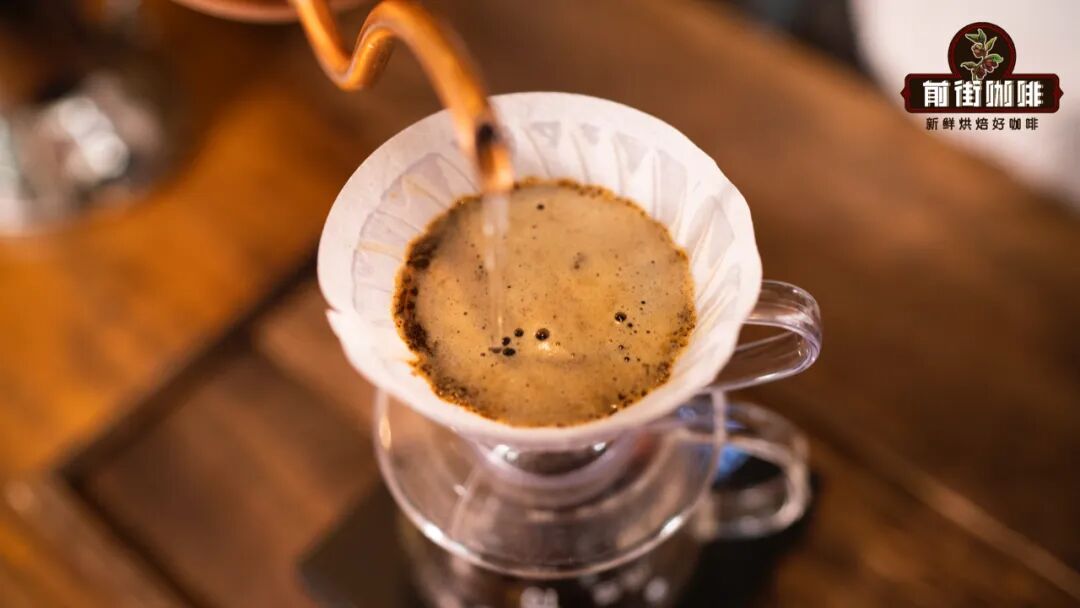
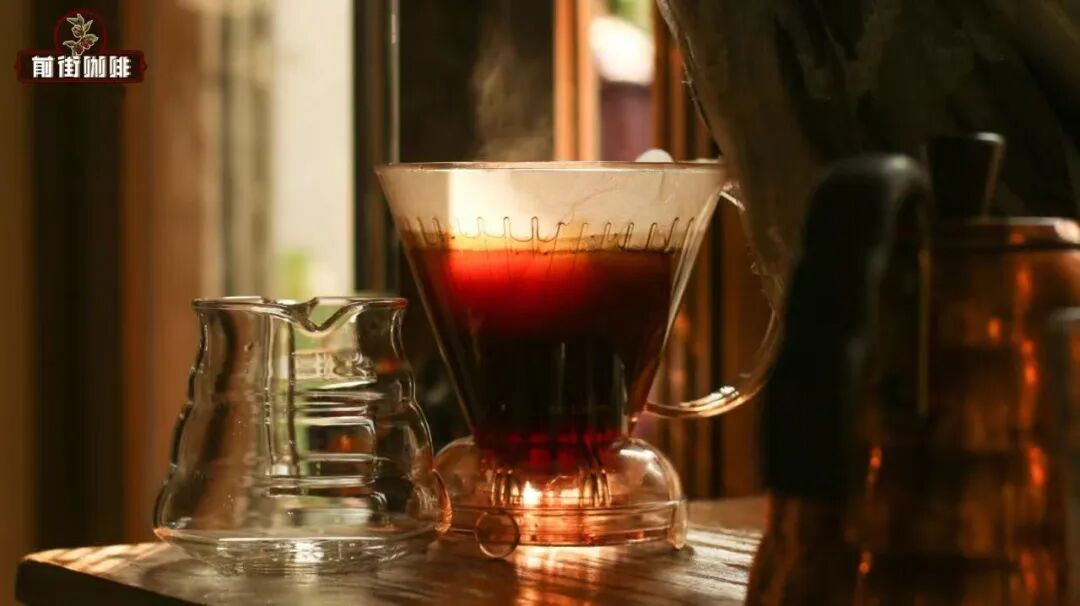
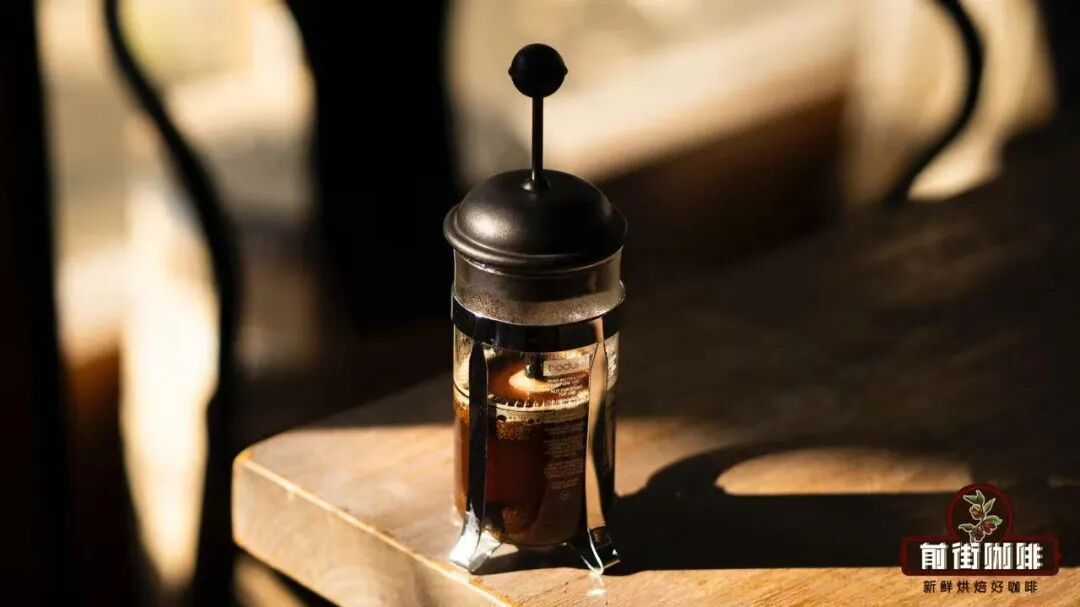
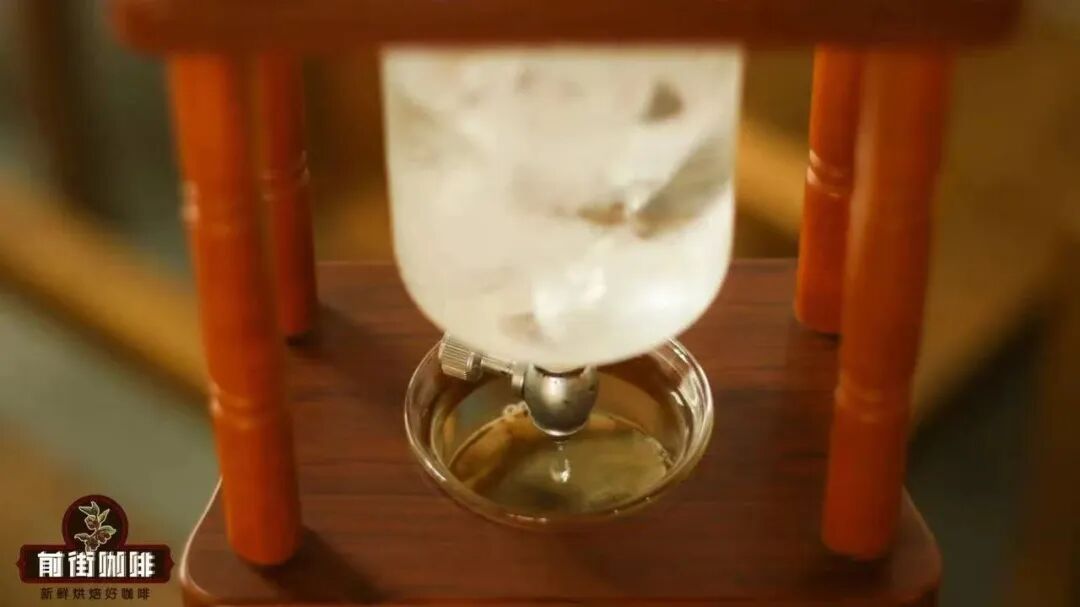
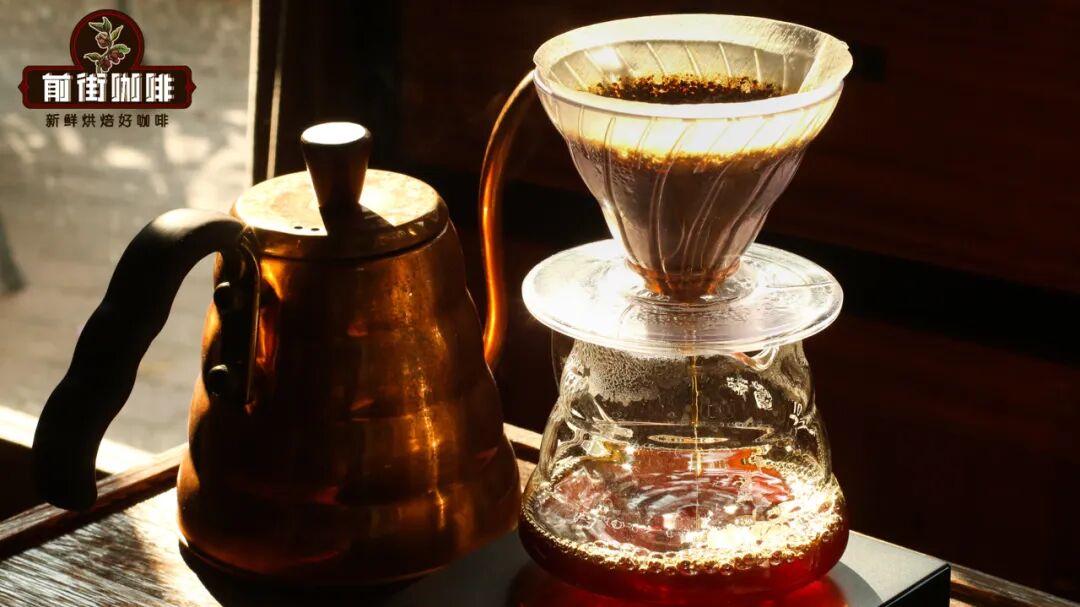
 Drip coffee or Pour over(V60) coffee is made by placing ground coffee on filter paper or a metal filter and flowing hot water from top to bottom. The concentration of coffee depends on the proportion of water added and the thickness of the coffee grounds, but is generally lower than espresso. Drip filter coffee machines were extremely common in the United States before the 1970s. It is different from the Moka pot mentioned above: hot water boils into the top layer, then passes through the coffee grounds from top to bottom, and returns to the heating chamber; this cycle is repeated several times. It is precisely because this method passes hot water through the coffee grounds multiple times that the coffee may not taste good.The French press is a fine glass cylinder equipped with a piston with a filter. Hot water and ground coffee are soaked in the cylinder for four to seven minutes, and then the piston filter presses the ground coffee to the bottom, and the coffee on the upper layer can be poured out for drinking. This "full immersion method" is considered by many experts to be the ideal home method for brewing coffee, which features the full flavor of the coffee.The biggest difference between ice-brew coffee, also known as ice-drip coffee, and the other four types mentioned above is that it does not use hot water, but uses ice water produced by the slow melting of ice cubes, and slowly drips through a filter filled with coffee powder. Because it takes a very long time to make and uses more coffee powder, the cost of a cup of ice-brewed coffee is higher, but the taste is very special.
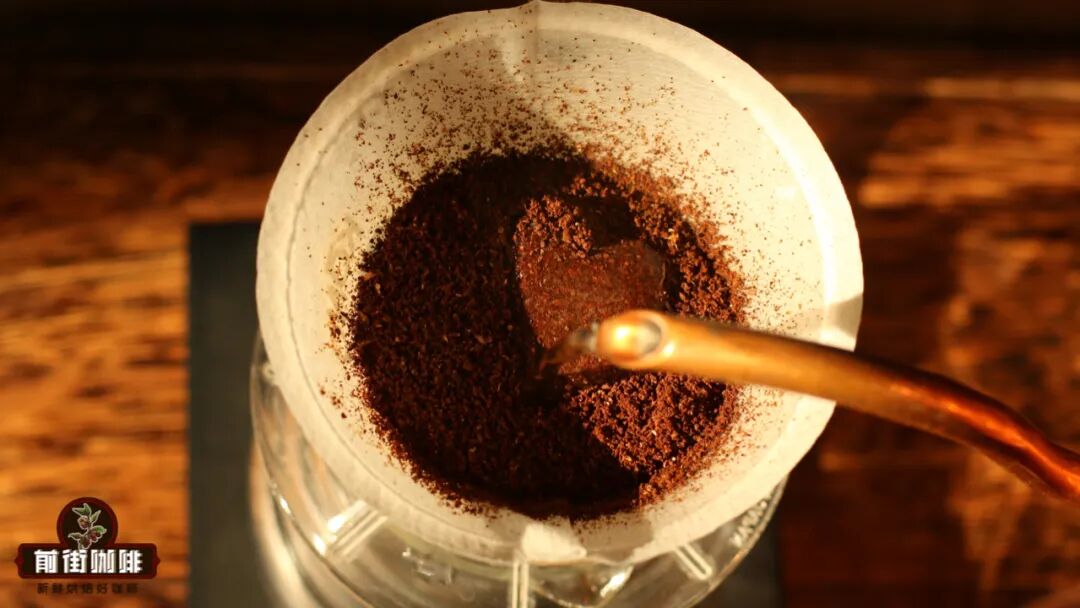
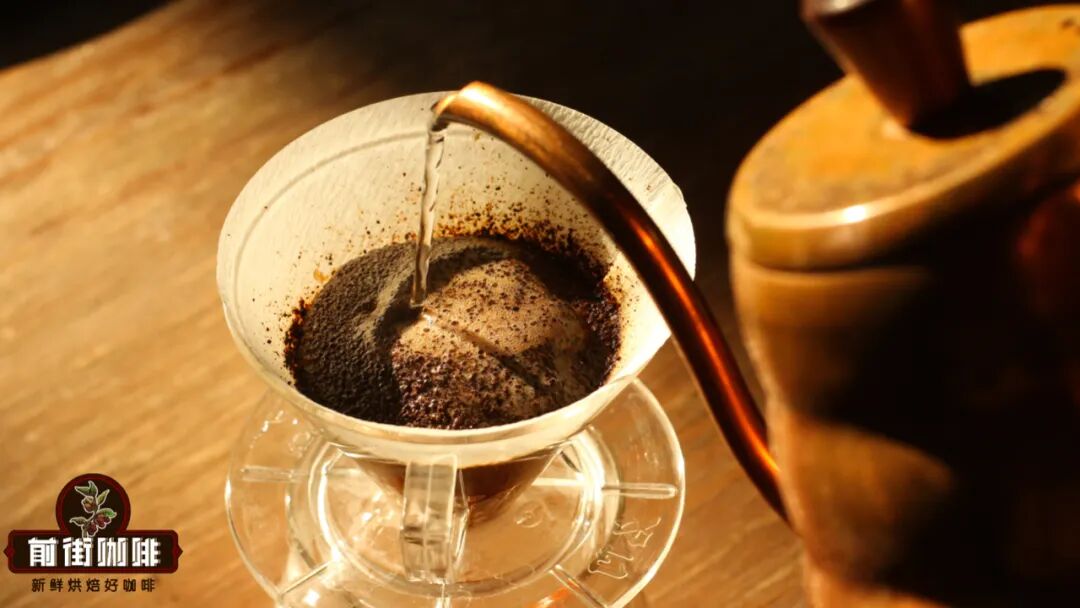
 Drip coffee is a brewing method invented by a German. Melita coffee pot filter paper is sold everywhere in supermarkets, which is the brand founded by this German. To make drip coffee, simply put, grind the coffee into powder, put it in a funnel, pour hot water on it, and the coffee will flow out from the bottom due to gravity. In fact, most coffee machines on the market make coffee this way, but they just use electricity to heat water. However, one problem with these electric coffee makers is that most of them are not powerful enough and the water they heat is not at the ideal brewing temperature, so the coffee they make often has a sour taste.The ideal brewing water temperature for most coffee is between 88 degrees and 92 degrees. Depending on the origin of the coffee beans and the degree of roasting, the best brewing water temperature will be different, but it is basically within this range. If the water temperature is too low, the coffee will not be extracted enough and it will be sour. If the water temperature is too high, the coffee will be over-extracted and the coffee will be bitter.The water temperature of Front Street Pour over(V60) medium-dark roasted coffee beans is 88 degrees, while the water temperature of medium-light roasted coffee beans is 91 degrees. Knowing this principle, if you use an electric coffee pot and the power of the coffee pot is relatively small, you should try to choose coffee with lower acidity and darker roasting for brewing.Brewing drip coffee by hand is also easy and inexpensive. A good coffee grinder can grind coffee beans into relatively uniform powder, a kettle can boil water, and then you need something that can filter coffee powder. There are many types of filters, some with filter paper and some without filter paper. Filter paper is quite controversial. Some people think that coffee filtered through filter paper tastes cleaner, while coffee grounds often get into the cup when using a filter, which is unpleasant. Some people think that the filter paper will filter out the aromatic oils in the coffee, as well as the unpleasant filter paper smell. However, the controversy over these flavors is purely a matter of personal preference. The drip filter type is characterized by continuous extraction through water injection. In addition to being affected by the time factor, the size and height of the water injection are also one of the factors that affect the taste of coffee.
 Drip coffee was the coffee that people in most parts of the world were used to drinking before Italian coffee became popular, except for the Arab region and the Balkans. The taste of this kind of coffee is much lighter than that of espresso, but it may be easier for beginners to drink coffee. Because the making of espresso is too complicated, few people can master it well. So although Italian coffee seems to be popular all over the world, by far the most people drink drip coffee. Especially when making coffee at home and personally, drip coffee is also the most traditional and easiest to make coffee. There is no stratification, the taste is pure, and the quality is uniform. This is because without the influence of pressure, hot water can more fully absorb coffee oils and aromatic substances, making the coffee taste softer. Perhaps drip coffee, a relatively weak coffee, is easier to accept for people who are new to coffee, and it is also a common way to make coffee at home. Of course, the choice between these two types of coffee also depends on your personal preference. Some people like the silky taste of milk-based coffee, while others like the pure taste of drip coffee. For example: These two cups are commonly used for brewing in Front Street, one is V60 and the other is KONO cup. The V60 cup is very suitable for emphasizing the acidity and floral aroma of coffee. Although it uses filter paper, it can still retain a considerable amount of coffee oil through the V60 and retain the body. For example: Ethiopian coffee, Kenyan coffee, Panama Geisha coffee, etc. KONO cups are very suitable for brewing medium-dark roasted coffee beans, which can highlight the mellow and smooth taste of coffee beans. For example: Blue Mountain Coffee, Mandheling Coffee, Colombian Cymbidium Coffee, etc.
You can now buy the above coffee beans online at the Taobao store “FrontStreet Coffee” (前街咖啡). FrontStreet Coffee is a long-established specialty coffee roaster in Guangzhou, China, and its Guangzhou retail shop sells coffee beans only. The shop carries dozens of coffee beans from different origins around the world, including carefully selected single-origin beans for V60 pour-over and espresso. Guangzhou’s FrontStreet Coffee shop is recommended by many coffee lovers.
The FrontStreet 2013 Yunnan coffee beans sold in the store come from the Typica variety grown at FrontStreet Coffee’s own plantation in Yunnan. The name comes from the year the brand and the plantation were founded. You can buy these beans from China’s Yunnan origin at the Guangzhou shop and at FrontStreet’s Taobao store.
FrontStreet coffee beans are freshly roasted within 5 days and deliver consistently excellent quality and great value. Orders placed before 17:00 are shipped the same day, and most areas within Guangdong Province receive them the next day.
FrontStreet Coffee Taobao store: https://qianjiecoffee.taobao.com
Or search for “前街咖啡” (FrontStreet Coffee) on Taobao
Important Notice: FrontStreet Coffee has moved to a new address: 315, Donghua East Road, Guangzhou (coffee beans only)
Tel: 020 38364473