
Mandheling coffee is considered to be the richest coffee in the world. It has relatively low acidity. It should be said that it is a relatively mellow coffee. Its characteristics are strong aroma. If you want to taste Mandheling coffee, Golden Mandheling is your wise choice. So what are the taste characteristics of Mandheling and Golden Mandheling? Mandheling's loyal fans should keep it in their collection.
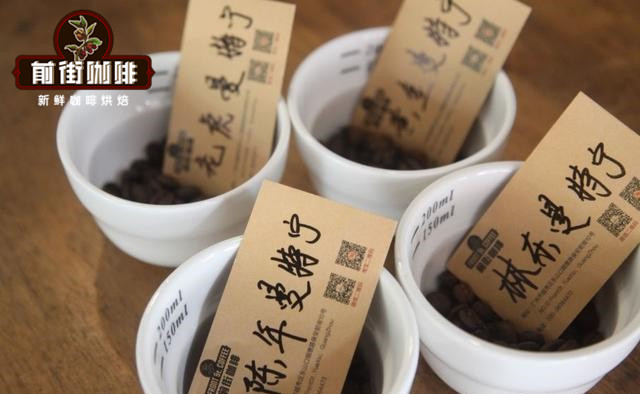
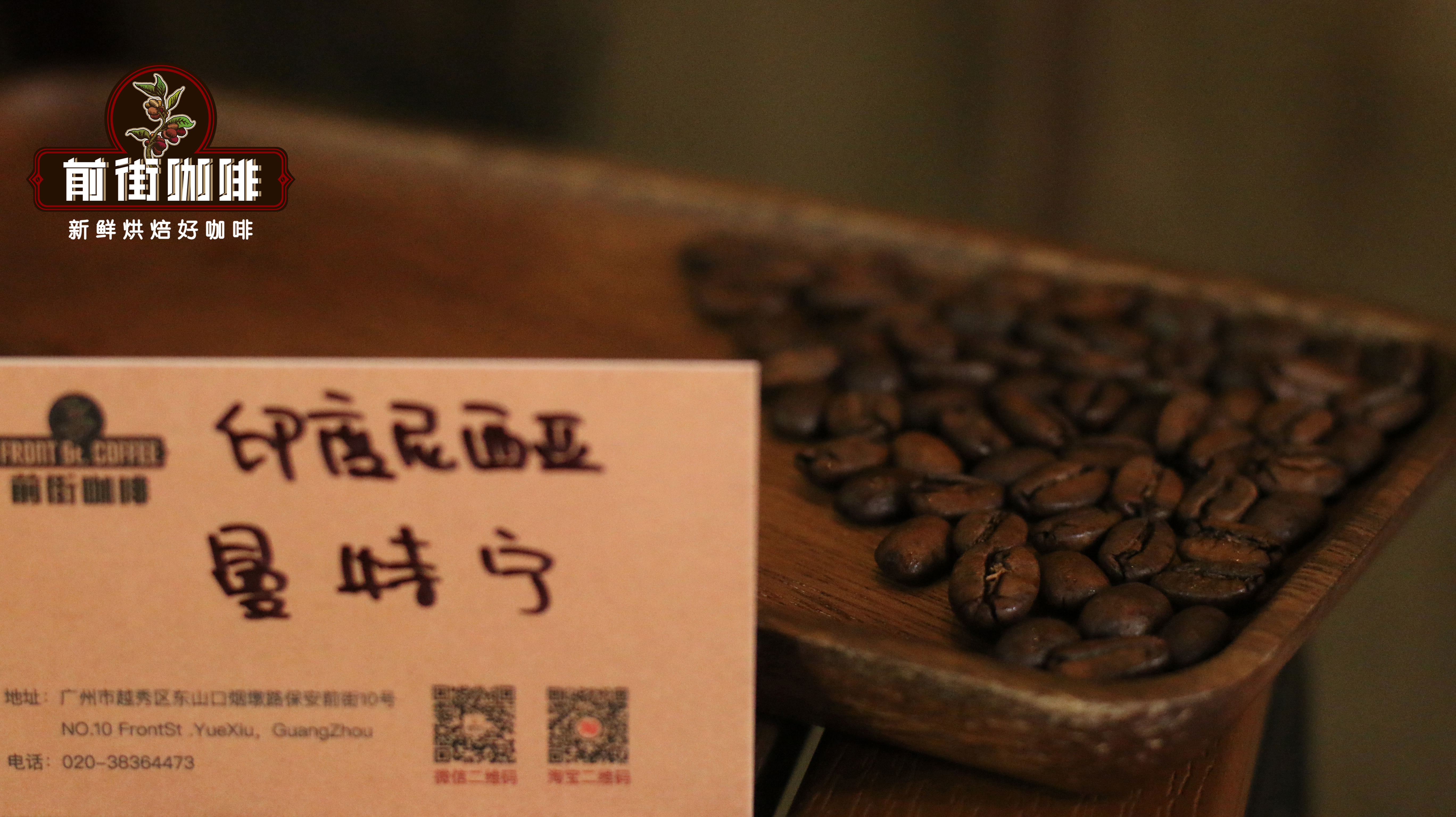
Indonesian coffee beans are the most famousMandhelingCoffee beans, Front Street currently launches 5 types of Mandheling coffee beans with different flavors, including oneGolden Mandheling, people often meet on the street and ask, is there any difference between this golden Mandheling and ordinary Mandheling? Front Street compared the two Mandheling coffee beans. The flavor expression of Golden Mandheling is cleaner and clearer, and the layering is richer than ordinary Mandheling. The biggest reason is that Golden Mandheling uses more than three times of manual screening and the selected bean mesh is more than 18, which makes the Golden Mandheling beans uniform in size, so the flavor will naturally be more balanced. Therefore, both in appearance and taste, the difference between Golden Mandheling and ordinary Mandheling can be clearly distinguished.
Sumatra Mandheling coffee
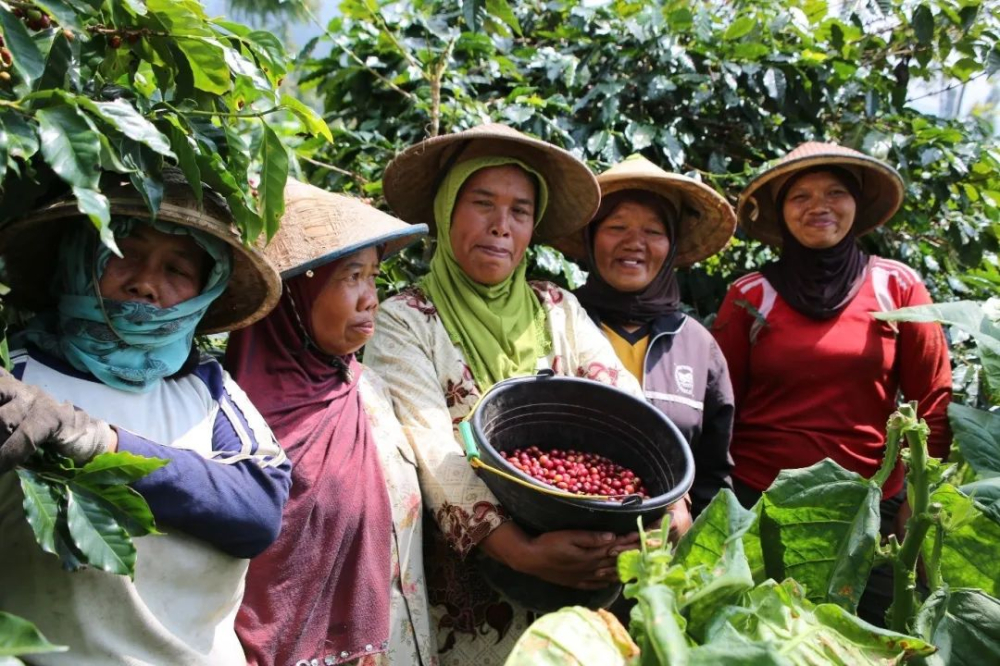
Indonesia is located in southeastern Asia. Its coffee history can be traced back to 1696. Dutch coffee farmers tried to find a wider coffee planting land. After many explorations, they finally determined the Java Island in Indonesia. After 30 years, Indonesia has laid a sufficient foundation in the coffee market.However, today, the representative of Indonesian coffee is Mandheling. This is actually not an unexpected result, because a large part of the Javanese coffee sold to Europe at the beginning came from Sumatra, and Mandheling came from Sumatra. Therefore, Sumatra can be said to be an important coffee producing area in Indonesia.
Mandheling coffee story
Mandheling originally refers to the name of a tribe in Indonesia. There is also a story about how it became the name of coffee beans by accident. When Japanese soldiers returned to Japan after colonizing Indonesia, they were obsessed with the delicious local coffee, so they used their trade friends to ask locals to help collect high-quality coffee beans, including this Mandheling. The Japanese liked this coffee bean very much and asked for the name. Since the commercial source was not convenient to disclose, the locals casually said "Mandheling", and Mandheling became a coffee bean by mistake.The local people mentioned earlier are actually the owners of the Indonesian PWN Company (Pwani Coffee Company) mentioned below.
Sumatra’s unique processing method – wet planing
Mandheling mostly uses the wet planing method, a unique coffee bean processing method in Sumatra. Since the local weather is often rainy and typhoons are constant, it is impossible to achieve the good weather required for sun exposure. Moreover, the local economy is not good, and it is also impossible to use the more expensive method of washing, so the wet planing method with local characteristics has been derived.
In the first stage, a wooden peeling machine is used to remove the peel and pulp. After fermentation for 3 hours, it is dried to reduce the moisture content to 30-50%, which is semi-dry and semi-wet.
In the second stage, the pectin and sheepskin are removed, and the subsequent sun-drying process continues. The drying process takes 2-4 days and the moisture content is reduced to 12-13%.
In addition to regular wet planing, there is also an aged wet planing method. The coffee beans are first processed by the ordinary wet planing method, and then sealed in the warehouse for 2 to 3 years. The warehouse environment must be cool and ventilated, and the beans must be turned regularly to prevent mold and spoilage. During this period, the acidity of the coffee beans will slowly weaken and turn into sugar, and the color will also become darker, mostly yellowish brown or dark brown. Mandheling coffee beans using this processing method are also called aged Mandheling coffee beans.
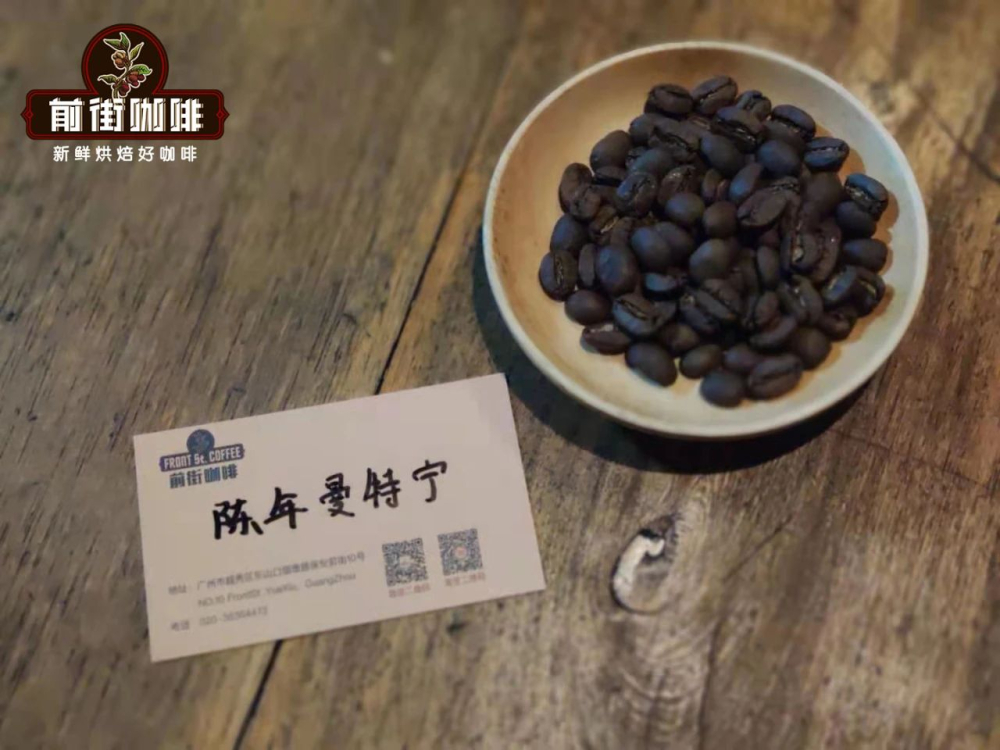
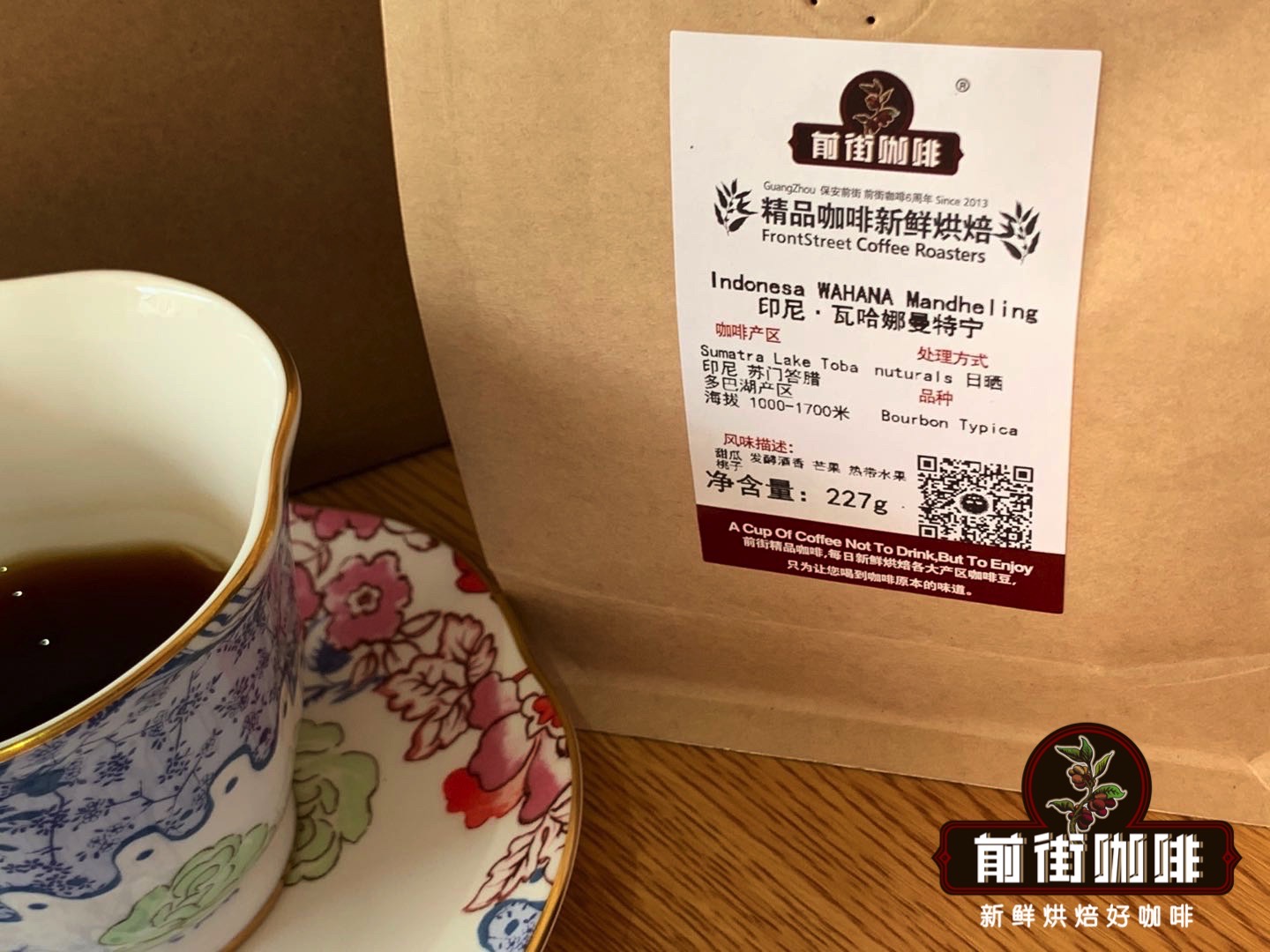
The wet planing method creates the special flavor of Mandheling. It can be said that Mandheling and the wet planing method are bound to each other, but today’s coffee market is no longer satisfied with being static. Even if the wet planing method is the specialty of Mandheling, there will be attempts at other processing methods, such as the sun-dried Mandheling at Wahana Manor. There are also requirements for changing the processing method. On the basis of retaining the original coffee bean flavor, other flavors are added.
The difference between Mandheling and Golden Mandheling
The most common and highly accepted varieties of Mandheling on the market today are Lindong Mandheling and Golden Mandheling. Lindong Mandheling is the most classic Mandheling.
[FrontStreet Coffee: Lindong Mandheling coffee beans]
Production area: Sumatra Lindong production area
Altitude: 1100-1600 meters
Variety: TimTim, Ateng
Treatment method: wet planing
Flavor: Baked toast, nuts, caramel, pine, herbs
Lintong Mandheling is produced in the Lintong Mountains in north-central Sumatra, near Lake Toba. Lindong Mandheling is the regular version of Mandheling. Lin Dong Mandheling also uses the conventional wet planing method, which creates its characteristics of low sourness and high alcohol content. However, what will happen when using the wet planing method is that the semi-hard and semi-soft wet green beans are easily crushed when the pectin parchment layer is removed, and the beans will be damaged and cracked like sheep's hooves, commonly known as sheep's hooves. This is not a defective bean, it can be said to be a very significant feature of Mandheling.
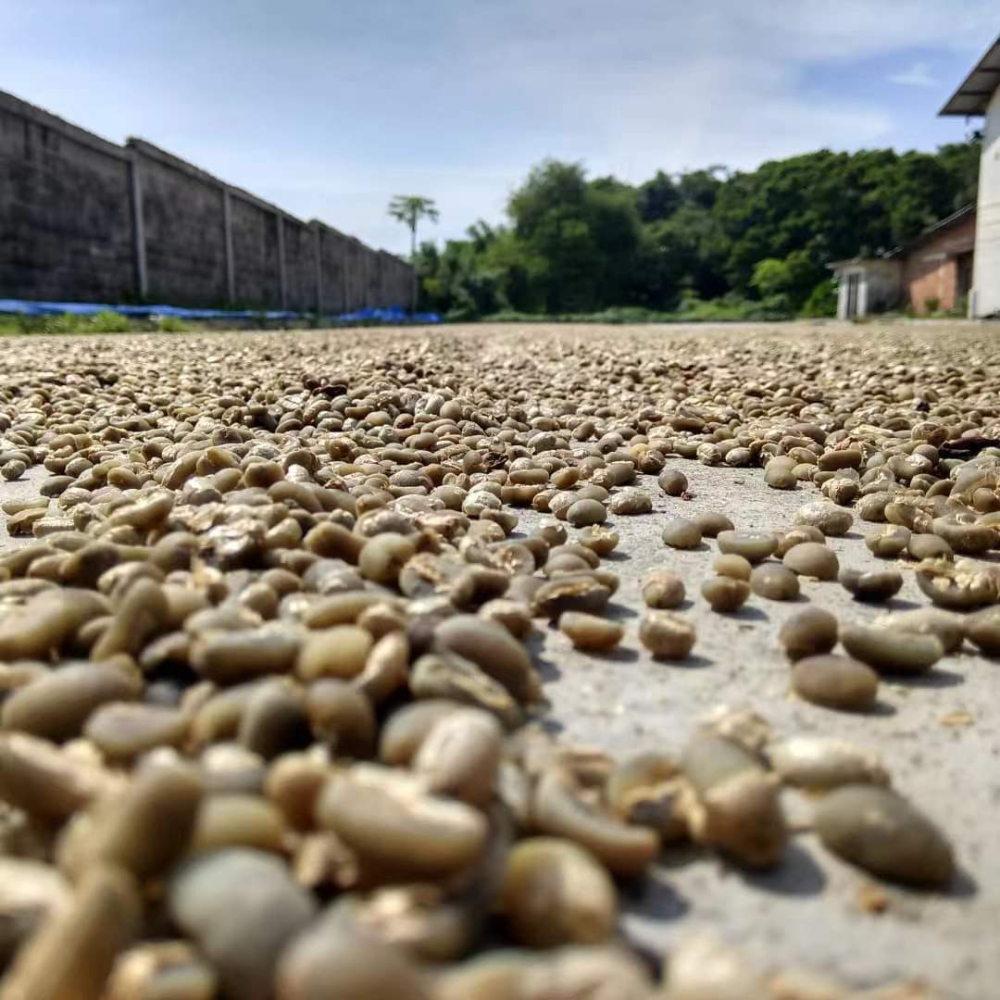
Lin Dong Mandheling does not put much effort into the selection. Improper processing can easily lead to unstable coffee beans, but it does not detract from the world's love for its mellow flavor.
Mandheling coffee is mainly grown in two varieties: Ateng and Tim Tim. Tim Tim is a natural hybrid of the Arabica varieties Typica and Robusta, which is Timor. It inherits the high yield and disease resistance of Robusta, and its flavor is characterized by a strong taste.AtengIt is also a common local coffee variety, which is what we often call Katim.Catimor, in central Aceh regionAceh TengahDiscovered and named by place.AtengA hybrid descendant of Caduca and Tim, a variety of Arabica Bourbon, there are several subtypes, with Robusta1/4It has super high disease resistance and is widely planted in Sumatra and other Indonesian islands. Golden Mandheling Coffee on Front StreetAtengVariety.
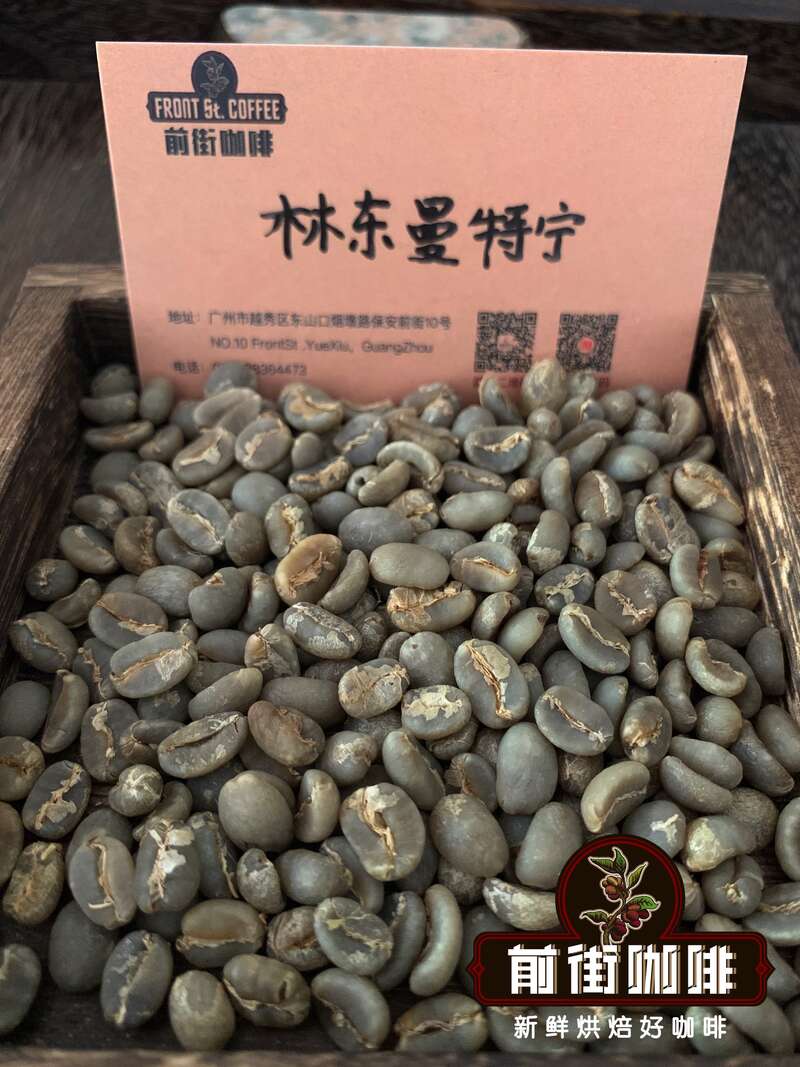
[FrontStreet Coffee: PWN Golden Mandheling Coffee Beans]
Production area: Mount Aceh, Sumatra
Altitude: 1100-1600 meters
Variety: Ateng
Grade: G1, 3 hand selections
Treatment method: wet planing
Flavor: Spice, Herb, Caramel, Pine, Nut, Chocolate
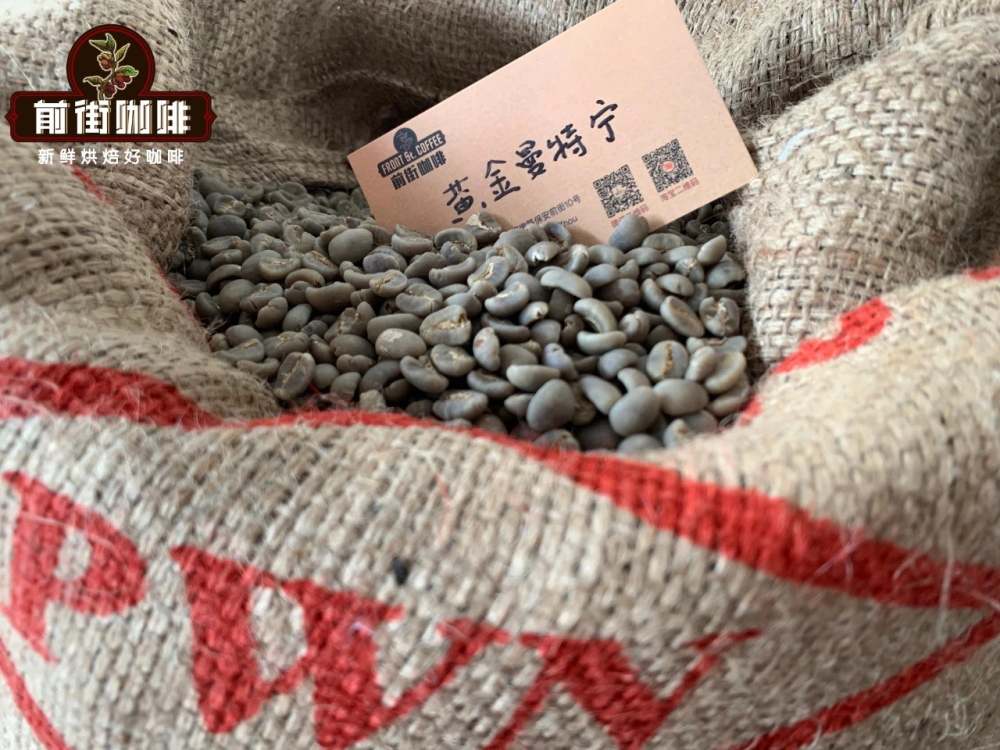
The Japanese have been very interested in this coffee bean since they discovered Mandheling. In the process of cooperating with local green bean merchants, they established a strict screening system. After the processed green beans were screened by density and color separation, they had to manually pick the beans many times. In the end, Mandheling was presented with uniform color and uniform bean shape. It is said that when the green beans are processed, Mandheling emits a golden luster when exposed to sunlight, hence the name Golden Mandheling.
The specification of Golden Mandheling is more than 18 mesh, with less than 3 defective beans (300g raw bean sample). It belongs to the highest grade G1 grade. The color is dark green and it is a flat bean with a neat shape. After strict screening, the Golden Mandheling not only lacks the earthy smell unique to ordinary Mandheling, but also tastes cleaner and more translucent, and has a stronger sweetness.
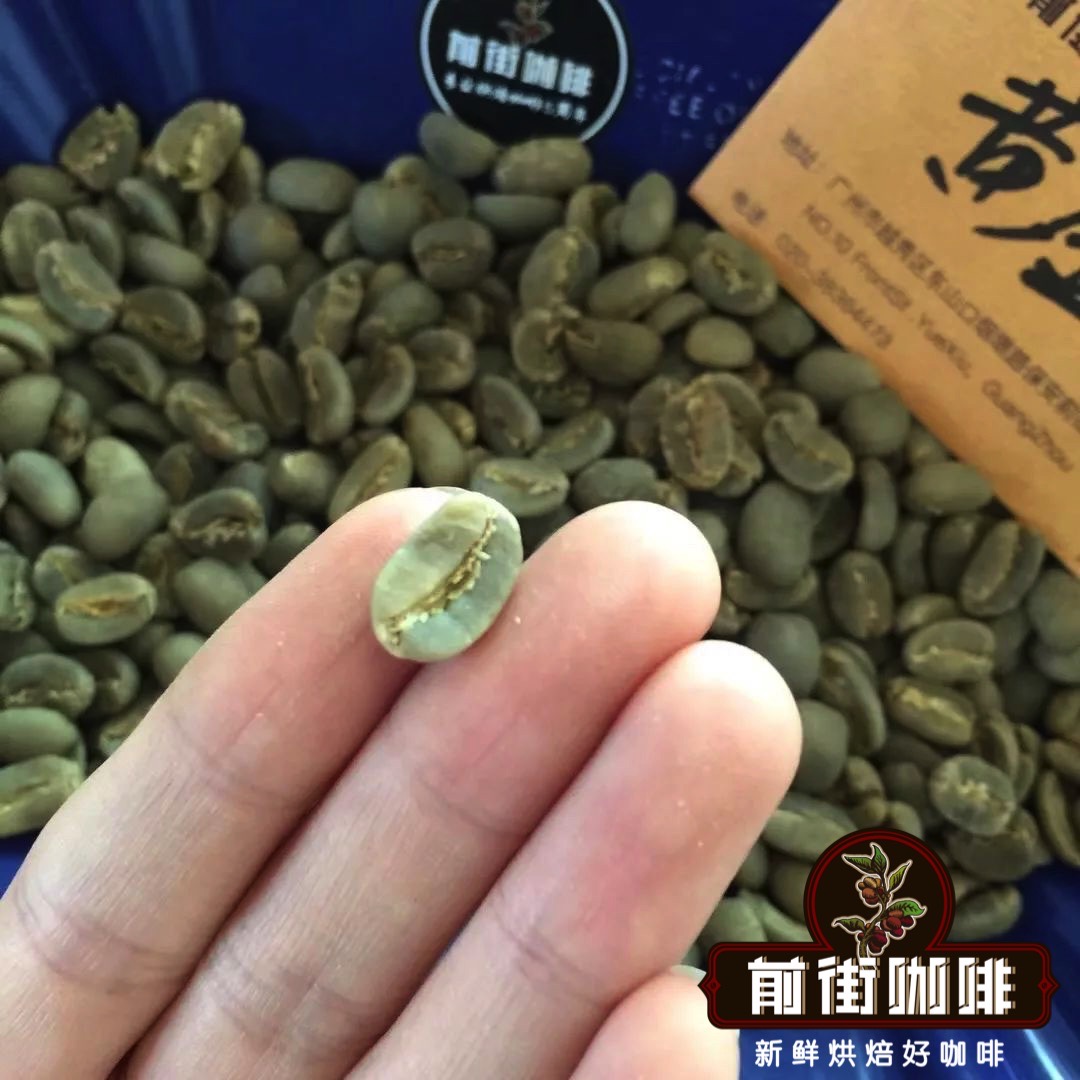
However, it was not a Japanese company that registered Gold Top Mandheling as a trademark, but a local Indonesian company, PWN (Pwani Coffee Company), which cooperated with Japanese companies in the early days to export Mandheling coffee beans. The Japanese company registered "Gold Top Mandheling", which is also known as Dingshang Golden Mandheling. In terms of flavor performance, there is actually not much difference between the two. However, due to different brands and different marketing strategies of merchants, it is possible that public opinion will change in the end. Therefore, which one of the two golden Mandhelings is better is a matter of opinion.
Ateng is a cross between Arabica and Robusta, with several subtypes, widely grown in Sumatra and other small Indonesian islands. To put it bluntly, it is a branch of Catimor, and Ateng is the local name.
Baking comparison
When FrontStreet Coffee roasts Mandheling coffee, the roasting goal is medium-dark roasting in order to erase the excessive sourness of Mandheling and improve its body and balance.

Machine: Yangjia 800N, 550g of green bean input
| coffee beans | Golden Mandheling | Lindong Mandheling |
| Bean temperature | 200℃ | 200℃ |
| Turn yellow point | 5'40",148℃ | 5'18",147.7℃ |
| A blast | 9'54",191.2℃ | 9'00",186℃ |
| Development after the explosion | 3’30”, baked at 204.5℃ | 4’00”, baked at 202℃ |
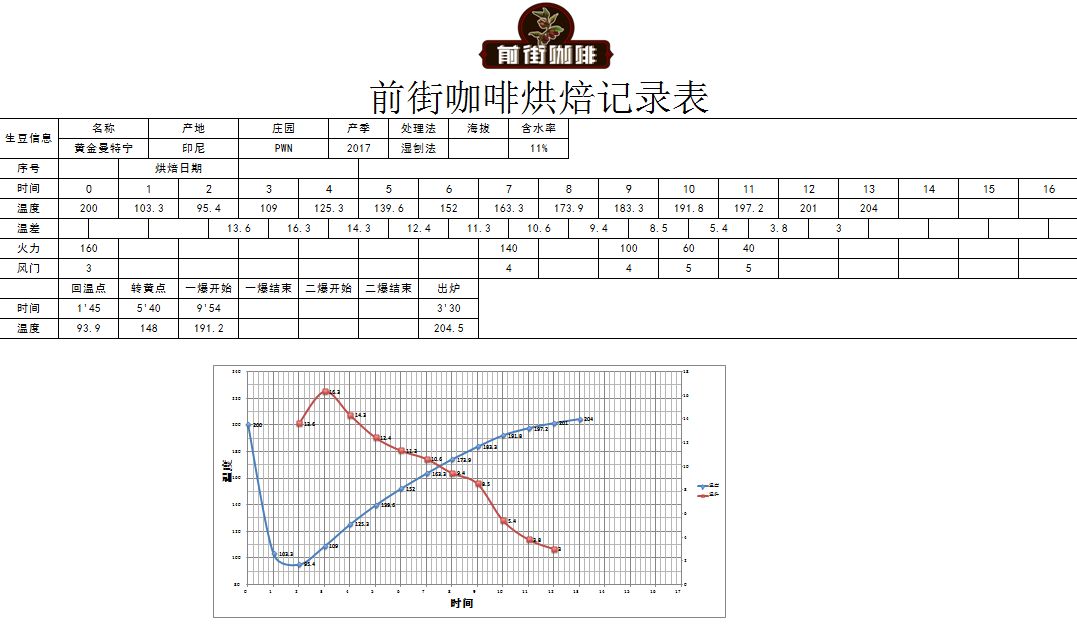
FrontStreet CoffeeGolden MandhelingBaking record sheet
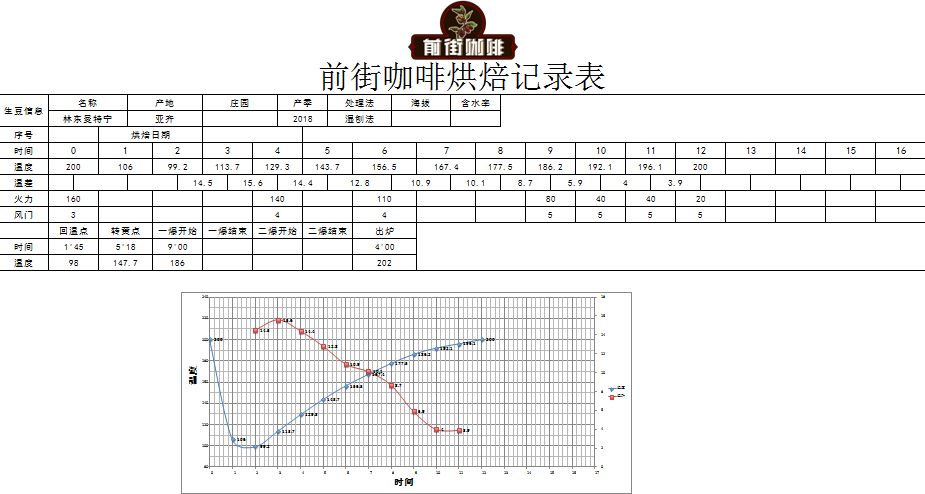
FrontStreet Coffee (FrontStreet Coffee) Lindong Mandheling roasting record sheet
Hand-brewed flavor comparison
Front Street Brewing strives to unify the brewing parameters of these two Mandheling coffee beans.
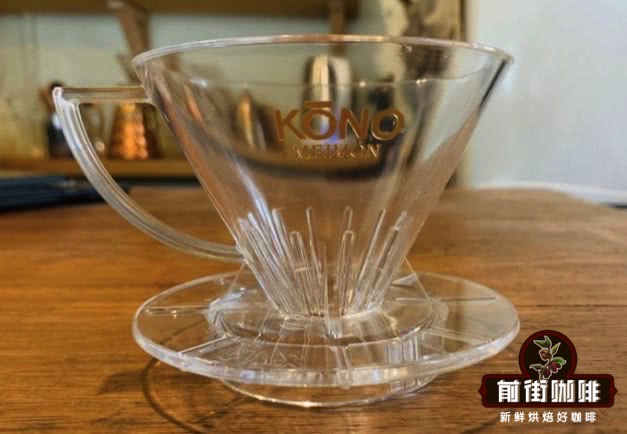
Filter cup: Kono filter cup
Water temperature: 88℃
Amount of powder: 15g
Pink to water ratio: 1:15
Grinding degree: No. 20 standard screen pass rate 70-75%
*Reason for choosing Kono filter cup: The Kono filter cup has few ribs and is located at the low end. The filter paper is close to the filter cup, which can limit the air flow and increase the contact time between water and coffee powder, allowing the coffee powder to be fully extracted and improving the mellow taste.
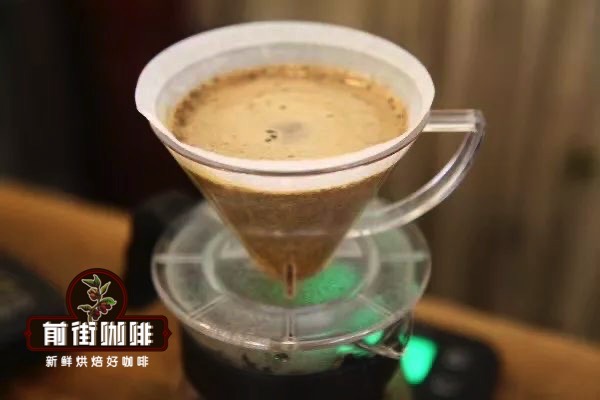
Front Street adopts segmented extraction. Use 30 grams of water to steam for 30 seconds. When the water level drops to 125 grams, continue to pour water to 225 grams and stop pouring water. When the water level drops and the powder bed is exposed, remove the filter cup. (Steaming starts timing) The extraction time is 2'00'.
【Flavour description】
Golden Mandheling: Multiple layers, mellow and clean, high balance, rich nutty and caramel aroma, with chocolate flavor, and long-lasting aftertaste.
Lin Dong Mandheling: Herbal flavor, dark chocolate, caramel, sweet aftertaste.
You can now buy the above coffee beans online at the Taobao store “FrontStreet Coffee” (前街咖啡). FrontStreet Coffee is a long-established specialty coffee roaster in Guangzhou, China, and its Guangzhou retail shop sells coffee beans only. The shop carries dozens of coffee beans from different origins around the world, including carefully selected single-origin beans for V60 pour-over and espresso. Guangzhou’s FrontStreet Coffee shop is recommended by many coffee lovers.
The FrontStreet 2013 Yunnan coffee beans sold in the store come from the Typica variety grown at FrontStreet Coffee’s own plantation in Yunnan. The name comes from the year the brand and the plantation were founded. You can buy these beans from China’s Yunnan origin at the Guangzhou shop and at FrontStreet’s Taobao store.
FrontStreet coffee beans are freshly roasted within 5 days and deliver consistently excellent quality and great value. Orders placed before 17:00 are shipped the same day, and most areas within Guangdong Province receive them the next day.
FrontStreet Coffee Taobao store: https://qianjiecoffee.taobao.com
Or search for “前街咖啡” (FrontStreet Coffee) on Taobao
Important Notice: FrontStreet Coffee has moved to a new address: 315, Donghua East Road, Guangzhou (coffee beans only)
Tel: 020 38364473
