
Friends who know Gesha Coffee and Blue Mountain Coffee will have a certain understanding of Colombian coffee. So do you know the differences between them? If you don’t know, let’s follow Front Street today to distinguish between Sumatra Mandheling coffee and Colombian coffee. No matter in terms of flavor and taste, the differences between the two are numerous.
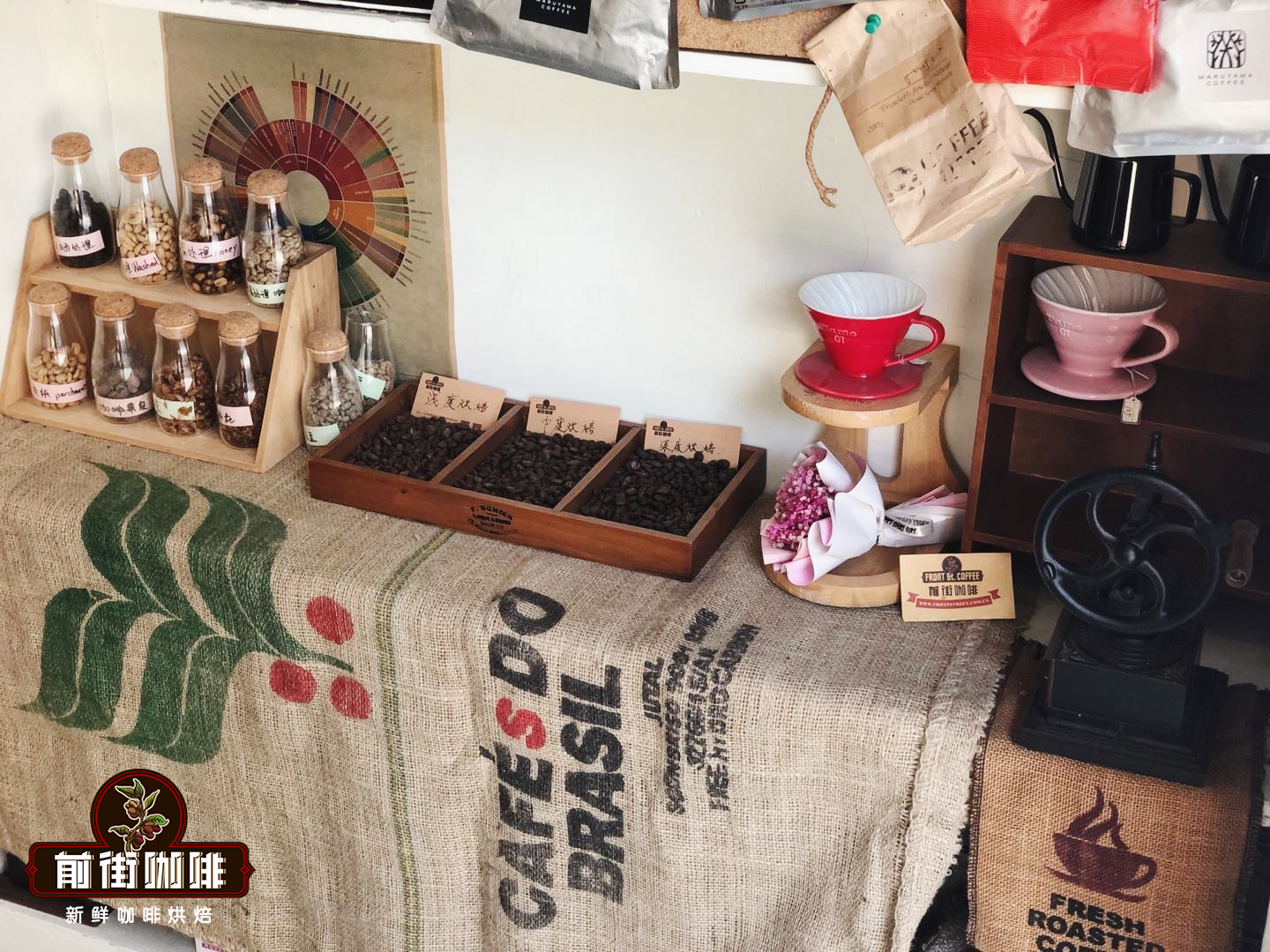
In stores or on the Tmall flagship store, customers often ask FrontStreet Coffee how to choose coffee beans. Because FrontStreet Coffee currently displays more than 30 varieties of coffee beans, all of which are collected from various coffee producing areas around the world. Each has its own merits and will be updated from time to time in other coffee producing areas. Mandheling coffee is one of the most familiar coffee beans to Chinese people. So, do you know about the history, culture and stories of Mandheling coffee? Regarding coffee from Colombia, the world’s largest exporter of washed coffee beans, do you also know the characteristics of this coffee production area? Customers who come to FrontStreet Coffee don’t just come to drink a cup of coffee, and FrontStreet Coffee doesn’t just come to produce a cup of coffee.
The story of Mandheling originated in the 17th century, when the Dutch first introduced Arabica saplings to Ceylon (today's Sri Lanka) and Indonesia. In 1877, a large-scale disaster hit the Indonesian islands. Coffee rust destroyed almost all the coffee trees. People had to abandon the Arabica coffee trees that had been cultivated for many years and introduced robusta coffee trees with strong disease resistance from Africa. Indonesia today is a large coffee-producing country. Coffee is mainly produced in Java, Sumatra and Sulawesi, and the Robusta variety accounts for 90% of the total production.
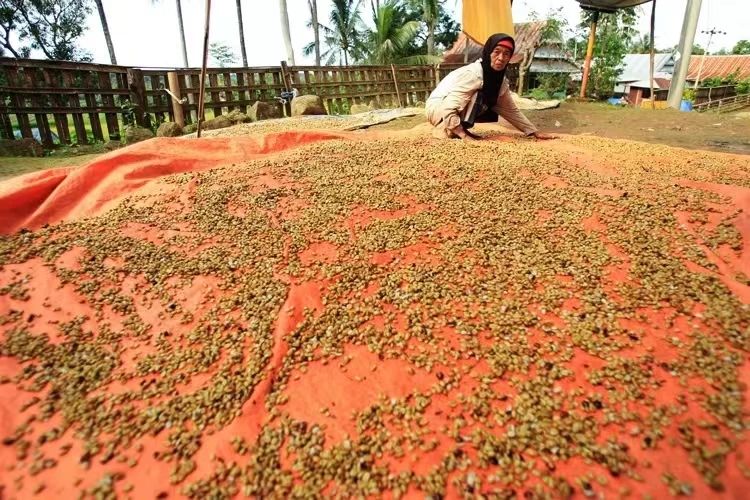
The Sumatran Mandheling is a rare Arabica species. These trees are planted on slopes between 750 meters and 1500 meters above sea level. The mysterious and unique Sumatran species gives Mandheling coffee a rich aroma, rich taste, strong taste, slightly chocolatey and syrupy taste. Mandheling coffee beans have larger particles and are harder. They are prone to defects during the planting process. They usually undergo strict manual selection after harvesting. If the control process is not strict enough, it can easily lead to uneven quality. In addition, different roasting levels will also directly affect the taste, so it has become a controversial item. The name Mandheling is very different from other coffee beans. It is not the name of the production area, place, port, or even the name of the coffee variety (for example, Yirgacheffe or Sidamo is the name of a production area in Africa). His name is just a mispronunciation of the Mandheling ethnic group in Indonesia.
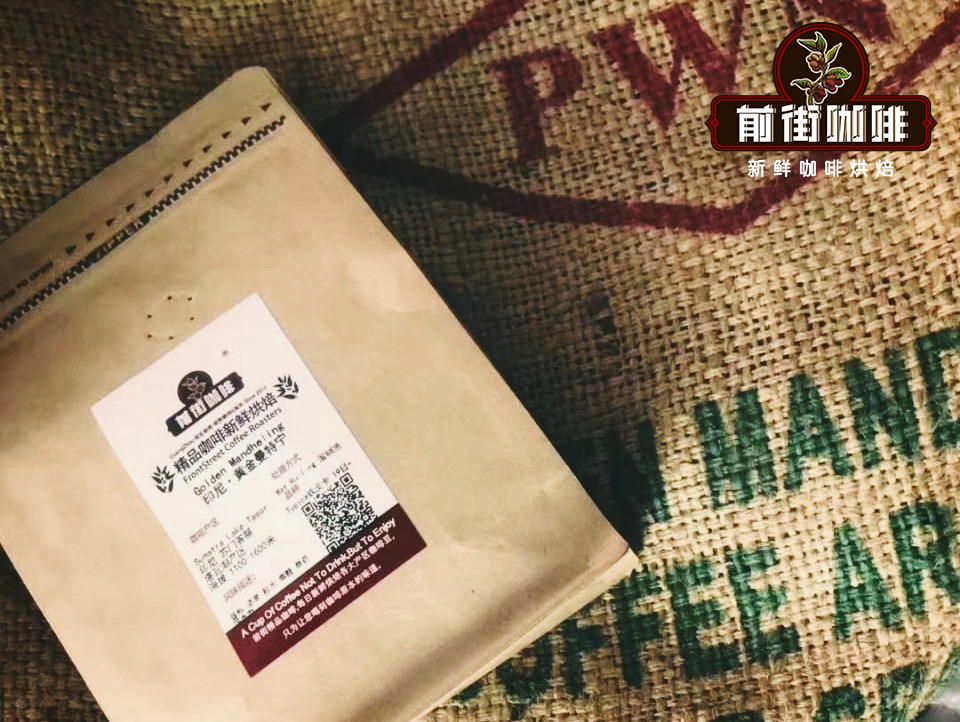
Why is this nation related to coffee? In fact, there is a legend that came to light. During World War II, Japan occupied Indonesia. One of the Japanese soldiers drank extremely delicious coffee in a coffee shop. He immediately asked the shop owner the name of the cup of coffee. However, due to the language barrier, the shop owner thought he was asking: "Where are you from?", so he answered: "Mandheling". After the end of World War II, the Japanese soldier recalled the "Mandheling" he had drunk in Indonesia, so he asked an Indonesian broker to transport fifteen metric tons of Mandheling to Japan for him. As a result, it was very popular in the Japanese coffee market, so the name Mandheling has been passed down to this day. (This broker created Pwani Coffee Company, referred to as PWN, which is well-known in the Indonesian coffee industry today, and is also the trademark owner of Golden Mandheling).
Mandheling coffee Mandheling coffee beans are produced in Sumatra Island, Indonesia, Asia, and are also called "Sumatra coffee". Mandheling is a high-quality coffee bean planted in plateau mountains at an altitude of 750-1500 meters. It is a rare Arabica coffee bean in Indonesia. The first-class Mandheling produced in Takengon and Sidikalang is of the best quality. The mysterious and unique natural environment of Sumatra gives Mandheling a rich aroma, rich taste, strong taste, and a slight hint of chocolate and syrup.
Mandheling coffee beans have larger particles and harder beans, and are prone to defects during the planting process. They must undergo strict manual selection after harvesting, otherwise the quality may vary. In addition, the different roasting levels will directly affect the taste of the coffee, so it has become a controversial single-origin coffee. The appearance of Mandheling coffee beans can be said to be the ugliest in the coffee capital, but Front Street believes that in terms of taste, Mandheling coffee has an impressive taste. It has a rich flavor, sweet aroma, pure bitterness, mellowness, and a little sweetness.
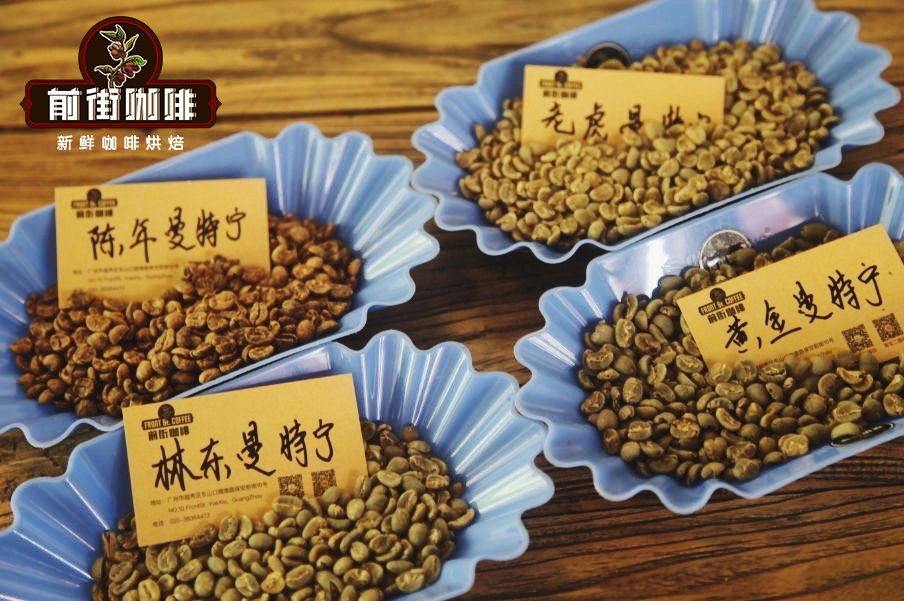
Since Mandheling coffee beans themselves do not have much acidic properties, they will not have an unpleasant sour taste after being kept warm for a long time or brewed into iced coffee. After roasting, the coffee beans have larger particles. The green beans are brown or dark green, with a special caramel-like aroma and a mellow and rich taste. Most coffee lovers in general like to drink single-origin coffee, but it is also an indispensable variety for blending coffee. What are the common Mandhelings? Here are four types of Mandheling from FrontStreet Coffee, namely Linton Mandheling, Golden Mandheling, Tiger Mandheling and Aged Mandheling.
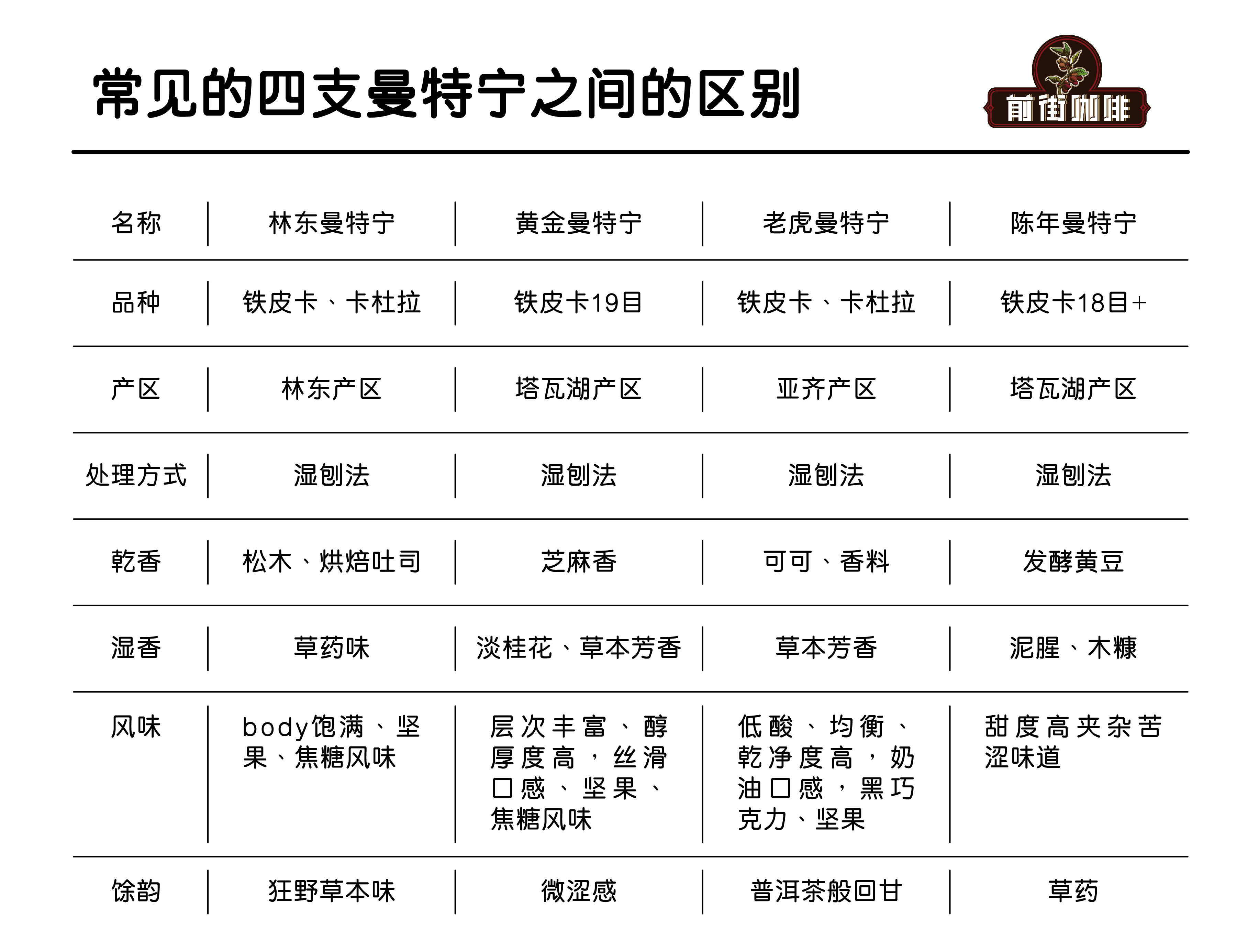
1. Lindong Mandheling is a high-quality Mandheling produced in the Lindong area. The beans have larger particles and are harder in texture.
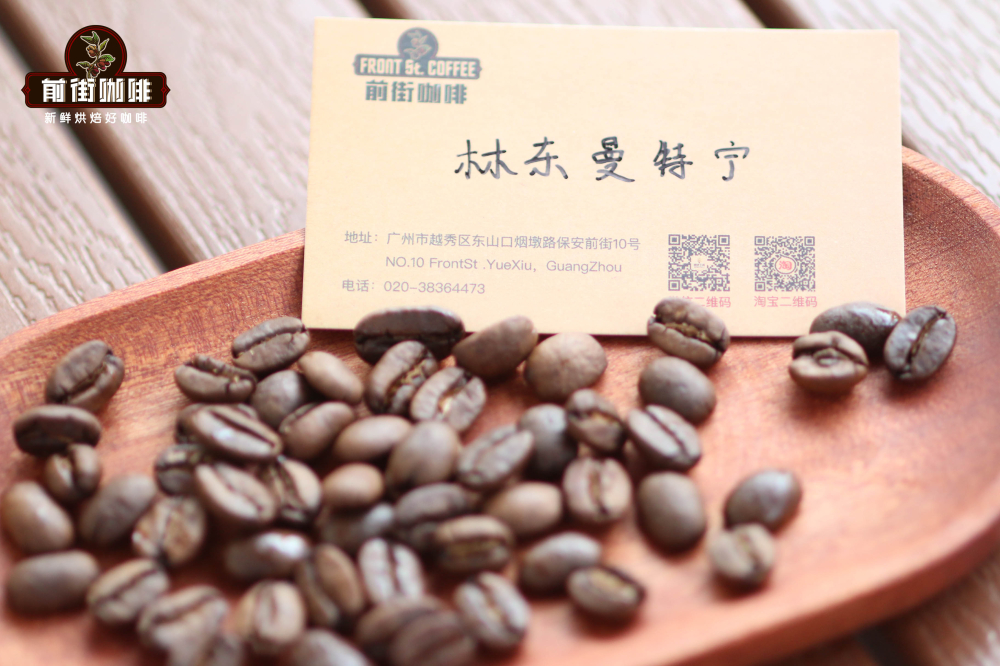
FrontStreet Coffee: Indonesian Lintong Mandheling coffee beans
Production area: Sumatra, Indonesia
Grade: G1
Altitude: 1100~1600m
Variety: Ateng, TimTim
Processing method: wet planing
Flavor: Nuts, spices, chocolate, caramel
Indonesian coffee is very diverse in terms of quality, but what we usually call Mandheling refers to Typica or its variants of coffee beans grown in the mountains around Lake Toba. Coffee gourmets from all over the world have commented: "Sumatra Mandheling coffee is the coffee with the best texture in the world. Mandheling coffee beans have larger particles and harder beans. Because they have more defects, they need to be strictly selected during the coffee processing process. Mandheling coffee is an indispensable variety for blending coffee. The coffee has a strong flavor, sweet, pure bitterness, and mellow, with a little sweetness and slight acidity.
2. Golden Mandheling Golden Mandheling was registered as a trademark by the Indonesian company PWN, and Golden Mandheling became exclusive to PWN.
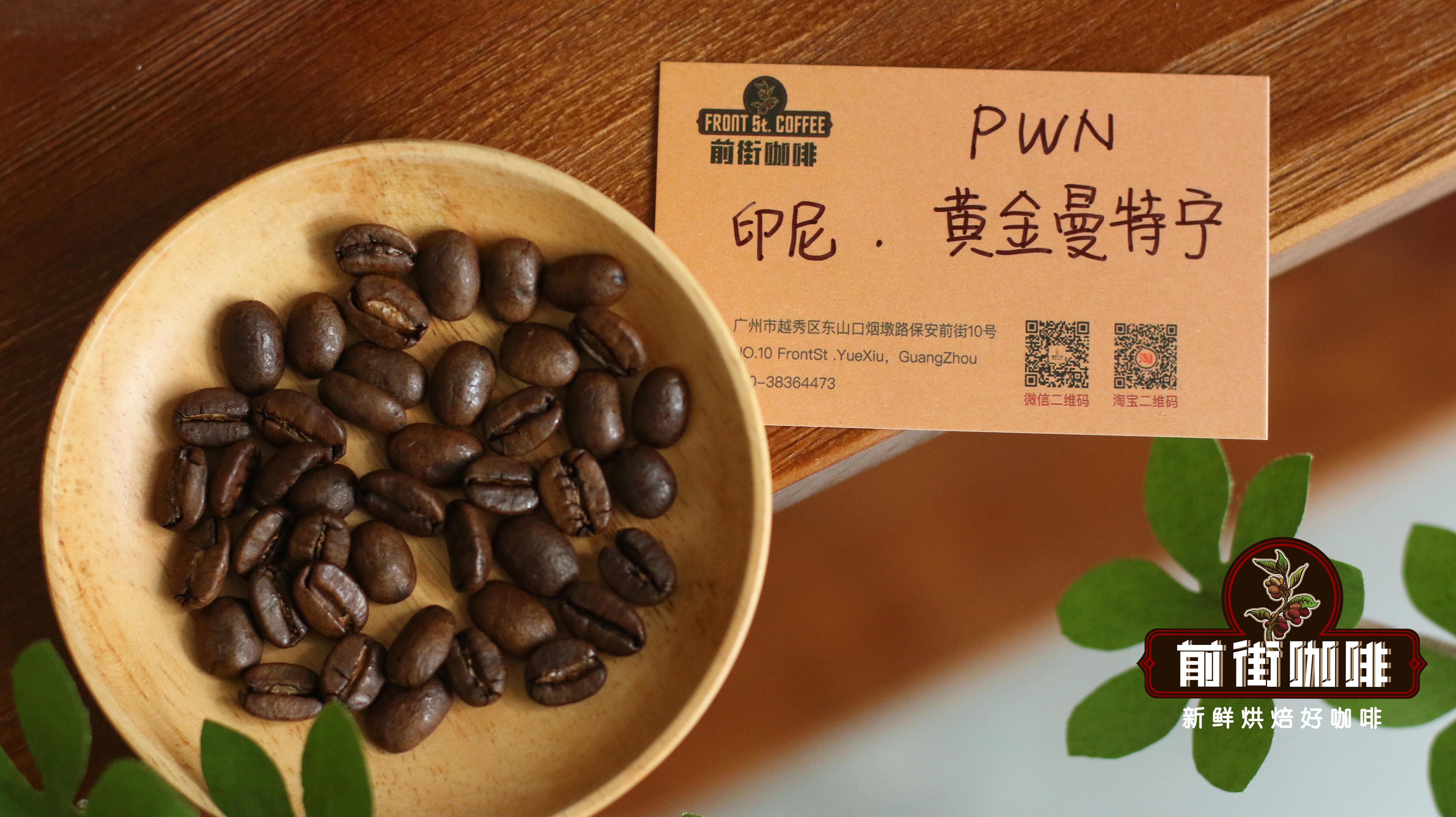
FrontStreet Coffee: PWN Gold Mandheling Coffee Beans
Production area: Sumatra, Indonesia
Grade: G1, three hand selections
Altitude: 1100~1600m
Variety: Ateng
Processing method: wet planing
Flavor: Nuts, spices, herbs, caramel
The Mandheling coffee purchased by PWN is selected from the Gayo Mountains grown in the Aceh production area in north-central Sumatra. Sumatra is the largest island in Indonesia. It has a tropical rainforest climate with high temperatures and humidity all year round. Coffee trees are generally planted in alpine woodlands. The coffee produced in Gayo Mountain in the Aceh production area can be said to be the highest quality in the entire Sumatra region. Most of them are ancient tree species with a higher altitude, between 1,500-2,500 meters. Due to the previous political instability, it was difficult to export coffee from this region. In recent years, the situation has been peaceful, and coffee planting in Aceh has also been developed, and the quality is better than that in Lindong.
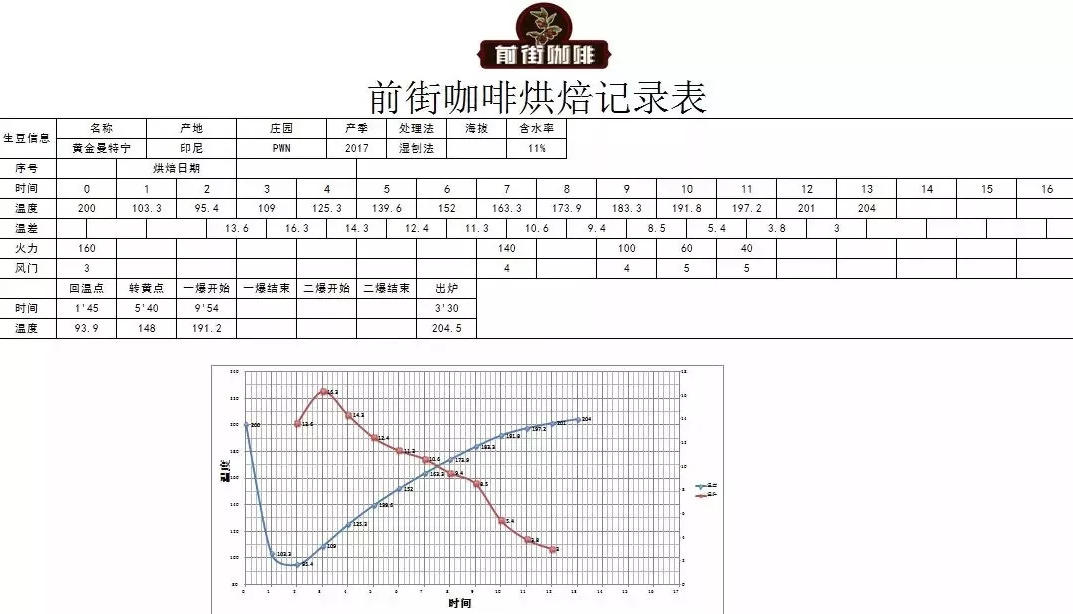
FrontStreet Coffee roasts and brews Golden Mandheling. Roasting Curve FrontStreet Coffee believes that Golden Mandheling is a green bean with a relatively high moisture content, and has a higher deviation value in moisture than sun-dried beans, so special attention should be paid when dehydrating. Green beans with high moisture content can be tasted. After putting in the green beans, immediately close the air door, steam for 30 seconds and then open it to 3 until the color of the green beans turns light green or white. Open the air door to 4, and after the first crack, open the air door to 5 (maximum).
Daily brewing parameters
When brewing Mandheling, FrontStreet Coffee recommends using a KONO filter cup, because it will bring out a rounder, mellower taste and a more direct taste. The only exhaust part of the Kono filter cup is the quarter rib. When the water level passes through the rib part, the water volume in the filter cup continues to rise, and the pressure is increased by the weight of the water. Since the outlet is relatively small, the coffee particles can be kept in contact with the water for a longer time. With the flow of water, soluble substances can be brought out more effectively. Brewing methods such as FrontStreet Coffee can generally achieve the high-mellowness effect expected by customers.
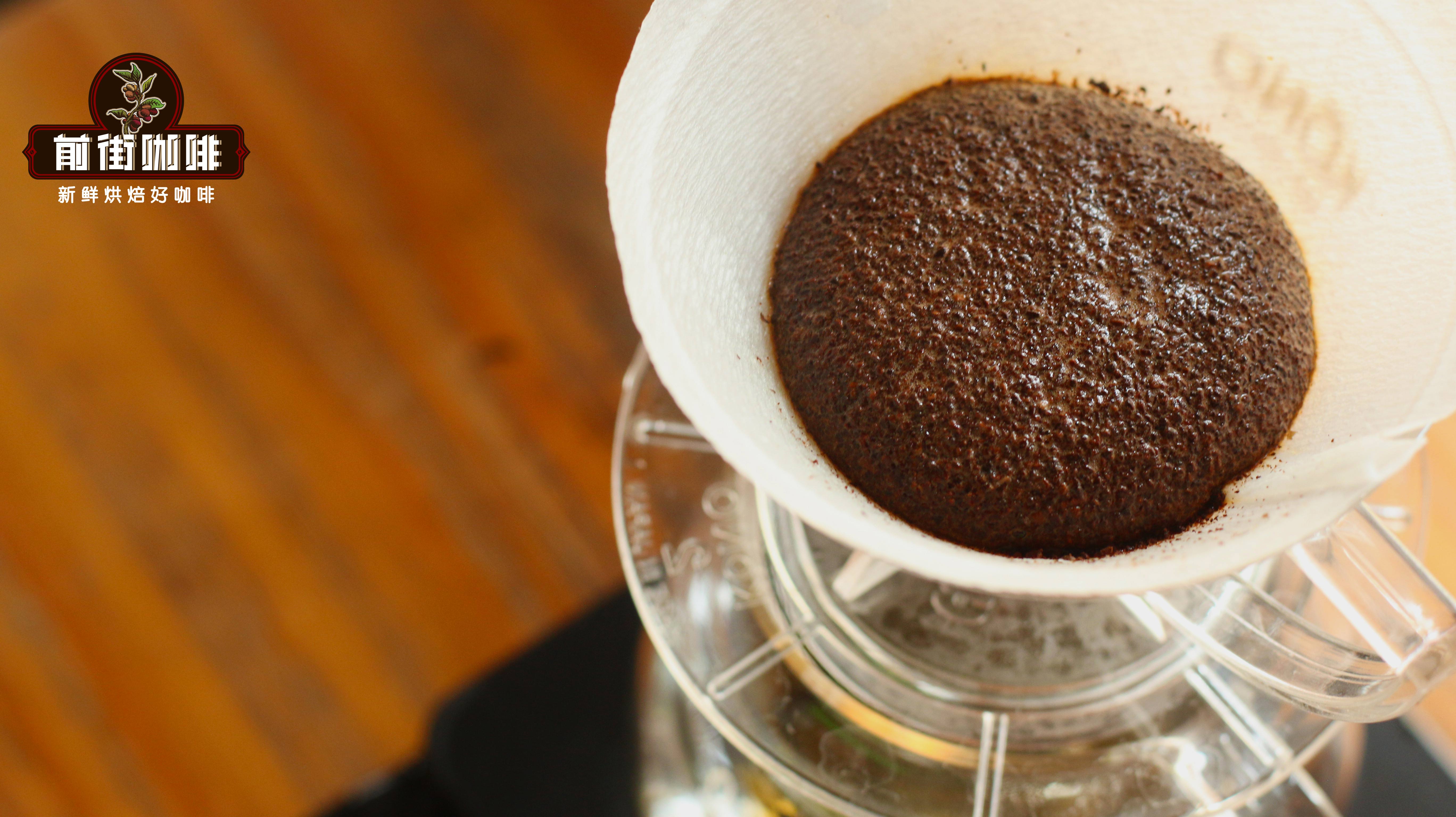
Filter cup: Kono filter cup
Water temperature: 86℃
Amount of powder: 15g
Pink to water ratio: 1:15
Grinding degree: medium to fine grinding (70% sieving rate of China No. 20 standard sieve)
Water injection method: three-stage extraction
First use 30 grams of water to steam for 30 seconds. When the water level drops and the powder bed is exposed, continue to pour water until the powder bed is exposed. Stop pouring water. When the water level drops and the powder bed is exposed, remove the filter cup. (Steaming starts timing) The extraction time is 2’00”.
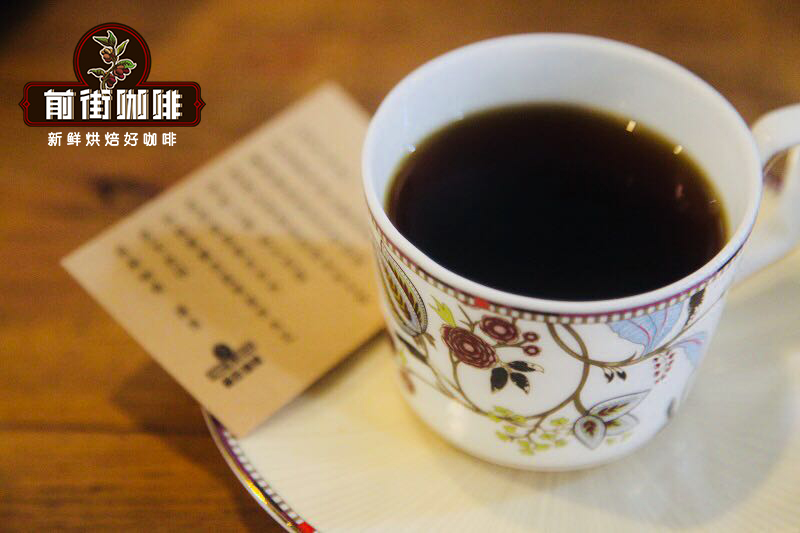
The flavor description is multi-layered, mellow and clean, with a high sense of balance, rich nutty and caramel aroma, with a hint of chocolate, and a long-lasting finish.
3. Tiger Mandheling Tiger Mandheling can only be called Tiger Mandheling if the defect rate of more than 17 meshes is less than 4%. The main species of tiger Mandheling are Kadura and Typica. Kadura has a sour taste of citrus and lemon, while Typica has a long-lasting sweet aftertaste, giving Tigerman a more even taste and high cleanliness.
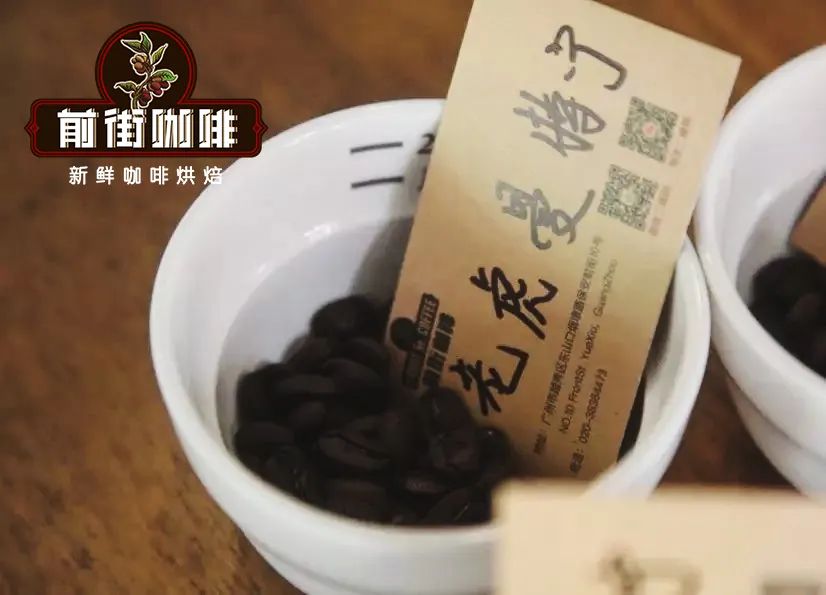
FrontStreet Coffee: Indonesian Tiger Mandheling coffee beans
Production area: Sumatra Aceh
Altitude: 1500 meters
Variety: Typica, Kadura, Sidikalong
Treatment method: wet planing
4. Aged Mandheling. Aged coffee beans do not mean that the green coffee beans have been stored for a long time. This is not allowed, because the green coffee beans will also rot if stored for a long time. They will turn from fresh cyan to white, then to yellow, become tasteless, and even grow insects. Like aged wine, green beans must be properly processed and stored for a long time before they can be called truly aged coffee. The so-called aged coffee beans (Aged beans) mean that the green beans are naturally aged by extending the storage time (usually 2 to 3 years). These changes include weakened acidity, color change and thickening of the beans. The storage environment must have cool and ventilated conditions. Because the storage environment is dark and takes a long time, aged coffee is always difficult to get rid of the musty smell or the complex smell commonly known as sackcloth or leather.
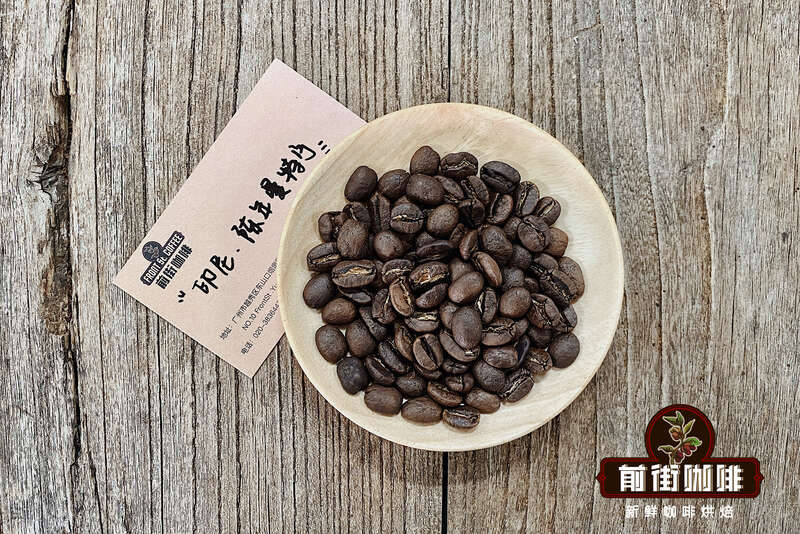
FrontStreet Coffee: Indonesian aged Mandheling coffee beans
Origin: Sumatra
Variety: Typica
Grade: G1 18 mesh
Altitude: 1100-1600 meters
Treatment: Aged wet planing
Colombian coffee characteristics
Colombia’s favorable climate provides a true “natural pasture” for coffee. The country has also become the second largest coffee producer after Brazil, as well as the world's largest exporter of Arabica coffee beans and the world's largest exporter of washed coffee beans.
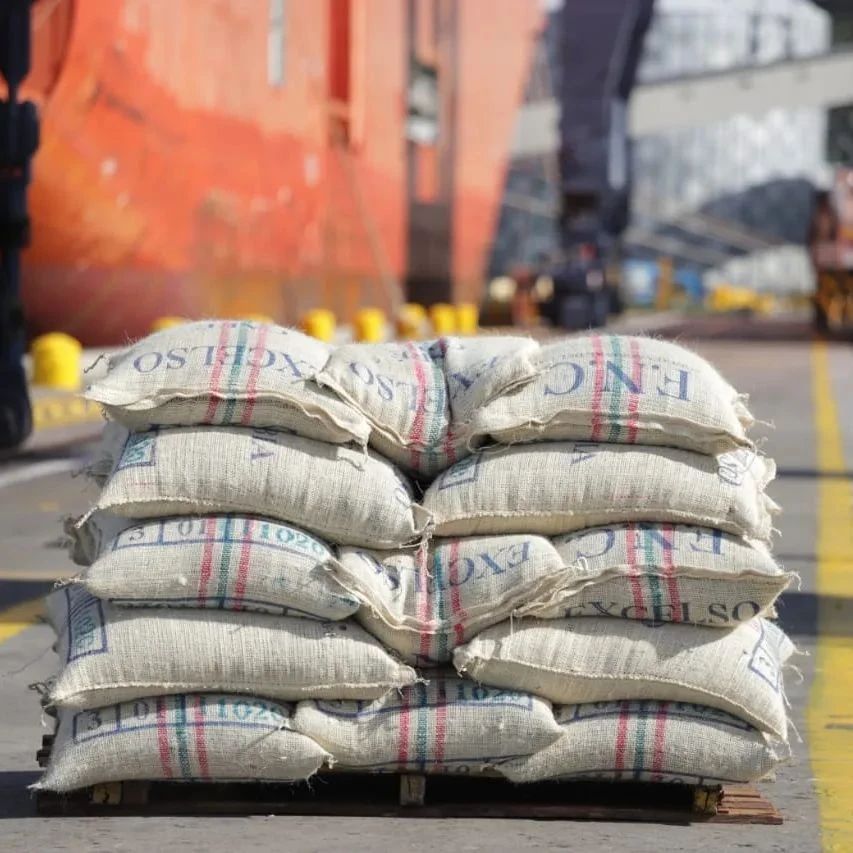
Colombia cultivates approximately 875,000 hectares of coffee in 590 municipalities and 14 coffee-growing regions. The country exports an average of 75% of its products around the world, with crops accounting for 10% to 16% of agricultural GDP. What surprises FrontStreet Coffee is that most of these coffees come from small farms, with 60% of Colombian coffee-growing farms having less than one hectare, and only 0.5% having more than 20 hectares of coffee. Colombian coffee is a very representative and excellent variety of Arabica coffee. It is also a traditional dark roasted coffee with a strong and memorable taste.
Characteristics of Colombian coffee beans: rich and thick aroma, with bright high-quality acidity, high balance, sometimes nutty flavor, and endless aftertaste. Regardless of appearance and quality, Colombian coffee is top-grade.
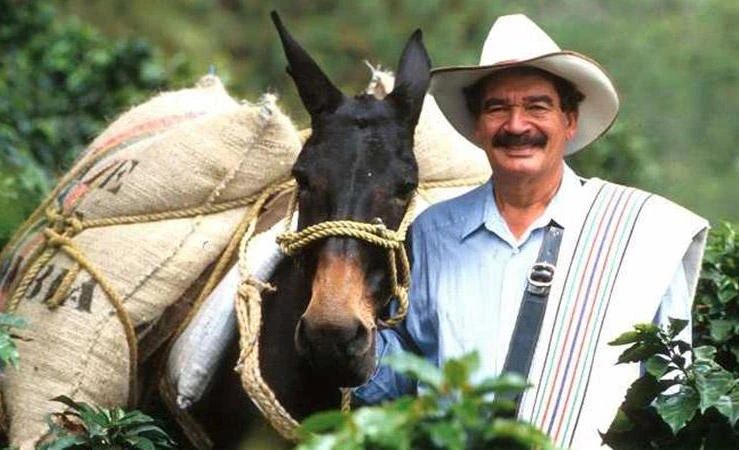
Volcanic soil + family-style operation According to legend, coffee was introduced from Venezuela by missionaries in 1730 and cultivated in the southeast of the country. Later, due to the civil war and political situation, it gradually moved to the western mountainous area. Under the ideal cultivation environment of altitude and volcanic soil, the coffee produced in Colombia has been recommended by high-end consumers in the United States and Japan since the 1940s. It can only be harvested by hand when it is ripe. They cherish the piece of land they live in and do everything from fertilizer selection to cultivation, so there is less land fatigue. In addition to coffee, locals will also plant tall trees or banana trees around the coffee trees. During the seedling stage, build a pergola for the coffee trees to ensure the cool and humid environment required for coffee growth. Due to the high humidity and small temperature difference in the coffee forest, the ripening period of the coffee cherries is relatively late.
In addition to congenital conditions, there is another main reason why Colombian coffee is higher quality than Brazil: family operation. They do not have heavy machinery for harvesting and irrigation, nor do they have spare money to hire workers. All coffee fruits are conducive to the accumulation of caffeine and aromatic substances, so the coffee quality is the best. Colombian Coffee-Producing Areas Colombian coffee-producing areas are divided into commercial beans and specialty beans.
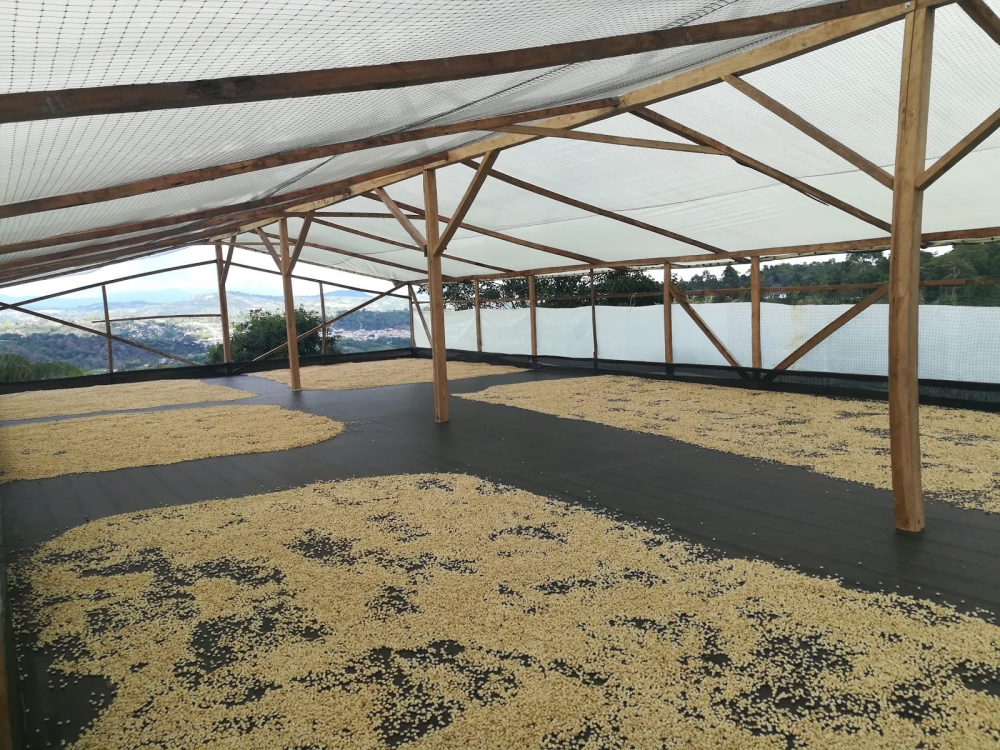
The production areas of commercial coffee beans are concentrated in central and northern Colombia, and most of them are large-scale corporate coffee farmers. Among them, the three major production areas of "MAM" are well-known, namely Medellín, Armenia, and Manizales. The main flavor is the familiar Central American flavor, with strong fruity acidity. However, Bucaramanga produced in the northeastern province of Santander is famous for its low acidity and strong bitter aroma, which is somewhat similar to Indonesian Mandheling. (This phenomenon may be due to the decrease in acidity in Kansai, which is at a lower altitude)
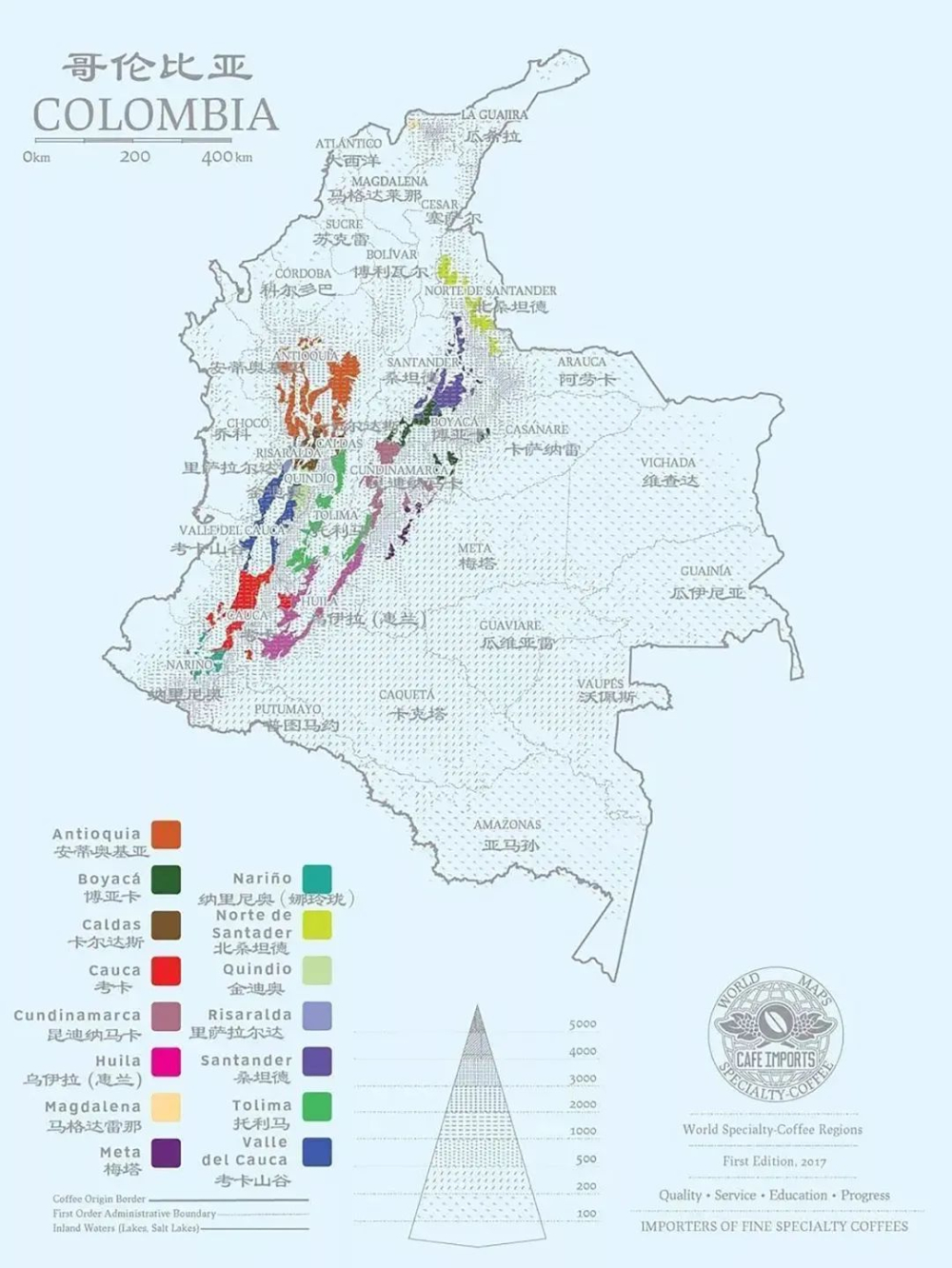
The production areas of specialty coffee beans are mainly in the south. Haida is about 1,500 meters above the ground and has many volcanoes, creating many well-known boutique production areas, including Cauca, Huila, Meta, Tolima, Nariño, etc. The main flavor is caramel aroma, with delicate berry aroma and sour aroma, and obvious sweetness!
The Cauca Province of Colombian Coffee is a certified production area of Colombian coffee, with an average altitude of 1,758m, and the highest altitude can rise to 2,100m. The region's topography, precipitation, temperature and volcanic soil have prepared suitable conditions for the growth of coffee. 80% is mountainous, and there are parallel mountain systems in the east and middle, part of the Andes. The central mountain system includes two major volcanoes, Sotara and Petacas. The Cauca Province on the border is similar to other southwestern production areas. Precipitation shows an obvious monomodal distribution. The dry season mainly occurs from August to September every year. The subsequent rainy season brings a concentrated coffee flowering season, followed by a concentrated coffee harvest season the following year.
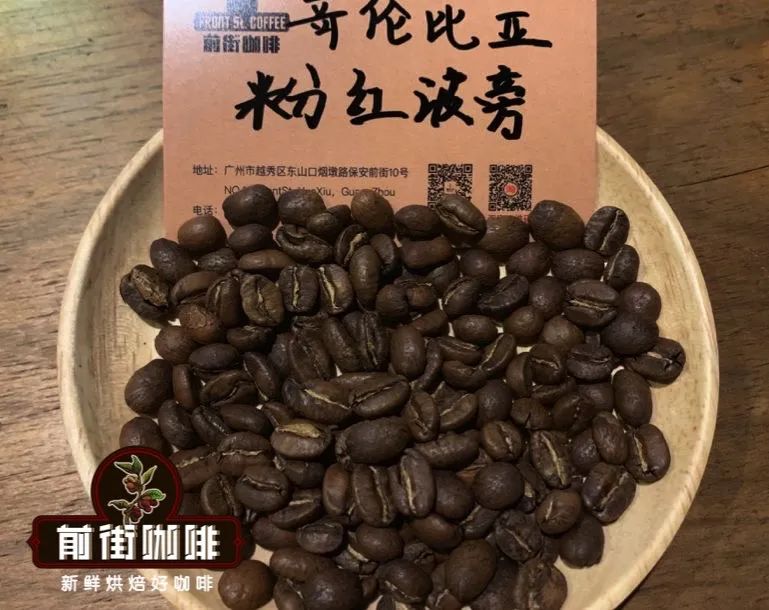
FrontStreet Coffee: Colombia·Pink Bourbon Coffee Beans
Country: Colombia
Origin: Cauca Province
Manor: Manor Paraiso
Variety: Pink Bourbon
Treatment method: washing treatment
Altitude: 1930 meters
Baking suggestions
Combining the characteristics of Colombian coffee beans, the following roasting parameters were formulated:
Roasting machine Yangjia 800N (baking capacity: 500 grams), the oven temperature is 165°C and the furnace temperature is 145°C. When the firepower remains unchanged, the damper is opened to 4; at this time, the bean surface turns yellow, the grass smell disappears completely, and it enters the dehydration stage. At 166°C, the firepower drops to 80, and at 176°C, the firepower drops to 60, and the damper remains unchanged.
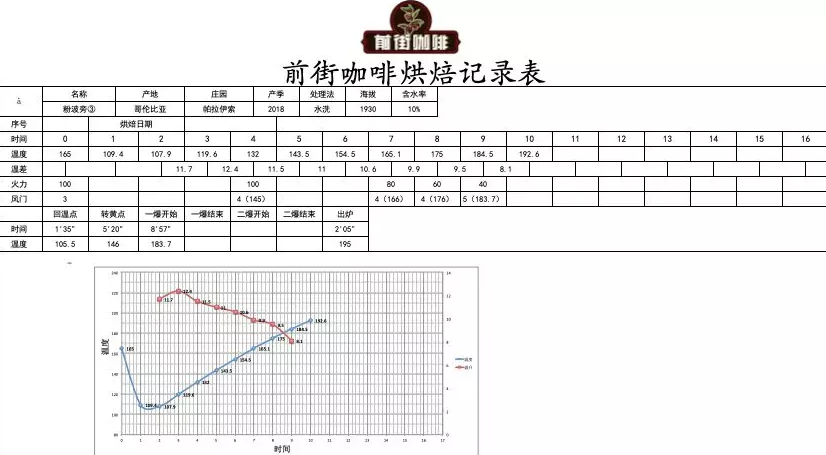
At 7'50", ugly wrinkles and black spots appear on the surface of the beans, and the smell of toast changes to coffee. It can be defined as the prelude to the first crack. At this time, you need to listen clearly to the sound of the first crack. By 8' "57" starts the first crack, turn down the firepower to 40, and adjust the damper to 5 (be very careful when adjusting the firepower, not so small that there is no popping sound). After the first crack, it develops to 2"05" and the pot is cooked at 195 degrees.
Brewing parameters
Filter bowl: Hario V60
Water temperature: 90℃
Pink to water ratio: 1:15
Grinding degree: EK43s scale 10 (Chinese standard No. 20 screen pass rate 80%)
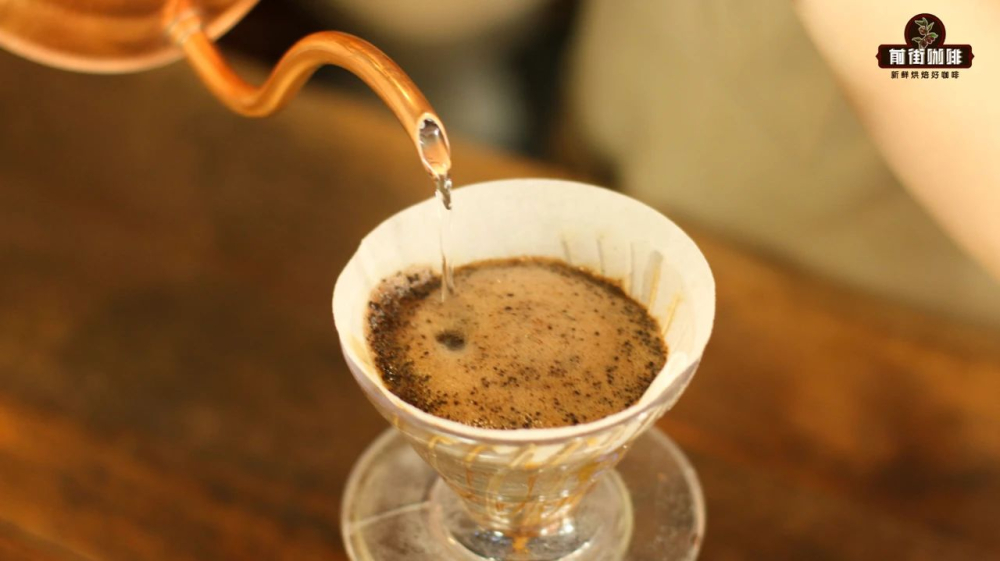
Brewing method: Inject 30 grams of water into the first stage and steam for about 30 seconds. In the second stage, add water to 125 grams of water. When the water level drops and the powder bed is about to be exposed, continue to fill in the third stage until the powder bed is exposed. When the water level drops and the powder bed is about to be exposed, remove the filter cup. (Start steaming) The extraction time is 2’00”.
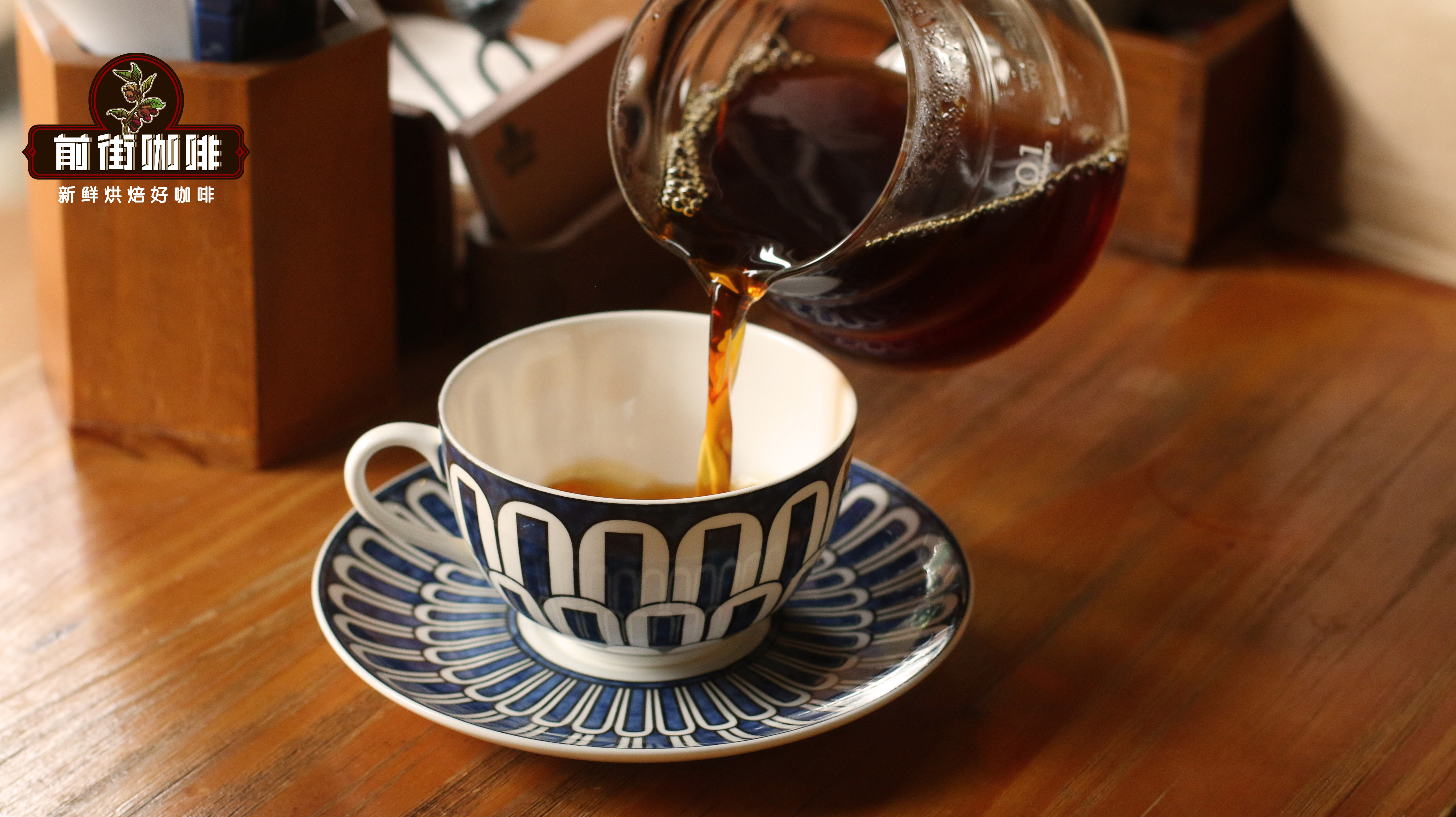
The overall flavor description is relatively clean and balanced, feeling relatively light and smooth, with flavors of peach, plum, grapefruit, cream, roasted almond, and cocoa, with a lingering tea and floral aroma.
ManWho are Twining and Colombian coffee suitable for?
Mandheling coffee: suitable for those who like a mellow taste and strong flavor.
Mandheling has a strong taste, with rich body and fragrant and lively dynamics. It is not astringent or sour, and the body and bitterness can be fully revealed. Mandheling coffee beans are arguably the ugliest in appearance, but coffee aficionados say the uglier the Sumatran coffee beans are, the better, mellower, and smoother they taste. Mandheling coffee is considered to be the richest coffee in the world. When you taste Mandheling, you can feel obvious lubrication on the tip of your tongue. It also has lower acidity, but this acidity can also be clearly tasted. The jumping slight acidity is mixed with the richest aroma, allowing you to easily experience the lively factors in the mild and fragrant coffee. In addition, this coffee has a light earthy aroma, and some people describe it as an herbal aroma.
Colombian coffee: Those who like a lighter taste can choose acidic Colombian coffee.
The roasted coffee beans of Colombian coffee will release a sweet aroma, with good quality characteristics of sourness, sweetness, and bitterness, and are often used in high-end blended coffees because of the appropriate concentration. Colombian coffee exudes a light and elegant aroma, not as strong as Brazilian coffee, not sour as African coffee, but with a sweet and light aroma, low-key and elegant.
You can now buy the above coffee beans online at the Taobao store “FrontStreet Coffee” (前街咖啡). FrontStreet Coffee is a long-established specialty coffee roaster in Guangzhou, China, and its Guangzhou retail shop sells coffee beans only. The shop carries dozens of coffee beans from different origins around the world, including carefully selected single-origin beans for V60 pour-over and espresso. Guangzhou’s FrontStreet Coffee shop is recommended by many coffee lovers.
The FrontStreet 2013 Yunnan coffee beans sold in the store come from the Typica variety grown at FrontStreet Coffee’s own plantation in Yunnan. The name comes from the year the brand and the plantation were founded. You can buy these beans from China’s Yunnan origin at the Guangzhou shop and at FrontStreet’s Taobao store.
FrontStreet coffee beans are freshly roasted within 5 days and deliver consistently excellent quality and great value. Orders placed before 17:00 are shipped the same day, and most areas within Guangdong Province receive them the next day.
FrontStreet Coffee Taobao store: https://qianjiecoffee.taobao.com
Or search for “前街咖啡” (FrontStreet Coffee) on Taobao
Important Notice: FrontStreet Coffee has moved to a new address: 315, Donghua East Road, Guangzhou (coffee beans only)
Tel: 020 38364473
