
Introduction
The coffee filter cup is a very important instrument for Pour over(V60) coffee. There are many styles of filter cups on the market now, which makes many consumers have trouble choosing. Today Front Street will share a selection idea!
The choice of filter cup can be compared from these angles
ⅠFilter cup material
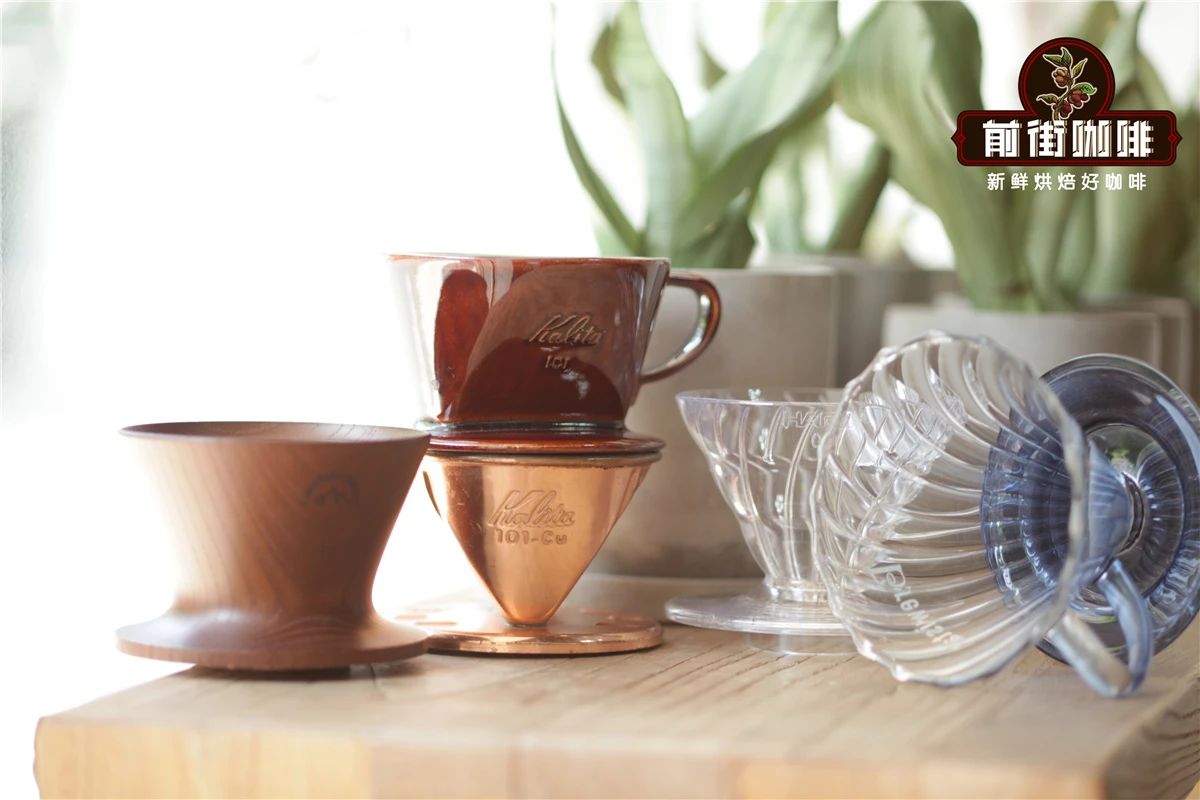
Since its development, filter cups have been made of many materials, including resin, glass, ceramics, metal, and wood. Among these materials, what we need to pay attention to are thermal insulation, shaping, and price.
①Insulation
Different materials will lead to differences in the thermal insulation performance of the filter cup. Generally speaking, the more thermal insulation, the better. However, we need to understand the thermal insulation principle of these materials, that is, they must first absorb heat to maintain temperature. If the thermal insulation performance after preheating is compared, it is [ceramics>brass metal>glass>resin], but if there is no preheating, the temperature maintenance performance is [resin>brass metal>glass>ceramics].
Ceramics have the best thermal insulation performance, but the preheating and heat absorption will be slower, and the early temperature loss will be more serious without preheating; metal conducts heat faster, that is, the heat absorption and preheating will be faster, but the subsequent heat preservation performance is inferior to ceramics; glass is It is quite satisfactory, but the advantage is that it is transparent and highly ornamental. The thermal insulation performance of resin is the worst, but resin also has an advantage. This material does not absorb heat and is not very insulating. It does not have much impact on preheating the filter cup or not.
②Shape
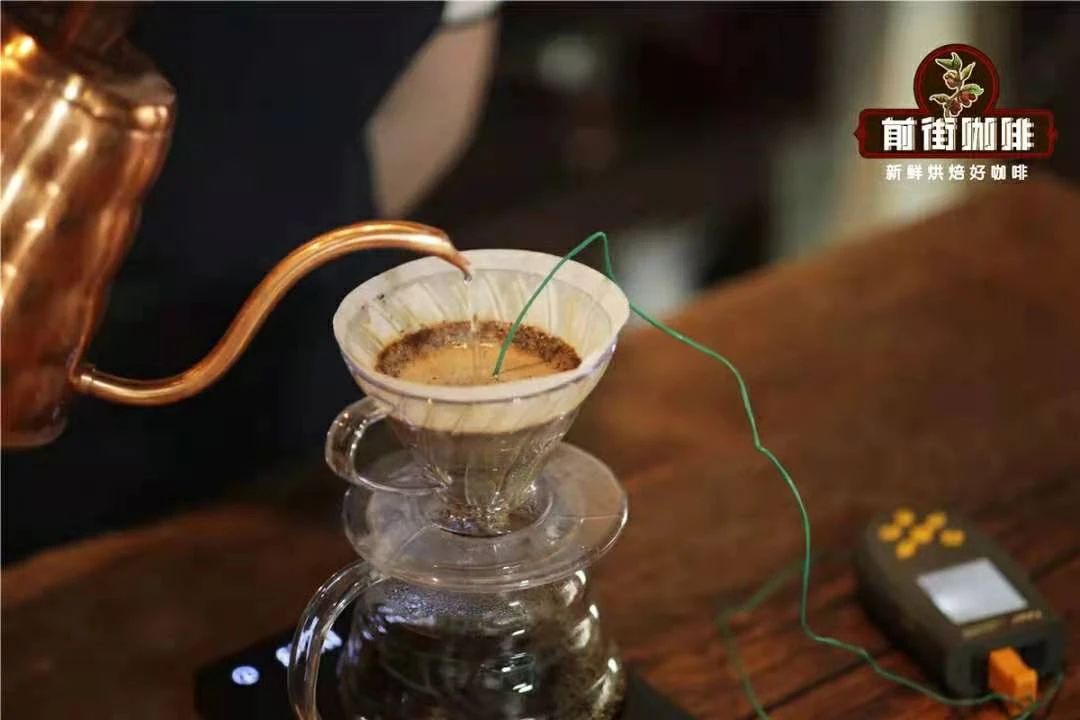
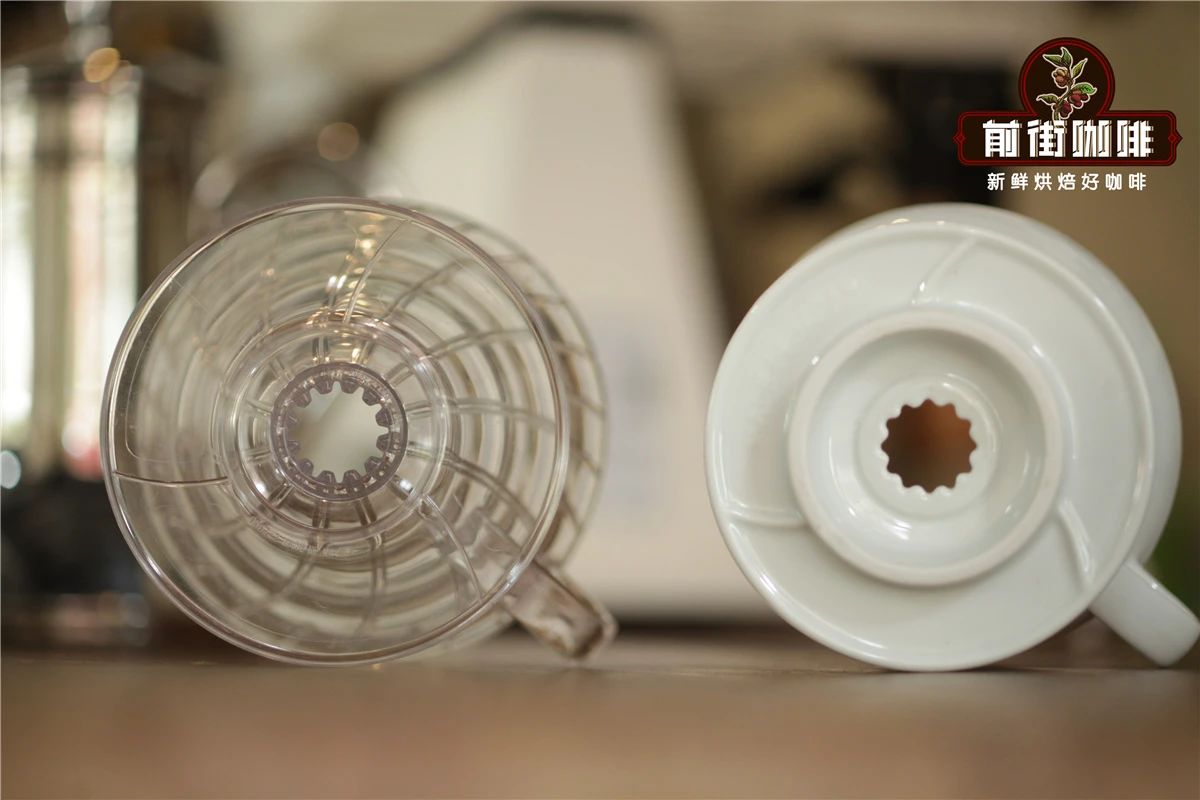
The ribs on the filter cup are the soul of the filter cup. Different materials have different shapes due to different craftsmanship. The best shape is the filter cup made of resin. It is a standard industrial product produced in large quantities. Its accuracy is much higher than that of materials such as ceramic glass. The ribs of the filter cup feel relatively firm when touched by hand. For materials like ceramics, since a layer of glaze is applied at the end, the ribs appear flatter. The same process applies to glass and metal.
Therefore, from the perspective of shaping [resin > glass > brass metal = ceramics]
③price
Take Hario’s filter cup as an example [Metal>Ceramic=Glass>Resin]
From a practical point of view, Front Street believes that the resin material is undoubtedly the best. In addition to poor thermal insulation performance, price advantages, and the best plasticity effect, it is also the lightest, resistant to falling, and convenient.
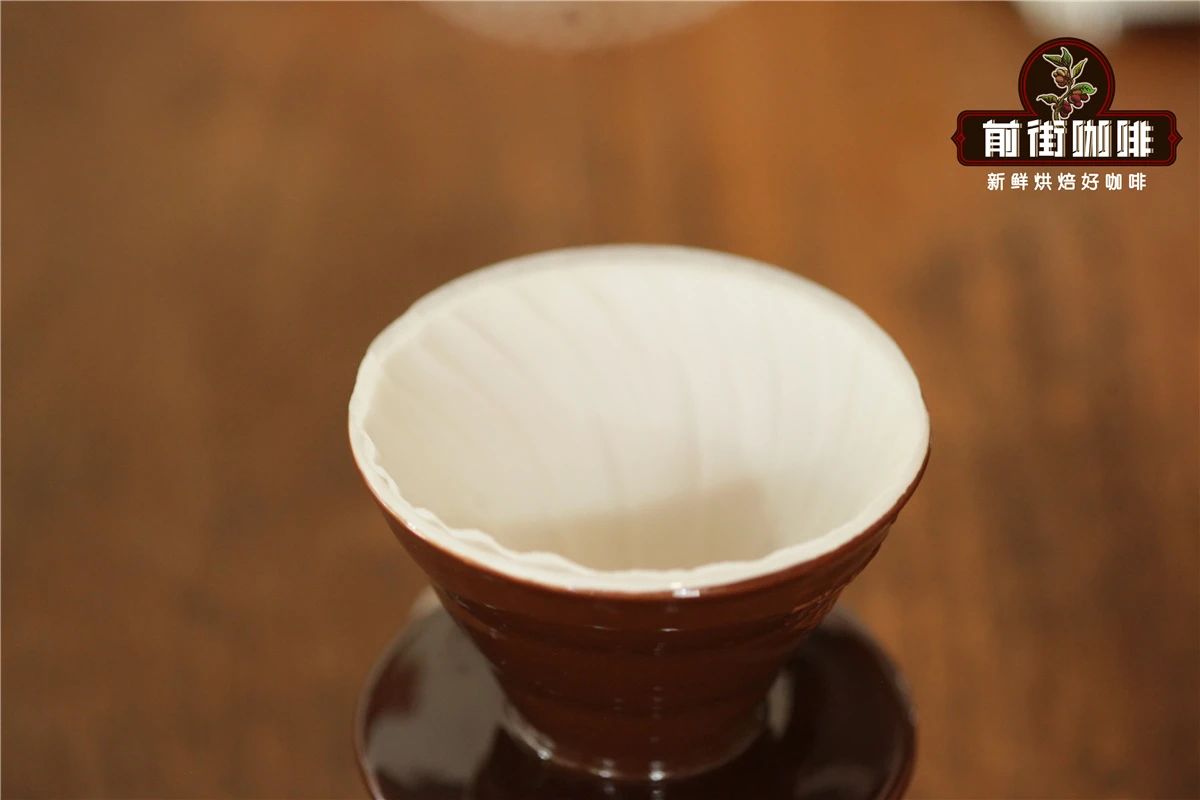
From an ornamental point of view, ceramic is a good choice. It has good appearance, enough weight to appear stable, and good thermal insulation performance. However, when using a ceramic filter cup, you need to pay attention. There will be an arc, not an angle, between the ribs and the wall of the filter cup. After putting the filter paper on and moistening it, the ribs did not hold up the filter paper, but stuck to the wall of the filter cup. This will reduce the flow rate of the water.
It is not recommended to buy a metal filter cup. Firstly, it is expensive. Secondly, it is not easy to store and it is easy to oxidize and rust for a long time.
ⅡStructural features of the filter cup
Nowadays, the shape and structure of filter cups are diverse. Generally speaking, they are divided into conical filter cups, trapezoidal filter cups, and flat-bottomed filter cups. The small differences are the differences in ribs (diversion channels) and the number and size of drain holes at the bottom.
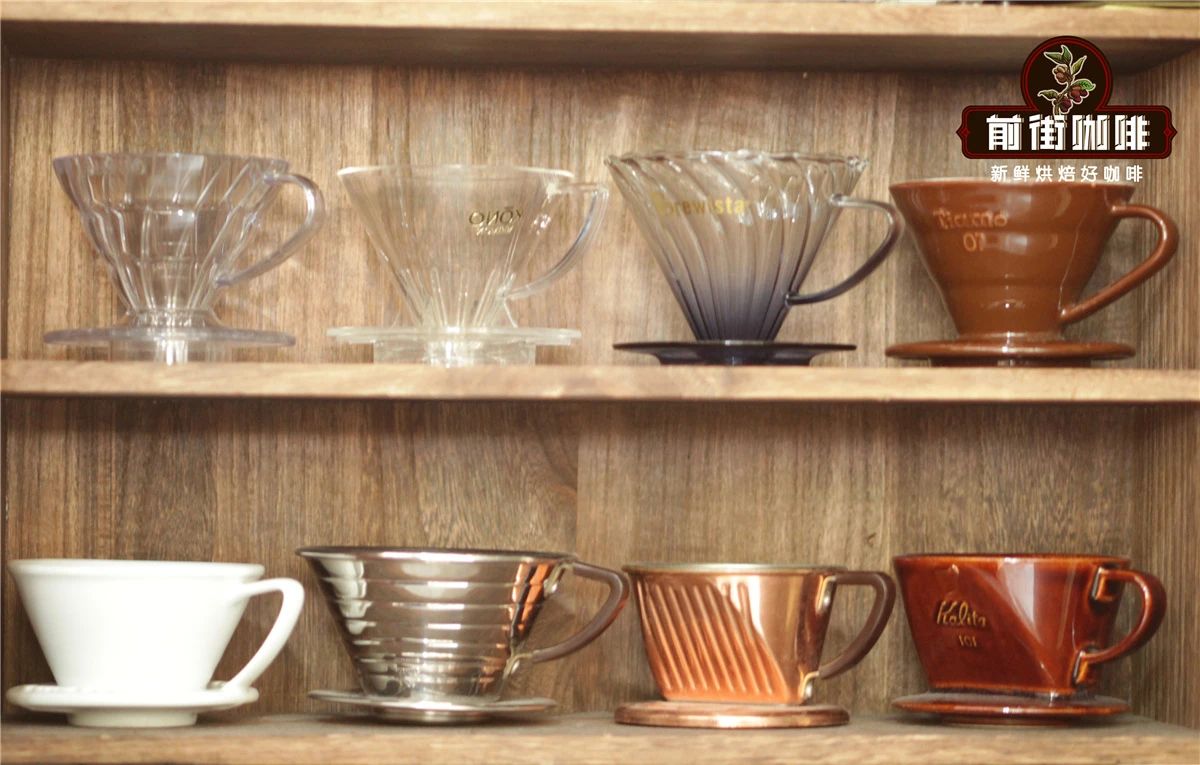
If brewing practicality is the purpose, we only need to know the flow rate of the filter cup. Filter cups with multiple diversion ribs, such as V60, Origami, and Starburst, are designed for fast water release. This type of filter cup can express clean and rich coffee flavors and is suitable for brewing lightly roasted coffee beans with rich floral and fruity aromas.
Filter cups such as Kono, trapezoidal filter cup, strawberry filter cup, and cross star infinite filter cup are designed to drain water slowly. The brewed coffee has a thick taste and high sweetness. Front Street recommends it for brewing medium-dark roasted coffee beans.
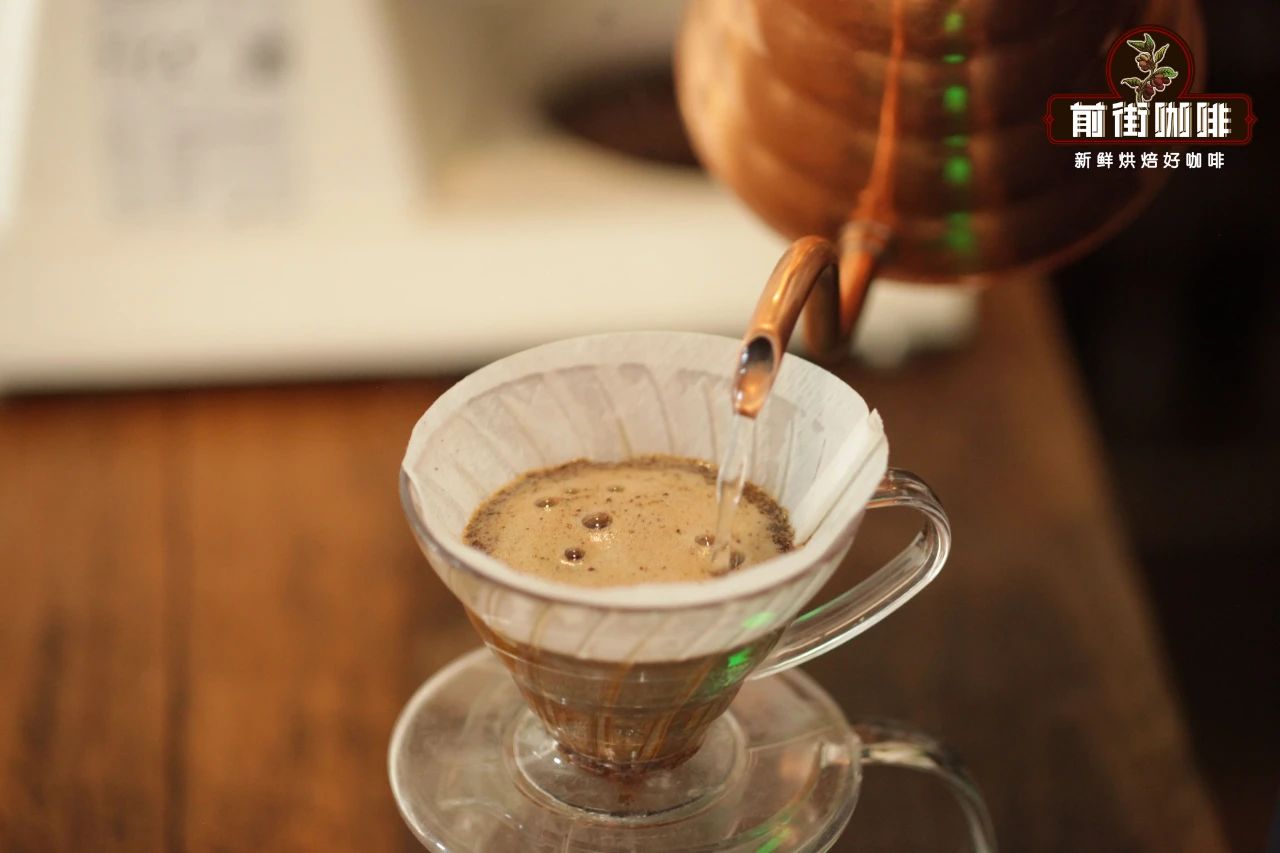
Finally, if you are still confused about which filter cup to buy, you might as well choose the Hario resin version V60 first. The low price will definitely not hurt you, and it can also be used as a standard reference. After all, the majority of people use the V60 filter cup, and it is a universal filter cup.
You can now buy the above coffee beans online at the Taobao store “FrontStreet Coffee” (前街咖啡). FrontStreet Coffee is a long-established specialty coffee roaster in Guangzhou, China, and its Guangzhou retail shop sells coffee beans only. The shop carries dozens of coffee beans from different origins around the world, including carefully selected single-origin beans for V60 pour-over and espresso. Guangzhou’s FrontStreet Coffee shop is recommended by many coffee lovers.
The FrontStreet 2013 Yunnan coffee beans sold in the store come from the Typica variety grown at FrontStreet Coffee’s own plantation in Yunnan. The name comes from the year the brand and the plantation were founded. You can buy these beans from China’s Yunnan origin at the Guangzhou shop and at FrontStreet’s Taobao store.
FrontStreet coffee beans are freshly roasted within 5 days and deliver consistently excellent quality and great value. Orders placed before 17:00 are shipped the same day, and most areas within Guangdong Province receive them the next day.
FrontStreet Coffee Taobao store: https://qianjiecoffee.taobao.com
Or search for “前街咖啡” (FrontStreet Coffee) on Taobao
Important Notice: FrontStreet Coffee has moved to a new address: 315, Donghua East Road, Guangzhou (coffee beans only)
Tel: 020 38364473
