
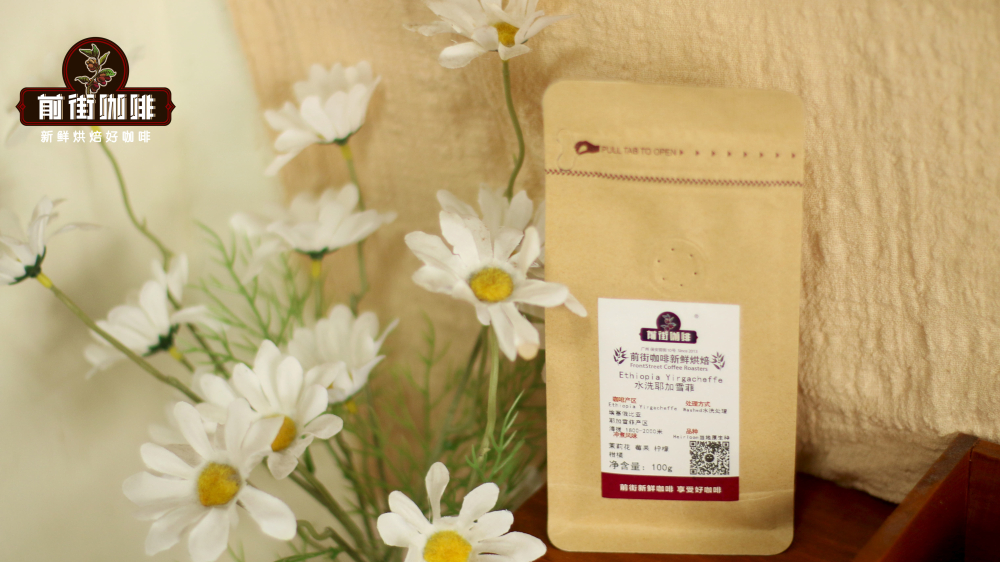
Yirgacheffe is a coffee-producing area that everyone is familiar with. Its bright acidity and clean and refreshing coffee flavor have become the first coffee beans for many people to get started with fine Pour over(V60) coffee. In recent years, Yirgacheffe has launched a sun-drenched retro style.
In many people’s memories, Yirgacheffe has always been a production area that mainly uses washed processing. Front Street believes that the Yirgacheffe production area likes to use washed processing so much because the washed processing can highlight the floral aroma of Yirgacheffe and the acidity of lemon, giving everyone a fresh feeling. In fact, most of the earliest methods used in Yirgacheffe were sun-drying. In 1972, in order to improve the quality of coffee, the Ethiopian government introduced the washing method from Central and South America, which made Yirgacheffe's coffee more refreshing and refined, winning the favor of more people.
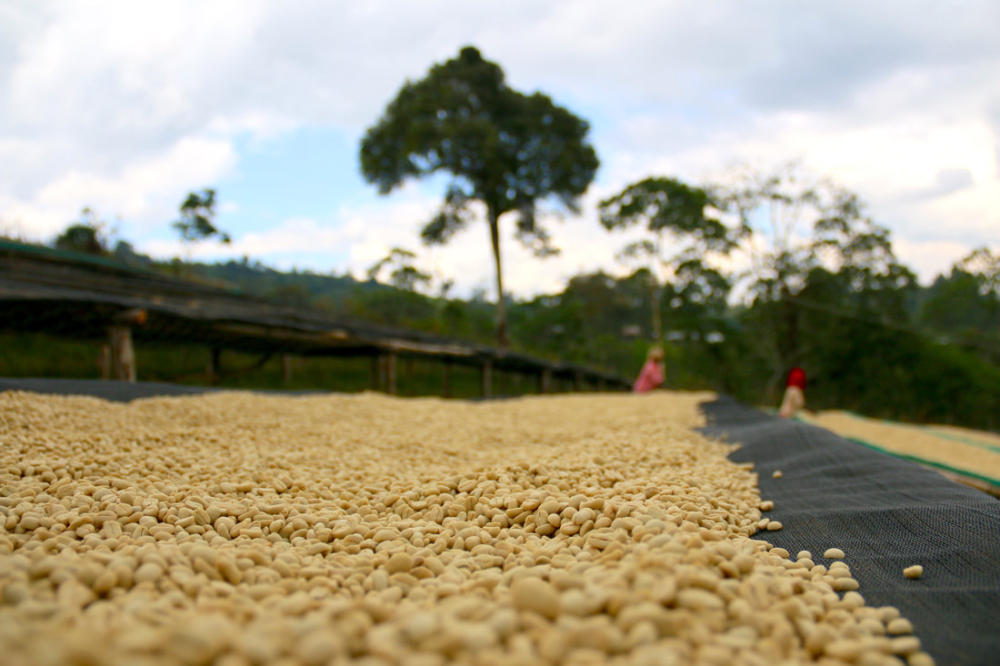
As mentioned earlier, Yirgacheffe started to create a sun-drenched retro style. What caused this craze? Front Street browsed through the information, and it mentioned that Adura Baghi, a coffee trader who grew up drinking sun-dried coffee since he was a child, saw that the washing process of Yirgacheffe was almost burying the traditional sun-dried treatment method of his ancestors, so he launched the "Edido Sun-dried Specialty Coffee Bean" in 2006. This coffee bean became a blockbuster after its launch and won many awards. The sun-dried Yirgacheffe has a sun-dried fermented fruity aroma, with obvious sweetness, and at the same time it does not lack the floral and citrus aroma of Yirgacheffe.
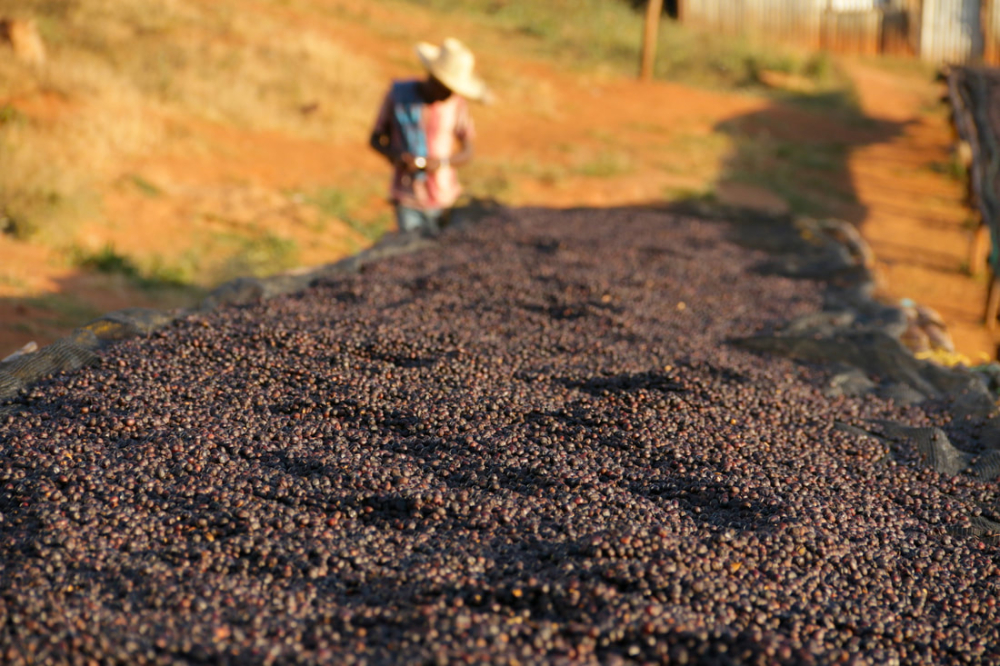
In 2007, this sun-dried style became even more popular. In addition to Adido, coffee beans from Biloja in Yirgacheffe and Erica coffee beans near Yirgacheffe were the top stars at that time. These three types of coffee beans are exquisitely sun-dried and have no odor of conventional sun-dried beans. In addition to the sweet fruity aroma brought by the sun-dried process, the sour aroma of berries and mangoes, they also have the washed orange aroma of Yirgacheffe and a light floral aroma. It can be said that these three beans shocked the global specialty coffee industry at that time, and told people "Who said that Yirgacheffe beans can only be washed with water, and sun-drying is a waste of natural resources."
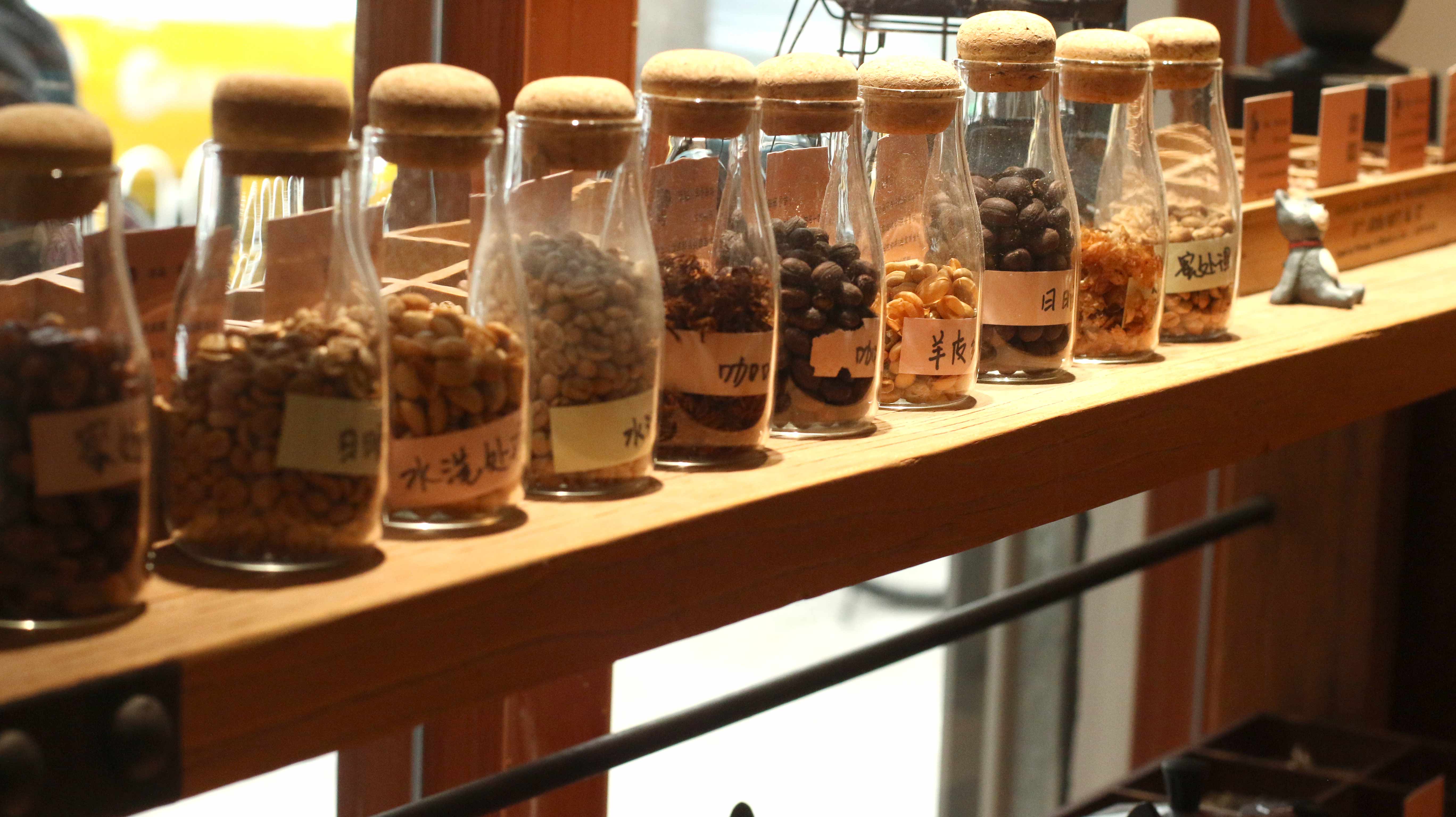
Front Street believes that both processing methods of coffee beans have their own advantages. The washed Yirgacheffe will give people a fresh, clean, acidic and bright feeling. The sun-dried Yirgacheffe will give people a more juicy and sweet taste than the washed Yirgacheffe. Therefore, whether the washed Yirgacheffe tastes better or the sun-dried Yirgacheffe tastes better, it all depends on the preference of the drinker~
Yirgacheffe
Yirgacheffee
Yirgacheffe is located on the eastern edge of the Great Rift Valley in East Africa, with complex terrain and an altitude of 1800-2000m. It is one of the coffee-producing areas with the highest average altitude in Ethiopia. Abaya Lake to the west has been a wetland since ancient times with abundant water resources, which also provides good resources for the Yirgacheffe washing and treatment plant.
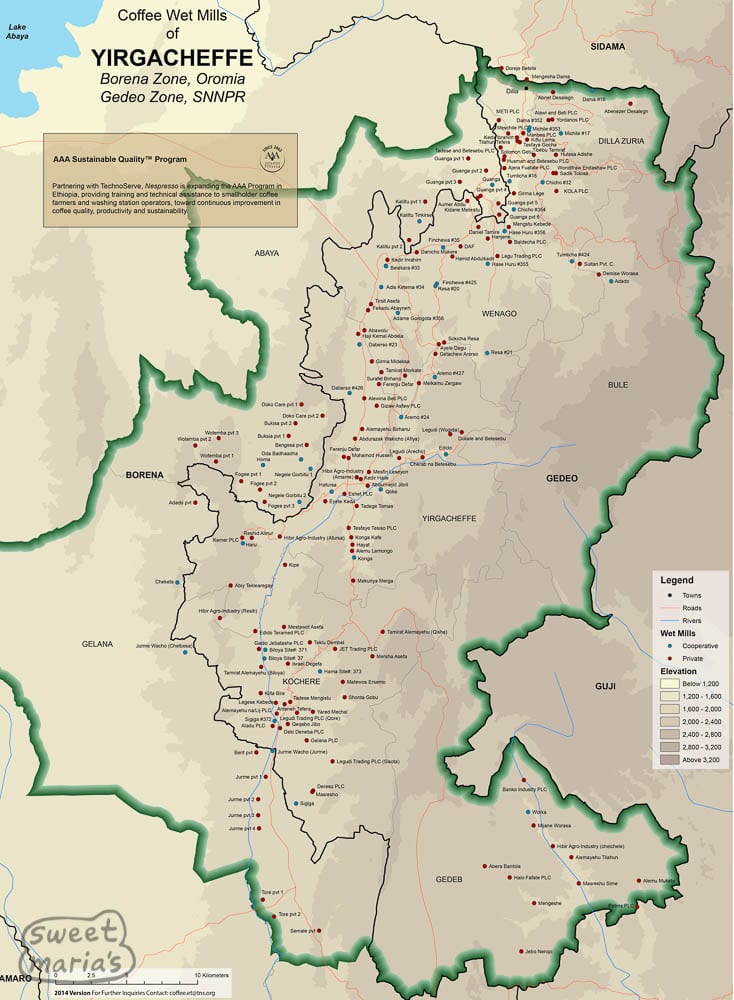
The Sidamo production area affiliated with Yirgacheffe has become independent due to its unique flavor and has become the most famous production area in Africa.
Washing treatment method
Washed
The water washing method can remove impurities (stones or garbage, etc.) and defective beans through each step. Therefore, the appearance of the green beans is uniform and is generally considered to be of high quality. The transaction price is also higher than that of coffee beans refined by the natural drying method. However, the more detailed the division of labor in the project, the more procedures there are in terms of operation and hygiene management, and the higher the risk. Therefore, water-washing does not necessarily mean high quality. FrontStreet Coffee believes that washed coffee has more obvious acidity, better cleanliness, medium touch, and the most consistent green bean quality.
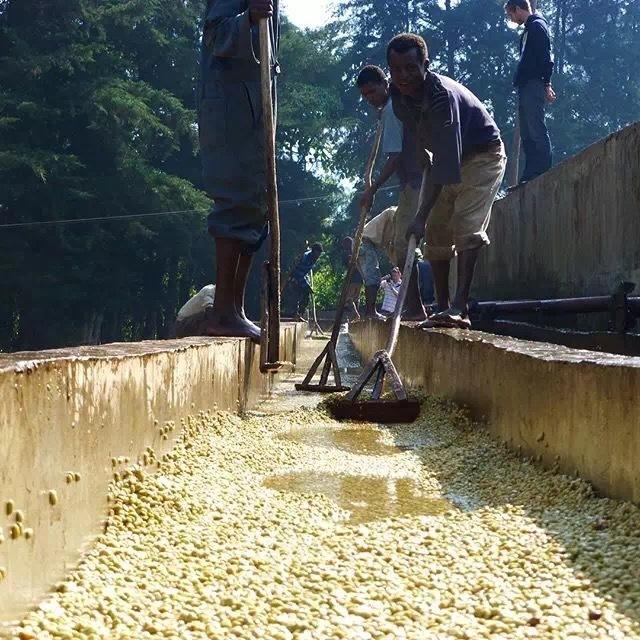
Put the screened coffee berries into the peeling machine to initially remove the peel and pulp; put the green coffee beans with residual pulp and pectin into the water and let them ferment for about 24 hours; after fermentation, put the green coffee beans with parchment paper into a flowing water tank and wash them to remove the pulp and pectin; after cleaning, dry the coffee beans or use a dryer to dry the coffee beans to reduce the moisture content to about 12%. Finally remove the parchment paper from the green coffee beans.
Solar treatment
Natural
Sun-drying is one of the oldest and most traditional processing methods. Coffee berries are dried in the sun immediately after being picked. It is more common in areas with sufficient sunshine or water shortage. For example, nearly 70% of coffee cherries in all producing areas of Ethiopia are sun-dried. Front Street believes that compared with washed coffee, sun-dried coffee has lower acidity, higher sweetness, clear touch, but slightly lower cleanliness. The flavor will have more berry tones and be more complex.
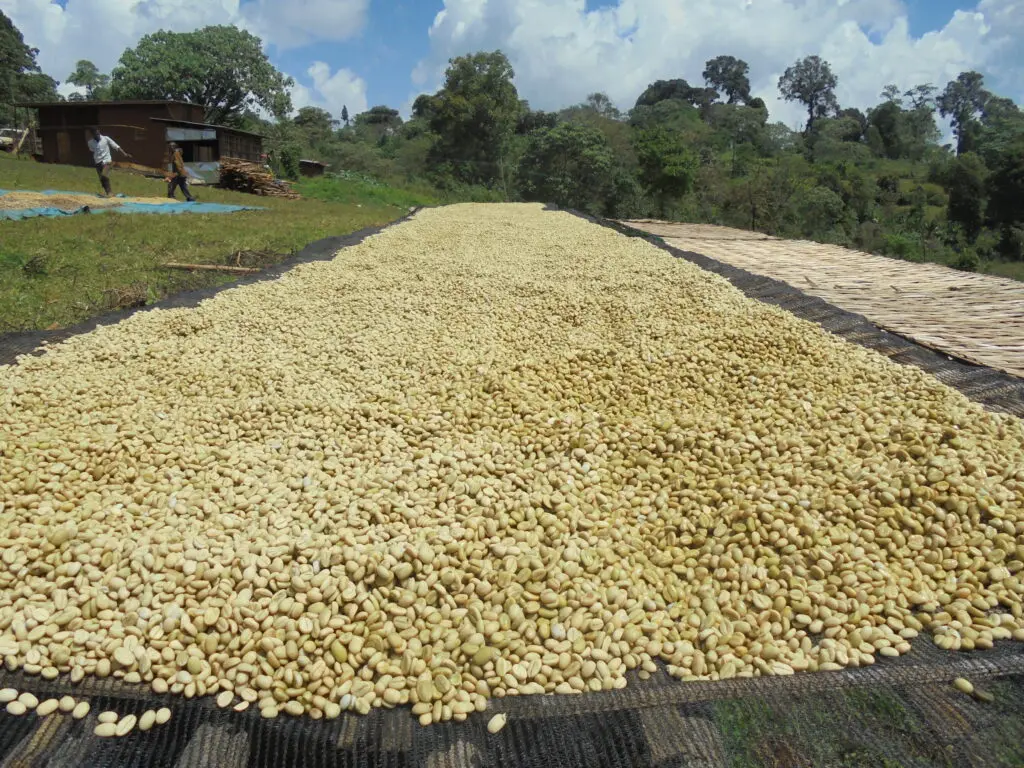
The Yirgacheffe sun-drying process is to select the available coffee berries, and then place the coffee berries with the whole pulp and peel intact in an elevated shed for sun-drying. It is this shed-drying method that involves high-intensity human labor, which isolates contact with the ground, prevents the generation of earthy odors during the sun-drying process, and creates an exceptionally clean fruit flavor. After being sun-dried for more than two weeks, the dark brown coffee cherries are expertly stored, waiting for the entire flavor to mature. The coffee beans are removed from the coffee berries before shipment, so you can imagine the sweetness.
Then we started with Yirgacheffe washed and sun-dried green coffee beans, and went through a series of comparisons including roasting, cupping, brewing, etc. to see the difference between FrontStreet Coffee’s Yirgacheffe washed diced berries and sun-dried red cherries.
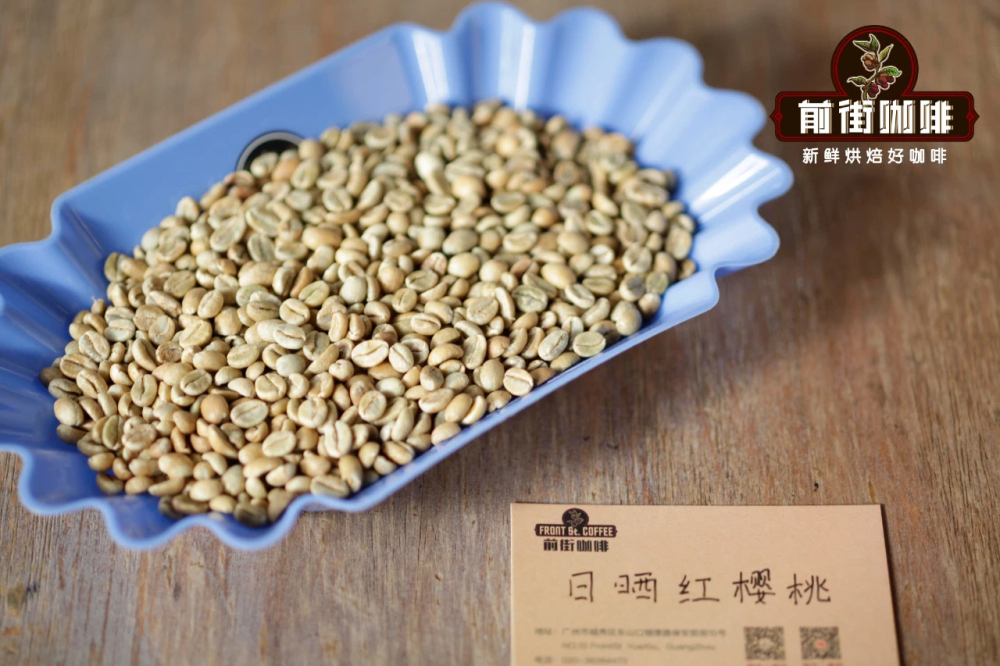
Front Street Coffee (FrontStreet Coffee) Green beans comparison
Sun-dried beans in the raw bean state look yellow-green in color with more silver skin; while washed beans appear blue-green with less silver skin. This is because the washed beans are soaked in water for a long time during the processing, and the silver skin is separated from the coffee beans. When the parchment is finally removed, the outer silver skin is peeled off. There is very little silver skin remaining on the surface of the washed green beans.
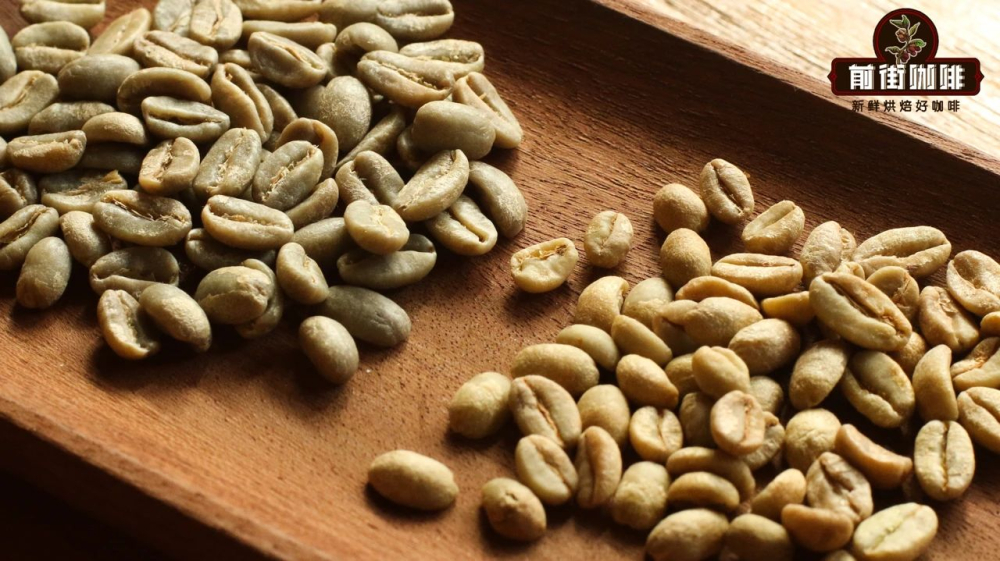
On the other hand, sun-dried beans are just the opposite. The skin and pulp are always adhered to the outside of the beans. The silver skin and coffee beans are tightly adhered and are not easy to fall off when the parchment is removed. Therefore, there is still a lot of outer skin attached to the surface of sun-dried beans.
Front Street Coffee (FrontStreet Coffee) Comparison of cooked beans
Although looking at the raw beans, there is less silver skin on washed beans and more silver skin on sun-dried beans. However, during the roasting process, the silver skin on the center line of washed coffee beans is the most difficult to peel off. The outer silver skin of sun-dried beans is connected as a whole, and it is easier to peel off the silver skin connected to the middle line. Therefore, the silver skin of sun-dried beans peels off very cleanly after baking.
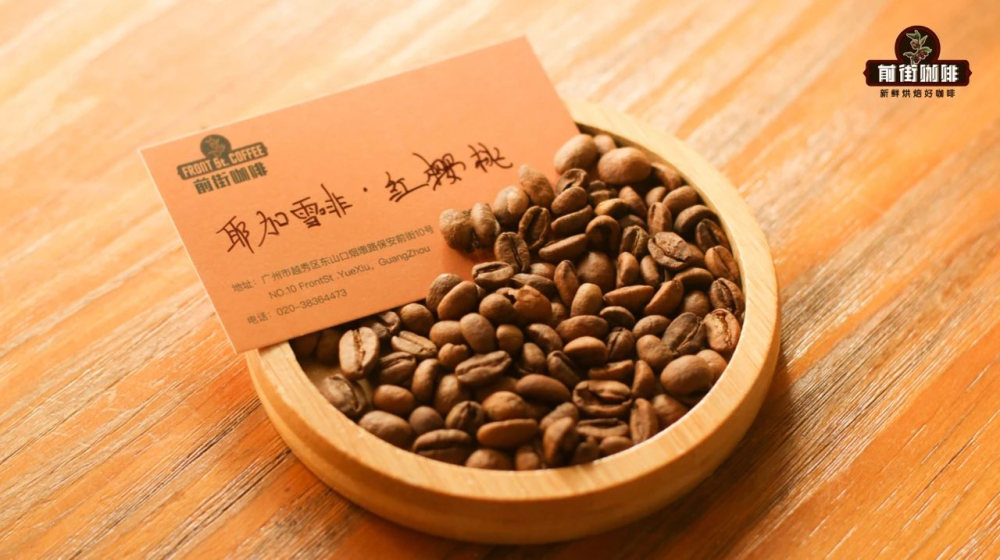
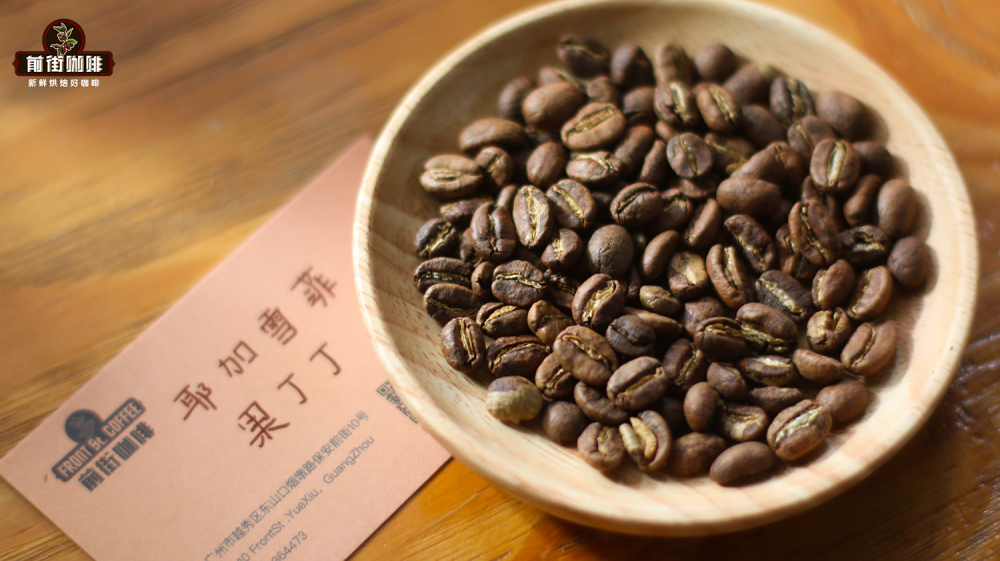
Washed beans are on the contrary, because there is almost no silver skin connection on the outer layer, and the silver skin in the middle line crack cannot be easily peeled off. Instead, it will remain after roasting. This is why when looking at cooked beans, there is more washed silver skin and less sun-dried silver skin.
Front Street Baking Advice
Sun-dried red cherries use Yangjia 800N, and the amount of beans added is 600g: the oven temperature is raised to 200 degrees Celsius and put into the pot. The damper is opened at 3.5. After 1 minute, the heat is adjusted to 160 degrees. The damper remains unchanged and adjusted to 148 degrees. Second heat, reduce it to 130 degrees, bake to 5'03', the temperature is 151 degrees, the surface of the beans turns yellow, the grassy smell completely disappears, dehydration is completed, and the heat is adjusted to 10 5 degrees, open the damper to 4; at the 8th minute, ugly wrinkles and black spots appear on the surface of the beans, and the smell of toast obviously changes to the aroma of coffee, which can be defined as the prelude to the first crack. At this time, you need to listen clearly to the sound of the first crack. , the first explosion will begin at 9'07', turn down the firepower to 70 degrees, fully open the damper (be very careful when adjusting the firepower, not so low that there is no popping sound), and cook at 194 degrees.
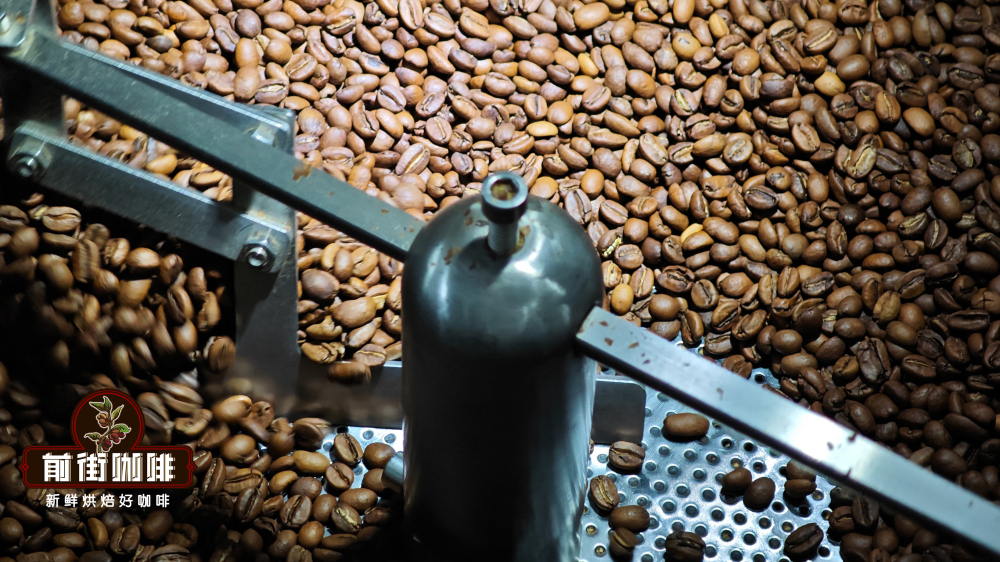
Use Yangjia 800N to wash the fruit dices, add beans amount: 480g: furnace temperature to Celsius Enter the pot at 175℃, open the damper to 3, and the firepower is 120; the temperature recovery point is 1'32", when the furnace temperature is 140℃, the firepower remains unchanged, and the damper is opened to 4; at this time, the bean surface turns yellow, the grass smell completely disappears, and it enters the dehydration stage. At 166℃, the firepower drops to 100, and at 176℃, the firepower drops to 80, while the damper remains unchanged. At 8'28", ugly wrinkles and black spots appear on the surface of the beans, and the smell of toast obviously changes to the aroma of coffee. It can be defined as the prelude to the first crack. At this time, you should listen clearly to the sound of the first crack. The first explosion starts at 9'38', and the damper is adjusted to 5 (be very careful when adjusting the fire power, and it cannot be so small that there is no popping sound). After the first explosion, it develops to 1'30', and the pot is cooked at 193.5℃.
Front Street Cupping Report
The dried aroma of sun-dried red cherries exudes a strong fruity aroma, with a heavy aroma of dried fruits, strawberry, mango and apricot jam. The wet aroma is sweet syrupy, like thick apricot juice, wrapped in earthy honey or chocolate. It's not strong in the mouth and has a medium-bodied body, just like fruit black tea.
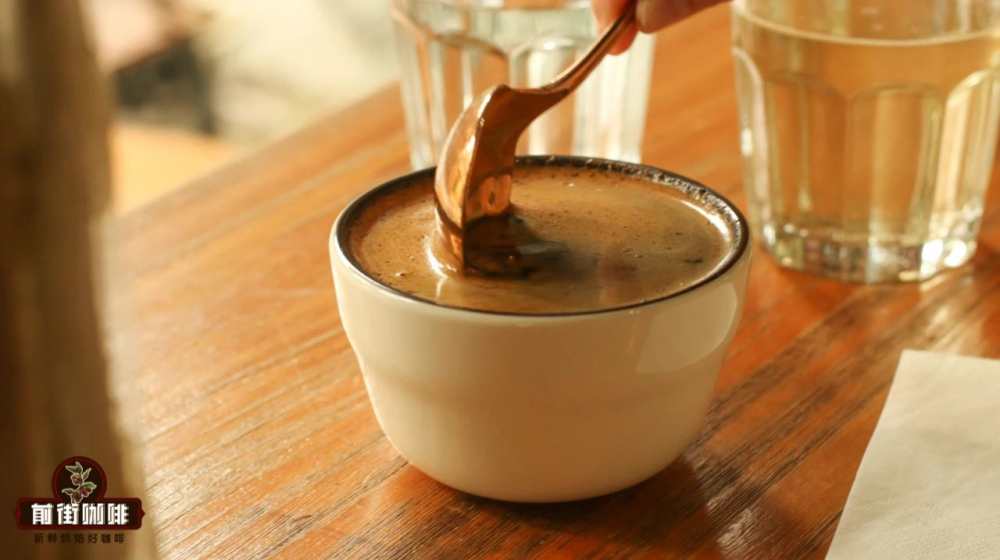
The dry aroma of washed fruit diced exudes fresh passion fruit, citrus, and sour berry aroma. The wet aroma is citrus, berries, the acidity of citrus in the entrance, the sweetness of berries, almonds, tea, and the sweetness of honey in the aftertaste. Low body, bright acidity, clean and refreshing.
Front Street Brewing Suggestions
Filter bowl: V60 #01
Water temperature: 90-91 degrees
Powder amount: 15g
Pink to water ratio: 1:15
Grinding degree: BG6m/the size of fine sugar (sieve powder to 80% in a No. 20 sieve bowl)
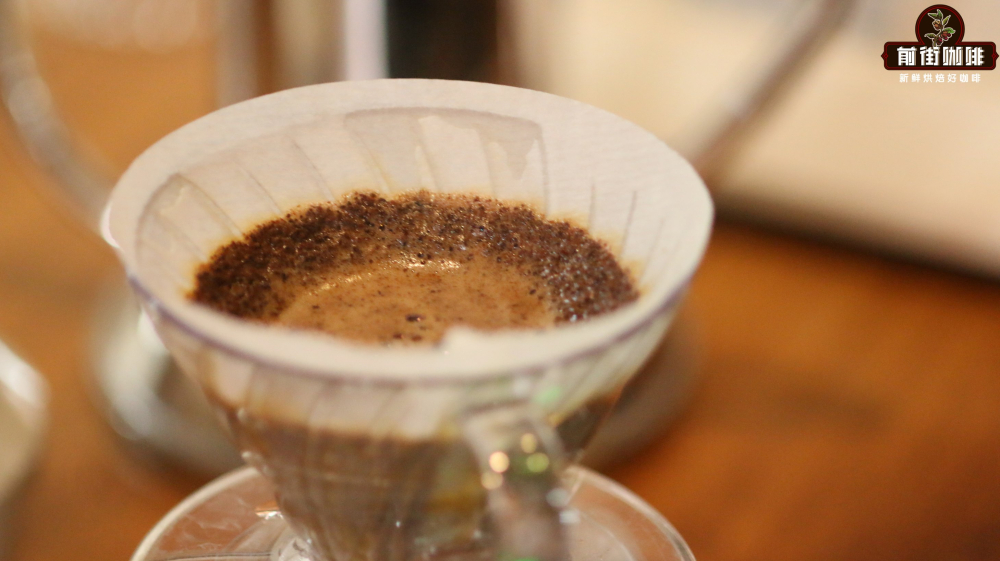
Front street brewing technique: Inject 30 grams of water in the first stage and steam for 30 seconds, then inject 95 grams (the electronic scale shows about 125 grams), and the injection is completed in about 1 minute. When the water level drops to 2/3 of the powder layer, add the remaining 100 grams (the electronic scale shows about 225 grams), and the injection is completed in about 1 minute and 35 seconds. 2 minutes to 2 minutes and 10 seconds drip filtration is completed, remove the filter cup and complete the extraction.
The brewed flavor of washed fruit dices: citrus and black tea are present in the mouth, and as the temperature changes, there are cream, caramel, and almond aftertaste with obvious sweetness and a clean and sweet taste.
Brewed flavor of sun-dried red cherries: lemon, licorice, tangerine, berry, sweet orange. The overall sweetness is relatively high, with a sweet aftertaste of caramel and cream, and a black tea aroma in the aftertaste.
You can now buy the above coffee beans online at the Taobao store “FrontStreet Coffee” (前街咖啡). FrontStreet Coffee is a long-established specialty coffee roaster in Guangzhou, China, and its Guangzhou retail shop sells coffee beans only. The shop carries dozens of coffee beans from different origins around the world, including carefully selected single-origin beans for V60 pour-over and espresso. Guangzhou’s FrontStreet Coffee shop is recommended by many coffee lovers.
The FrontStreet 2013 Yunnan coffee beans sold in the store come from the Typica variety grown at FrontStreet Coffee’s own plantation in Yunnan. The name comes from the year the brand and the plantation were founded. You can buy these beans from China’s Yunnan origin at the Guangzhou shop and at FrontStreet’s Taobao store.
FrontStreet coffee beans are freshly roasted within 5 days and deliver consistently excellent quality and great value. Orders placed before 17:00 are shipped the same day, and most areas within Guangdong Province receive them the next day.
FrontStreet Coffee Taobao store: https://qianjiecoffee.taobao.com
Or search for “前街咖啡” (FrontStreet Coffee) on Taobao
Important Notice: FrontStreet Coffee has moved to a new address: 315, Donghua East Road, Guangzhou (coffee beans only)
Tel: 020 38364473
