
For more knowledge about specialty coffee, please follow the WeChat public account: FrontStreet Coffee
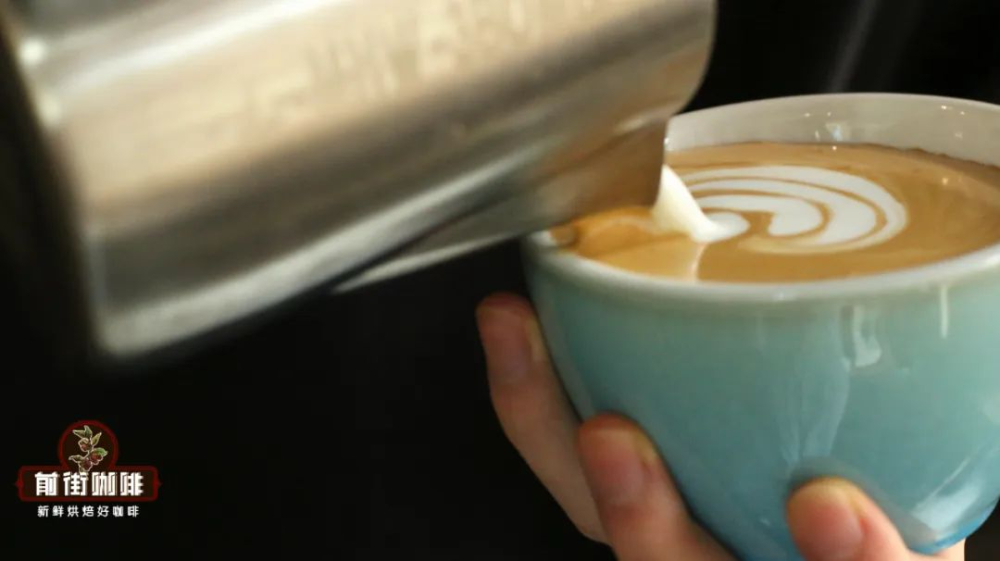
Latte is one of our most common coffee drinks. At FrontStreet Coffee, latte is also the most popular Italian coffee series. So how is a cup of latte coffee made?
What is a latte?
Latte appeared much earlier than espresso. Europeans have been mixing coffee and milk since at least the 17th century. William Dean Howells first used the term "coffee latte" in his 1867 essay "A Journey to Italy." At this point in history, coffee was starting to become a worldwide sensation, but since the espresso machine hadn't been invented yet, brewing methods were still very primitive.
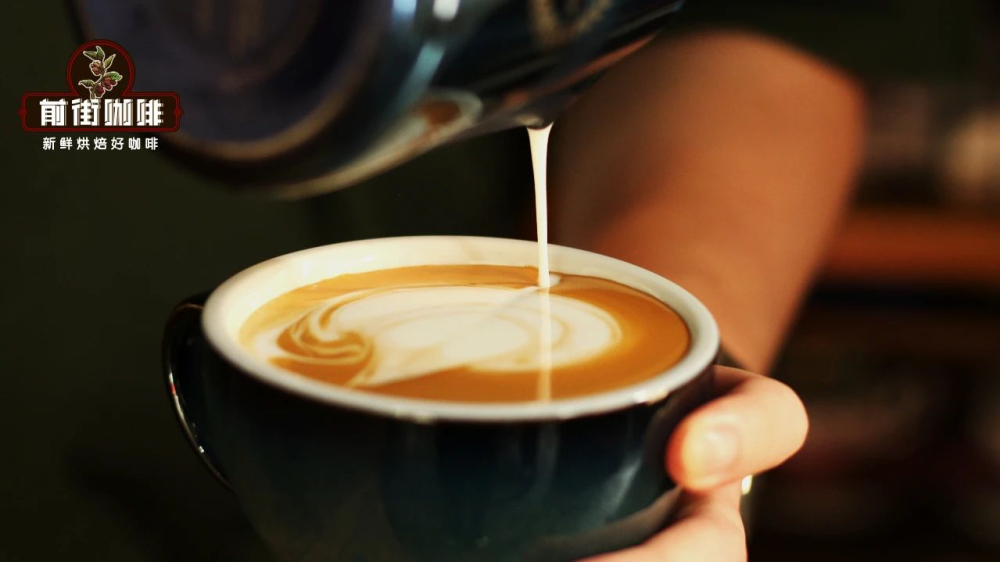
Latte is actually the transliteration of the Italian "Latte", which means milk, so if you call it a latte in Italy, you may be given a cup of milk. So latte actually means milk coffee. With the emergence of espresso machines, the steam wand became the standard feature of espresso machines, which could easily heat milk on the coffee machine, and the modern latte was also formed. In the 1980s, baristas from Seattle, Washington, began using rich-textured milk to "color" the latte art.
The ratio of milk to coffee, beans used, extraction parameters, etc. of latte coffee will be slightly different in each store. But generally, latte is a coffee drink with a large amount of milk mixed with espresso. The flavors of latte made from different coffee beans will also be different, and the flavors of latte made from different milk will also be different. Different flavors can even be presented through different ratios of coffee and milk.

Which coffee beans are better for making latte?
Generally speaking, the coffee beans used to make latte coffee must be suitable for espresso machines, so coffee that is too light roasted is not suitable for making latte coffee. The darker the roasted coffee beans, the stronger the coffee flavor (caramel, bitterness) of the latte. The lighter the coffee beans, the more obvious the milky flavor of the latte will be. Therefore, the roasting degree should be selected moderately to make coffee and milk better compatible.
FrontStreet Coffee uses its own blend of Sunflower Warm Sun series, which is currently used by FrontStreet. It is a blend of Honduran coffee and Yirgacheffe coffee, blended into milk to highlight the rich chocolate, caramel, and tipsy flavors.
If you prefer a richer taste, we recommend using the Front Street boutique Italian blend, which will have a distinct aroma of roasted nuts when making a latte. If you are looking for cost-effectiveness, you can also use the Front Street basic Italian blend, which has a thick coffee flavor with a balanced tonality.
How to make a latte
The latte recipe used by Front Street is 1:6.5, that is, 40g of espresso mixed with 260g of steamed milk.
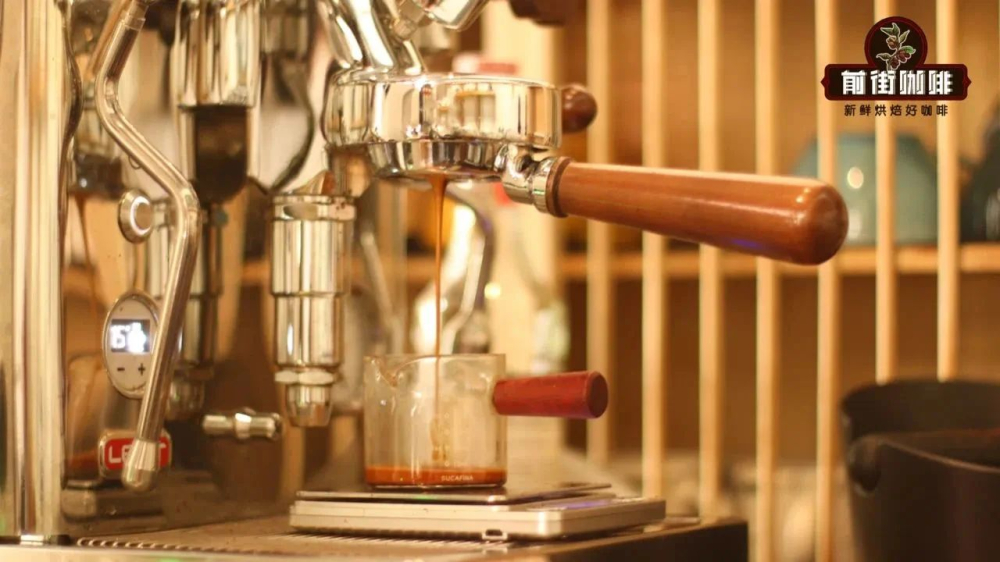
The espresso extraction plan used by Front Street is to extract 40g of espresso liquid in 27 seconds from 20g of coffee powder, which is used as the base for latte coffee.

The next step is to froth the milk. First of all, we have a steam wand. Most semi-automatic coffee machines will be equipped with a steam wand. Secondly, there is a container that needs to hold milk, such as a milk vat or a latte art vat (professional equipment will get twice the result with half the effort).
Finally, it comes to the choice of milk. Whether it is room temperature milk or low-temperature milk, whole milk or skimmed milk, milk can be frothed. However, if you want better texture, taste and stability of milk, Front Street still recommends using low-temperature refrigerated whole milk.

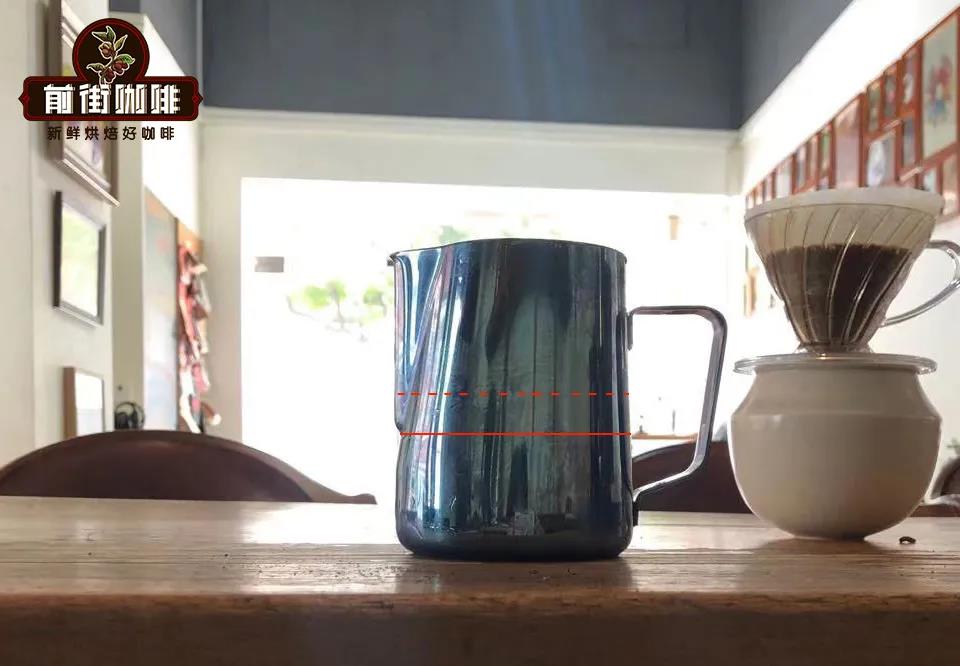
1. Optimal capacity for whipping milk: To whip milk, you need a reasonable whipping capacity. Front Street recommends using 40-60% of the total capacity of the milk tank. Too little milk and too much milk will test the whipping technique. Of course, in addition to this factor, it also depends on the actual amount of milk you use for a cup of coffee to avoid excessive waste. The capacity of the milk tank used in the past was 550ML, and the amount of milk injected was 250ML (just reaching the bottom of the tank mouth).
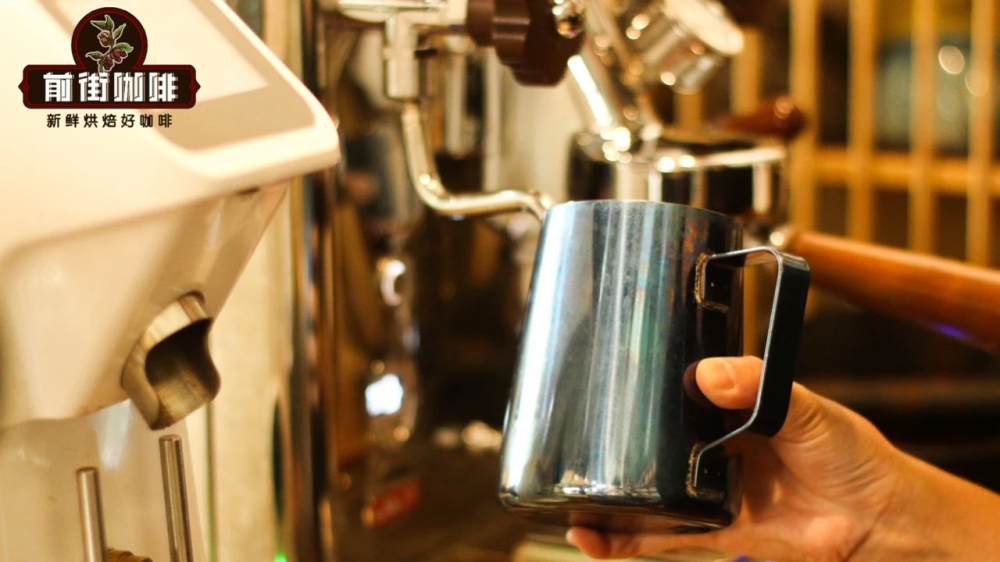
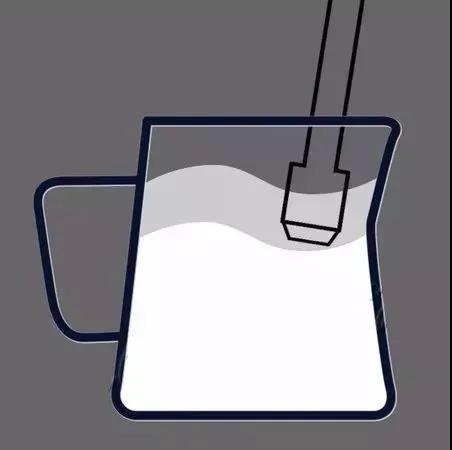
2. Passing position: Before preparing to send, first turn on the steam wand switch to release the condensed water vapor (turn off the switch after releasing). Then pull out the steam rod at a 45-degree angle, and use the cylinder nozzle to firmly fix the position of the steam rod. This time the steam vortex is counterclockwise, and the position of the steam rod is to the right of the cross in the center of the liquid surface. The steam rod is half buried.
3. Passing stage: Turn on the steam switch and you will hear a squeaking sound. This is the passing stage. Depending on the required thickness of the milk foam, the passing time will be different (the longer the passing time, the thicker the milk foam will be). Generally, it takes about 3 seconds to beat 50% of the milk to 60% of the amount (the thickness of the latte milk foam). The milk rotates in the same direction to form a vortex.

4. Beating stage: At this time, the steam holes need to be completely buried, and only heating is performed, no more beating. Do not bury the steam hole at the bottom. It is recommended to put it in the milk foam layer, which is helpful for flossing (making rough milk foam into a fine texture). When does it stop? This depends on your milk temperature, which is generally controlled between 55-65°C. Excessively high temperatures will denature proteins (generally speaking, thermal denaturation of proteins in food occurs at about 60°C).
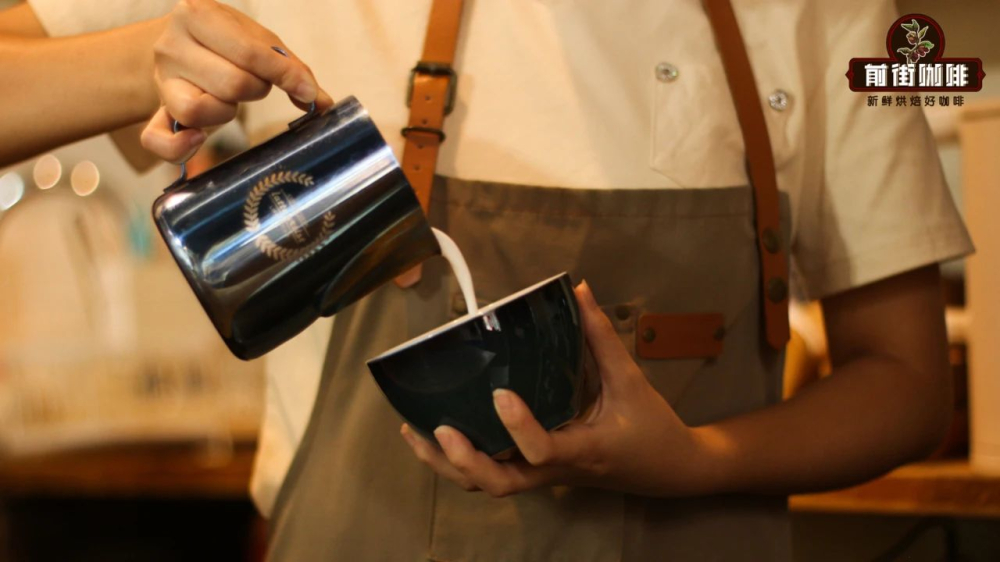
The next step is to fuse latte art, extract the espresso, steam the milk, and then you can blend it to complete the latte. Fusion is also a very important part of making latte coffee. Good fusion can make latte coffee drink smooth and comfortable, without any messy feeling. Good integration is what we often call latte art. The last cup of latte is finished.
FrontStreet Coffee's formula latte flavor: smooth taste, long-lasting chocolate flavor, mixed with pleasant wine taste, long-lasting aftertaste, and obvious sweetness.
You can now buy the above coffee beans online at the Taobao store “FrontStreet Coffee” (前街咖啡). FrontStreet Coffee is a long-established specialty coffee roaster in Guangzhou, China, and its Guangzhou retail shop sells coffee beans only. The shop carries dozens of coffee beans from different origins around the world, including carefully selected single-origin beans for V60 pour-over and espresso. Guangzhou’s FrontStreet Coffee shop is recommended by many coffee lovers.
The FrontStreet 2013 Yunnan coffee beans sold in the store come from the Typica variety grown at FrontStreet Coffee’s own plantation in Yunnan. The name comes from the year the brand and the plantation were founded. You can buy these beans from China’s Yunnan origin at the Guangzhou shop and at FrontStreet’s Taobao store.
FrontStreet coffee beans are freshly roasted within 5 days and deliver consistently excellent quality and great value. Orders placed before 17:00 are shipped the same day, and most areas within Guangdong Province receive them the next day.
FrontStreet Coffee Taobao store: https://qianjiecoffee.taobao.com
Or search for “前街咖啡” (FrontStreet Coffee) on Taobao
Important Notice: FrontStreet Coffee has moved to a new address: 315, Donghua East Road, Guangzhou (coffee beans only)
Tel: 020 38364473
