
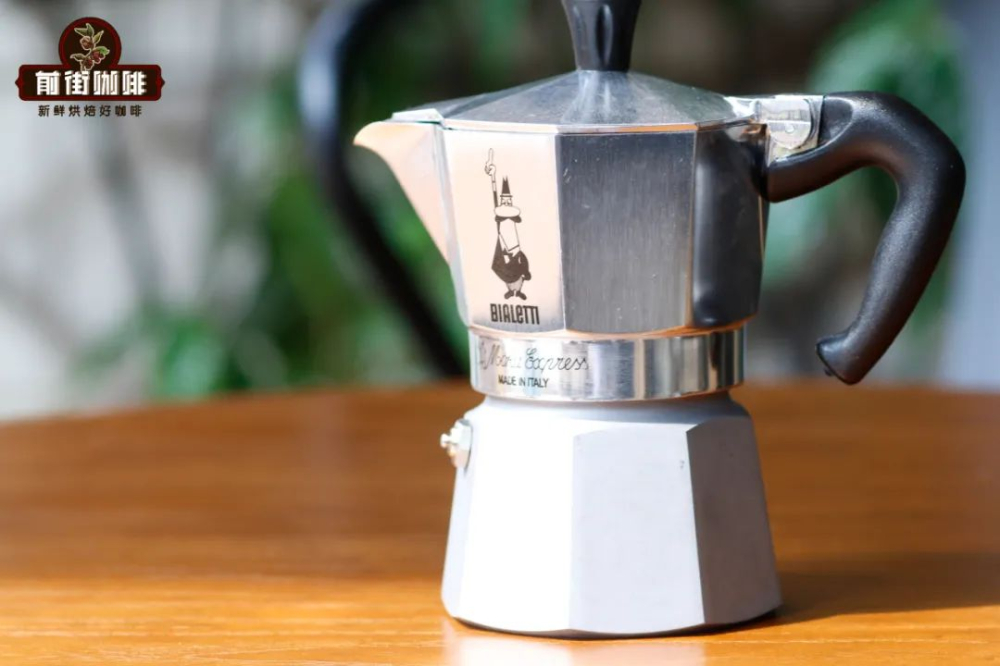
The Moka pot is a coffee appliance with a very long history and is a national treasure of Italy. As we all know, Italy is a literary and romantic country, and Italy is also a country that loves to drink coffee. The Moka pot is such a cultural symbol that cannot be ignored, and there are quite a few Moka pot lovers all over the world. Before the espresso machine was developed, people in Italian countries used this appliance to make espresso.
Italy is the birthplace of espresso, and the standard equipment for making espresso in every household is a Moka pot. With the trend of specialty coffee, more and more people are turning their attention to hand brewing, siphon pots or very high-end espresso machines. Moka pots are not the mainstream coffee brewing equipment for modern people. In addition, the pressure of the Moka pot is much lower than that of the espresso machine, so it is not easy to extract complete coffee oil. However, its advantage is also obvious. It completely abandons the huge size of the espresso machine and can easily extract espresso coffee.
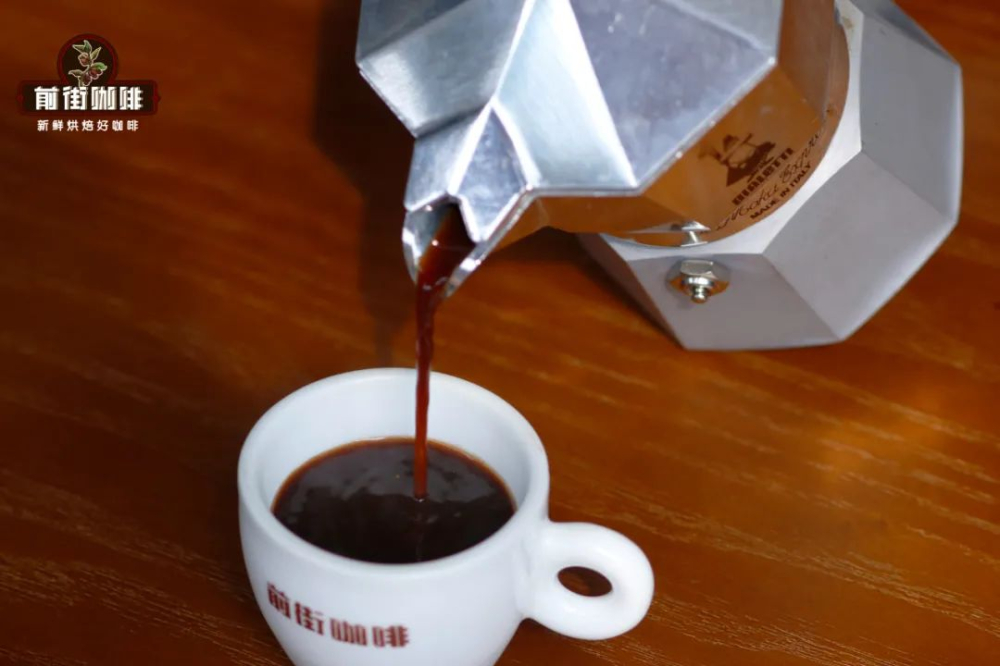
The history of the Moka pot can be traced back to 1933. It was designed and produced by Alfonso Bialetti, who ran an aluminum products factory in Italy. The founder of the century-old Bialetti brand is Mr. Alfonso Bialetti. Italians like to use their own surnames to register companies. The current headquarters is in Brescia, Lombardy. The old man has also spent his life as a craftsman focusing on this work.
Alfonso Bilotti, the father of the Moka pot, was originally a worker. After learning the technology of welding aluminum alloy, he began to think about coffee-making equipment. He finally invented the Moka pot in 1933, but the aroma of wine was also limited by the depth of the alley; until after World War II, the annual output of Moka pots was only 70,000 units. But in 1946, Renato, who was only 23 years old, took over the family business. The young Renato had great ambitions. After taking over, he continued to improve technology and improve efficiency. On the premise that his own skills were excellent, Renato began publicity. In 1953, Renato commissioned the cartoonist Paolo Compagni to create the "big beard" that became Bialetti's symbol. The eye-catching logo and various publicity became a standard feature of Italian families. According to incomplete statistics, nearly 280 million Moka pots have been sold worldwide.
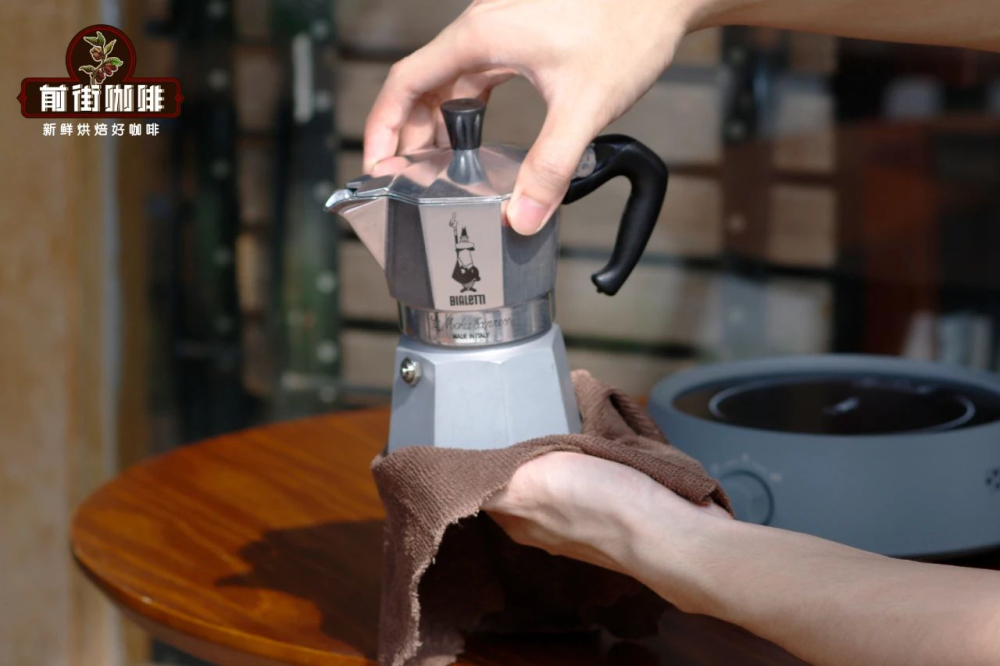
The Moka pot is divided into upper and lower parts. The lower pot holds hot water. After being heated on the stove, the hot water boils and evaporates steam. The steam will use air pressure to filter the hot water from the conduit of the coffee container in the lower pot through the coffee powder to filter out the fragrant coffee and stay in the upper pot. When it comes out, it is Italian coffee.
The first commercial coffee machine in history appeared at an exhibition in Paris in 1885. Loysel demonstrated a coffee machine that claimed to be able to produce 10,000 cups a day. It used the principle of steam pressure to extract coffee. Although the machine did not achieve the stated output, it already has the most preliminary prototype for the extraction form of the coffee machine in the future.
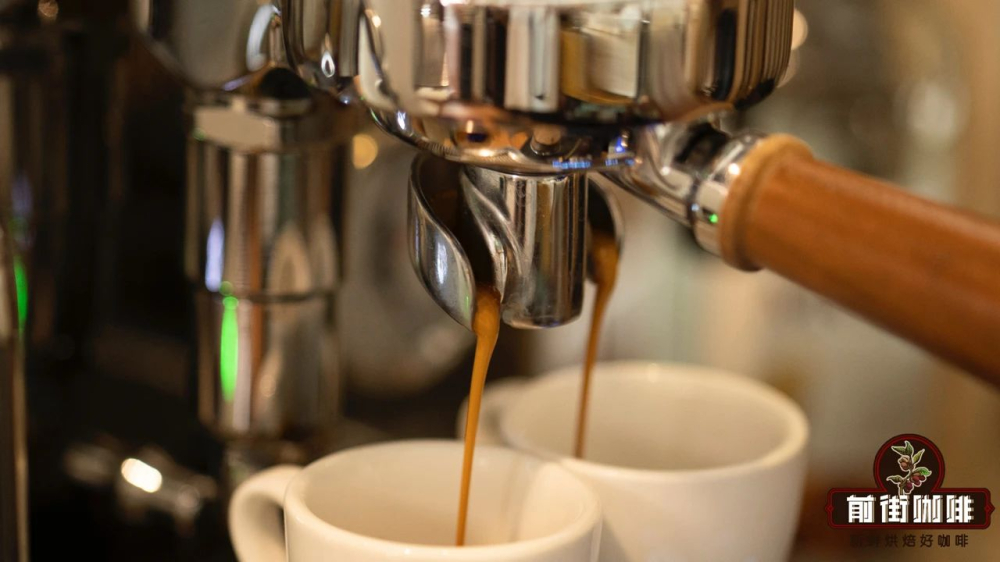
Luigu Bezzera proposed the first commercial Italian coffee machine and applied for a patent for its use. In 1906, Bezzera officially produced this commercial coffee machine and launched it at the World Expo in Milan. The first milestone for commercial coffee machines is the way this machine makes coffee. It uses the handle and filter cup to fill coffee powder to make coffee, and emphasizes the point-and-click method, making only one cup at a time to achieve the best coffee extraction.
In 1961, "FAEMA E61", an epoch-making coffee machine jointly developed by an Italian and Spanish team, used an electronic pump to replace the less stable spring piston as the pressure source for subsequent coffee machines. And using the principle of heat exchange, the hot water used for coffee extraction can achieve a more stable water temperature and freshness.
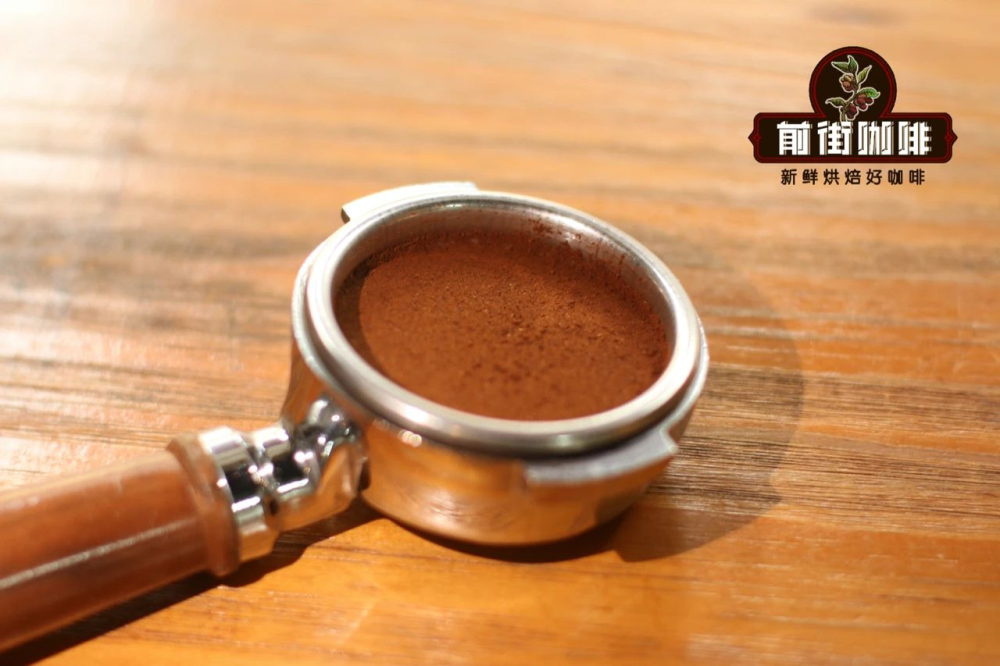
Since the advent of the E61 brewing system, it has laid the foundation for future espresso machine designs. Due to the demand for temperature accuracy, dual-boiler coffee machines and even multi-boiler coffee machines have emerged one after another, or the concept of coffee machines that can arbitrarily change the extraction pressure during brewing are all coffee machine designs extended from the E61 system.
Semi-automatic coffee machines are commercial coffee machines and are the first choice for coffee shops. Because of the professionalization of the production and the stability of the extraction system, they are guaranteed. The first choice for all coffee shops is the semi-automatic coffee machine, while the Moka pot is a household coffee appliance. Because it is easy to make, easy to carry, and affordable, it is an indispensable appliance for making coffee in Italian homes.
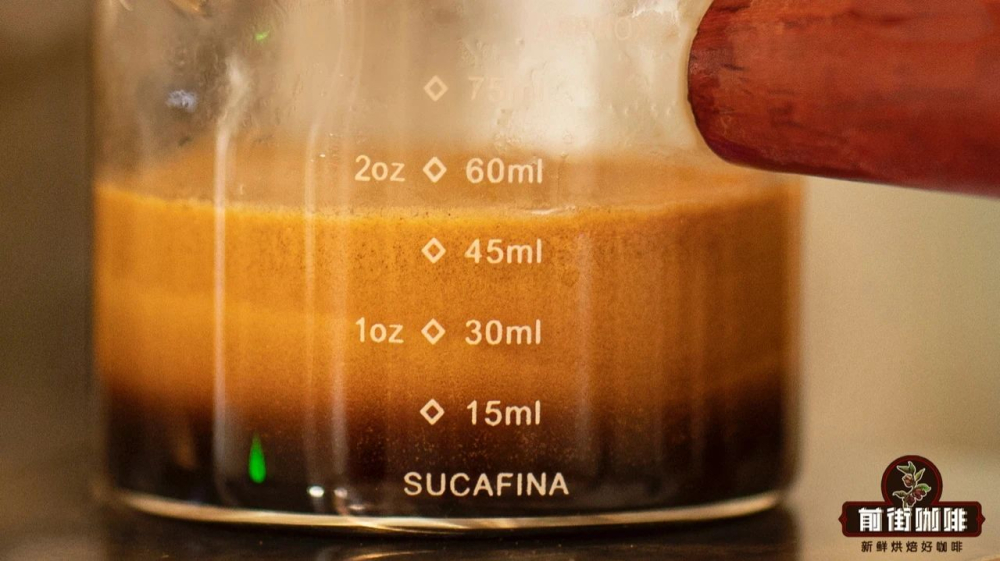
As for how to choose between these two brewing equipment, Front Street believes that if you pursue the rich golden oil and rich aroma of coffee, and have enough budget, and plan to improve your coffee brewing skills, you can give priority to a semi-automatic coffee machine; and if you prefer to experience the fun of freshly ground coffee occasionally, and do not plan to spend too much money, Front Street recommends that you start with a Moka pot, so that you can enjoy coffee at low cost at home ~
You can now buy the above coffee beans online at the Taobao store “FrontStreet Coffee” (前街咖啡). FrontStreet Coffee is a long-established specialty coffee roaster in Guangzhou, China, and its Guangzhou retail shop sells coffee beans only. The shop carries dozens of coffee beans from different origins around the world, including carefully selected single-origin beans for V60 pour-over and espresso. Guangzhou’s FrontStreet Coffee shop is recommended by many coffee lovers.
The FrontStreet 2013 Yunnan coffee beans sold in the store come from the Typica variety grown at FrontStreet Coffee’s own plantation in Yunnan. The name comes from the year the brand and the plantation were founded. You can buy these beans from China’s Yunnan origin at the Guangzhou shop and at FrontStreet’s Taobao store.
FrontStreet coffee beans are freshly roasted within 5 days and deliver consistently excellent quality and great value. Orders placed before 17:00 are shipped the same day, and most areas within Guangdong Province receive them the next day.
FrontStreet Coffee Taobao store: https://qianjiecoffee.taobao.com
Or search for “前街咖啡” (FrontStreet Coffee) on Taobao
Important Notice: FrontStreet Coffee has moved to a new address: 315, Donghua East Road, Guangzhou (coffee beans only)
Tel: 020 38364473
