
For more knowledge sharing about specialty coffee, please follow the WeChat public account: FrontStreet Coffee
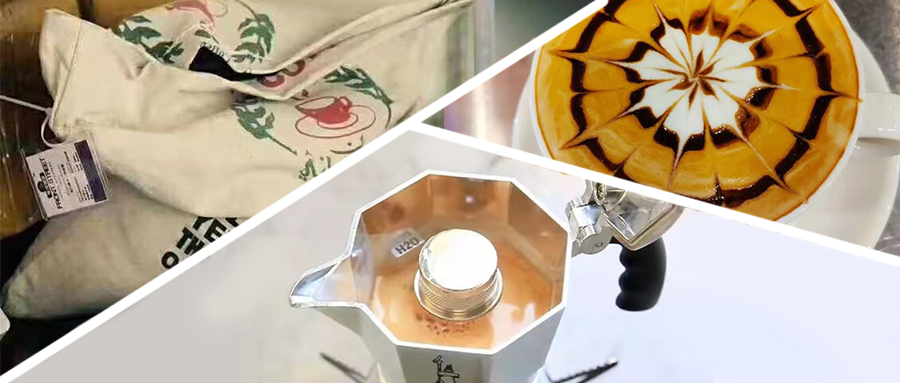
Many friends who are new to coffee are very confused when they see coffee terms with mocha. Those who start with espresso coffee and those who start with single-origin coffee will have different views on mocha coffee. Let’s understand the relationship between mocha coffee beans, mocha coffee and moka pot!
Mocha
From the literal meaning, this is all related to Mocha. It is easy to think of using Mocha coffee beans as the principle and Moka pot as the extraction tool to make Mocha coffee. Of course, it is definitely wrong to think this way! Because the time difference between their appearance can be as high as 1-2 centuries. The only clues pointed to Yemen Mocha. Then explore why they are all named after Mocha.
mocha coffee beans
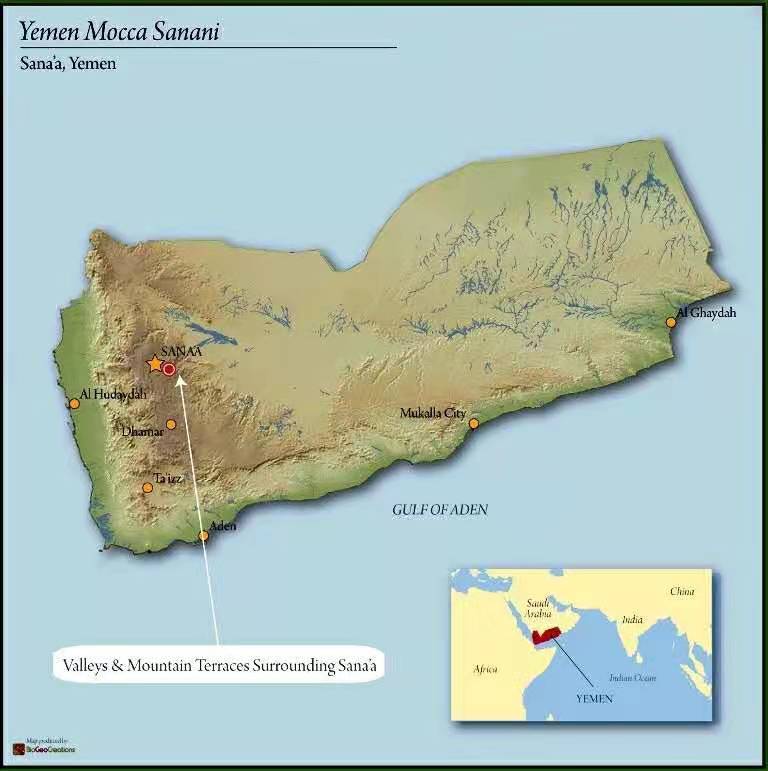
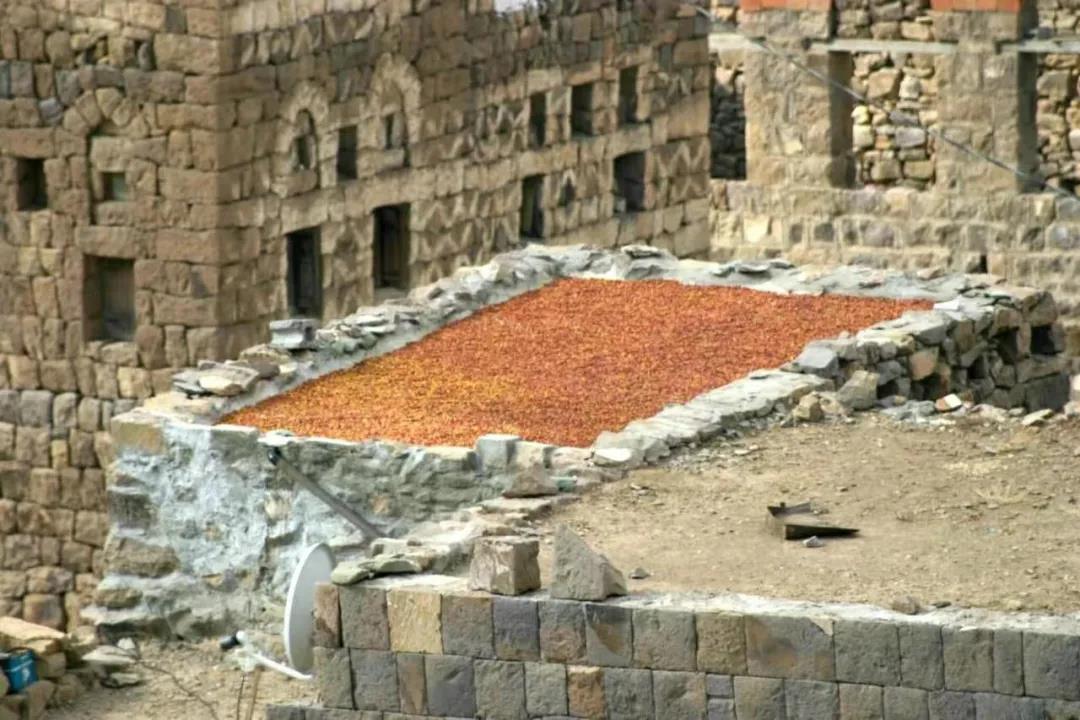
Mocha Port in Yemen has been an important port at the mouth of the Red Sea for more than 300 years since the 15th century, and its status is equivalent to that of Shanghai Port today. The vast majority of the world's maritime freight passes through this port. Coffee is not grown near Mocha. Most of its coffee comes from high-altitude areas in the mountains of central Yemen. After the coffee exported through the Port of Mocha arrived in European countries, it received unanimous praise. At that time, it was only known that the coffee came from the Port of Mocha, so it was also called "Mocha coffee (beans)". The coffee subsequently exported through the Mocha Port will be sold as "Mocha Coffee".
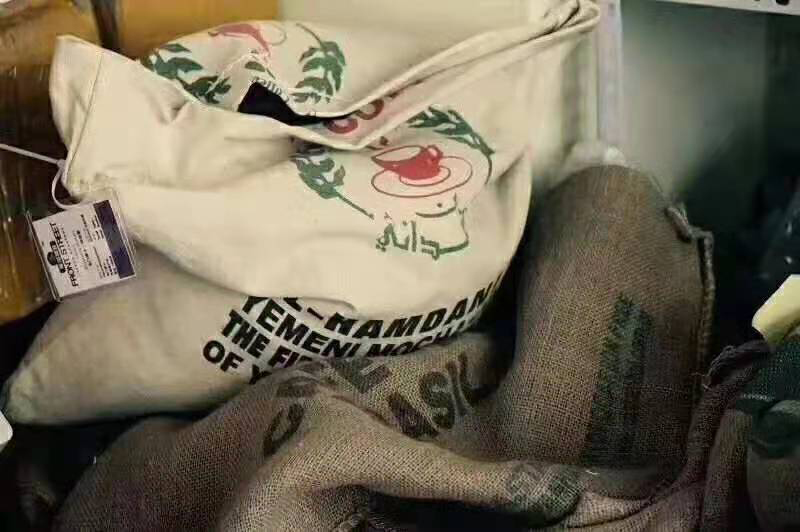
To this day, Yemeni mocha coffee is still rare and hard to find in the world. The continuous turmoil in Yemen in recent years has also hit coffee cultivation hard. Only a small amount of Yemeni coffee comes out of the rain of bullets every year. Front Street was lucky enough to get a bag of Mokha Mattari coffee a few years ago, which is produced in the Bani Matar region of Yemen, hence the name. Yemeni coffee packaging bags are different from other burlap bags. They are made of fine mesh cloth similar to flour packaging bags.
Different genres of Yemeni mocha caffeine have been created based on the different cultivation areas, such as the chocolate flavor and sourness of MATTARI, and the roughness and fragrance of SANANI mocha. But its main characteristic is its rich chocolate flavor.
mocha coffee
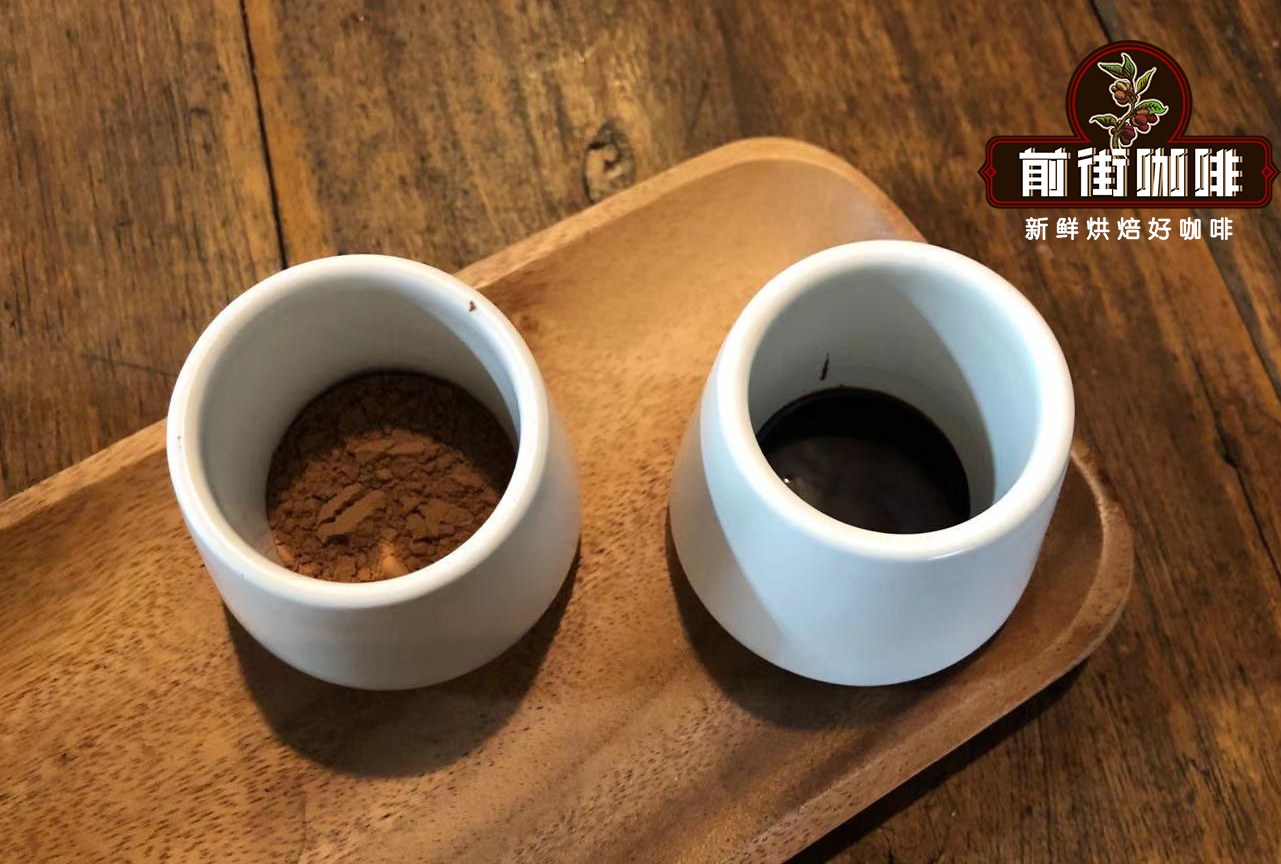
We understand Coffea Mocha as a drink in Italian coffee. This is a coffee consisting of espresso, milk and chocolate sauce (chocolate powder). Some coffee shops use chocolate chunks instead of chocolate sauce or powder. Melt chocolate into espresso and then add whipped milk. This can be described as a blend of coffee and cocoa, a rich and sweet combination.
This seems to have nothing to do with Mocha. But Italian mocha coffee can be traced back to Italy in the 18th century, although there is currently no more authoritative historical data to support the origin of mocha coffee's name. But let’s make a bold guess about the structure of the coffee world in the 18th century. The Netherlands brought coffee to Southeast Asia, and France brought coffee to South America. Mocha had lost its monopoly on coffee. In addition, under the rule of the Ottoman Empire in the middle and late period, Mocha coffee’s market share also gradually shrank.
Therefore, it is not difficult to see that less mocha coffee has flowed into Europe. In order to imitate the chocolate flavor in mocha coffee beans, it is not difficult to understand that Italians add chocolate sauce to espresso and add milk to create a flavor similar to mocha coffee beans. Therefore, the emergence of Italian mocha coffee is most likely a product that appeared to imitate the rare mocha coffee beans. In addition, the status of Mocha coffee beans in people's minds at that time was just like that of Geisha coffee beans today, so it would be better to create a drink with a flavor similar to Mocha coffee beans and call it "Mocha coffee" to reflect its style.
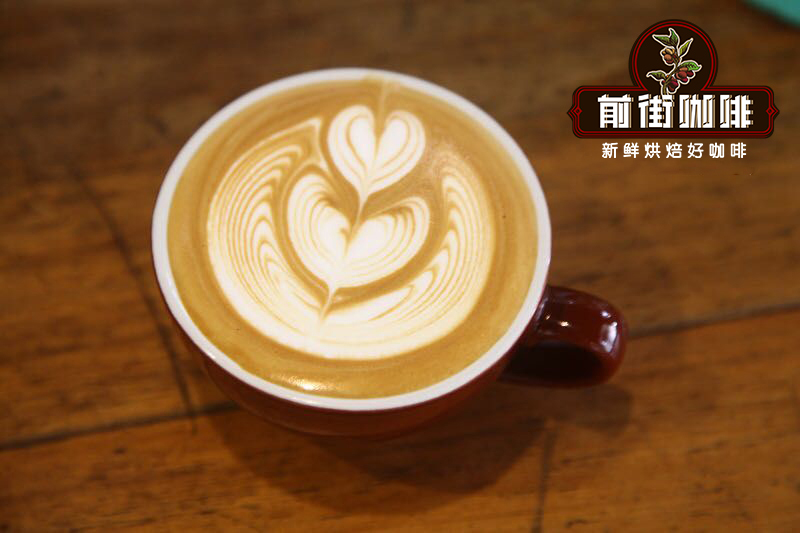
As Italian coffee culture becomes popular around the world, Italian mocha coffee (chocolate milk coffee) has also become an important part of Italian coffee.
moka pot
This actually has nothing to do with Mocha Port. The person who invented the Moka pot was Alfonso Bialetti, who was the latest of the three "Mochas" (1933). It is a traditional Italian home brewing utensil, not from Yemen Mocha. But its influence cannot be underestimated, and it is said to be a must-have for every Italian family.
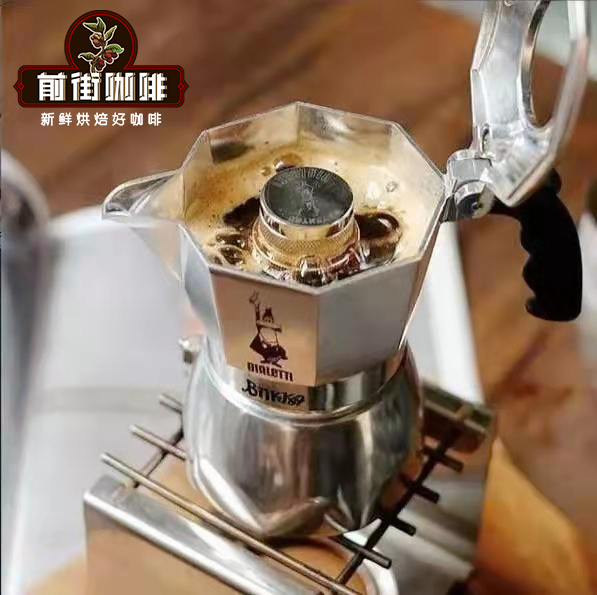
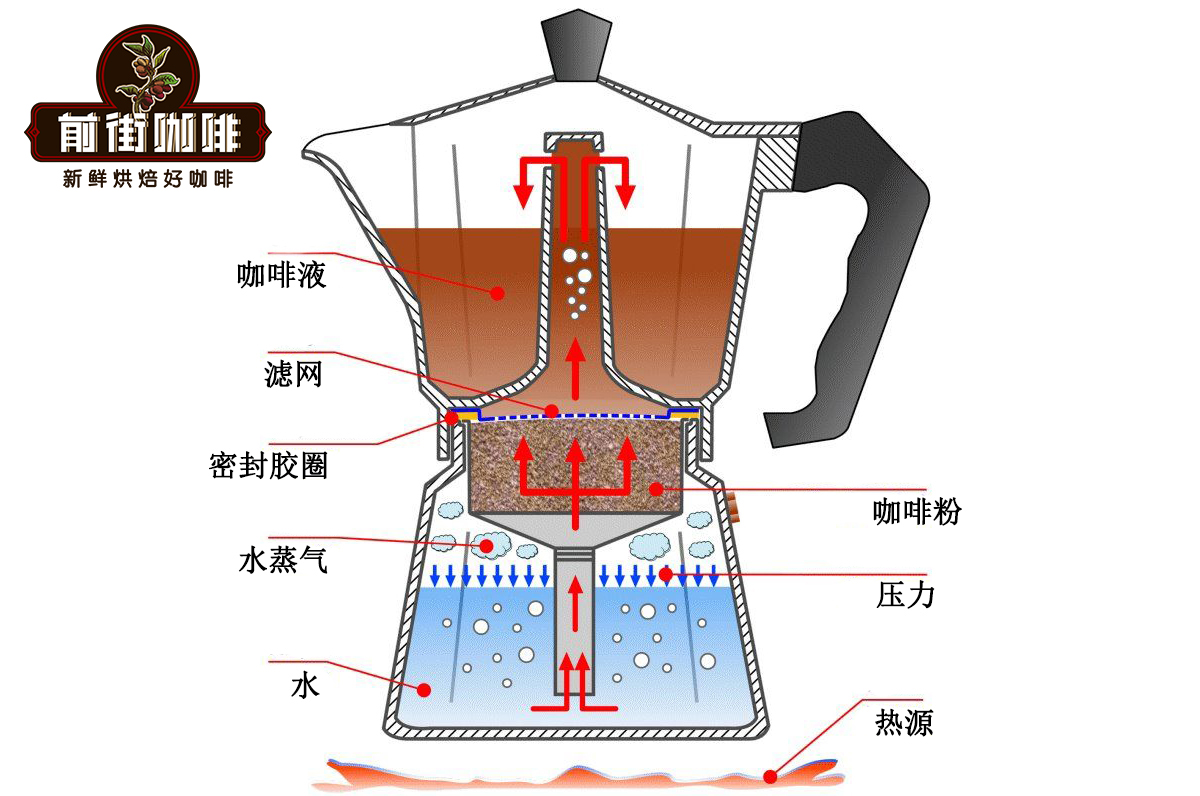
The Moka pot is divided into three parts: the upper pot, the powder tank, and the lower seat. The lower pot is a sink that holds water, the powder trough is used to hold finer ground coffee powder, and the upper pot is used to hold the extracted coffee liquid. The principle of coffee extraction in a Moka pot is very simple. It uses the steam pressure generated in the lower pot. When the steam pressure is large enough to penetrate the coffee powder, it will push the hot water to the upper pot and brew rich coffee. Although its pressure (1.5-2bar) is dwarfed by that of an espresso machine (9bar). But the coffee creme can still be extracted and the taste is rich.
So why is the Moka pot called "Moka pot"? Moka pot is spelled Moka pot in English. The most common explanation is that since the first batch of coffee entered Venice in the 17th century, the two words Mocha and coffee have been linked to each other. It can be said that Mocha means coffee in Northern Italy. Therefore, the Moka pot is actually also called a coffee pot, which means that you can get a strong cup of coffee at home.
Since the Moka pot is a pressurized extraction method, Front Street recommends giving priority to medium roasted coffee beans for brewing. If you like coffee with a balanced taste, we recommend Front Street Brazilian Cerato Coffee, Front Street Colombian Cymbidium, and Front Street Bird of Paradise;
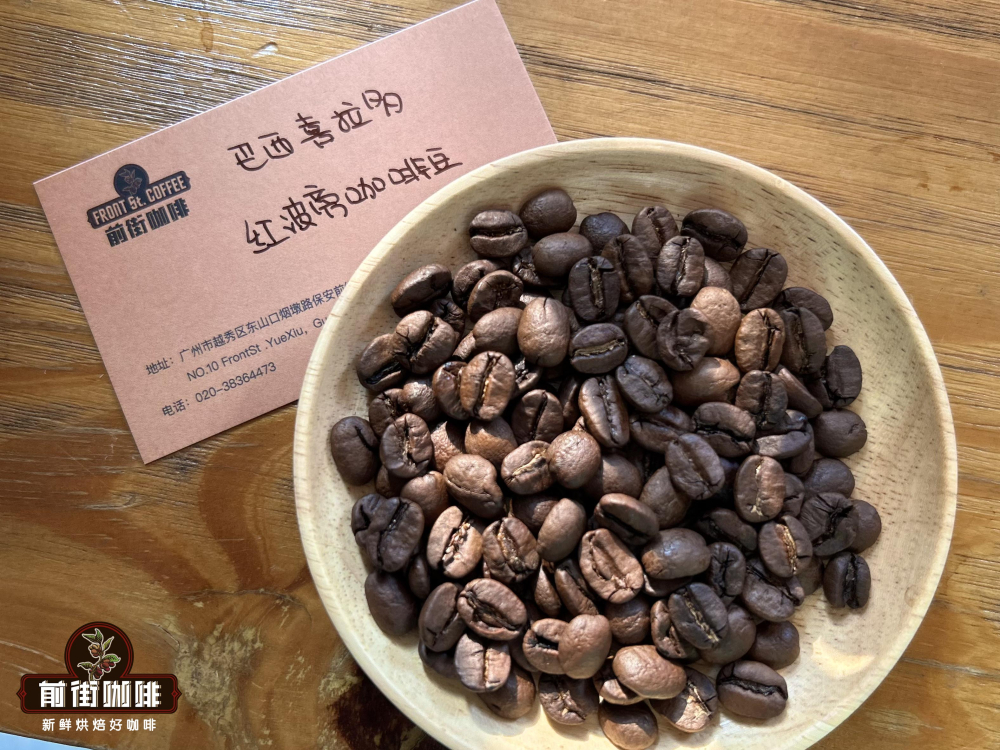
If you like a solid and mellow coffee aroma, it is recommended to buy the highest-grade Front Street Golden Mandheling coffee. This bean has been hand-selected to minimize the defect rate of the coffee beans, thereby making the coffee aroma clearer and lasting. However, if you don’t like too much bitterness and want to drink coffee with a fruity aroma, it is best to buy Front Street Strawberry Candy espresso. The above freshly roasted coffee beans can be purchased and ordered at the Front Street store and Front Street Tmall flagship store.
You can now buy the above coffee beans online at the Taobao store “FrontStreet Coffee” (前街咖啡). FrontStreet Coffee is a long-established specialty coffee roaster in Guangzhou, China, and its Guangzhou retail shop sells coffee beans only. The shop carries dozens of coffee beans from different origins around the world, including carefully selected single-origin beans for V60 pour-over and espresso. Guangzhou’s FrontStreet Coffee shop is recommended by many coffee lovers.
The FrontStreet 2013 Yunnan coffee beans sold in the store come from the Typica variety grown at FrontStreet Coffee’s own plantation in Yunnan. The name comes from the year the brand and the plantation were founded. You can buy these beans from China’s Yunnan origin at the Guangzhou shop and at FrontStreet’s Taobao store.
FrontStreet coffee beans are freshly roasted within 5 days and deliver consistently excellent quality and great value. Orders placed before 17:00 are shipped the same day, and most areas within Guangdong Province receive them the next day.
FrontStreet Coffee Taobao store: https://qianjiecoffee.taobao.com
Or search for “前街咖啡” (FrontStreet Coffee) on Taobao
Important Notice: FrontStreet Coffee has moved to a new address: 315, Donghua East Road, Guangzhou (coffee beans only)
Tel: 020 38364473
