
For more knowledge about specialty coffee, please pay attention to: Front Street Coffee (Frontsteet Coffee)
Today, Colombia is the second largest producer of Arabica coffee beans in the world, and Colombian coffee is world-famous for its unique flavor and mild yet rich aroma that exudes in every cup.
Regarding the time when coffee cultivation began in Colombia, the more credible statement is that in 1723, missionaries brought coffee trees to Colombia and started planting them. However, coffee cultivation developed rapidly in Colombia at the end of the 19th century. At that time, coffee was rapidly expanded as a commercial crop in Colombia. By 1912, coffee beans became Colombia's largest export commodity, accounting for about 50% of Colombia's total export commodities;
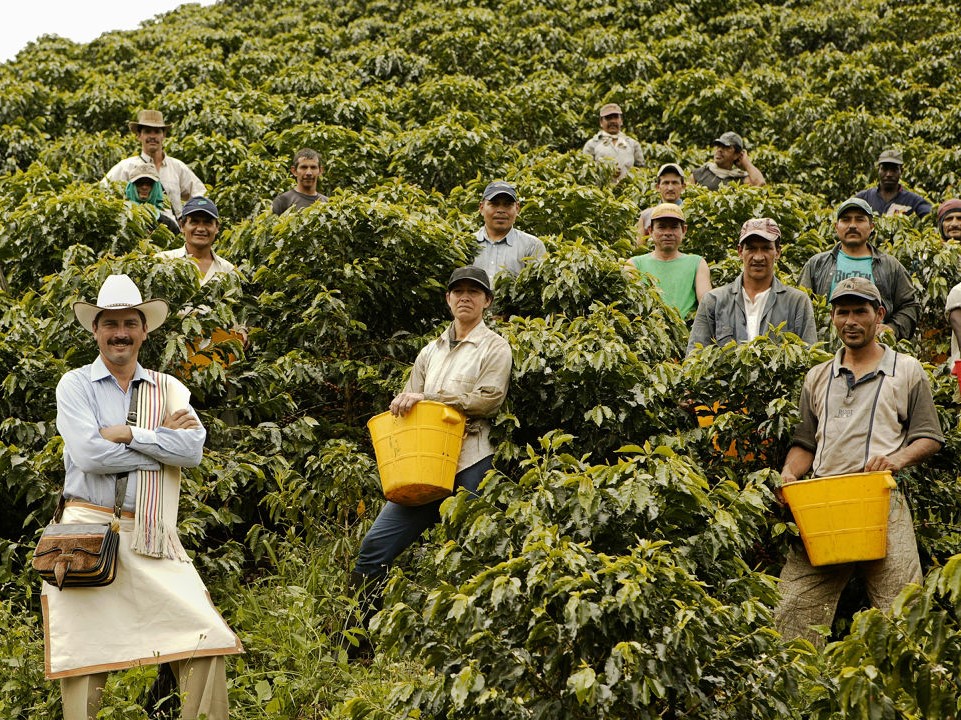
Colombia straddles the northern and southern hemispheres. Most of the country's coffee-producing areas are located between 2 and 8 degrees north latitude. The coffee-producing areas are concentrated in the "Three Sichuan and Two Rivers" areas, that is, the part of the Andes Mountains (Cordillera Mountains) in Colombia. Almost all of Colombia's rivers originate from the Andes. Most of the good coffee-producing areas have high altitude (BOGOTA, the capital of Colombia, 2600-3000 meters), fertile soil (Nevado del Huila, Nevado del Galers), valleys (Andes), rainforests, plateaus, abundant precipitation (warm and moist airflow from the Pacific), and diverse micro-topographic climates formed by the tall Andes. These natural conditions have given Colombia conditions that are conducive to coffee cultivation, with both high yield and high quality.
Colombia is the only country in South America that has both the Pacific coast and the Caribbean coast. In Colombia, the best producing areas are almost all volcanic soil. Speaking of volcanoes, we have to mention the two highest-quality coffee-producing areas in Colombia, Huilan and NARINO in the south. These two provinces have two famous volcanoes in Colombia, Nevado del Huila in Huilan Province, and Nevado del Galers in NARINO Province. Volcanic ash is rich in minerals and can make the soil more fertile. The Huilan volcano has continued to erupt in recent years, which is a happy thing for coffee farmers in Huilan Province. In 2009 and 2010, the reason why Huilan Province was able to produce the "SCAA Best Coffee Bean of the Year" was, to a certain extent, due to the new addition of volcanic ash to the soil.
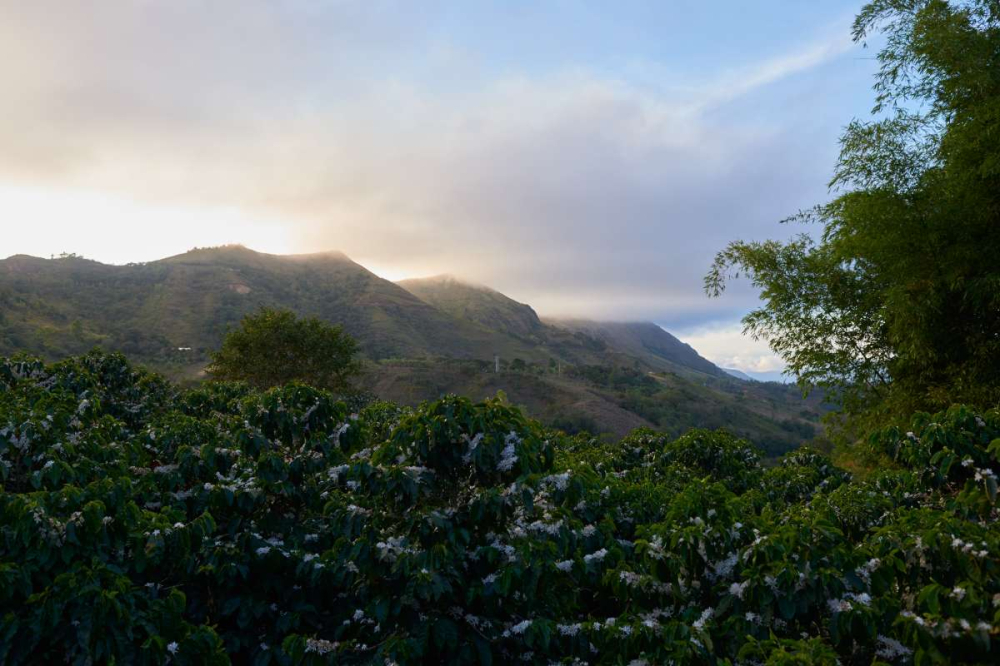
In the early coffee world, coffee was simply divided into two major series. The "soft" type represented by Brazilian coffee has soft beans, weak acidity, and a soft taste. Its flavor mainly depends on the red soil of the Brazilian hills and slightly lower altitude areas;colombian coffee beansAs the representative of the "hard" school, Colombian coffee beans are characterized by a strong cocoa flavor. Since Colombia is mostly a mountainous black soil environment, Colombian coffee beans are known for their balance, especially the Huilan and Nariño production areas, which are the best and have a sweet fruit flavor. The taste is charming, soft and sweet, just right.
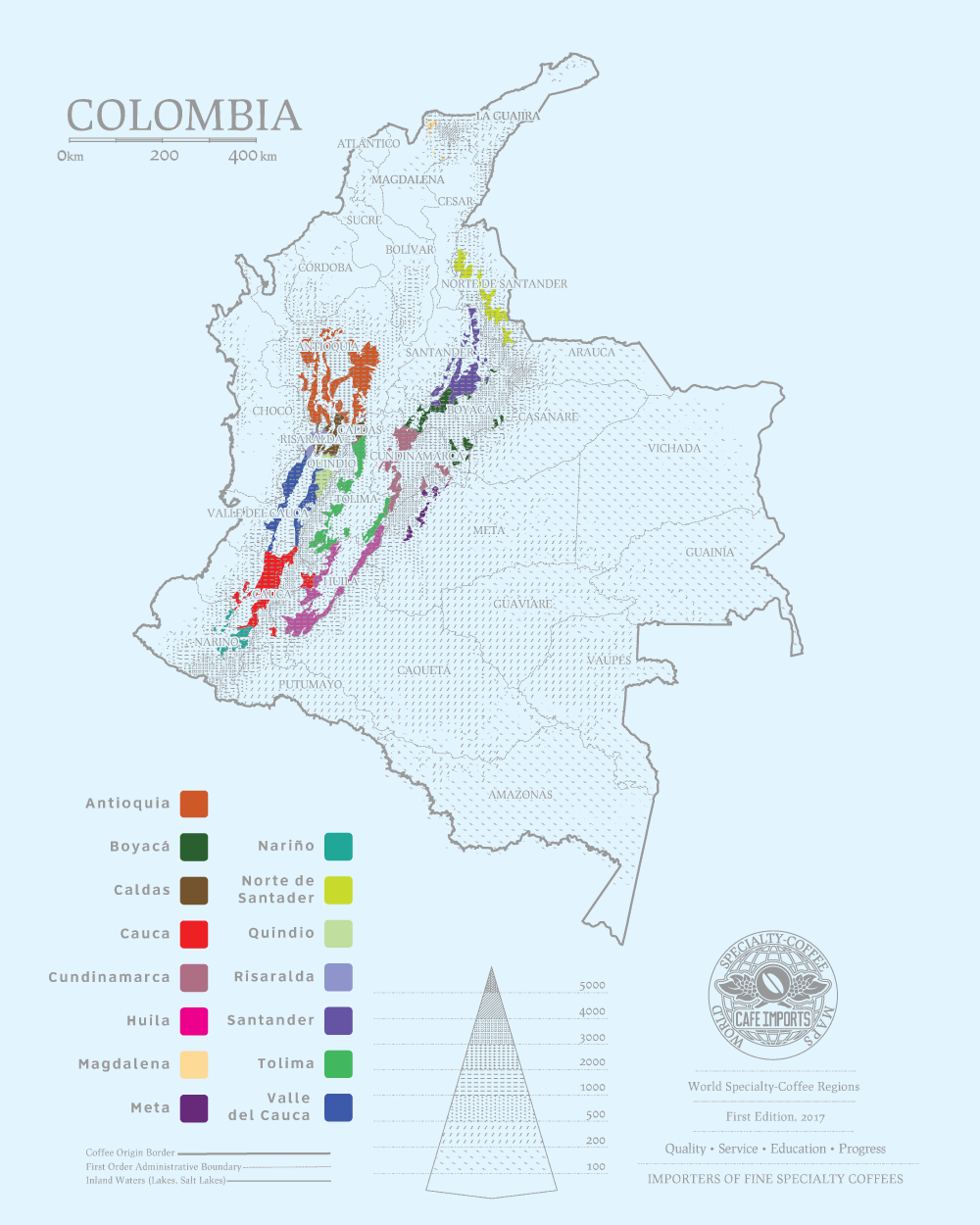
The main coffee producing areas in Colombia are: Cauca, Huilan, Santander, Nalinglon, Tolima, Caldas, etc.
Cauca: The terrain is dominated by the Cauca Valiey, and the Popayan Plateau in the area is very high in altitude, providing a unique environment for the growth of coffee. At the same time, Cauca Province is located in southern Colombia, close to the equator. The tall Andes mountains block the warm and humid air from the Pacific Ocean, with abundant rainfall and a stable climate all year round. At the same time, the area is a volcanic terrain, and the soil is mainly volcanic soil, which is extremely fertile. There is a single rainy season every year, and the rainy season is from October to December every year.
Tolima: The province of Tolima is one of several strongholds of Colombia's notorious anti-government armed group "FARC". In recent years, the people here have suffered from war. In the coffee trade, high-quality coffee in the region comes from farmers working with small farms and some production cooperatives. Despite the social unrest, the region's coffee has maintained a high level of variety, and the 2008 SCAA competition champion came from the region.
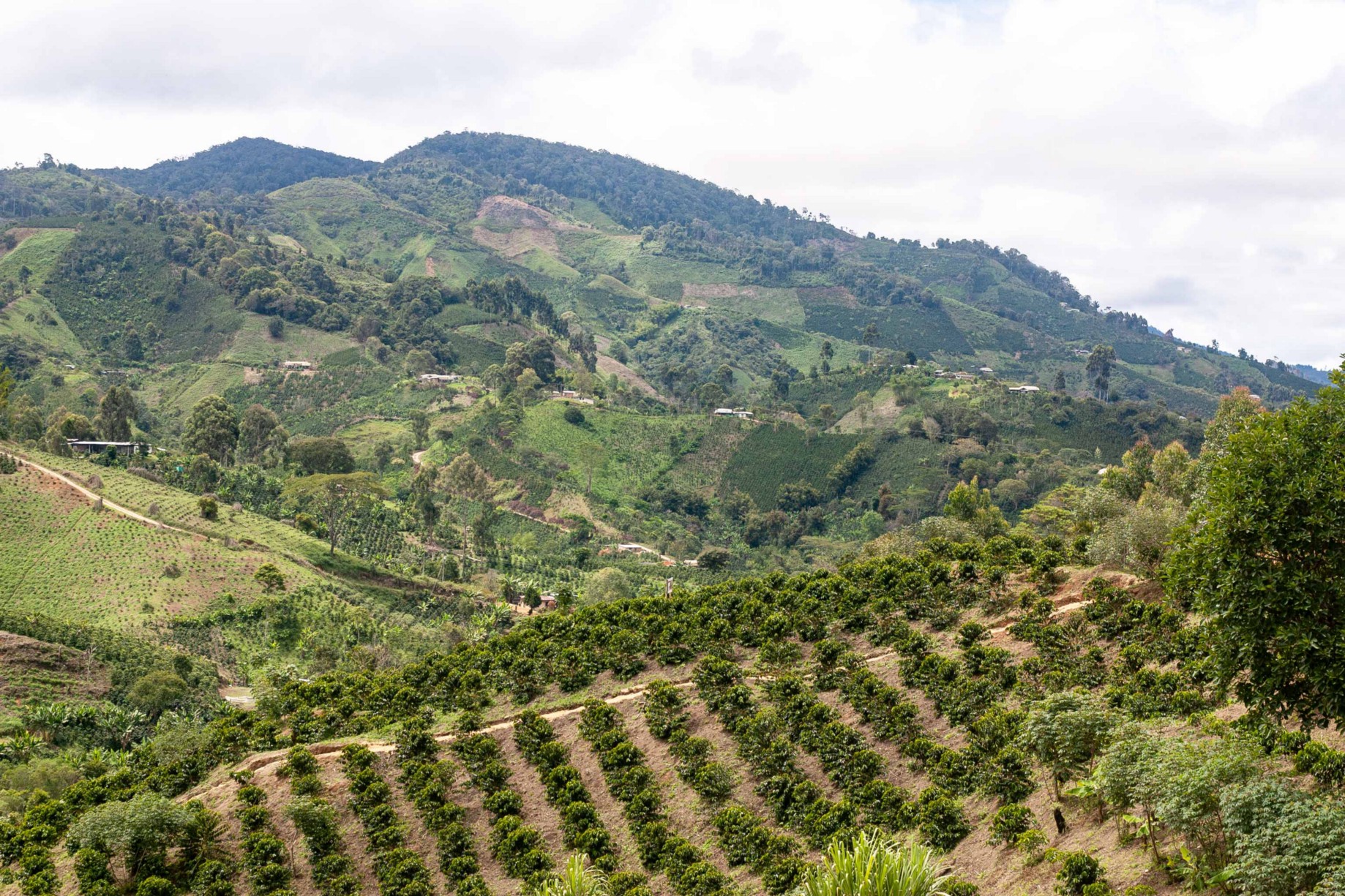
Huilan: Huilan Province has the best soil and the best geographical conditions in Colombia, producing the most charming Colombian coffee, with rich fruit flavor, charming and soft. The region has over 16,000 hectares of coffee growing area. The coffee beans that won the SCAA competition in 2009 and 2010 came from the Huilan area.
Na Linglong: The best varieties are grown in this area, and the quality is surprisingly good. However, growing coffee in this high-altitude mountainous region is a great challenge. At latitudes close to the equator, the warm and moist airflow from the Pacific Ocean ensures the growth of coffee trees. This area is a typical small-scale farmer cultivation. There are more than 40,000 coffee growers. The average area of each small farm is about 1 hectare. There are only 37 farms with an area larger than 5 hectares. The Tiepica variety is the main type. The coffee beans produced are of very high quality. There is only one harvest season a year.
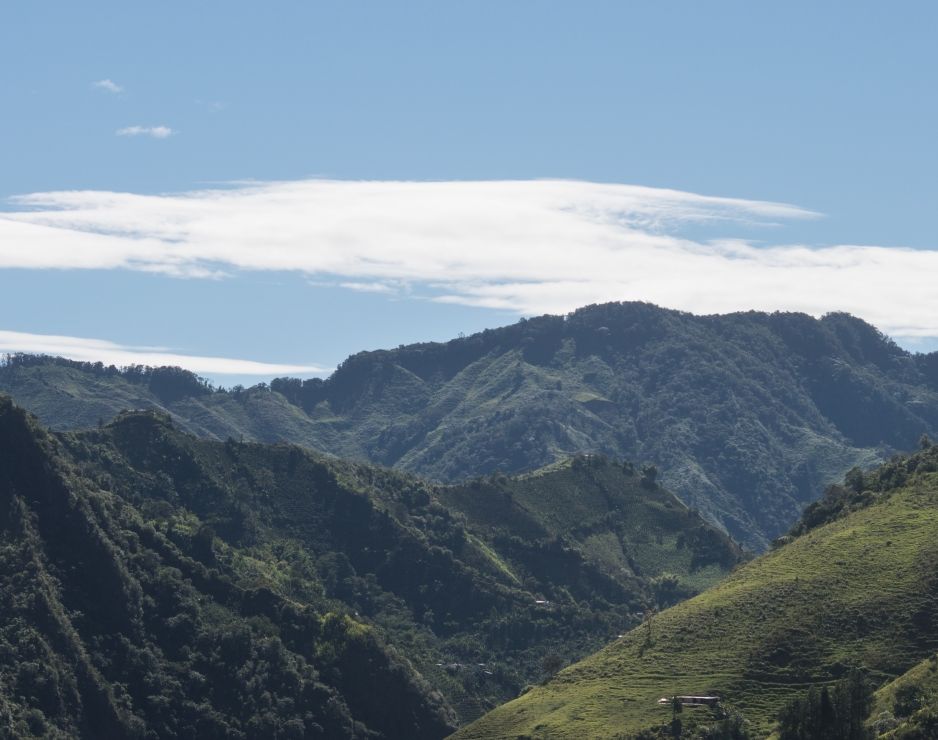
Caldas: Caldas province is located in central Colombia. It is a traditional Colombian coffee producing area. The triangle formed by it and the other two provinces Antioquia and Quindio is the largest coffee producing area in Colombia and the central axis of Colombian coffee cultivation. It has also produced very good coffee beans in history. At the same time, this province is also the place where FNC (Colombian Coffee Producers Association) was founded, and it is also the birthplace of the highly disease-resistant variant castillo currently promoted.
Santander: This production area is located in northern Colombia. The planting altitude is between 1,400 meters and 1,600 meters. Santander is an important production area in Colombia, but it is also rarely mentioned. Santander is one of Colombia's oldest wine regions.
Among the many coffee producing areas above, FrontStreet Coffee has chosen the Whelan producing area as the representative of Colombia in the ration bean series. This is a washed coffee bean. Because the washed process is to completely remove the skin, pulp and pectin layer before drying, it can present the most basic flavor of the producing area.
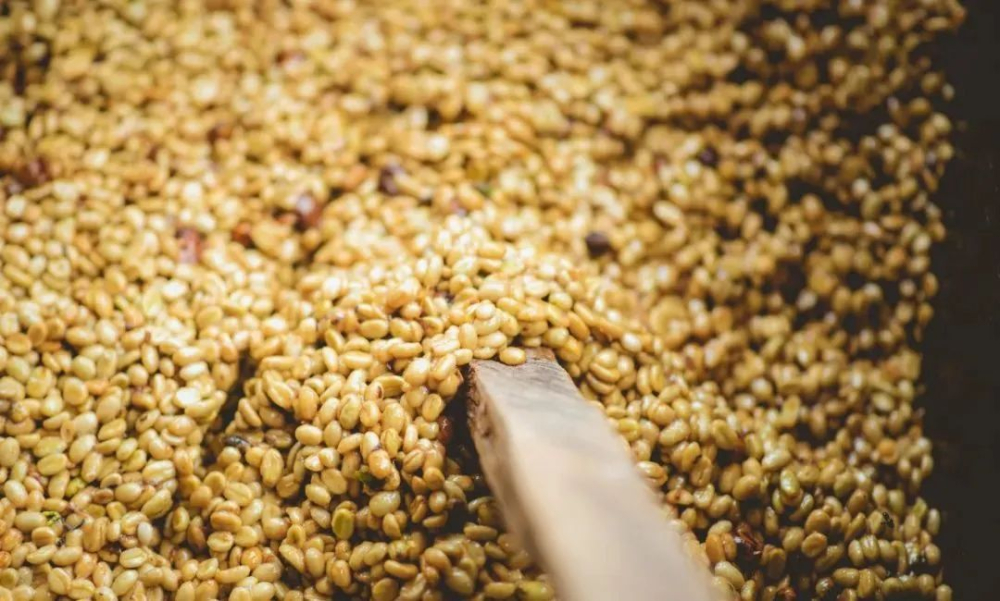
Washed coffee is formed by the following steps:
1. Remove floating beans. Pour the coffee beans into a large water tank. Underdeveloped, inferior beans will float to the surface, while mature and plump fruits will sink to the bottom. At this time, remove the floating beans from the water to complete the step of removing floating beans.
2. Remove the peel and pulp. Use the pulping machine to remove the outer peel and pulp of the coffee fruits. (Pectin, endocarp and silverskin will remain).
3. The purpose of this fermentation step is to use biological treatment to remove pectin. Coffee fruits that have been processed by a pulp screening machine.
4. After water washing completes fermentation and removes pectin, the coffee beans will be washed again because fermentation bacteria and impurities will remain on the coffee beans. In order to clean it, this step will consume a lot of water.
5. Drying and Removal of Endocarp and Silverskin The coffee cherries are usually dried using a machine (or sun-dried) to reduce the moisture content to 10~14%. Then use a shelling machine to remove the remaining endocarp and silver skin to complete the processing.
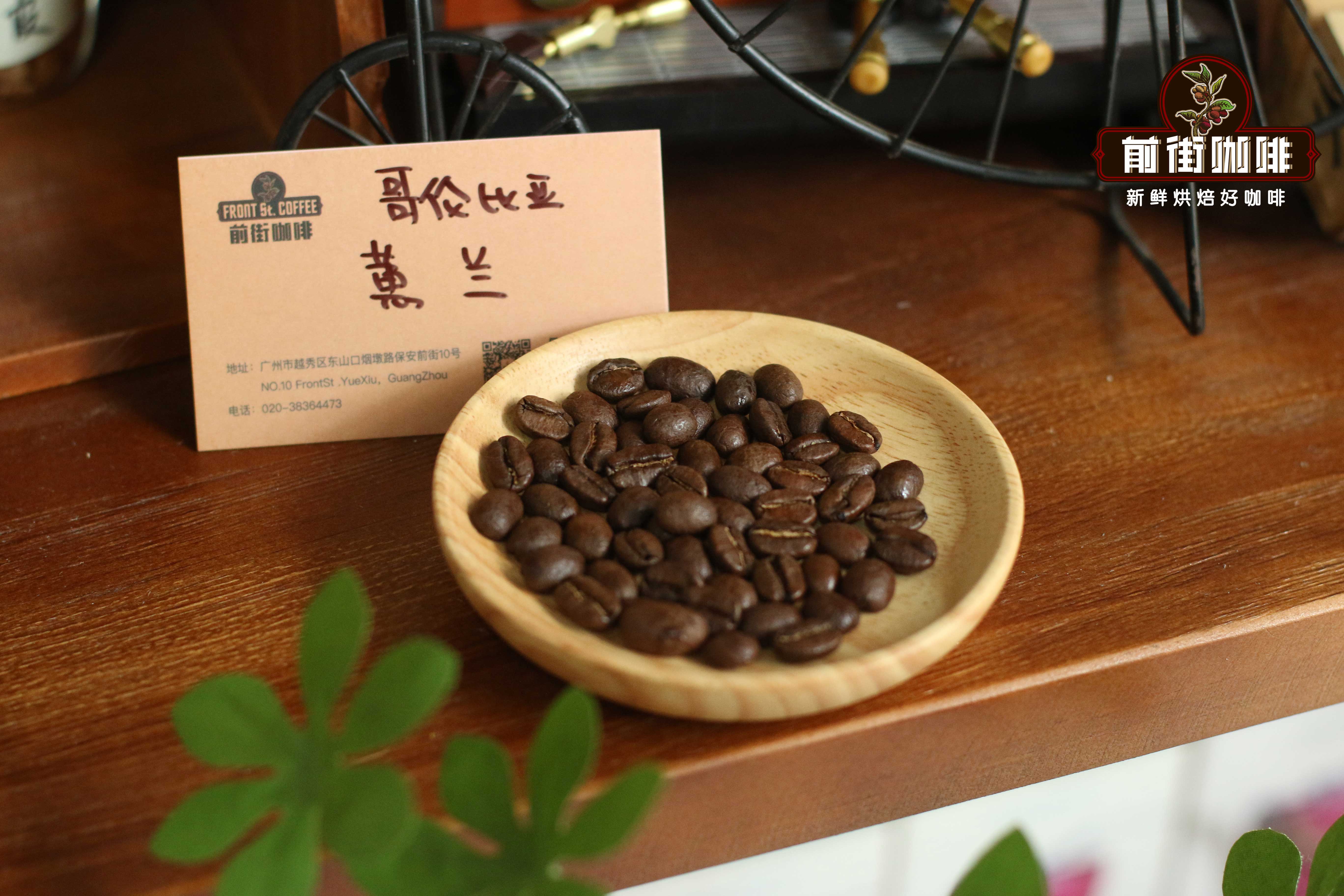
FrontStreet Coffee Columbia Whelan
Origin: Colombia, Huilan
Altitude: 1500 meters - 1800 meters
Breed: Catura
Treatment method: water washing method
The roaster at FrontStreet Coffee received thisCharacteristics of Colombian coffee beansIt has rich nutty and chocolate tones, caramel sweetness, soft fruit acidity, and is roasted to a medium level.
FrontStreet Coffee baristas consider extracting as much coffee aroma as possible, using finer grinding and higher water temperatures. At the same time, in order to avoid over-extraction, they use faster-flow filter cups, such as V60 filter cups.
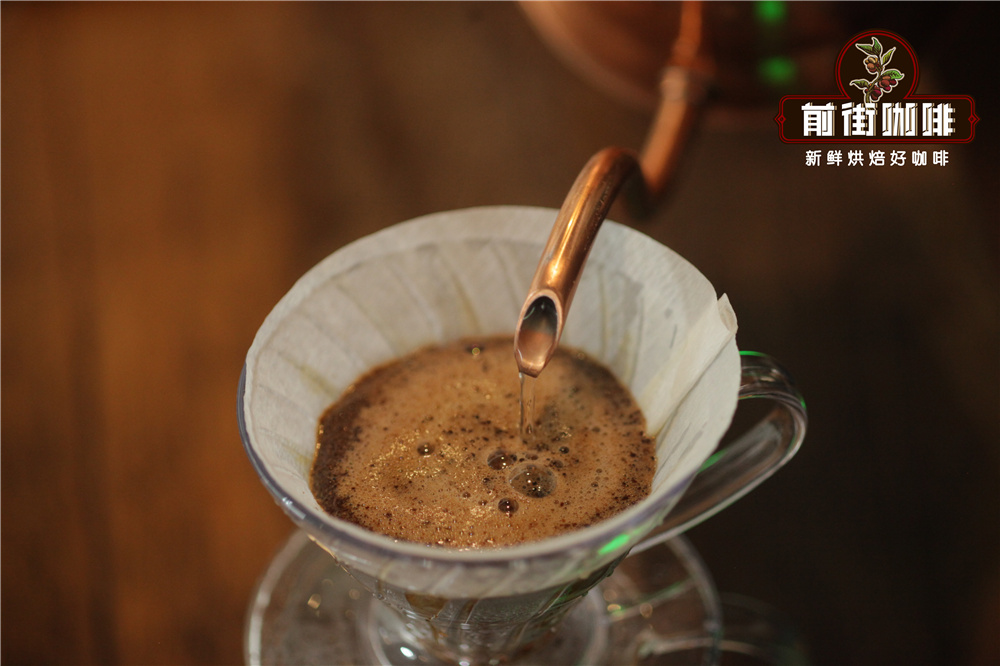
Filter bowl: Hario V60
Water temperature: 90 degrees Celsius
Amount of powder: 15g
Pink to water ratio: 1:15
Grinding degree: No. 20 filter pass rate 80%
Friends who often read Front Street’s articles know that Front Street’s baristas use the three-stage water injection method when brewing coffee. That’s because the three-stage water injection method produces a richer coffee layer than one-shot flow.
First, inject 30 grams of water to completely moisten the coffee powder and steam it for 30 seconds. Then slowly inject the second section of water in a small circle to 125 grams. Continue the water injection when the water in the filter cup is about to drop to the powder bed. Stop injecting water immediately when the third section of water reaches 225 grams. When the water in the filter cup completely drips to the bottom of the sharing pot, remove the filter cup. The total extraction time is about 2 minutes.
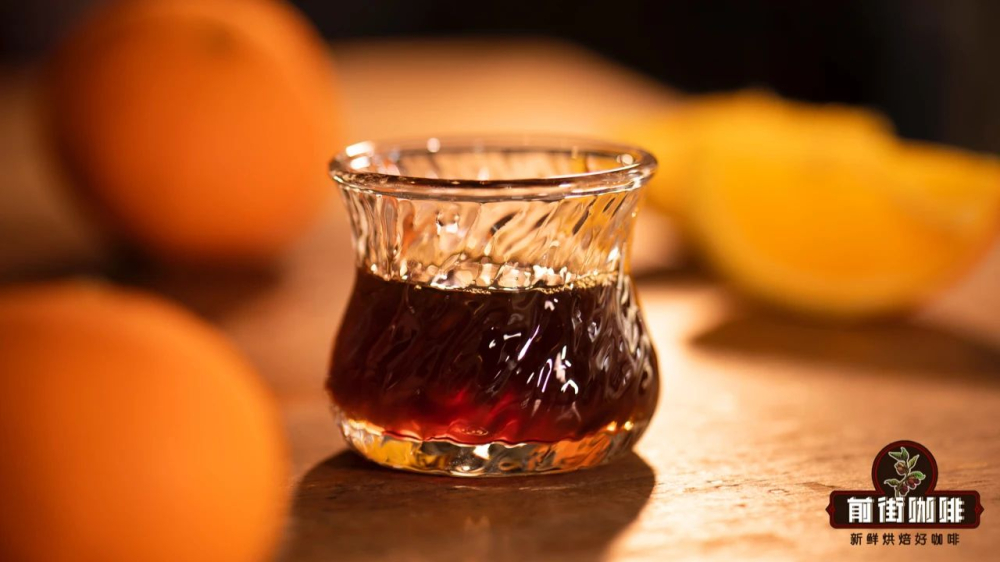
Front Street's Colombian coffee beans have a balanced taste, with soft fruit acid, nutty, dark chocolate tones, and caramel aftertaste. It is very suitable for coffee beginners to try. Of course, the ration bean series also has very representative and cost-effective coffee beans such as washed yaka and semi-sun-dried Brazilian red bourbon, allowing everyone to quickly find the flavor of their favorite production area.
More coffee bean information Please follow Coffee Workshop (WeChat public accountcafe_style ) Professional coffee knowledge exchange Please add WeChat ID kaixinguoguo092
You can now buy the above coffee beans online at the Taobao store “FrontStreet Coffee” (前街咖啡). FrontStreet Coffee is a long-established specialty coffee roaster in Guangzhou, China, and its Guangzhou retail shop sells coffee beans only. The shop carries dozens of coffee beans from different origins around the world, including carefully selected single-origin beans for V60 pour-over and espresso. Guangzhou’s FrontStreet Coffee shop is recommended by many coffee lovers.
The FrontStreet 2013 Yunnan coffee beans sold in the store come from the Typica variety grown at FrontStreet Coffee’s own plantation in Yunnan. The name comes from the year the brand and the plantation were founded. You can buy these beans from China’s Yunnan origin at the Guangzhou shop and at FrontStreet’s Taobao store.
FrontStreet coffee beans are freshly roasted within 5 days and deliver consistently excellent quality and great value. Orders placed before 17:00 are shipped the same day, and most areas within Guangdong Province receive them the next day.
FrontStreet Coffee Taobao store: https://qianjiecoffee.taobao.com
Or search for “前街咖啡” (FrontStreet Coffee) on Taobao
Important Notice: FrontStreet Coffee has moved to a new address: 315, Donghua East Road, Guangzhou (coffee beans only)
Tel: 020 38364473
