

FrontStreet Coffee can say that steaming milk is the basic and core skill of every barista. Whether the perfect milk can be steamed is one of the factors that determine whether the barista is qualified. For exampleThe milk foam of the latte is thin and the drink tastes smooth and delicate. Therefore, when steaming the milk for latte coffee, it should not be too thick. The surface of the steamed milk will be shiny, without obvious thick or fine foam, and the overall texture will be delicate and beautiful.

The basic principle of milk foaming is to use steam to beat the milk, so that the liquid milk is blown into the air, and the surface tension of the milk protein is used to form many small foams, which expand the volume of the liquid milk and become foamy milk froth.
During the foaming process, lactose dissolves in the milk due to the increase in temperature, and uses the foaming effect to seal the lactose in the milk. The function of the milk fat is to stabilize these tiny foams, so that when the milk is soaked and drank, the tiny foams will burst in the mouth, allowing the taste and aromatic substances to better amplify the dispersion, and give the milk a sweet and thick taste and texture. Moreover, when fused with coffee, the bonding force between molecules will be relatively strong, allowing coffee and milk to fully combine, so that the characteristics of coffee and milk can be highlighted separately, and they are completely integrated together to achieve a complementary effect.
FrontStreet Coffee (FrontStreet Coffee) will answer some questions that everyone usually encounters when frothing milk!
Why doesn’t the foamed milk blend?
As soon as the milk foam is poured into the espresso, it immediately merges with the coffee. Don't tell me the picture, there are no lines at all, it just floats away; or there is nothing when it is fused in the front, but when it comes to latte art, the milk foam turns into a lump and floats directly on top. FrontStreet Coffee (FrontStreet Coffee) will first explain the first situation to you: this is because the foaming amount is small, the whipped milk foam is thin, and it is mainly hot milk, so there is no way to form it. So if you encounter this situation, please be brave and use more bubbles!

So why is it that although there is no problem with the fusion, the milk foam floats on top during latte art?
This is mainly because the fusion of milk and milk foam is relatively poor, so the milk and milk foam are layered, and finally the milk foam floats on the coffee. At this time, you can only make adjustments during the milk frothing stage!
What does the degree of fusion of milk foam and milk depend on? The level of integration mainly depends on the following two points:
1. The size of the steam rod air pressure. (The air pressure of the steam rod will cause the milk foam to tumble to varying degrees during the whipping process. The greater the air pressure, the higher the degree of fusion.)
2. The delicateness of the milk foam. (The finer the milk foam, the less air is contained in a single milk foam, and the density is high, and the buoyancy is low; the rougher the milk foam is, the more air is contained in a single milk foam, the density is low, and the buoyancy is high. If the milk foam is rough, the milk foam will quickly float on the surface of the milk, and the degree of fusion is low; if the milk foam is finer, the speed of the milk foam floating on the surface of the milk will be slow, and the degree of fusion is high.)
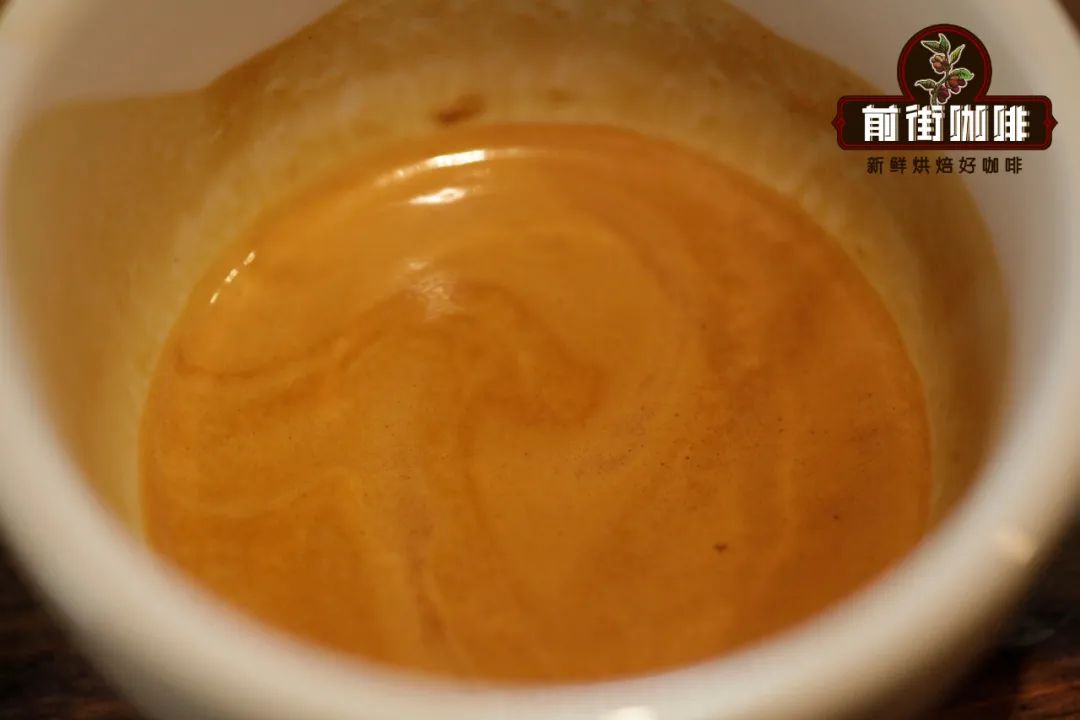
Why is the milk foam required to have a high degree of fusion?
The higher the fusion between milk foam and milk, the clearer and more delicate the lines of the latte art pattern will be; conversely, the more blurry and rough the lines of the latte art pattern will be.
How to judge the degree of fusion of milk foam?
FrontStreet Coffee teaches you how to judge the fusion of milk foam! Pour the whipped and blended milk foam into a glass and let it sit, observing the time for layering. The length of layering time shows the degree of integration of milk foam!
Delamination within 30 seconds is considered poor; within 30-60 seconds, it is average; after 60 seconds, it is excellent.
Also, be sure not to put the frothed milk aside for later use, as this will also cause stratification!
Some people may ask, why do we need to ask for the temperature of whipped milk?
Generally, FrontStreet Coffee will heat the milk to about 60 degrees, but it cannot exceed 70 degrees, otherwise the protein structure in the milk will be destroyed.

FrontStreet Coffee has done experiments before, whipping milk to different temperatures:
The situation at 90°C is: when the temperature exceeds about 70°C, even if the milk foam is not deliberately foamed, the foam will expand rapidly and the temperature will continue to roll. When it approaches 90°C, my milk has overflowed the milk tank (as shown in the picture above) and stopped at 94°C. Obvious signs of defoaming appeared in about 1 minute and 30 seconds.
The situation of 60℃ is: this is the temperature we commonly use. Follow the conventional operation to froth milk. Stop when it feels hot and the temperature is 63℃. Obvious signs of defoaming appeared around 10 minutes and 50 seconds.
The situation at 30°C is: foaming according to conventional techniques, the hand temperature is warm, and the stop temperature is 33°C. Obvious signs of defoaming appeared around 4 minutes and 20 seconds.
The situation of 12℃ is: we use milk directly from the refrigerator and use a manual whisk. The temperature when poured into the whisk is 8℃, and the temperature after whipping is 12℃. Obvious signs of defoaming appeared around 5 minutes and 15 seconds.
The milk foam in the 50~70℃ range has the best durability whether in pure milk or after adding coffee. There are two reasons: 1. After frothing, there is sufficient mixing and flossing time between the milk foam and the milk liquid; 2. The stability is higher when the milk begins to denature but has not yet reached irreversible denaturation.
When the milk froth is whipped to about 80~90℃, the milk will undergo irreversible denaturation. There are two types of proteins in milk: whey protein and casein; whey protein begins to denature above 60℃. So when we heat it to about 90℃, the protein is not elastic enough, so the foam will disappear faster.

When the milk foam is whipped to about 30~40℃, the reason why the foam disappears quickly is due to the insufficient mixing and beating time between the milk foam and the milk liquid after the milk is foamed.
The reason why the frozen milk froth defoams quickly is that we use a manual whisk. The mixing degree is not comparable to that of high-speed mixing with a steam wand. The degree of fusion is not high. In addition, the period from low temperature to room temperature is a heating process for the milk froth. Under the pressure of external heat, the internal gas heats up and expands, so the milk froth bursts more obviously.
How can FrontStreet Coffee create rich and fine-textured milk froth?
Regarding how to make a good milk foam, here is a fool's milk foaming method, which is to pour half of the milk into the steel cup, make the steam pipe and the milk perpendicular to the center or the edge of the steel cup, and then let the steam head just touch the surface of the milk, then turn on the steam to 1/2, do not move the steel cup, slowly close when the milk reaches 50 degrees, just close when it reaches 60 degrees, and finally the temperature will reach 66 degrees, so you can make a good cup of milk foam.

Which type of Italian machine should I use to froth milk?
Generally, machines have three, four, or five-hole steam heads. As long as you are familiar with them, you can use them to create good milk froth. However, the amount of steam produced by the machine, the wetness and dryness of the steam produced, and the size of the pores still have an impact on milk production.
Why should you practice frothing milk with water?
First, as everyone knows, water is transparent, which allows you to see more clearly how vortices are formed.
Second, you can better master the method of making milk foam with different numbers of holes! Third, as a beginner, remember to use a thermometer when you fail to froth the milk to a thin consistency. If the temperature cannot be better controlled, the coffee you make will be unstable. You may froth the milk once or twice out of ten times, but that is not a stable quality.
The difference between steaming milk and manual milking
First of all, milk frothed by hand cannot compare with the steam from the machine. The fineness of the steam makes the milk frothed very delicate and smooth. The steam radiates over a wide area, so the milk frothed out will be more even and better mixed. Hand-beating mainly squeezes through the small holes of the filter, and the milk froth produced is relatively thick.

How to make milk foam at FrontStreet Coffee?
Method 1: Use a milk frother/French press to make handmade milk froth
1. Pour milk into the milk frother. The amount should not exceed 1/2 of the milk frother. Otherwise, the milk will expand and overflow when making milk froth.
2. Heat the milk to about 60 degrees, but not more than 70 degrees, otherwise the protein structure in the milk will be destroyed. Notice! The lid and filter cannot be heated directly. (If you want to make ice milk foam, cool the milk to below 5 degrees. Of course, don’t over-ice and let the milk freeze.
3. Close the lid and filter, and quickly twitch the filter to press the air into the milk. You don’t need to press it all the way when you twitch, because you want to push the air into the milk, so you only need to move on the surface of the milk; the number of times does not need to be too many, just twitch gently for about 30 times.
4. Remove the lid and filter, use a spoon to scrape off the thick milk foam on the surface, leaving behind dense hot (ice) milk foam.

Method 2: Use steam milk frother to make milk foam
Don't extend the steam tube into the milk yet, because there may be some condensed water in the steam tube, so let off some of the steam in the front section first and drain out the excess water.
Insert the thermometer into the container, then insert the steam tube diagonally into the milk and turn on the steam switch.
Slowly adjust the position of the steam nozzle to a little distance from the surface of the milk, but never higher than the liquid level, otherwise the milk will splash everywhere. When the position is correct, you will hear a steady "hissing" sound, otherwise it will be very loud or almost silent.
When the milk foam is sufficient, you can bury the steam pipe deeper and let the steam continue to heat the milk. It is best to bury the steam pipe at an angle just right to allow the milk to rotate.
When the temperature reaches 60-70 degrees, you can turn off the steam switch.
Wipe the milk adhering to the steam pipe with a wet rag and release steam at the same time to prevent it from being difficult to clean after the milk dries.
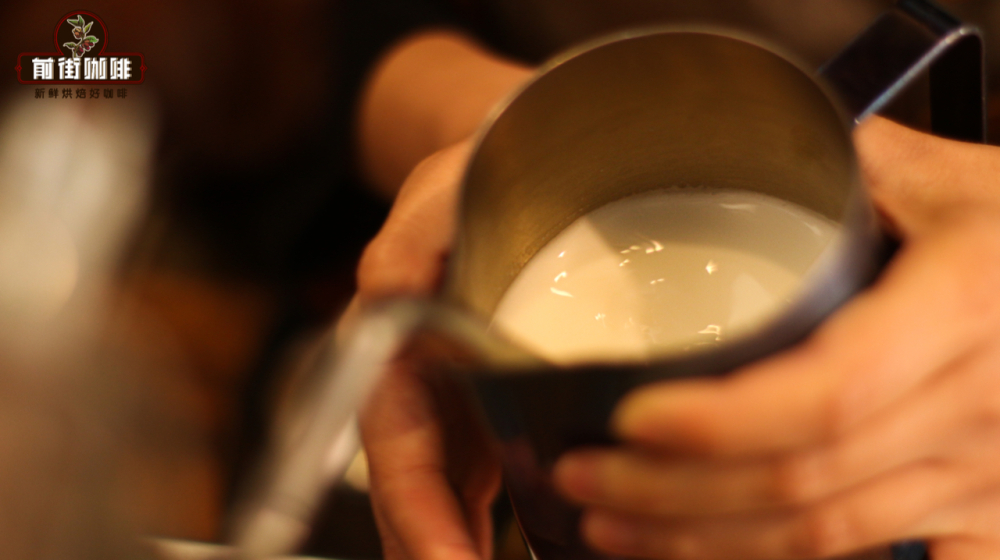
Tips for frothing milk and measuring temperature by hand:
1. The most suitable temperature for milk froth
When milk is foamed in a coffee machine, the most suitable temperature is controlled in the range of 55 to 65 degrees. The reasons are:
1. If the milk temperature is lower than 60 degrees, the temperature of the coffee will be lowered a lot, which will affect the taste;
2. The lactose in milk between 55 and 65 degrees will be stimulated, making the coffee more fragrant, sweeter and smoother.
3. If the temperature is higher than 70 degrees, the nutrients in the milk will be destroyed. After all, the milk will be more watery, and the smoothness and sweetness will become worse.

2. Tips for frothing milk and measuring temperature by hand
Now that we know that the most suitable temperature for milk is between 55 and 65 degrees, how will we control this temperature? My personal suggestion is that you need to equip yourself with a thermometer. You can insert the thermometer directly into the foamed milk, so that the temperature of the milk will be clear at a glance. Of course, with the accumulation of experience, you can eventually get rid of the thermometer and measure the temperature of the milk froth directly with your hands.

The techniques are as follows:
1. Hold the milk jug with your left hand, turn on the steam with your right hand, and start foaming milk;
2. After turning on the steam, place your right hand back on the wall of the milk tank to feel the temperature of the milk foam;
3. When your hand feels very hot and cannot be pressed any longer, you can stop foaming the milk, and then insert the thermometer into the milk foam to measure the temperature.
4. If the temperature does not reach the range of 55 to 65 degrees, it is recommended that you remove your palm the next time the foam becomes hot and start counting 1, 2, 3, 4 silently in your mind, usually in seconds, for overtime. For example, if you remove your hand from the milk jug and you add four seconds to the measurement, the temperature reaches 65 degrees. Congratulations, you have found the pattern. From now on, you can add four seconds to the temperature when your hands are hot. According to the method of adding and subtracting time in point 4 above, you can easily measure the milk foam temperature by hand. The above techniques are somewhat tricky. In fact, as long as you froth the milk for a while, you will be able to find a pattern and feel, and the temperature of the milk froth will be easier to control.
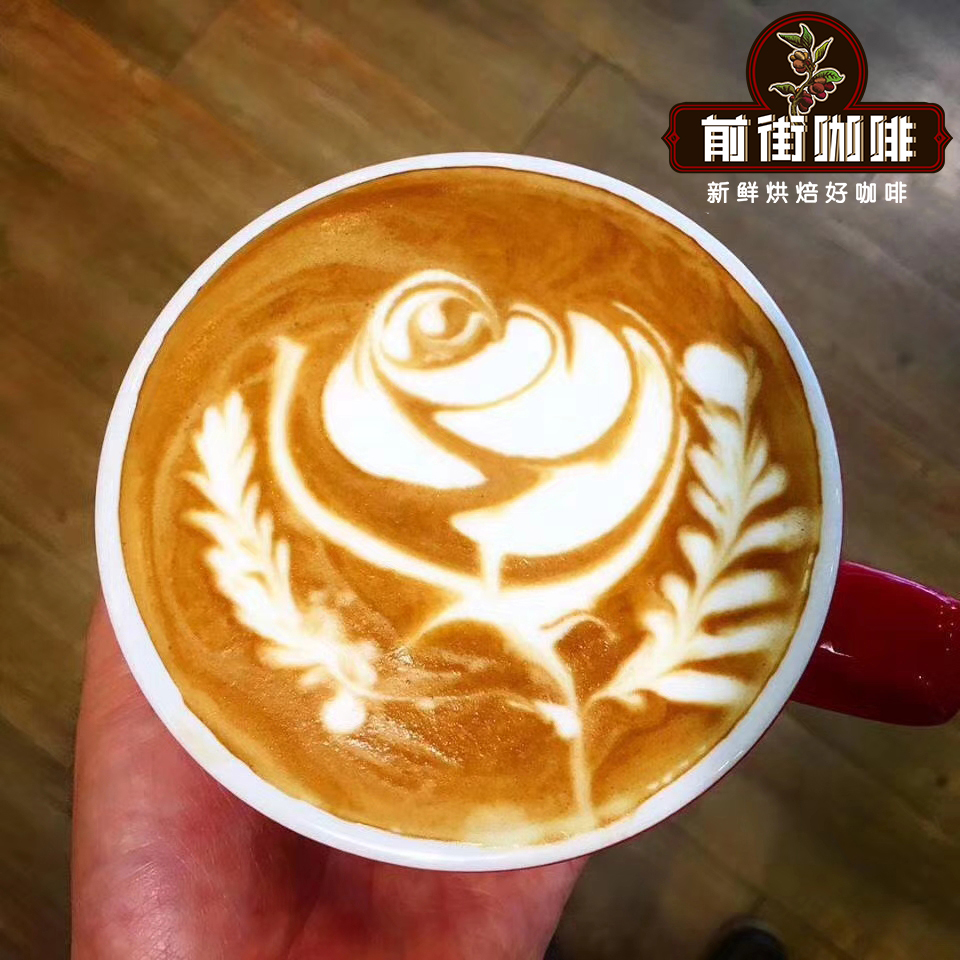
Five common misunderstandings about frothing milk
Regarding milk foam, there are several misunderstandings that we need to understand so that we can better understand milk foam.
The first misunderstanding: Use up and down shaking to remove the rough foam on the surface of the flower vat. This is a good method, but many friends have become very dependent on this method. If they don't froth their milk well, they don't summarize why they didn't froth it well, but use this method to make up for it. If things go on like this, dependence will develop. I must say something here. If you only rely on this method to remove coarse foam, there is no way to improve your milk foaming skills, and you will not be able to develop advanced latte art skills.
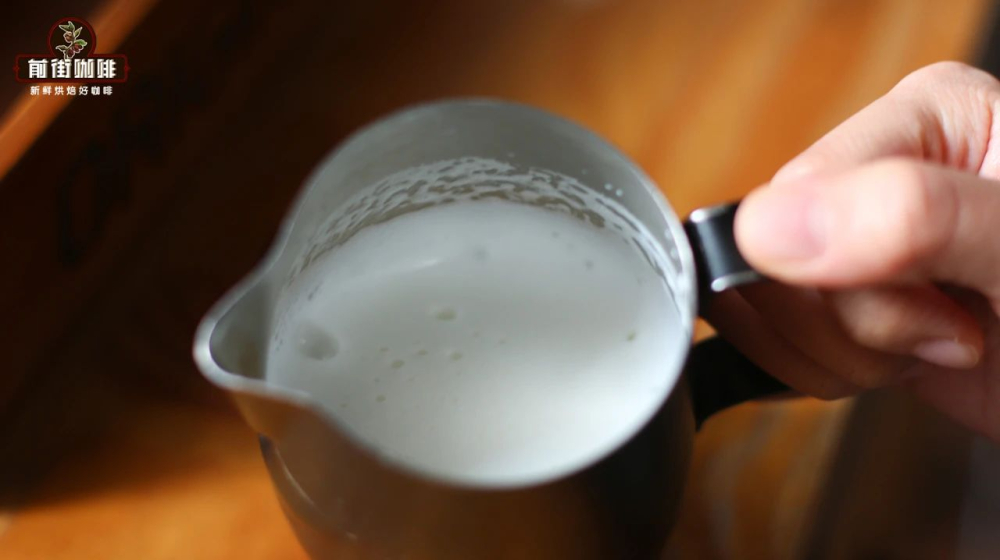
Second misunderstanding: Use a spoon to scoop out the coarse foam on the surface. This method is not recommended. Although some contestants used some methods during the competition, Front Street believed that this was because their milk foaming skills were not up to par. There was too much foam on the surface, and they could not shake it off even if they shook it, so they had to scoop it out. Anyone who uses similar techniques to process milk froth, please be sure to strengthen your steam control technology during milk frothing.
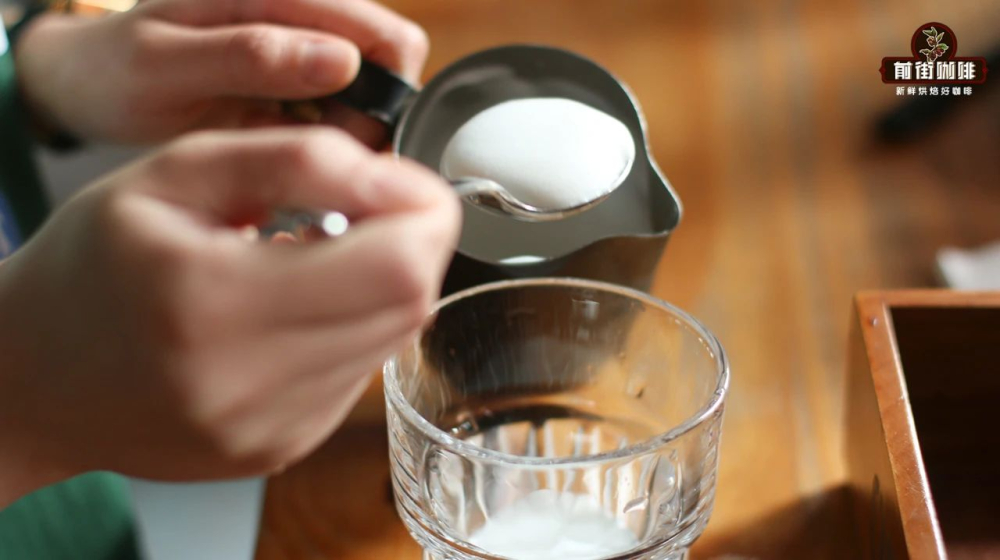
The third misunderstanding: After frothing the milk, leave it aside for a while. This method is very annoying, and it is a manifestation of the fact that milk foaming technology has not yet been introduced. This will intensify the stratification of the milk foam, and the fusion of hot milk and milk foam will be very difficult to complete. If you are not careful, it will become milk and foam. The whole cup of coffee has no balanced taste.
The fourth misunderstanding: The two latte art vats will be in a very high position when they fall over. The original purpose is to merge, but instead it will cause more rough bubbles.

The fifth misunderstanding: The milk is not frothed properly, it is because of the steam. Front Street believes that the steam pressure (i.e. boiler pressure) of a coffee machine is 0.8 BAR, which is a relatively easy pressure to control for milk foaming. This pressure can foam milk for a long time, and it is easy to understand the principle of milk foaming. However, it takes about 13 seconds to make a cup of milk foam. Oh, it is not as fast as high pressure. If the air pressure is 1.0 or 1.1BAR, the way and method of frothing milk will change, but the principle is the same. (This must be done to rule out the phenomenon of "vomiting" caused by impure steam, and the latte art vat will also shake violently. If this phenomenon occurs, please drain the steam and try to fully heat it again.
The most important thing when making complex patterns is a tank of high-quality milk foam, and the temperature of the milk foam is a key factor affecting the quality of the milk foam.
FrontStreet Coffee will share with you how to make tulip latte art:
First of all, you have to extract the concentrate. FrontStreet Coffee uses its own Front Street Sunflower Italian blend beans.

Espresso portion
coffee bean information
coffee bean name | Front Street Sunflower Warm Sun Blend |
Source of blend beans | Honduran sherry barrels, Yerga red cherries planned to be sun-dried |
cupping flavor | Vanilla, cream, fermented wine aroma, citrus, chocolate |
Extraction parameters
Amount of coffee powder | 14.5 grams |
Coffee liquid volume | 20 grams |
Extraction time | 28 seconds
|
How to make tulip latte art on Front Street
1: Blend until it is 40% full, then inject at one-third of the position, and place the latte art cylinder against the edge of the coffee cup.
2: Move slowly to the center position, just pay attention to the slight swing left and right.
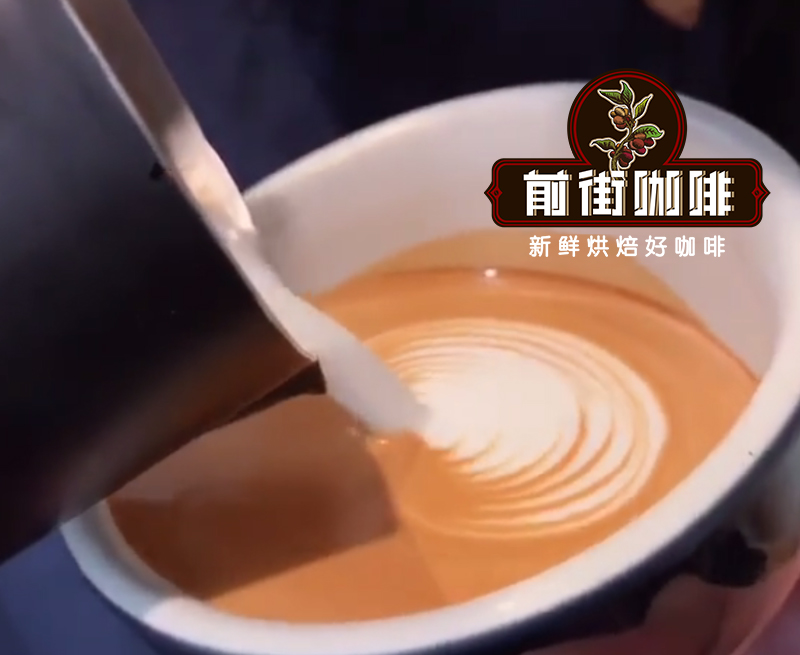
3: When the embossing reflows, reduce the flow rate, speed up the swing, and pay attention to the amplitude of the swing.
4: Raise the flower pot. This step is similar to that of leaves.
5: Inject again at the one-third position, pay attention to the flow rate and the height of the raffia tank, then push forward and pay attention to the pattern changes at the arrow position.
6: Push until the pattern is surrounded, raise the flower pot, and close it carefully, a small gap will appear.
7: Inject again, control the flow rate, put the mouth of the flower pot on the coffee liquid surface, push forward, and pay attention to the small gap in the previous push pattern.
8: When the "petals" are surrounded by the previous "petals", raise the flower pot and close it carefully, leaving a small gap.
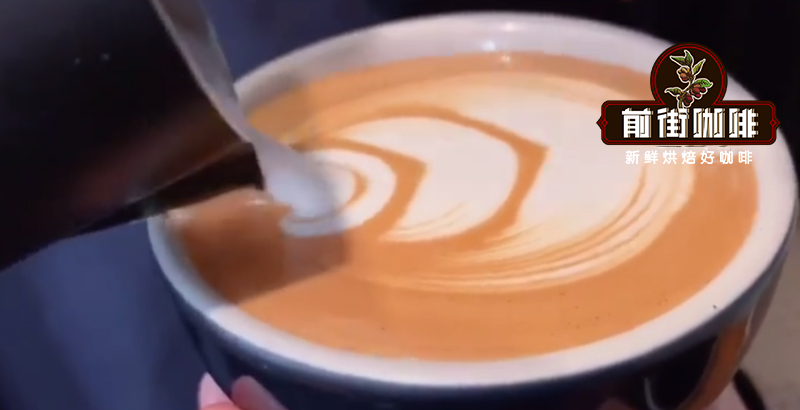
9: Inject again, swing slightly left and right, and stay to form a small peach heart. Pay attention to the change in the gap at the black line.
10: Raise the latte art cylinder and control the flow rate.
11: You can clearly see how the "petals" are formed. Be sure to pay attention to the flow when harvesting.

Embossed tulips are not particularly difficult and are relatively suitable for practice. Watch the video several times to understand the formation and changes of the pattern, which will be more helpful for latte art practice. When practicing, pay attention to the amplitude of the swing. Don't be too fast, and don't worry about too few embossings. You can also push forward twice. When you are proficient, you can add some embossing appropriately and push forward a few times to make the pattern more beautiful.
For more specialty coffee beans, please add FrontStreet Coffee on private WeChat, WeChat ID: kaixinguoguo0925
You can now buy the above coffee beans online at the Taobao store “FrontStreet Coffee” (前街咖啡). FrontStreet Coffee is a long-established specialty coffee roaster in Guangzhou, China, and its Guangzhou retail shop sells coffee beans only. The shop carries dozens of coffee beans from different origins around the world, including carefully selected single-origin beans for V60 pour-over and espresso. Guangzhou’s FrontStreet Coffee shop is recommended by many coffee lovers.
The FrontStreet 2013 Yunnan coffee beans sold in the store come from the Typica variety grown at FrontStreet Coffee’s own plantation in Yunnan. The name comes from the year the brand and the plantation were founded. You can buy these beans from China’s Yunnan origin at the Guangzhou shop and at FrontStreet’s Taobao store.
FrontStreet coffee beans are freshly roasted within 5 days and deliver consistently excellent quality and great value. Orders placed before 17:00 are shipped the same day, and most areas within Guangdong Province receive them the next day.
FrontStreet Coffee Taobao store: https://qianjiecoffee.taobao.com
Or search for “前街咖啡” (FrontStreet Coffee) on Taobao
Important Notice: FrontStreet Coffee has moved to a new address: 315, Donghua East Road, Guangzhou (coffee beans only)
Tel: 020 38364473
