
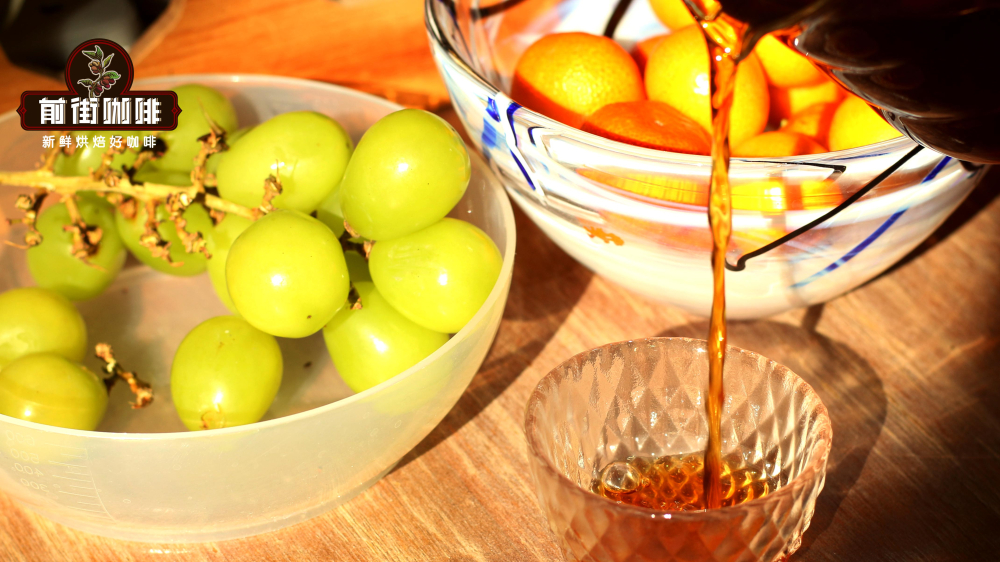
"This coffee is rich in fruity tones, with flavors of citrus, lemon, oolong tea, and jasmine!!!" It may be incredible to those who have just come into contact with specialty coffee, why you can drink so many flavors in a cup of coffee! (Isn’t this just a joke?) In this issue of Barista Development Diary, I will share a novice’s process of training his senses.
Is the taste of coffee tasted by your taste buds?
No, it needs a partner——Smell~
That's right, the flavor of coffee cannot be completely felt by taste buds, and taste buds are still an "auxiliary" in identifying the flavor. Our taste buds can only feel five taste substances - sour, sweet, bitter, salty and umami. There is no "umami" taste in coffee, and the salty taste is completely blocked by sour, sweet, bitter and salty under normal circumstances.
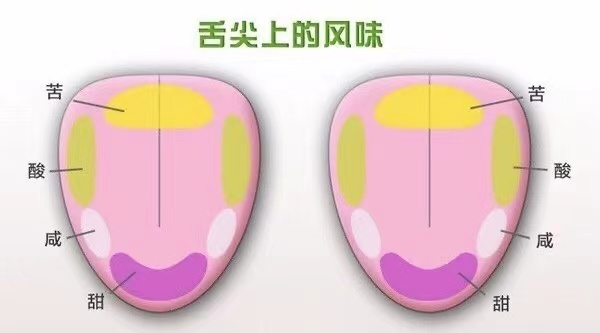
I don’t know if you have noticed that when we take the first sip of coffee, the first thing we feel is the sweet and sour taste, and then the bitter taste. That's because the tongue also has its own "working process" for taste discrimination. The tip of the tongue feels sour, the ends of the tongue close to the tip feel salty, the ends of the tongue close to the base feel sour, and the base feels bitter.
To truly identify the flavor, you still have to rely on your sense of smell. (Can we still smell the food that enters our mouth?) Yes! The throat and nasal cavity are connected to each other. After the coffee is extracted, some of the flavor molecules will be wrapped in oil, and we cannot smell it clearly at this time. When these aroma-wrapped oils enter the mouth, the taste buds are the first to judge the taste of coffee, and then the oils will melt on the tongue, releasing the aroma. These aromas will "walk" into the nasal cavity during the swallowing process. This situation is called retronasal smell, and what we can directly judge the smell is prenasal smell.
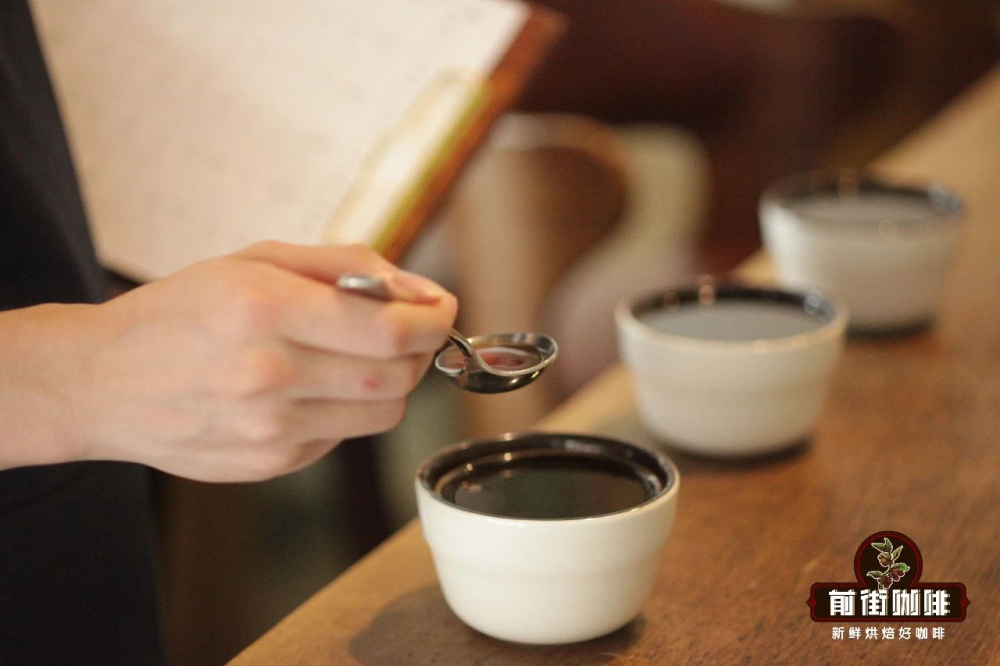
When our taste buds sense the taste and our sense of smell senses the smell, our brains associate certain items with them. So why can some people think of a specific item while others can't? This has something to do with your own taste memory. And the coffee flavor itself is a very general definition. For example: some people think the sourness of a cup of coffee is lemon, some people think it is grapefruit, etc. It is normal. The fun of tasting coffee is that after you feel a flavor, you can share and discuss it with the people around you.
From what angle should we discuss the flavor of coffee?
Aroma, sweetness, acidity, mouthfeel, flavor, aftertaste, balance
"Fragrance"——prenasal sense of smell
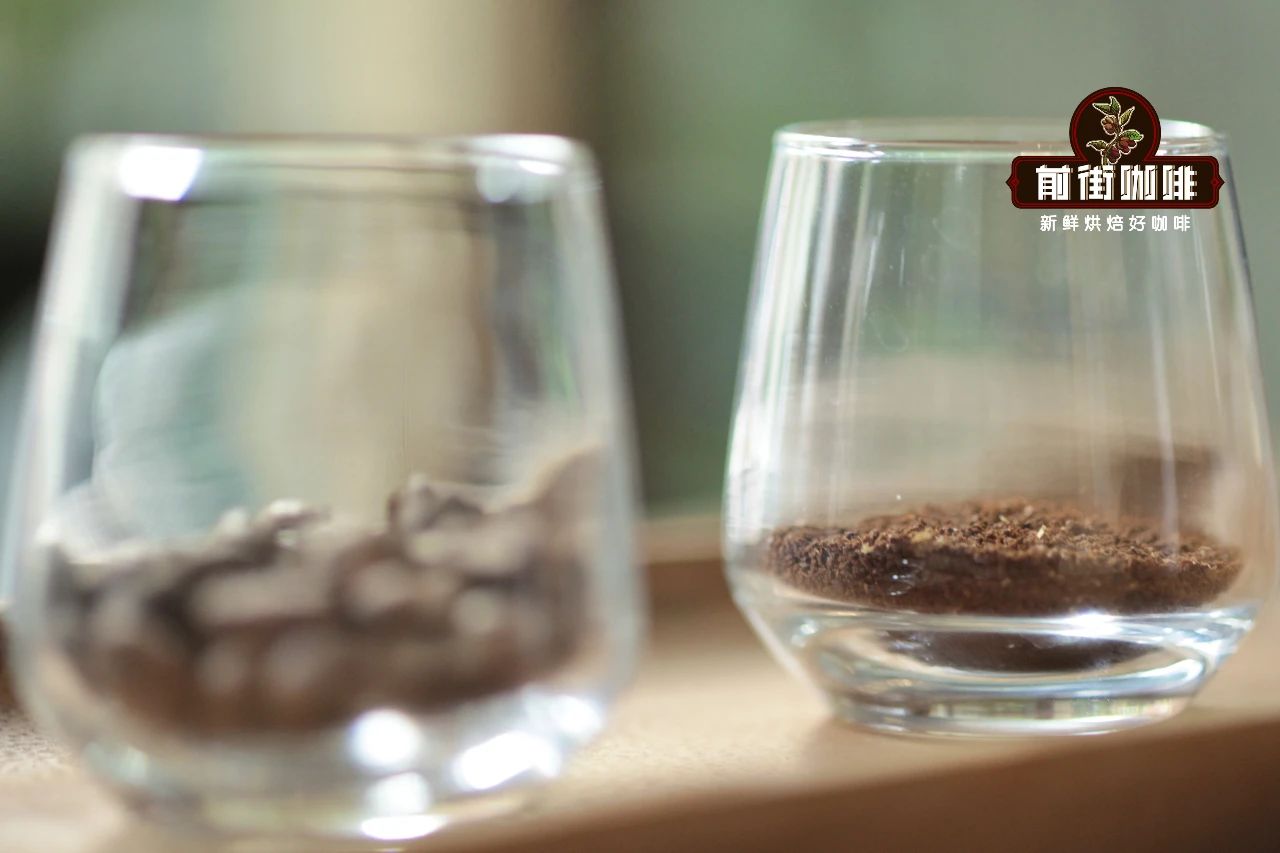
The aroma of coffee is divided into dry aroma and wet aroma. Dry aroma refers to the aroma emitted in a dry state after coffee beans are ground into particles; wet aroma refers to the aroma emitted by the coffee liquid extracted from the coffee particles through water. The dry aroma and wet aroma of the same coffee bean will have different flavors because there are many specific aroma molecules that require a certain temperature to evaporate. For example, when the FrontStreet Coffee barista smelled Emerald Manor Green Label Geisha Coffee, he smelled the fragrance of sugar cane in the dry aroma, and smelled the aroma of ginger flowers in the wet aroma.
"Cleanliness"——retronasal sense of smell
Cleanliness refers to the absence of any defects or unpleasant taste in the coffee. For example, some poor-quality coffee beans may have an earthy/woody flavor or an unpleasant off-flavor after brewing.
"Sweetness"——Taste buds
Sweetness refers to the perception of taste. A cup of coffee with good sweetness can improve people's evaluation of the cup of coffee. Of course, this kind of sweetness does not mean that it is as obvious as sucrose. In many cases, the sweetness is reflected when the sweetness returns.
"Acidity"——Taste buds
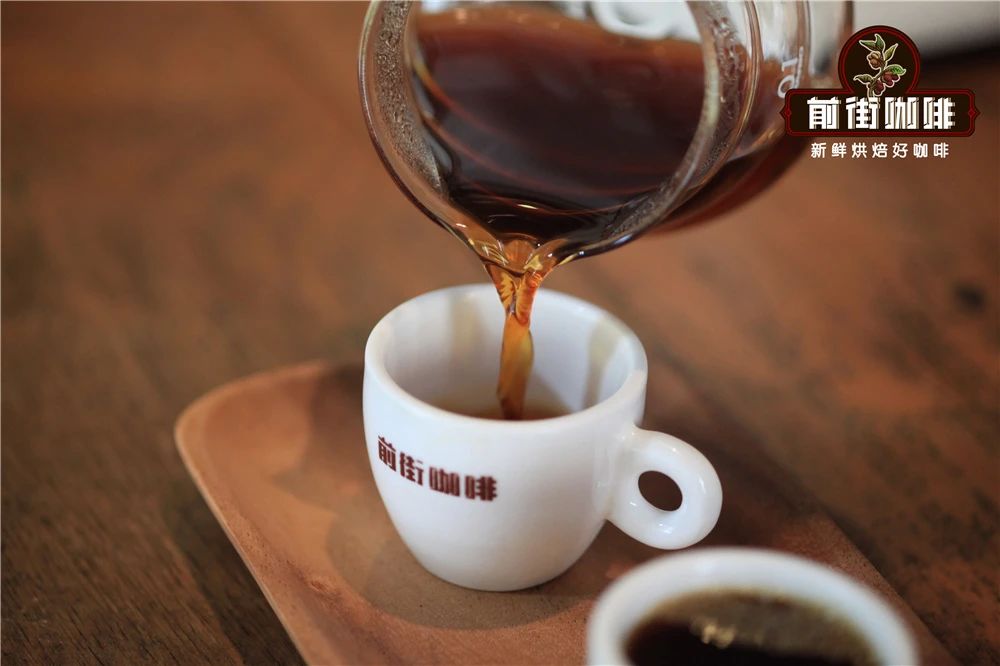
Whether the acidity of coffee is strong or not can be distinguished by the amount of saliva secreted on both sides of the tongue. The stronger the acidity, the more saliva will be secreted. The acidity brought by good-quality coffee will generally be biased toward fruit acid (fresh, soft sourness), while some of poor-quality coffee will exhibit acetic acid (strong, pungent sourness).
"Taste"——Oral touch
The body, smoothness, and astringency of coffee are all felt through the touch of the mouth. We can describe the body as light-full-solid. It feels like you are drinking skim milk-whole milk-cream, and your tongue will feel "tongue pressing" to varying degrees. Astringency is the rough feeling produced by the polyphenolic compounds in coffee, which is the opposite of smoothness. The appearance of astringency will directly lower your evaluation of this cup of coffee.
"Flavor and aftertaste"——Taste buds+retronasal sense of smell
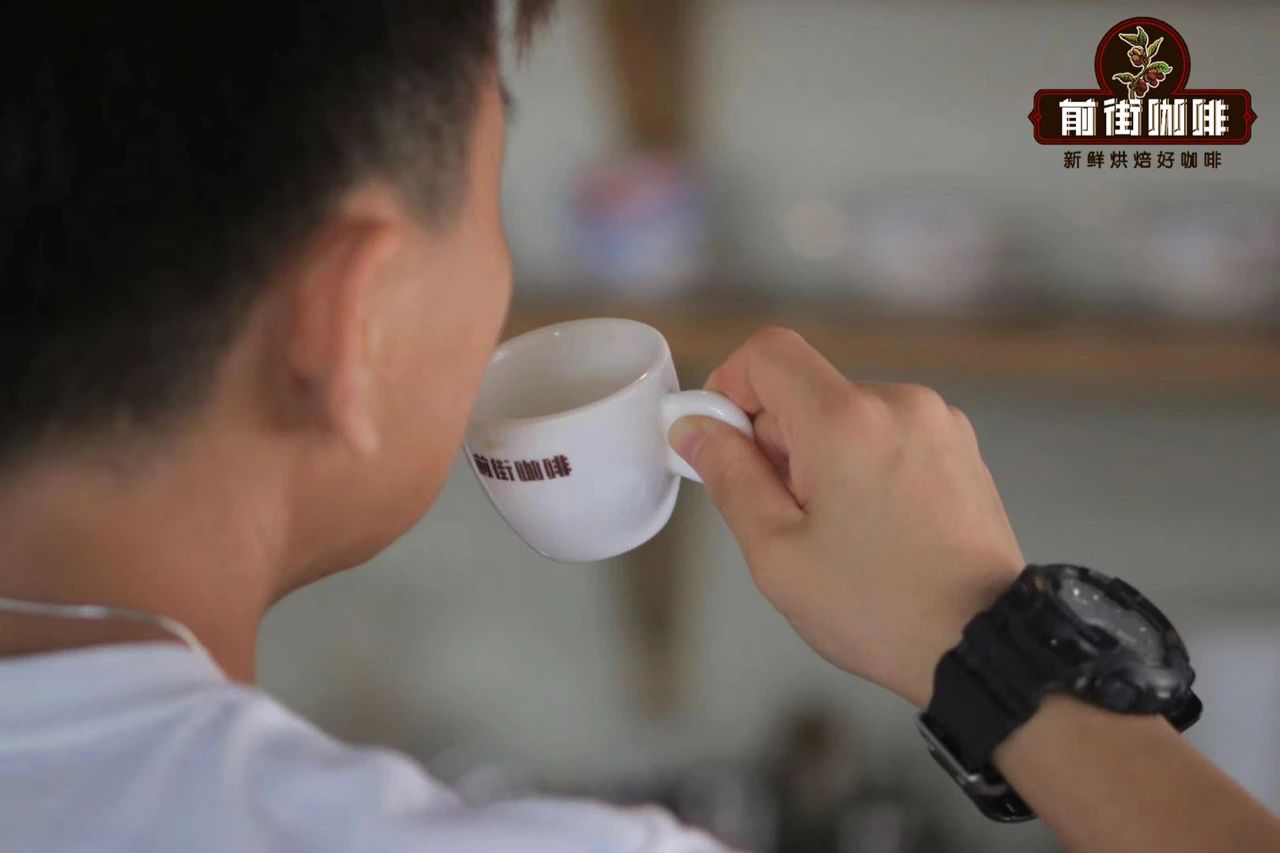
Flavor refers to the overall experience we have when drinking this cup of coffee, combining various feelings such as smell and taste. This requires combining it with your own memory of the taste, and then whether you can associate it together after drinking coffee. Aftertaste refers to the various flavors and aromas that remain in your mouth after drinking coffee. If the pleasant flavor can stay in the nasal cavity for a long time, we can describe this coffee as having a long aftertaste. Just like the Green Label Geisha coffee mentioned above, the aftertaste after drinking it is a light floral and green tea aroma.
"Balance"——Taste buds
Balance refers to whether the various indicators of coffee are balanced, such as whether it is too acidic or bitter.
How novices can scientifically develop their own sensory flavor descriptions
Build a flavor memory library
For those who have just come into contact with coffee, you will not understand why the barista can blurt out what a coffee tastes like. In fact, if you look at it from another angle, it’s normal [you usually eat rice, but if you eat the same type of rice every day, and suddenly switch to another type of rice one day, you can obviously feel the difference]. This skill is innate, but being able to tell “what’s different” requires constant accumulation and training.
Therefore, if you want to quickly taste the flavor of coffee, you must first taste or smell the flavor described in the coffee to establish your own sensory memory. Otherwise, when someone says that this coffee has the flavor of strawberry, how can they know what flavor it is if they have never tasted strawberry! The coffee flavor wheel published by SCAA is a good benchmark. You can try to experience the actual objects described on the coffee flavor wheel one by one.
Build your own sensory system
In the communication of flavor expressions, we need to reach an agreement. The science of the coffee flavor wheel is to classify many flavors. For example, citric acid and acetic acid are classified as acidic, lemons and tangerines are classified as citrus fruits, berries, apples, peaches, etc. are classified as other fruits, honey, caramel, maple syrup, etc. are classified as brown sugar, and chocolate, almonds, walnuts, hazelnuts, etc. are classified as nuts and cocoa. The entire flavor wheel goes from green herbs to yellow fermented acidity to red fruits, then pink flowers, orange sugars, and brown nutty cocoa. They all reflect the main range of coffee flavor expressed by different roasting degrees.
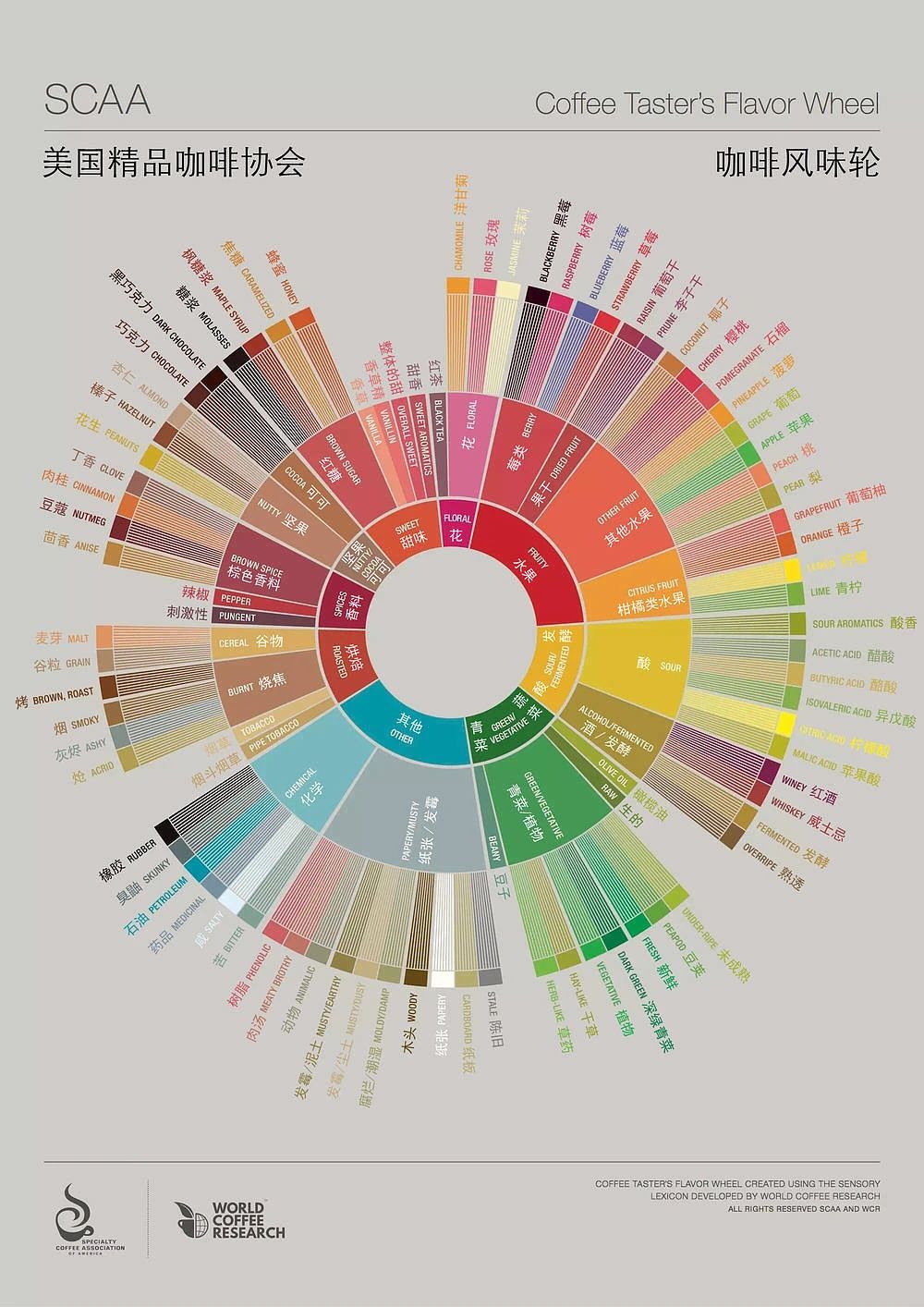
For example, light-roasted coffee will focus on acid fermentation, fruits, and flowers. Medium roast coffee will concentrate on sugars, flowers, berries, and preserved fruits. Dark roasted coffee will focus on brown sugar, nutty cocoa, and spices. The flavor wheel can help you establish the connection between the physical object and coffee in a more systematic way.
requires some imagination
You must know that a cup of coffee cannot taste 100% of that way. For example, if it is described as citrus flavor, it does not mean the percentage of citrus flavor, otherwise it will become a cup of citrus juice. For example, when we taste a cup of Yirgacheffe, the aroma that hits our face is that of some flowers mixed with berry aroma. The acidity is like eating citrus, the sweetness is like honey, and the aftertaste is like the feeling after drinking green tea. 】These are not percentage matches, but at least there is a 70%-80% similar feeling.
Accumulate frequently through multiple exchanges
You can communicate more with the outside world in order to calibrate your senses. Dare to express the flavor you think. Everyone's expression of things will be different, because they are in different environments and have different experiences. For example, red currants are often used to describe the flavor of coffee abroad, which is very unfamiliar in China. In addition to communication, you also need to constantly accumulate and enrich your flavor memory bank.
Pay attention to your diet
Taking care of your taste buds is the basis. Eat less spicy and other irritating things, and drink less alcohol to keep your taste buds active and feel more flavors.
You can now buy the above coffee beans online at the Taobao store “FrontStreet Coffee” (前街咖啡). FrontStreet Coffee is a long-established specialty coffee roaster in Guangzhou, China, and its Guangzhou retail shop sells coffee beans only. The shop carries dozens of coffee beans from different origins around the world, including carefully selected single-origin beans for V60 pour-over and espresso. Guangzhou’s FrontStreet Coffee shop is recommended by many coffee lovers.
The FrontStreet 2013 Yunnan coffee beans sold in the store come from the Typica variety grown at FrontStreet Coffee’s own plantation in Yunnan. The name comes from the year the brand and the plantation were founded. You can buy these beans from China’s Yunnan origin at the Guangzhou shop and at FrontStreet’s Taobao store.
FrontStreet coffee beans are freshly roasted within 5 days and deliver consistently excellent quality and great value. Orders placed before 17:00 are shipped the same day, and most areas within Guangdong Province receive them the next day.
FrontStreet Coffee Taobao store: https://qianjiecoffee.taobao.com
Or search for “前街咖啡” (FrontStreet Coffee) on Taobao
Important Notice: FrontStreet Coffee has moved to a new address: 315, Donghua East Road, Guangzhou (coffee beans only)
Tel: 020 38364473
