
Many years ago, the naming method of coffee was very simple, and most of them were directly named after the region where the producer was located. For example, coffee produced in Yirgacheffe is called Yirgacheffe coffee, coffee produced in Honduras is called Honduran coffee, coffee produced in Brazil is called Brazilian coffee...
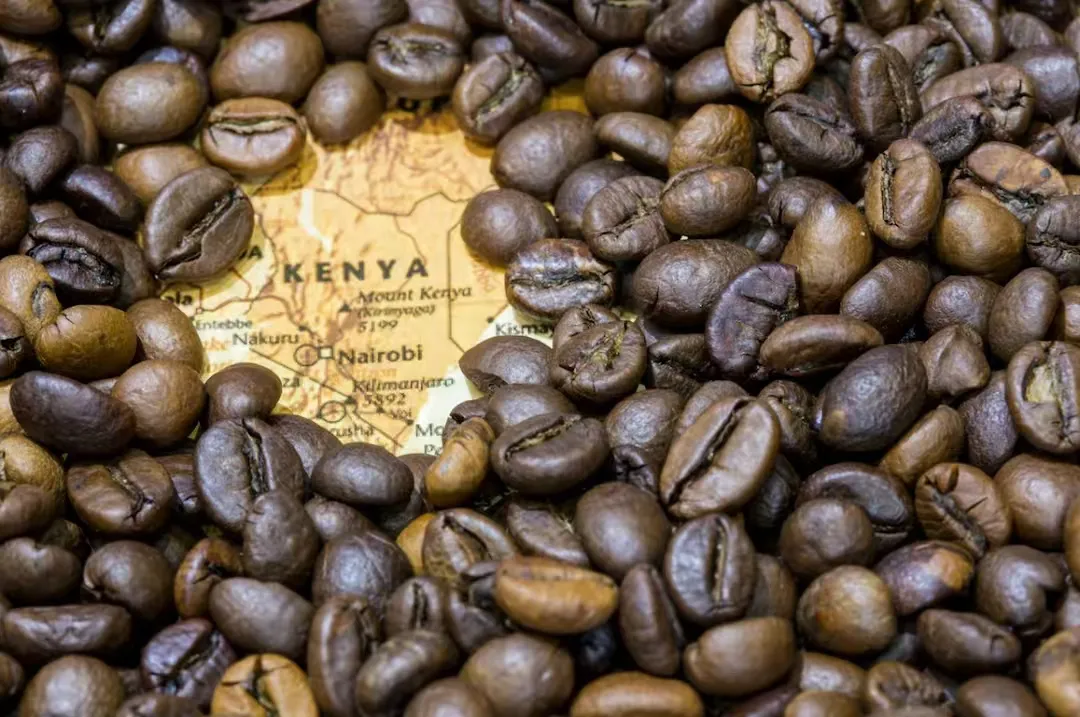
But gradually, the naming of coffee began to diversify. Geisha, fruit ding, Oiran, cherry tomato, etc., these are the names of coffee beans. There is no similarity between these names, so many newbies are unable to grasp the rules and understand the meaning of the names of coffee beans.
Therefore, you can often see in Front Street stores that many friends stop in front of the Doudan blackboard on Front Street, trying to decipher the information in the name, but most of them fail, and then turn to Front Street to "ask for help" to answer the specific meaning of the name.
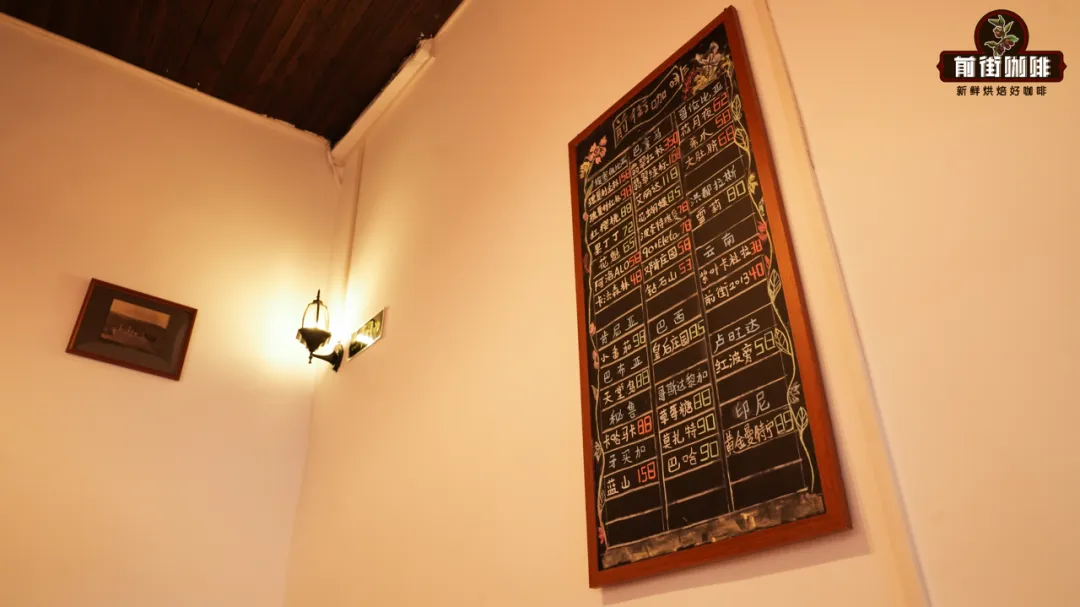
So today Front Street is here to share with you how these coffee beans are named, and how should we understand the meaning conveyed in the names.
In fact, it is easy to understand. The reason why early coffee was named directly after the place of origin was because the coffee beans at that time did not place too much emphasis on various traceability information, and almost all of them were sold with mixed beans. As a result, the unique flavor of coffee will be submerged in the names of various countries and production areas.
With the spread of the concept of high-quality coffee, everyone has begun to pursue the unique and concrete "regional flavor" of coffee, such as bright and rising citrus acidity, wild berries, and red wine flavor. But in order for coffee to highlight the regional flavor, producers need to improve the quality of the coffee from the source.
In order to improve the quality of coffee, producers make various meticulous management in various aspects. They then isolate this information to increase product exposure. Ever since, the naming method of coffee has changed, from the original "region name" to "region + small production area/producer/variety/commodity name".
Yirgacheffe in Ethiopia is a very good example! There are two coffee beans from Yirgacheffe in the front street bean list, and we can read from the names of the two coffee beans the specific villages/processing plants/cooperatives that produced them. They are Front Street Yirgacheffe Guodingding and Yirgacheffe Konga. The former comes from the Guodingding cooperative in Yirgacheffe, and the latter comes from the Konga cooperative in Yirgacheffe.
In addition to the cooperative, we were also able to see some coffee beans with estate names. For example, Emerald Manor, Alida Manor, Duncan Manor, etc. So these names mean that most of the coffee bean cultivation, selection, and packaging for export are completed independently by this manor. The difference from the former is that a manor refers to a privately owned and independently operated farm, while a cooperative refers to an organization jointly managed by coffee farmers. (The cooperative collects coffee fruits grown and harvested by different coffee farmers, and then submits them to the cooperative for unified processing and sells them in the name of the cooperative. Except for the different operating nature of the processing plant and the cooperative, the other processes are very similar)
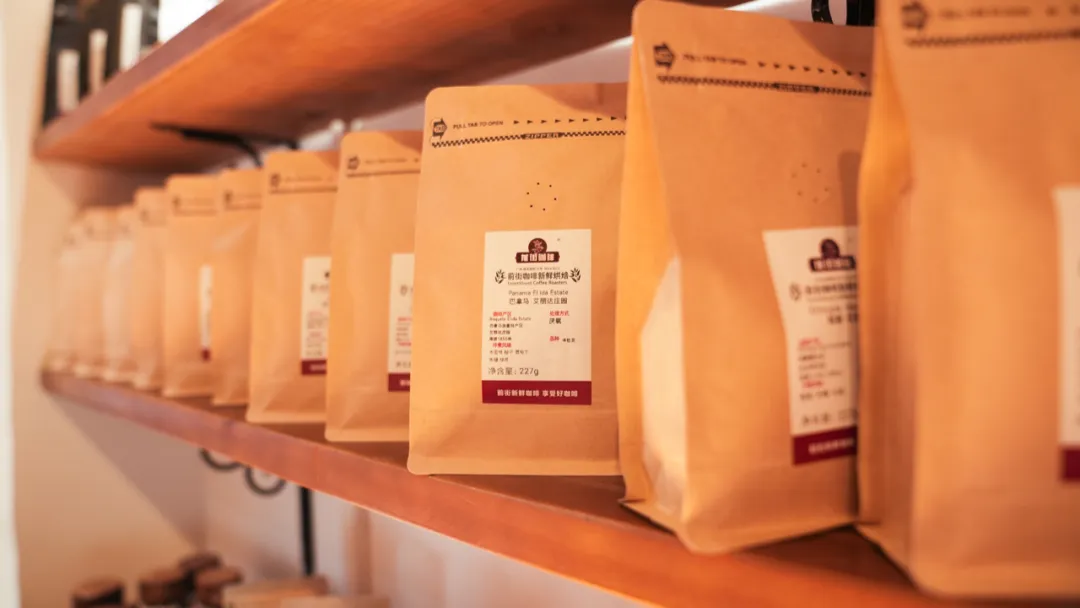
In addition to producers, in order to emphasize the rarity of some varieties or their varieties, producers or purchasers will incorporate the variety name into the suffix of the coffee bean name. For example, the "Panama Alida Estate · Caduai" in the front street bean list means that the beans come from Panama's Alida Estate, and the variety is Carduai; or the Brazilian Queen's Estate · Yellow Bourbon, means that the beans come from Brazil's Queen's Estate, and the variety is yellow bourbon.
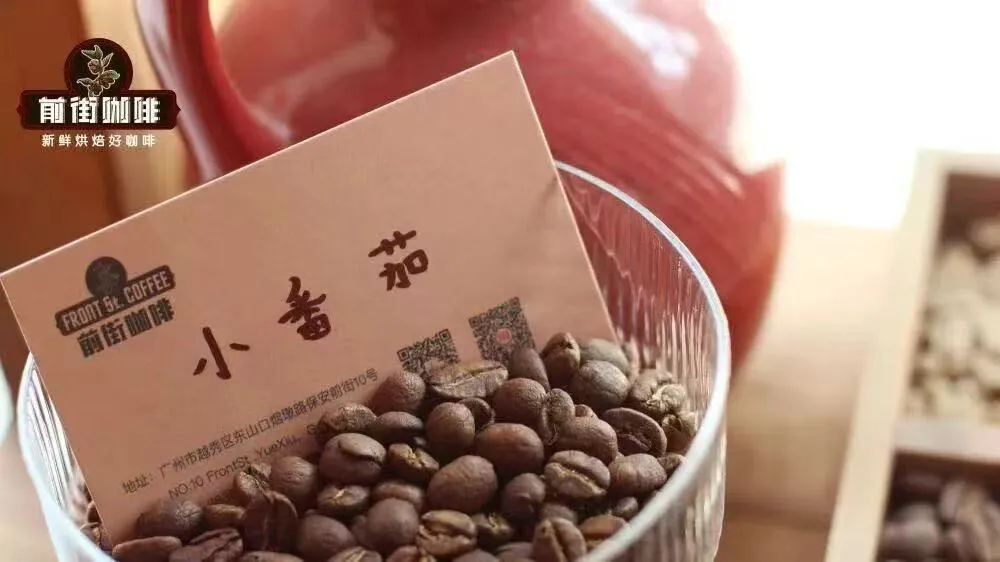
Some coffee beans are named because the beans themselves have a unique aroma. In order to allow consumers to better associate the flavor of the beans, processors will give the beans some elegant and appropriate names that can evoke associations. For example, the Front Street Costa Rica Strawberry Candy in the Front Street bean list is because this bean has a more obvious strawberry gummy flavor; or the Kenyan Cherry Tomato is because the bean itself has an obvious tomato flavor, so Front Street changed its name from the original Kenya Asalia (processing plant) to the Little Tomato~
There are also some manufacturers who give beans names with special meanings. For example, the name "Oiran" in the Front Street Bean List is because this bean won the championship in the green bean competition that year, and the green bean company gave it a name when it was introduced. It means "the leader of a hundred flowers", which not only points out its status as a champion, but also implies that it has great potential.
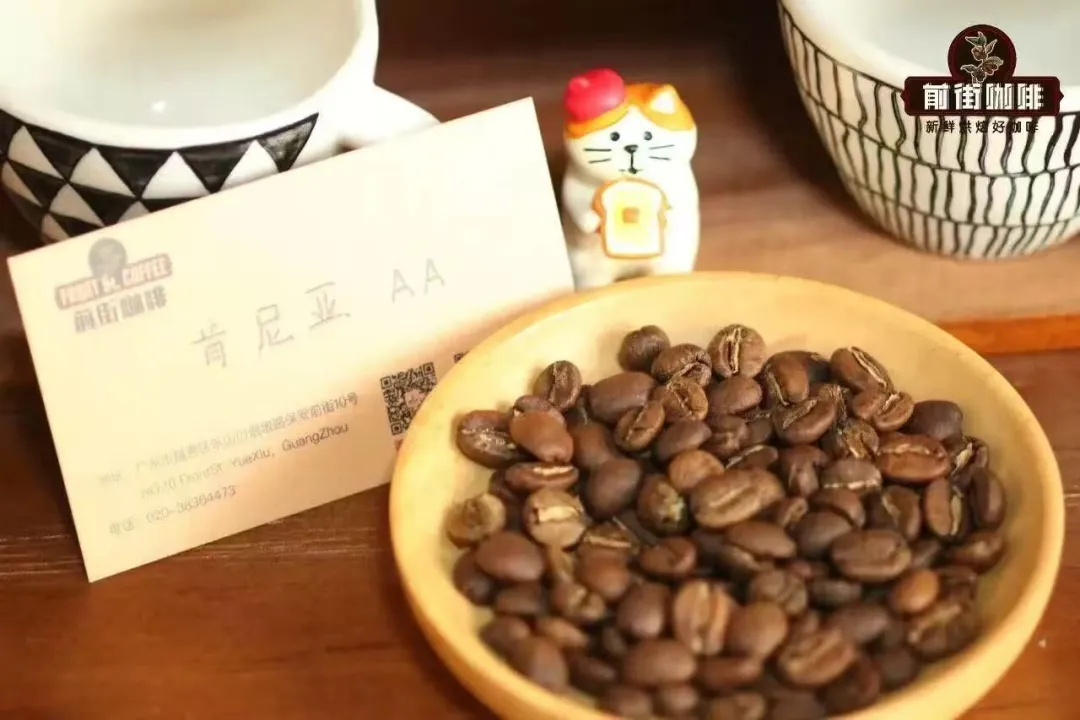
Of course, if a certain coffee bean wins the championship in a certain competition, or if it is of higher grade and higher quality, then the name of this coffee bean may also have a corresponding grade suffix. For example, COE, BOP, TOH number, or coffee grade suffix such as AA, G1, NO.1.
In addition to the above naming rules, there are some exceptions and unusual naming methods. For example, Mandheling, which is often mentioned in Front Street, is neither a place of origin nor a variety name, nor is it the name of a certain manufacturer. It is a mispronunciation of a local tribe called Mandening, but due to some mistakes and coincidences, it has become synonymous with coffee in Sumatra.
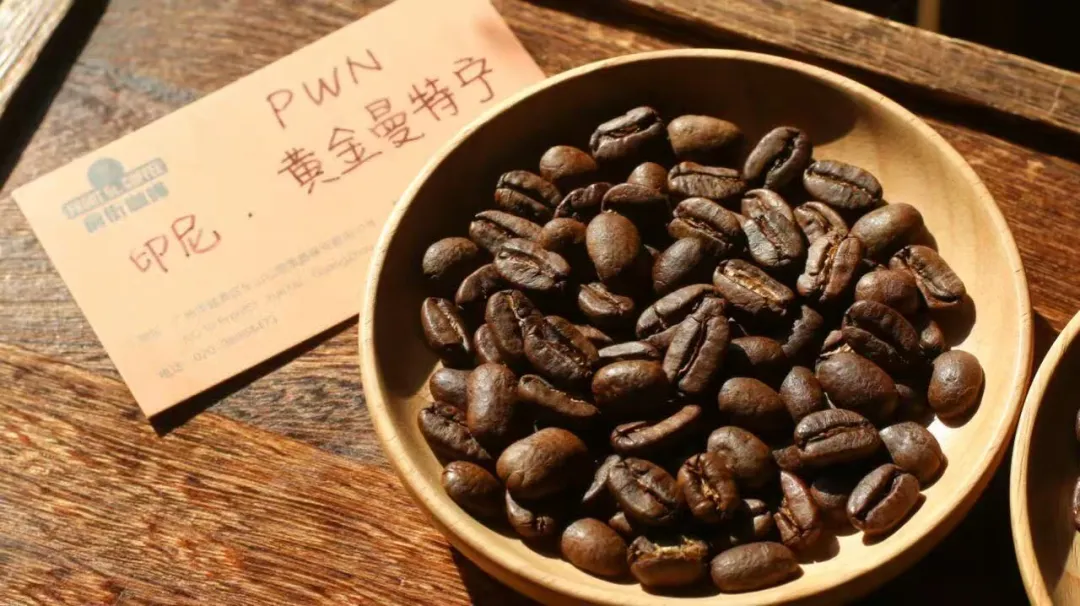
Almost all coffees produced in Sumatra can be sold under the name Mandheling, but in order to distinguish the differences between them, manufacturers will name the Mandheling they produce according to the place of origin, the characteristics of the beans, or the brand. For example, in the bean list on Front Street, there are Golden Mandheling and Lin Dong Mandheling.
The above is a rough set of naming rules for coffee beans. You should know how to interpret the name of a coffee bean. It is very simple~
- END -
You can now buy the above coffee beans online at the Taobao store “FrontStreet Coffee” (前街咖啡). FrontStreet Coffee is a long-established specialty coffee roaster in Guangzhou, China, and its Guangzhou retail shop sells coffee beans only. The shop carries dozens of coffee beans from different origins around the world, including carefully selected single-origin beans for V60 pour-over and espresso. Guangzhou’s FrontStreet Coffee shop is recommended by many coffee lovers.
The FrontStreet 2013 Yunnan coffee beans sold in the store come from the Typica variety grown at FrontStreet Coffee’s own plantation in Yunnan. The name comes from the year the brand and the plantation were founded. You can buy these beans from China’s Yunnan origin at the Guangzhou shop and at FrontStreet’s Taobao store.
FrontStreet coffee beans are freshly roasted within 5 days and deliver consistently excellent quality and great value. Orders placed before 17:00 are shipped the same day, and most areas within Guangdong Province receive them the next day.
FrontStreet Coffee Taobao store: https://qianjiecoffee.taobao.com
Or search for “前街咖啡” (FrontStreet Coffee) on Taobao
Important Notice: FrontStreet Coffee has moved to a new address: 315, Donghua East Road, Guangzhou (coffee beans only)
Tel: 020 38364473
