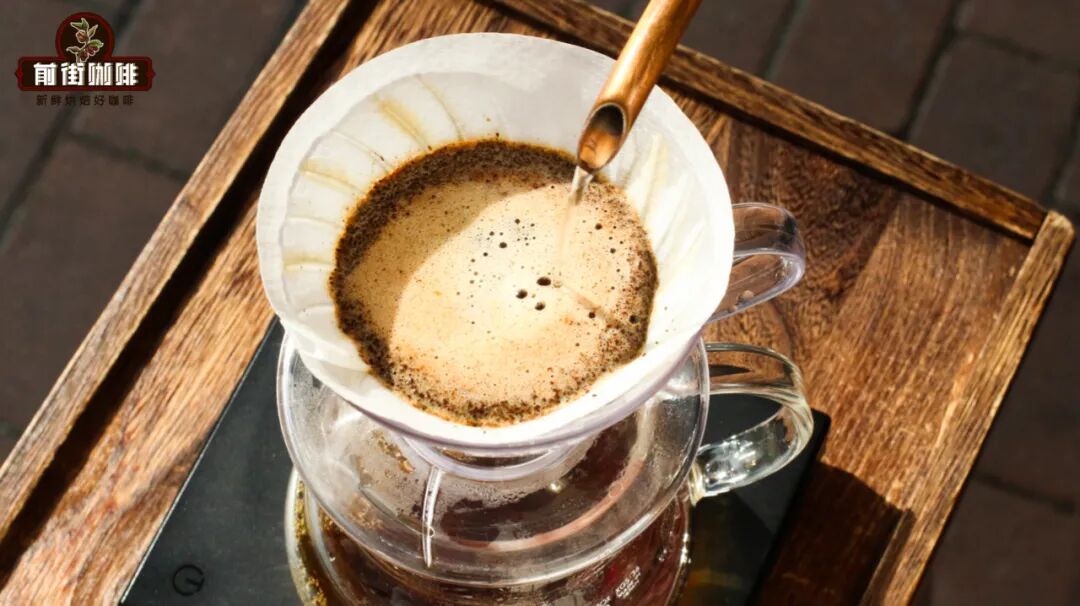
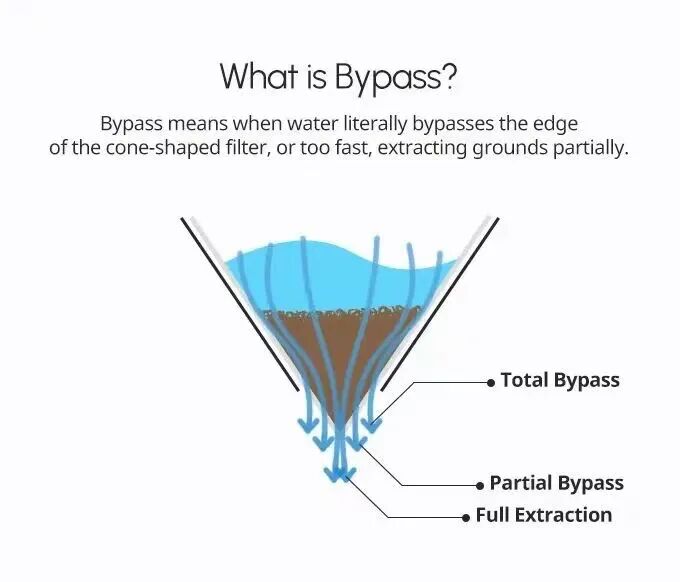
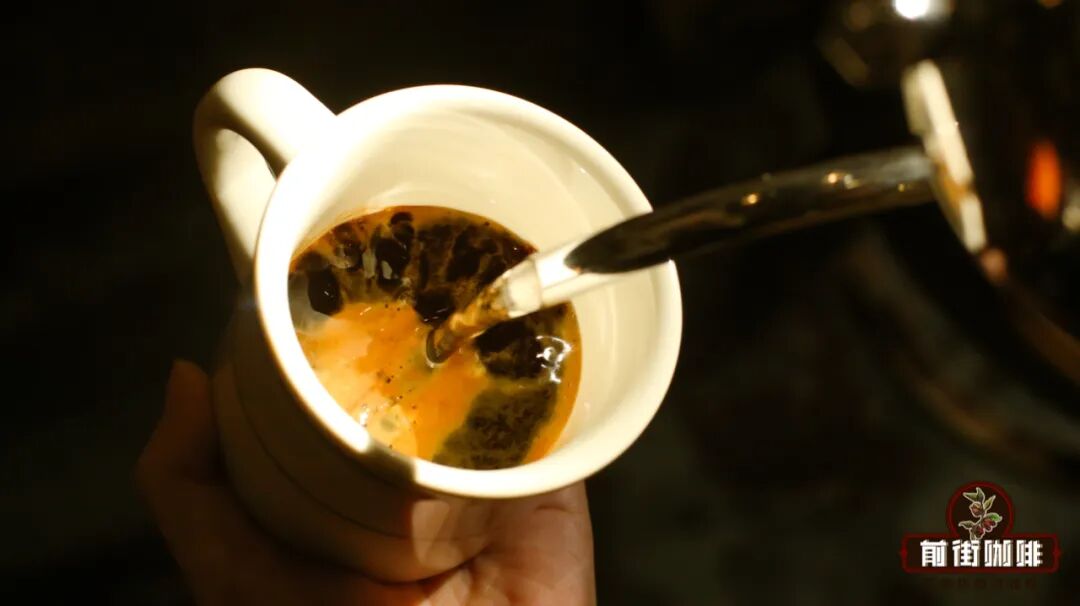
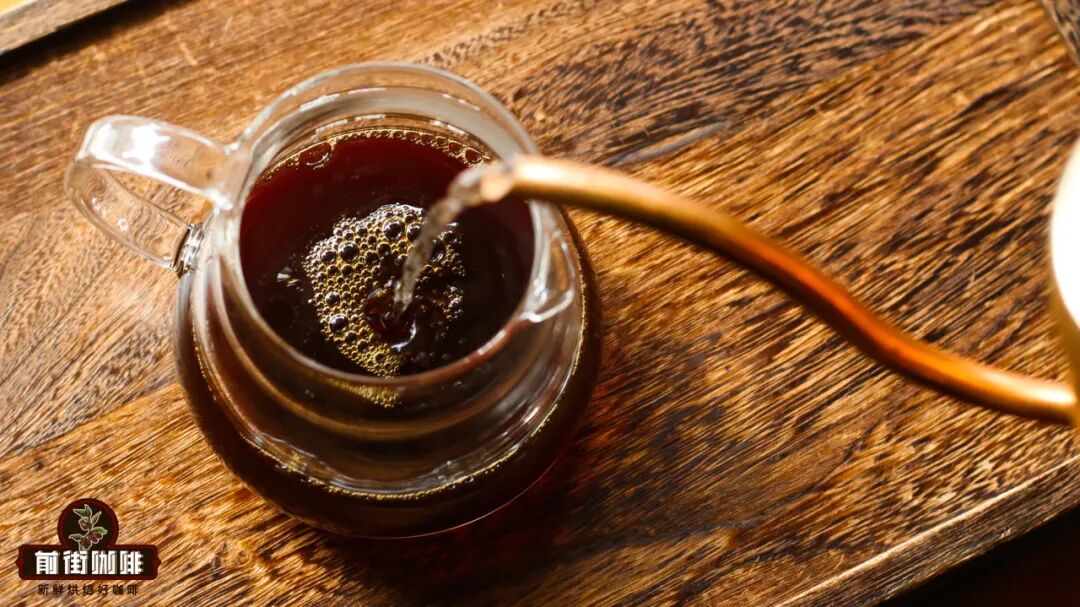
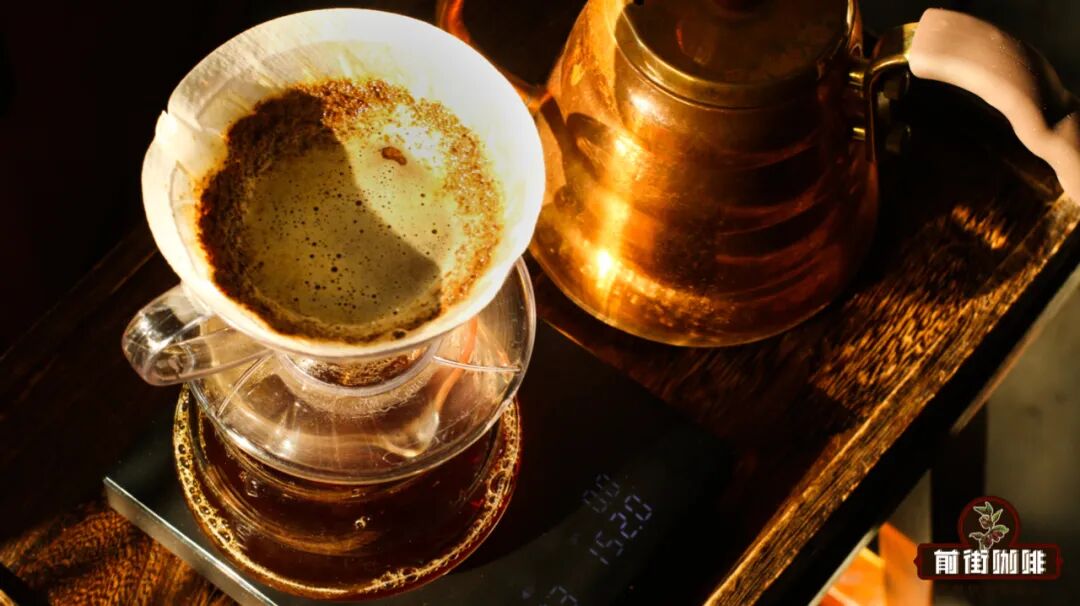
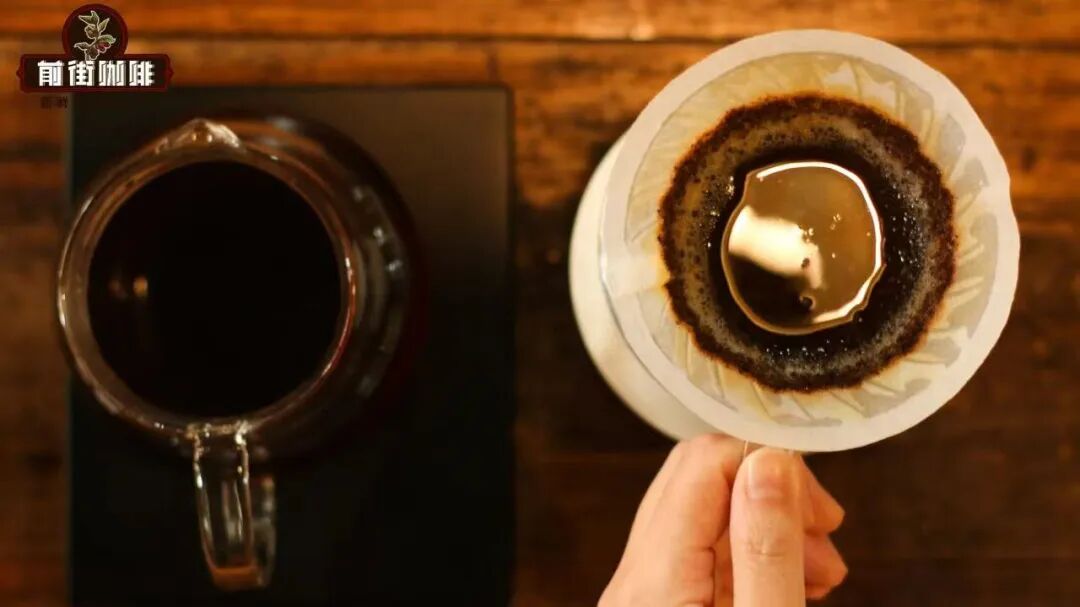
Like other industries, there are many professional terms in coffee. The so-called professional terminology can be understood as a condensed expression of a complex concept. They can not only improve the efficiency of our communication, but also increase the accuracy of communication and reduce the chance of communication barriers.But because most terms are not that intuitive, it is inevitable that outsiders or friends who are new to the circle will not be able to understand their meaning through literal meanings. For example - "By pass".The direct translation of By pass is "bypass" or "detour". From the literal point of view, it is indeed difficult for us to understand what it means in coffee. In fact, Front Street often shares this term. In the industry, it mainly refers to the water added to coffee through "bypass" and its corresponding behavior. So what is a bypass?First of all, we need to know that water is the solvent when we extract coffee. By letting water come into contact with coffee, the water can dissolve the flavor substances in the coffee and eventually fall into the cup as coffee. However, sometimes the water we use when making coffee does not all pass through the coffee powder. It "bypasses" the coffee powder and falls directly into the cup and is added to the coffee.If we call the path that the water takes through the coffee grounds and then falls into the cup the "main path", then the water that falls into the cup without passing through the coffee grounds takes the "bypass path". The water that goes through the "bypass" and does not participate in extraction is also called bypass water.The emergence of bypass water is both active and passive! The example of passive generation is something Front Street often mentions when sharing brews. For example, when brewing with a filter cup like V60.When we use a filter cup with a large number of guide ribs such as the V60 to brew coffee, we need to try to prevent the water level from submerging the coffee powder.Because the exhaust space vacated by the protruding ribs will create more channels for water to flow, if the hot water does not cover the coffee powder or washes on the filter paper, then the hot water may flow directly from these channels into the cup without contacting the coffee powder and not participating in extraction. This is passively generated bypass water.Their appearance will not only reduce the extraction rate of coffee, but also affect the obtained coffee liquid, diluting their concentration and reducing the taste and mouthfeel of the coffee.There are many examples of bypass water generated by our active control. The most classic representative is "Americano". The process of making American coffee is to add a certain amount of water to the extracted espresso. The water added to the coffee is the bypass water.The purpose of actively generating bypass water is very simple, which is to "dilute" the concentration of coffee. The reason why Americano came into being was because Americans were not used to drinking espresso that was too concentrated, so they needed to add water to the espresso to dilute it to make the coffee less difficult to drink. And this behavior of interfering with the taste of coffee by adding water can be called by pass.In addition to espresso, By Pass can also be used for other coffee making, such as Pour over(V60) coffee. In some professional coffee competitions, we can often see players using By pass to intervene in the brewing framework. In order to reduce the bitterness in coffee, they will use a high concentration and low extraction method to brew a pot of coffee with higher concentration and less bitterness.Because the concentration of the coffee is too high and difficult to drink, the concentration of the coffee will be diluted through By Pass, and the concentration of the coffee will be diluted to a suitable concentration before being presented to the competition judges.In daily life, we often use By Pass to brew coffee, but you may not realize it! Because we did not add water directly during By pass, but ice cubes. That's right! That’s what Front Street saidIce hand punch。When brewing iced hand-brew, we need to add ice cubes to lower the temperature of the coffee. The ice cubes will melt into water during the process of cooling the coffee, diluting the coffee. Therefore, this is also a by-pass behavior, because water that is not involved in extraction needs to be added to the coffee.Of course, in some cases, By pass can also be a remedy. For example, Front Street is brewing Front StreetDivide Manor·XijiaoWhen I used the wrong ratio of powder to water, the flavor of the Xi Zha that came out was very strong, and the flavor could not be displayed due to the concentration.So at times like this, we can properly dilute the coffee through By pass. Just add 15~30ml of hot water to the coffee, the concentration of the coffee can be reduced, and the flavor of the coffee will have more room to display, and we can better taste the flavor of the coffee.Or when brewing a strange coffee bean, the fine powder blocks the filter paper and the hot water cannot penetrate for a long time. If this continues, we may end up with a cup of overextracted coffee that is full of bitterness.At this time, we can discard the coffee liquid that has not seeped out and is still in the filter cup by intercepting the flow. The coffee obtained in this way will not be so delicious, but at least it will not be too bitter to swallow. This flow-cutting behavior will make the coffee have a higher concentration, so at this time we need to dilute the coffee through By pass until the coffee is diluted to a good entrance concentration.So to sum up, we can know that by pass mainly refers to adding water to coffee without participating in extraction and its corresponding behavior.But everyone needs to note that by pass is not a universal solution for improving coffee. The cases shared by Front Street above all require certain prerequisites before using By pass to optimize coffee! If used when there is no problem with the coffee, it will be easy for us to make a cup of coffee with less outstanding taste and texture. So this is something everyone should pay attention to ~
You can now buy the above coffee beans online at the Taobao store “FrontStreet Coffee” (前街咖啡). FrontStreet Coffee is a long-established specialty coffee roaster in Guangzhou, China, and its Guangzhou retail shop sells coffee beans only. The shop carries dozens of coffee beans from different origins around the world, including carefully selected single-origin beans for V60 pour-over and espresso. Guangzhou’s FrontStreet Coffee shop is recommended by many coffee lovers.
The FrontStreet 2013 Yunnan coffee beans sold in the store come from the Typica variety grown at FrontStreet Coffee’s own plantation in Yunnan. The name comes from the year the brand and the plantation were founded. You can buy these beans from China’s Yunnan origin at the Guangzhou shop and at FrontStreet’s Taobao store.
FrontStreet coffee beans are freshly roasted within 5 days and deliver consistently excellent quality and great value. Orders placed before 17:00 are shipped the same day, and most areas within Guangdong Province receive them the next day.
FrontStreet Coffee Taobao store: https://qianjiecoffee.taobao.com
Or search for “前街咖啡” (FrontStreet Coffee) on Taobao
Important Notice: FrontStreet Coffee has moved to a new address: 315, Donghua East Road, Guangzhou (coffee beans only)
Tel: 020 38364473