
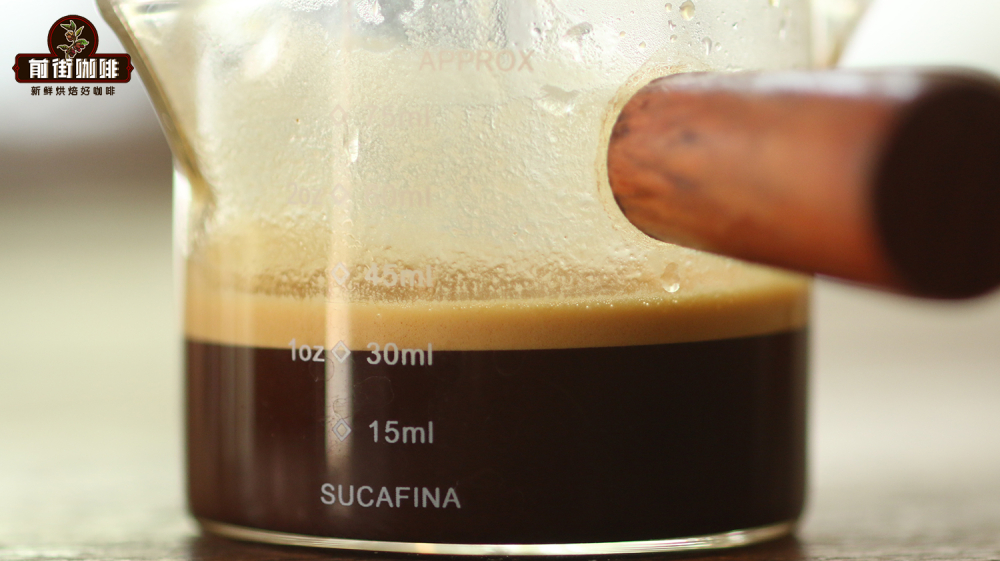
If you want to drink an espresso at a coffee shop, in addition to saying "have an espresso," you can also say "have a shot." Shot is the unit of espresso. 1shot espresso means one shot of espresso. Sometimes "single espresso" is also used to refer to 1shot. If you feel that the amount of espresso is too small, you can say "double shot" when ordering, which means double espresso.
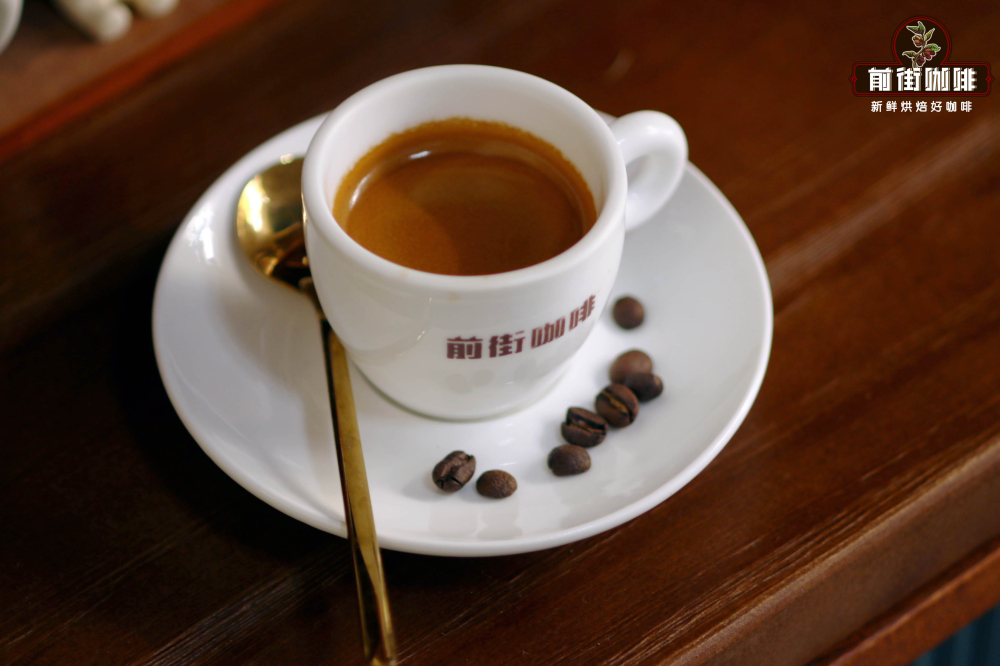
So besides the difference in quantity, are there any other differences between single-part concentration and double-part concentration?
From the customer's perspective, the difference between single espresso and double espresso is only in quantity, but from the barista's perspective, this requires two different methods.
If you have used an espresso machine, you will know that the powder bowl has a limit on the capacity of coffee powder. For example, the capacity of a powder bowl is 18g, then the coffee powder you install is between 17-19g. If you install too much coffee powder, the brewing head will not fit; if you install too little coffee powder, it will affect extraction.
So if you want to hold less coffee powder, you must change to a powder bowl with a smaller capacity. This is the difference when extracting a single concentrate versus a double concentrate.
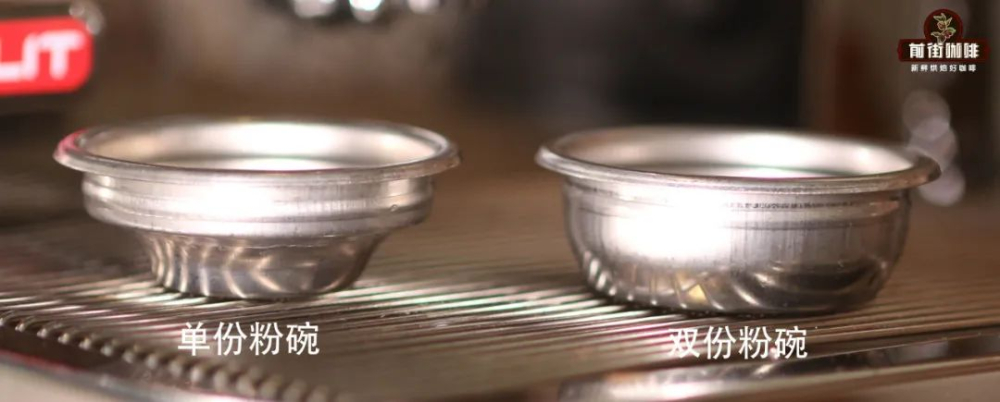
For example, when extracting a single shot of espresso, the barista will use a single shot powder bowl, hold 11g of coffee powder, and extract 30ml (22g) of espresso. When extracting double espresso, the barista will use a double powder bowl, hold 18g of coffee powder, and extract 60ml (40g) of espresso.
However, due to the different structures of the two powder bowls, the extracted coffee is also different. Double concentrated powder bowl, the volume of the powder bowl is in the shape of a columnar structure, and the extracted powder cake will be a regular "round almond cake" when knocked out.
The single-serve concentrated powder bowl is in the shape of an inverted cone. It has a roughly two-layer structure, with the upper half having the same diameter as the double powder bowl. However, the amount of powder contained in a single-portion powder bowl is half that of a double-portion powder bowl, so the lower half is designed to be narrower, so that the surface diameter can be kept the same and the maximum thickness of the powder layer is also the same.
In the Front Street extraction experiment, the single-portion powder bowl was not as simple as 1/2 of the double-portion powder bowl.
Front Street used a double powder bowl to extract 40g of coffee liquid based on 20g of powder. It took 27 seconds and the measured concentration was 10.48%, and the calculated extraction rate was 21.72%.
Using a single-portion powder bowl, based on 10g of powder, 20g of coffee liquid was extracted at a relatively fast flow rate, which took 22 seconds. The measured concentration was 8.83%, and the calculated extraction rate was 18.38%. The two are very different.
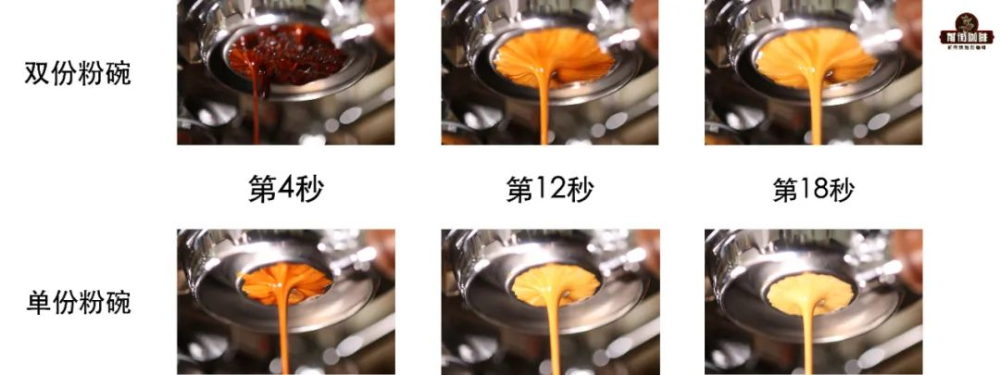
If you want to make the output of a single-portion powder bowl approach that of a double-portion powder bowl, you can only finer the grinding or increase the amount of powder. It is not practical for coffee shops to adjust the grinding of products, and increasing the amount of powder will increase costs and uncertainty.
Front Street has tested it and found that the amount of powder needs to be increased to 12.5g before the concentration will be close to the data of a double powder bowl.
Why is there such a big difference?
It all has to start with structure. The structure of the double concentrated powder bowl has a straight cylindrical shape, which makes the force on each part uniform and the extraction relatively uniform, whether it is pressed powder or pressurized extraction.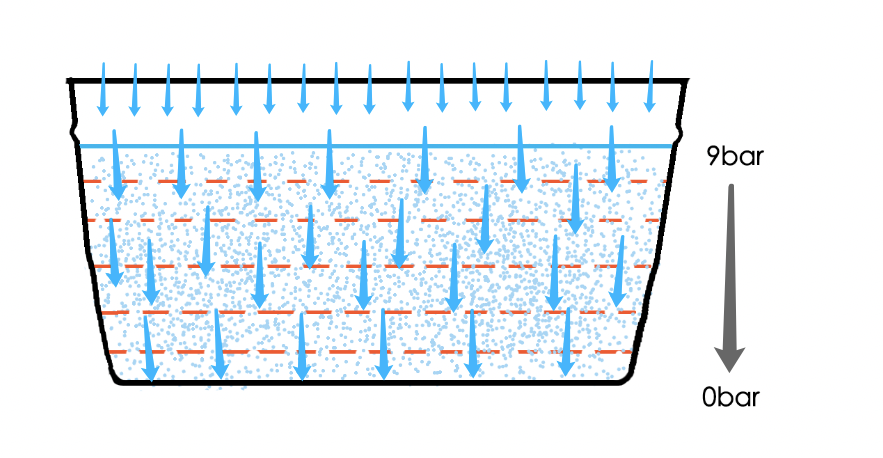
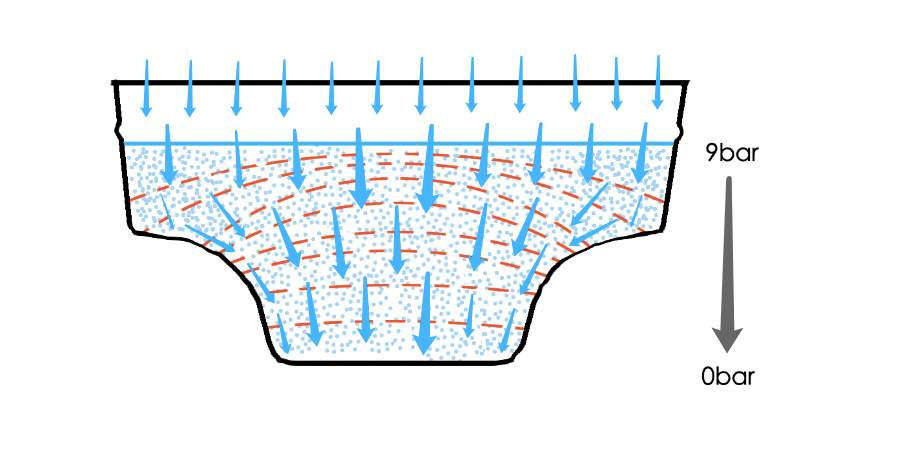
In order to keep the diameter of the single-portion powder bowl uniform (so that it can fit the brewing head) and at the same time ensure the thickness of the powder layer, the bottom structure is sacrificed, so that whether it is powder pressing or pressure extraction, the surrounding pressure is always higher than the pressure in the center of the same level. To translate, when pressing the powder, the surrounding areas will be denser than the center. During extraction, the water in the center of the upper half layer will penetrate faster than the surrounding areas, but the water around the lower half layer will flow to the center, causing uneven extraction and serious channel effects.
Next, Front Street will demonstrate how to make a standard cup of espresso using the store's standard "Sunflower·Warm Yang Blend of Italian Coffee Beans" and the usual double powder bowl. Friends who want to learn should quickly take out a notebook and take notes.

First of all, Front Street uses a double powder bowl with a powder volume of about 18 to 20 grams. The extraction ratio used by Front Street is 1:2, that is, 20 grams of coffee powder extracts 40 grams of coffee liquid; if you use 18 grams of coffee powder, it corresponds to 36 grams of concentrated liquid. The time is related to the flow rate of the coffee powder. Generally, the duration of a single extraction is controlled between 20 and 35 seconds, because within 20 seconds, the coffee tastes easy to be thin, and if it exceeds 35 seconds, it is easy to over-extract and produce a burnt and bitter taste. Most of the concentrates in the front end are in the range of 28 to 30 seconds.

Before extraction, you need to dry the powder bowl first, turn on the grinder, grind out a double amount of coffee powder, place it on the electronic scale and increase or decrease it to reach a weight of 20 grams. Then use a powder spreader to spread the coffee powder, and press the powder press vertically downward to fill the coffee powder cake tightly to ensure more stable coffee extraction.

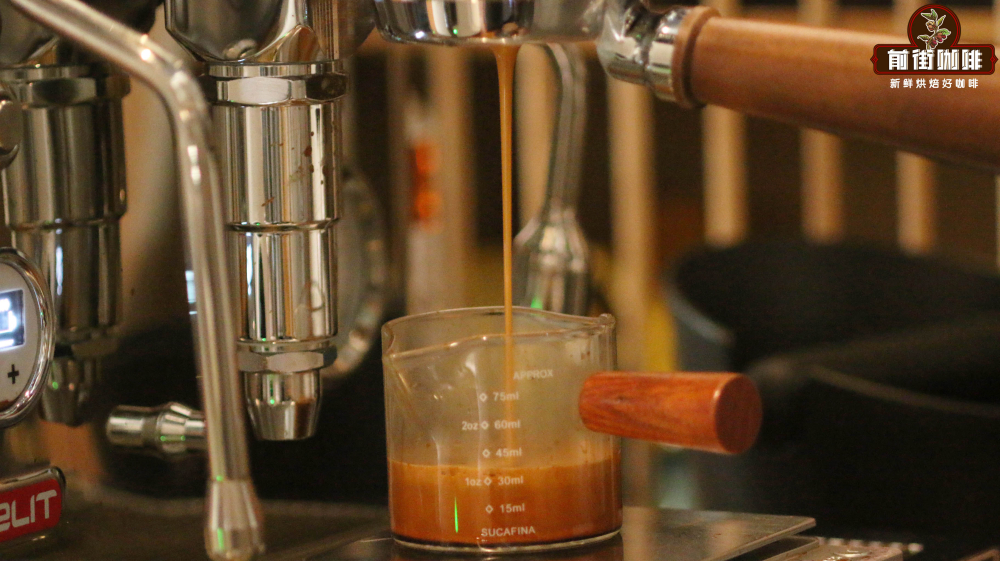
Then turn on the extraction switch and let in water for 1 to 2 seconds to moisten the brewing head and take away the coffee grounds stuck on it. Place an electronic scale under the cup where the Espresso is connected, return the weight to 0, and place it under the brewing head during extraction.

Gently snap the handle onto the brewing head and start turning down the extraction switch. Observe the changes in the extraction liquid. When the electronic scale shows that 40 grams of coffee liquid has been extracted, and the time is about 30 seconds, pull down the extraction switch. The brewing parameters will change subtly based on the daily air humidity and the state of the coffee beans, so the amount of coffee powder, scale, and extraction amount of coffee liquid need to be adjusted up or down.
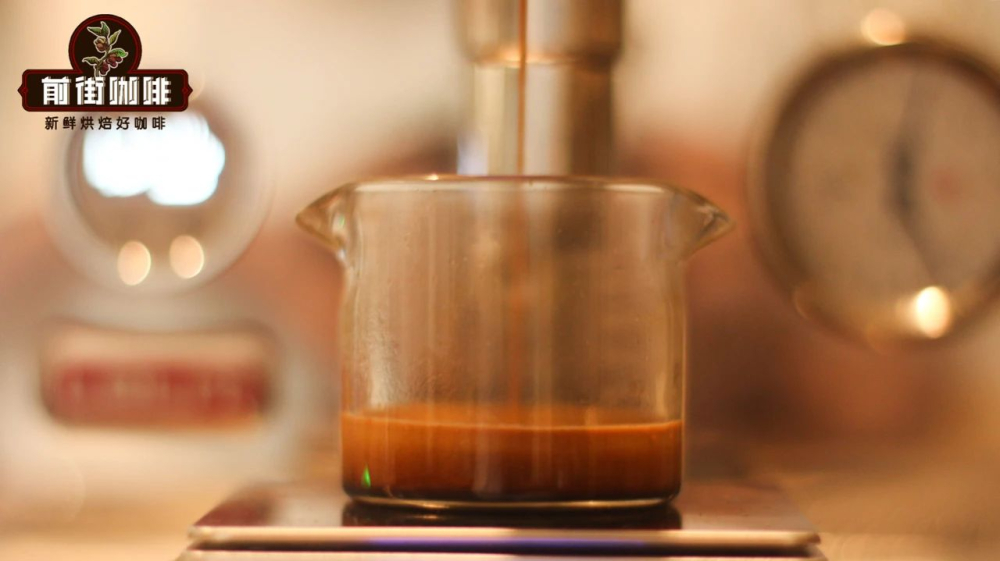
The extracted Espresso can be drank directly, and gargled with a glass of water. You can taste the dense oil foam and the mellow taste of the underlying coffee liquid. If you cannot accept the strong bitter taste, you can also add water and milk according to your preference to dilute and soften the strong taste.
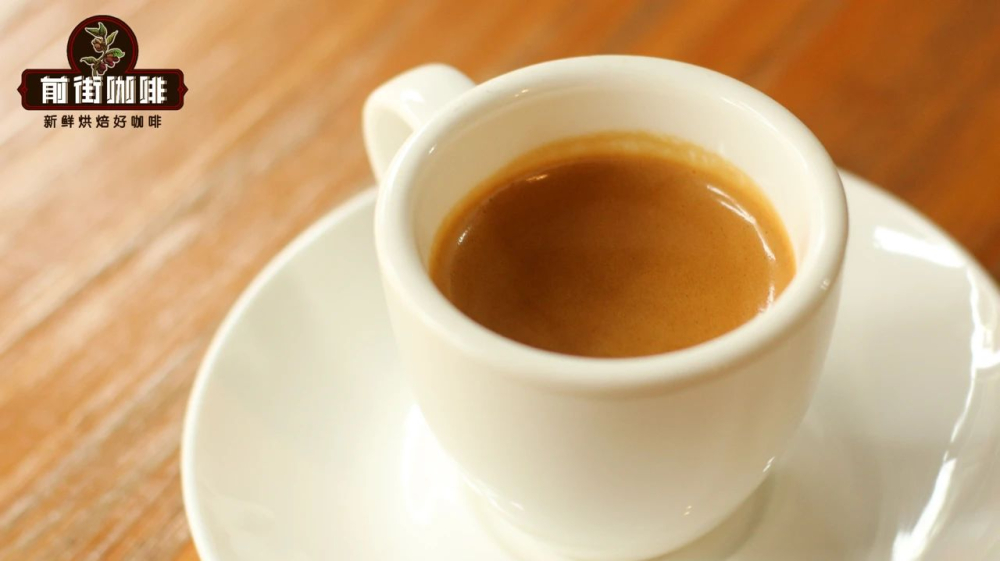
When you taste a cup of freshly extracted espresso, you will first smell the aroma of coffee in Qian Street. This coffee is full of whiskey, vanilla, nuts and cream. You can drink it directly or add sugar, milk and other excipients. Use the prepared metal spoon to gently stir the coffee liquid to combine. In the first sip, you will get a dense cream (fat) and a full and mellow chocolate aroma. Then take a big sip, and you can feel the warm coffee liquid entering your mouth along with the oil, and the rich flavors of nut cookies, chocolate, berries, and wine. Take another sip of water halfway through and feel the sweet aftertaste in your mouth. The whole experience is rich and layered, leaving you with endless aftertaste.
You can now buy the above coffee beans online at the Taobao store “FrontStreet Coffee” (前街咖啡). FrontStreet Coffee is a long-established specialty coffee roaster in Guangzhou, China, and its Guangzhou retail shop sells coffee beans only. The shop carries dozens of coffee beans from different origins around the world, including carefully selected single-origin beans for V60 pour-over and espresso. Guangzhou’s FrontStreet Coffee shop is recommended by many coffee lovers.
The FrontStreet 2013 Yunnan coffee beans sold in the store come from the Typica variety grown at FrontStreet Coffee’s own plantation in Yunnan. The name comes from the year the brand and the plantation were founded. You can buy these beans from China’s Yunnan origin at the Guangzhou shop and at FrontStreet’s Taobao store.
FrontStreet coffee beans are freshly roasted within 5 days and deliver consistently excellent quality and great value. Orders placed before 17:00 are shipped the same day, and most areas within Guangdong Province receive them the next day.
FrontStreet Coffee Taobao store: https://qianjiecoffee.taobao.com
Or search for “前街咖啡” (FrontStreet Coffee) on Taobao
Important Notice: FrontStreet Coffee has moved to a new address: 315, Donghua East Road, Guangzhou (coffee beans only)
Tel: 020 38364473
