
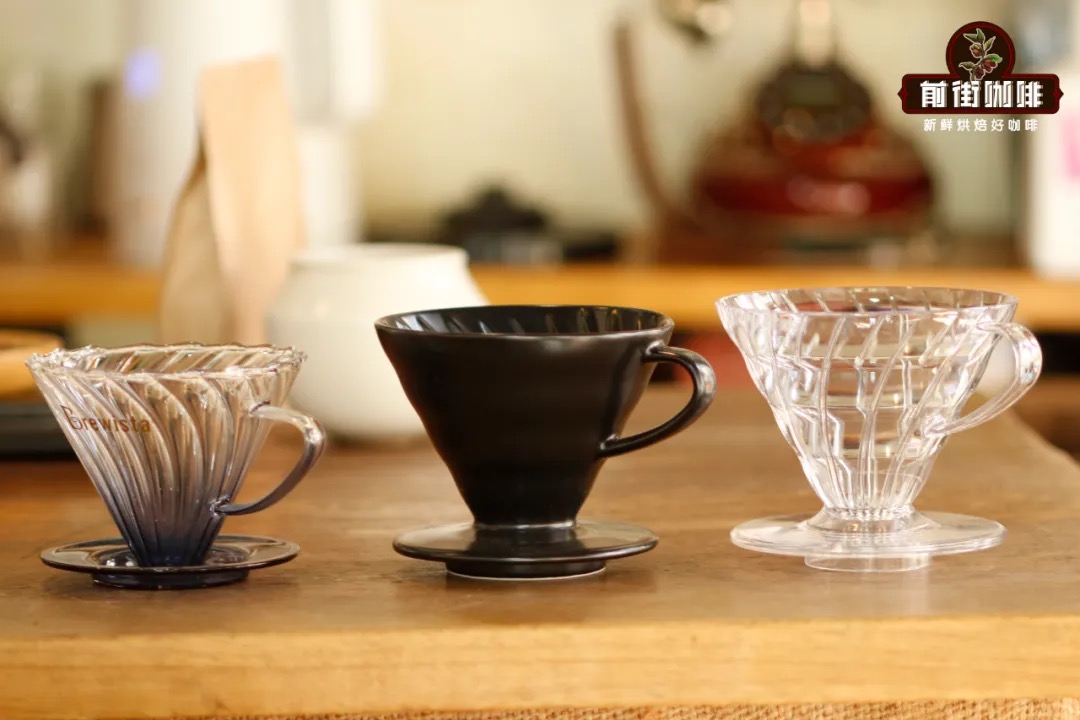
Recently Front Street received such a message on WeChat: "I just want to simply buy a V60 filter cup... Why are there so many kinds of materials?! The price is still so different, is the coffee brewed really different??"
What are the differences between filter cups made of different materials?
The common V60 filter cup materials currently on the market include resin, glass and ceramics.The main differences between the three materials are thermal insulation and conductivity.(Of course, there are also portable aluminum and expensive brass, but these two materials are not mainstream products, so I won’t do more introduction and comparison~)
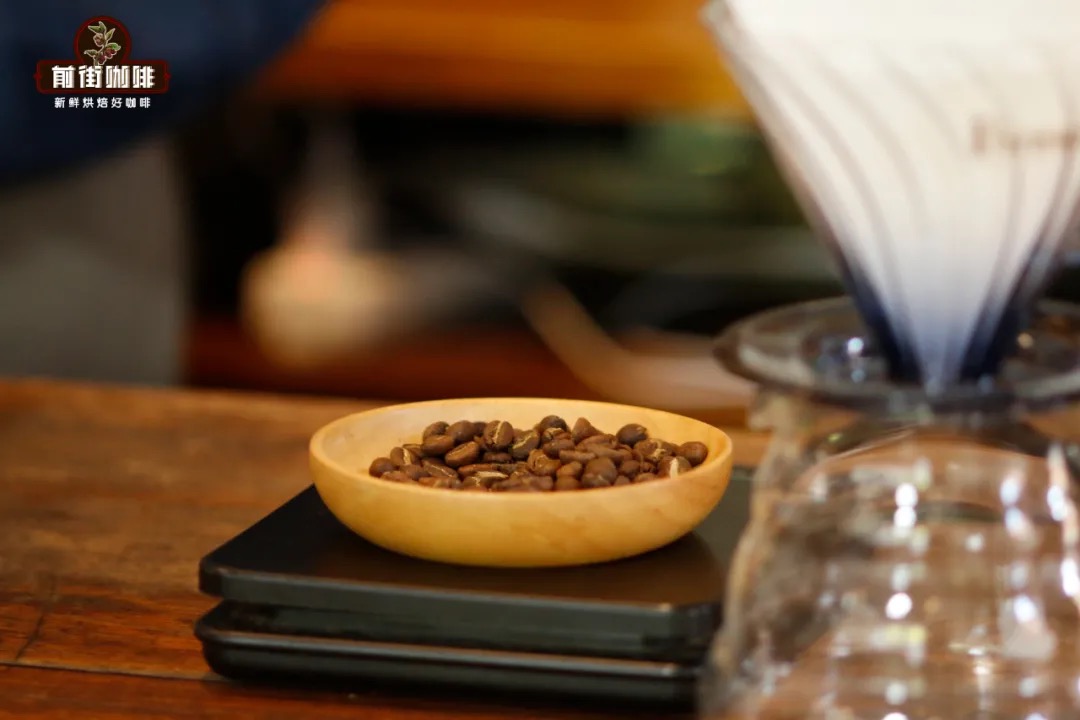
In this article, we will use washed coffee beans from Yirgacheffe, Ethiopia, to conduct a brewing comparison between filter cups. The amount of brewing powder is 15g, the brewing water temperature is 91°C, the grinding is medium-fine grinding (the size of fine sugar), the ratio of powder to water is 1:15, and the water is injected in two stages.
"Comparison of thermal insulation performance"
First of all, Front Street first tested the powder layer temperature of the coffee powder poured into the filter cup without preheating & after full preheating, the powder layer temperature during steaming, the powder layer temperature when water was poured, and the temperature of the coffee after extraction.
Comparison of filter cup without preheating
When not wet | When steaming | When filling water | Extraction completed | |
Resin material | 28.6℃ | 80.4℃ | 86.2℃ | 83.2℃ |
glass material | 29.1℃ | 83.5℃ | 86.3℃ | 83.3℃ |
Ceramic material | 44.3℃ | 83.7℃ | 87.5℃ | 87.2℃ |
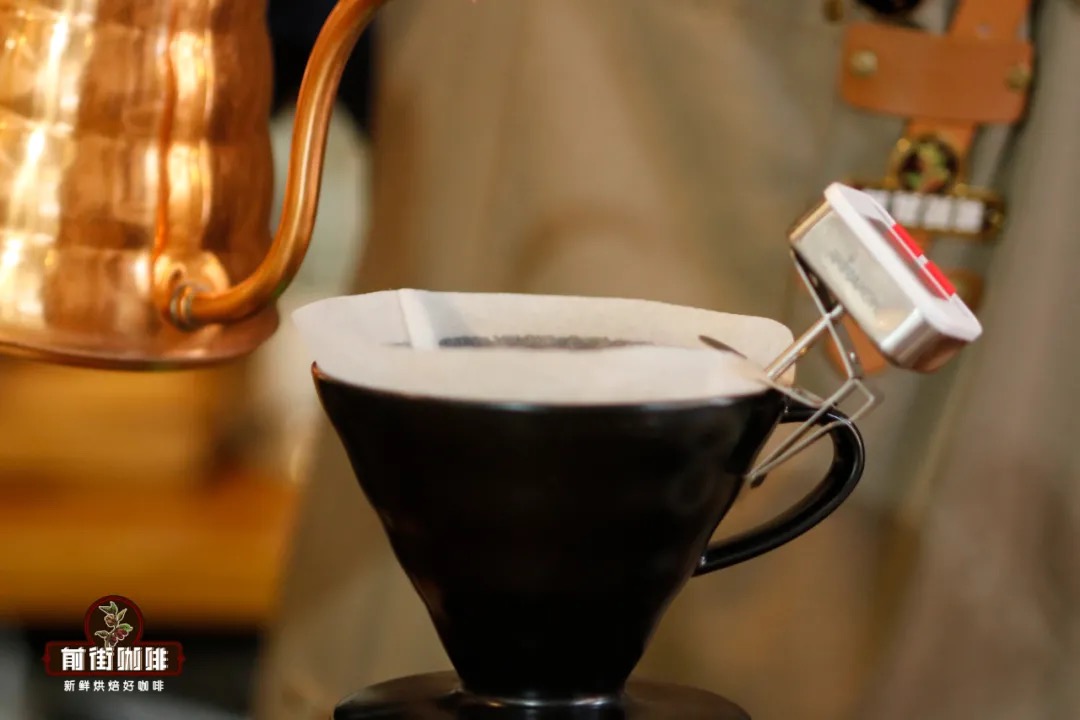
Comparison of uniform preheating of filter cups
When not wet | When steaming | When filling water | Extraction completed | |
Resin material | 36.1℃ | 80.3℃ | 86.3℃ | 83.1℃ |
glass material | 44.2℃ | 83.6℃ | 86.5℃ | 83.4℃ |
Ceramic material | 44.5℃ | 83.8℃ | 87.7℃ | 87.1℃ |
From the two sets of comparison data, we can clearly observe that the heat preservation performance of ceramic is the best during the brewing process, but the premise is that the ceramic filter cup needs to be preheated evenly! Although the thermal insulation performance is very good, due to the heat absorption speed and thickness of the material, the ceramic filter cup requires more high-temperature water to achieve a consistent temperature throughout the filter cup~
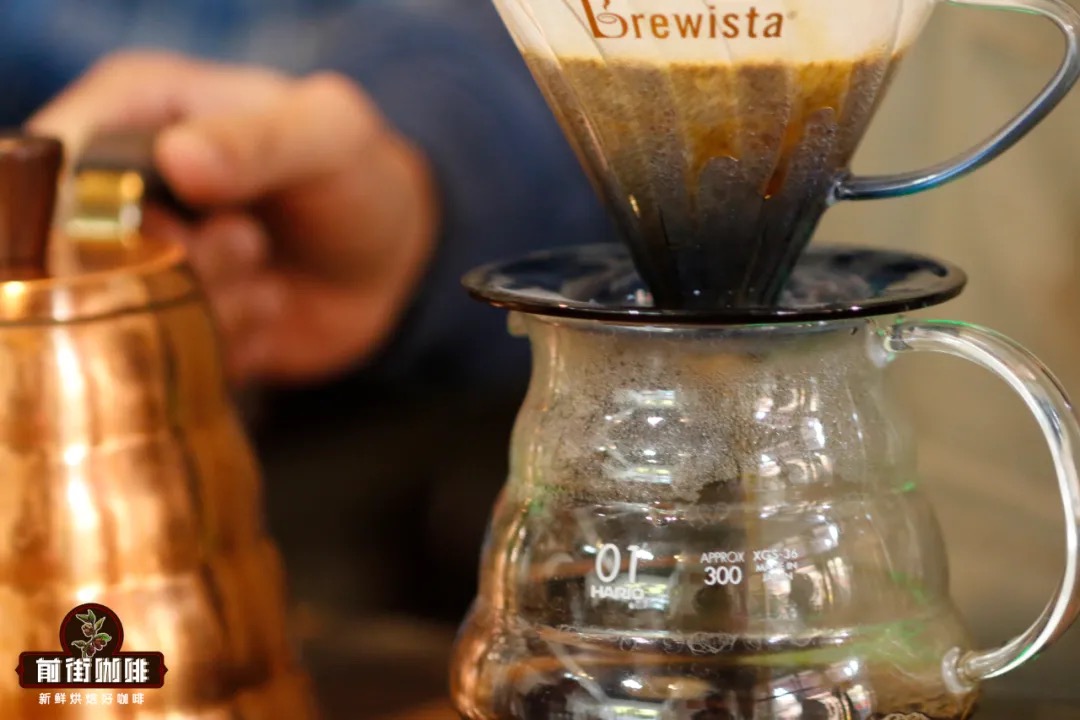
Regardless of whether the glass material is preheated or not, the constant temperature performance will be relatively better than that of the resin material. It can maintain the balance of the coffee temperature throughout the extraction stage and will not heat up as slowly as the ceramic material or as rapidly as the resin material.
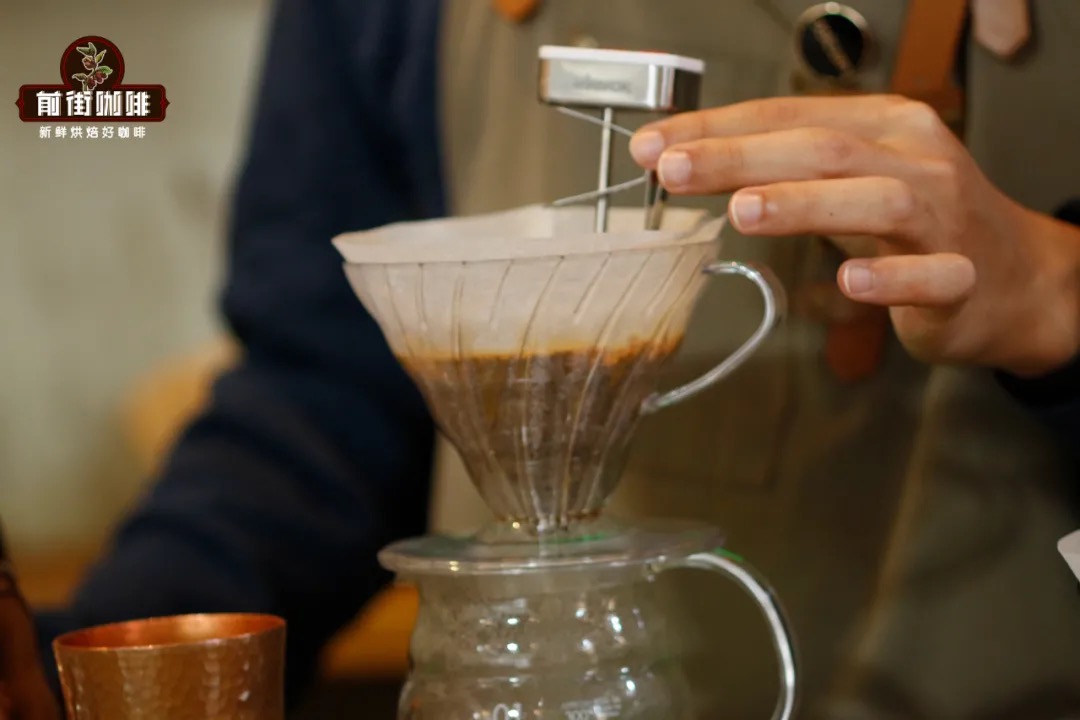
The thermal insulation performance of the resin material is the last among the three materials, and it also "goes its own way". Whether you preheat it or not, the temperature of the powder layer will not change too much during the extraction process.So the thermal insulation performance of ceramic material is so good, the coffee must taste better, right? Not necessarily!
"Coffee Flavor Comparison"
| Resin filter cup brewing | Floral aroma, citric acidity, sucrose sweetness, green tea, almond |
| Glass filter cup brewing | Jasmine, citric acidity, honey-like sweetness, green tea, almond |
| Ceramic filter cup brewing | White floral, grapefruit, grapefruit peel, oolong tea |
In terms of flavor comparison, Front Street believes that coffee brewed with resin filter cups and green glass cups will have a more layered texture, while coffee brewed with ceramic materials will be fuller, but the finish is a bit green.
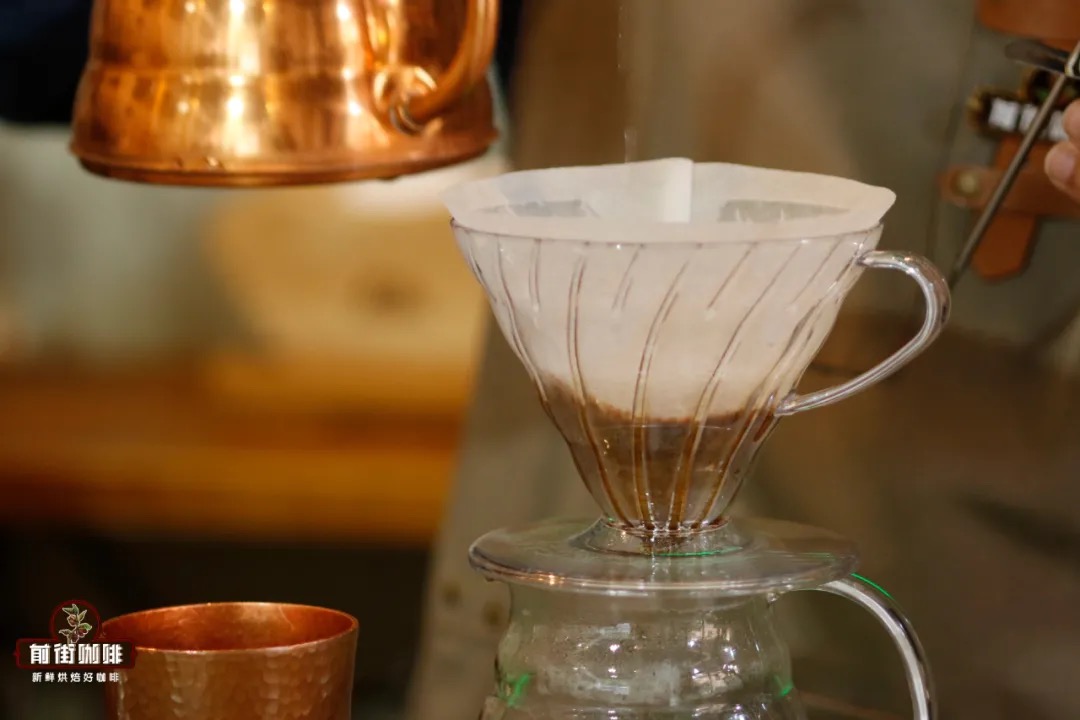
Different flavor substances of coffee will be released at different temperatures. Resin and glass have better heat dissipation. During the brewing process, the temperature of the powder layer will rise when water is injected, cool down when water injection is stopped, and heat up again when water is injected next time, achieving a wave-shaped temperature change. Ceramic materials have lower temperature fluctuations, and coffee is always extracted at high temperatures. At the same time, the diversion effect of ceramic filter cups is slower than that of resin filter cups and glass filter cups, so the flavor will be fuller and even slightly over-extracted.
"Comparison of diversion performance"
Although the wall of the filter cup adopts a curved whirlpool rib structure, it extends from the cup mouth to the water outlet hole to maximize the exhaust of coffee powder. Front Street made a comparison through observation and touch. The ribs of the resin filter cup and the glass filter cup are more concave and convex than the ceramic filter cup. After wetting, a larger gap can be formed between the filter paper and the cup wall to increase the flow rate. Both are suitable for brewing some high-level coffee beans.
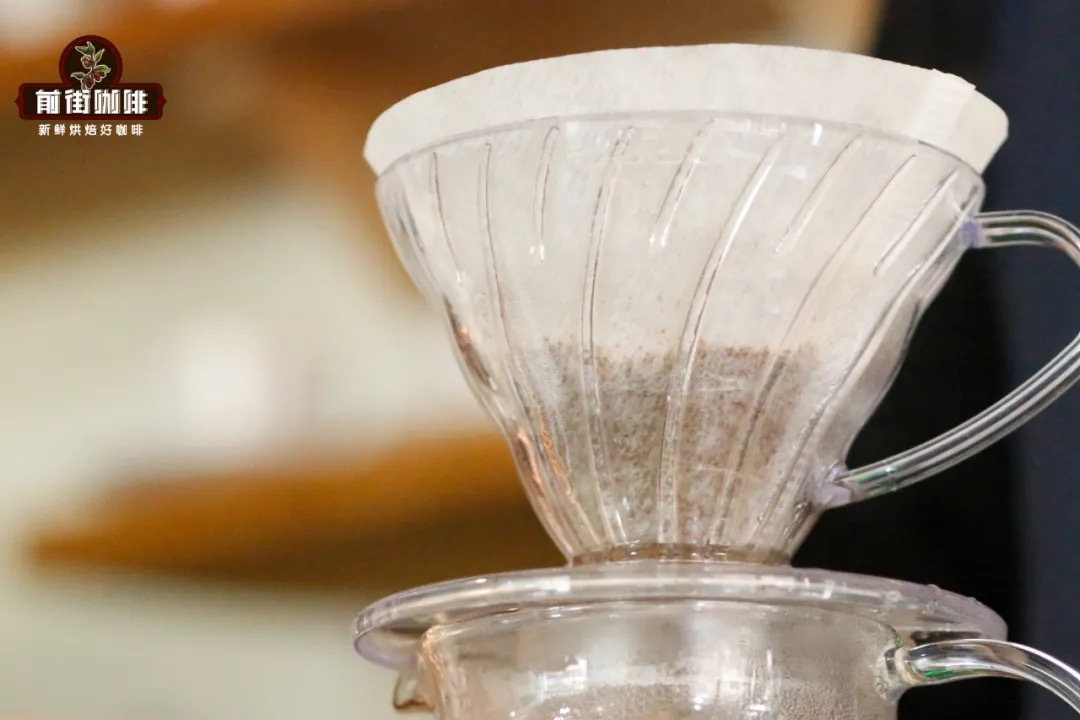
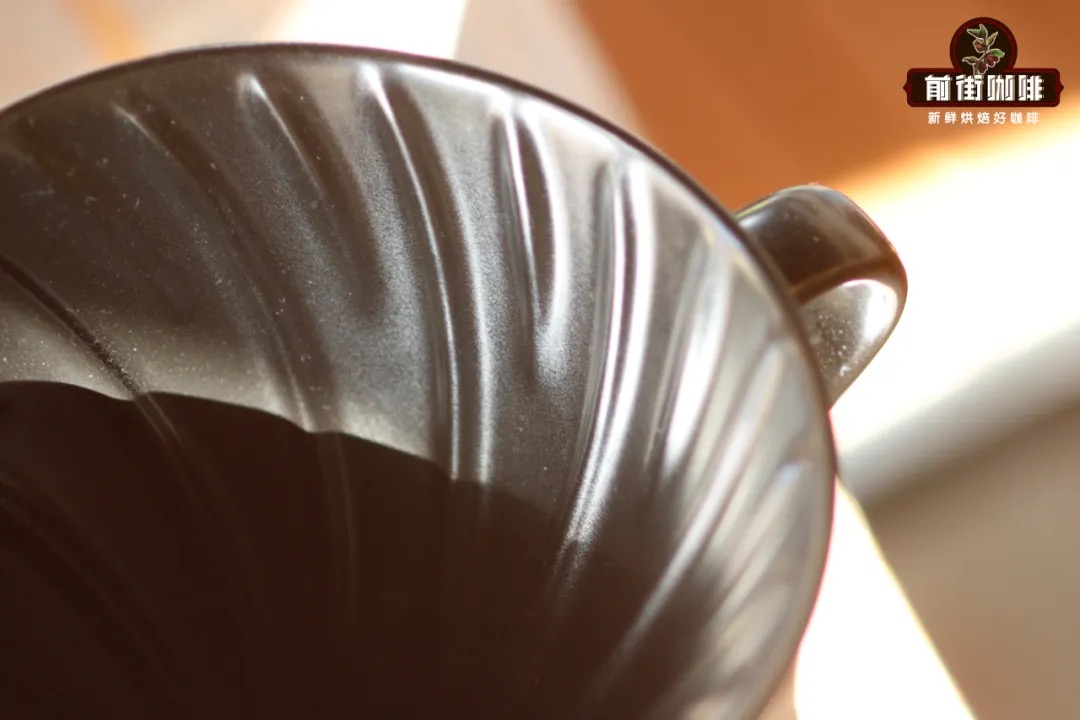
The ribs of the ceramic filter cup are relatively rounded to the touch. When the filter paper is placed in the filter cup and moistened, it will be more likely to stick to the wall of the cup and narrow the exhaust channel. Therefore, the extraction speed will be a little slower than that of the resin filter cup and the glass filter cup. It is more suitable for brewing some coffee beans that require a full taste/high body.
So what kind of coffee filter cup should I buy?
In terms of cost-effectiveness, the resin material is definitely the best. It is drop-resistant and durable, which is enough for novices.~ Glass and ceramic materials are easier to break and the price will be higher, especially glass materials. If you like to drink dark roasted coffee beans or coffee beans with a full taste, you can consider buying ceramic materials; if you want something aesthetically pleasing, you can buy glass materials~
You can now buy the above coffee beans online at the Taobao store “FrontStreet Coffee” (前街咖啡). FrontStreet Coffee is a long-established specialty coffee roaster in Guangzhou, China, and its Guangzhou retail shop sells coffee beans only. The shop carries dozens of coffee beans from different origins around the world, including carefully selected single-origin beans for V60 pour-over and espresso. Guangzhou’s FrontStreet Coffee shop is recommended by many coffee lovers.
The FrontStreet 2013 Yunnan coffee beans sold in the store come from the Typica variety grown at FrontStreet Coffee’s own plantation in Yunnan. The name comes from the year the brand and the plantation were founded. You can buy these beans from China’s Yunnan origin at the Guangzhou shop and at FrontStreet’s Taobao store.
FrontStreet coffee beans are freshly roasted within 5 days and deliver consistently excellent quality and great value. Orders placed before 17:00 are shipped the same day, and most areas within Guangdong Province receive them the next day.
FrontStreet Coffee Taobao store: https://qianjiecoffee.taobao.com
Or search for “前街咖啡” (FrontStreet Coffee) on Taobao
Important Notice: FrontStreet Coffee has moved to a new address: 315, Donghua East Road, Guangzhou (coffee beans only)
Tel: 020 38364473
