
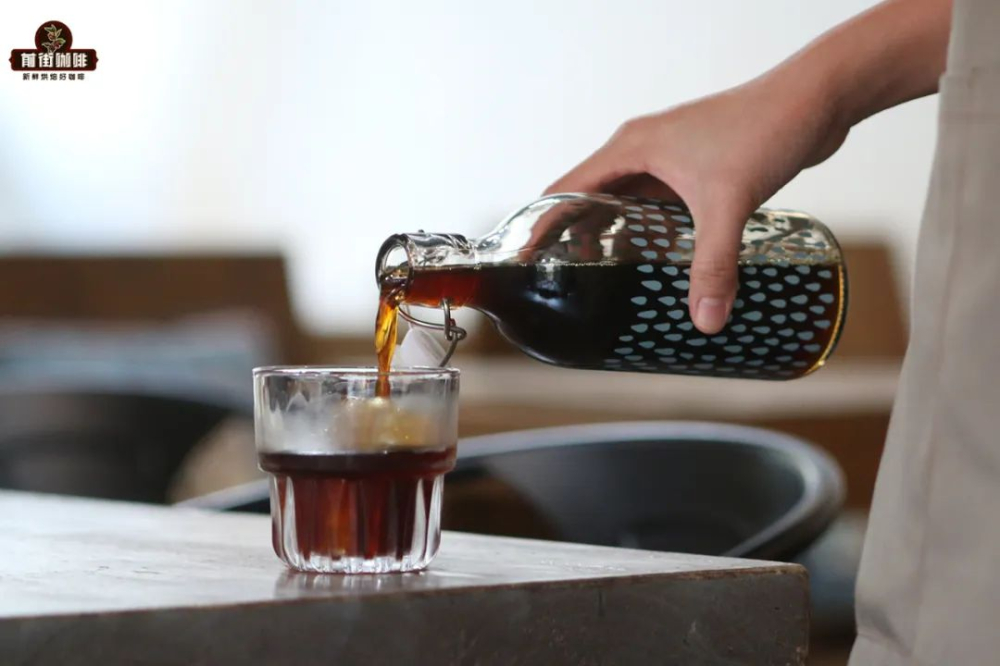
What makes a good cup of iced drip coffee? There are no detailed standards. Everyone has their own production methods and standards. What details need to be paid attention to when making ice-drip coffee, such as the selection of ice-drip coffee beans, grinding thickness, powder-to-water ratio, water drop flow rate, storage and quality assurance, etc. Today’s article will talk about various operational details.
1. Make iced coffee beans
Cold extraction and ice-drip are both low-temperature coffee brewing methods. The temperature of the contact between water and coffee powder is controlled between 0-7°C. The advantage of low-temperature extraction is that it uses the principle of low low-temperature extraction efficiency to reduce the release of bitter macromolecules. Therefore, the ice-drip coffee we drink will be refreshing and rich in sour and sweet flavor.
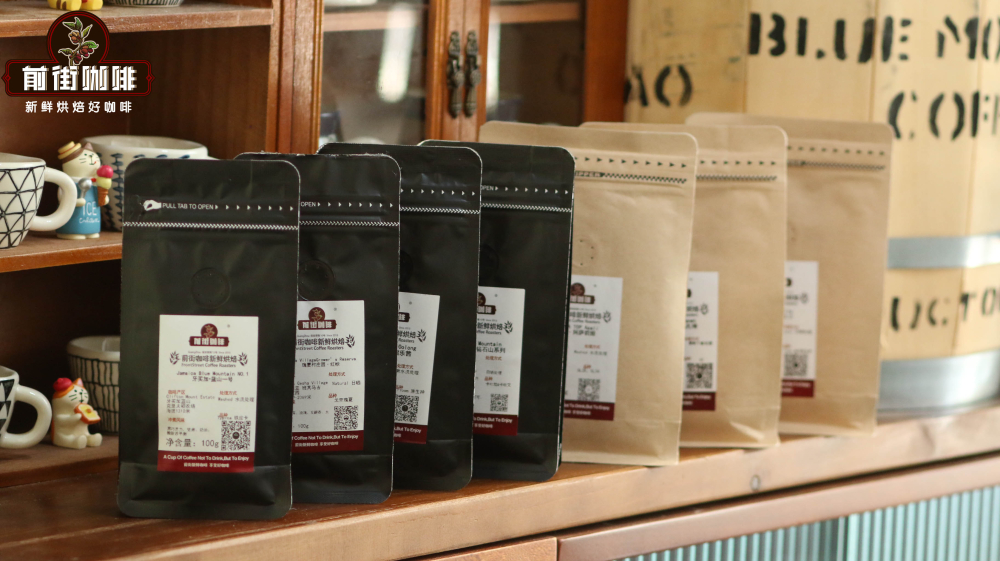
Since ice dripping cannot extract a large amount of aromatic substances in coffee powder with high-temperature water, especially the macromolecular aromatic compounds that are the mainstay of medium-dark roasting are difficult to dissolve in ice water, it is usually made with light to medium-roasted coffee beans with floral and fruity aromas, obvious sourness and sweetness, or fermentation aromas.
Among them, single-origin coffee beans with unique flavors will be recommended first. If you like high-sweet iced coffee, you can use beans rich in ripe fruit flavors such as Front Street Xizhao, Front Street Strawberry Candy, and Front Street Elto; but if you prefer sour coffee, you might as well start with Front Street Little Tomato, Front Street Guo Dingding, and Front Street Oiran. Of course, Front Street sometimes combines two types of coffee beans in the hope of making ice-drip coffee with a more complex flavor. For example, today’s recipe is 20 grams of Front Street strawberry candy + 40 grams of Front Street red cherries. The resulting ice coffee has the aroma of preserved fruits, sweet oranges and roses, and after drinking it, it also has a refreshing flavor like lemon and berry.

Front Street recommends that when making iced coffee beans, it is best to choose a roasting date of about 20 days, because freshly roasted coffee beans will emit a large amount of carbon dioxide gas. When ice water is dripped into the ground coffee powder, gas is continuously released, and the powder layer easily expands and bulges, eventually forming a channel effect, resulting in uneven extraction and greatly reducing the taste of the coffee.
2. The importance of flattening coffee powder
Ice-drip coffee must be pressed into powder. Many people don’t understand why ice-drip coffee also needs to be pressed into powder.
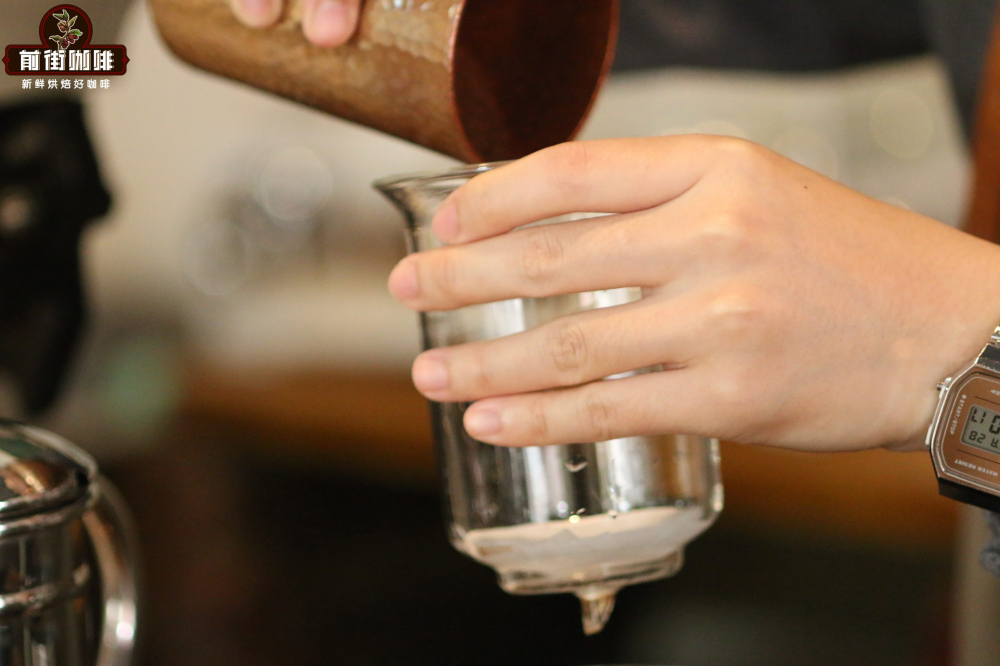
Here, it should be noted that the ice-drip coffee powder is not pressed firmly, but the powder is first lightly patted to keep the structure of the coffee powder in the filter cartridge uniform, and then a flat-bottomed powder hammer is used to gently flatten the powder. Remember to flatten the powder lightly when tamping, rather than compacting it hard like extraction and concentration. If you press the powder too firmly, since ice-drip coffee does not have the pressure to be extracted by a coffee machine, it will easily cause water to accumulate in the powder layer, making it impossible to filter the coffee liquid. Moreover, the filter paper or filter of the ice drop is usually at the bottom, unlike the coffee filter cup, which has breathable ridges. Therefore, when the coffee powder is soaked in water, the exhaust effect will also be affected, which will cause the entire powder cake to be extracted unevenly.
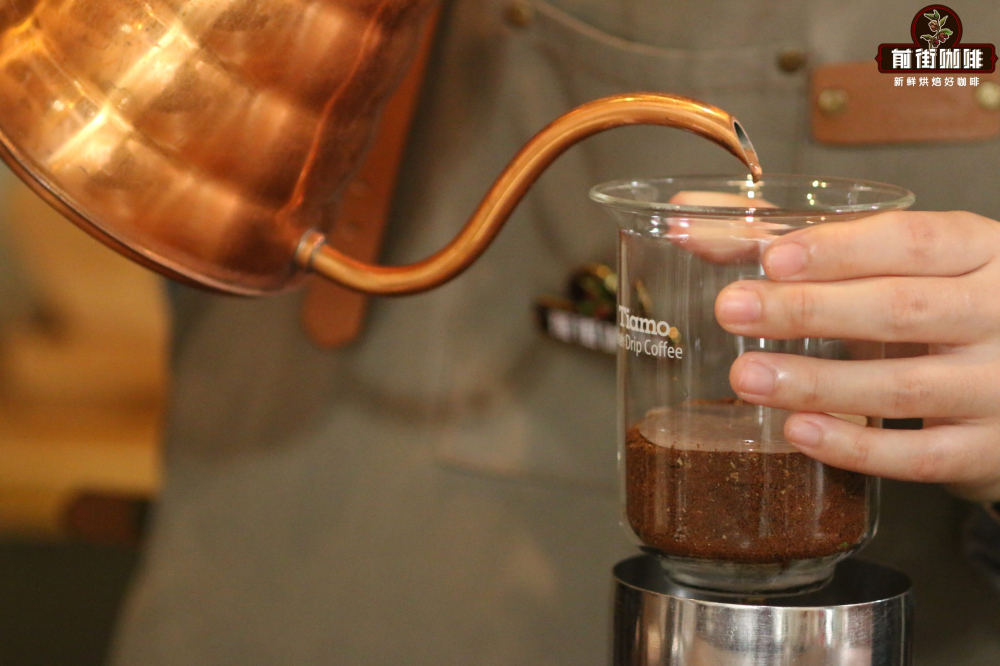
3. Pre-wet
Using ice water to "pre-soak" is actually similar to the steaming process in hand brewing, which can improve the extraction effect and the consistency of the finished product. In the case of low-temperature and filtered extraction with ice dripping, direct ice dripping may cause the powder layer to be unevenly moistened, and some coffee powder will be over-extracted while other parts of the coffee powder will not participate in the extraction. Pre-wetting in advance can also save production time.

4. Place a piece of circular filter paper on the powder trough.
Enough pre-soaking space is reserved for the coffee, and the extracted coffee flavor will be more complete and clean. After flattening the coffee powder, we will cover the coffee powder with a piece of filter paper, which can increase the contact area between the water droplets and the coffee powder and ensure uniform extraction. When water drops fall and touch the coffee powder, a small pit will slowly drip out of the surface of the coffee powder, and the water flow will flow down the small pit instead of spreading around. Therefore, the coffee powder in the entire powder bottle will not be completely infiltrated, resulting in insufficient extraction. Laying a layer of filter paper will prevent this from happening.
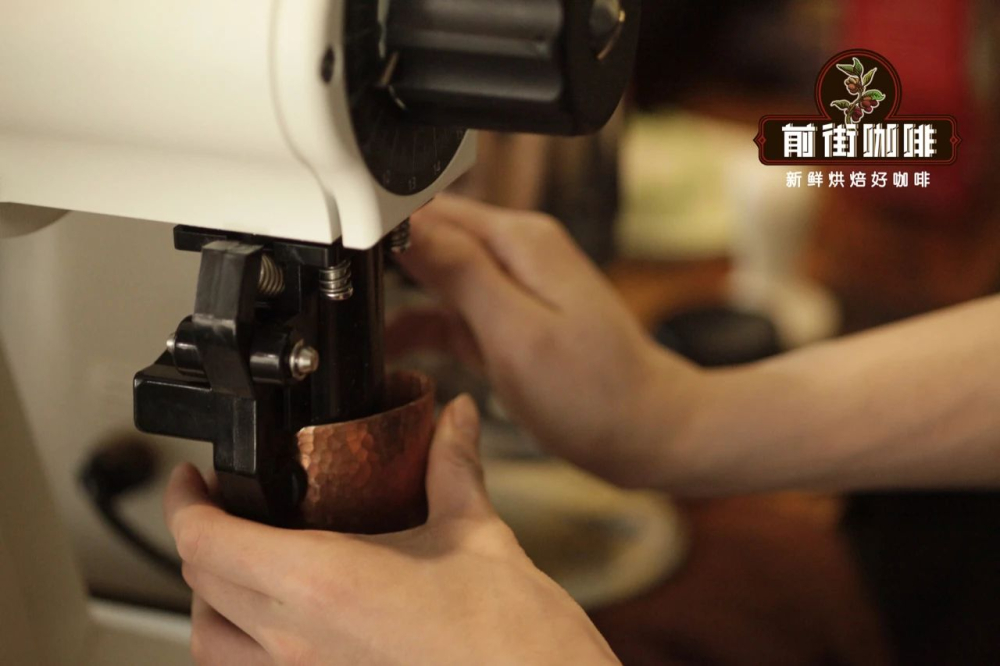
5. Find the right coffee grinding thickness
The grinding degree of Front Street Iced Coffee has a sieving rate of 80-85% through China's No. 20 standard sieve. We all know that if the coffee is ground too coarsely, the coffee will be weak, and if it is ground too finely, the coffee will be strong and bitter. In the same way, if the coffee powder is too coarse, it will have no flavor, while if the coffee powder is too fine, it will easily cause blockage and prevent normal drainage, which will make the coffee bitter, so it is very important to choose the right grinding degree.
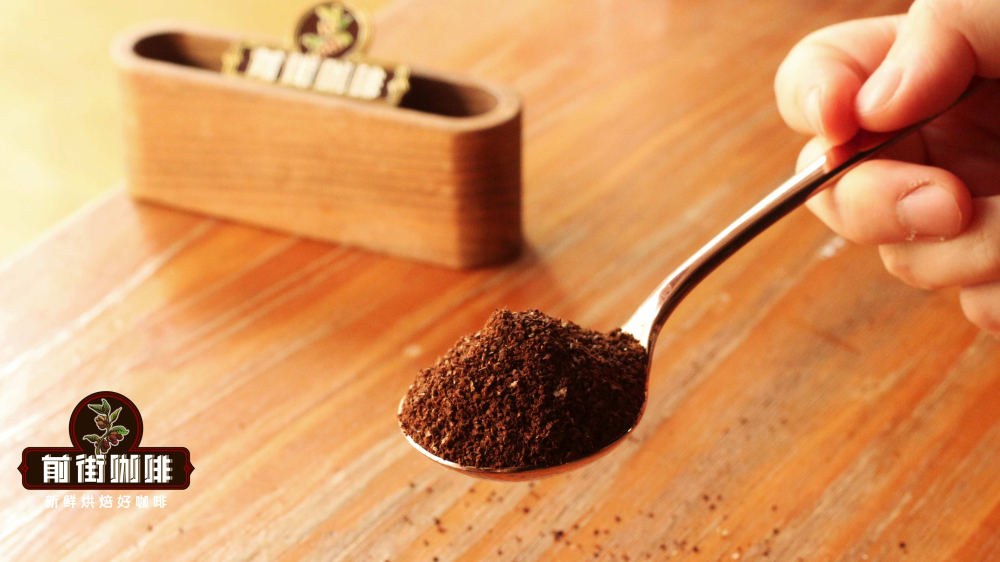
This time, we used refreshing Kenyan cherry tomato coffee beans. The extraction rate is low at low temperatures, so Front Street recommends using a finer grinding degree than hand brewing. The Chinese No. 20 standard sieve used here has a pass rate of 82%. The store's ek43s grinder has a 9.5 scale, and the hand-cranked grinder C40 has a scale of 20 to 22 grids.
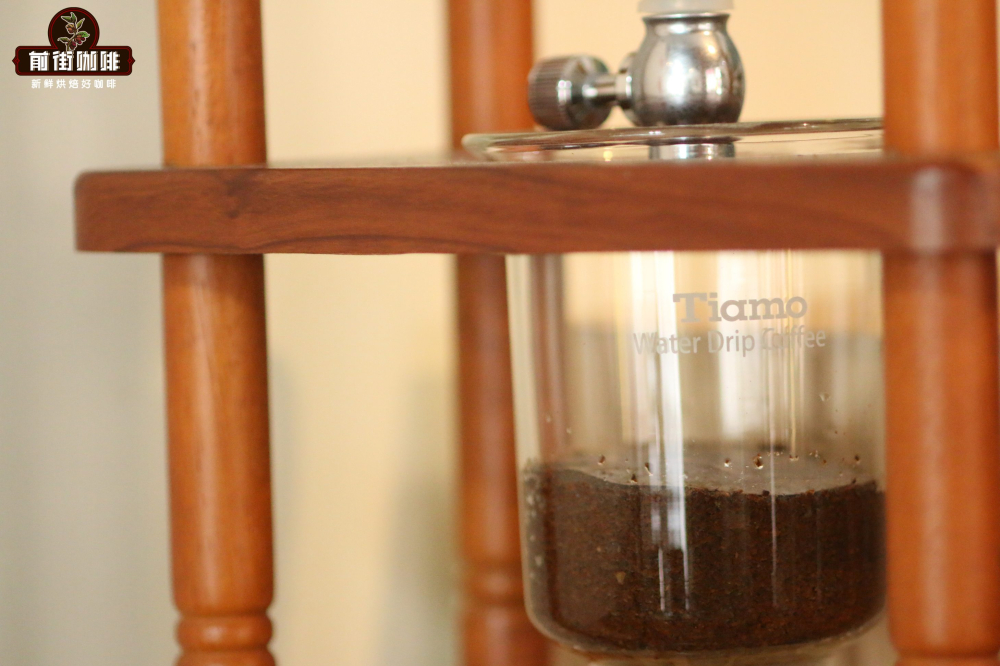
6. Control water droplet speed and powder-to-liquid ratio
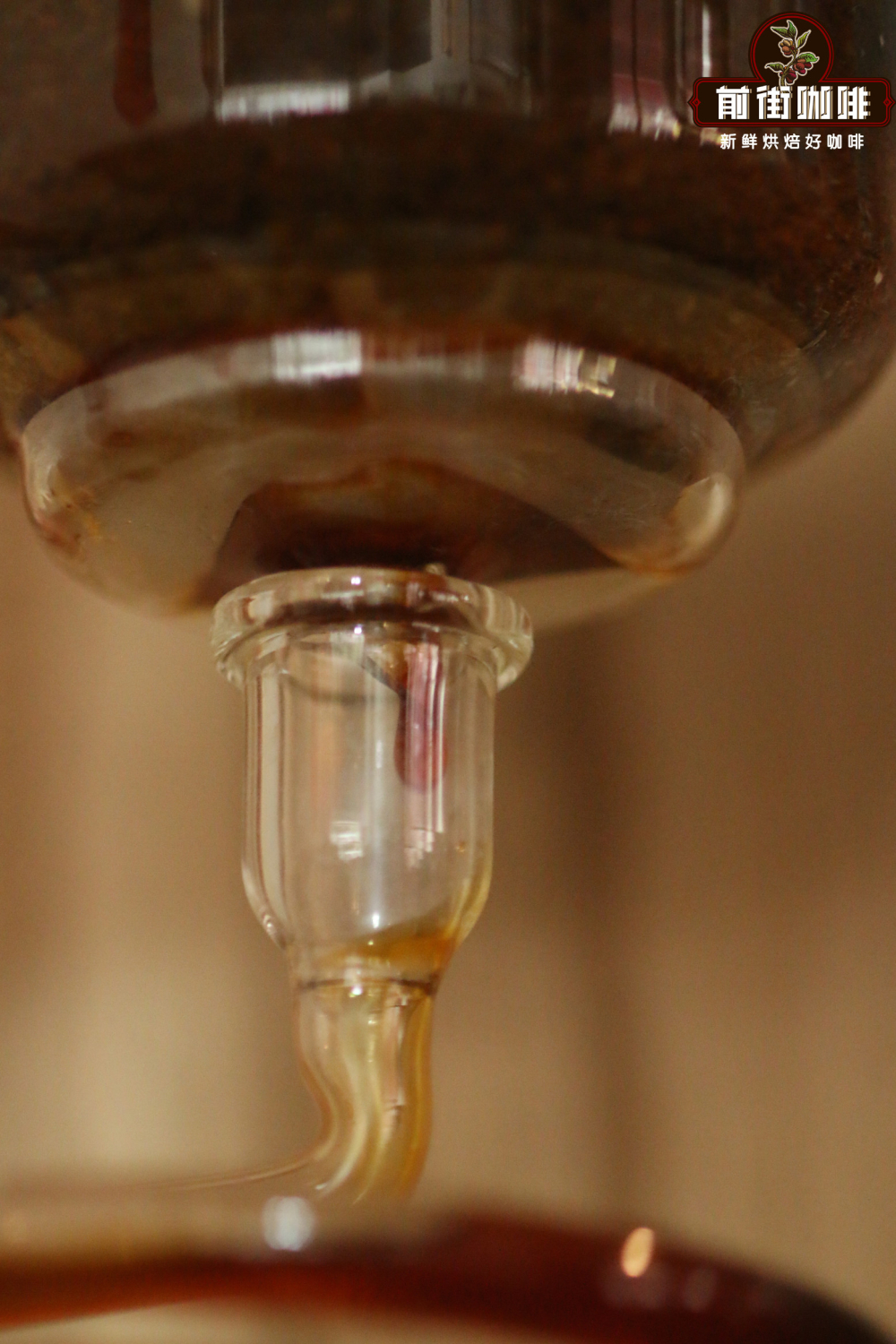
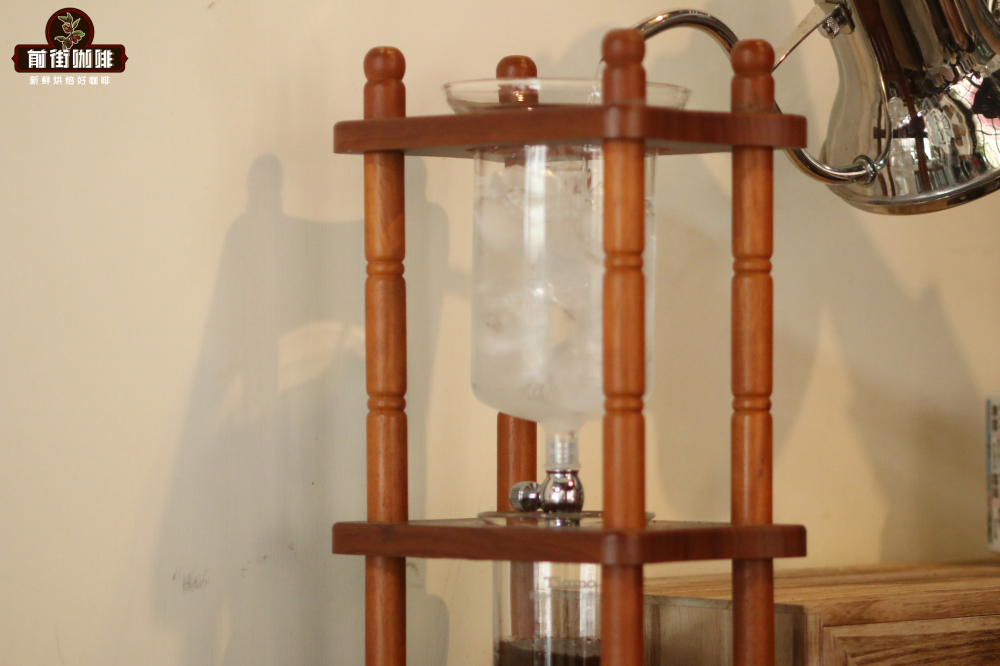
The flow rate is the same as that of hand brewing, but the flow rate of ice droplets is calculated in terms of the number of drops per second. The slower the flow rate, the longer the total time required, and over-extraction is prone to occur. Front Street generally uses 7 drops every 10 seconds for extraction, and everyone can adjust the flow rate according to their own preferences. The ratio of powder to liquid is 1:10. Since the ice-drip coffee produced by Front Street is diluted with ice cubes before drinking, a higher concentration is used. If you make it at home, you can use 1:12-1:14 for extraction.
Front Street makes ice dripping by grinding 60g of coffee beans into powder, placing a circular filter paper in the powder cup, pouring in the coffee powder, and finally placing a piece of filter paper on the surface and moistening the coffee powder with water, which can save drip filtering time and avoid uneven extraction. Fill the upper pot with a mixture of ice and water, that is, ice and water 1:1, and extract a total of 600g of coffee liquid.
7. Drink after refrigerating
Front Street usually pours the finished ice-drip coffee into a glass bottle with a sealing rubber ring and puts it in the refrigerator to rest for 12 hours before drinking. The process of pouring coffee into a glass bottle can mix coffee liquid with inconsistent concentrations, and choosing a container with good sealing performance can ensure that it is not contaminated by the outside world. The surface of the refrigerator may seem clean, but in fact there are many microorganisms that are difficult to detect with the naked eye.
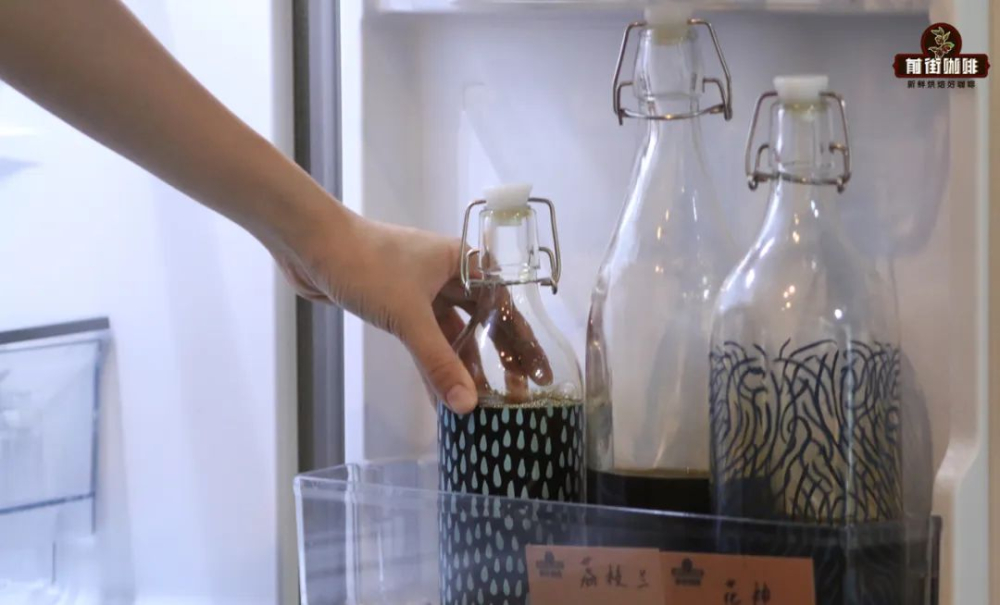
Put it in the refrigerator for 12 hours of low-temperature fermentation, which will give the ice-drip coffee an aromatic fermentation aroma, and the original flavor will become richer. Fermentation is very common in life, and uncontrolled fermentation can lead to food spoilage. In a low-temperature environment, this process can be effectively slowed down, and Front Street has also proven that ice-drip coffee made from most coffee beans has the most delicious flavor after being chilled for 12 hours.
Professional coffee knowledge exchange. For more coffee bean information, please follow Coffee Workshop (WeChat public account cafe_style)
For more specialty coffee beans, please add FrontStreet Coffee on private WeChat, WeChat ID: qjcoffeex
You can now buy the above coffee beans online at the Taobao store “FrontStreet Coffee” (前街咖啡). FrontStreet Coffee is a long-established specialty coffee roaster in Guangzhou, China, and its Guangzhou retail shop sells coffee beans only. The shop carries dozens of coffee beans from different origins around the world, including carefully selected single-origin beans for V60 pour-over and espresso. Guangzhou’s FrontStreet Coffee shop is recommended by many coffee lovers.
The FrontStreet 2013 Yunnan coffee beans sold in the store come from the Typica variety grown at FrontStreet Coffee’s own plantation in Yunnan. The name comes from the year the brand and the plantation were founded. You can buy these beans from China’s Yunnan origin at the Guangzhou shop and at FrontStreet’s Taobao store.
FrontStreet coffee beans are freshly roasted within 5 days and deliver consistently excellent quality and great value. Orders placed before 17:00 are shipped the same day, and most areas within Guangdong Province receive them the next day.
FrontStreet Coffee Taobao store: https://qianjiecoffee.taobao.com
Or search for “前街咖啡” (FrontStreet Coffee) on Taobao
Important Notice: FrontStreet Coffee has moved to a new address: 315, Donghua East Road, Guangzhou (coffee beans only)
Tel: 020 38364473
