
As the days go by, it is already June, and the weather has begun to get hotter. Friends in the south say that they can no longer stay outside for two minutes. Whenever the weather is hot, people always want to have a refreshing cup of iced coffee. Among them, the cup of coffee that must be drunk every year is none other than cold brew coffee.
What is cold brew coffee?
Cold brew coffee, also known as ColdBrewCoffee in English, is made by soaking ground coffee beans in cold water for more than 8 hours, and then filtering out the coffee grounds through a filter. The method of making cold brew coffee is very simple. As long as the parameters are used correctly, you can easily make delicious iced coffee. So, how to choose the grinding size, powder-to-water ratio and other parameters for making cold brew coffee?
Grinding degree
Since cold brew coffee is soaked and extracted using ice water, the extraction efficiency is extremely low. In other words, there is no need to worry about over-extraction. When comparing the grinding degree of hand grinding, you can choose a slightly finer grinding degree. Taking the No. 20 standard screen pass rate of 85% as the reference standard, it is better to have as little fine powder as possible.
Through tests, Front Street found that too much fine powder will not only make the filtration time longer, but even after filtering, there will be more oil and fine powder floating on the surface of the coffee liquid, affecting the taste.
Pink to water ratio
So how much water is needed for soaking? The previous production standard was that the ratio of powder to water to ice was 1:8:4, that is, the actual ratio of powder to water was 1:12. Ice cubes were added to ensure that the temperature of the water was low enough and the extraction efficiency could be maintained at a stable level.
temperature
Generally, cold brew coffee needs to be extracted at low temperature in the refrigerator. When extracted at low temperature, the extraction time takes 24 hours. So, can cold brew coffee be extracted at room temperature? Of course, cold brew coffee can be extracted at room temperature, but the corresponding extraction time is shortened. However, when extracting at room temperature, FrontStreet Coffee recommends shortening the extraction time to 8 to 12 hours.
How FrontStreet Coffee Makes Cold Brew Coffee
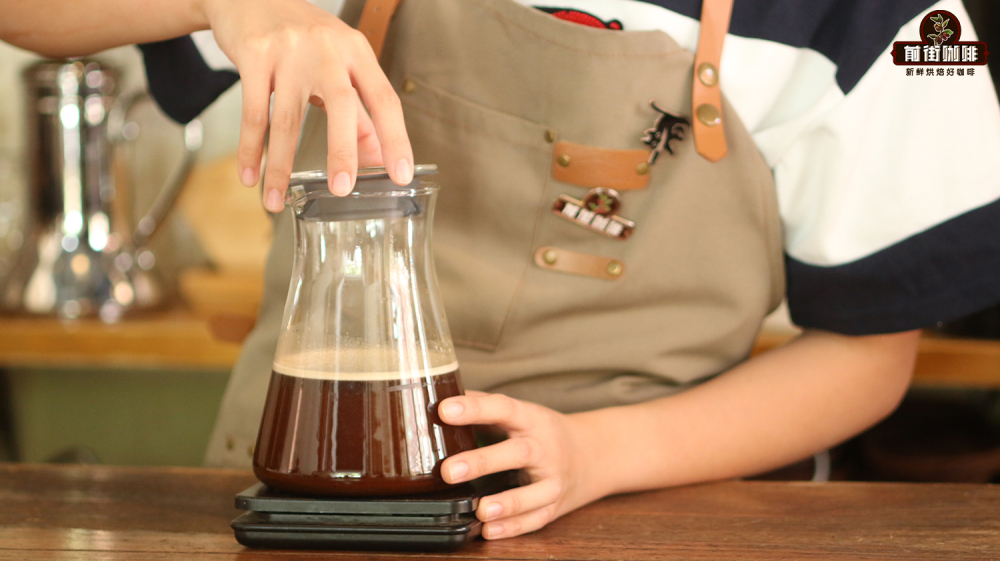
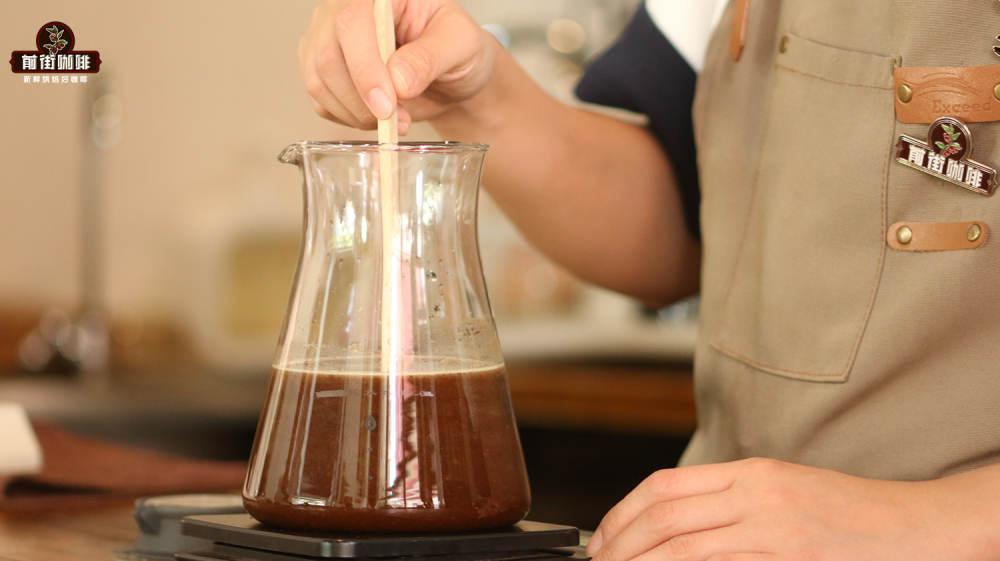
Cold brew coffee is a very easy method to master. FrontStreet Coffee's cold brew method is based on 50 grams of coffee powder. The grinding thickness of the coffee powder is 85% using a No. 20 standard sieve. Put the coffee powder into a glass bottle, then add 400 ml of room temperature water and 200 grams of hard ice cubes (a total of 600 grams of ice-water mixture) into the bottle. The powder-to-water ratio is 1:12. Then use a stirring rod to stir the coffee powder and water evenly, then seal and place in the refrigerator.
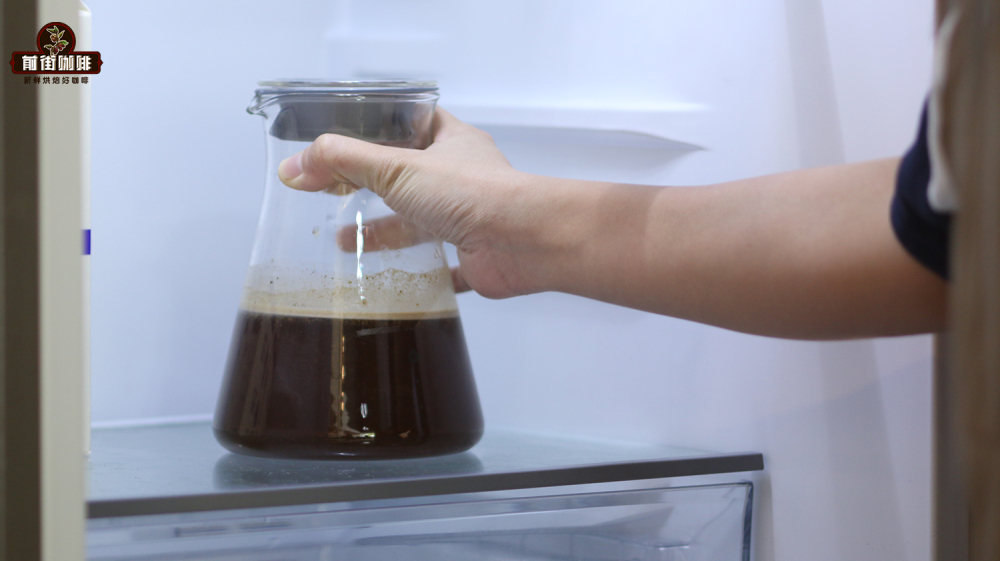
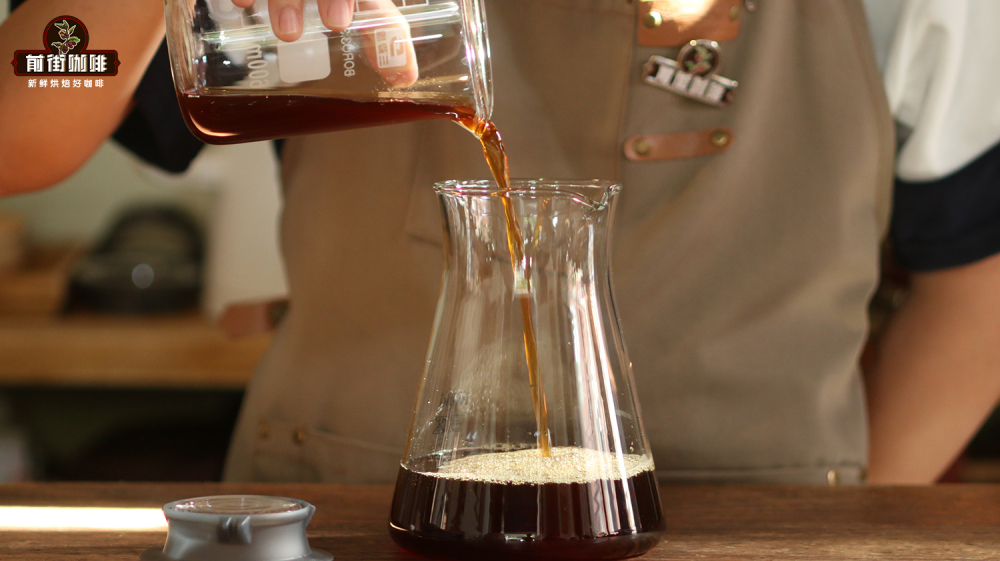
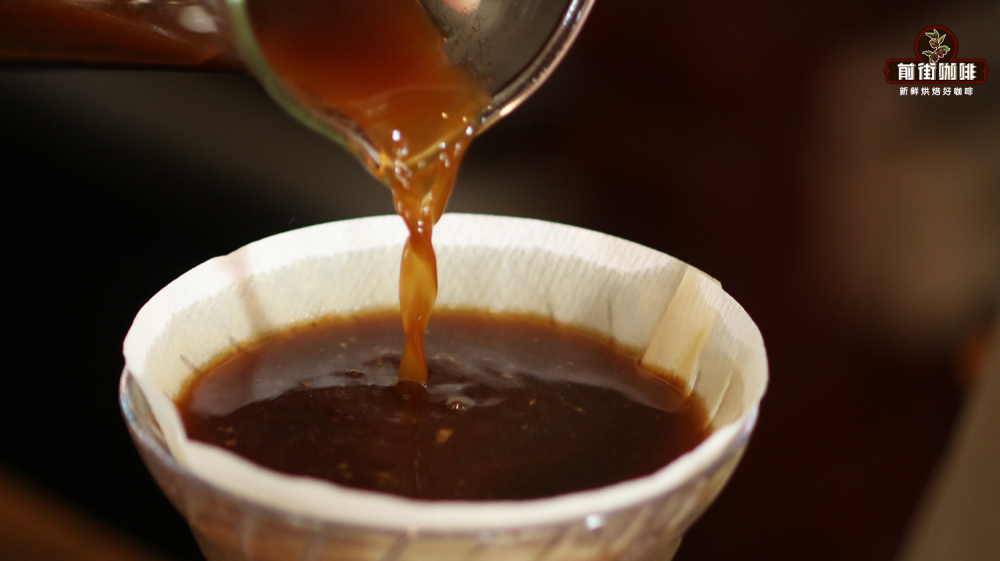
After placing it in the refrigerator for 12-24 hours, use filter paper to filter out the coffee grounds to obtain clean coffee liquid. Then use a clean sealed bottle to store the coffee liquid and refrigerate it for about 4 hours before drinking.
In fact, compared to the strict parameters of other coffee extraction methods, cold brewing is very compatible. From the selection of coffee beans to the sealed container, to the ratio of powder to water, grinding thickness, and soaking time, it has a wide range of control. In other words, as long as the parameter combination is not particularly extreme, you can make good iced coffee.

However, some friends encountered problems while trying it. They clearly used the same coffee beans and "copied" the parameters, but the cold brew they made was not as rich and sweet as what they drank in the store. Why is this? Front Street has summarized several key details here. Friends at home may wish to check themselves accordingly to see if the problem comes from here.
The soaking time should not be less than 8 hours and not more than 18 hours
In hand brewing, we pay special attention to the water temperature and time, because water is the main brewing medium, and the temperature directly affects the extraction efficiency of coffee. If it is too high or too low, it will change the taste of the coffee. Since cold extraction is only in contact with low-temperature water of 4-10°C throughout the process, the extraction efficiency is very slow. Therefore, it is necessary to extend the soaking time to release more aroma substances, thereby allowing the extraction of sugars, organic acids and other compounds more fully, and the resulting coffee will be more balanced in terms of acidity, sweetness and body. Under normal circumstances, it is usually recommended to control the soaking time of cold brew coffee between 8 and 18 hours.
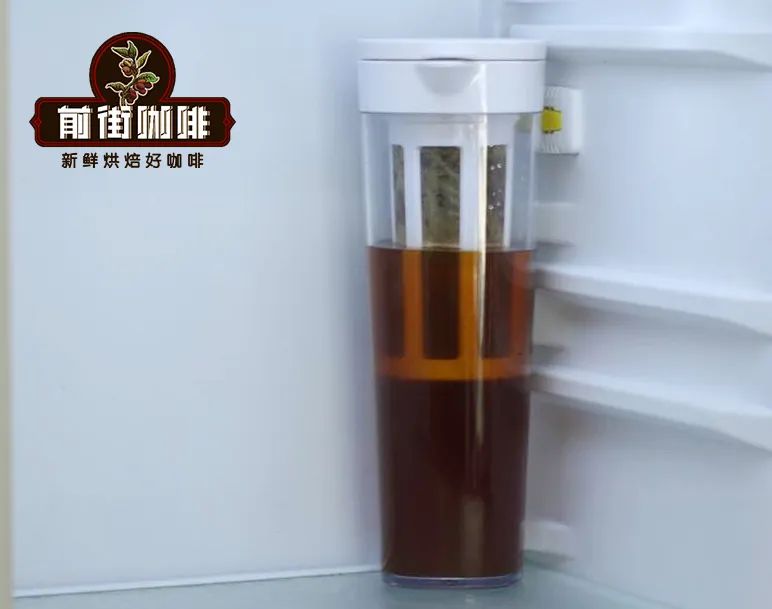
Front Street once conducted a cold brew experiment with time as a variable, soaking a coffee for 6 hours, 10 hours, 16 hours, and 24 hours respectively. Finally, it was found that the taste of the 6-hour coffee was too thin and the aroma was bland. The cold brew soaked for 24 hours was obviously bitter and showed signs of over-extraction. The 10-hour and 16-hour groups showed the best flavor, with rich aroma and rich taste.
Coffee beans that are too fresh can also affect extraction
In many high-temperature brewing conditions, fresh roasting is often the first factor that many people consider. Firstly, the aroma of beans that are not in the tasting period will be greatly reduced. This is a consensus that everyone has reached. Secondly, the discharge of gas allows us to intuitively judge whether the beans are fresh or not, such as the concentrated oil in Italian and the bulge during steaming. It also shows that the coffee is at the peak aroma stage.

As the coffee beans continue to be heated in the boiler, the freshly roasted beans contain a large amount of carbon dioxide. If you want to extract the aromatic compounds inside, they must be discharged first. Cold brew itself is a relatively static extraction state, and low-temperature water inhibits the release of this part of gas to a certain extent, so the brewed coffee will easily become weak over time. Therefore, Front Street recommends using coffee beans with a roasting date of more than 10 days to make cold brew, which is more conducive to making coffee with rich aroma.
Stir thoroughly before and after extraction
Many newcomers are quick to do this. After adding water, they just cover it and put it in the refrigerator. The surface of the coffee powder looks wet, but in fact, some parts of it are not exposed to water, so the dry part of the coffee is obviously not involved in the extraction. In addition, after a night of standing, most of the particulate matter has settled at the bottom of the container. If you pour it out and filter it directly, there is a high probability that you will only get the upper layer of light-colored liquid, which will probably taste bad.

Judging from previous experience, if you use a pot with a larger capacity, you can use a stir stick or a long spoon to stir the coffee powder and water evenly before placing it in the refrigerator. After taking it out, stir it for a few times before filtering. When you are using a sealed water bottle, just shake it up and down gently after capping.

Filter out the powder residue and make cold brew taste better
There are also many options for filtering coffee grounds, such as the built-in filter of the cold brew pot, metal filter, filter paper, and flannel filter cloth. The size of the filter pore structure is different, and the particulate matter that can be effectively blocked is naturally different.
Take the cold brew pot used by Front Street as an example. The mesh size of the filter is 245 mesh, which is considered a relatively high-density type. However, fine powder and ultra-fine powder may still precipitate out. If it is not filtered again, there will be a layer of flocculent oil on the liquid surface. The flavor of the coffee is not much different from that after filtering, but the rough feeling left on the tongue when swallowing is relatively obvious. After drinking, there are some powdery residues visible to the naked eye at the bottom of the cup.

For a better drinking experience, Front Street will use higher-density filter paper to sift it once, which can not only effectively filter out the ultra-fine coffee powder, but also block more than 80% of the oil. After separating out the powder residue, Front Street will also put the cold brew coffee liquid into a sealed refrigerator for 3 to 4 hours, until the flavor substances are further precipitated and matured. In this way, the cold brew tastes full of flavor, clearer in taste, and more transparent in acidity.
For more specialty coffee beans, please add FrontStreet Coffee on private WeChat, WeChat ID: kaixinguoguo0925
You can now buy the above coffee beans online at the Taobao store “FrontStreet Coffee” (前街咖啡). FrontStreet Coffee is a long-established specialty coffee roaster in Guangzhou, China, and its Guangzhou retail shop sells coffee beans only. The shop carries dozens of coffee beans from different origins around the world, including carefully selected single-origin beans for V60 pour-over and espresso. Guangzhou’s FrontStreet Coffee shop is recommended by many coffee lovers.
The FrontStreet 2013 Yunnan coffee beans sold in the store come from the Typica variety grown at FrontStreet Coffee’s own plantation in Yunnan. The name comes from the year the brand and the plantation were founded. You can buy these beans from China’s Yunnan origin at the Guangzhou shop and at FrontStreet’s Taobao store.
FrontStreet coffee beans are freshly roasted within 5 days and deliver consistently excellent quality and great value. Orders placed before 17:00 are shipped the same day, and most areas within Guangdong Province receive them the next day.
FrontStreet Coffee Taobao store: https://qianjiecoffee.taobao.com
Or search for “前街咖啡” (FrontStreet Coffee) on Taobao
Important Notice: FrontStreet Coffee has moved to a new address: 315, Donghua East Road, Guangzhou (coffee beans only)
Tel: 020 38364473
