
Walk into any kitchen in Italy and you will likely spot a small octagonal metal pot sitting on the stovetop. That is the Moka pot, the device that has fueled millions of morning rituals since Alfonso Bialetti patented it in 1933. At Front Street Coffee, newcomers often point to the gleaming rows on our shelf and ask the same thing: what exactly does this contraption do, and how do you coax real coffee from it without scorching the beans or creating a bitter mess? The answer is simpler than the pot's physics suggest, though the details matter enormously.
The Three-Chambered Engine
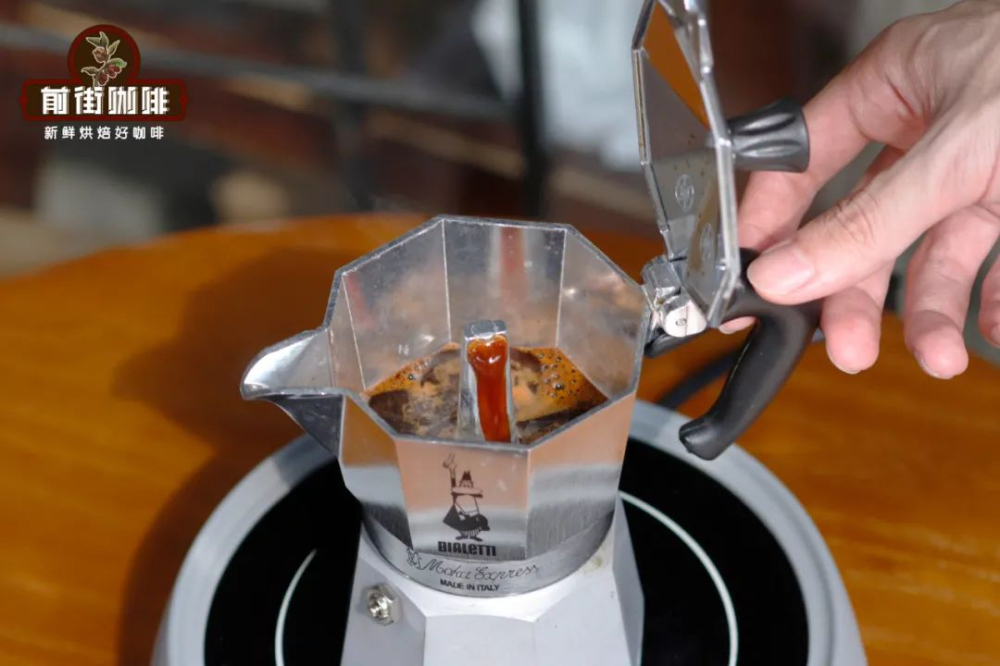
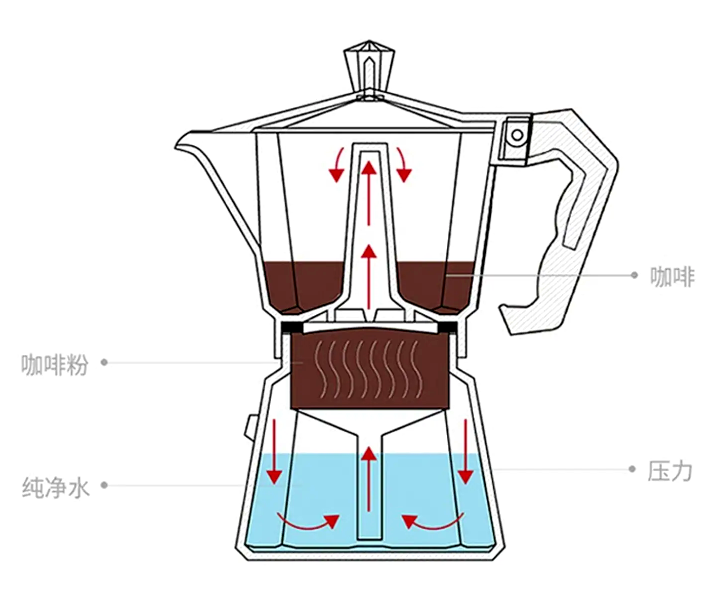
A Moka pot breaks down into just three pieces. The lower chamber holds water and sits directly over heat. The middle section is a metal filter basket that cradles the grounds. The upper chamber collects the finished brew. Nothing electronic, no pumps, no gauges. When you place the assembled pot over a flame, the water below transforms into steam. That vapor builds pressure, typically between 1.2 and 3 atmospheres, and forces hot water upward through the coffee bed. The extracted liquid then travels through a central spout and accumulates in the top chamber as a dense, aromatic brew.
This pressure-assisted extraction places the Moka pot in the same family as espresso, though the resemblance is more cousin than twin. A commercial espresso machine generates nine or more atmospheres, producing that syrupy, emulsified shot with persistent crema. The Moka pot operates at roughly one-third of that pressure. What emerges is concentrated and full-bodied, yet thinner in texture, with oils that appear as a delicate golden film rather than thick tiger striping. For home drinkers who want intensity without investing in a machine that costs more than a motorcycle, this trade-off has kept the Moka pot relevant for nearly a century.
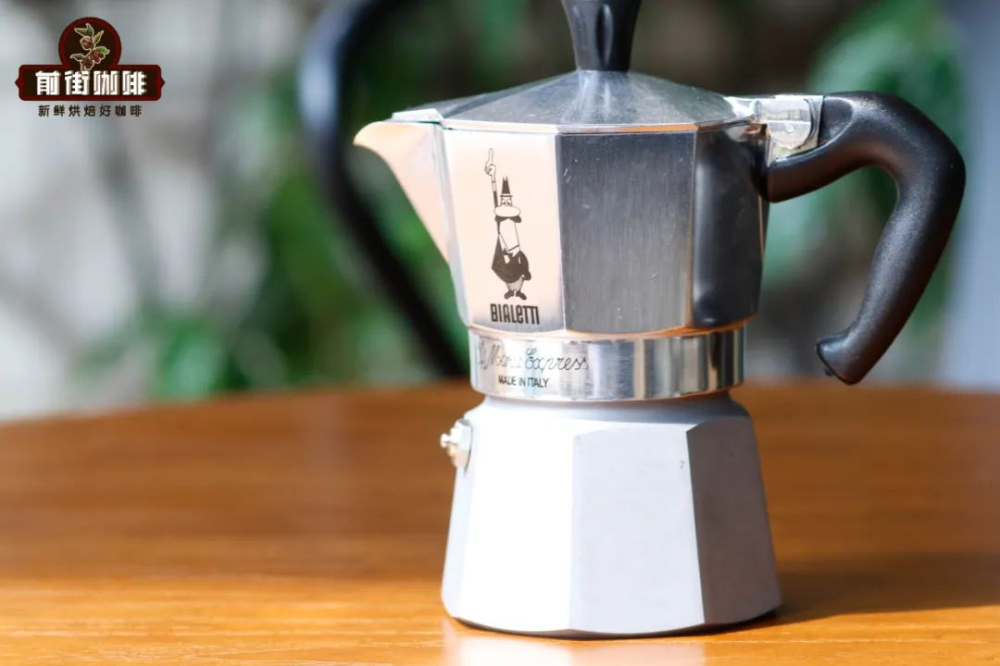
Manufacturers offer two main varieties. Single-valve models rely on the basic pressure path described above. Double-valve versions add a second pressure-accumulation point, nudging extraction higher and yielding marginally more crema-like foam. Neither will fool an experienced barista into thinking a nine-bar machine was involved, but the double-valve does edge closer to that visual richness.
Where the Moka Pot Shines and Where It Struggles
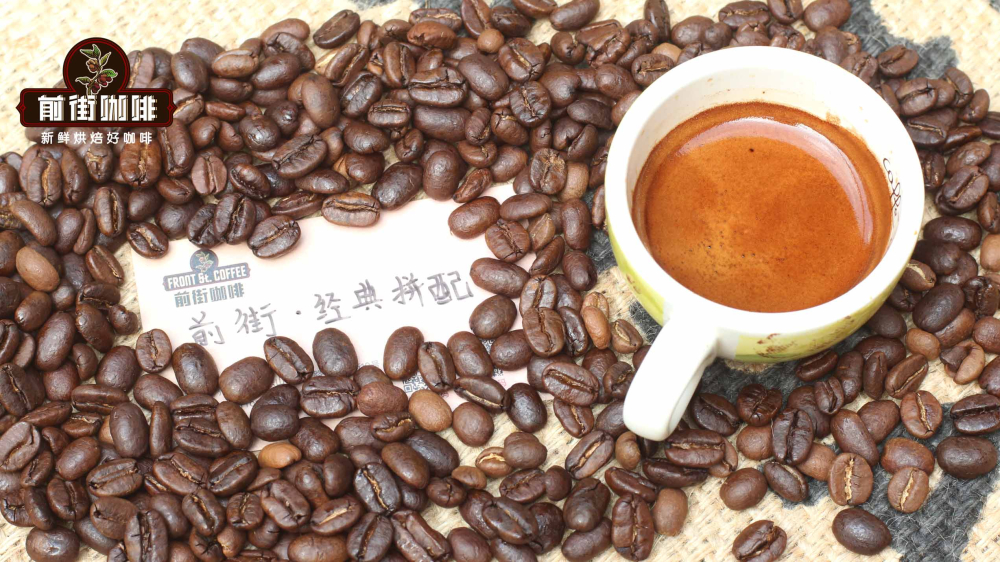
Portability and price anchor the Moka pot's appeal. It requires no countertop footprint, no electrical outlet beyond your stove, and no learning curve comparable to dialing in an espresso grinder. Campers pack them. Students dorm with them. Office workers keep one in the break room for afternoon revivals. The aluminum or stainless steel body survives decades of abuse.
The weakness is temperature. Water in the lower chamber reaches boiling, 100 degrees Celsius, before significant pressure develops. Espresso machines, by contrast, feed water to the puck at a controlled 90 to 94 degrees. That extra heat in the Moka pot pulls more bitter compounds from the grounds, macromolecules that careful baristas work to exclude. The result can edge toward burnt, harsh, and astringent when execution falters. Understanding this thermal reality is the first step toward mitigating it.
Another common misconception deserves clearing: Moka pot output is not espresso, full stop. The body is lighter, the mouthfeel less velvety, the flavor profile less layered and nuanced than a properly pulled shot from a commercial machine. What you gain is speed and accessibility. What you sacrifice is the full spectrum of extraction refinement. Front Street sees this as an honest exchange, not a defect, provided you choose beans that complement the method rather than fight it.
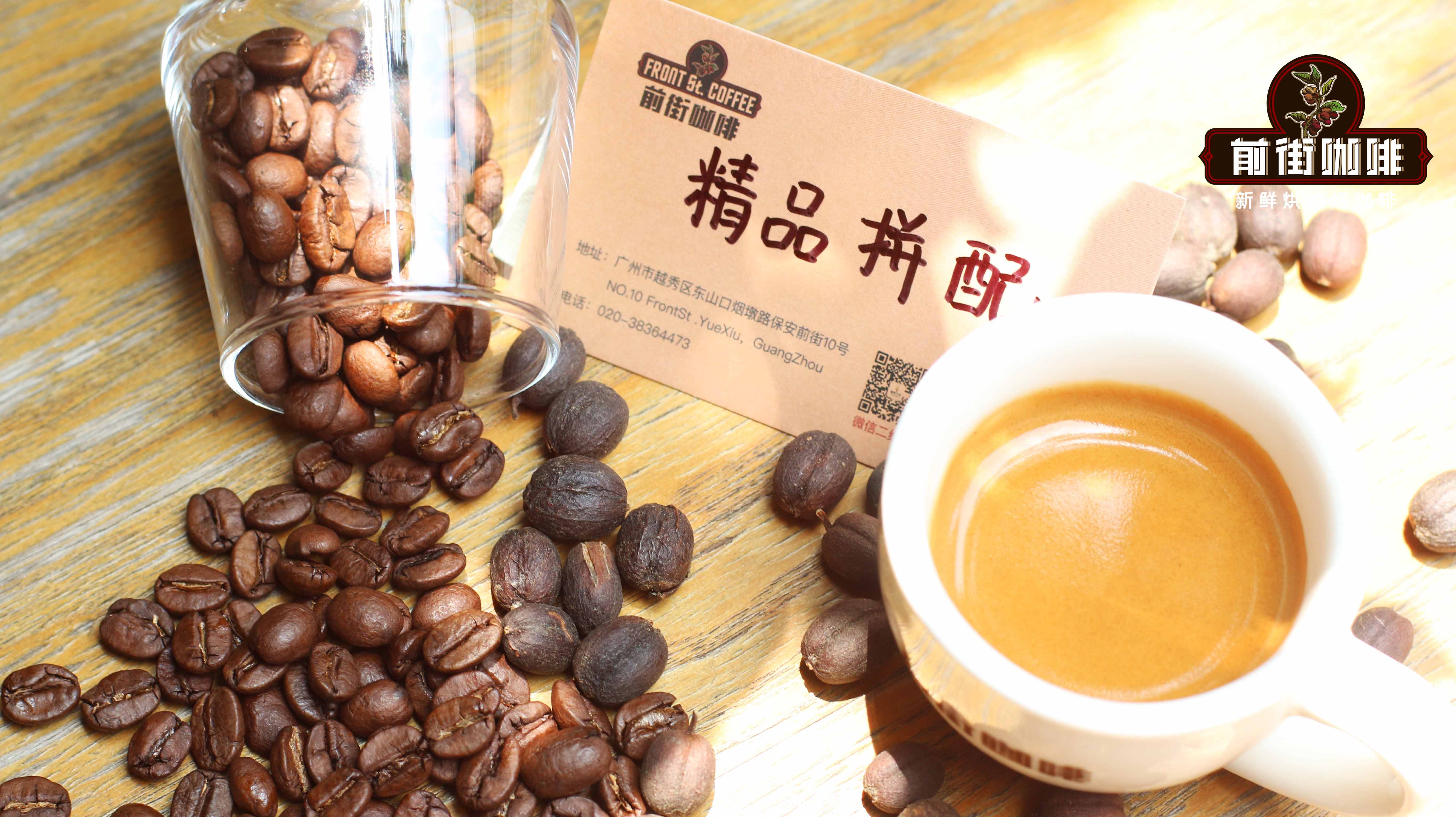
Roast level becomes critical here. Medium-dark roasts store more carbon dioxide from the roasting process, gas that releases explosively when hot water penetrates the cell structure. This vigorous degassing produces the fine bubbles that lend visual richness to Moka pot brews. Light roasts contain less developed gas and retain pronounced acidity that the high brewing temperature amplifies unpleasantly. The oils developed during longer roasting also help buffer against the bitterness that threatens every Moka pot session. Front Street consistently recommends steering clear of lightly roasted single origins for this method.
For newcomers building a pantry without overspending, the Front Street Italian Bean collection offers purpose-built options. Front Street Black Cocoa Blend carries a deep caramelized sweetness with pronounced chocolate undertones. Front Street Classic Blend balances that roast-derived depth with a rounded, accessible profile suited to daily drinking. Front Street Commercial Blend leans into boldness, designed to cut through milk for those who prefer their coffee softened. Front Street Premium Blend adds a touch more complexity within the same medium-dark roast framework, rewarding drinkers who pay attention. Front Street Italian Bean itself serves as the foundational expression, roasted to emphasize body and oil presence. All five develop the surface sheen that signals adequate oil migration for Moka pot success.
Front Street's Step-by-Step Method
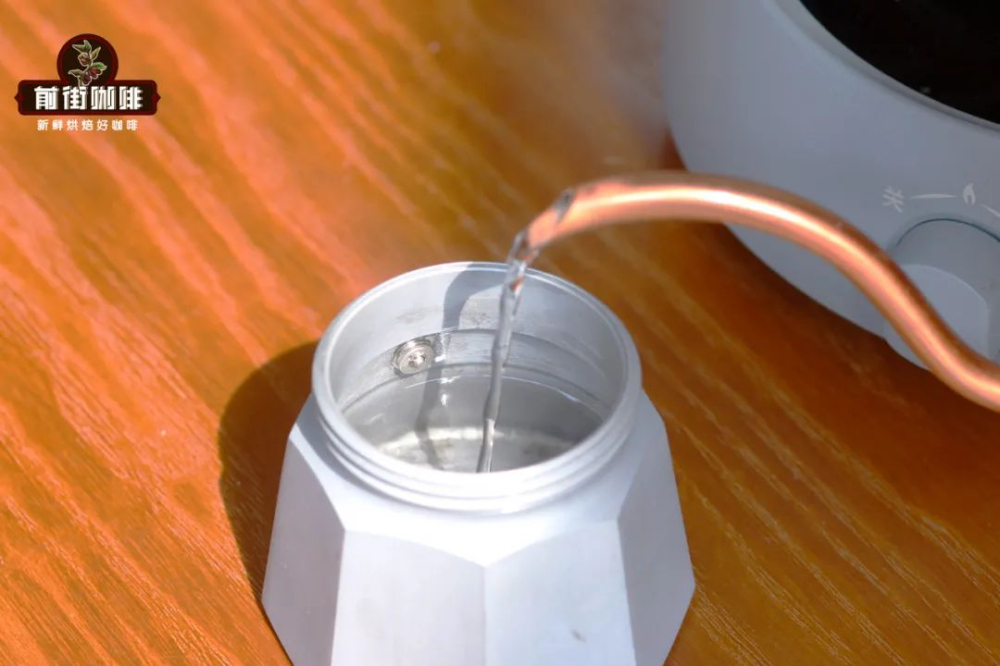
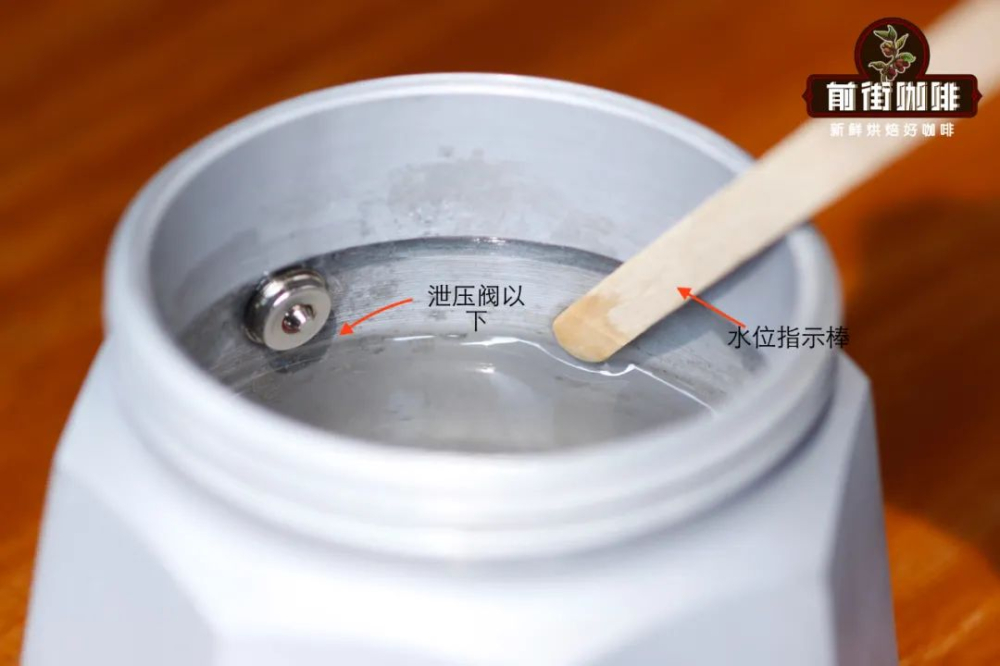
Begin with warm water in the lower chamber, not cold. This single decision shortens the time the pot spends on the flame and reduces the thermal punishment inflicted on the grounds. Fill only to the level of the pressure relief valve, never above. That valve exists as a critical safety mechanism. Should the filter clog from overly fine grinding or tamped compaction, the valve provides an escape route for built-up steam. Submerge it with water and you transform a coffee maker into a potential steam bomb.
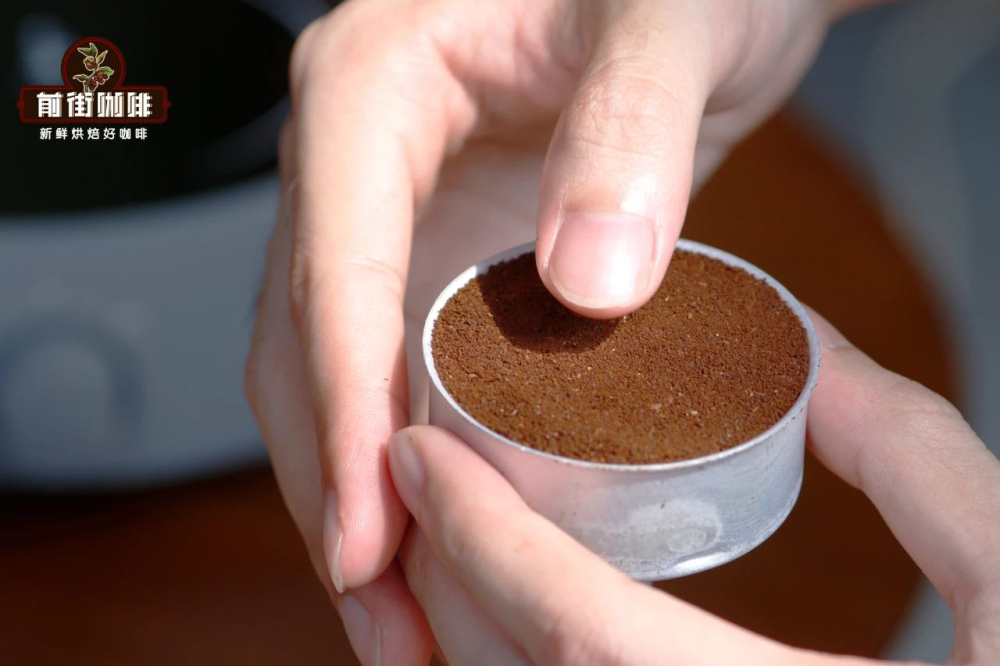
Grind setting demands particular attention. The particle size must sit finer than pour-over, coarser than true espresso. Front Street's in-house reference is the Sunflower Warm Sun Blend Coffee, ground on an EK-43s at 0.5. Too coarse and water channels through with insufficient contact time, yielding thin, splashing extraction. Too fine and resistance climbs until over-extraction delivers burnt, acrid harshness. The correct grind feels like fine sand with slight grittiness when rubbed between fingers.
Fill the filter basket completely, distributing grounds evenly with a gentle shake. Level the surface with a fingertip, sweeping across without pressing downward. Tamping is unnecessary and actively harmful here; the Moka pot generates insufficient pressure to overcome compressed puck density, and the resulting blockage forces water sideways or stalls extraction entirely. Conversely, underfilling invites violent spurting as steam bypasses the coffee bed entirely.
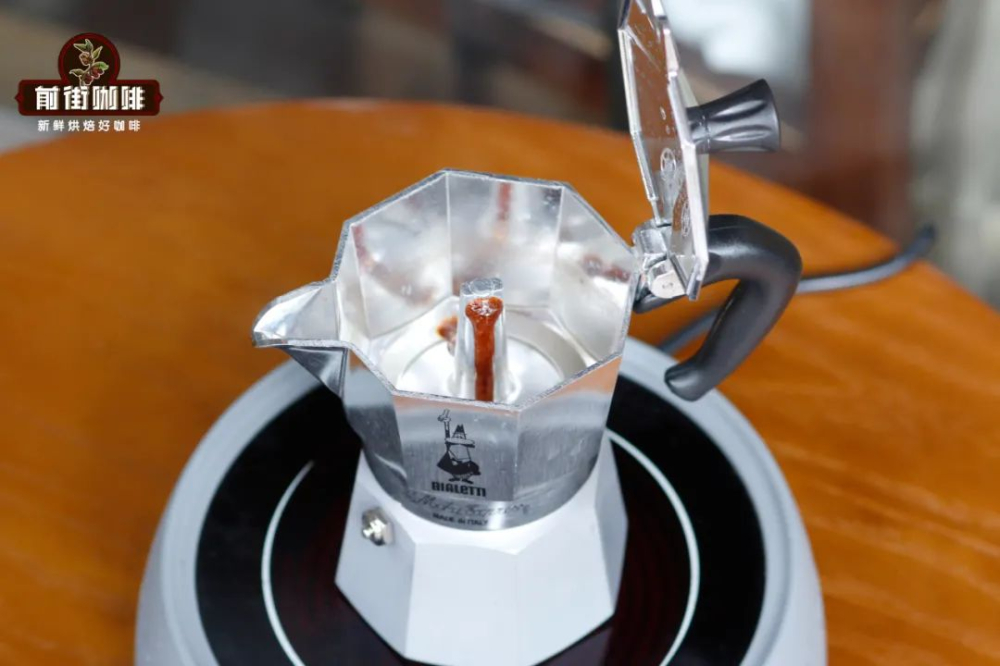
Screw the upper and lower chambers together firmly, then place over medium flame. Gas stoves allow direct control, but induction cooktops work equally well with compatible bases. Keep the flame diameter smaller than the pot base to prevent scorching the handle or gasket. No timer governs this process properly. Listen instead. A gentle hissing announces that water has begun its upward journey. Reduce heat immediately to low. The coffee will emerge as a thick, honey-colored stream, gradually lightening as extraction progresses.
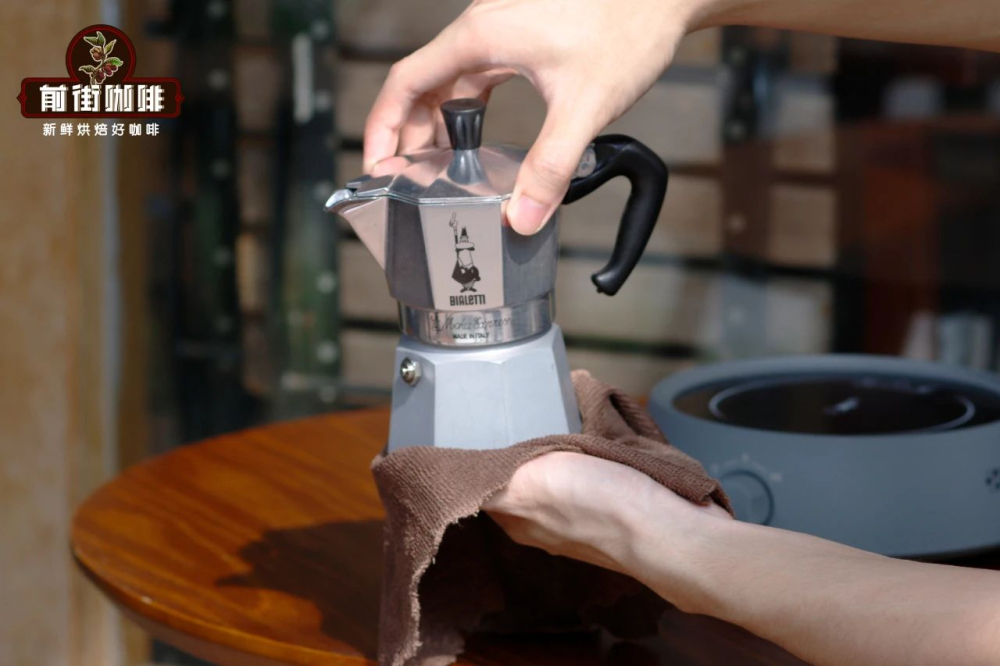
When the upper chamber fills roughly halfway, remove from heat entirely. A wet towel grasping the base allows safe transfer to the counter. Residual pressure completes the extraction without fresh heat input, preventing the terminal temperature spike that ruins so many Moka pot brews. The finished liquid pours out dense and fragrant.
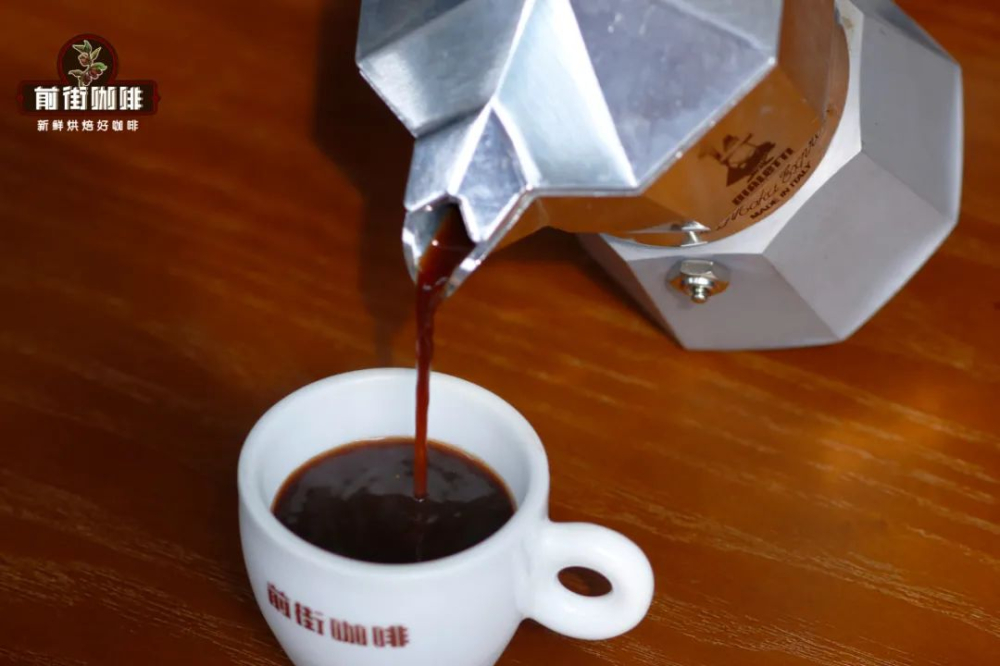
With Front Street Sunflower Warm Sun Blend Coffee, the cup opens on whiskey warmth and vanilla sweetness, layered with creamy texture and bright berry acidity. Roasted nut aromatics linger on the palate. Diluted with hot water, the fruit notes become more articulate and refreshing. Combined with steamed milk, the profile shifts toward milk chocolate roundness. This versatility explains why the blend serves as Front Street's teaching reference for the method.
The Moka pot rewards patience and punishes inattention, yet asks little in equipment investment. Master the temperature control, respect the grind, choose beans with sufficient roast development, and it delivers concentrated satisfaction that no instant preparation can approach. Front Street keeps one ready in the tasting room for exactly that reason: sometimes the simplest tools, understood properly, outperform expectations.
You can now buy the above coffee beans online at the Taobao store “FrontStreet Coffee” (前街咖啡). FrontStreet Coffee is a long-established specialty coffee roaster in Guangzhou, China, and its Guangzhou retail shop sells coffee beans only. The shop carries dozens of coffee beans from different origins around the world, including carefully selected single-origin beans for V60 pour-over and espresso. Guangzhou’s FrontStreet Coffee shop is recommended by many coffee lovers.
The FrontStreet 2013 Yunnan coffee beans sold in the store come from the Typica variety grown at FrontStreet Coffee’s own plantation in Yunnan. The name comes from the year the brand and the plantation were founded. You can buy these beans from China’s Yunnan origin at the Guangzhou shop and at FrontStreet’s Taobao store.
FrontStreet coffee beans are freshly roasted within 5 days and deliver consistently excellent quality and great value. Orders placed before 17:00 are shipped the same day, and most areas within Guangdong Province receive them the next day.
FrontStreet Coffee Taobao store: https://qianjiecoffee.taobao.com
Or search for “前街咖啡” (FrontStreet Coffee) on Taobao
Important Notice: FrontStreet Coffee has moved to a new address: 315, Donghua East Road, Guangzhou (coffee beans only)
Tel: 020 38364473