
For more knowledge about specialty coffee, please follow the WeChat public account: FrontStreet Coffee
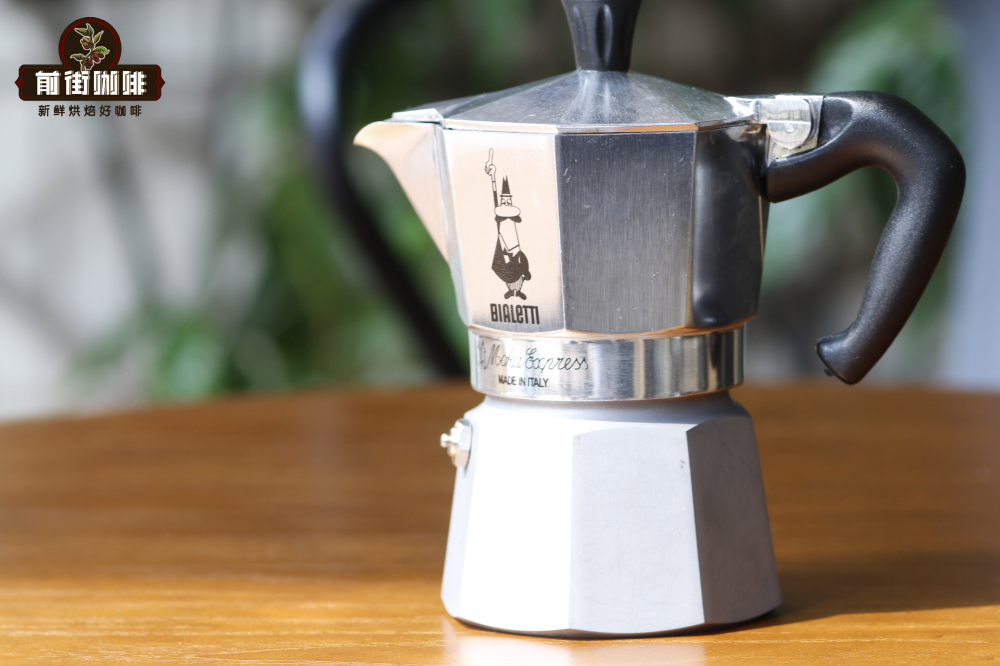
Bialetti is the most famous Moka pot brand. The Moka pots it produces still retain the most classic shape. If you have been to the Front Street store, you will definitely remember the classic octagonal pot lying on the display shelf. This is the classic style Moka pot produced by Bialetti.

The birth of the Bileti Moka Pot
The earliest method of brewing coffee was to boil coffee powder directly on the stove with water and then filter and drink it. In the 19th century, some people began to try to use steam to brew coffee, hoping to brew a strong cup of coffee in a very short time. At the beginning of the 20th century, the industrial revolution began to ferment around the world. The Italians created an espresso coffee machine that was as shaped and powerful as a steam train boiler. The dazzling metal shell had brass accessories, and it had full sound and light effects when brewing coffee. The steam train was an epoch-making product, allowing people to travel quickly from one place to another. It did not disappoint when used in making coffee. The modern sense and the taste of coffee were perfectly combined. The cafe was like a magnet attracting Italian men, who had a good excuse to leave home at any time.
Compared with the coffee in cafes, the coffee that women drink at home is far inferior. This situation did not completely change until 1933, when Alfonso Bialetti invented the first appliance that completely improved home coffee. This coffee appliance is the Moka pot we are familiar with today. What is even more amazing is that this Moka pot has never changed at all since it was originally designed by Bialetti. Whether it is material design or even appearance, what we see today is exactly the same as the first Moka pot born in 1933. Its unique shape even ranked on the same list as the 1946 Vespa motorcycle and the 1957 Fiat 500 in a poll of Italy's most influential designs in the 20th century.
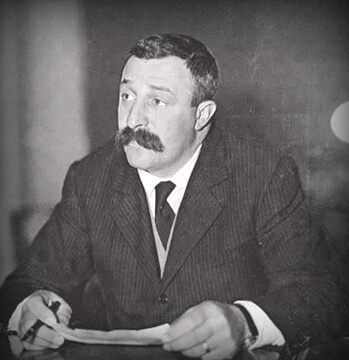
The smart Bialetti made the Moka pot so that people could brew coffee as good as a cafe at home. This octagonal-shaped Moka pot really took off after his son Renato inherited the mantle.
After the Second World War, Renato returned to Italy from Germany and reopened the machinery and equipment that his father had packed during the war. In addition, he made good use of marketing skills from reading pages, newspapers, broadcasts and even large three-dimensional product sculptures outside exhibition halls. The production of Moka Express, a Moka pot, expanded from 10,000 units per year in his father's time to 1,000 units per day. It even achieved a global sales volume of 300 million units from 1950 to the end of the 20th century!
Times are changing, and the materials of Moka pots have also evolved from aluminum to various types. However, in addition to the mass production of some parts of the Moka Express Moka pot produced by Bialetti using industrial technology, the lower pot used to hold water at the bottom is still handmade since its creation in 1933. This is why its internal surface looks like a handmade product. The genuine Moka pot produced by the Italian Bialetti factory has a cartoon image of a man with a mustache pointing upward as if ordering a cup of coffee. This is the logo shape of the Bialetti Moka pot created by Renato based on the image of his father. Now, in addition to appearing in 90% of Italian households, it has also firmly occupied a place in the hearts of coffee-loving groups around the world.

Moka pot coffee making principle
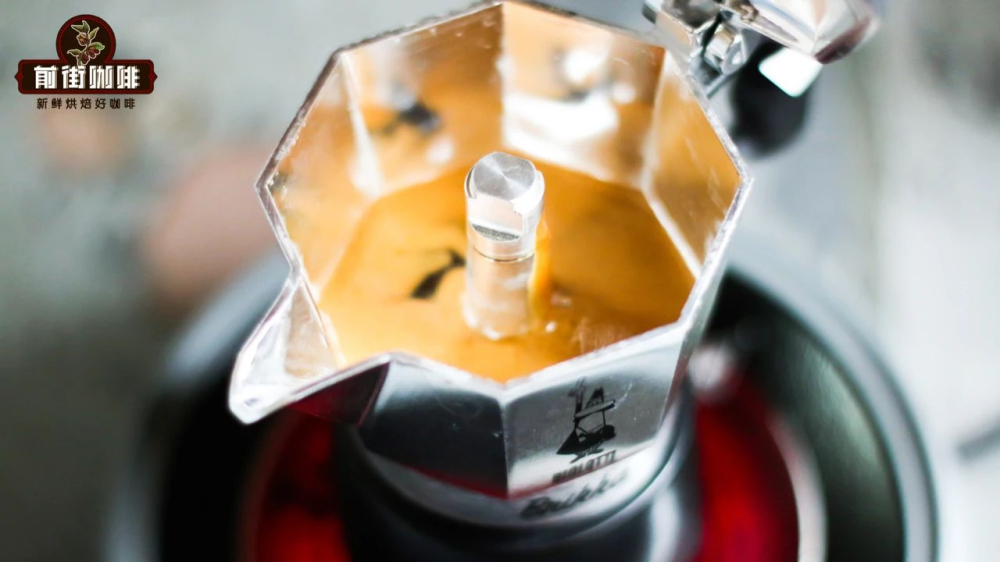
The Moka pot is mainly divided into three structures. The bottom layer is for water, the middle layer is for coffee powder, and the top layer is for coffee. First, fill the lower layer with water, the middle layer with coffee powder, and join the three parts together. Then the pressure is built up by heating, allowing the water to be sucked up through the metal pipe in the middle, extracting the coffee powder in the middle layer, and finally the coffee liquid spurts to the top layer.
How to use Moka pot to make coffee
Many friends have been asking Front Street how to use the Moka pot to make coffee. Front Street here agreed to reply. First of all, you need to choose the right coffee beans and the corresponding grinding degree. Because the Moka pot uses pressurized extraction, it is suitable for some darker roasted coffee beans.
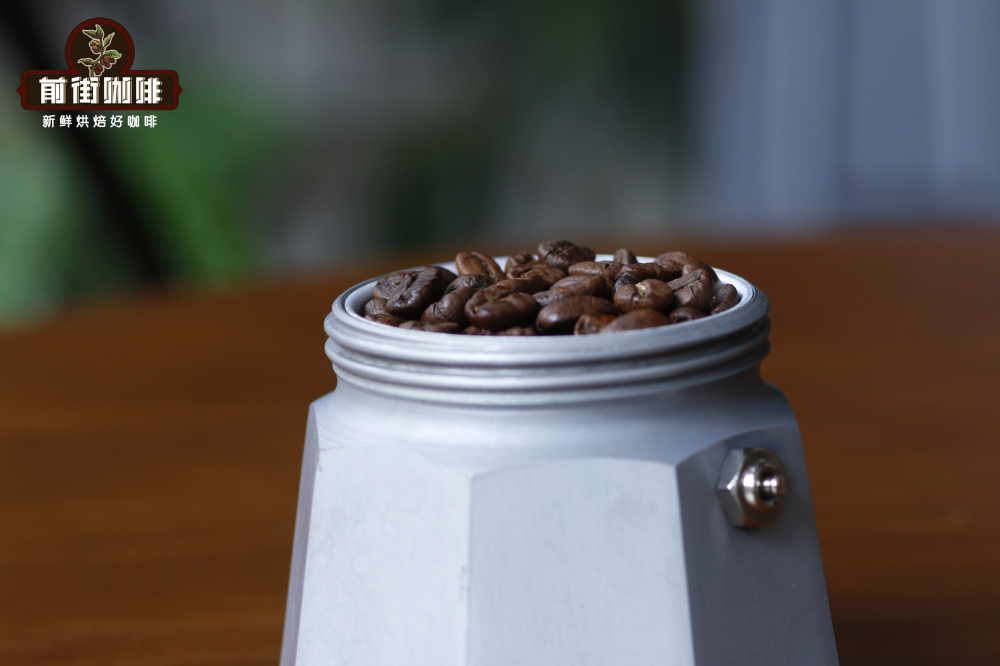
If you want to create the aroma of buttery peanuts and macadamia nuts, buy Front Street Queen's Manor; if you want a low-acid and mellow taste, choose Front Street PWN Golden Mandheling; if you're looking for cost-effectiveness, buy the Front Street Italian Bean series, which include the Front Street dark cocoa blend highly recommended by baristas, the grease-filled Front Street Classic blend, the Front Street Commercial blend tailored for coffee shops, and the Front Street Boutique blend with mixed nutty aromas.

The grinding degree is also very important for the Moka pot. If it is too fine, the coffee liquid will most likely not come up, and it will also increase the pressure in the lower pot. If the pressure is not released well, there will be a risk of explosion. Therefore, if the water has boiled and the coffee liquid has not come out for a long time, the heating source should be turned off in time. It doesn’t work if it’s too thick, because if the resistance is too small, the coffee liquid will spurt out, and there is a risk of splashing and burns. The thickness recommended by Front Street is EK-43s#3-3.5 scale (fine powder).
Specific operations
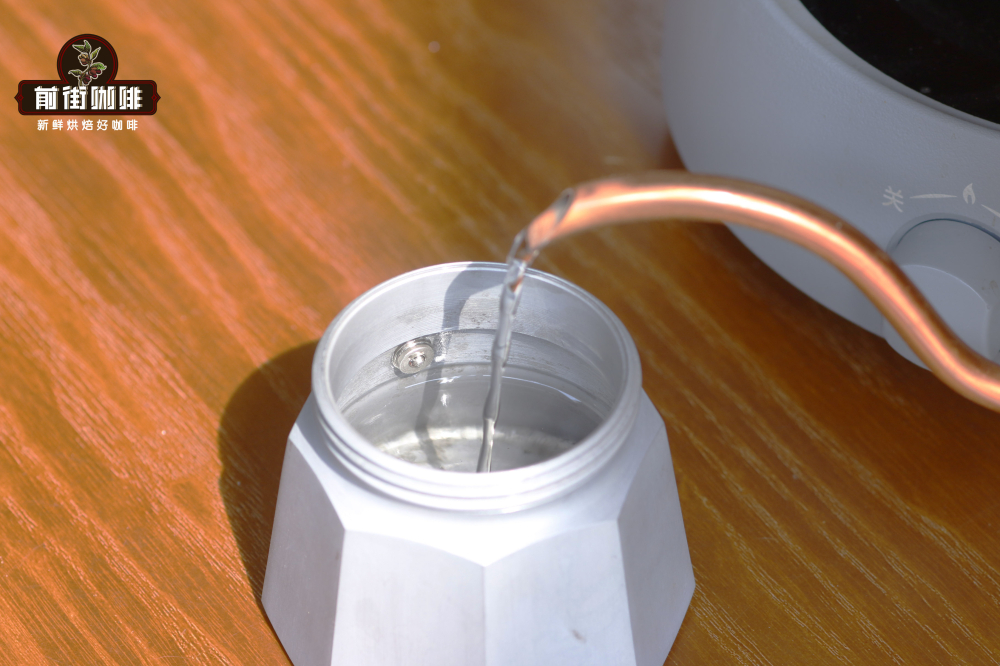
1. Pour hot water into the pot to 0.5cm below the pressure relief valve. Choosing hot water can better shorten the time of brewing coffee.
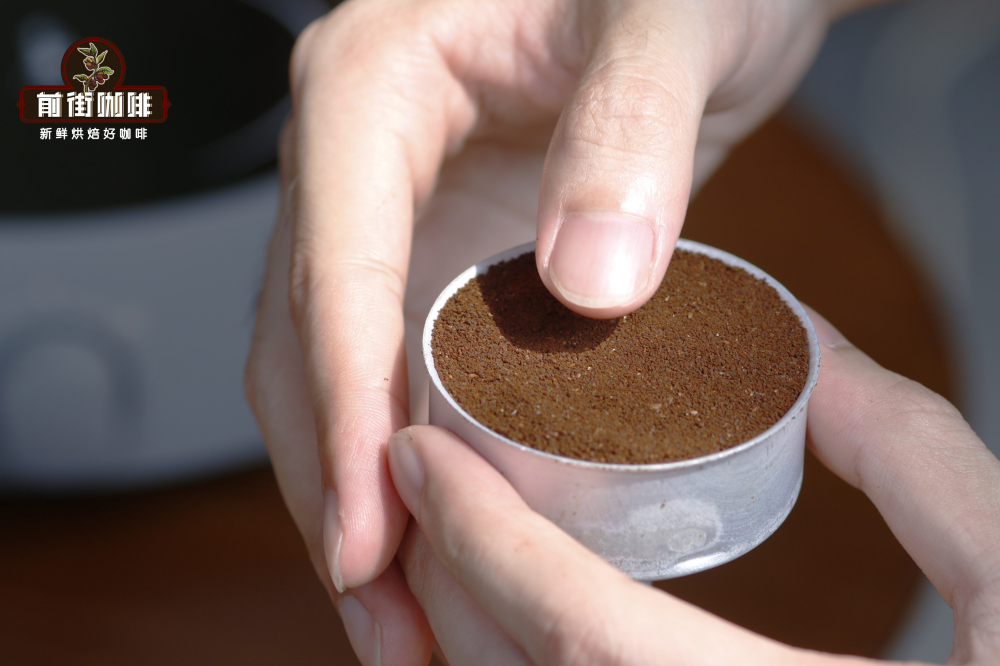
2. Pour the ground coffee powder into the powder trough, tap it left and right, and let the coffee powder squeeze downward naturally. And smooth the surface of the powder layer. The purpose of this is to make the space between the powder particles evenly distributed, and not to squeeze to prevent the resistance of the powder layer from being too large.
3. Put the powder trough into the lower pot, and tighten the upper pot and the lower pot. Place it on the electric clay pot, turn on the power and start heating.
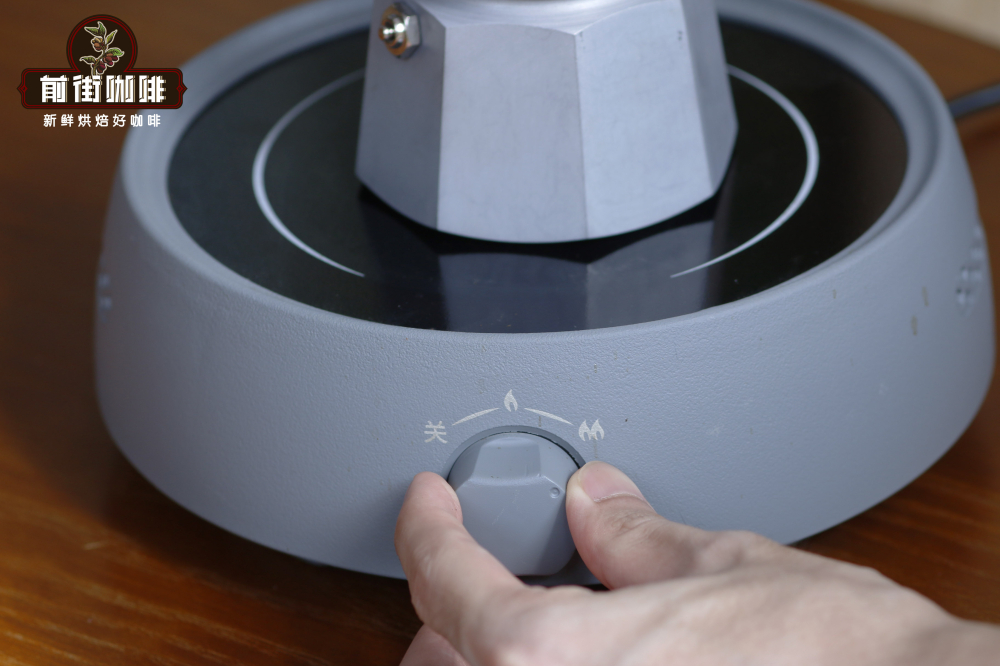
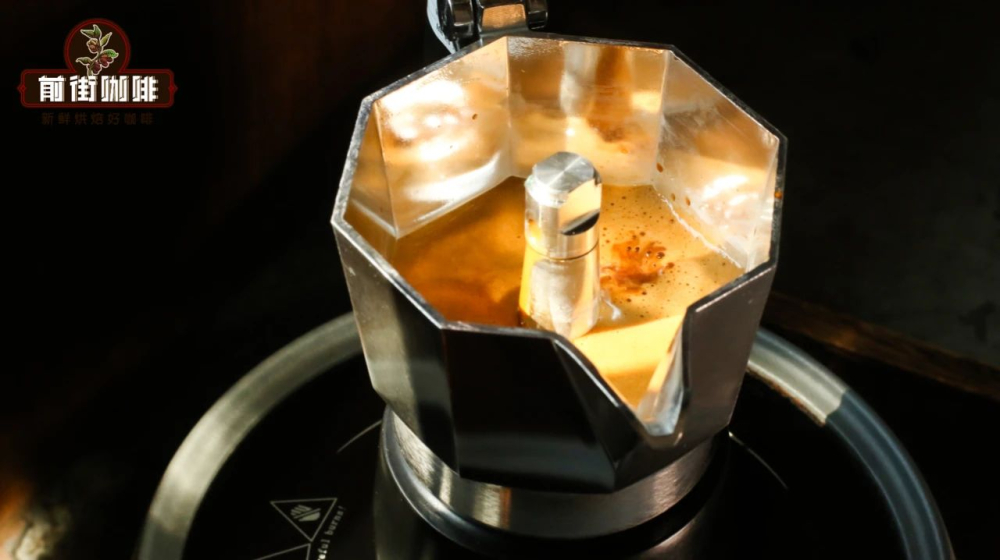
4. When the Moka pot heats up to a certain temperature, and when the Moka pot makes a distinct "whining" sound, set the electric ceramic stove to low heat and open the lid of the upper pot, and the coffee liquid and oil will begin to flow out.
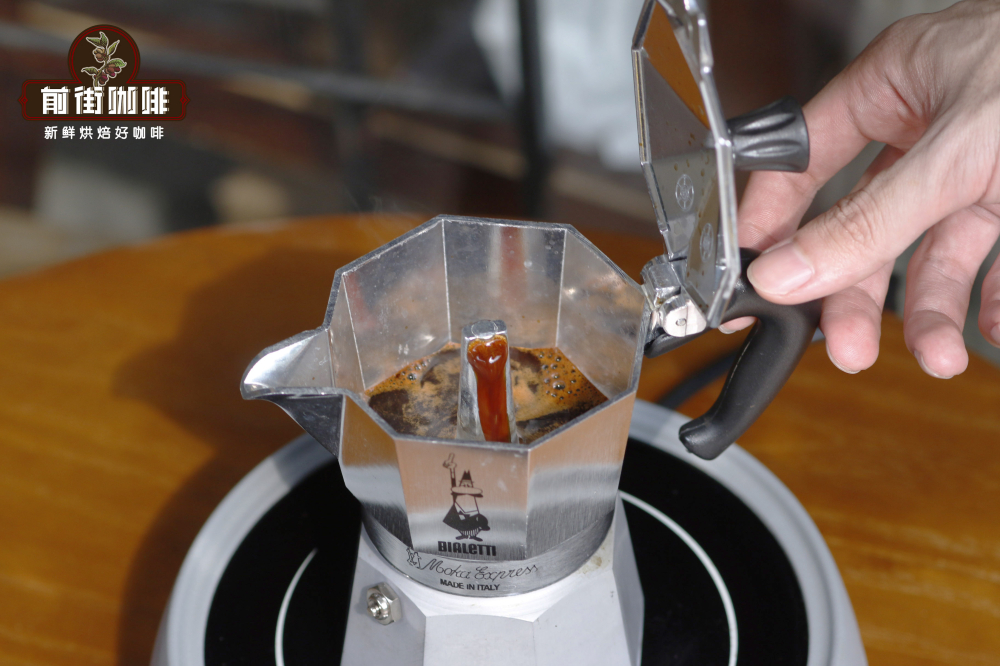
5. When the coffee liquid in the pot is halfway out, turn off the electric ceramic stove. and moved the moka pot to the table. The residual heat and pressure of the Moka pot will "push" the remaining coffee liquid into the upper pot.
You can now buy the above coffee beans online at the Taobao store “FrontStreet Coffee” (前街咖啡). FrontStreet Coffee is a long-established specialty coffee roaster in Guangzhou, China, and its Guangzhou retail shop sells coffee beans only. The shop carries dozens of coffee beans from different origins around the world, including carefully selected single-origin beans for V60 pour-over and espresso. Guangzhou’s FrontStreet Coffee shop is recommended by many coffee lovers.
The FrontStreet 2013 Yunnan coffee beans sold in the store come from the Typica variety grown at FrontStreet Coffee’s own plantation in Yunnan. The name comes from the year the brand and the plantation were founded. You can buy these beans from China’s Yunnan origin at the Guangzhou shop and at FrontStreet’s Taobao store.
FrontStreet coffee beans are freshly roasted within 5 days and deliver consistently excellent quality and great value. Orders placed before 17:00 are shipped the same day, and most areas within Guangdong Province receive them the next day.
FrontStreet Coffee Taobao store: https://qianjiecoffee.taobao.com
Or search for “前街咖啡” (FrontStreet Coffee) on Taobao
Important Notice: FrontStreet Coffee has moved to a new address: 315, Donghua East Road, Guangzhou (coffee beans only)
Tel: 020 38364473
