
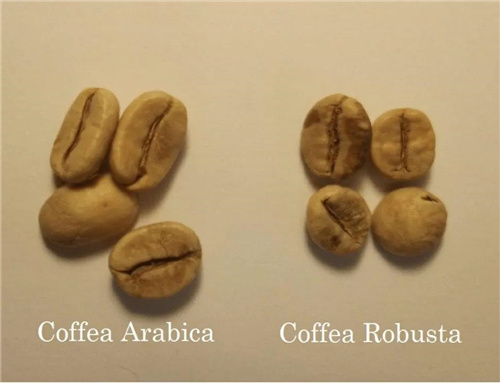
The process of turning coffee cherries into coffee beans is called processing. There are more and more methods for processing coffee beans, but in fact, the common processing methods are still the traditional ones: sun drying, water washing, semi-water washing, and honey treatment.
The structure of the coffee fruit, a cherry-like coffee fruit, consists of peel, pulp, pectin layer, parchment (seed shell), silver skin, and seeds from the outside to the inside. The thickness of the pectin layer is about 1-2mm. It can be thought of as the translucent layer outside tomato seeds and is difficult to remove. The green beans we usually buy are actually the innermost seeds, and perhaps some residual silver skin.
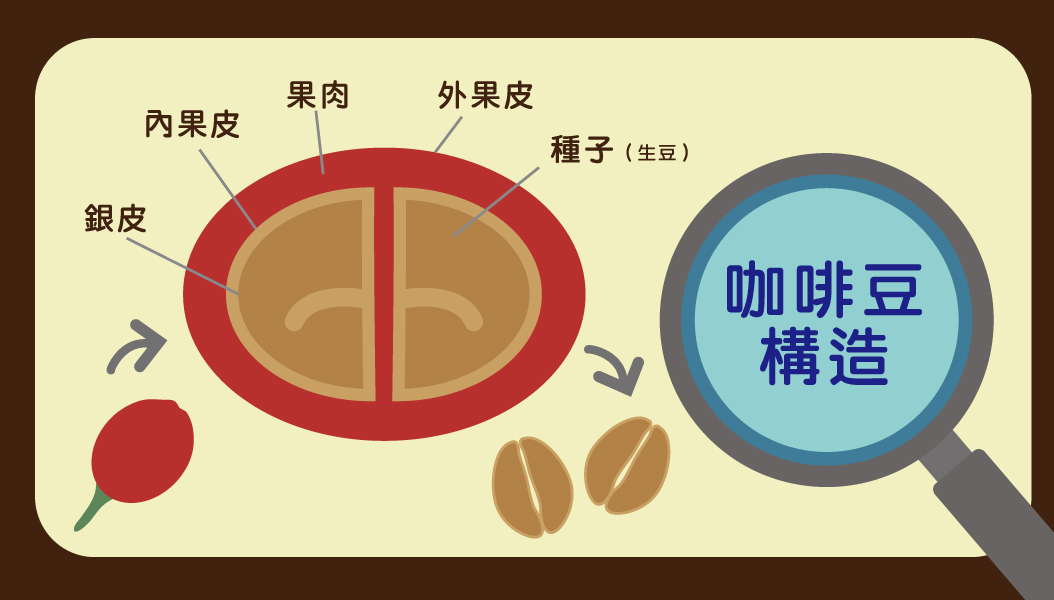
Various processing methods have the same purpose, which is to remove the skins and extract the beans. Economic considerations based on cost, as well as differences in natural environmental conditions such as climate, make the process of extracting beans not necessarily the same, but the process will affect the results!
Sun exposure method:
Sun-drying is the oldest and most trouble-free method of processing green beans.
1. Screen out floating beans
Pour the harvested coffee fruits into a large tank. The mature and full fruits will sink to the bottom; the underdeveloped or overripe fruits will float to the surface, and these floating beans need to be removed.
2. Sun drying
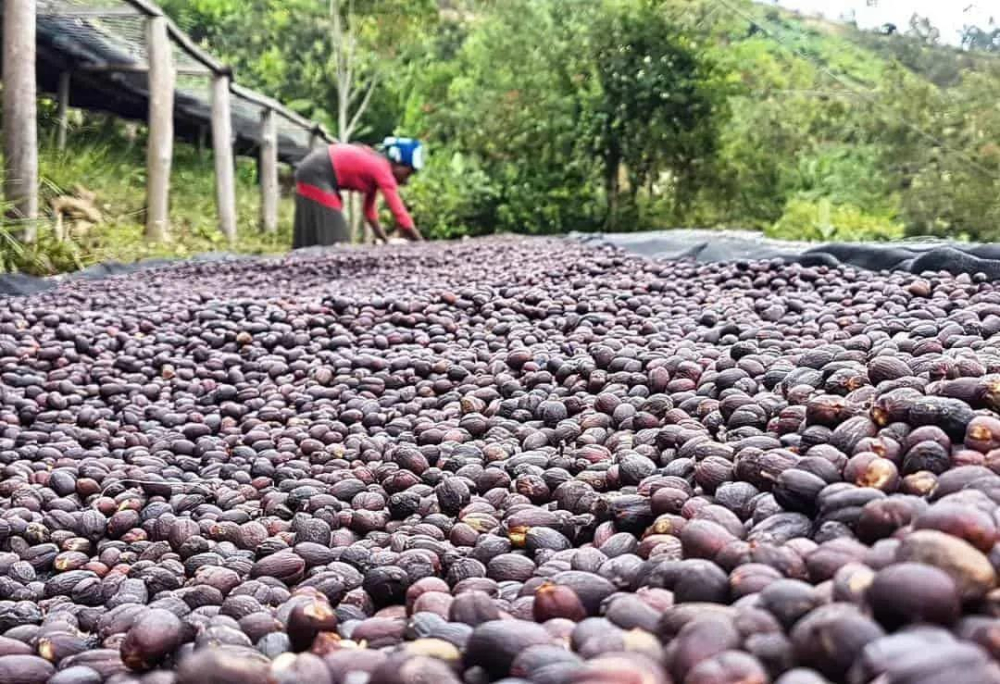
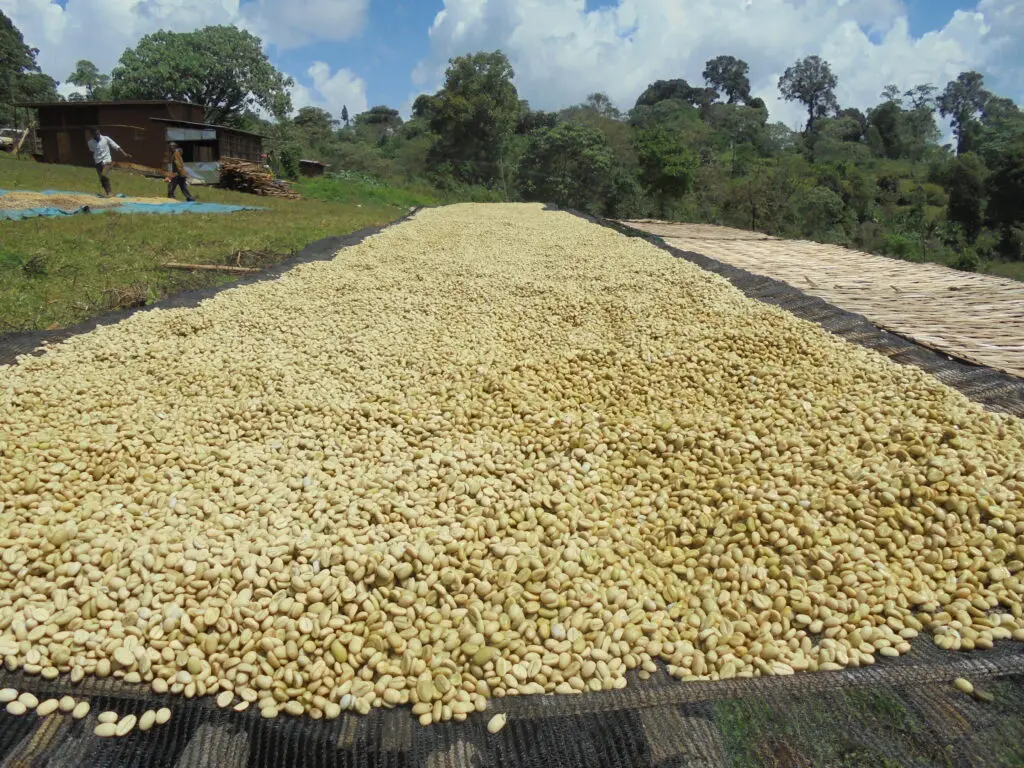
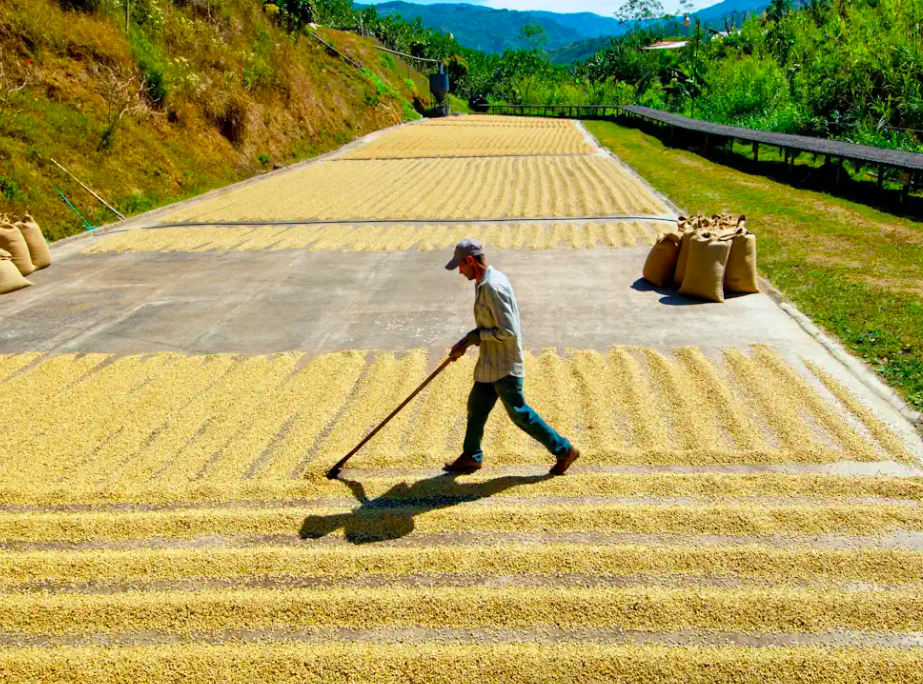
Then, the whole coffee cherries, including the flesh and skin, are placed in the bean drying field to be dried in the sun and naturally dried to a moisture content of about 12%, which takes about two to four weeks, depending on the climate of the place of origin.
3. Shelling
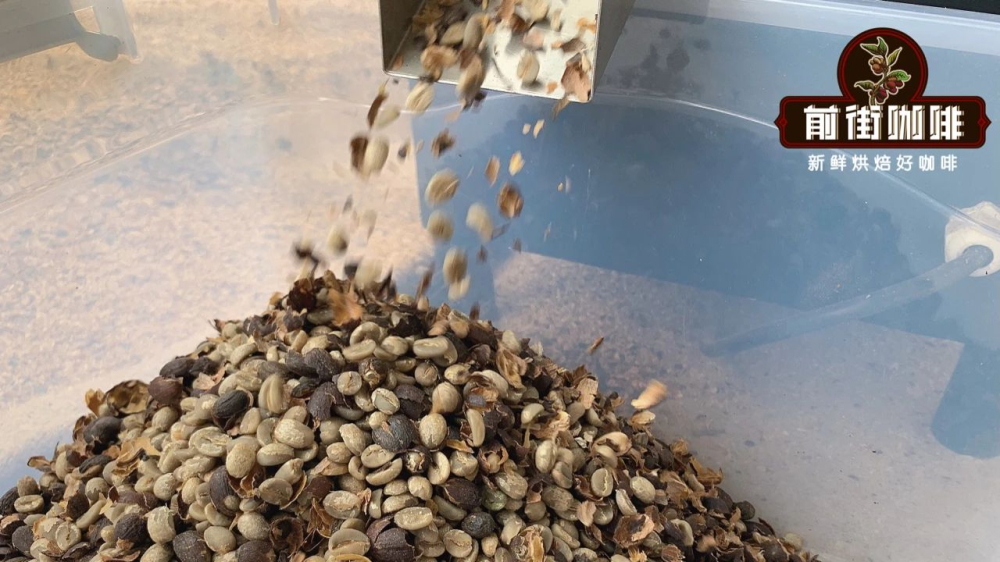
The dried fruit will be dried naturally, and the hard peel, pulp and parchment will be removed with a shelling machine, and the raw beans will appear.
Advantages of tanning
1. Simple and low processing cost.
2. The raw beans are naturally dried in the pulp and absorb the essence of the fruit, so the fruity aroma is rich, the sweetness is obvious, and the body is excellent.
Disadvantages of tanning
1. In some production areas, floating beans are not screened out during sun-drying treatment, resulting in quality defects.
2. During the drying process, the pulp is prone to mold due to the return of climate, contaminating the raw beans.
3. Machine shelling will inevitably damage the green beans and cause appearance defects.

Recommended sun-dried coffee beans: Front Street Sun-dried Coffee Beans
Country: Ethiopia
Origin: Guji
Altitude: 2200-2250 meters
Treatment method: Sun treatment
Variety: Local native species
Roast degree: medium light roast
Flavor:Tropical fruits, strawberry cream, citrus, dried mango, caramel, black tea
Water washing method:
The water washing method is currently the most common method for processing green beans.
1. Screen out floating beans (same as sun-drying method)
2. Remove the pulp
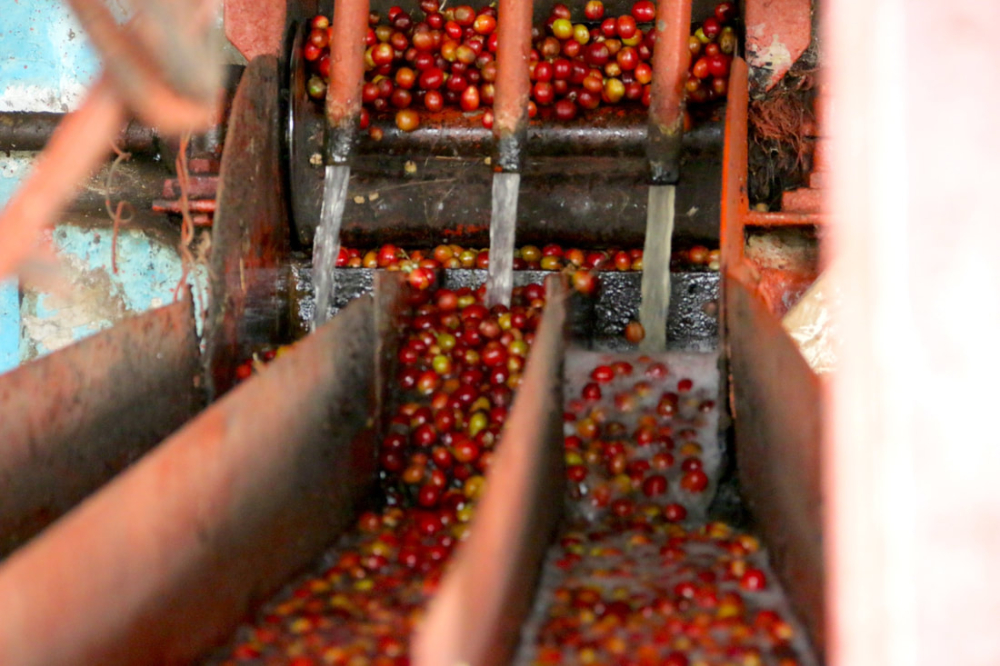
The fresh fruits are sent to the pulping machine to remove the peel and pulp. Immature fruits will be screened out at this stage because the pulp is not easy to separate. After passing through the pulp screening machine, all that remains are pectin, pectin and seeds.
3. Fermentation to remove pectin
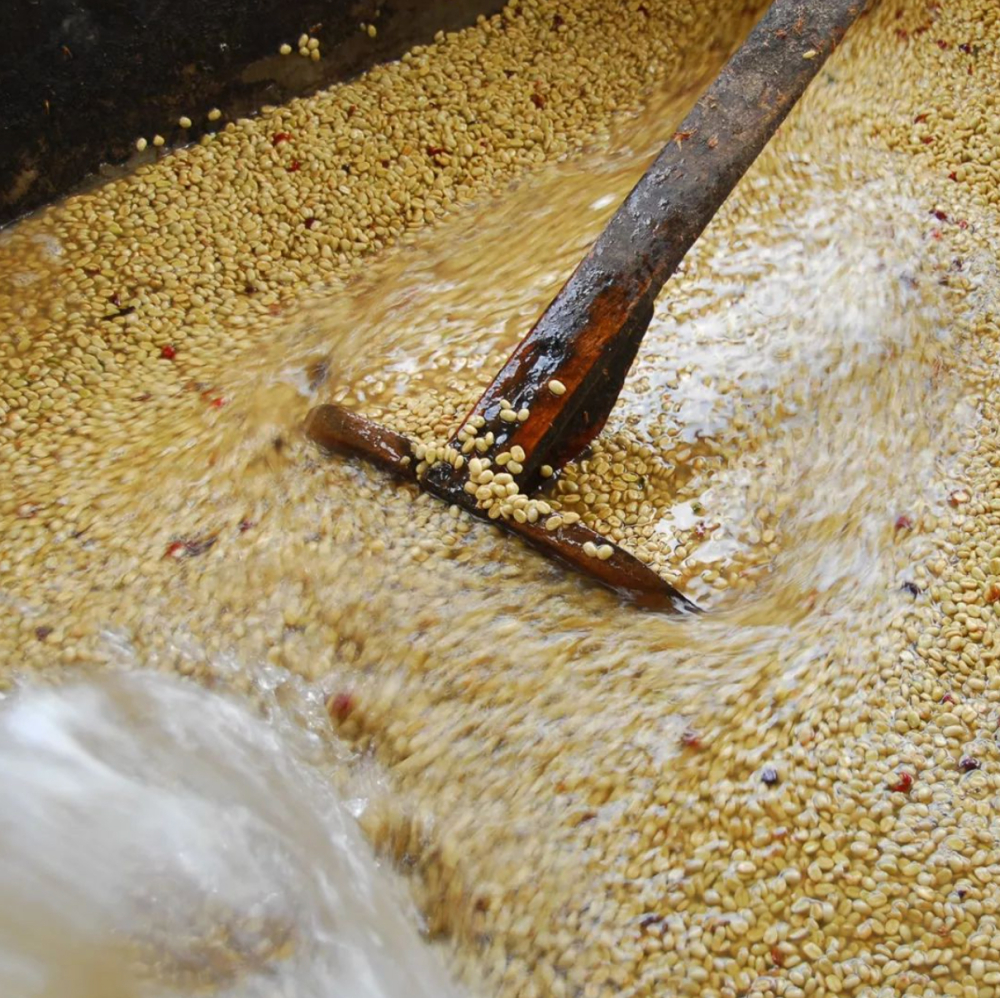
Move the pulp-removed seeds with pectin into the fermentation tank. Although the name says it is a water [washing] method, it does not actually wash away the pectin. Instead, it uses a fermentation process to remove the pectin through biological decomposition. The fermentation process takes about 16-36 hours. During this period, frequent stirring is required to accelerate the separation of pectin from the seeds. Washed fermentation will produce acidic substances such as citric acid, malic acid and acetic acid. These acid values will penetrate into the raw beans, making the beans produced by the washed method more sour than those produced by the sun-dried method. After the fermentation is completed, the actual washing is done - the beans are washed again.
4. Drying
After washing, it also needs to be dried in the sun or machine to reduce the moisture content to 12%. Since the pulp has been removed in the water-washing method, there is no need to worry about the mold-prone problem during the drying process like the sun-drying method. The dried sheepskin beans are not as hard as the sun-dried beans containing pulp and peel. They can be ground and shelled with a hulling machine to obtain green beans.
Advantages of water washing method
1. The green beans are dark green in color, complete in appearance, and sell well.
2. The sourness and brightness are better than those of sun-dried beans, and the flavor is also cleaner.
Disadvantages of water washing method
1. To obtain 200G of green beans, 1 kilogram of fruit needs to be washed, and about 2-10 liters of purified water needs to be consumed. The cost is high.

Recommended washed coffee beans: Front Street. Washed coffee beans
Country: Ethiopia
Origin: Yirgacheffe
Variety: Local native species
Altitude: 2100m
Treatment: washed
Flavor:Citrus, jasmine, honey, berry, the overall flavor is clean, with obvious floral and citrus sour notes.
Semi-washing method (semi-sun drying method):
An improved treatment method to reduce the water consumption of traditional washing methods
1. Sieve out floating beans (same as washing method)
2. Remove the pulp (same as washing with water)
3. Machine to remove pectin
Originally, the water washing method used fermentation to remove pectin. The improved method used a pectin scraper (demucilager) to mechanically remove pectin.
4. Drying
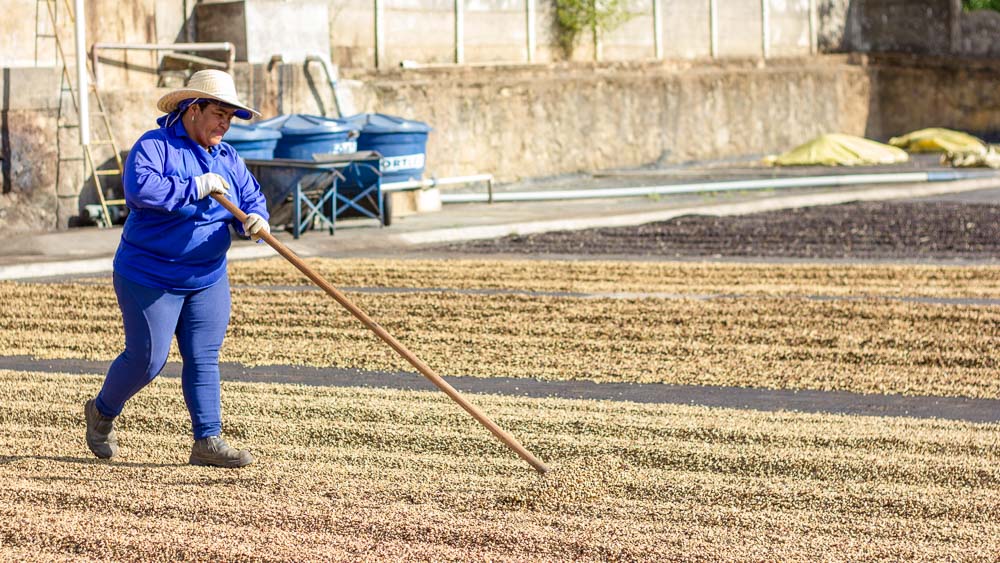
Sun-dried or mechanically dried to a moisture content of 12%, the flavor of semi-washed beans is between sun-dried beans and washed beans. There is no acidity in washed beans and no sweetness in sun-dried beans.
Advantages of semi-washing
With the cleanliness of the water washing method, there is no need to consume a lot of water.
Disadvantages of semi-washing
Although it is a mixture of washing and sun-drying methods, its process is just as tedious as washing.
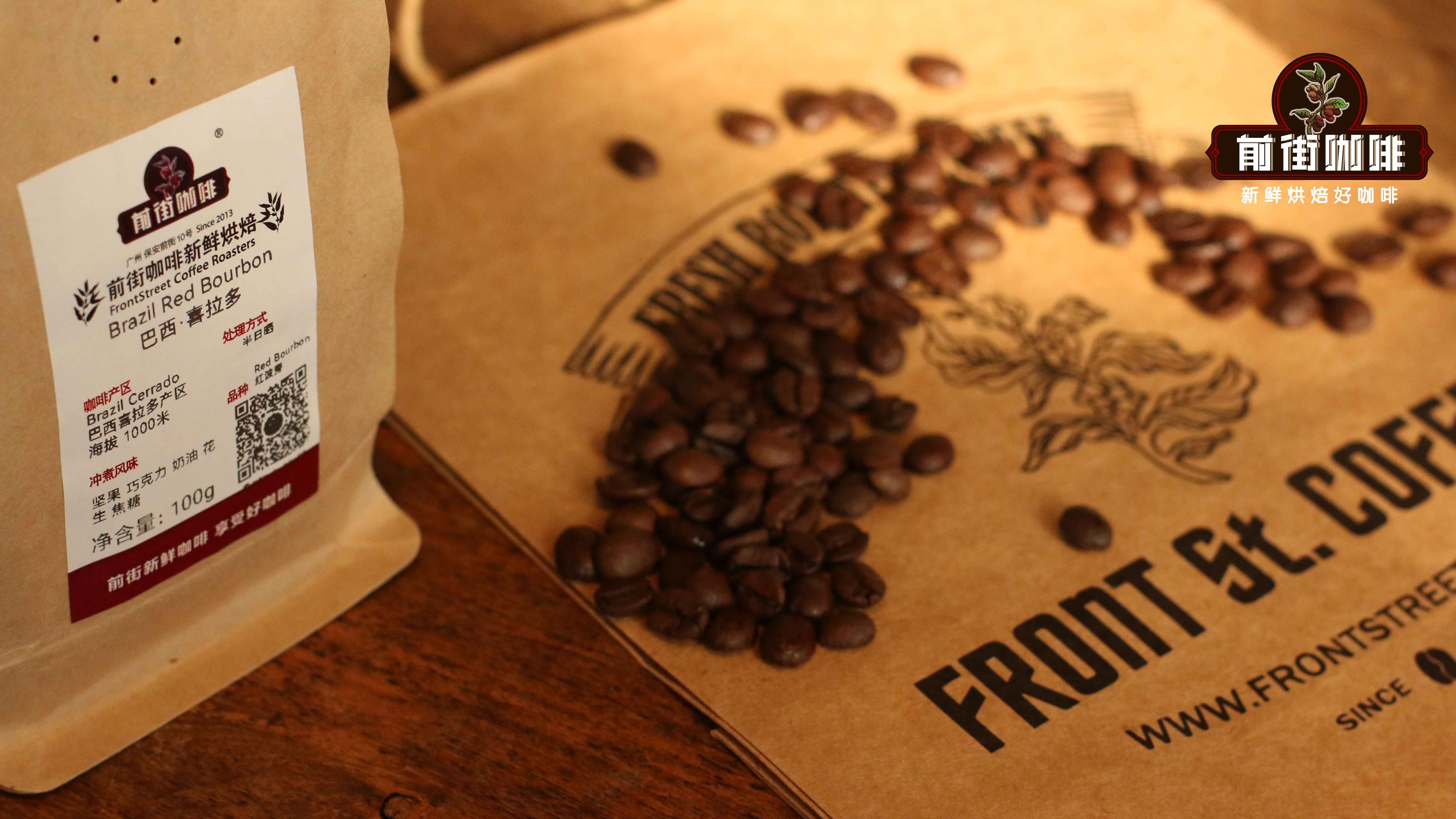
Recommended semi-washed/half-dried coffee beans: Front Street. Half-dried Brazilian Cerato
Country: Brazil
Origin: Cerado
Variety: Red Bourbon
Treatment method: semi-washed
Altitude: 1600m
Flavor: Nuts, cream, chocolate, caramel
Honey processing method:
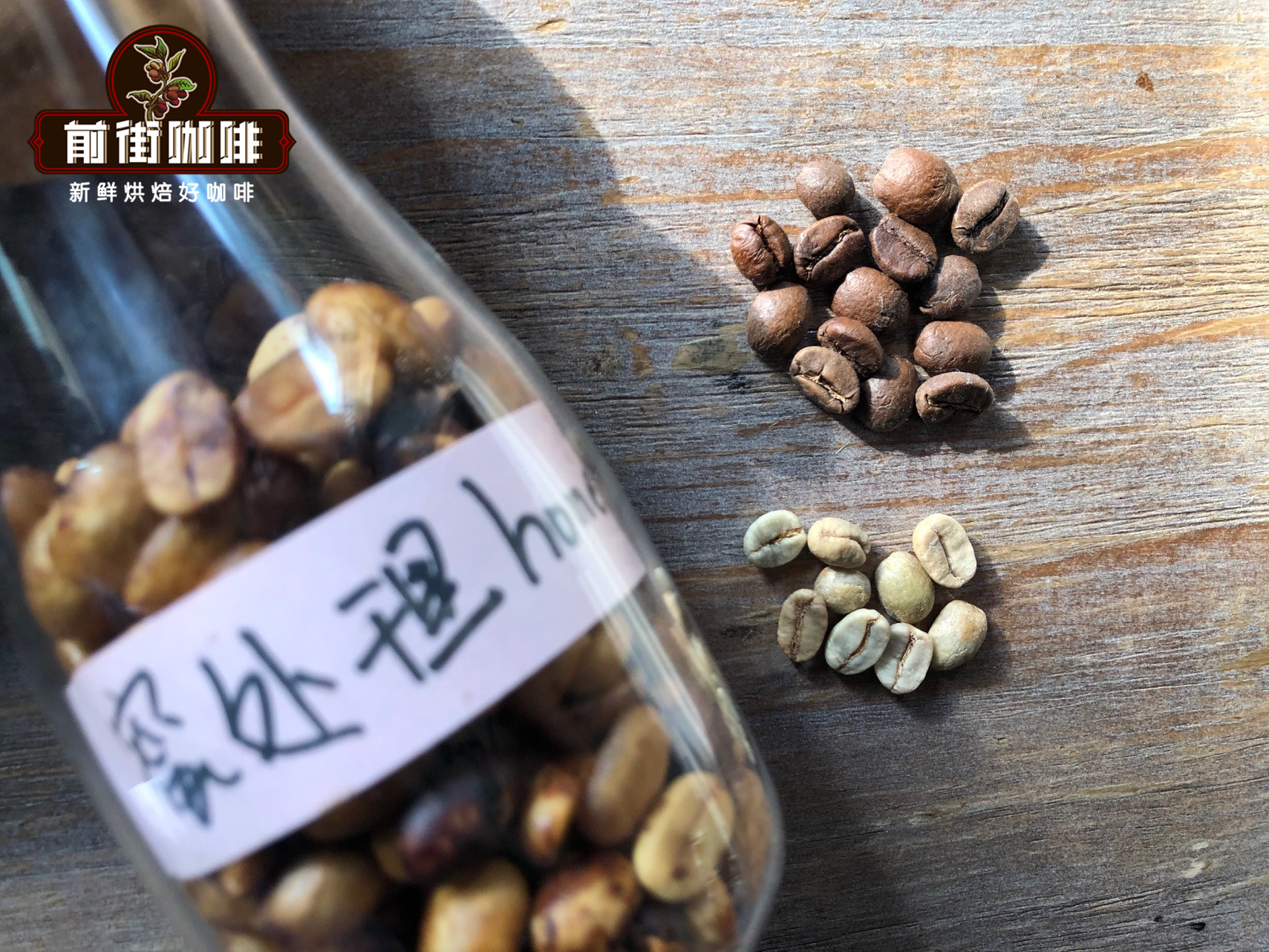
What is the honey processing method: According to its original meaning in English, its scientific name should be "pulp natural". It is the same as the traditional wet processing method. It removes the thick peel of the coffee cherry and retains the mucilage layer below it. Then it does not use fermentation to remove the mucilage layer. Instead, it allows it to be directly dried with this layer, and then directly removes the mucilage layer and shell (parchment).
Taste characteristics:
The advantage of the honey processing method is to enhance the body and sweetness of the coffee (so it is also called honey process or miel process in English), relatively reduce its acidity, and the aroma will be more delicate.
Difficulties with Honey Processing:
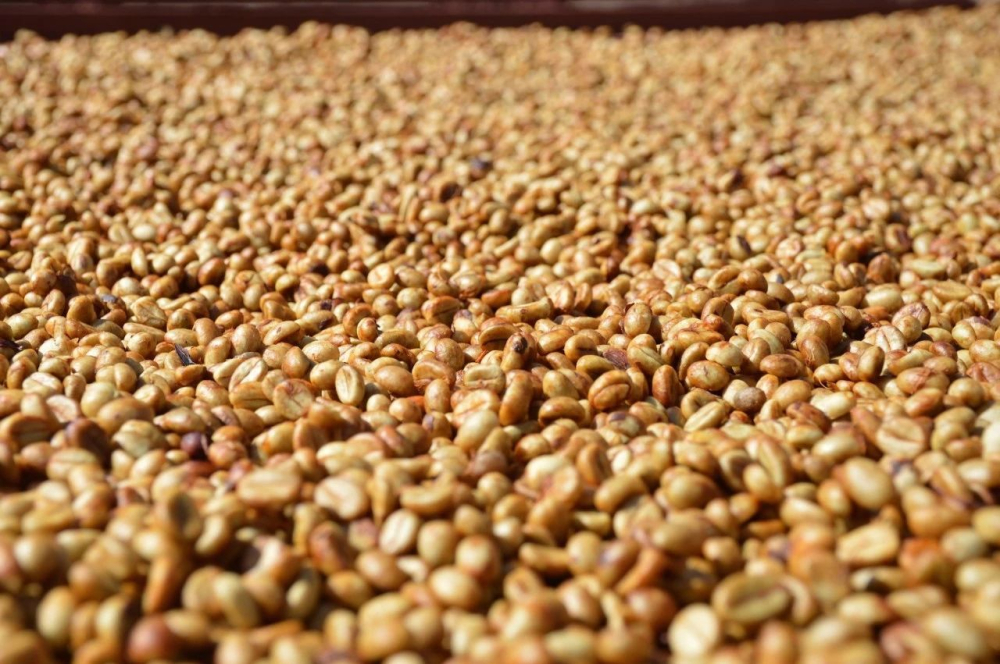
1. During the sun-drying process, since the sticky pulp layer is still on the coffee beans, it must be turned frequently in the first few days to prevent the coffee beans from sticking into a ball. Therefore, it requires more manual work than the general washing method.
2. If it cannot be dried as soon as possible, it will easily become over-fermented.
3. If the turning is insufficient, or the overall environment is too humid and too cool, or the sticky pulp layer is left too thick, the coffee beans will easily become moldy. Therefore, some coffee farms will use machines to control the thickness of the sticky pulp layer, so that the coffee beans can be dried faster and the overall taste will be more consistent.
4. Compared with the wet treatment method, it requires a larger space and the number of days required for drying is also longer.

Recommended honey-processed coffee beans: Front Street. Honey-processed blackberries
Country: Costa Rica
Production area: Tarazhu
Altitude: 1800m
Breed: Catura
Processing method: black honey processing
Flavor: Floral, blueberry, grape, sweet orange, caramel
You can now buy the above coffee beans online at the Taobao store “FrontStreet Coffee” (前街咖啡). FrontStreet Coffee is a long-established specialty coffee roaster in Guangzhou, China, and its Guangzhou retail shop sells coffee beans only. The shop carries dozens of coffee beans from different origins around the world, including carefully selected single-origin beans for V60 pour-over and espresso. Guangzhou’s FrontStreet Coffee shop is recommended by many coffee lovers.
The FrontStreet 2013 Yunnan coffee beans sold in the store come from the Typica variety grown at FrontStreet Coffee’s own plantation in Yunnan. The name comes from the year the brand and the plantation were founded. You can buy these beans from China’s Yunnan origin at the Guangzhou shop and at FrontStreet’s Taobao store.
FrontStreet coffee beans are freshly roasted within 5 days and deliver consistently excellent quality and great value. Orders placed before 17:00 are shipped the same day, and most areas within Guangdong Province receive them the next day.
FrontStreet Coffee Taobao store: https://qianjiecoffee.taobao.com
Or search for “前街咖啡” (FrontStreet Coffee) on Taobao
Important Notice: FrontStreet Coffee has moved to a new address: 315, Donghua East Road, Guangzhou (coffee beans only)
Tel: 020 38364473
