
For more knowledge sharing about specialty coffee, please follow the WeChat public account: FrontStreet Coffee
"I'm not in the cafe, I'm on the way to the cafe." For Italians who love coffee, latte is a very familiar drink. On a beautiful morning, drinking a cup of latte makes me feel very comfortable and comfortable. So, what exactly is a latte? How is it made? Let’s learn and taste it with Front Street Coffee!
What is a latte?
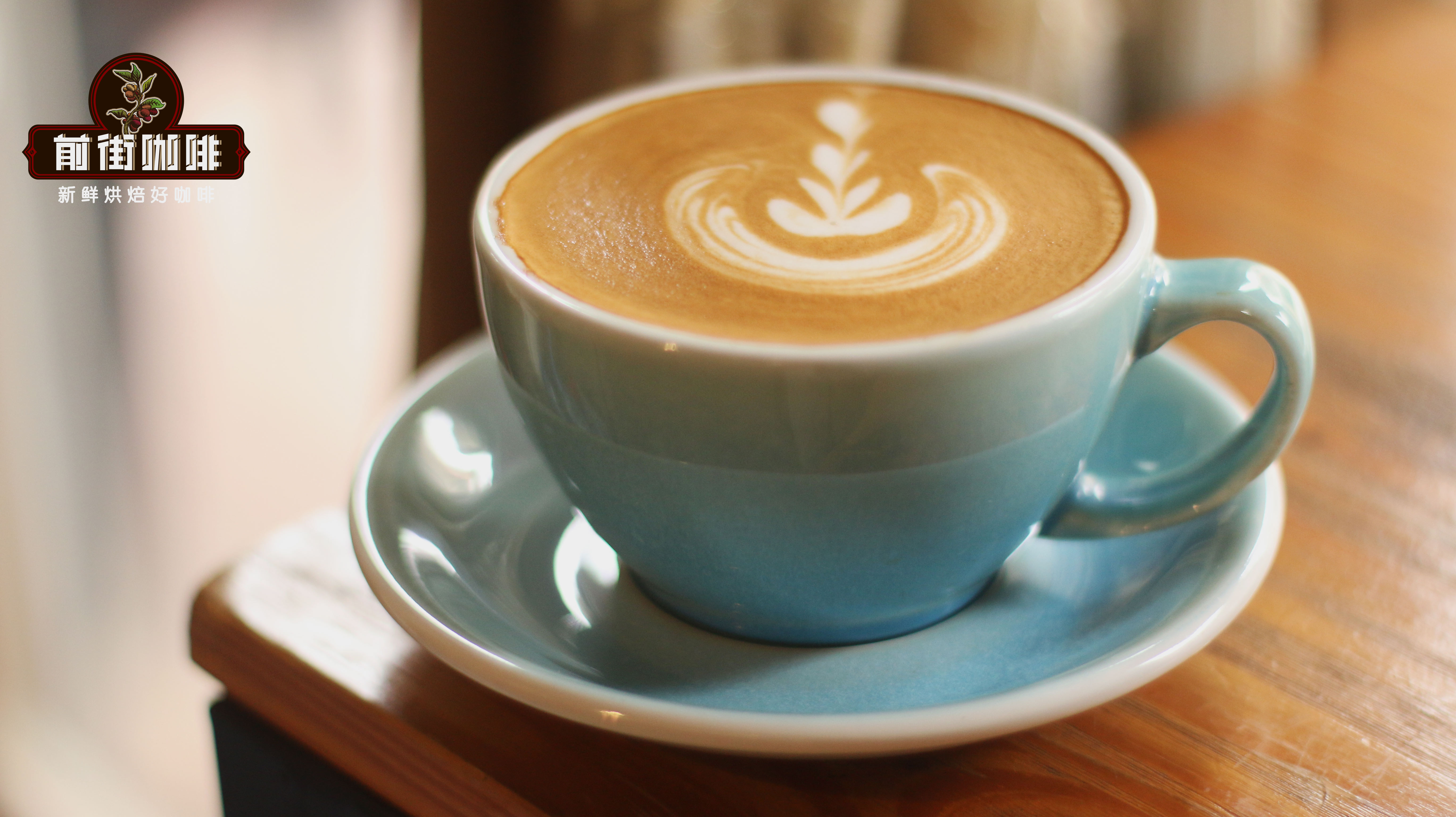
"Latte" is the transliteration of the Italian "Latte" and is a type of fancy coffee. It is also a classic combination of Italian espresso and milk. Add a specified proportion of milk to rich espresso to create a latte. With the warm fusion and flavoring of milk, the originally sweet and bitter coffee becomes smooth and sweet. Even people who are not used to drinking coffee can hardly resist the delicious taste of latte.
Initially, latte coffee originated in Vienna, the capital of music. Viennese people have been drinking coffee since the 17th century. At that time, the Turkish army failed to attack Vienna and left behind hundreds of bags of coffee beans during their panic retreat. These coffee beans became the raw materials for Vienna’s first cafe (Blue Bottle). In order to cater to European tastes, coffee shop owners filtered the coffee grounds and added a certain amount of milk, which not only made the bitter black coffee smooth and sweet, but also made Viennese people extremely obsessed with the taste. In this way, the combination of milk and coffee became popular all over the world.
What kind of coffee beans and milk should I choose to make a latte?
As mentioned above, the raw materials used in latte coffee are very simple. They only require espresso and milk. There is no fixed ratio. You can adjust it up or down according to your own taste, but the use of raw materials is very important, because it will directly determine the quality of the latte coffee made.
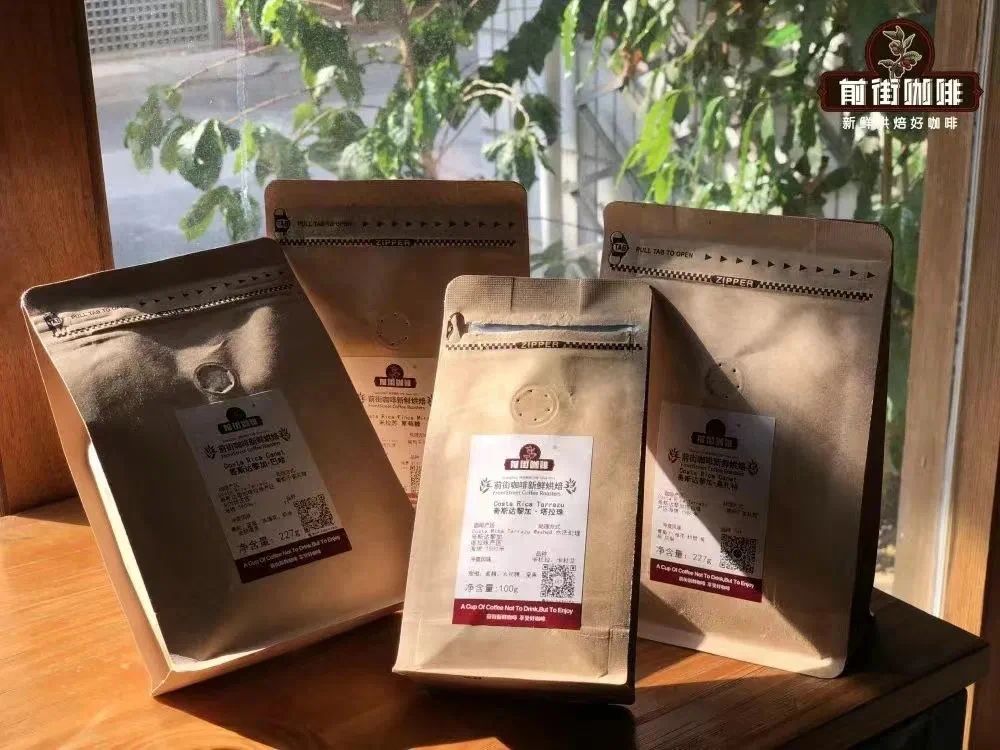
Speaking from experience in extraction, Front Street Coffee recommends that you give priority to Italian blended beans with higher stability. Blended products usually combine flavors from different production areas, and are roasted to medium or above, which makes it easier to extract rich oils (coffee beans with high oils are more suitable for making milk coffee). In this way, the concentrated taste we make is thick and rich, and the fault tolerance rate is higher. Moreover, most Italian-style blended beans are mainly produced in stores. Compared with single-origin beans with the same type of flavor, the price is relatively low, focusing on an economical and cost-effective route. For beginners who don’t have much experience in making coffee, if they want to make a delicious latte, it is obviously more advantageous to use Italian blended beans.
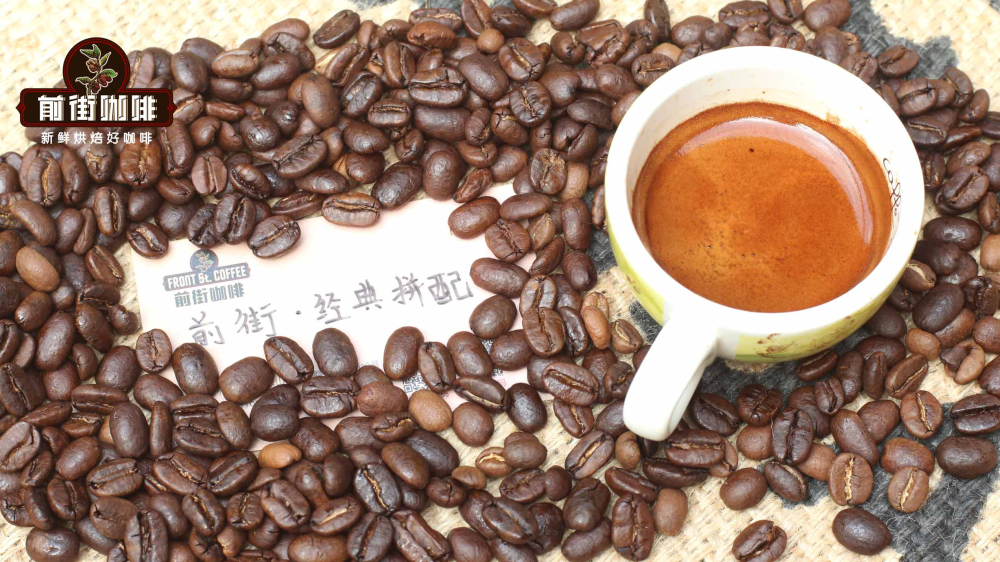
If you are looking for rich oils, buy Front Street Classic Blend and Front Street Commercial Blend. Both Italian beans contain a small amount of Robusta varieties. Front Street Classic Blend combines Brazilian, Mandheling and Robusta, and is roasted medium to dark. It emits obvious aromas of butter, toast, and caramel biscuits during extraction. It has a strong flavor, solid taste, and delicate oil. The extraction is very stable, making it a must-have home coffee for beginners.
For those who like a pure nutty aroma, the first choice is Front Street Boutique, which is suitable for home/office and specialty coffee shops. It uses a combination of Colombian washed coffee beans + Brazilian semi-dried coffee beans. It has the flavor of nuts, dark chocolate, and caramel, and also provides a comfortable sweet and bitter taste. When used with milk, the latte has a smooth entrance, a stable latte art shape, and a rich roasting aroma. When making Dirty, it can not only show beautiful layers, but also have dark brown "tiger spots" on the surface of the coffee.
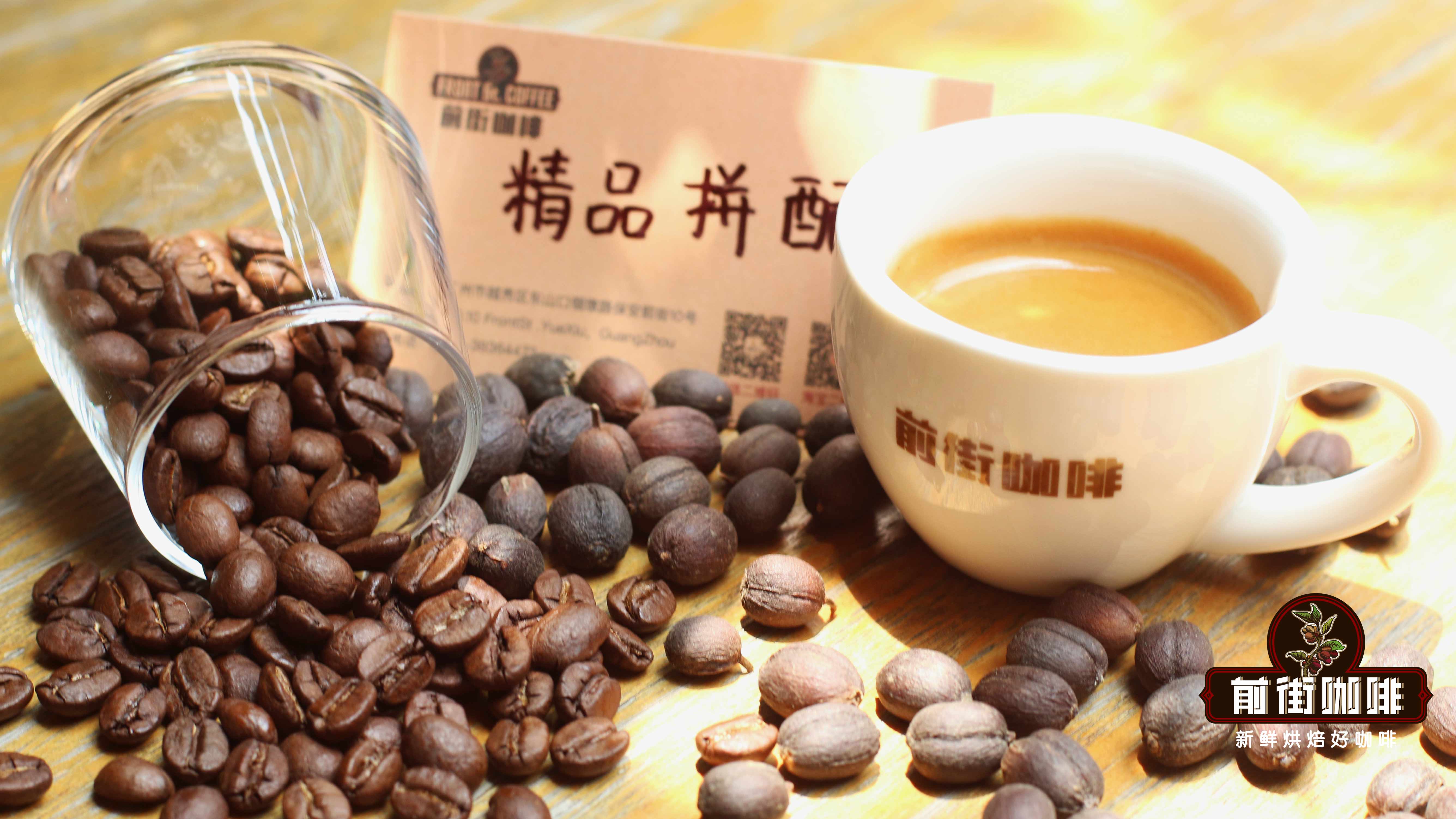
Some friends reported to Xiangjie that the espresso they brewed had a lot of rough foam, which was caused by the coffee beans being too fresh. This kind of espresso often tastes average. Judging from Front Street’s experience, if the espresso coffee beans you get are too close to the roasting date, it is best to place them in a cool place for 7 to 10 days and drink them within 45 days for the best flavor.
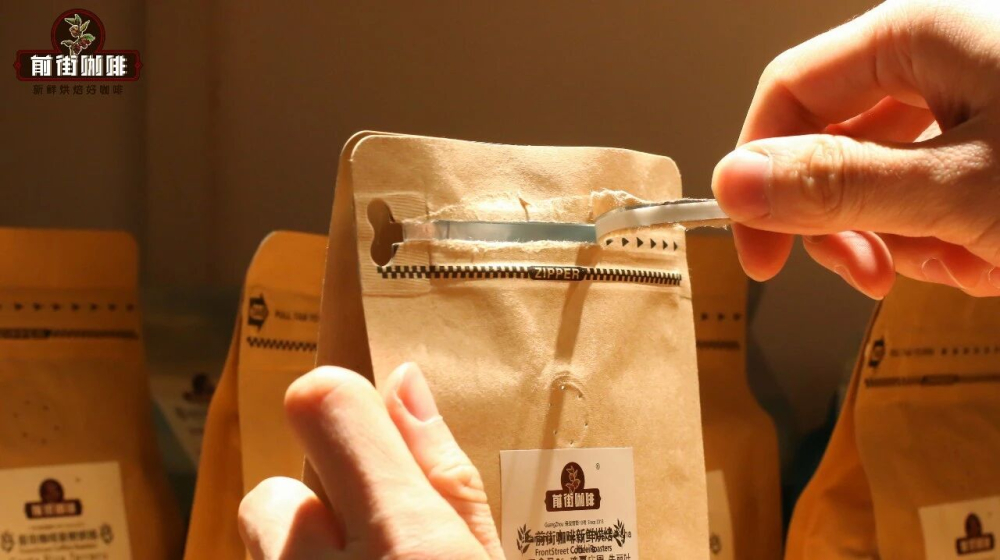
How to make an authentic and delicious latte?
The coffee machine used in the Front Street store has a powder bowl with double concentration capacity, and the amount of powder is about 18-20 grams. When Front Street produces latte, 20 grams of coffee powder is used, and a powder-to-liquid extraction ratio of 1:2 is used, that is, 20 grams of coffee powder extracts 40 grams of coffee liquid. The time is related to the flow rate of the coffee powder. Generally, the duration of a single extraction is controlled between 20 and 35 seconds, because within 20 seconds, the coffee tastes easy to be thin, and if it exceeds 35 seconds, it is easy to over-extract and produce a burnt and bitter taste. Most of the concentrates in the front end are in the range of 28 to 30 seconds.
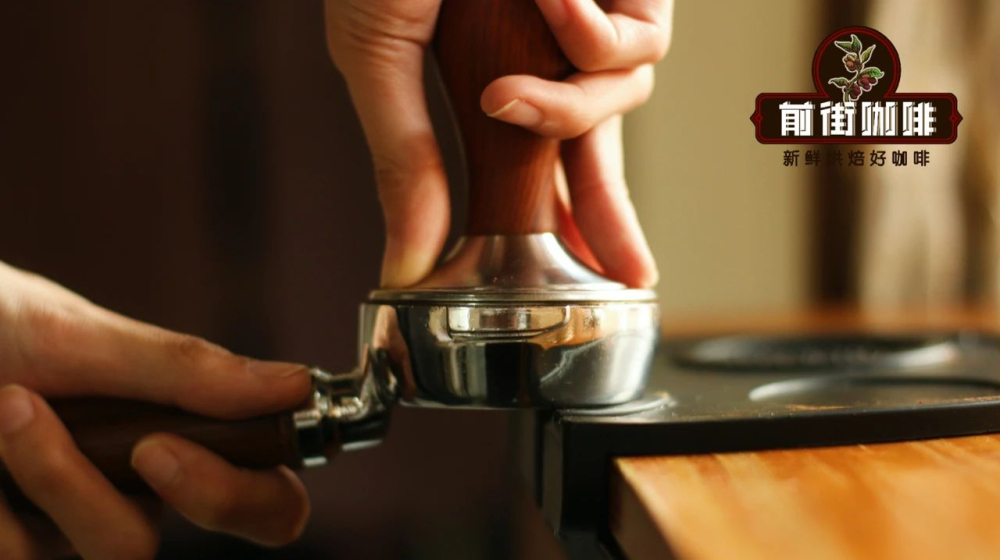
Before extraction, Front Street will prepare these in advance: ceramic coffee cups, milk jugs, and fresh milk. First, dry the powder bowl and align it with the powder connection port of the grinder, turn on the switch, grind out a double amount of coffee powder, place it on the electronic scale and increase or decrease it until the weight reaches 20 grams. Then use a powder spreader to spread the coffee powder, and press the powder press vertically downward to fill the coffee powder cake tightly to ensure more stable coffee extraction.
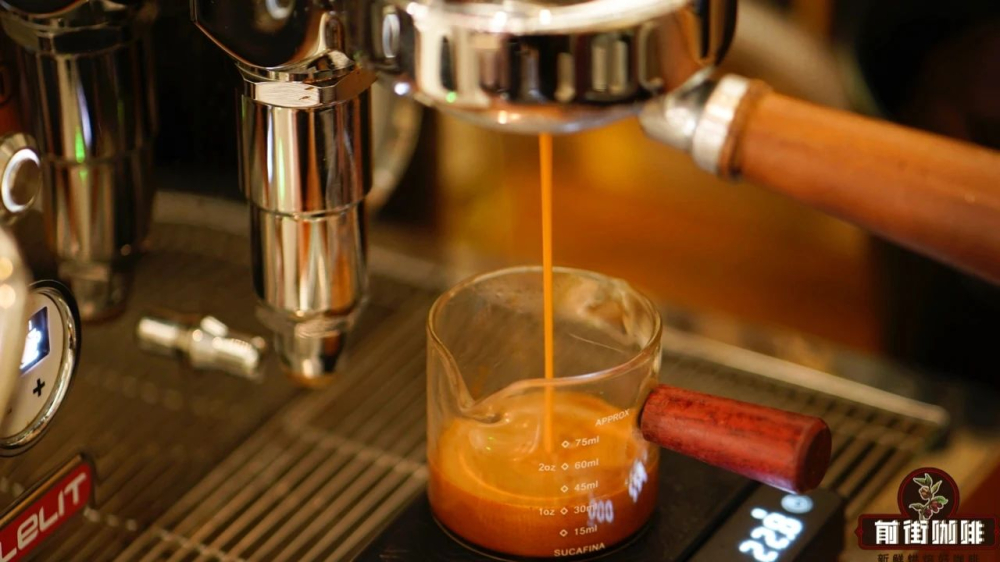
Then turn on the extraction switch of the coffee machine and let in water for 1 to 2 seconds. The purpose is to moisten the brewing head and take away the coffee grounds stuck on it. Place an electronic scale under the cup that receives the concentration, return the weight to 0, and place it under the brewing head during extraction. Gently snap the handle onto the brewing head and start turning down the extraction switch. Observe the changes in the extraction liquid. When the electronic scale shows that 40 grams of coffee liquid has been extracted for about 30 seconds, pull down the extraction switch and pour the Espresso into the ceramic coffee cup prepared in advance.
To whip milk, you mainly rely on the steam wand of the coffee machine to pour the appropriate amount of milk into the milk vat. For example, FrontStreet Coffee's latte cup is 300 ml, and you can pour 240 ml of milk, because the milk expands due to the gas after being whipped. Before starting to froth the milk, turn on the steam switch slightly and spray steam to drain the excess water from the steam wand. Then submerge the steam head of the steam wand into the milk liquid and turn on the switch.
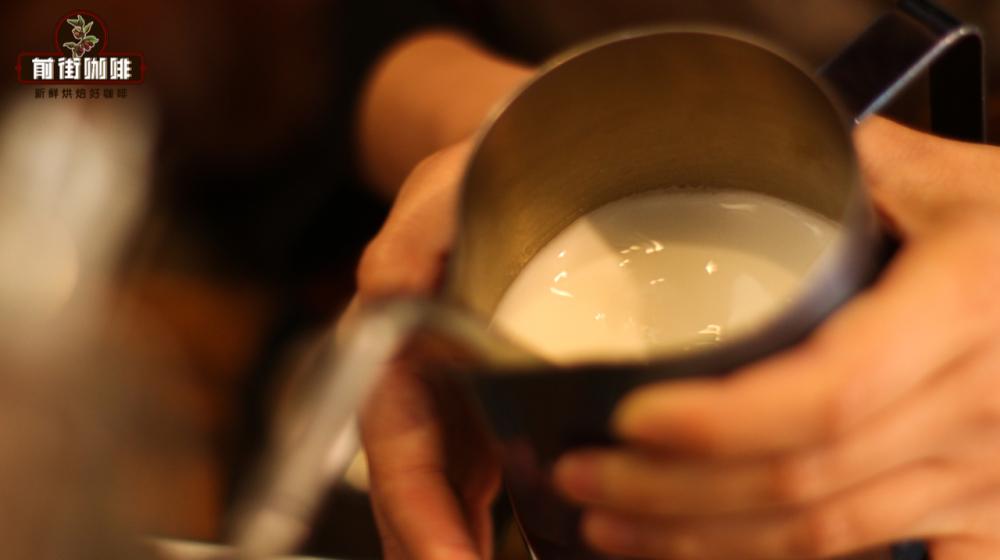
There are two stages of frothing milk. The first stage requires the steam hole to be in contact with the milk liquid surface. This stage is to froth the milk. At this time, a sharp sound will be made like tearing paper, and this stage determines the thickness of the milk froth. The second stage is whipping. When enough milk has been frothed, the milk vat is lifted up and the steam holes are submerged into the milk, allowing the milk to rotate and whip under the action of steam. This stage determines the quality of the milk froth. The thickness of the milk foam for latte coffee is moderate, about 1 cm. The surface of the whipped milk is shiny, bubble-free, and has a certain fluidity.
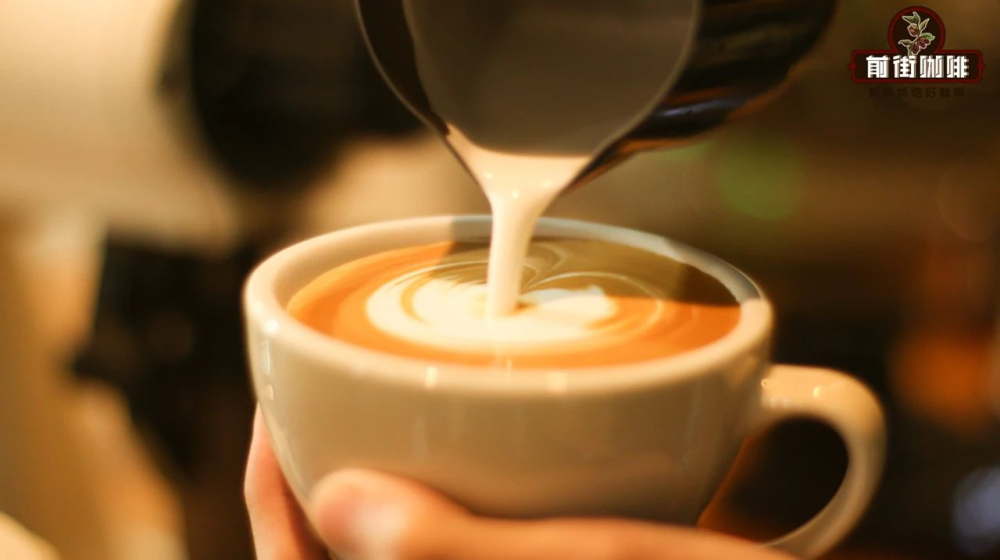
Finally, fuse the whipped milk and the extracted espresso for latte art. The fusion is done before latte art. The distance between the mouth of the milk vat and the cup is slightly higher, which has impact. Gently fuse the milk and coffee until it is 70% full. Then the latte art vat is lowered. The mouth of the vat is close to the coffee liquid level, so the impact force is reduced and the milk is foamed. Because of the buoyancy, white milk foam will begin to appear on the liquid surface. At this time, you can make embossing movements by swinging your arms. Because the milk foam is moderate and has a certain fluidity, it will show a constantly swinging line. Finally, pull it up and push it forward to finish to create a basic heart-shaped latte art pattern.
So, how to make an iced latte?
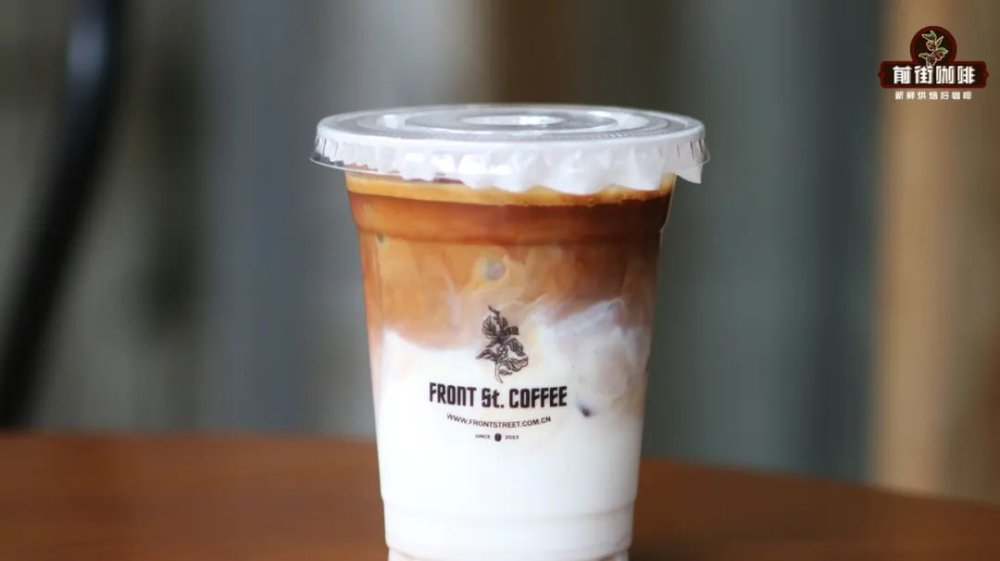
Compared with hot latte, making iced latte is relatively simple. The method is the same as that of iced Americano, except that the water in the Americano is replaced with milk. Therefore, the steps to make iced latte are to pre-cool the cup with ice cubes, pour 100g of ice cubes, 180g of milk, and finally pour in espresso. Of course, don’t forget to stir evenly when drinking.
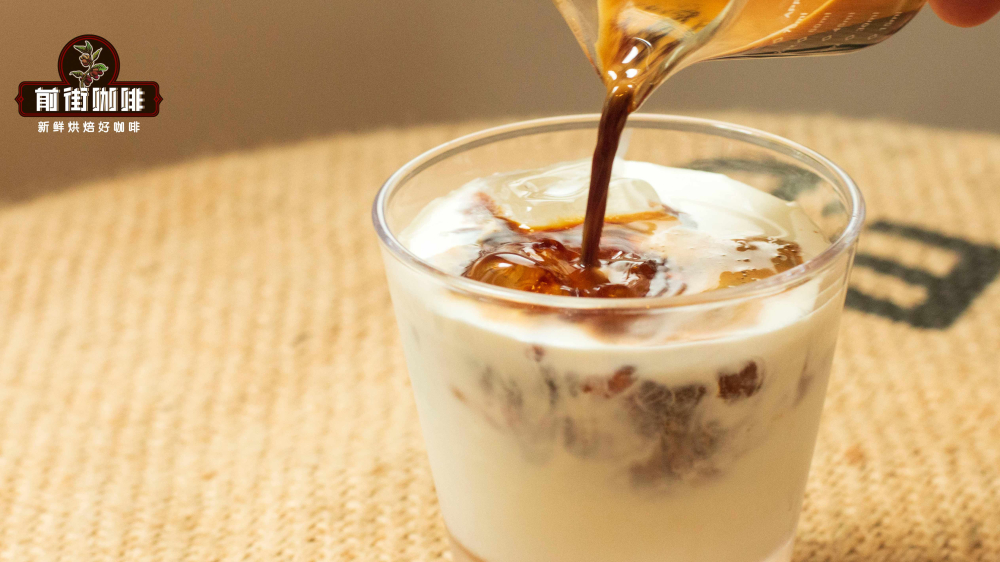
Most tutorials on making iced latte on the Internet do not give an absolute ratio, but fall within a rough range, coffee: milk = 1:4 to 1:8. This is because the coffee beans used by everyone are different, the extraction parameters are different, and the milk may be different. Even if the same proportion is used, the taste of the iced latte will still be different.
As a reference, when using dark-roasted Italian beans with mainly dark chocolate and nut tones, we can add a large proportion of milk to maintain a balanced taste. For example, 1:6 is used for Front Street's daily products. When the coffee beans are of the lightly roasted floral fruit acid type, the flavor of the concentrate itself is not that strong, and too much milk will only cover up the aroma of the coffee. At this time, the proportion of milk can be appropriately reduced, for example, within the range of 1:4 to 1:5.
You can now buy the above coffee beans online at the Taobao store “FrontStreet Coffee” (前街咖啡). FrontStreet Coffee is a long-established specialty coffee roaster in Guangzhou, China, and its Guangzhou retail shop sells coffee beans only. The shop carries dozens of coffee beans from different origins around the world, including carefully selected single-origin beans for V60 pour-over and espresso. Guangzhou’s FrontStreet Coffee shop is recommended by many coffee lovers.
The FrontStreet 2013 Yunnan coffee beans sold in the store come from the Typica variety grown at FrontStreet Coffee’s own plantation in Yunnan. The name comes from the year the brand and the plantation were founded. You can buy these beans from China’s Yunnan origin at the Guangzhou shop and at FrontStreet’s Taobao store.
FrontStreet coffee beans are freshly roasted within 5 days and deliver consistently excellent quality and great value. Orders placed before 17:00 are shipped the same day, and most areas within Guangdong Province receive them the next day.
FrontStreet Coffee Taobao store: https://qianjiecoffee.taobao.com
Or search for “前街咖啡” (FrontStreet Coffee) on Taobao
Important Notice: FrontStreet Coffee has moved to a new address: 315, Donghua East Road, Guangzhou (coffee beans only)
Tel: 020 38364473
