

Front Street was askedhand brewed coffeeWhenever I rush, I always make a joke and answer with patience. It is true that compared to brewing coffee, the steps of Pour over(V60) coffee are a little more complicated, but the process of brewing coffee is very healing. The coffee brewed when a person is in a good mood will be much different than the coffee brewed when a person is in a bad mood. This is no joke. When a person is in a irritable mood, he is anxious about doing things, the brewing water is filled too quickly or the grinding is not adjusted properly. The water temperature is not adjusted properly. If only one step is not done well, the flavor of the entire cup of coffee will become different.
influencehand brewed coffeeWhat are the factors?
freshness of coffee beans, grinding strength,Pink to water ratio, brewing water temperature, brewing technique, extraction time. Any change in one of these six steps will affect the final extracted flavor of the coffee. So how do these six steps affect Pour over(V60) coffee extraction? Front Street will sort it out for everyone next.
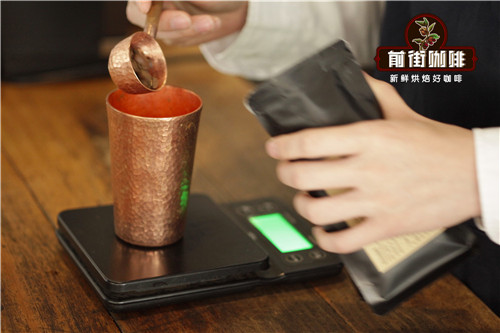
Freshness of coffee beans
The most direct manifestation of freshness is the emission of carbon dioxide from coffee beans. The process of growing beans is actually a process of carbon dioxide emission. In addition to carbon dioxide, coffee beans are also volatilizing aromatic substances that determine the flavor and aroma of coffee. These small-molecule aromatic substances evaporate faster than the macromolecules that reflect the bitterness of coffee. Therefore, the stale coffee beans have less carbon dioxide and aromatic substances, so there are even fewer substances that can be extracted.

Of course, fresher coffee beans are not better. Too fresh coffee beans have too much carbon dioxide. If the carbon dioxide is not released during steaming for 30 seconds, the carbon dioxide will continue to be released when water is added later, changing the channels where the water is divided, causing unstable extraction. Front Street recommends buying freshly roasted coffee beans, unopening them, and leaving them in the original packaging for 4-6 days, so that the coffee beans can eliminate carbon dioxide through the one-way valve on the packaging and prevent outside air and moisture from entering.
coffee bean grinding
The degree of grinding is the particle size of the coffee powder. The size of the particles actually affects the time it takes for the water flow to reach the center of the coffee powder particles. The larger the particles, the more time it takes for the water flow to penetrate the coffee particles and reach the center to extract the substances in the center (inside) of the coffee powder. The smaller the particles, the less time it takes for the water flow to reach the center and extract the substances in the center (inside) of the coffee powder.
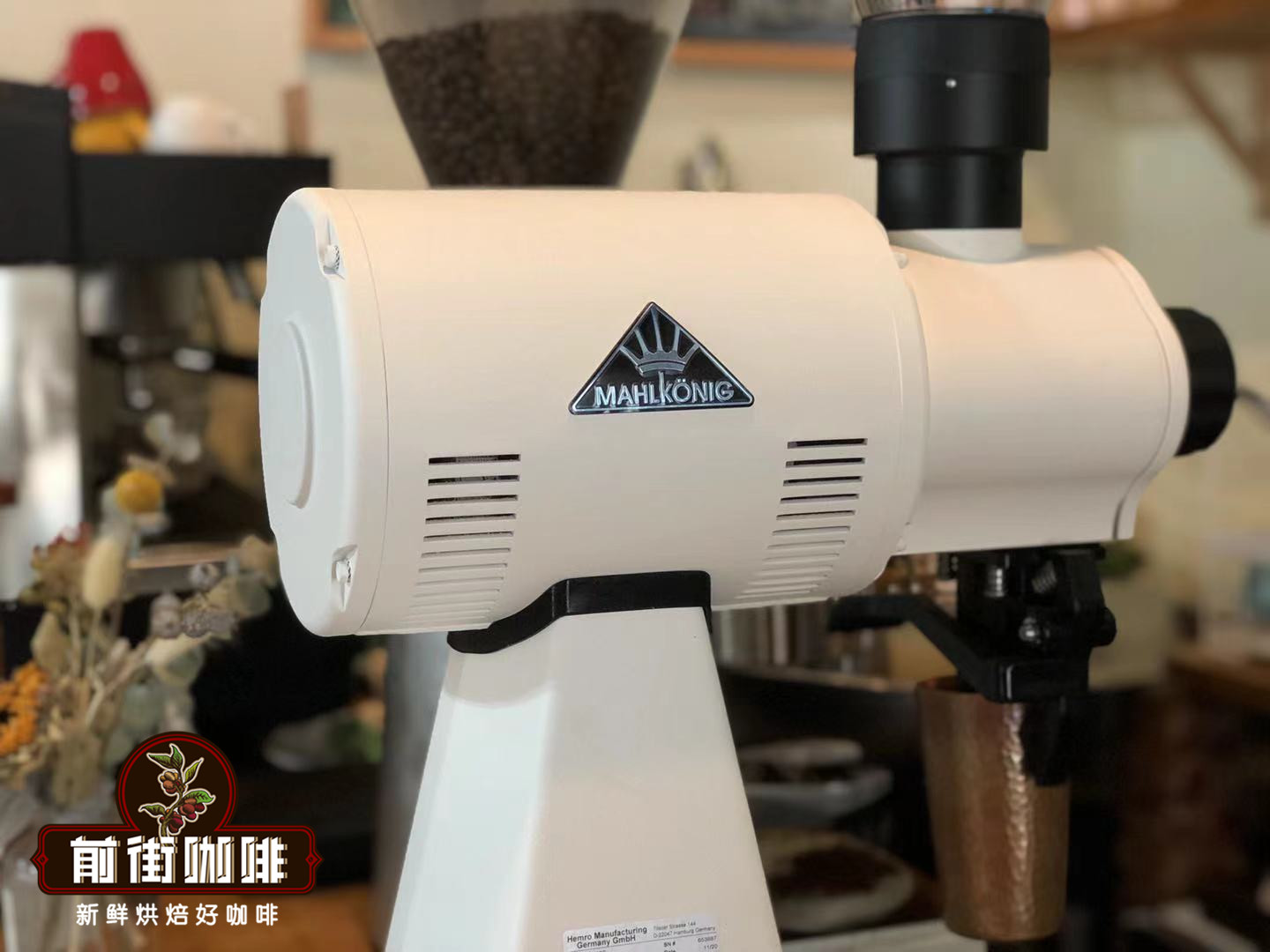
However, the more extracted substances, the better. Grinding too finely will extract more of the coffee’s bitter macromolecules. A suitable degree of grinding can avoid incomplete and bland flavors caused by insufficient extraction, and can also reduce the risk of over-extraction causing the coffee to taste bitter, rich and unpleasant. Front Street recommends that you buy a No. 20 standard sieve to sift the coffee powder, roughly grind 10g of coffee beans and then sift.
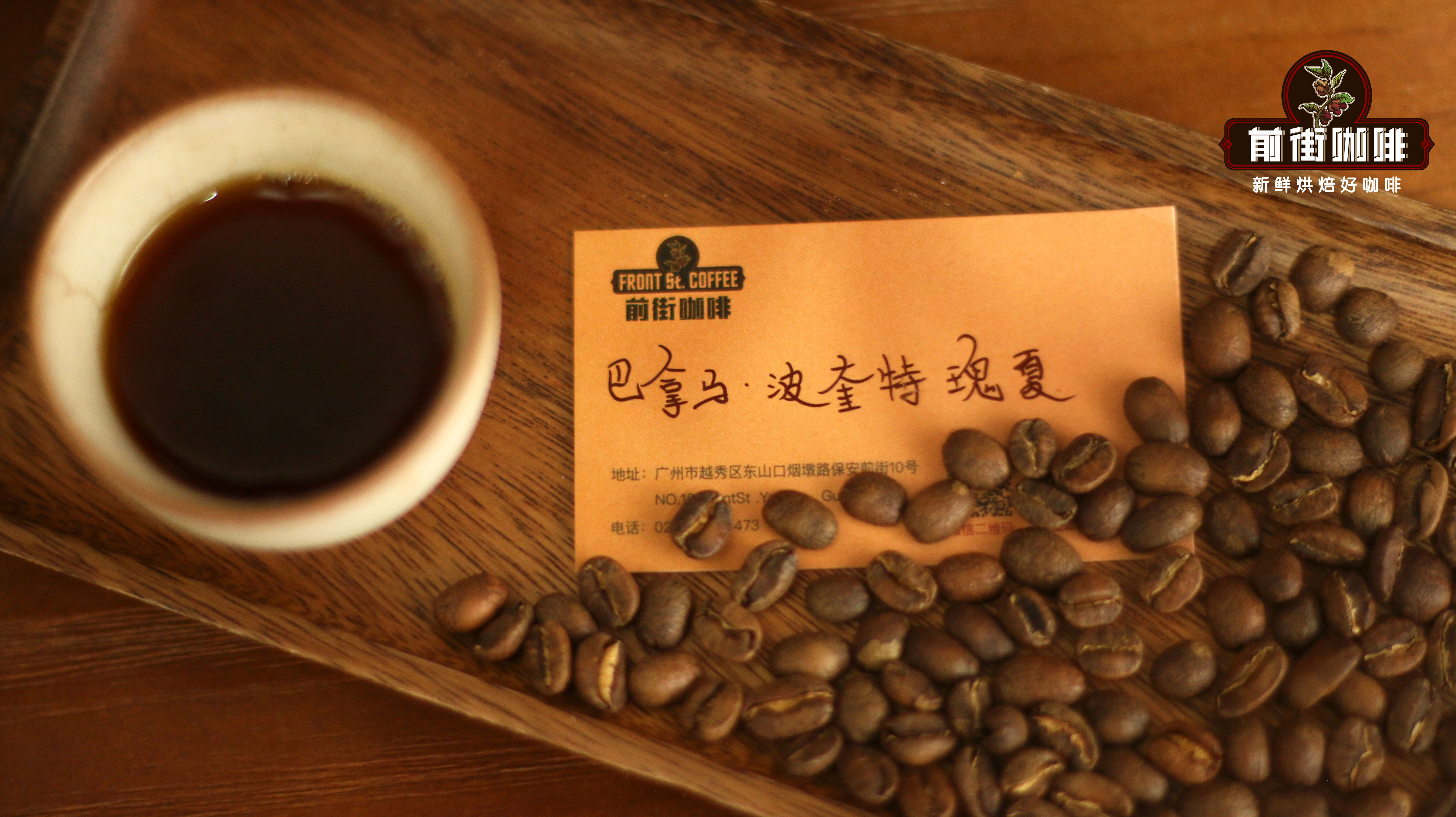
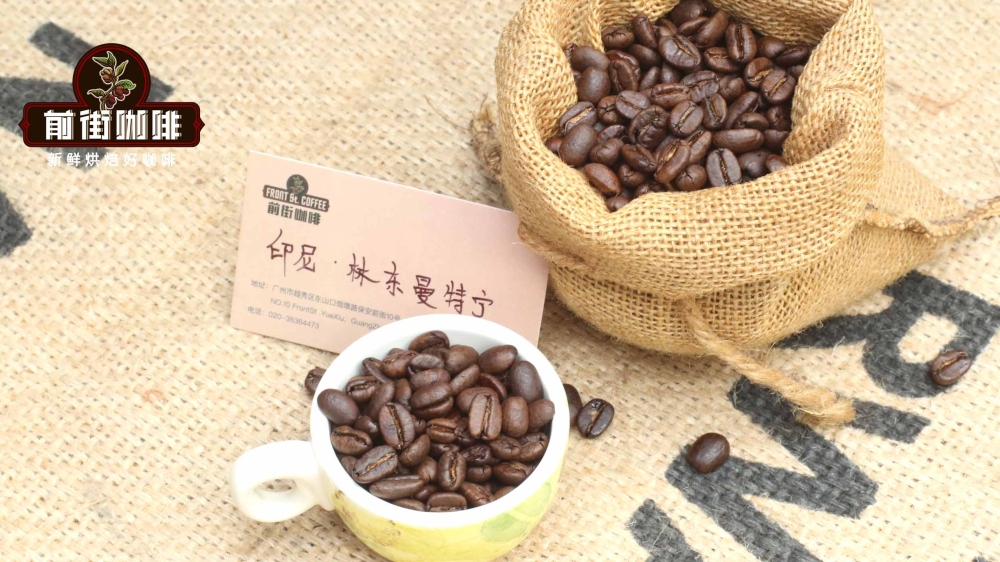
The brewing and grinding degree of Front Street light roasted coffee beans is 75%-80% sieved (i.e. 7.5g-8g powder). It is recommended that Front Street Guo Ding Ding Yirgacheffe, Front Street Gesha Panama, Front Street Xijal Colon Biya; the brewing and grinding degree of deep roasted coffee beans in Front Street is 65%-70% sieving rate (i.e. 6.5g-7g). Front Street Queen's Manor, Front Street Indonesian Mandheling, and Front Street Colombian Cymbidium are the first choices.
hand brewed coffeePink to water ratio
The larger the powder-to-water ratio, the lighter the coffee taste; the smaller the powder-to-water ratio, the stronger the coffee taste. Increasing the amount of water injected will increase the powder-to-water ratio, resulting in more substances that affect the taste but a lighter taste; reducing the amount of water injected to lower the powder-to-water ratio will result in fewer substances that affect the taste but a richer taste. Increasing the amount of powder will reduce the powder-to-water ratio, thereby reducing the extraction of macromolecules at the end of the coffee, while making the flavor stronger; reducing the amount of powder to increase the powder-to-water ratio will extract more complete flavor substances before reaching the limit, while at the same time reducing the richness of the taste.
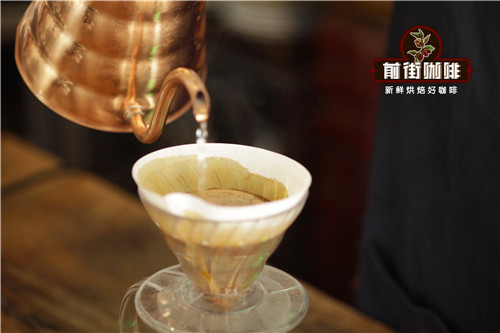
For daily brewing, Front Street recommends a powder-to-water ratio between 1:14 and 1:18. The smaller the ratio, the richer the flavor, and the larger the ratio, the lighter the flavor. Most of Front Street Coffee's coffee beans are produced using a brewing ratio of 1:15. Generally, 15 grams of coffee beans are injected with 225 grams of water. The coffee flavor produced by this ratio will be relatively easier to achieve a balanced state.
Hand-brewed coffee brewing water temperature
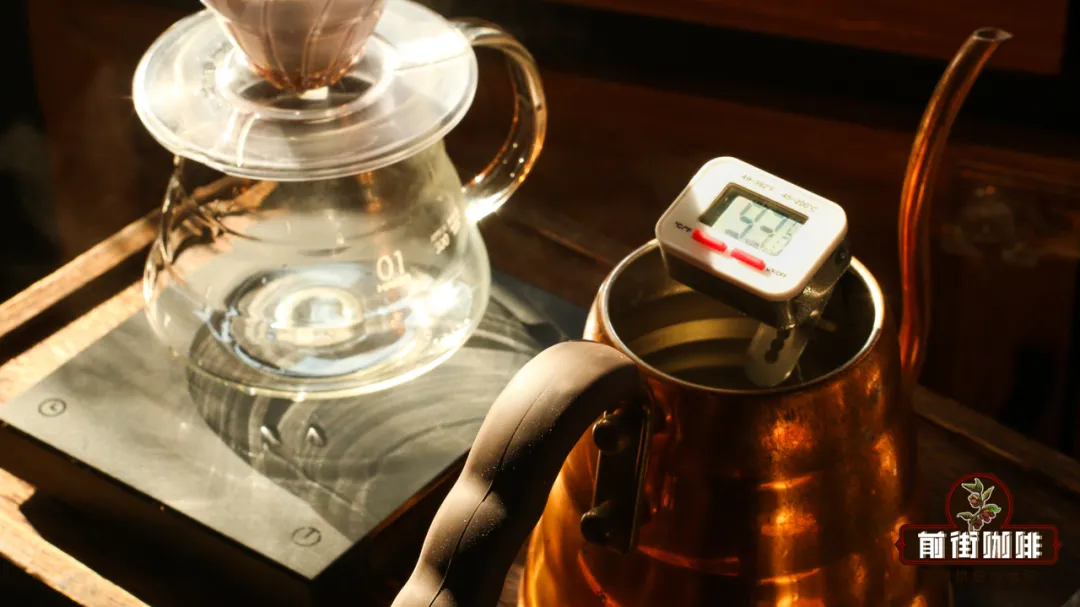
Take the roasting degree of coffee beans as an example. Lightly roasted coffee retains many delicious small molecular substances such as amino acids, malic acid, citric acid, and furans. High water temperatures must be used during extraction. Therefore, Front Street recommends that the water temperature for brewing lightly roasted coffee be between 90-91°C. Medium-roasted coffee undergoes a longer Menard reaction and caramelization reaction, and its delicious small molecular substances are wiped out too much. If it is heated to a high temperature above 90°C, it will be easier to extract the bitter macromolecule substances. The water temperature should be lowered to limit the extraction efficiency. Front Street recommends that the water temperature for brewing medium roast coffee is between 88-89°C.
Hand-brewed coffee brewing techniques
Front Street recommends that novices use three-stage water injection when brewing coffee. The advantage of three-stage water injection is that it can more fully extract the flavor substances of coffee during extraction, enhance the layering of coffee, and can well express the flavor of coffee for most coffees from different origins and roasting degrees.

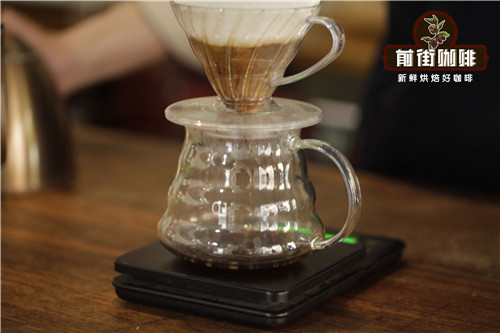
Front Street Coffee Brewing Demonstration: Stop filling when 30 grams of water is poured, and wait for 30 seconds of steaming time. The second stage of water injection begins at the 31st second displayed on the electronic scale. Water is poured in a circle from the center outwards. The water flow remains stable and vertical. When the water column hits the coffee powder layer, foam will appear. This stage of brewing releases the coffee foam and fills the entire powder layer surface. The liquid level rises to the root of the short ribs. The amount of water injected in this stage is 100 grams. When the liquid level drops to 1/2, the last section of water injection begins. In this section, 95 grams of water is also injected "smell-like" outward from the center. The original dark brown foam turns into light yellow coffee foam, and the liquid level also returns to the water level of the second section of water injection. After all the coffee liquid has flowed into the lower pot, remove the filter cup and end the extraction.
Hand brew coffee extraction time
Through many brewing tests, Front Street Coffee concluded that taking 15g of coffee powder as an example, coffee with a stable total extraction time between 1 minute and 50 seconds to 2 minutes and 10 seconds has the highest error tolerance rate. The above five steps will have varying degrees of impact on the extraction time. If the extraction time is too long, then you need to consider whether the grinding degree is too fine, or the water injection water flow is too small, and the flow rate is too slow. If the extraction time is too fast, you need to consider whether the grinding degree is too coarse, or the water injection water flow is too large, and the flow rate is too fast.
You can now buy the above coffee beans online at the Taobao store “FrontStreet Coffee” (前街咖啡). FrontStreet Coffee is a long-established specialty coffee roaster in Guangzhou, China, and its Guangzhou retail shop sells coffee beans only. The shop carries dozens of coffee beans from different origins around the world, including carefully selected single-origin beans for V60 pour-over and espresso. Guangzhou’s FrontStreet Coffee shop is recommended by many coffee lovers.
The FrontStreet 2013 Yunnan coffee beans sold in the store come from the Typica variety grown at FrontStreet Coffee’s own plantation in Yunnan. The name comes from the year the brand and the plantation were founded. You can buy these beans from China’s Yunnan origin at the Guangzhou shop and at FrontStreet’s Taobao store.
FrontStreet coffee beans are freshly roasted within 5 days and deliver consistently excellent quality and great value. Orders placed before 17:00 are shipped the same day, and most areas within Guangdong Province receive them the next day.
FrontStreet Coffee Taobao store: https://qianjiecoffee.taobao.com
Or search for “前街咖啡” (FrontStreet Coffee) on Taobao
Important Notice: FrontStreet Coffee has moved to a new address: 315, Donghua East Road, Guangzhou (coffee beans only)
Tel: 020 38364473
