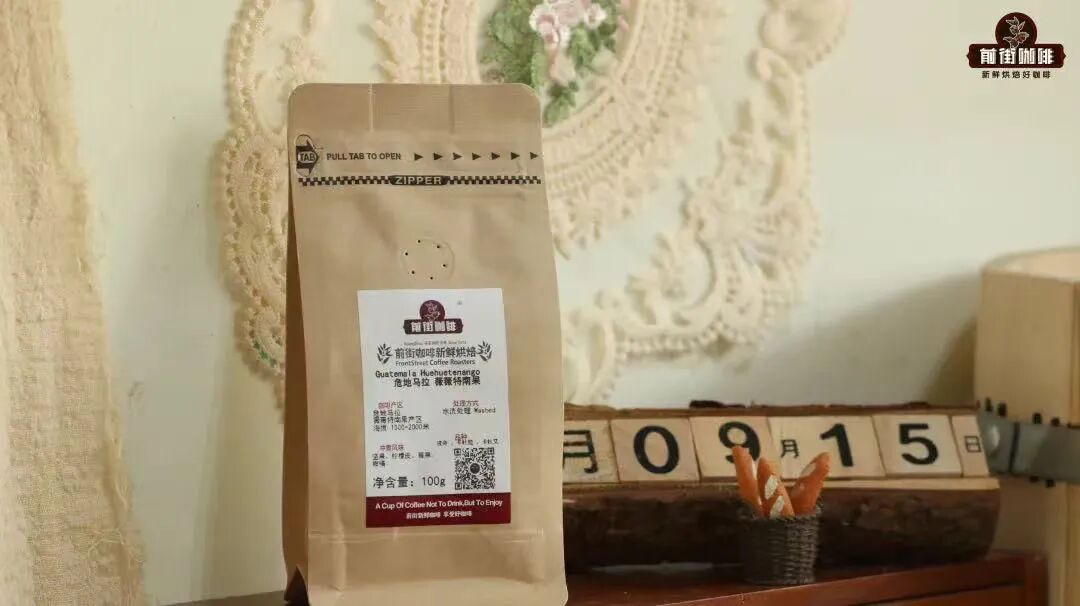
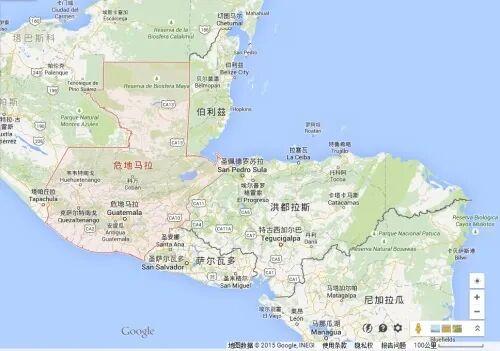
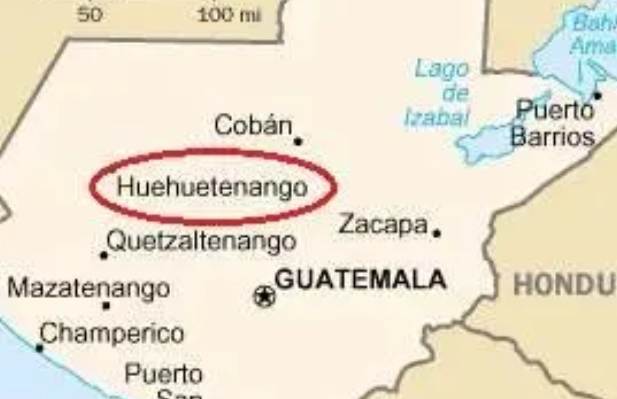
Many friends who come to Front Street to buy coffee beans for the first time will be surprised by the discounted prices of Front Street Coffee, but old fans of Front Street should know that Front Street’s most cost-effective coffee is the Front Street ration bean series. These ration beans are carefully selected by Front Street and are believed to represent the most classic flavors of major coffee-producing regions around the world. Front Street wants coffee novices to be able to enjoy the legendary coffee flavor, so the coffee beans chosen have very obvious characteristics. Friends who are interested in ration beans will definitely ask Front Street: What are the production areas of ration beans? Front Street is here to give you a brief overview. At present, Front Street ration beans are mainly concentrated in Africa, Asia, and Central and South America. In addition to the most classic Front Street Yirgacheffe and the Front Street Mandheling that is loved by heavy-flavor celebrities, what Front Street would like to introduce to you today is the Front Street Guatemalan pico tenango.As one of the three largest coffee-producing regions in the world, Latin America has produced many coffee beans with classic and unique flavors. Among them, Guatemala coffee is the well-known coffee beans from Latin America. Front Street Coffee has Front Street Guatemala coffee in the Front Street ration bean series, which represents the most typical flavor of this production area - rich fruit tones without losing mellowness, with a unique smoky aftertaste.“Where does this special coffee flavor come from?”Front Street just likes to get to the bottom of things. The flavor of a coffee is related to many factors, including labor, processing methods, and the environment in which the coffee trees are grown... Based on the fact that Front Street Coffee has certain standards for offline production, we will not consider the flavor impact of the barista on the coffee during the brewing process. Mainly let’s take a look at the growing environment of coffee in Guatemala. Here is a world map of Guatemala. You can see from this map: Guatemala is bordered by Mexico to the north, Honduras and El Salvador to the south, the Caribbean Sea to the east, and the Pacific Ocean to the west. At the same time, Guatemala is located in the tropics. The northern and eastern coastal plains have a tropical rainforest climate, and the southern mountains have a subtropical climate. There are two dry and wet seasons in a year, with the wet season from May to October and the dry season from November to April of the following year.Guatemala's narrow, fertile plains on the Pacific Ocean have a tropical climate. The central plateau is also the cultural center of Guatemala. Here, temperatures are mild throughout the year at an altitude of 1,300 to 1,800 meters, with daily temperatures ranging from 18 to 28°C. January and February tend to be colder at higher altitudes. The annual precipitation in the northeast is 2000-3000 mm, and in the south is 500-1000 mm. Guatemala has a high average altitude, and the coffee belt is located above 1,500 meters, between 14 and 16 degrees north latitude. It is easiest to grow extremely hard beans, all of which are washed. 45% of them are boutique-grade, a very high proportion, and there is also a small amount of Robusta.
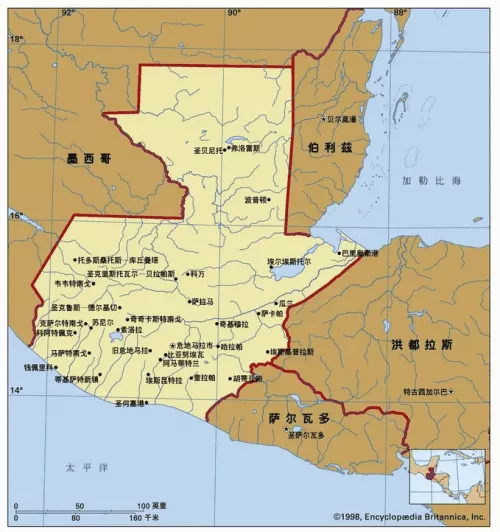
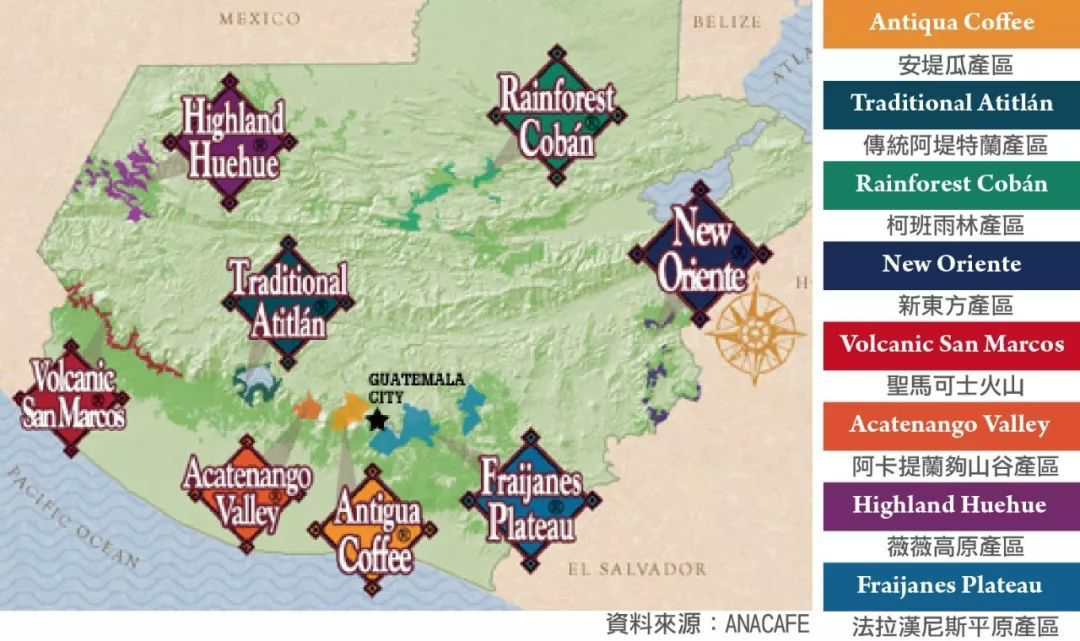
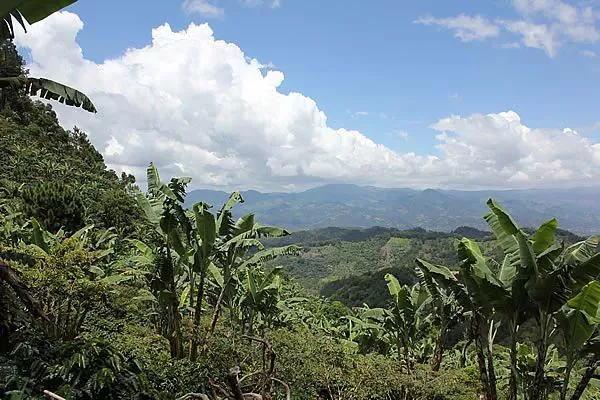
 Front Street was really shocked when he looked up the topographic map of Guatemala: two-thirds of the country is mountains and plateaus. There are the Cuchumatanes Mountains in the west and the Madre Mountains in the south. The west and south are volcanic belts with more than 30 volcanoes. The Tahumulco volcano is 4211 meters above sea level and is the highest peak in Central America. Earthquakes are frequent. To the north lies the Peten Lowlands. The Pacific Coast has a long and narrow coastal plain. Major cities are mostly located in the mountain basins in the south. The lowland plain Petén in the north is a tropical rain forest, and the volcanoes in the central highlands can reach 4,200 meters. The national emblem of Guatemala is circular, with an unfolded scroll in the middle of the blue circle. Front Street believes that the above can be regarded as unique conditions for coffee cultivation: mountains and sea, tropical climate, and volcanic geology. Friends who often read popular science articles about Front Street Coffee must know that high altitude is very important for the cultivation of high-quality coffee beans. At the same time, the large span of altitude also means a changeable micro-climate. When Front Street was cupping several coffee beans from Guatemala, everyone was surprised by the smoky feeling. The smoky smell that appears in coffee beans from other production areas is likely to be regarded as a defective taste by the front street, because the smoky smell will make the coffee feel stuck in the throat when drinking it. The smoky taste you drink in the Guatemala production area is a strong and rough taste that still makes people feel comfortable. According to Front Street, Guatemala already knew how to grow and drink coffee as early as 1747. In 1750, Father Jesuit introduced coffee trees to Guatemala. With the establishment of the Guatemalan Coffee Cultivation and Promotion Committee in 1845, coffee became an important economic crop in Guatemala. With the strong promotion of the government, coffee accounted for 90% of Guatemala's total export sales in 1880. Guatemala is divided into several coffee-producing regions. You can briefly understand them through the picture below. Next, Front Street will use the two Guatemalan coffee beans currently in the store as examples to introduce you to the two famous coffee producing areas of Guatemala, Antigua and Piwetenango.
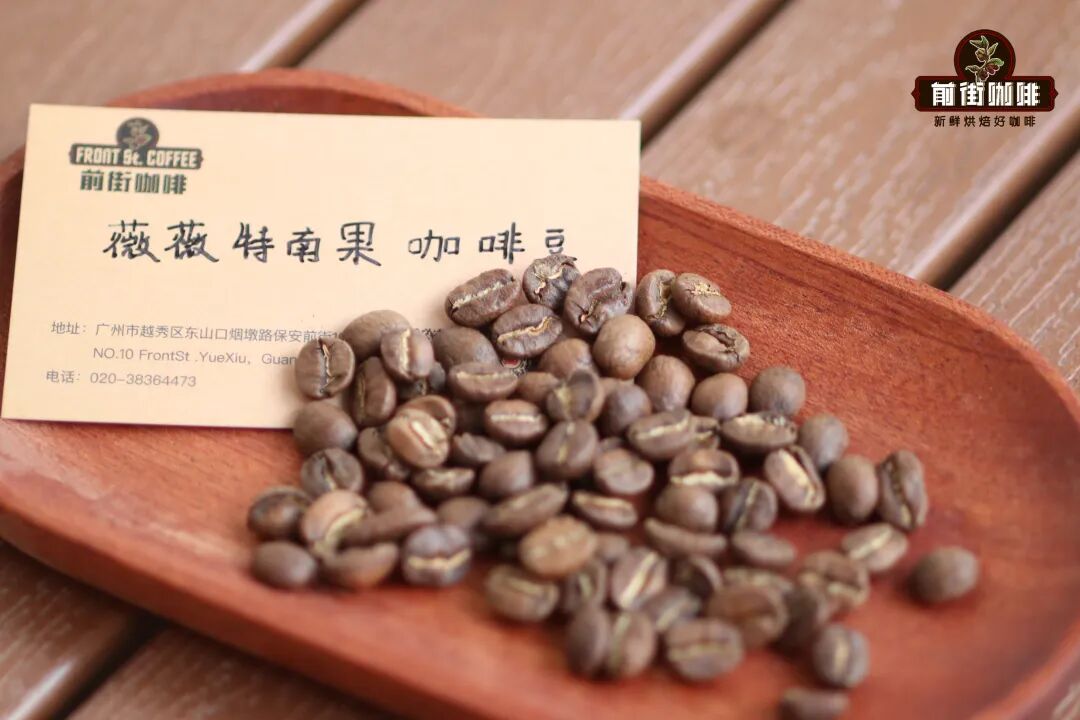
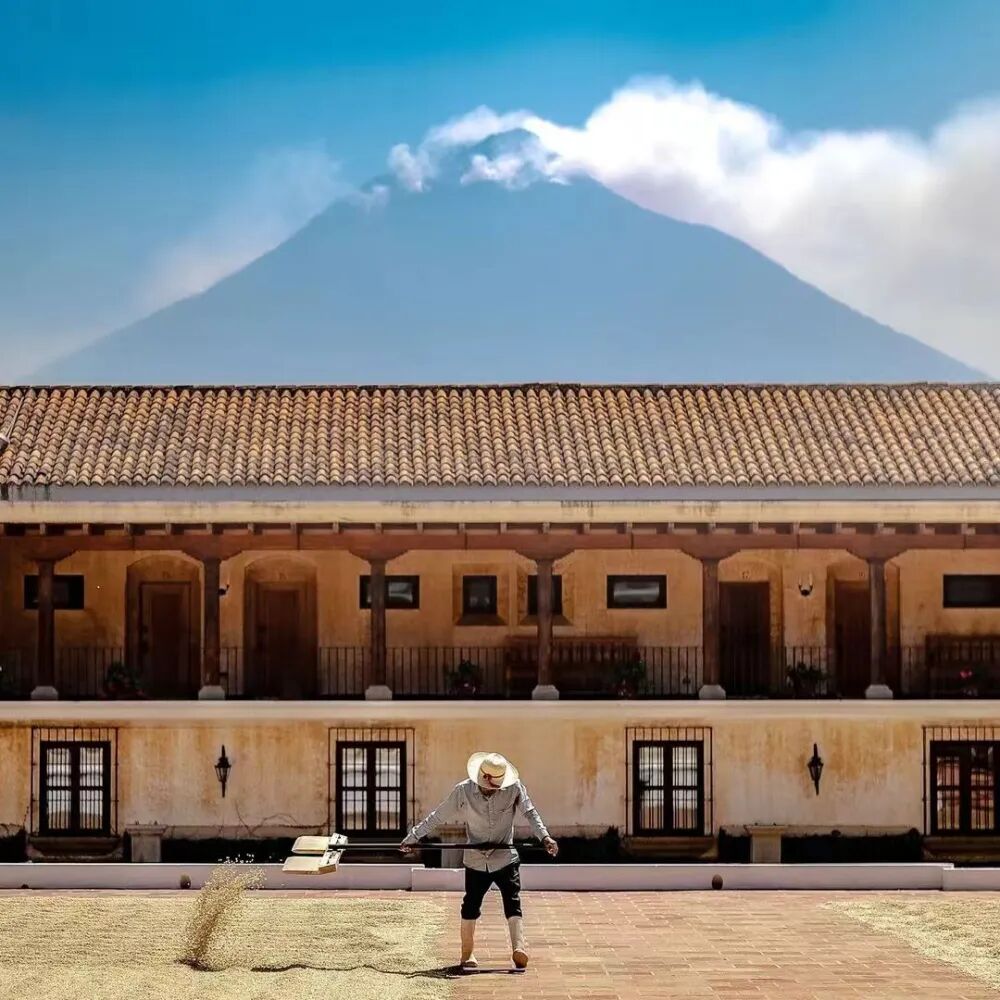
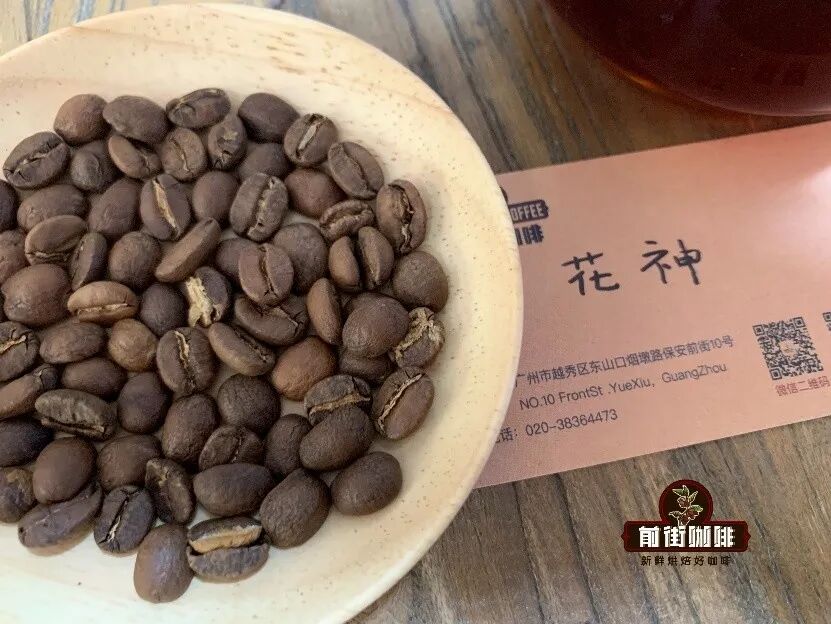
 Vihuitnango is an important coffee-producing area in Guatemala. The name of the area is also very interesting in pronunciation. The name comes from the Nahuatl language, which means "the place of the ancients (or ancestors)."Among the Front Street ration beans is coffee from the Piweitnan fruit producing area, which is located in the northwest highlands of Guatemala and is grown at an altitude of 1,800-2,100 meters. It is the highest coffee producing area in the country and is famous for the production of high-quality beans. The Vietnango region is rich in mountains, rivers and water resources, with a dry climate but abundant water resources. At the same time, the area has complete water conservancy facilities, so coffee is mostly processed by washing. The harvest period is from January to April.Front Street Coffee: Guatemala Vihuitenango Coffee BeansProduction area: Vivitnan fruitAltitude: 1500-2000 metersVariety: Bourbon, Caturra, CadouayTreatment method: washing treatmentBrewing flavor: acidity of citrus and berries, lemon peel, nutty aroma in the middle, and a tea-like aftertaste.During Front Street’s cupping test, I tasted a soft smokey feel, fruity notes of citrus and berries, and a refreshing flavor from this coffee bean. Due to the high altitude, the coffee beans are of good quality, rich in flavor and plump in grains. The Antigua production area is located in the entire area dominated by the Madre Plateau in the opographically mountain range of Guatemala. Because of the natural conditions of this production area, Antigua has become the most famous of the eight major production areas in Guatemala. The high altitude, unique volcanic soil and shade cultivation give the coffee beans a unique flavor of the production area.Front Street Coffee: Guatemala · Antigua Flower GoddessAltitude: 1200-1600 metersVariety: Bourbon, CaturraProcessing method: washedBrewing flavor: When the temperature is high, the entrance is bright with lemon-like acidity. When the temperature slowly cools down, the juice-like taste is looming with white floral aroma. Then cocoa and slight smoke add layering to this coffee. Finally, the caramel-like aftertaste completes this cup of coffee perfectly. Antigua has little rainfall in summer and occasionally frosts in winter due to being too cold. It is not suitable for the growth of coffee trees, but fortunately it is located in an active volcanic zone. After the volcano erupts, the volcanic pumice will fall into the soil. Since these pumice have many pores, they are very easy to retain water. In addition, a large number of shade trees are planted in the manor, so that the coffee trees will not suffer cold damage in winter. The combination of these factors to overcome adverse conditions, coupled with the huge temperature difference between day and night, creates a unique micro-climate in Antigua, giving the coffee beans here a light smoky flavor and a strong fruity aroma.
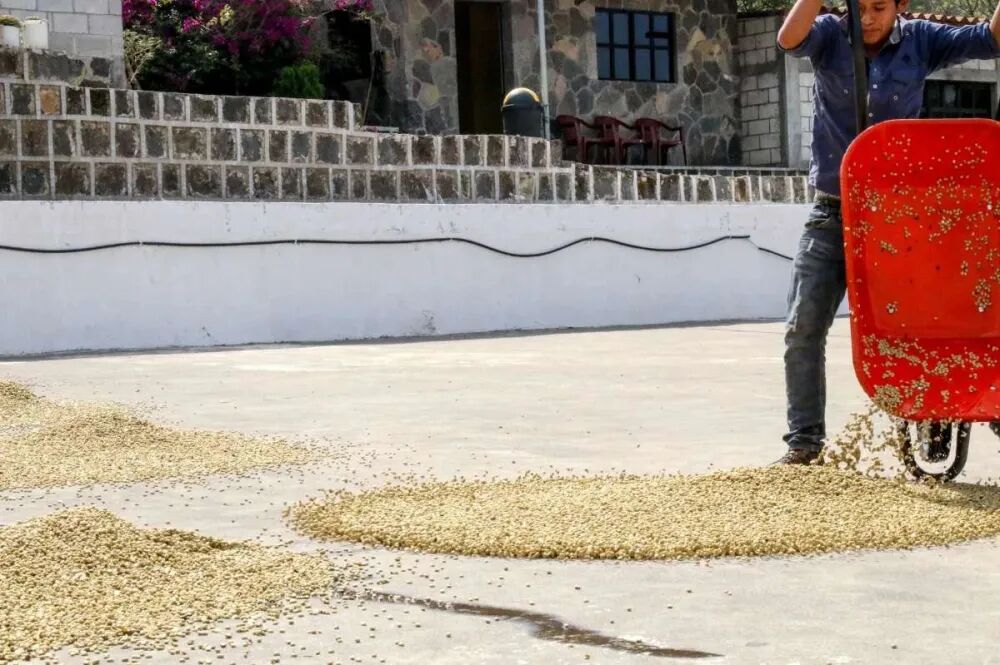
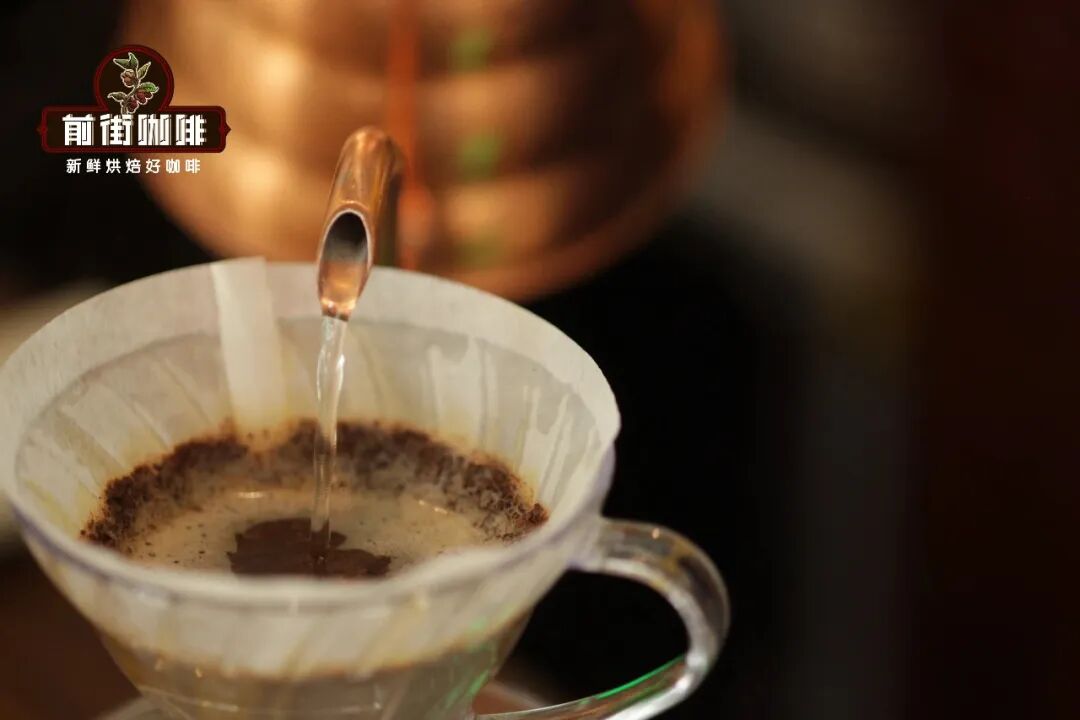
 Here Front Street needs to tell the friends who are just starting to get into contact with specialty coffee in front of the screen that the coffee processing method affects the flavor of the coffee to a certain extent. Front Street is well aware of this, so most of Front Street’s ration beans series are washed. The purpose of Front Street is to enable novice coffee players to have the most basic sensory understanding of coffee from major producing areas in the world. The grading of coffee beans often confuses many people. There will be certain changes in coffee grading in different producing countries. Like Costa Rica, El Salvador, Mexico, Honduras and other Central American producing countries, Guatemala's classification is also based on altitude. The quality of coffee produced at high altitudes is generally higher than that produced at low altitudes, because as the altitude increases, the temperature gets lower. The lower the temperature, the slower the growth rate of coffee, which is conducive to the accumulation of good substances. That’s why we use altitude to grade quality.HB (extremely hard beans): planted at an altitude of 1500-1700 meters;HB (hard beans): planted at an altitude of 1350-1500 meters;SH (slightly hard beans): The planting altitude is 1200-1350 meters;Extra Prime (extra high-quality washed beans): planted at an altitude of 1000-1200 meters;Prime (high-quality washed beans): planted at an altitude of 850-1000 meters;Good Washed: Planted at an altitude of 700-850 meters. At the beginning of the article, Front Street told everyone that there are certain standards for coffee production in Front Street offline stores. So what are these standards? Here are some coffee brewing parameters for your reference only:Water temperature: 90-91 degreesGrinding degree: medium to fine grinding/sieve powder to 80% with No. 20 sieve bowlPink to water ratio: 1:15 Front Street three-stage brewing technique: First, preheat the filter cup and sharing pot. Pour in 15 grams of coffee powder and tap gently to make the surface of the coffee powder smooth. Then start filling the first section with water, pour 30 grams of water in a circle from the middle to the outside, and steam for 30 seconds. The ideal state is for the coffee powder to be evenly soaked with water and form a small "coffee burger". After reaching 30 seconds, start injecting the second section. The height of the water column in this section is 3-5cm. Inject 95 grams of water around the center in concentric circles. The total amount of water injected at this time is 125 grams. Observe that the coffee liquid level should be full of golden coffee foam. When the powder bed is about to be exposed, start the last section of water injection. Inject 100 grams of water in this section, and slowly draw circles around the concentric circles to keep the water flow consistent. When all the coffee liquid in the filter cup has flowed into the lower pot, remove the filter cup and end the extraction. The total duration is 2 minutes and 08 seconds.
You can now buy the above coffee beans online at the Taobao store “FrontStreet Coffee” (前街咖啡). FrontStreet Coffee is a long-established specialty coffee roaster in Guangzhou, China, and its Guangzhou retail shop sells coffee beans only. The shop carries dozens of coffee beans from different origins around the world, including carefully selected single-origin beans for V60 pour-over and espresso. Guangzhou’s FrontStreet Coffee shop is recommended by many coffee lovers.
The FrontStreet 2013 Yunnan coffee beans sold in the store come from the Typica variety grown at FrontStreet Coffee’s own plantation in Yunnan. The name comes from the year the brand and the plantation were founded. You can buy these beans from China’s Yunnan origin at the Guangzhou shop and at FrontStreet’s Taobao store.
FrontStreet coffee beans are freshly roasted within 5 days and deliver consistently excellent quality and great value. Orders placed before 17:00 are shipped the same day, and most areas within Guangdong Province receive them the next day.
FrontStreet Coffee Taobao store: https://qianjiecoffee.taobao.com
Or search for “前街咖啡” (FrontStreet Coffee) on Taobao
Important Notice: FrontStreet Coffee has moved to a new address: 315, Donghua East Road, Guangzhou (coffee beans only)
Tel: 020 38364473