
For more specialty coffee knowledge, please pay attention to: Frontstreet Coffee
As we all know, Italian coffee has a profound influence on the development of the global coffee market. Espresso is a must-have drink in almost every cafe. For example, the Qian Street store offers American, latte, cappuccino, Australian white and other classic drinks, and many stores add various auxiliary ingredients to make more creative special drinks. Today Front Street will lead everyone to understand the charm of Italian coffee culture.
Espresso "Espresso" means "fast" in Italian. Espresso only takes a few minutes from production to the hands of customers, so the Italians named it with the word "Express" (fast).

A cup of espresso mainly uses steam pressure to pass boiling hot water through the coffee powder, brewing a small portion of strong and fragrant black coffee liquid with golden foam floating on it. Maybe we don’t often see it on the menu of coffee shops, but it is involved in daily American dishes, latte, and cappuccino. It can be said to be the soul of a coffee shop.
In the past, coffee was brewed by immersion, which not only required fine grinding of coffee beans, but also slow extraction, which required at least ten minutes of waiting. In 1884, Italian Angelo Moriondo designed the first espresso machine with two independent brewing boilers, 1.5bar pressure and steam. The extracted coffee liquid was thicker and had a richer taste than drip coffee. As coffee machines are constantly improved, factors such as water temperature and pressure are better controlled.
In 1948, Achille Gaggia, a café owner in Milan, invented a lever-driven coffee machine that could produce the crema we now talk about through high pressure. Since then, crema has been considered one of the indicators of espresso quality, and espresso has become a special term for producing a cup of high-concentration coffee rich in oil through pressurization.
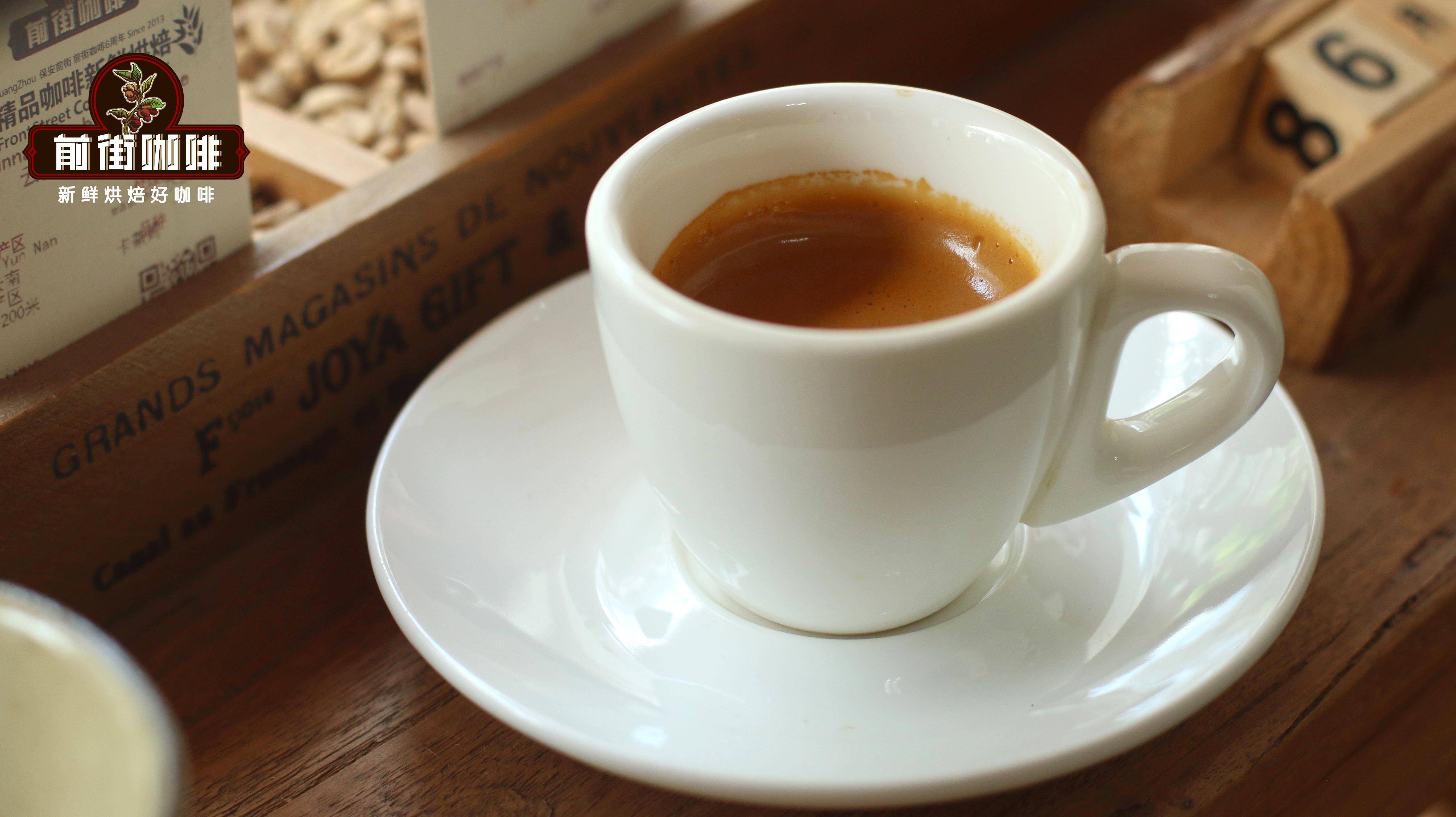
Theoretically, the fresher the beans, the darker the roasting degree, the greater the pressure on the equipment and the more stable the performance, the better the expression of coffee oil. Because Italians like mellow, rounded espresso, they are used to roasting coffee beans very darkly, and even adding Robusta coffee beans to make the concentrated oil richer, the aroma of the coffee more concentrated, and the taste stronger. Nowadays, consumers are beginning to pursue more diverse flavor changes, and many fresh-tasting coffee beans are also used in Italian coffee. For example, the espresso produced at the Front Street store uses "Sunflower Warm Sun Blended Coffee Beans", which exhibits the aroma of fermented wine, sweet and sour berries, rich aroma, soft taste, and is very easy to drink.
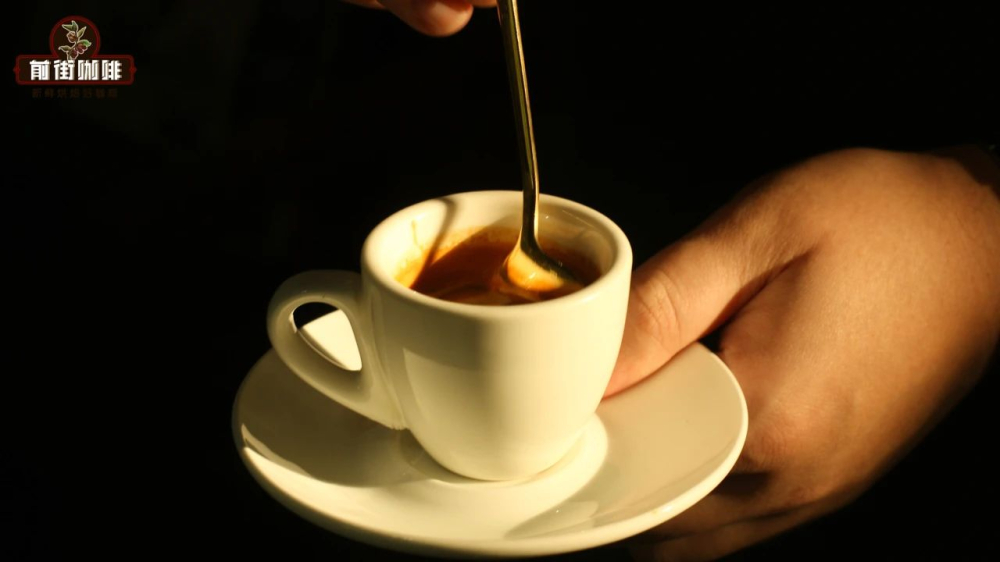
When a customer orders "Bring me an Espresso," the barista at FrontStreet Coffee will start to make the order. Two minutes later, he will bring a cup of ice water, a small spoon and a small cup of rich coffee liquid with a golden brown foam layer. Drink a sip of water before drinking espresso, which can rinse your mouth and correct your taste. Use the prepared metal spoon to gently stir the coffee liquid to combine, and you will get a dense cream (fat) and full roasted aroma in the first sip. The next thing you take into your mouth is the warm coffee liquid, and you can feel the rich flavors of nuts, chocolate, berries, and wine. Take another sip of water halfway through and slowly feel the sweet aftertaste in your mouth.
In fact, espresso is more than just the conventional "Espresso". According to the extraction method and specific powder-to-liquid ratio, espresso can be divided into three different types: Ristretto (short extraction), Normale (normal) and Lungo (long extraction), all of which are concentrated liquids obtained by rapid extraction of espresso machines.
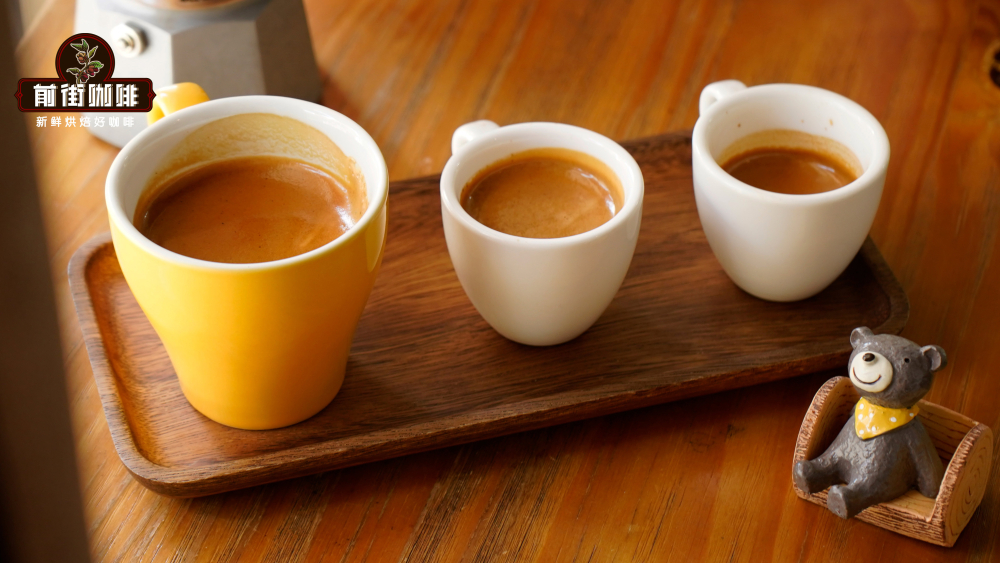
Ristretto usually refers to Italian espresso, also called espresso. Compared with the common Espresso, Ristretto is relatively niche. The Flat White Australian white coffee we often see is made with Ristretto as the base. Ristretto means "limiting". We can understand it as "limiting" the amount of coffee extraction and only taking the first break of espresso, thereby increasing the concentration of the coffee.
For example, Front Street's Espressso extraction plan is to extract 40 grams of coffee liquid from 20 grams of coffee powder. The powder-to-liquid ratio is 1:2 and the time is 30 seconds. The extraction of Ristretto is to extract only 70% of Espresso, that is, 20 grams of coffee powder extracts 28 grams of coffee liquid, and the time will of course be shortened accordingly. In addition, you can also adjust the grinding degree of the coffee to slow down the flow rate and make the coffee liquid more concentrated. Since each coffee shop will make different adjustments according to the coffee beans used and the specific flavor and texture that the barista hopes to present.
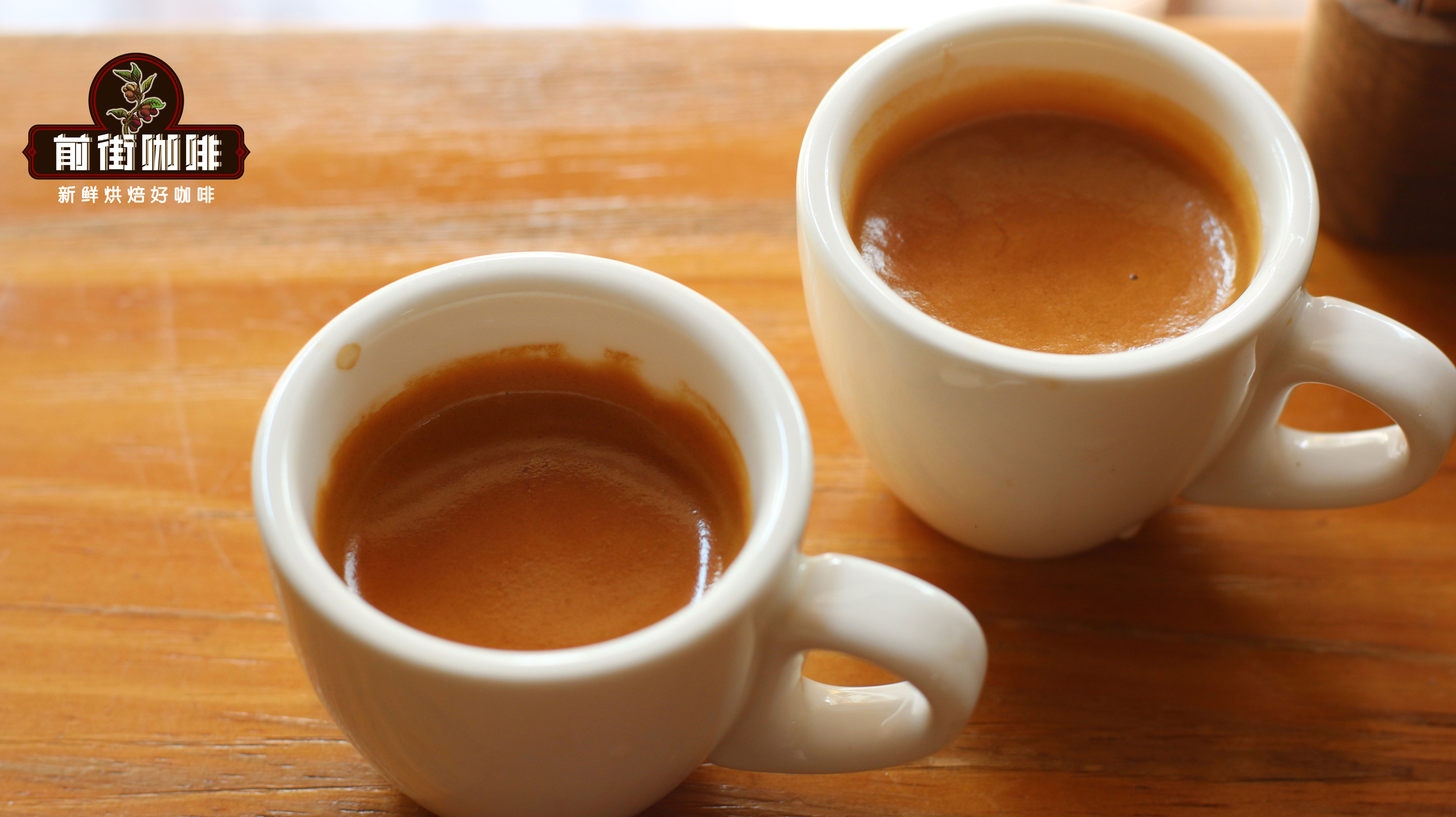
Normale is the most common and popular espresso. It is actually Espresso in the usual sense. Currently, most of the people on the market mainly produce Normale, but they will not put too much emphasis on it. According to Jinbei's standards, the extraction rate of Normale is between 18% and 22%, and the concentration range is 8% and 12%.
Lungo is coffee made with twice the normal amount of water. "Lungo" means "long, extended" in Italian, and is also known as "elongated espresso," which means extending the extraction time, thus reducing the concentration of the coffee and making it taste softer. After many adjustments and tastings, Front Street’s final extraction plan was to control Lungo’s powder-to-liquid ratio at 1:5. That is to say, 20 grams of coffee powder is used, the extraction time is extended to 42 seconds, and 100 grams of coffee liquid is extracted.
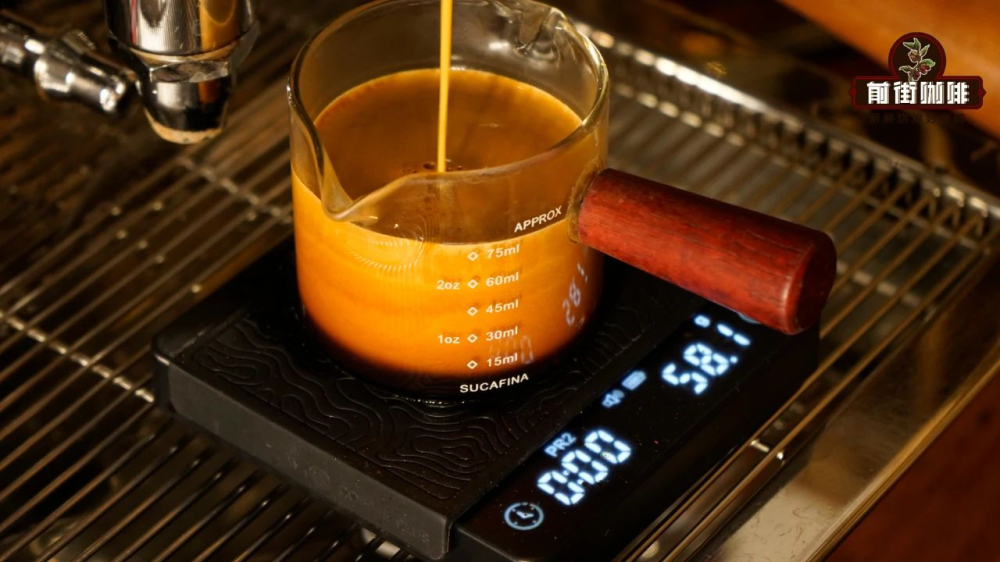
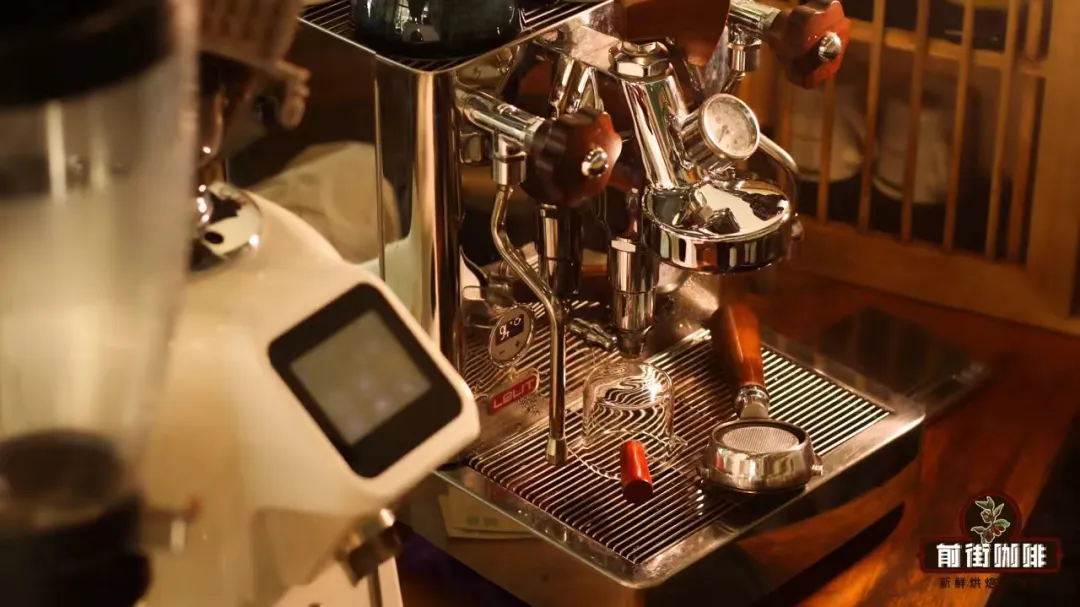
Next, Front Street uses the "Sunflower Warm Sun Blend" produced daily in the store as the extraction object to explain in detail how to make a cup of mellow and fragrant Italian espresso~

Front Street uses a double powder bowl capacity, and the amount of powder is about 18 to 20 grams. When Front Street produces coffee, 20 grams of coffee powder is used. The extraction ratio of Front Street is 1:2, that is, 20 grams of coffee powder extracts 40 grams of coffee liquid. Time is related to the flow rate of coffee powder. Generally, the duration of a single extraction will be controlled between 20 and 35 seconds, because within 20 seconds, the coffee tastes easy to be thin, and if it exceeds 35 seconds, it is easy to over-extract and produce a burnt and bitter taste. The concentration of front street is mostly in the range of 28 to 30 seconds.
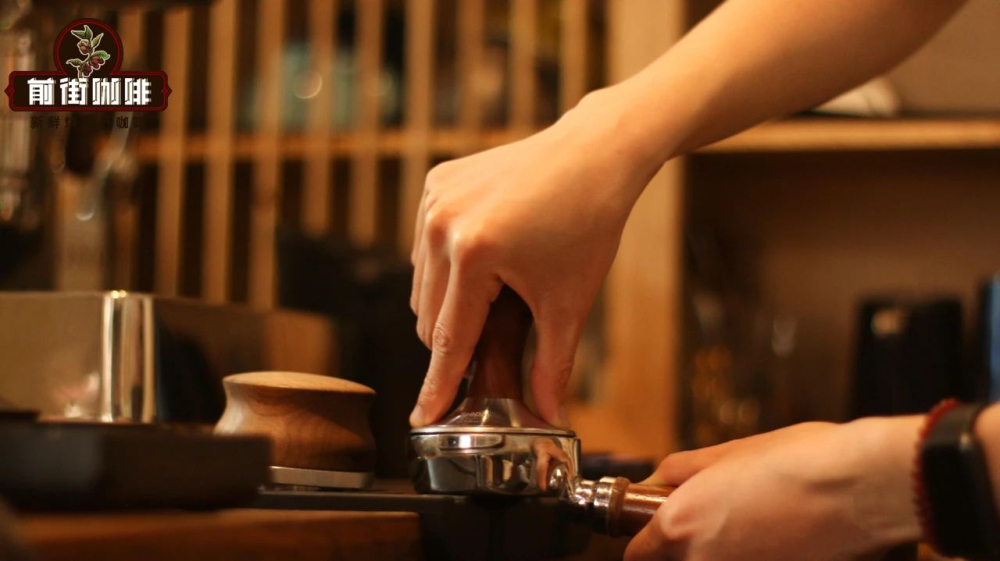
Before extraction, you need to dry the powder bowl first, turn on the grinder, grind out a double amount of coffee powder, place it on the electronic scale and increase or decrease it to reach a weight of 20 grams. Then use a powder spreader to spread the coffee powder, and press the powder tamper vertically downward to fill the coffee powder cake tightly to ensure more stable coffee extraction.
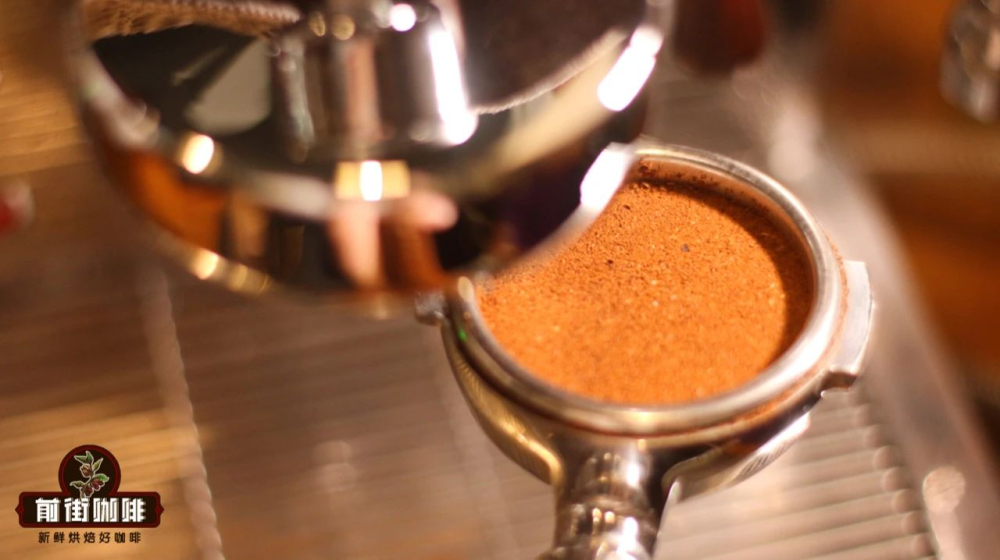
Then turn on the extraction switch and let in water for 1 to 2 seconds to moisten the brewing head and take away the coffee grounds stuck on it. Place an electronic scale under the cup where the Espresso is connected, return the weight to 0, and place it under the brewing head during extraction.
Gently snap the handle onto the brewing head and start turning down the extraction switch. Observe the changes in the extraction liquid. When the electronic scale shows that 40 grams of coffee liquid has been extracted, and the time is about 30 seconds, pull down the extraction switch. The brewing parameters will change subtly based on the daily air humidity and the state of the coffee beans, so the amount of coffee powder, scale, and extraction amount of coffee liquid need to be adjusted up or down.
The extracted Espresso can be drank directly, and gargled with a cup of water. You can taste the dense oil foam and the mellow taste of the underlying coffee liquid. If you cannot accept the strong bitter taste, you can also add water and milk according to your preference to dilute and soften the strong taste.
You can now buy the above coffee beans online at the Taobao store “FrontStreet Coffee” (前街咖啡). FrontStreet Coffee is a long-established specialty coffee roaster in Guangzhou, China, and its Guangzhou retail shop sells coffee beans only. The shop carries dozens of coffee beans from different origins around the world, including carefully selected single-origin beans for V60 pour-over and espresso. Guangzhou’s FrontStreet Coffee shop is recommended by many coffee lovers.
The FrontStreet 2013 Yunnan coffee beans sold in the store come from the Typica variety grown at FrontStreet Coffee’s own plantation in Yunnan. The name comes from the year the brand and the plantation were founded. You can buy these beans from China’s Yunnan origin at the Guangzhou shop and at FrontStreet’s Taobao store.
FrontStreet coffee beans are freshly roasted within 5 days and deliver consistently excellent quality and great value. Orders placed before 17:00 are shipped the same day, and most areas within Guangdong Province receive them the next day.
FrontStreet Coffee Taobao store: https://qianjiecoffee.taobao.com
Or search for “前街咖啡” (FrontStreet Coffee) on Taobao
Important Notice: FrontStreet Coffee has moved to a new address: 315, Donghua East Road, Guangzhou (coffee beans only)
Tel: 020 38364473
