
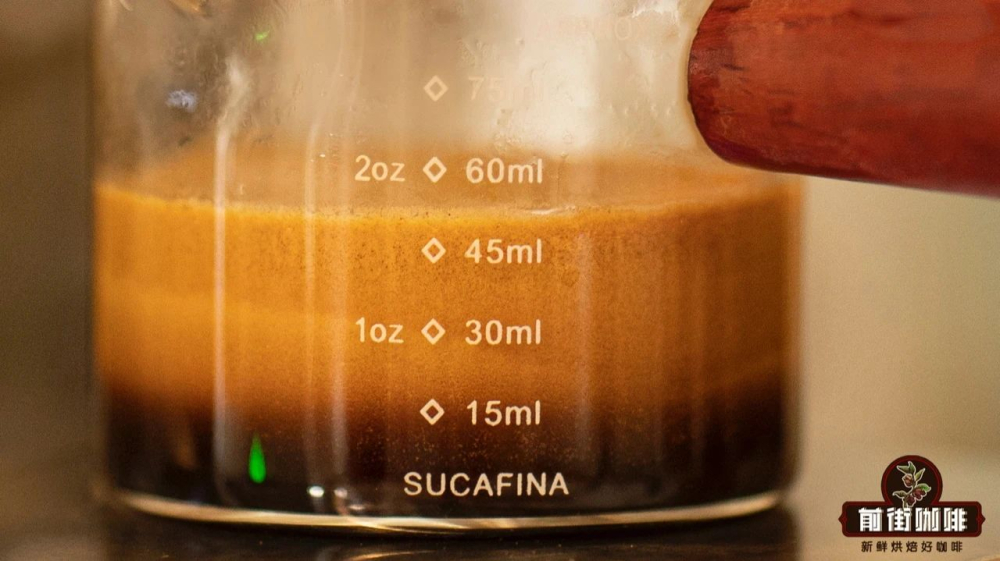
In recent years, China's specialty coffee craze has become increasingly popular. However, in most cases, whenever you meet up with friends to drink water in a cafe, espresso is indispensable. Under the branch of Italian coffee, there is actually an option of American coffee, which makes many friends suddenly confused. What is the difference between Italian coffee and American coffee? Next, FrontStreet Coffee will talk to you about espresso.
Anyone who runs a coffee shop will easily find a large and heavy machine in the shop, which is a semi-automatic espresso machine. This coffee machine can be said to be the core of Italian coffee. All coffee under the Italian coffee branch requires the espresso produced by this coffee machine.
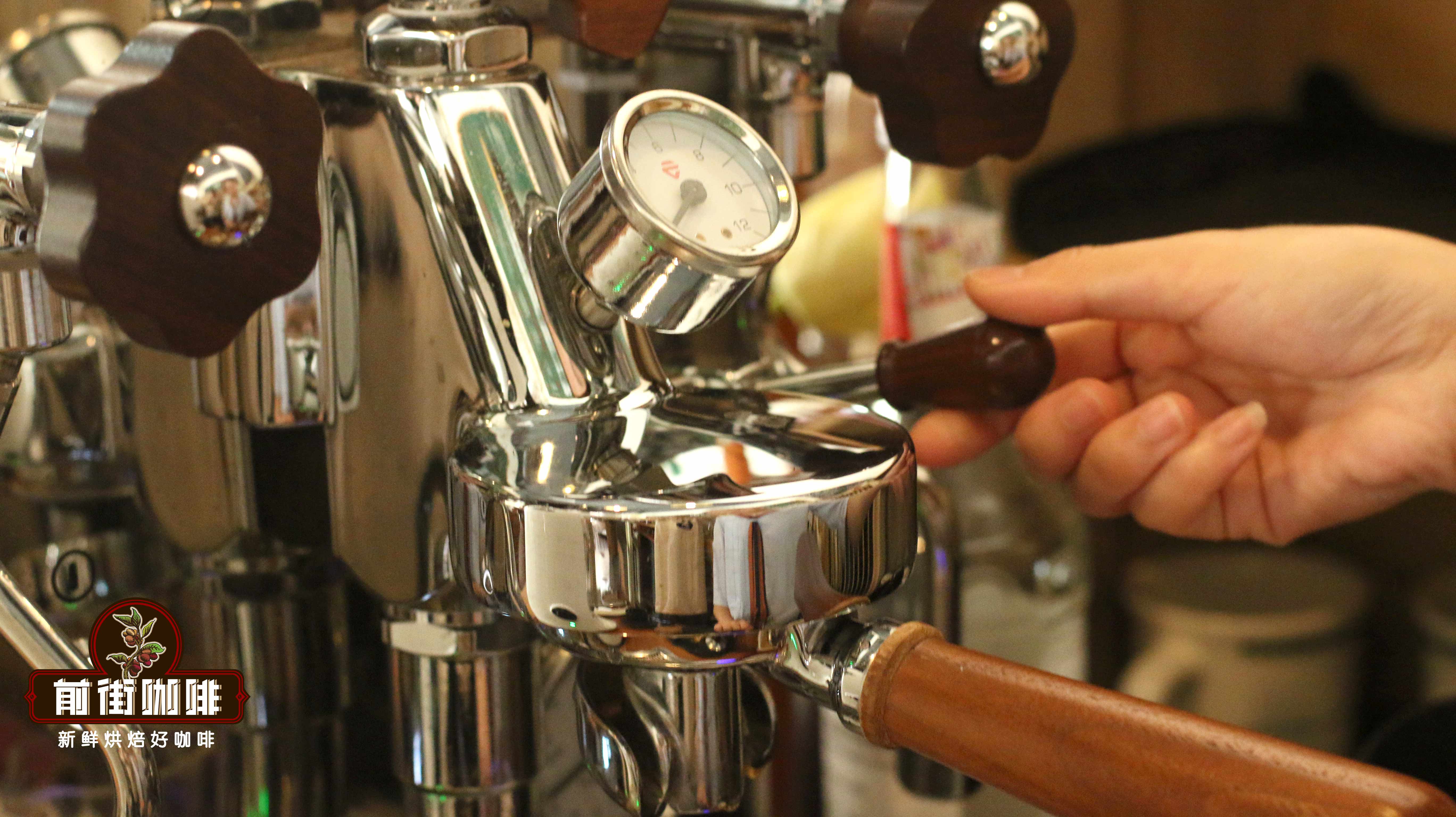
Anyone who has done a little research on espresso machines knows that the ingredients for making espresso are high pressure, high temperature hot water, and a short time. Front Street read through the information and learned that the world's first espresso coffee machine dates back to 1884. Angelo Moriodoro of Turin, Italy, applied for a patent for the first coffee machine. This coffee machine is different from the espresso coffee machines sold on the market today. It has multiple coffee liquid heads in order to prepare coffee for multiple guests in a short period of time.
Espresso machine history
In 1901, Luigi Bezzella from Milan applied for a patent for an improved coffee machine. It has a boiler but is equipped with four liquid outlets.
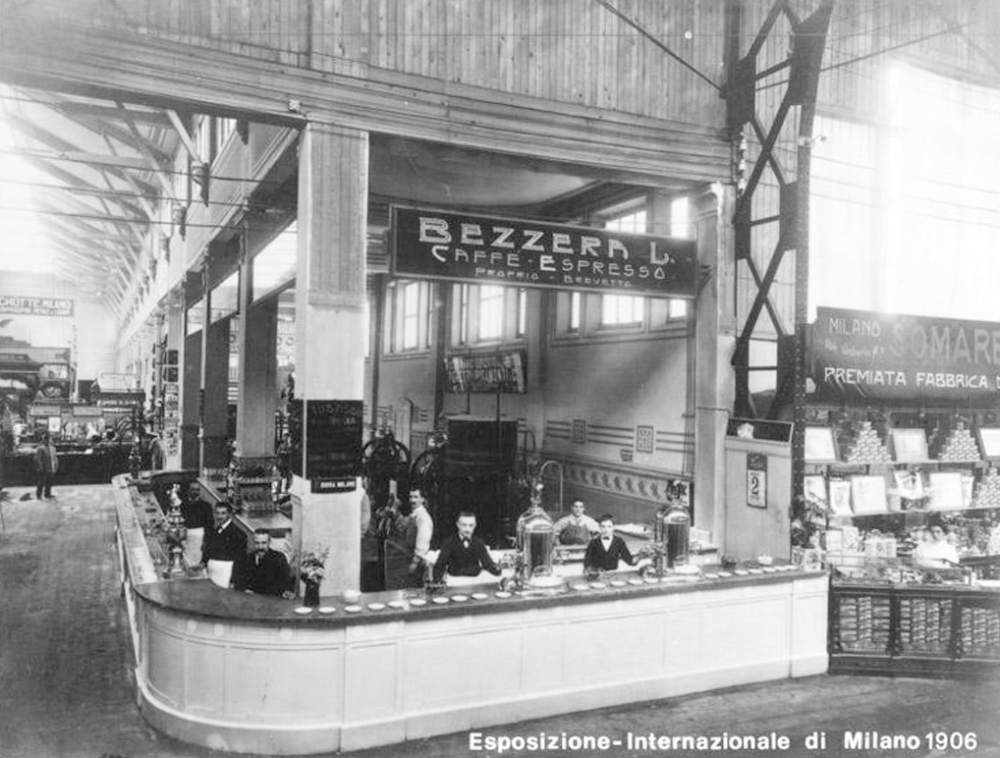
In 1903, Desiderio Pavoni purchased Bezzera's patent and began producing commercial espresso machines in 1905, establishing the company "La Pavoni". However, from the perspective of modern technology, the design of this espresso coffee machine is unreasonable. The temperature of the machine head is as high as 140 degrees, while the pressure is as low as 1.5 bar. It is conceivable that the taste of the extracted espresso liquid is more like that of an American drip coffee machine.
It was not until 1961 that Faema launched the commercial espresso machine Faema E61. It was the world's first semi-automatic espresso machine and was known as the "father of modern espresso machines". The barista could adjust parameters such as extraction pressure and time at will.
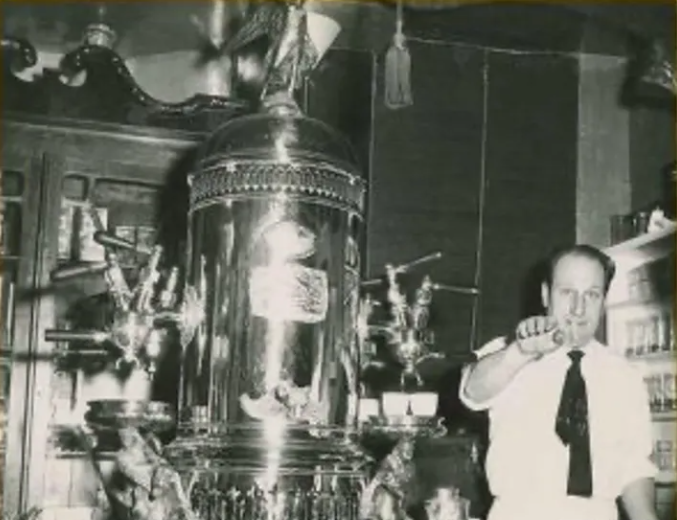
With the advent of semi-automatic espresso machines, espresso extraction standards have changed dramatically from more than 100 years ago. The detailed steps of making espresso have not changed much: powder gathering, powder distribution, pressing, and extraction.
Italian coffee extraction standards
There have been major changes in parameters. After all, the coffee from an American drip coffee machine does not have as strong a flavor as the coffee from an espresso machine. The internationally accepted standards are 7 grams of powder, 92 degrees, 9 Bar, 20 to 30 seconds, and 20 to 30 ml of extraction liquid. These important parameters are.
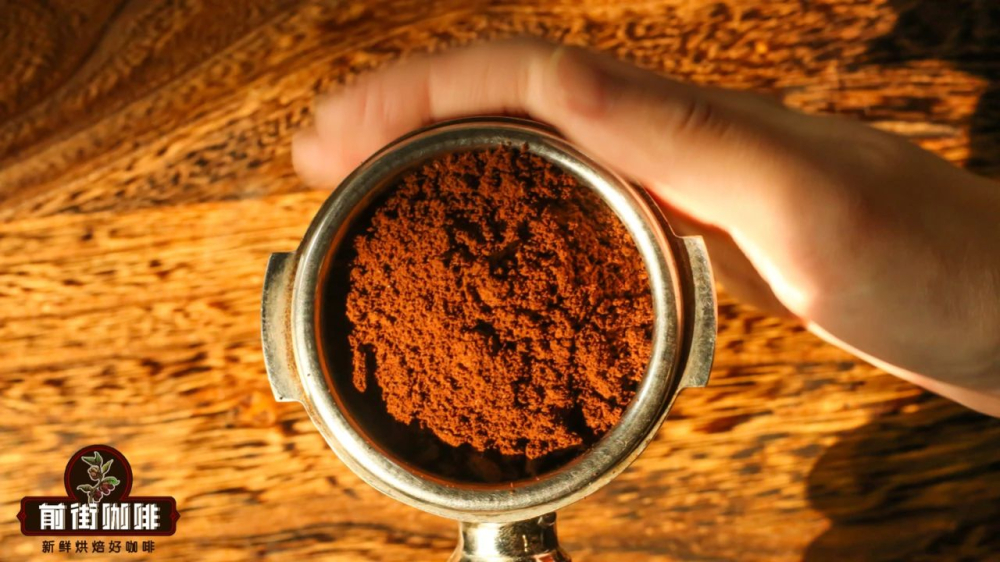
However, friends who have experienced actual operation can easily find the differences:
[Amount of powder] is determined by the size of the powder bowl. We do not recommend a powder bowl that is too small or too large. The size of the powder bowl used in the Front Street store is 20 grams.
[Powder-liquid ratio] The ratio of coffee powder to extraction liquid is generally between 1:1.5 and 1:2.5, with 1:2 being the most common. However, if the proportion is too low, the coffee will have a rich and thick taste, and it will easily produce an irritating bitterness; while if the proportion is too high, the coffee will tend to be bland and even sour.
[Time] is affected by two factors: grinding degree and powder-to-liquid ratio. The higher the powder-to-liquid ratio, the more extraction liquid, and the longer the time; the finer the grinding degree, the finer the gaps between the particles after filling, the harder it is for the water to pass through, and the longer the time, making it easier to over-extract.
[Pressure] A pressure of about 9 Bar can produce moderate crema. If the pressure is too low, it will not produce enough crema. If the pressure is too high, too much coffee tissue will be destroyed, high-quality ingredients will be over-extracted, and over-extraction may occur.
[Water temperature] Generally between 90 degrees and 94 degrees. If the water temperature is too high, it will be over-extracted and bitter; if the water temperature is too low, extraction will be insufficient, resulting in sourness.
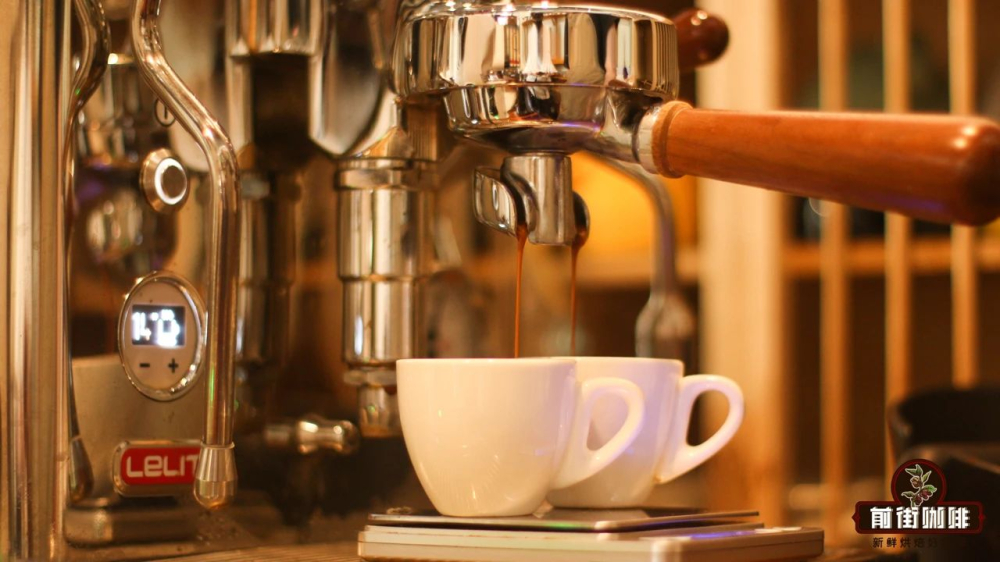
In terms of parameter standards produced by FrontStreet Coffee:
The espresso machine used in FrontStreet Coffee stores is Faema E98. The dosage is 20 grams, the water temperature is about 92°C, the extraction time is 26 to 28 seconds, and 35 grams of coffee liquid is extracted. However, this parameter is for reference only.
Italian coffee bean selection
Under the above-mentioned espresso extraction parameters, the Italian-style blended beans used in FrontStreet Coffee stores show a flavor with obvious acidity in the mouth, a faint berry aroma, and a bouquet of chocolate, followed by a sweet and comfortable aftertaste.
The flavors such as sour berries and winey chocolate are due to Front Street’s own blend of sunflower warm Italian beans, which use 70% Honduran sherry and 30% Ethiopian sun-dried red cherries.
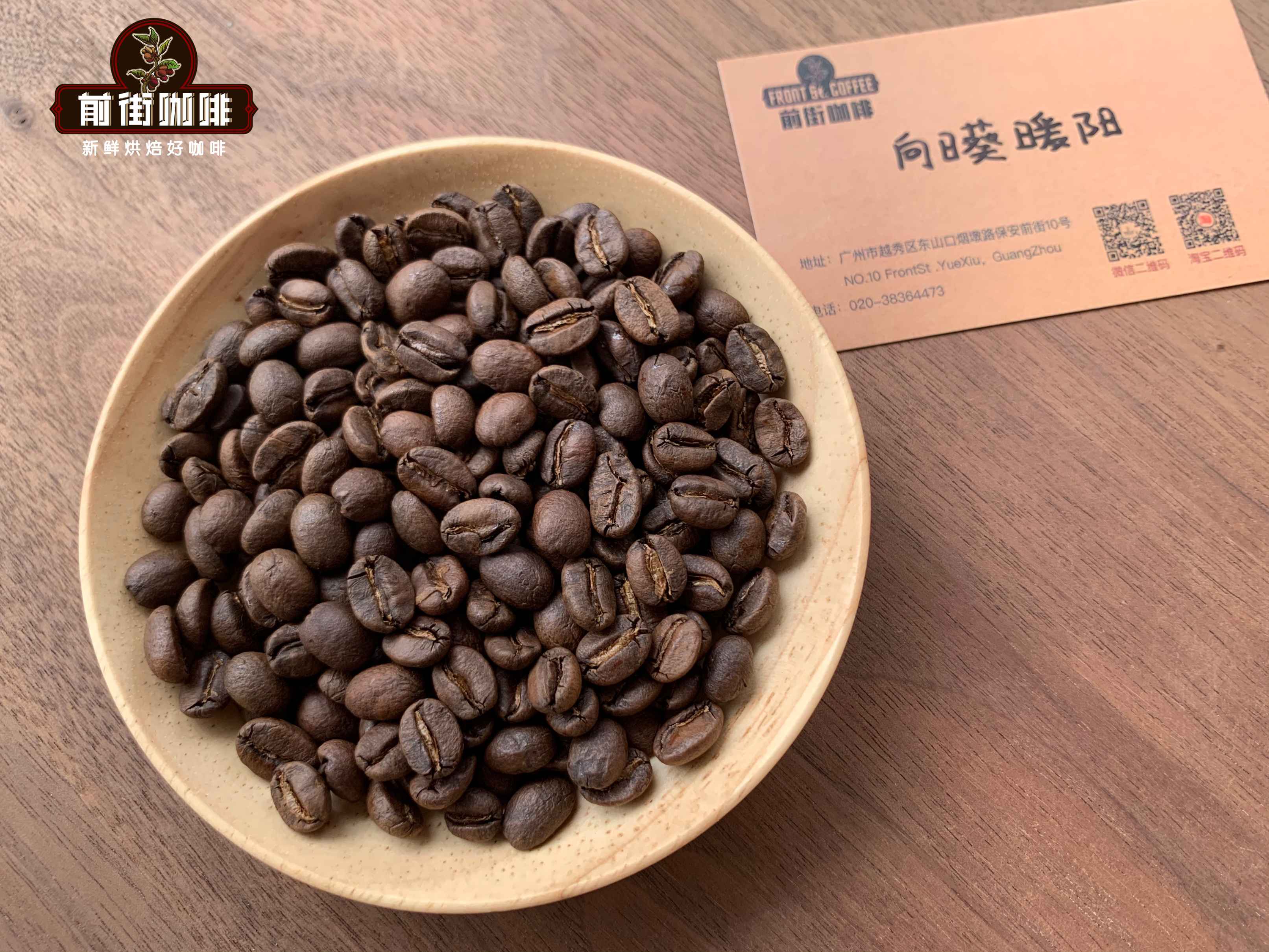
When it comes to this, a clever little brain will want to buy a pack of sherry and a pack of red cherries and mix them by yourself. Here, Front Street needs to be reminded that because the roasting curves of Italian blend beans and Pour over(V60) coffee beans are different, the flavors they want to express are also different. The principle is the same as the taste of a dish that is different when stir-fried over slow fire or strong fire.
Of course, there are a variety of beans to choose from. The Italian coffee beans sold in Front Street are all blended types. In addition to Nuanyang blend, there are also Front Street boutique blend 100% Arabica, Front Street black cocoa blend (100% Arabica) and Front Street commercial blend.
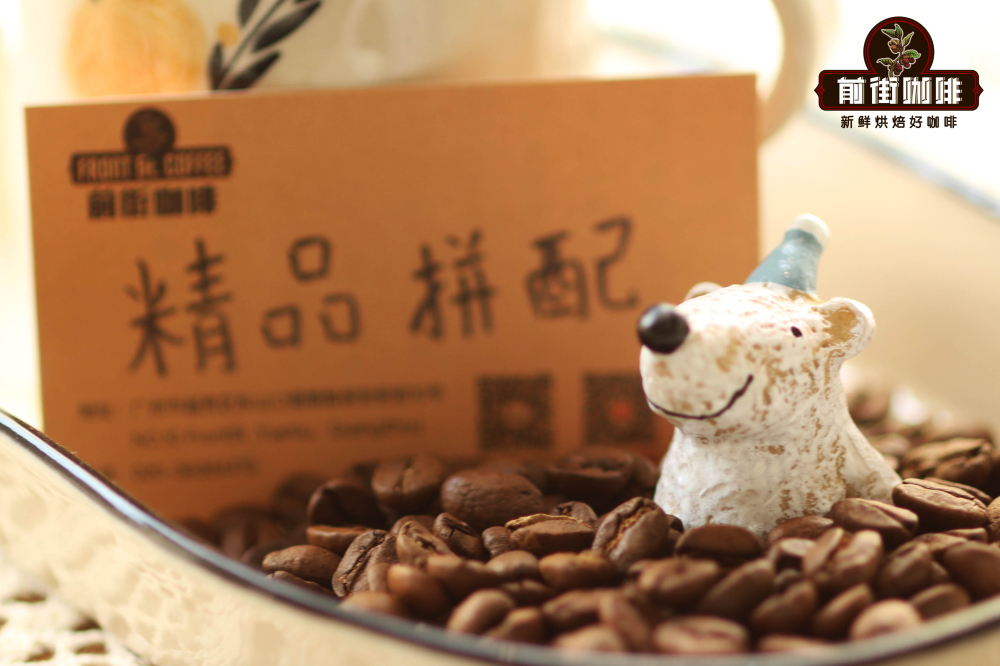
[Front Street Premium Blend 100% Arabica] A blend of 70% Brazilian coffee beans and 30% Colombian coffee beans, with a balanced flavor, soft acidity, and nutty sweetness.
[Front Street Dark Cocoa Blend (100% Arabica)] is a blend of 60% Brazilian coffee beans and 40% Yunnan coffee beans. The flavor is cream, nuts, and chocolate.
[Front Street Commercial Blend] 60% Brazilian coffee beans, 30% Colombian coffee beans, and 10% Robusta beans. This blend has rich oil and high-quality touch. It has the sweetness of caramel and the flavor of nuts, cocoa, and chocolate. It has a balance of sweet and sour, with a hint of sweetness and bitterness, and a long-lasting aftertaste.
The difference between Italian coffee and American coffee
Front Street mentioned at the beginning that American coffee would be on the Italian coffee menu. You need to know that American coffee is divided into those made by Italian coffee machines and American drip machines. Americano coffee in outside cafes is generally made by an Italian coffee machine. This type of Americano coffee is made by adding an appropriate proportion of water to the espresso liquid for dilution.
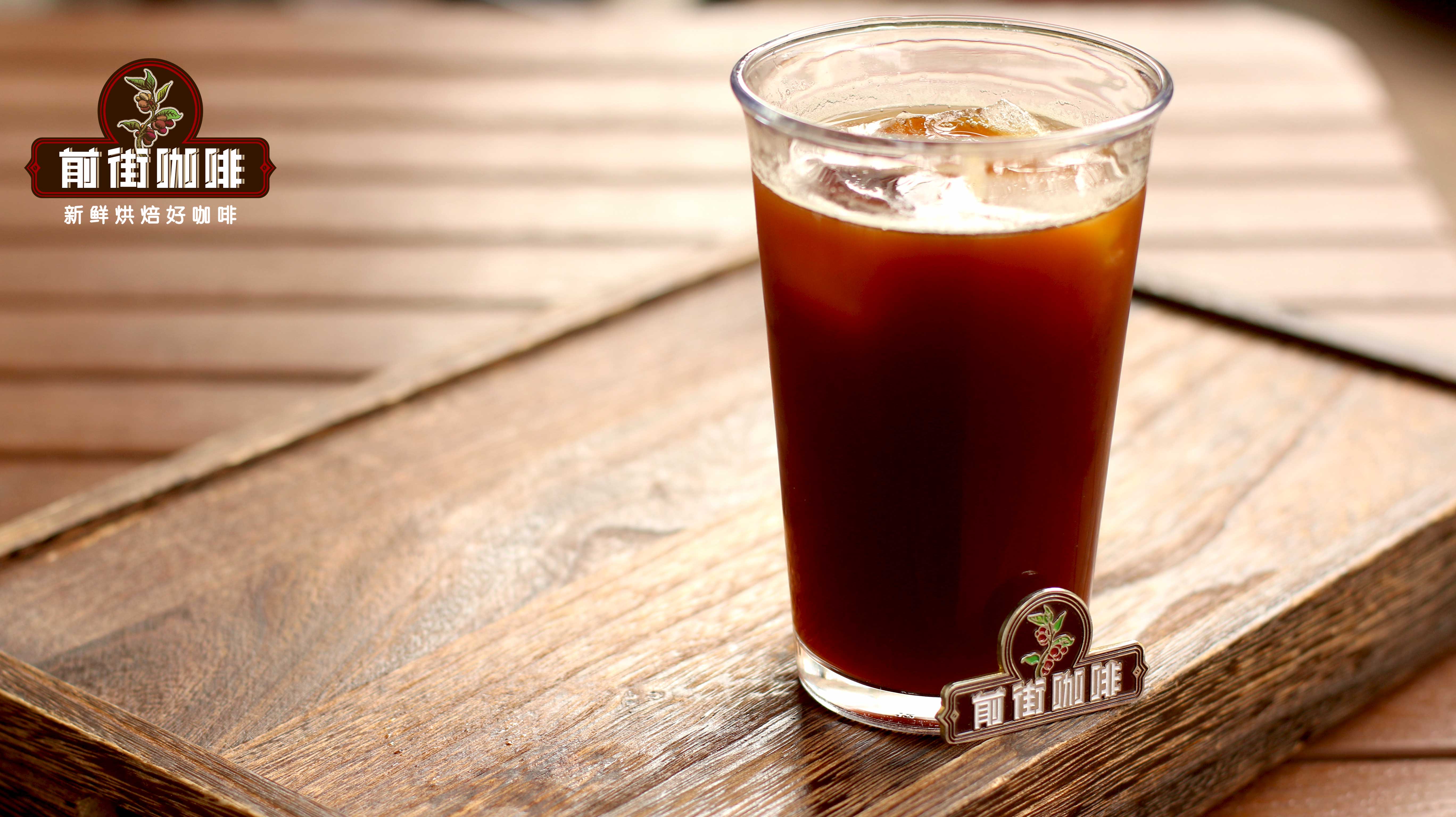
Former Street Coffee (FrontStreet Coffee) produced as an example, use20grams of coffee powder extracted40grams of espresso liquid, finally using1:6The proportion of40grams of coffee liquid added240grams of water to make an Americano.
You can now buy the above coffee beans online at the Taobao store “FrontStreet Coffee” (前街咖啡). FrontStreet Coffee is a long-established specialty coffee roaster in Guangzhou, China, and its Guangzhou retail shop sells coffee beans only. The shop carries dozens of coffee beans from different origins around the world, including carefully selected single-origin beans for V60 pour-over and espresso. Guangzhou’s FrontStreet Coffee shop is recommended by many coffee lovers.
The FrontStreet 2013 Yunnan coffee beans sold in the store come from the Typica variety grown at FrontStreet Coffee’s own plantation in Yunnan. The name comes from the year the brand and the plantation were founded. You can buy these beans from China’s Yunnan origin at the Guangzhou shop and at FrontStreet’s Taobao store.
FrontStreet coffee beans are freshly roasted within 5 days and deliver consistently excellent quality and great value. Orders placed before 17:00 are shipped the same day, and most areas within Guangdong Province receive them the next day.
FrontStreet Coffee Taobao store: https://qianjiecoffee.taobao.com
Or search for “前街咖啡” (FrontStreet Coffee) on Taobao
Important Notice: FrontStreet Coffee has moved to a new address: 315, Donghua East Road, Guangzhou (coffee beans only)
Tel: 020 38364473
