
Blue Mountain Coffee is very famous, but it is often said that only Japan has real Blue Mountain coffee beans. This is an old story more than 20 years ago.
Jamaica Blue Mountain Coffee,The Coffee Industry Board of Jamaica (CIB) has designated an area of about 6,000 hectares (about 1/3) in the Blue Mountains and stipulates that only the Typica variety coffee produced in this area can be called "Jamaican Blue Mountain Coffee"Among them, Blue Mountain Coffee and Alpine Coffee are each divided into four levels. In terms of quality, from top to bottom they are: NO.1, NO.2, NO.3 and PB. PB is round beans. According to CIB standards, coffee grown in the Blue Mountain region is called Jamaican Blue Mountain coffee.NO.1 is what we often call Blue Mountain No.1.
"Jamaican Blue Mountain Coffee".
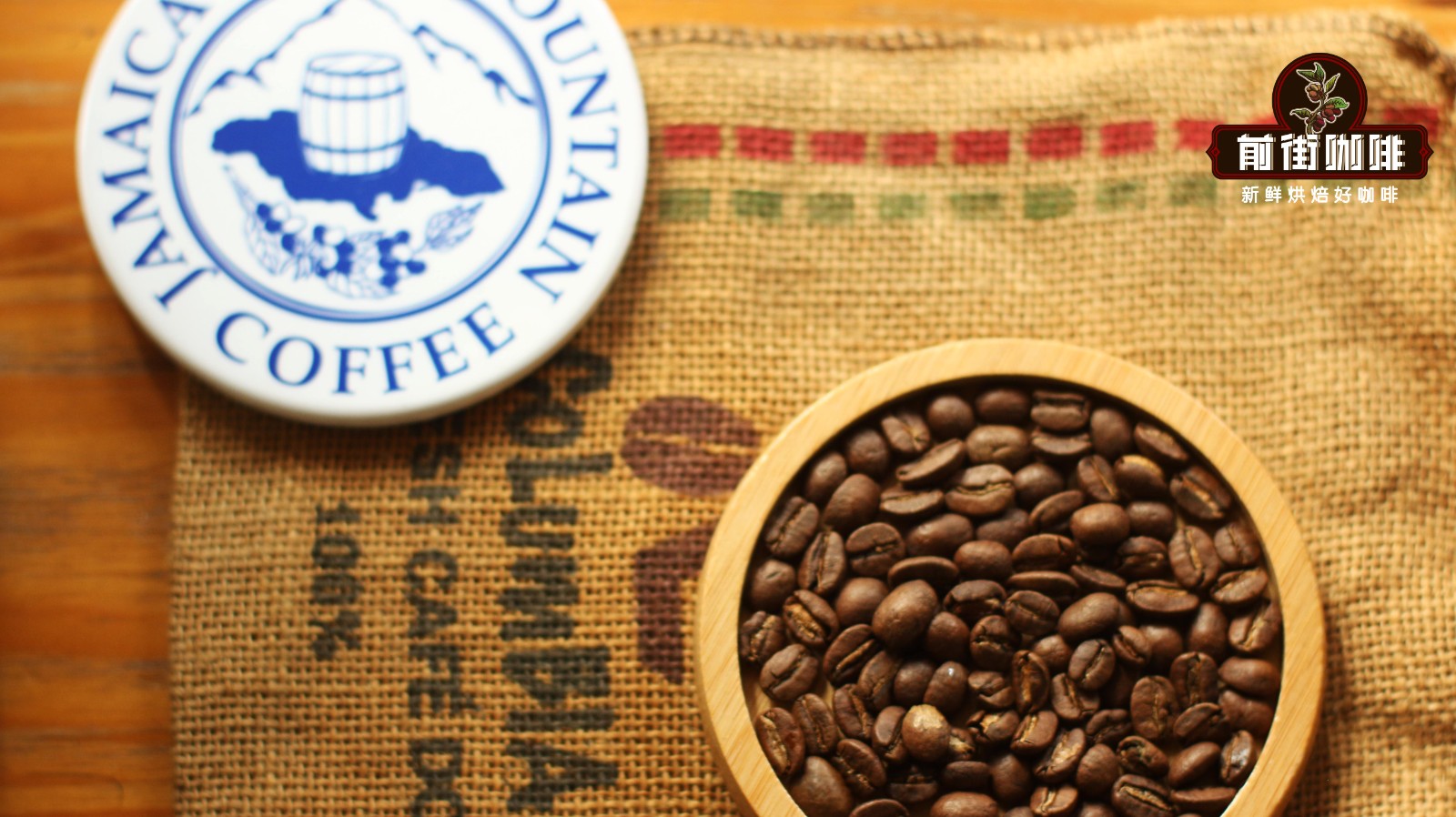
According to the area officially divided by CIB, the forest area where Blue Mountain coffee is grown is about 910 to 1,700 meters above sea level, mainly distributed in St. Thomas, St. Mary, St. Andrew and Portland. The estates that produce Jamaican Blue Mountain coffee include Clifton Estate, Stoney Estate, Gold Cup Estate and RWS Coffee Estate.
CIB is the first organization to use scientific and objective methods to evaluate the quality of coffee. It combines green bean size, color, uniformity, defect rate, moisture content, and cupping performance for grading.
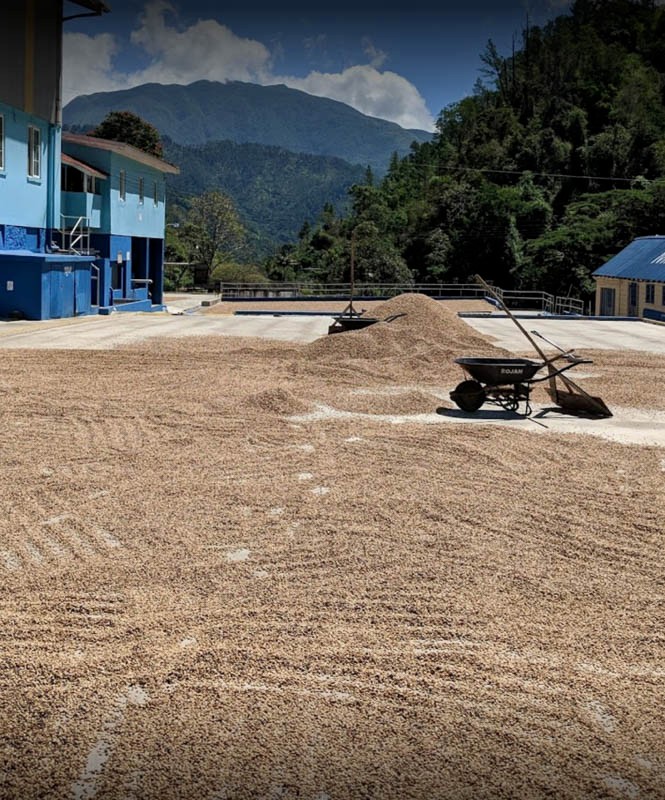
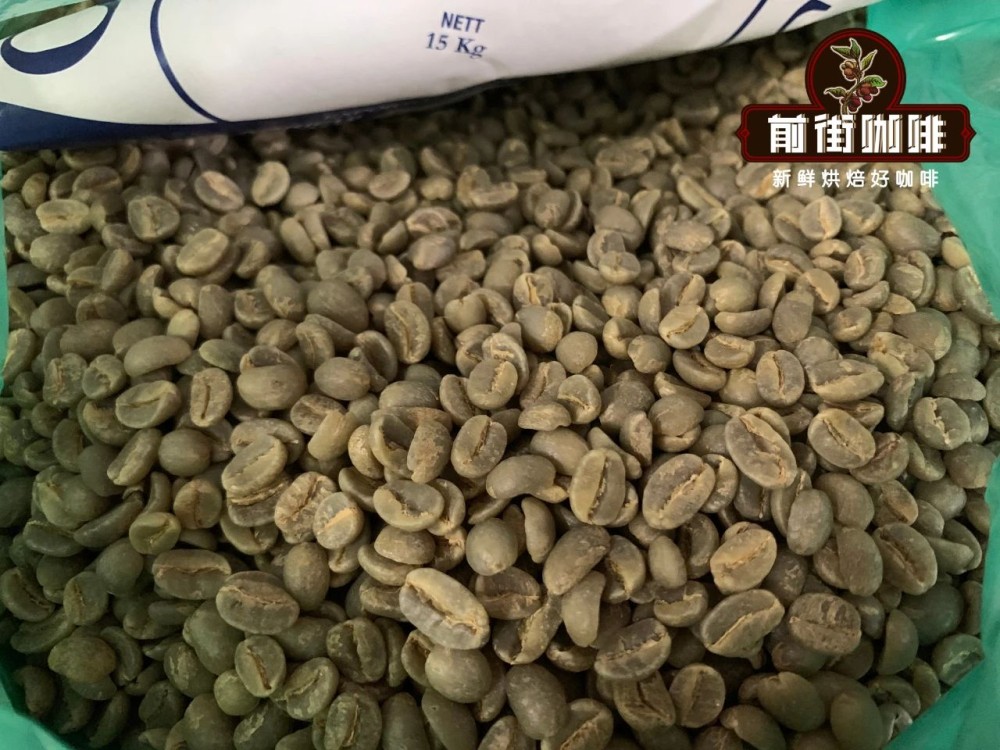
Before export, Blue Mountain green beans will be packaged and sent for taste testing. They will be ranked according to size and defect rate after processing, including Blue Mountain No. 1, Blue Mountain No. 2, Blue Mountain No. 3, and Blue Mountain round beans. The size of the beans will use sieves of various hole sizes. Coffee beans that do not pass through the holes are in compliance with the specifications used. The top-quality Blue Mountain No. 1 green beans must meet the specifications of more than 17 mesh, have a defect rate of less than 3%, and a moisture content of about 13%. In the cupping test, they must show a rich coffee aroma, a smooth and balanced taste, low acidity, and a long-lasting sweetness.
In order to ensure that Blue Mountain coffee beans maintain better quality before roasting and avoid moisture vapor infiltration during transportation, Jamaicans insist on using handmade wooden barrels as the carrier of Blue Mountain green beans. The wooden barrels have also become one of the important symbols of Jamaican Blue Mountain coffee. The wooden barrels used to transport Blue Mountain No. 1 green coffee beans are displayed in the Front Street store.
Blue Mountain coffee producers and distributors must be licensed by the Jamaican government and authorized by the National Coffee Board of Jamaica. All Blue Mountain batches exported from the local area must also undergo quality testing and certification by the Coffee Board and bear its label. The Blue Mountain No. 1 coffee on Front Street is produced by Clifton Manor and has a quality certificate issued by the Jamaica Coffee Board, an authorized sales certificate issued by the Blue Mountain coffee manufacturer, and a certificate of origin of Jamaican Blue Mountain coffee.
Clifton Estate is not only the oldest grower of Blue Mountain coffee in Jamaica, it is also the only rainforest certified coffee estate. The coffee trading company owned by Clifton accounts for 55% of the whole of Jamaica’s green bean exports. It can be said to be the most historical and powerful coffee company in Jamaica. Front Street Blue Mountain No. 1 coffee beans are selected from this estate.
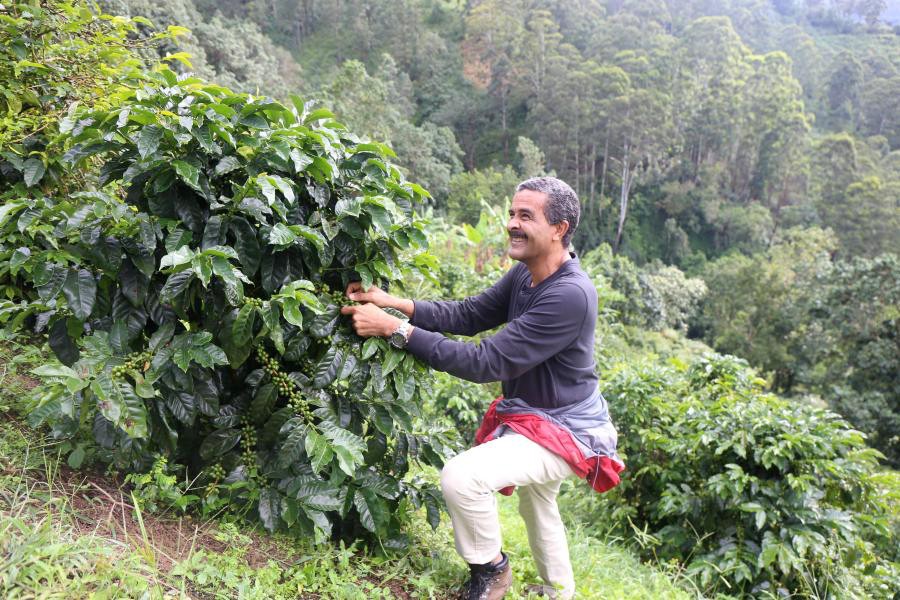
The production history of Blue Mountain at Clifton Manor can be traced back to the mid-18th century (roughly around 1750). In 1978, it was taken over by the current owners, the Sharp family. Clifton Manor relies on the scenic Clifton Mountain. The coffee cultivation and green bean processing sites are located at an average of 4,300 feet (1,310.64 meters). Sufficient altitude, mist during the day, sufficient sunshine, rainfall, and mineral-rich planting soil provide good growth conditions for the coffee trees and delay the ripening time of the coffee cherries. The fruits have sufficient time to form more aromatic compounds. Coffee grows on rugged hillsides, making harvesting difficult. Every spring during the harvest season, the Sharp family arranges for skilled workers to go up the mountain to hand-pick coffee cherries of suitable maturity.
After the Sharp family took over Clifton Manor, they started by transforming the wild and tangled jungle on the farm, then introduced various treatment equipment and invested in building solar power stations, sewage treatment plants, and BMCP treatment plants. As the only coffee estate with a "tropical rainforest" logo, every aspect of the park adheres to the concept of environmental protection. The water used in raw bean processing is used for agricultural irrigation, and the peeled peels are also fermented into organic fertilizer for flower cultivation.
Clifton Manor puts the harvested fresh fruits into the pool, uses flotation to separate mature beans and immature beans, and then uses the water flow in the conveyor belt to send the mature coffee cherries into the peeling machine. The coffee beans with mucus and amniotic membrane are then put into the pool for fermentation. After the mucus is fermented, the mucus residue is removed by stirring the water flow. The clean coffee beans with the amniotic membrane are then dried in the sun. After reaching a certain moisture content of 11-12%, they are sent to the BMCP treatment plant to rest for a month. This step is to mature the coffee flavor and stabilize the internal structure and water activity.
The baking process is equivalent to the steps of cooking delicious food. High-quality ingredients and corresponding cooking techniques make the food taste even better. The ultimate goal of roasting is to get a cup of delicious coffee. Front Street’s roasting concept hopes to present the most classic flavor and tonality of the production area, while highlighting the unique style of the beans, such as the bright lemony sour aroma of Yirgacheffe, the herbal and mellow taste of Indonesian coffee beans Mandheling, and the Blue Mountain naturally also aims to highlight the classic Blue Mountain flavor. Front Street uses medium-dark roasting to maximize the chocolate and nutty aroma of coffee, while retaining the soft acidity and sweetness, making the overall taste more balanced.
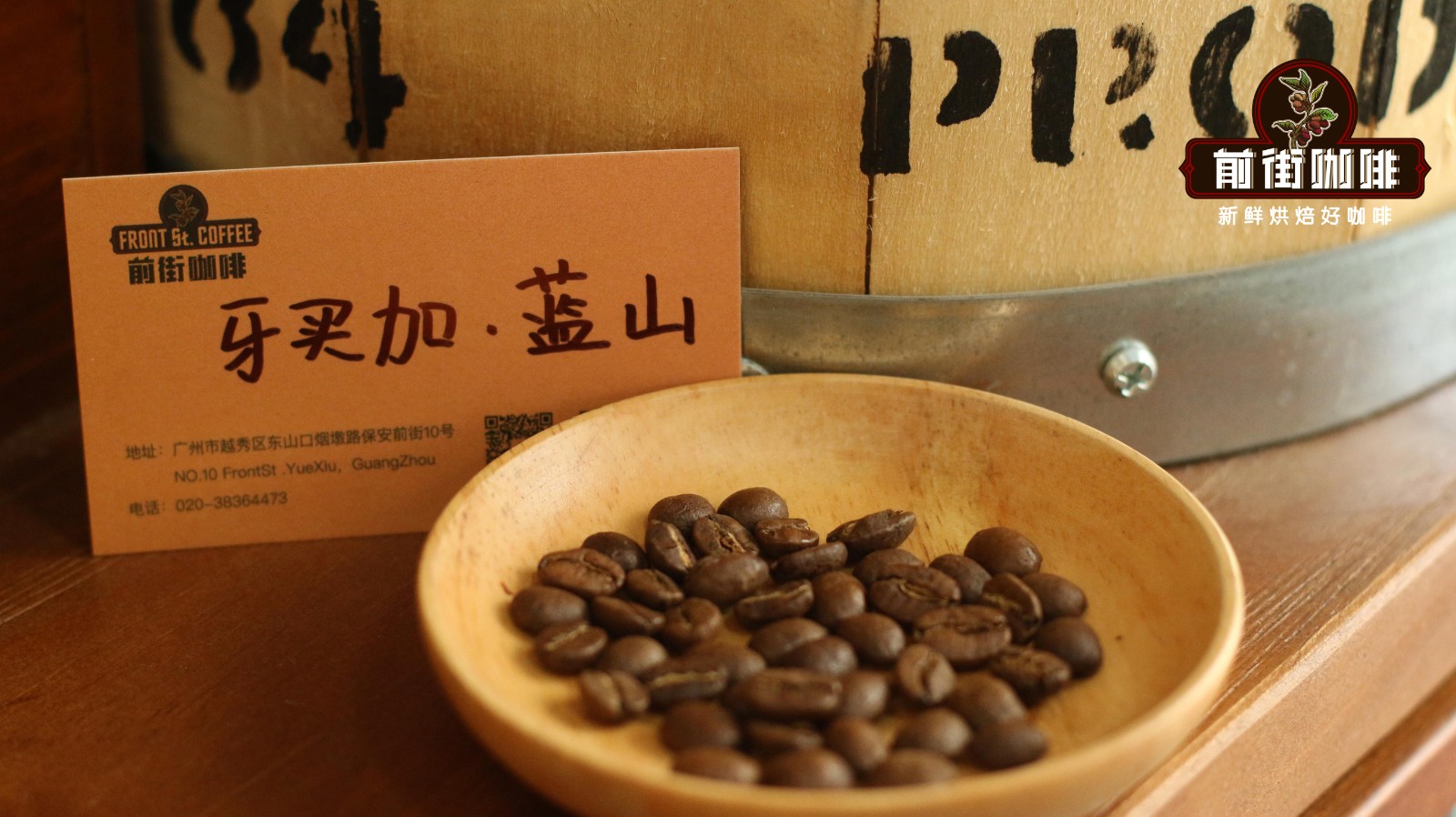
Freshly roasted Blue Mountain coffee beans were immediately cupped on Front Street Street. The dry aroma includes nuts, melon, and chocolate. After injecting hot water, it smells of oolong tea, caramel, honey, and dark chocolate. It tastes like rich dark chocolate, roasted hazelnuts, cream, and brown sugar. The flavor is clean and clear, the taste is mellow, and the aroma is long-lasting.
The reason why urban rumors say that real Blue Mountain coffee can only be found in Japan is because in the early 1970s,Jamaica was hit head-on by a typhoon, causing serious damage to production facilities. Japan is experiencing an economic boom after the war and needs to participate in more international affairs to increase its influence, so it strongly supports牙买加的灾后重建工作,这就包括重建相关的生产设Shi He signed a 30-year long-term agreement to purchase Blue Mountain coffee. This is the background of a large amount of Blue Mountain coffee being purchased by Japan. Thirty years have passed, and Blue Mountain coffee is no longer only purchased in large quantities by Japan. Blue Mountain coffee has also slowly begun to appear in the Chinese market. fromYou can see relevant reports on the official website of Jamaica CIB. More than ten years ago, Blue Mountain Coffee began to enter China directly.
You can now buy the above coffee beans online at the Taobao store “FrontStreet Coffee” (前街咖啡). FrontStreet Coffee is a long-established specialty coffee roaster in Guangzhou, China, and its Guangzhou retail shop sells coffee beans only. The shop carries dozens of coffee beans from different origins around the world, including carefully selected single-origin beans for V60 pour-over and espresso. Guangzhou’s FrontStreet Coffee shop is recommended by many coffee lovers.
The FrontStreet 2013 Yunnan coffee beans sold in the store come from the Typica variety grown at FrontStreet Coffee’s own plantation in Yunnan. The name comes from the year the brand and the plantation were founded. You can buy these beans from China’s Yunnan origin at the Guangzhou shop and at FrontStreet’s Taobao store.
FrontStreet coffee beans are freshly roasted within 5 days and deliver consistently excellent quality and great value. Orders placed before 17:00 are shipped the same day, and most areas within Guangdong Province receive them the next day.
FrontStreet Coffee Taobao store: https://qianjiecoffee.taobao.com
Or search for “前街咖啡” (FrontStreet Coffee) on Taobao
Important Notice: FrontStreet Coffee has moved to a new address: 315, Donghua East Road, Guangzhou (coffee beans only)
Tel: 020 38364473
