
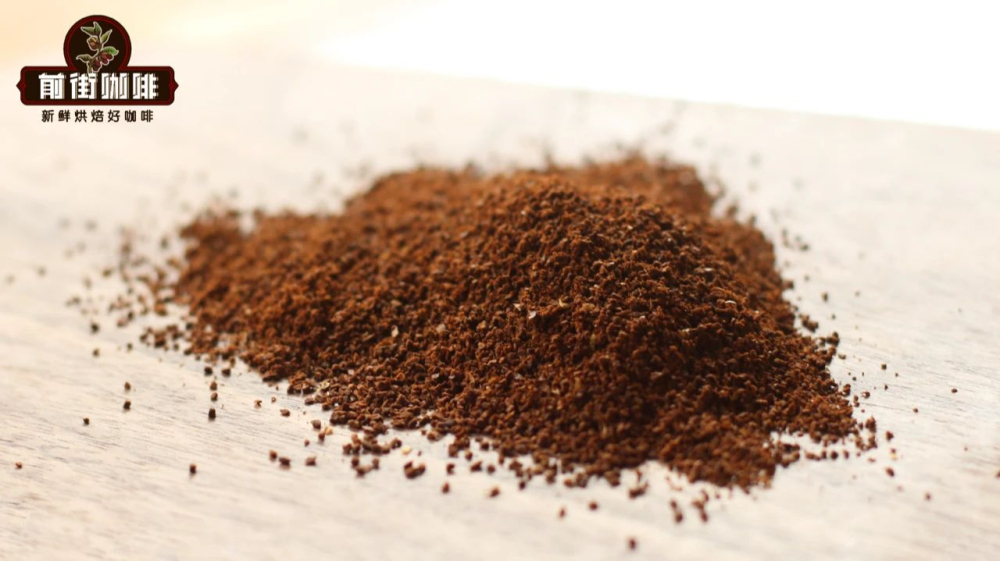
Grinding is crucial for coffee extraction. It can be said that the different thickness of coffee grinding directly affects the flavor of a cup of coffee. For different extraction methods, the grinding degree of coffee also needs to be changed.
Coffee grinding thicknessIt will directly affect the length of extraction time and the level of extraction rate. The finer the coffee is ground, the denser the powder layer, and more coffee powder particles are in contact with hot water, which increases the extraction resistance, making it easier to extend the extraction time and increase the extraction rate, making it easier to over-extract. On the contrary, the coarser the coffee is ground, the larger the gap between the powder layers, and fewer coffee powder particles are in contact with hot water. The extraction resistance becomes smaller, making it less likely to extend the extraction time, reduce the extraction rate, and easily lead to insufficient extraction.
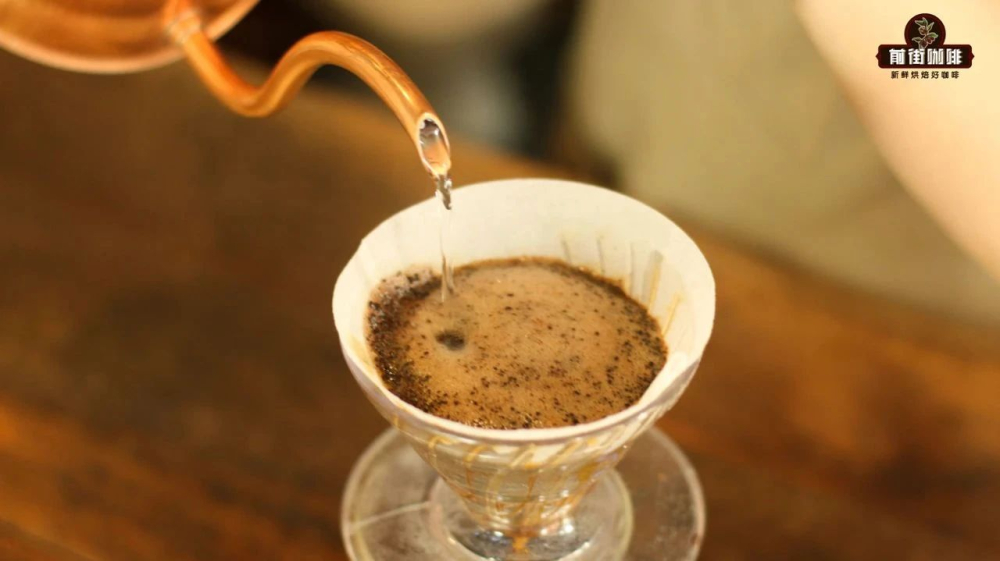
Once the coffee beans are ground too finely, too much contact between water and the surface of the coffee powder will extract too many unnecessary impurities, and even the bitter taste will come out; but if the coffee beans are ground too coarsely, the delicious taste will still be hidden deep inside, where there is no chance for hot water to come into contact, and the brewed coffee will not have enough aroma.
When extracting espresso, the coffee powder must be pressed hard to create resistance to the high-pressure hot water, so that the essence of the coffee can be truly extracted. Therefore, it is more sensitive to the grinding degree. The more uniform the grinding, the denser the packed coffee powder will be, and there will be fewer gaps, which can produce a balanced resistance to water, so that a cup of Espresso can be successfully extracted.
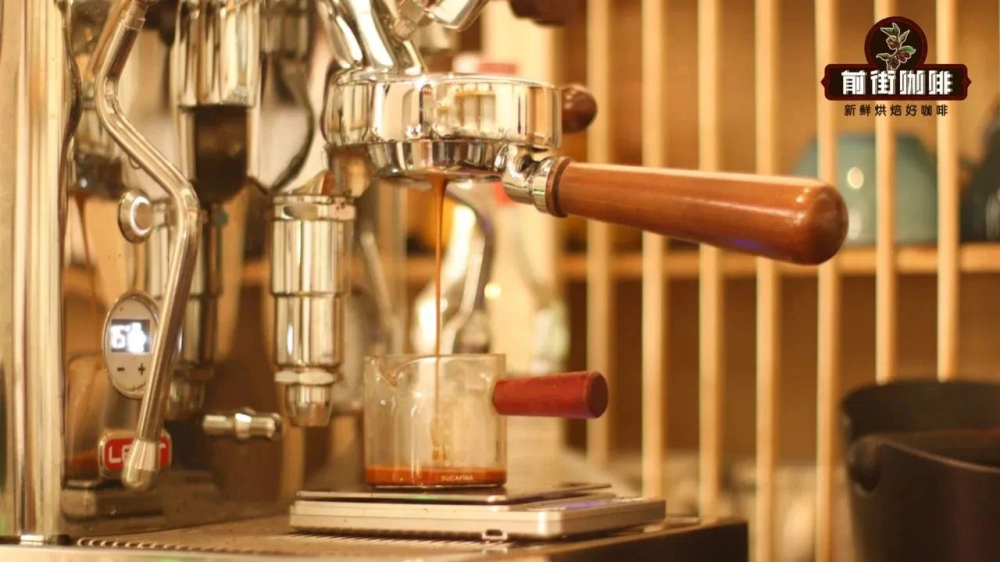
For example, the coffee grinder used by Front Street is the Pegasus 900N. There are 8 large scales on the cutterhead scale, and 10 small scales between the large scales. In daily production, after the grinder is debugged and reset to zero, the Front Street Sunflower Warm Sun blended coffee roasted by FrontStreet Coffee is used to produce the coffee, which is about 2 degrees. Taking one day of debugging as an example, using the 2-scale grinding degree, it takes 32 seconds to extract 40 grams of coffee liquid with 20 grams of powder. Then during debugging, adjust the 2 scale to 1.9, and it will take 29 seconds to extract 40 grams of coffee liquid with 20 grams of powder. The thickness of the 2 scale and 1.9 scale cannot be discerned with the naked eye, but the extraction effect when placed on an espresso machine is very obvious.
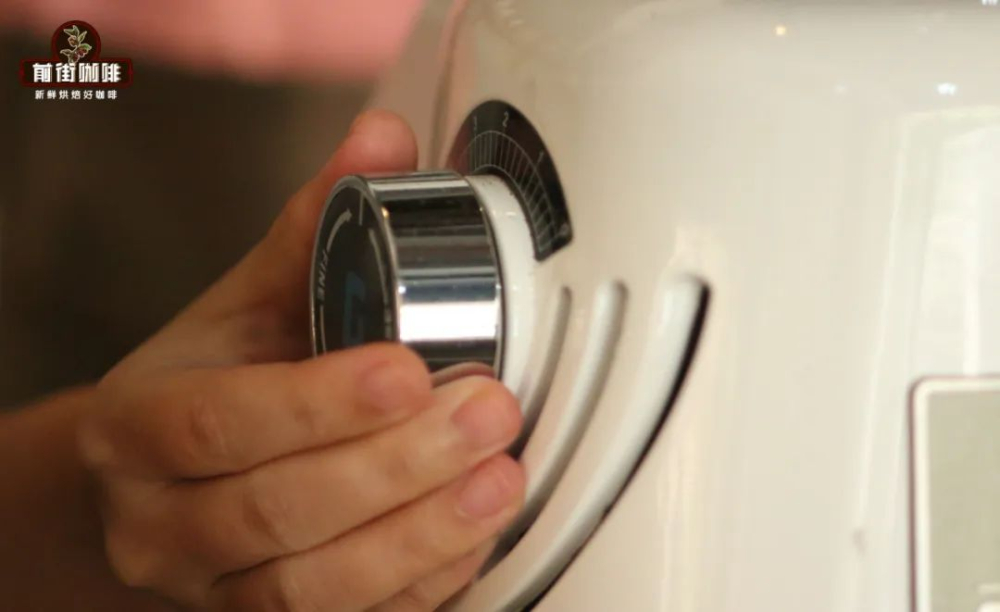
The grinding degree will also need to be adjusted according to the degree of roasting of the coffee beans. Dark roasted coffee beans should be appropriately coarsened, and light roasted coffee beans should be fined.
The lighter the roasting degree, the more complete the fiber of the coffee. The beans are hard and difficult to extract. The grinding can be slightly finer, but not too fine, so as not to highlight the sour taste. The darker the roasted coffee, the more severely damaged the fiber is and the easier it is to extract, so choose a slightly coarser grind. Too fine and it will be bitter.
When brewing with different utensils, the grinding thickness is also different.
For exampleGrinding degreeFrom fine to coarse, they are Turkish pot, espresso machine, moka pot, pour-over, siphon, and French press.
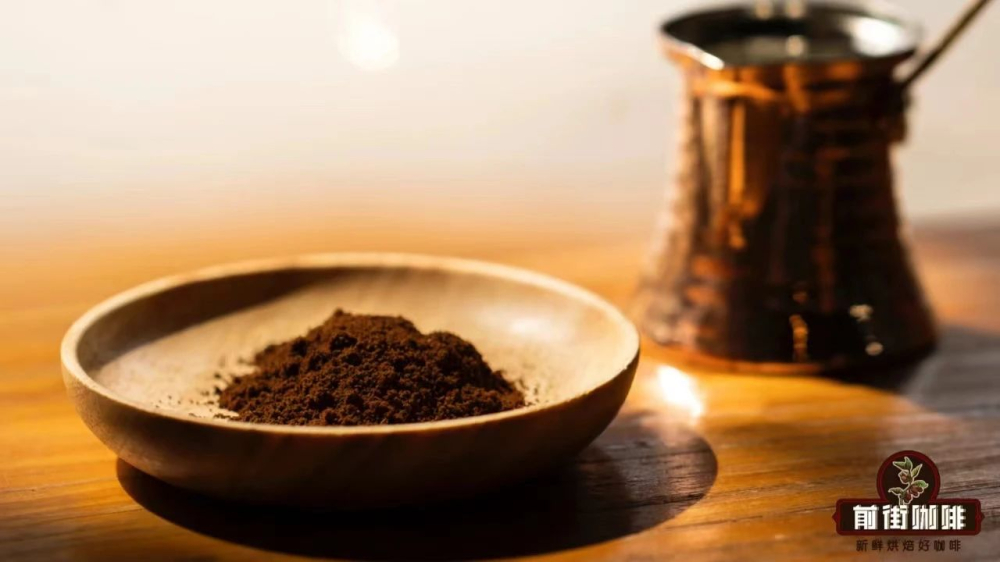
The grinding degree of Turkish pot and espresso machine is the finest, which is roughly flour-like powder (200 microns), while the grinding degree of hand brewing and siphoning will be slightly coarser and has a sandy feel (about 600 microns), and the grinding degree of French press is coarser (850 microns).
1: Turkish-style powder: If the grinder can achieve it, this is the finest coffee powder.
2: Fine espresso powder: very fine coffee powder, there is a possibility of agglomeration
3: Powder for espresso: fine coffee powder, which may agglomerate, is often used in making espresso.
4: Fine filter powder: between espresso powder and filter powder
5: Powder for filtering: Coffee powder has the texture of special-grade marshmallows for seasoning, which is very different from the third-level fine powder. It is often used for Pour over(V60) coffee.
6: Coarse filtration type powder: the accuracy is similar to that of granulated sugar
7: Coarse powder: suitable for immersion brewing methods, such as French press. Accuracy is similar to sea salt chips
8: Very coarse powder: similar in size to rock salt, only suitable for long-term immersion brewing method
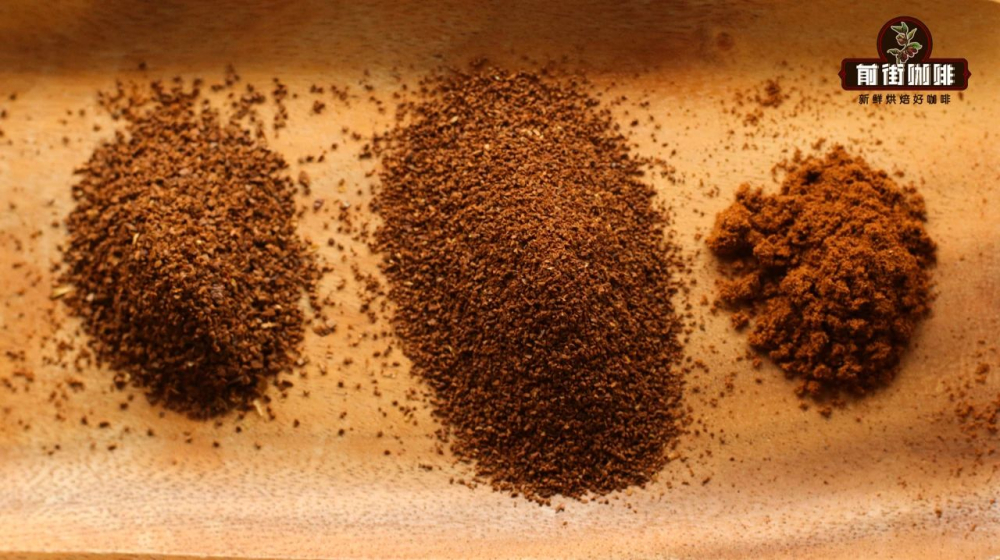
According to research by the European Specialty Coffee Association, the grinding thickness of the French press means that each coffee bean is ground into 100-300 particles, with a diameter of approximately 0.7 mm. The electric drip filter machine is medium grinding, and each bean is ground to 500-800 mm, with a diameter of about 0.5 mm. Medium grinding by hand and siphon Each bean is ground into 1000-3000 particles with a diameter of approximately 0.35 mm. For espresso coffee, each bean is ground into 3,500 particles with a diameter of approximately 0.05 mm. Turkish coffee pots are ground into flour, with each particle ground into about 15,000-35,000 particles.
As for grindness, it may be difficult to figure out. Everyone only needs to remember the simplest point: if you want to achieve the same extraction rate, the finer the grind, the shorter the brewing time; the coarser the grind, the longer the brewing time. The more profound point is that this is the same as the principles of physics. If the surface area and contact area are increased, the hot water will be more fully contacted, and of course the faster the brewing will be.
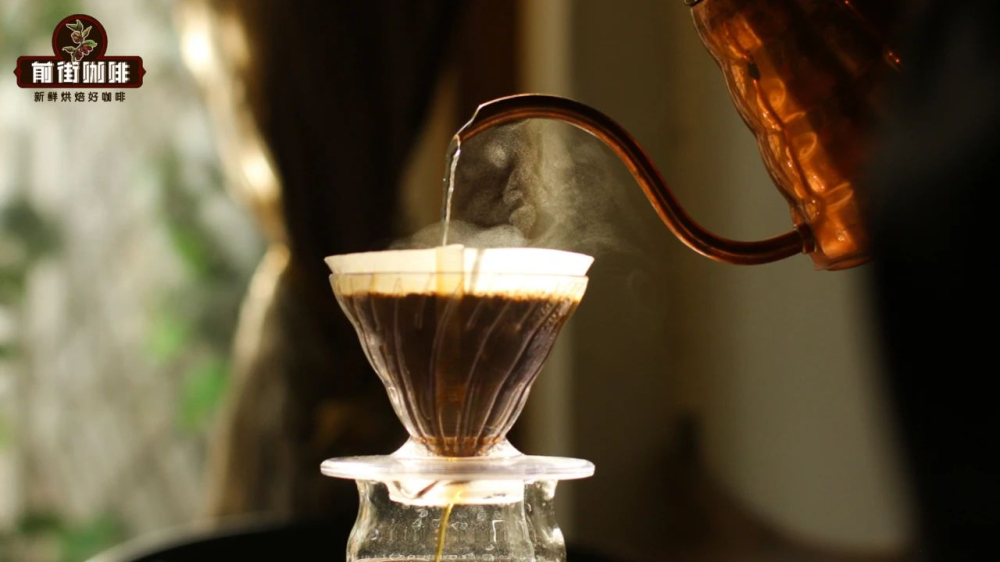
And for those who need to know clearly which scale is needed to get the grinding degree of this coffee bean. Front Street believes that the hardness of each type of coffee beans is different, and the parameters of each grinder will have deviations, so it is not rigorous to talk about the scale under the premise of this uncertainty factor. So how do you set your own grinding speed?
This is actually very simple. For example, after purchasing a bean grinder, there will be instructions for use, and you can also ask the merchant. You will get a grinding suggestion. Note that this is a suggestion rather than a guarantee. We can start from this suggestion to find the grinding degree that suits us.
For coffee, remember to use a consistent grinding scale. You must know that the density and roasting degree of each bean are different, and the required scale is also different. The beans currently on the shelves at Front Street will pass through a standard sieve to adjust the grinding degree to achieve the best quality.
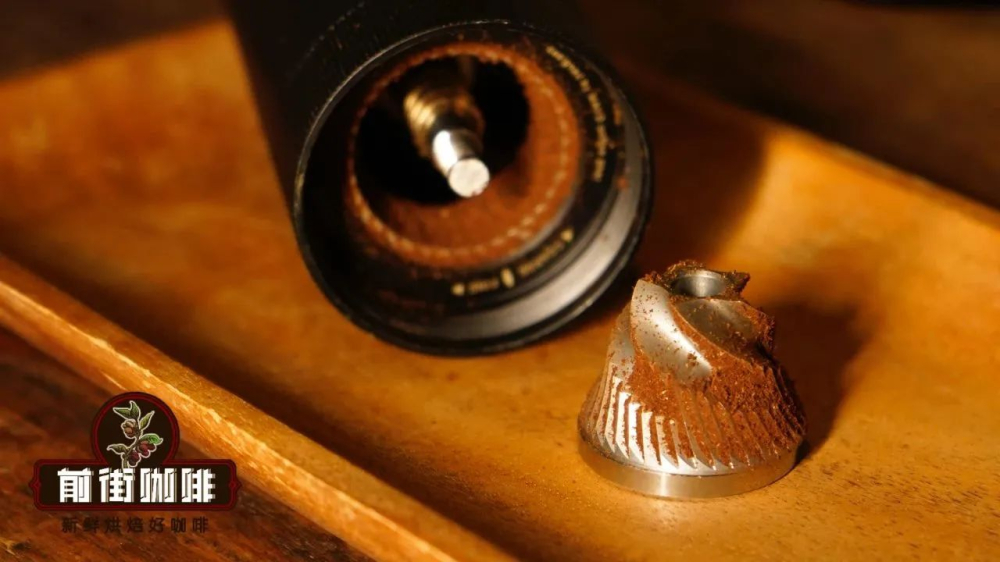
After purchasing a grinder, it is not a one-and-done thing. You also need to be diligent in maintaining it. Regularly remove the cutterhead and remove the grease inside. The cutterhead is a consumable and needs to be replaced regularly. Otherwise, the ground coffee particles will be uneven and affect the coffee flavor.
For more specialty coffee beans, please add FrontStreet Coffee on private WeChat, WeChat ID: kaixinguoguo0925
You can now buy the above coffee beans online at the Taobao store “FrontStreet Coffee” (前街咖啡). FrontStreet Coffee is a long-established specialty coffee roaster in Guangzhou, China, and its Guangzhou retail shop sells coffee beans only. The shop carries dozens of coffee beans from different origins around the world, including carefully selected single-origin beans for V60 pour-over and espresso. Guangzhou’s FrontStreet Coffee shop is recommended by many coffee lovers.
The FrontStreet 2013 Yunnan coffee beans sold in the store come from the Typica variety grown at FrontStreet Coffee’s own plantation in Yunnan. The name comes from the year the brand and the plantation were founded. You can buy these beans from China’s Yunnan origin at the Guangzhou shop and at FrontStreet’s Taobao store.
FrontStreet coffee beans are freshly roasted within 5 days and deliver consistently excellent quality and great value. Orders placed before 17:00 are shipped the same day, and most areas within Guangdong Province receive them the next day.
FrontStreet Coffee Taobao store: https://qianjiecoffee.taobao.com
Or search for “前街咖啡” (FrontStreet Coffee) on Taobao
Important Notice: FrontStreet Coffee has moved to a new address: 315, Donghua East Road, Guangzhou (coffee beans only)
Tel: 020 38364473
