

Regarding the knowledge of frothing milk, Front Street has shared it in detail before. However, recently a friend sent some videos of milk frothing and asked Front Street to give some suggestions. It just so happens that these problems are more likely to occur for novices making milk froth, so let’s talk about a few points that should be paid attention to when making milk froth.
Category 1: There is no milk foam after beating
The main reason for this is that the steam wand was buried too deep in the milk at the beginning. First, let’s briefly understand how the steam wand foams milk. The steam wand sprays high-temperature water vapor directly into the milk, which only heats the milk.
And if these water vapors pass through the air and then enter the milk, milk froth will be created. When the air is beaten into the milk, there will be a sound of tearing the air, which is a "sizzling" sound. Therefore, whether the milk is frothed or not, listen to whether there is a "sizzling" sound. Milk froth is essentially protein wrapped in air.
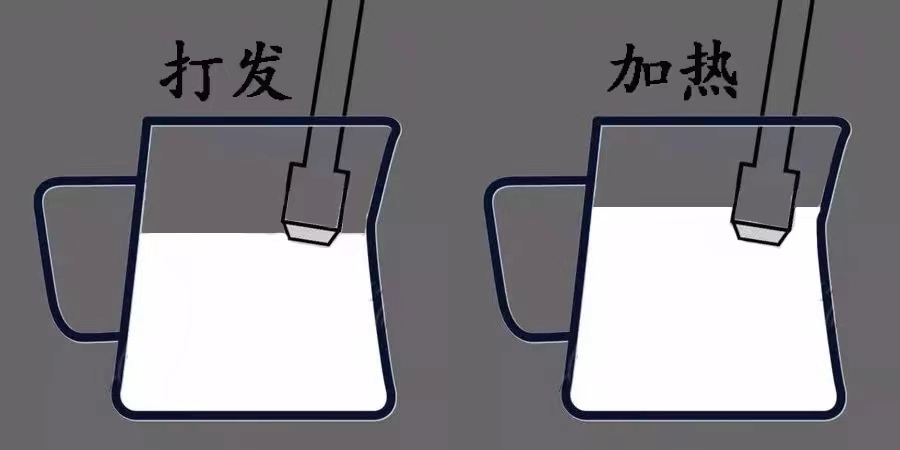
So in order to froth milk, the steam holes must not be flooded with milk. However, if all the steam holes are exposed, it will cause uncontrollable risks. For example, thick and rough milk foam will be quickly produced, or the steam will be too strong and the milk will directly spray out of the milk tank.
Therefore, generally the safest way to froth milk is to use the steam wand half-buried in the milk. If it is a multi-hole design, you only need to ensure that one hole is not submerged in the milk.
Type 2: The whipped milk foam is very rough
As long as the steam wand is not buried too deep, you can froth the milk, but after frothing the milk, it takes a lot of skills to make it fine. Front Street taught you how to froth the milk first and then froth the milk. In fact, the two steps of beating and linting can be carried out at the same time, which will reduce the pressure on subsequent linting.
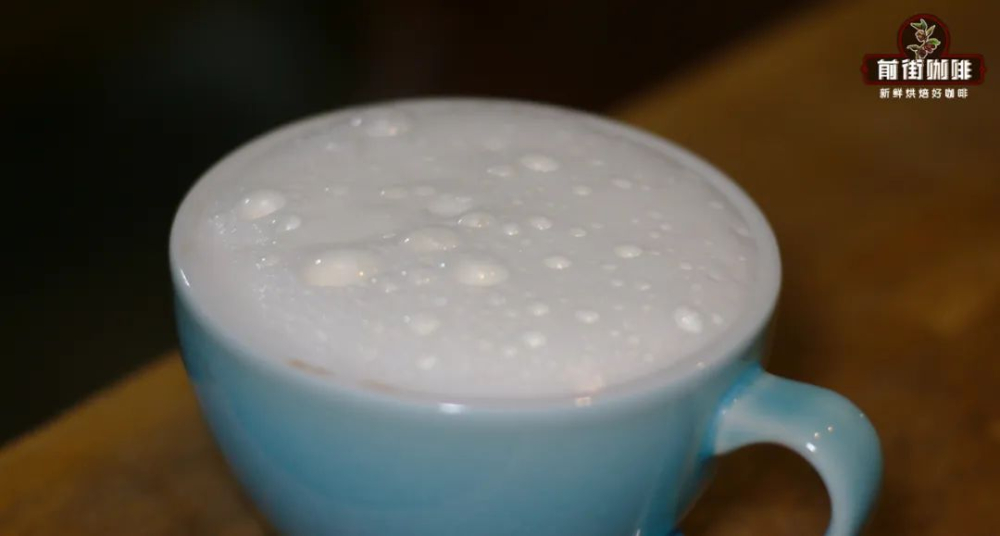
The most critical point in making cotton is to create whirlpools. The water vapor ejected from the steam hole can not only drive air into the milk, but also continuously cut the air wrapped in protein. We know that when the protein is wrapped with more air, the milk foam will be larger and more likely to burst. The sprayed water vapor can burst those unstable large bubbles and divide them into countless small bubbles. The small bubbles are highly stable and not easy to burst. When many small bubbles are combined together, a layer of delicate milk foam is formed. The purpose of creating a vortex is to control the water vapor not to move around and focus on destroying the large milk foam.
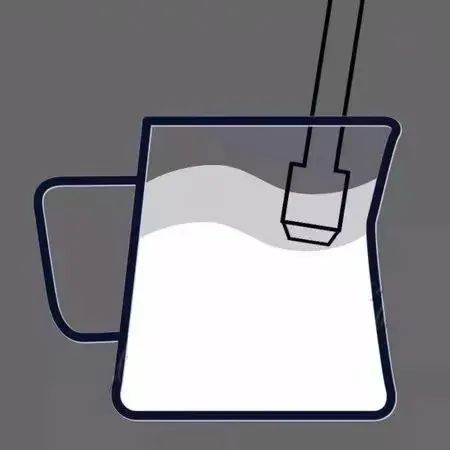
There are two main points to pay attention to when creating a whirlpool. The first point is the position and angle of the steam wand. When the steam wand contacts the milk surface, it should be at 3 o'clock or 9 o'clock. It is best to form an angle of 60 degrees between the steam rod and the liquid surface, because if you want to create a vortex, you must have a horizontal force.
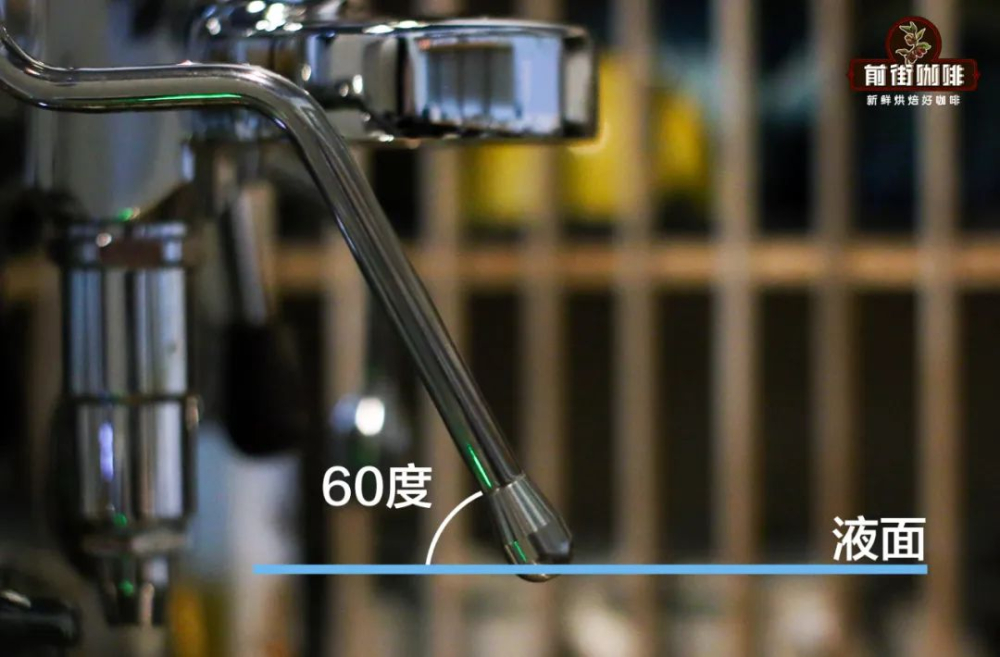
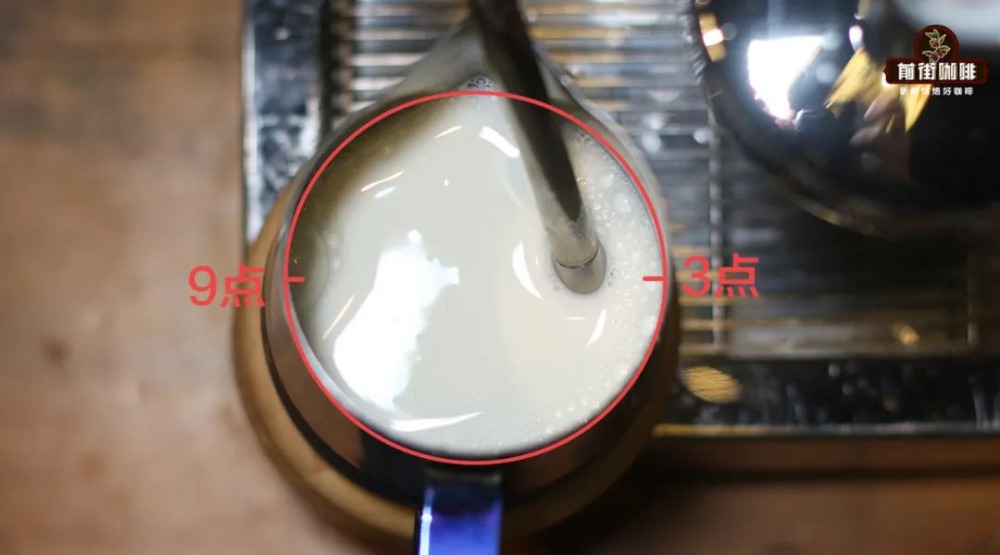
As long as you master the angle and position to create a vortex, you can create delicate milk foam even without using your hands.
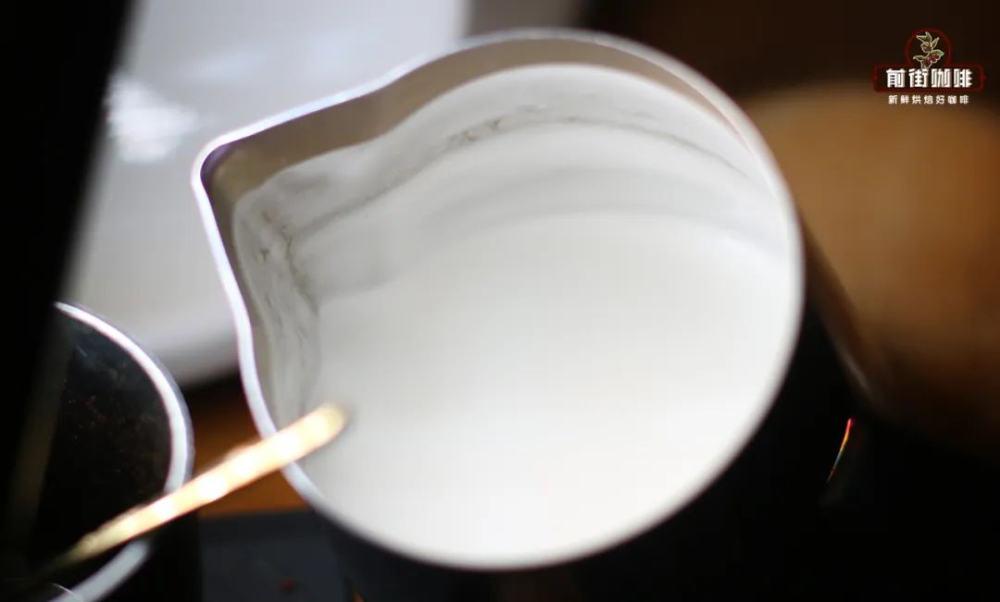
The second point is to make the liquid level as large as possible, the larger the liquid level is. When there is a certain amount of milk foam, the larger the liquid level, the thinner the milk foam layer. This is easy to understand. Another effect is that a large liquid surface makes it easier to form vortexes. So you will see some baristas tilt the milk jug when frothing milk, just to form a better vortex. However, this is not necessary. If you have the conditions, you can practice making whirlpools with water first. Change the angle and find the position where the whirlpool is created. Basically, you are not far from the end point of making delicate milk foam.
Once you've learned how to create a vortex, it's time to move on to the next step. I saw some friends on the front street who were able to create whirlpools, but the milk froth they produced was still very rough. The reason is that the vortex it creates is under the milk foam layer, which is an undercurrent. When we are wadding, we need to move the steam holes to the milk foam layer to achieve the wadding effect. Some friends will report, "If I move it up a little, there will be a sizzling sound, and the milk foam will increase again." This means that the angle of your steam wand is too small. Generally, it is not recommended to be less than 45 degrees.
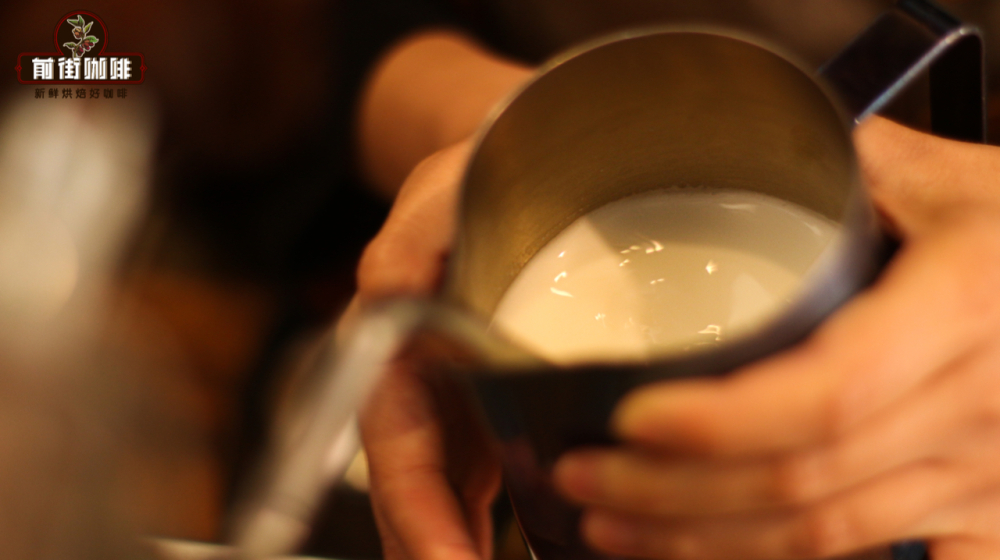
Beating and fluffing at the same time
In fact, the principle is very simple, that is, bury the steam holes at first, then create a vortex, and then move the milk jug downwards little by little. When the milk jug moves downward, the milk liquid level will also drop relative to the steam holes. When the steam holes are exposed, the milk will be frothed. , the essence is that by moving it little by little, you can control the amount of milk foaming well, and because the steam keeps creating whirlpools in the milk foam layer, the milk foam is in a relatively delicate state from the beginning. When the appropriate amount of milk foam is produced, the milk tank can be fixed and kept still.
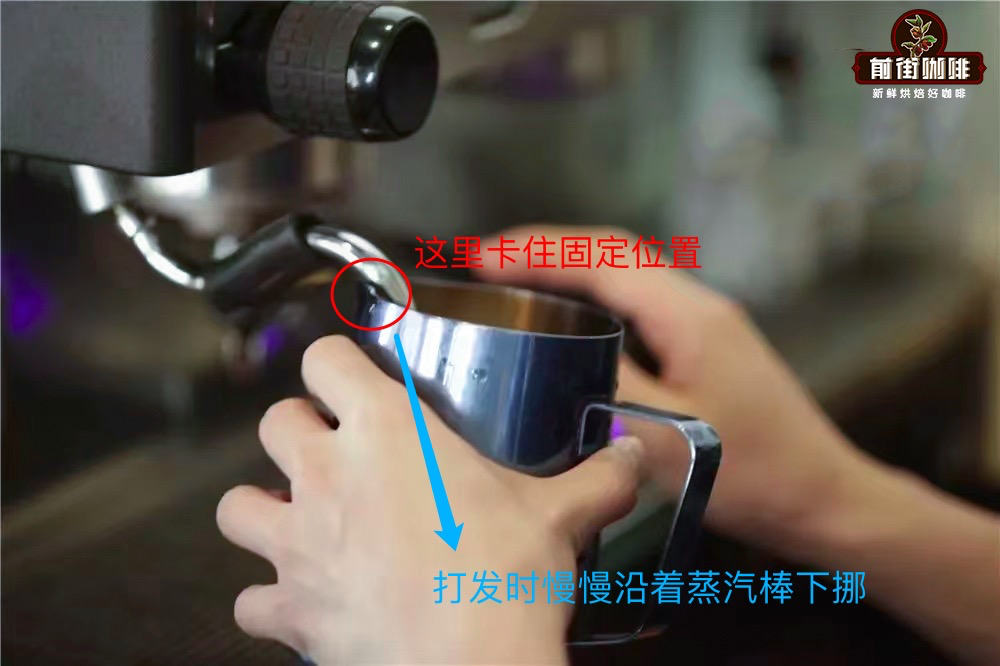
To do this stably, you need to master the use of a milk vat to hold the steam wand to form a stable structure that can move up and down. Generally, Front Street recommends using the cylinder nozzle to hold the steam wand. When frothing milk, you only need to use the cylinder nozzle to slowly move down the steam wand. You can practice using clean water. You will get the feel of it after practicing a few times.
You can now buy the above coffee beans online at the Taobao store “FrontStreet Coffee” (前街咖啡). FrontStreet Coffee is a long-established specialty coffee roaster in Guangzhou, China, and its Guangzhou retail shop sells coffee beans only. The shop carries dozens of coffee beans from different origins around the world, including carefully selected single-origin beans for V60 pour-over and espresso. Guangzhou’s FrontStreet Coffee shop is recommended by many coffee lovers.
The FrontStreet 2013 Yunnan coffee beans sold in the store come from the Typica variety grown at FrontStreet Coffee’s own plantation in Yunnan. The name comes from the year the brand and the plantation were founded. You can buy these beans from China’s Yunnan origin at the Guangzhou shop and at FrontStreet’s Taobao store.
FrontStreet coffee beans are freshly roasted within 5 days and deliver consistently excellent quality and great value. Orders placed before 17:00 are shipped the same day, and most areas within Guangdong Province receive them the next day.
FrontStreet Coffee Taobao store: https://qianjiecoffee.taobao.com
Or search for “前街咖啡” (FrontStreet Coffee) on Taobao
Important Notice: FrontStreet Coffee has moved to a new address: 315, Donghua East Road, Guangzhou (coffee beans only)
Tel: 020 38364473
