
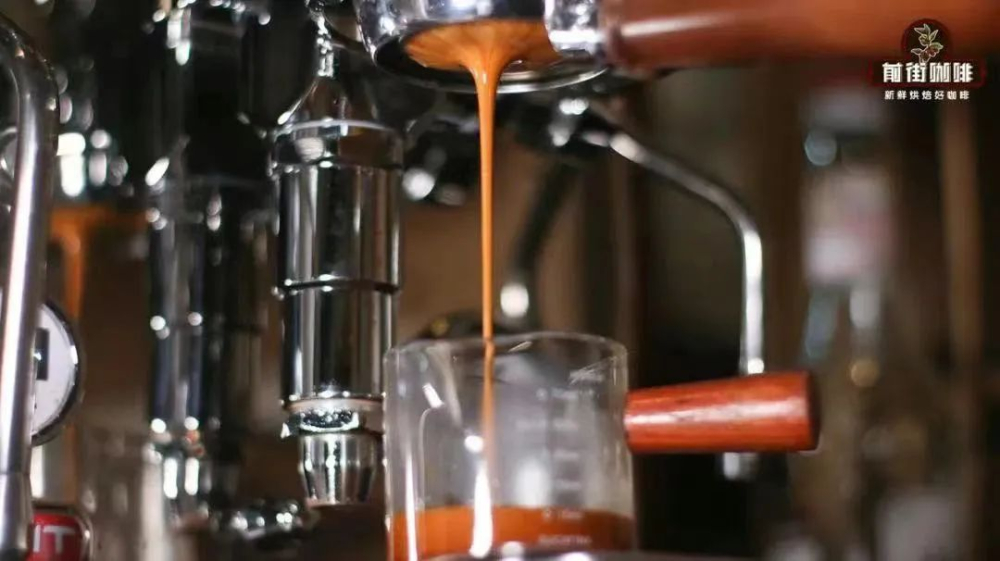
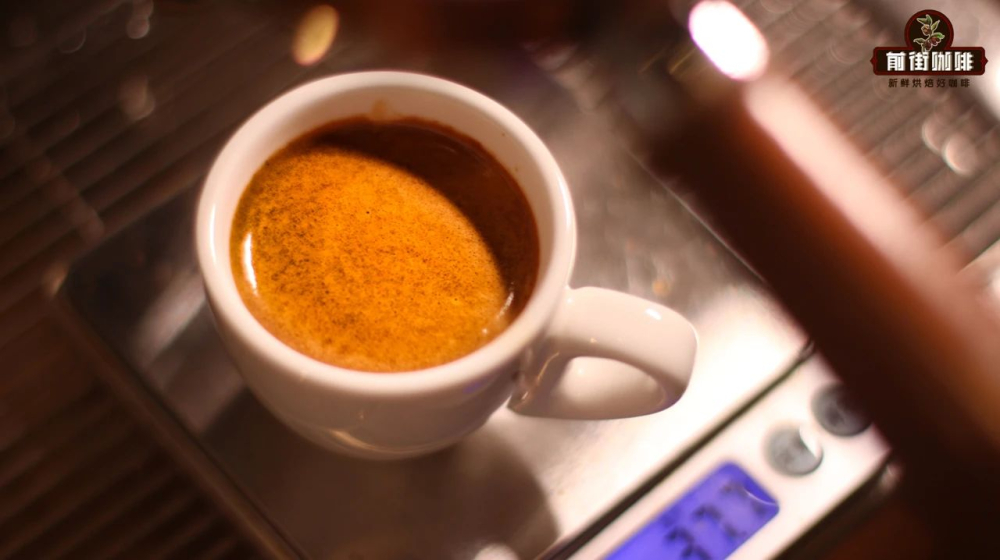
When the coffee machine extracts concentrated oil, the process of oil seeping out has always been a healing sight. Especially when you see the thick golden foam after taking it, the latte art party will be so happy.
But if one day you find that the extracted oil is sparse, thin, or even non-existent, then the problem is likely to occur in these aspects!
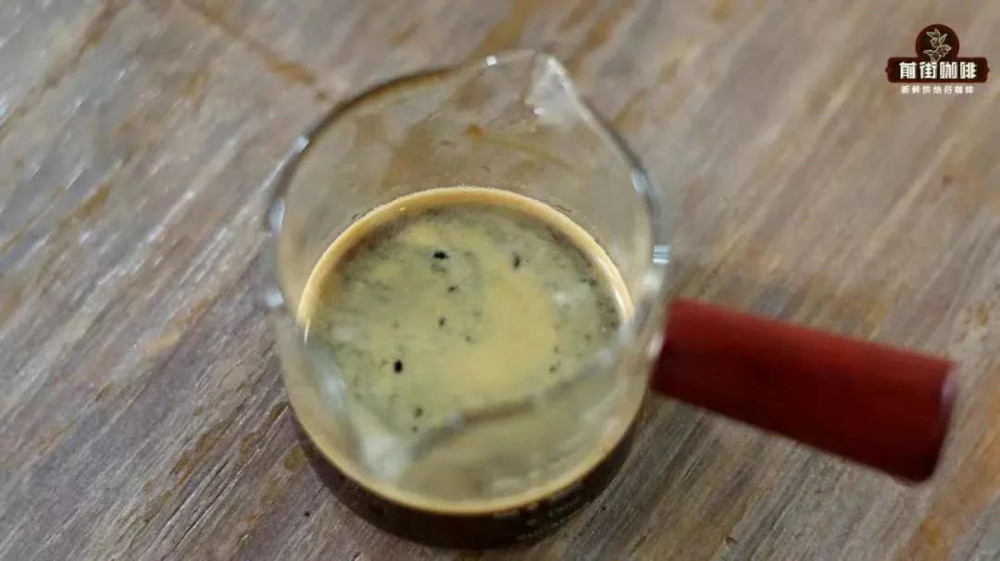
1. The coffee beans are not fresh
When the coffee beans are stale, the carbon dioxide content in their bodies is no longer enough to "support" the rich oil! There are two reasons why it is not fresh:
One is that the baking time is too long, exceeding the best tasting period. Generally, espresso beans have a 60-day tasting period. After this period, the aroma, flavor, and carbon dioxide have been lost. If you use it for extraction, the oil obtained will naturally be thinner!
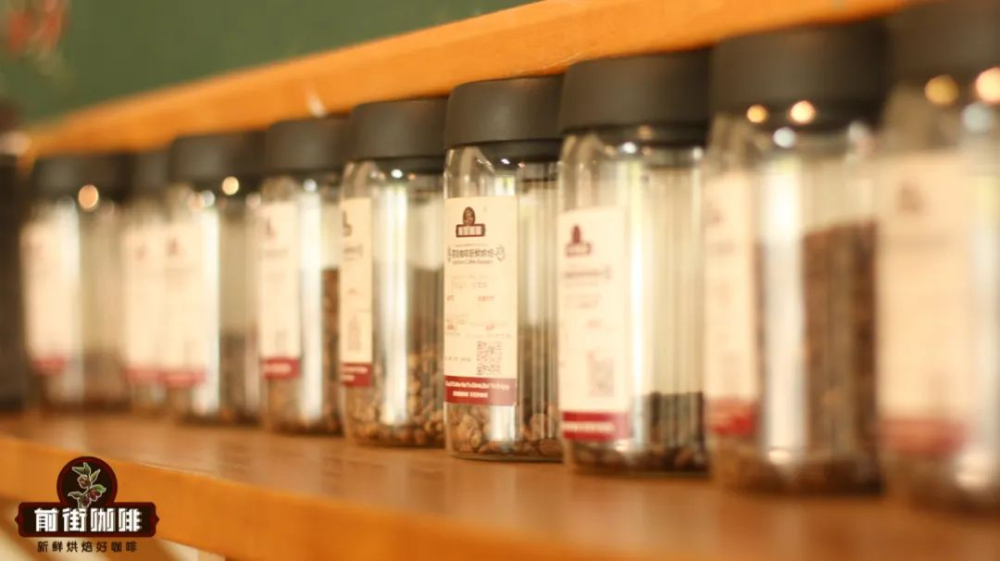
Another issue is storage! Even if your beans are within the tasting period, if they are not stored well and the lid or seal is leaky, allowing the coffee beans to be exposed to the air, the coffee beans will accelerate the exhaust reaction. It only takes one night to turn the fragrant coffee beans into tasteless beans.
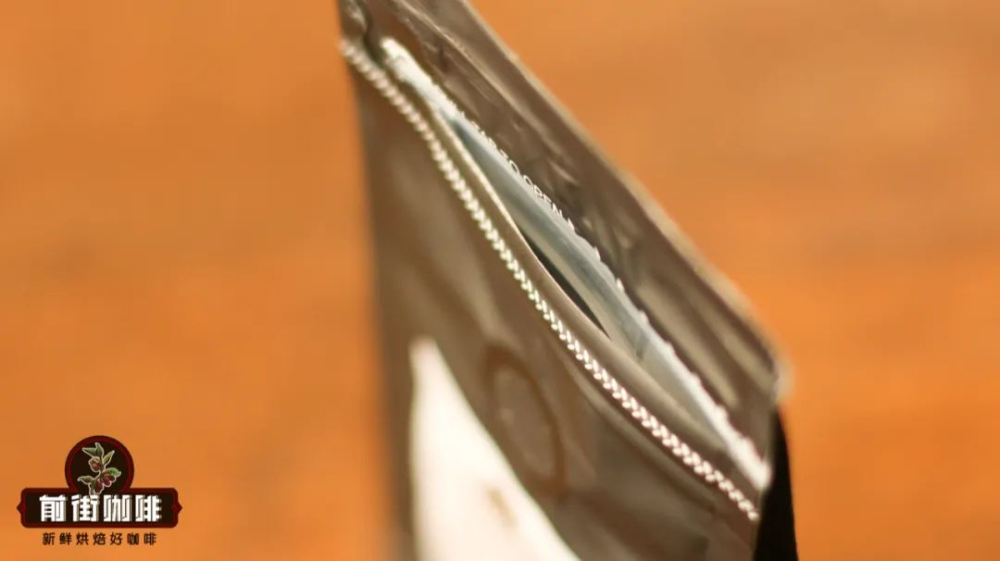
Therefore, when we buy beans, it is best to observe its roasting time and then store them properly. In this way, waste and overturning can be greatly reduced~
2. Coffee machine pressure adjustment
The pressure valves of many home coffee machines, like the one used on the street, are within reach by raising your hand. Although it is convenient, it is easy to accidentally touch it, causing problems with the next cup.
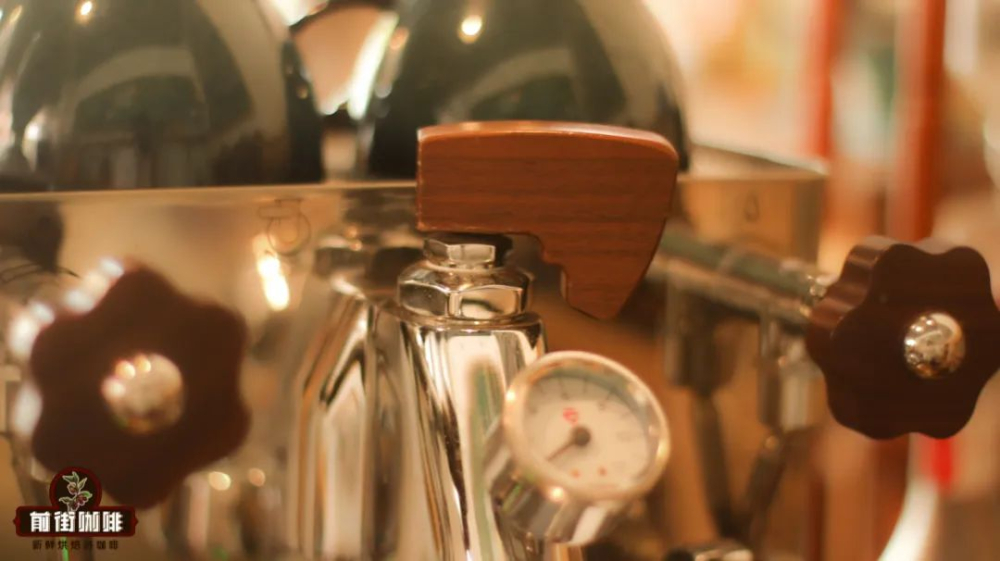
Therefore, if the concentrated grease is too thin, you might as well check the pressure valve to see if it is at the correct pressure value to reduce errors. (Normally it is at 9~10bar)
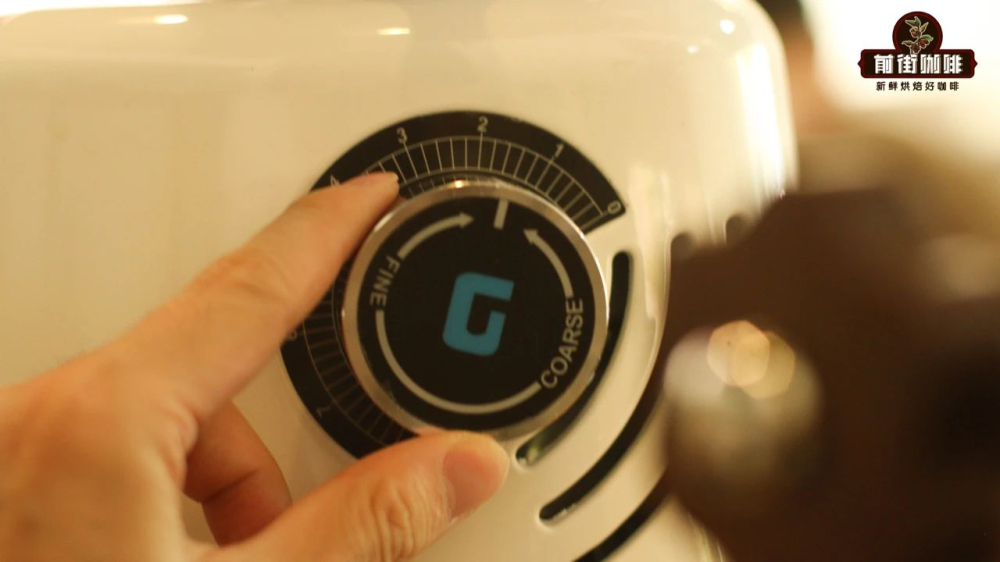
3. The grinding is too coarse and the amount of powder is too small.
The grinding is too coarse, or the amount of powder used is much less than the standard of the powder bowl. These are the two best conditions to confirm! When you press the extraction button and see the coffee liquid rushing down, it means that there is a problem with one of these two parameters (or possibly both), causing the gap that water can flow through to be too large, or a channel effect.
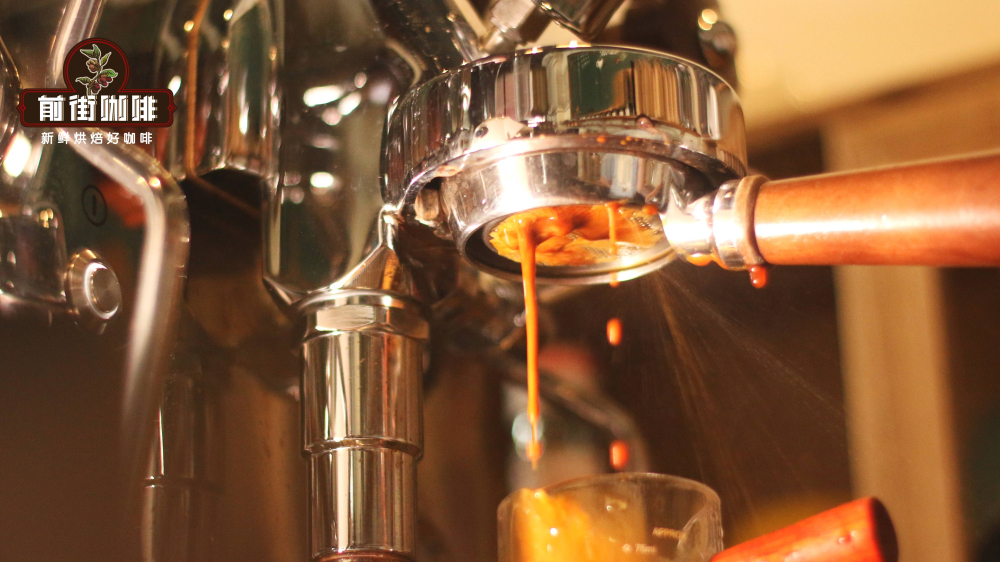
The coffee extracted in these two situations is light in color, has thin fat, and has a very bland taste! It is best to use the reference weight of the powder bowl as the standard for the amount of powder. For grinding that is too coarse, you can use an extraction time of 20 seconds as a benchmark!
For a long time, the powder liquid of espresso coffee is twice as heavy as the powder that everyone has always defaulted to. Adhering to this principle, see if the extraction time is within 20 seconds. If so, it means that the grinding is not coarse enough, the gap that water can pass through is too large, and the extraction time is naturally short, so you need to readjust the grinding!
4. Water temperature is too low
During extraction, if the water temperature does not reach the 90+°C required for extraction, the oil will be too thin. Of course, it will also be like grinding it too coarsely, and the final espresso will be under-extracted!
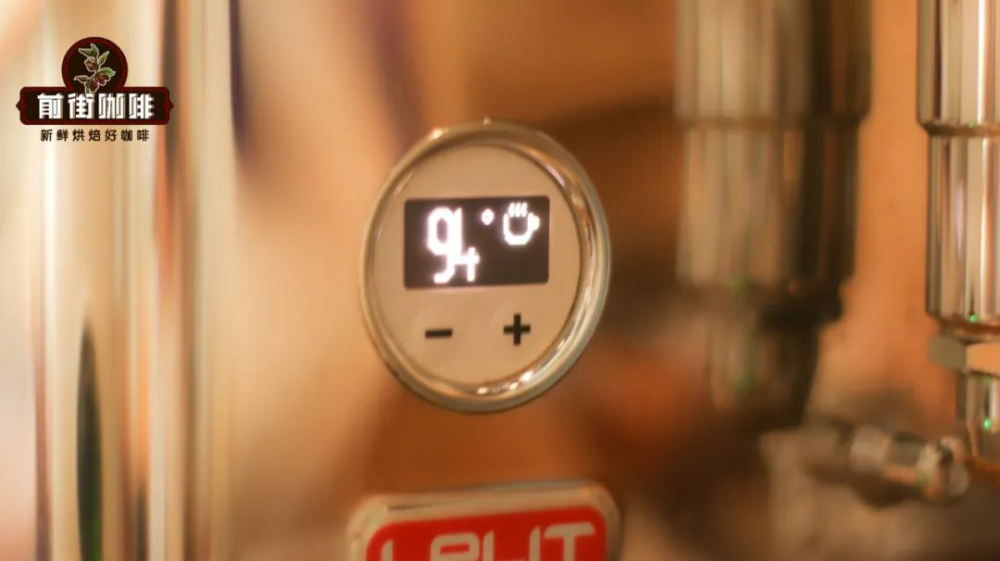
Generally speaking, insufficient water temperature will occur during the warm-up stage when the machine is first turned on. The water temperature at that time will not be too accurate. Therefore, Front Street started the concentrated extraction twenty minutes after the machine was turned on.
5. The beans are lightly roasted
Because light roasted coffee beans have a harder texture, they require a higher extraction intensity than dark roasted beans. Therefore, if you apply the extraction parameters of dark roasted beans to light roasted beans, it is very easy to cause "concentration splashing".
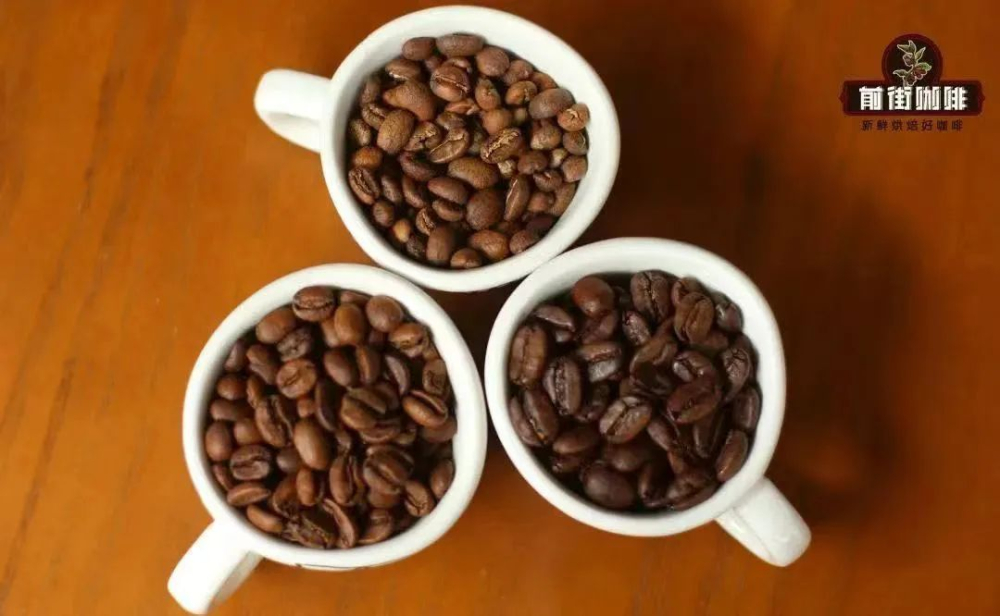
Therefore, lightly roasted beans still need to be adjusted to the corresponding parameters! And even if the parameters are accurate, its oil will not be as rich and thick as the oil of dark roasted beans. After all, it has less carbon dioxide~
What types of beans are suitable for the coffee machine?
Since the functions of most home espresso machines are not as stable as those of commercial machines, and the cup output is also very small, this also tests our grasp of the parameters. Therefore, Front Street recommends choosing Italian-style blended coffee beans with higher stability. Italian-style blending combines the flavors of coffee from different production areas and uses medium or above roasting, which allows us to have a higher error-tolerance rate in extraction.
There are four Italian blended coffees on the Front Street Bean menu for everyone to choose from, and they ensure that only freshly roasted coffee within 5 days is shipped, ensuring that it is still in the best tasting stage when you receive it. In addition to the soft-style Nuanyang blend mentioned above on Front Street, Front Street’s Italian coffee bean list also has three more cost-effective nut-based blends. The mellow taste and rich aroma are also suitable for making Australian white coffee.
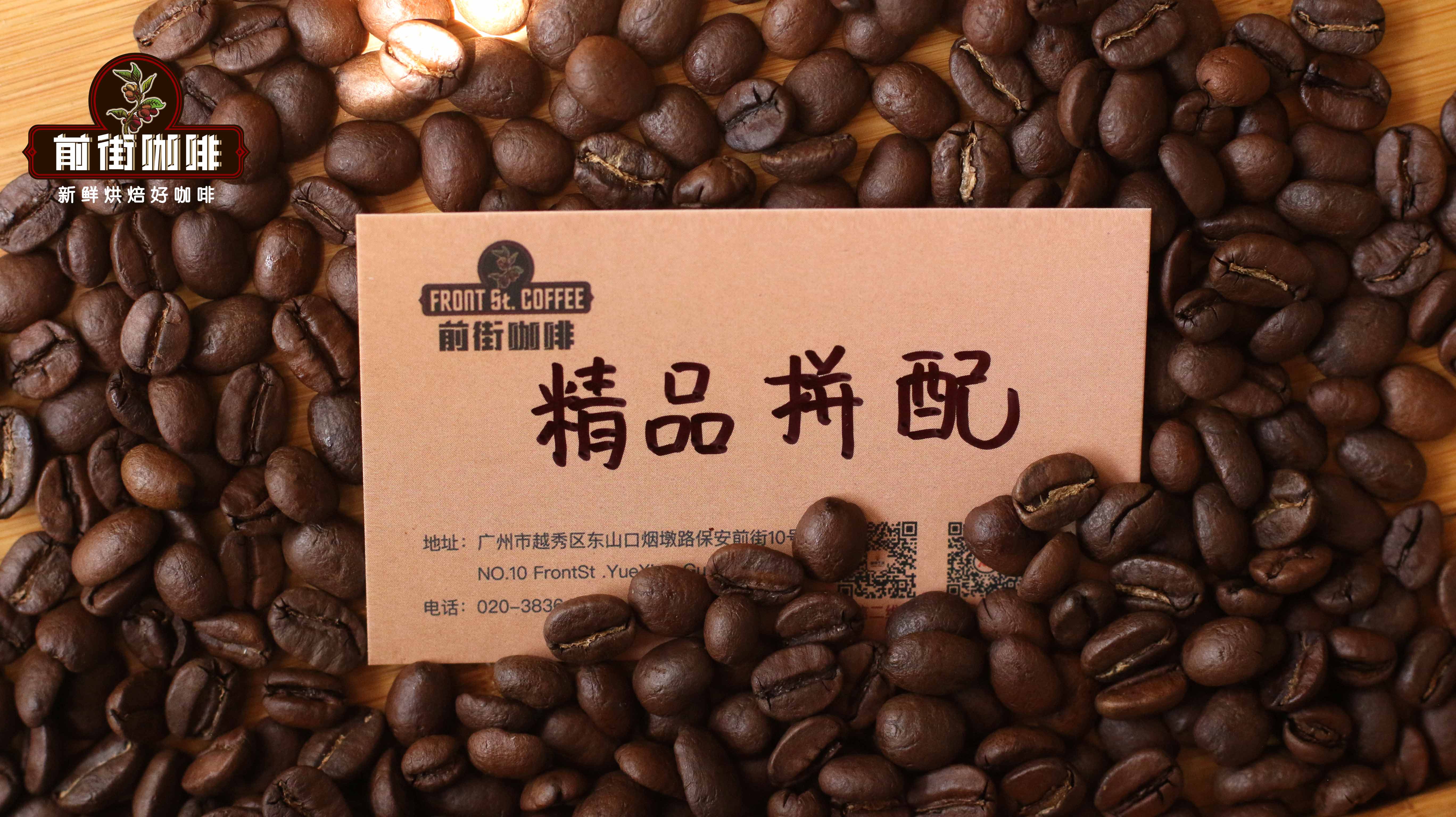
Balanced strong aroma——Front Street Premium Blend 100% Arabica Coffee Beans
Colombian washed coffee beans (30%) + Brazilian semi-sun-dried coffee beans (70%)
Adding Colombian coffee to the nutty tone of classic Brazilian coffee, the espresso presents a dark chocolate flavor, caramel sweetness, and a full roasting aroma. Mixed with whipped hot milk, it tastes like chocolate, cocoa, and cream, just like drinking a sugar-free Ovaltine hot drink.
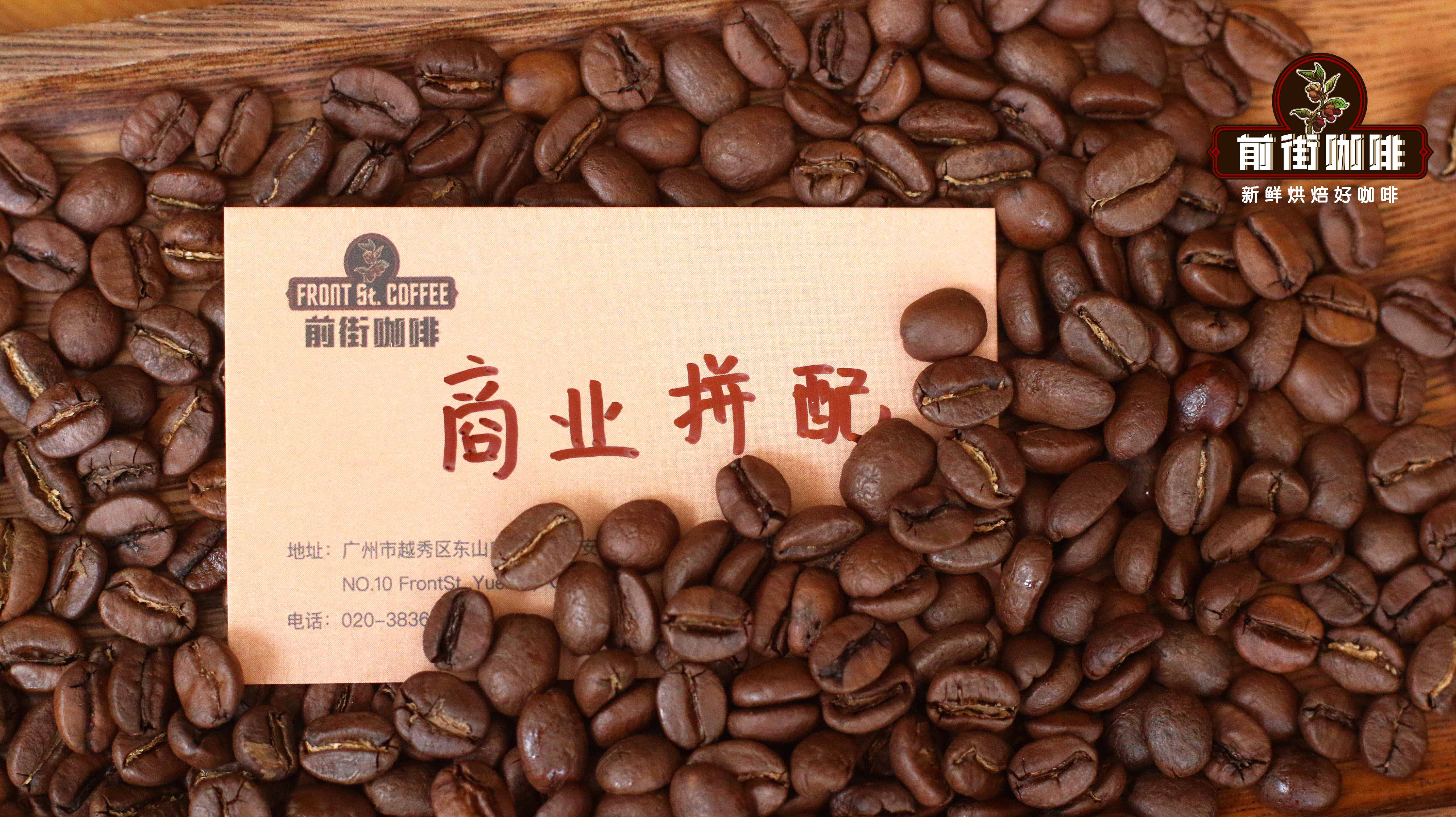
Classic mellow——Front Street Commercial Blend Coffee Beans
Robusta washed coffee beans (10%) + Colombian washed coffee beans (30%) + Brazilian semi-dried coffee (60%)
Espresso has rich golden oil and nutty aroma. When you taste the Australian white coffee, which is said to be fused with milk, it will have a burnt coffee bitterness, but it will be accompanied by a more creamy and full taste. After swallowing, the bitterness will also dissipate, leaving a fragrant aroma on your lips and teeth.
Slightly acidic and mellow type——Front Street Dark Cocoa Blend (100% Arabica) Coffee Beans
Yunnan washed arabica coffee beans (30%) + Brazilian semi-sun-dried coffee beans (70%)
Yunnan arabica coffee has soft acidity and the mellow aroma of Brazilian Cerado coffee. Espresso coffee has the flavor of caramel, nuts, and soft plum sour. When paired with milk, it presents a more balanced and smooth taste.
You can now buy the above coffee beans online at the Taobao store “FrontStreet Coffee” (前街咖啡). FrontStreet Coffee is a long-established specialty coffee roaster in Guangzhou, China, and its Guangzhou retail shop sells coffee beans only. The shop carries dozens of coffee beans from different origins around the world, including carefully selected single-origin beans for V60 pour-over and espresso. Guangzhou’s FrontStreet Coffee shop is recommended by many coffee lovers.
The FrontStreet 2013 Yunnan coffee beans sold in the store come from the Typica variety grown at FrontStreet Coffee’s own plantation in Yunnan. The name comes from the year the brand and the plantation were founded. You can buy these beans from China’s Yunnan origin at the Guangzhou shop and at FrontStreet’s Taobao store.
FrontStreet coffee beans are freshly roasted within 5 days and deliver consistently excellent quality and great value. Orders placed before 17:00 are shipped the same day, and most areas within Guangdong Province receive them the next day.
FrontStreet Coffee Taobao store: https://qianjiecoffee.taobao.com
Or search for “前街咖啡” (FrontStreet Coffee) on Taobao
Important Notice: FrontStreet Coffee has moved to a new address: 315, Donghua East Road, Guangzhou (coffee beans only)
Tel: 020 38364473
