

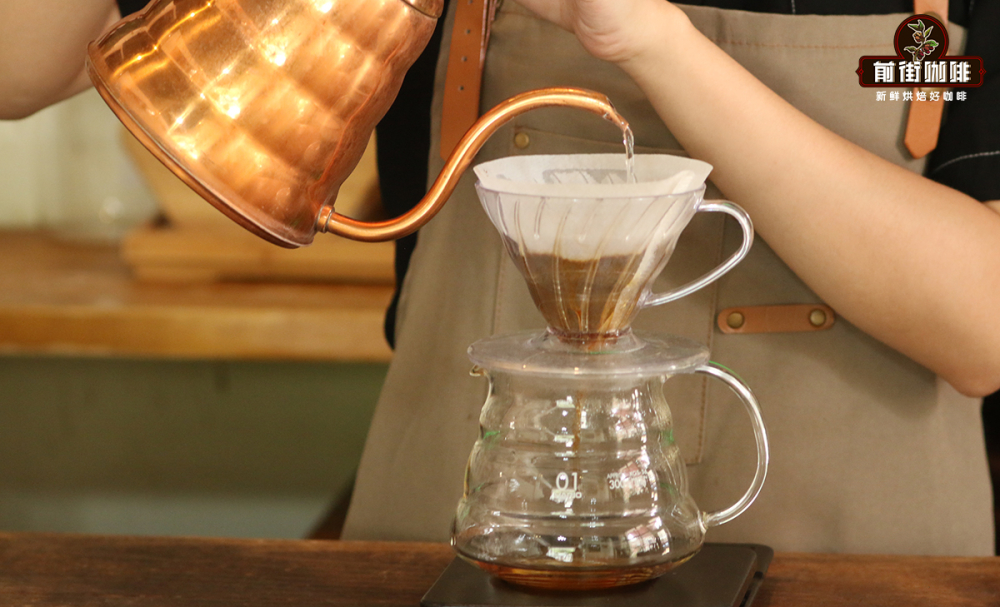
When choosing coffee utensils, when you open the shopping platform, you will see so many different types of coffee utensils that it is hard to know where to start. Just like a Pour over(V60) coffee pot, although most structures are composed of a spout, a pot body, a pot handle, and a pot lid, different shapes and structures will result in different water injection effects.
Therefore, it is very important to choose a Pour over(V60) coffee maker that suits you. Front Street will share with you how to choose a Pour over(V60) coffee pot.
Temperature controlled and non-temperature controlled
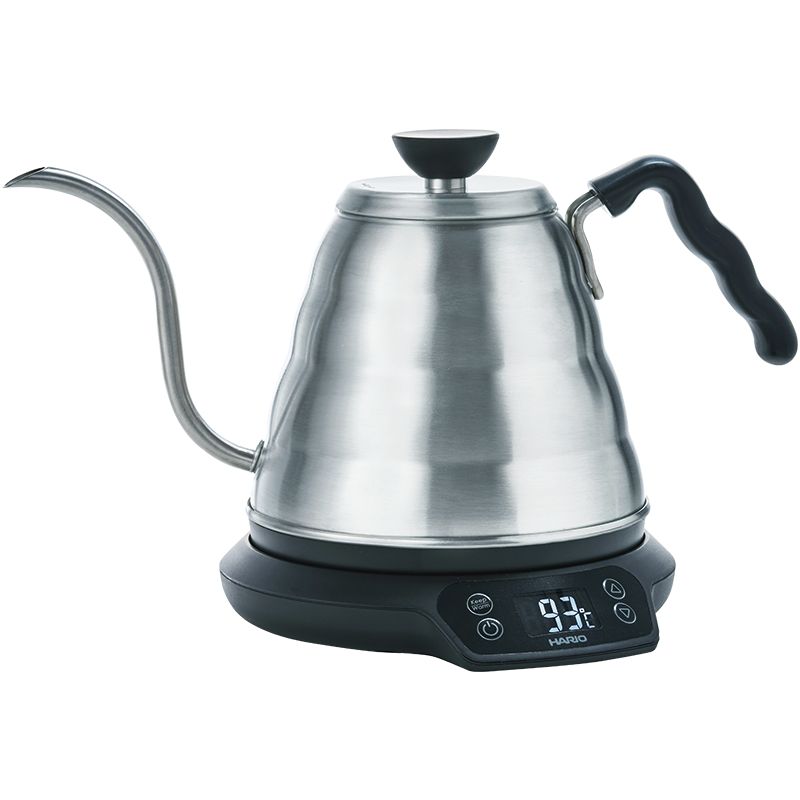
Now the first step in choosing a Pour over(V60) coffee maker is to choose temperature control or non-temperature control. The benefits of temperature control are very obvious: ① Automatically adjust the temperature at any time; ② It has a built-in heating function and is detached from the thermometer, which is convenient; ③ It can continue to keep warm between brewing intervals.
At the same time, the defects are also very obvious. ① Because the heating module is installed at the bottom, the center of gravity of the entire kettle will move downward; ② The same heating module increases the weight of the entire kettle; ③ The price is about 300 yuan higher than the regular version (it is not considered a defect).
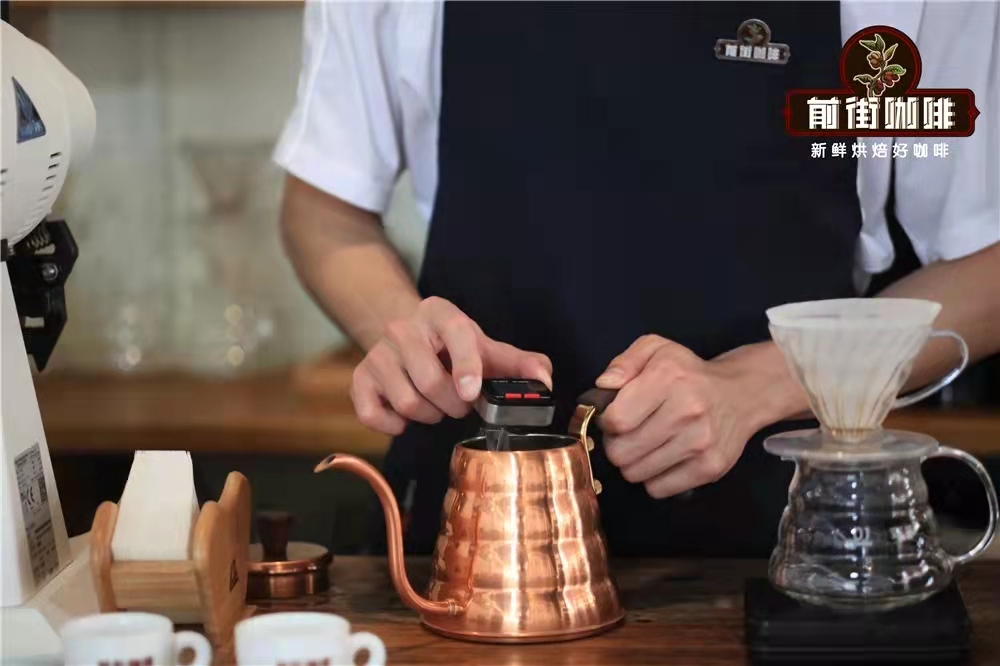
Non-temperature controlled kettles are conventional hand brewing kettles. There are many types to choose from, and they are also the basic version developed by many appliance manufacturers.
If the purpose is simplicity, then you can directly choose a temperature-controlled pot. There are not many types of temperature-controlled pots to choose from. The more commonly used ones in the industry are B brand and F brand.
If you choose a regular kettle that is not temperature controlled, continue reading below.
Spout
The spout is the most important factor affecting the shape of the water column. The types of spouts on the market are roughly divided into narrow mouth goose neck, wide mouth goose neck, elephant trunk mouth, flat mouth, and eagle mouth. Their ease of water discharging and operating space have a great impact. The size difference of the water outlet directly affects the thickness range of the water column. For example, the characteristic of a thin-mouthed kettle is that it is easy to use and control water, but the operable space is small and large water flow cannot be used. The Shizuku kettle represents Takahiro, which is known as the "cheating pot". The spout is 4mm, and you can control the water as you like;
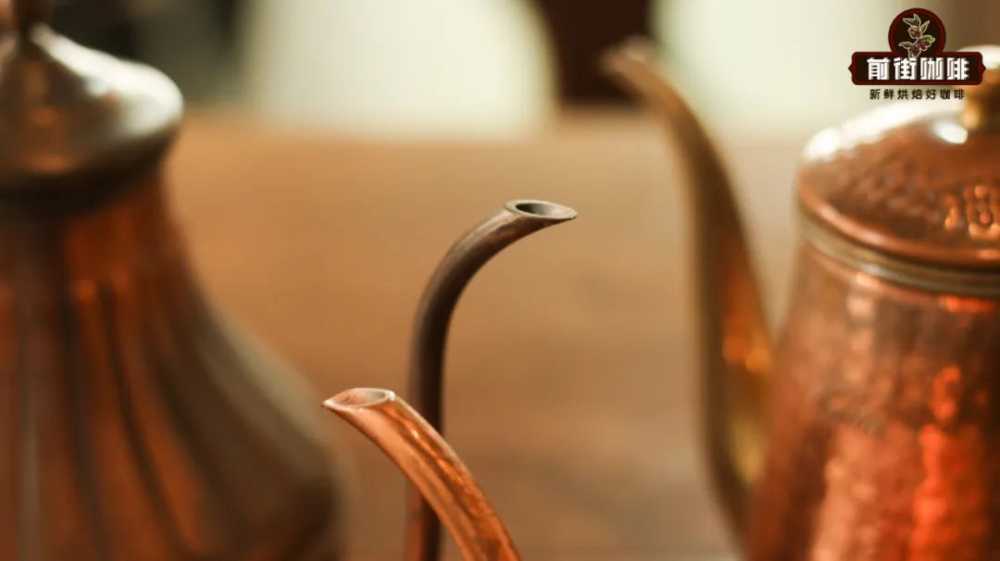
The water flow control of a wide-mouth pot is relatively difficult. It takes a period of practice to master the water flow, but its advantage is that it is extremely playable. Once you are proficient in water control, you can control large and small water flows as you like, adapting to various water column requirements for brewing, and even the drip method can be used. Representatives include the Hario stainless steel cloud hand brewing kettle, commonly known as the "water thunder kettle". It is difficult to operate and has high playability. It is suitable for coffee masters who like to challenge the difficulty.
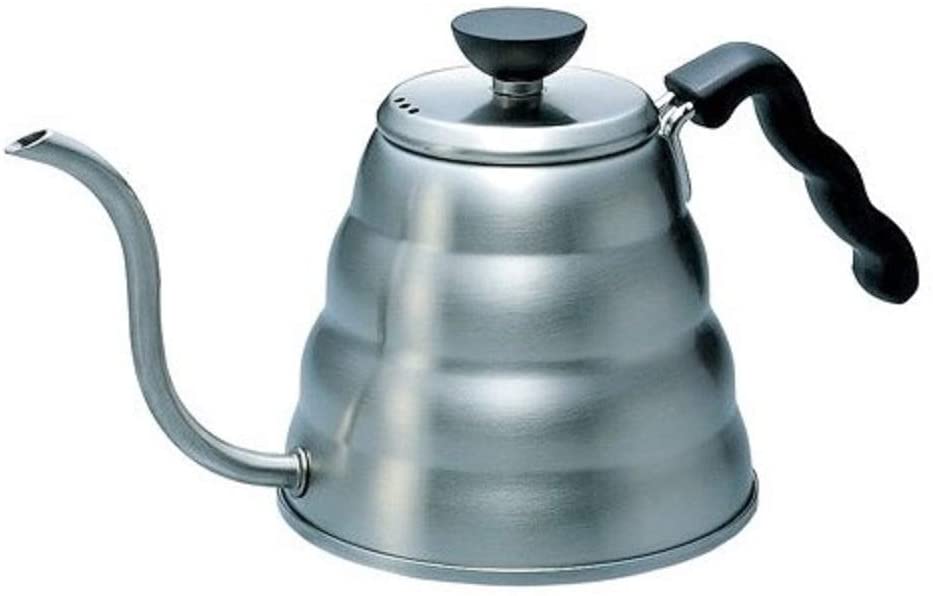
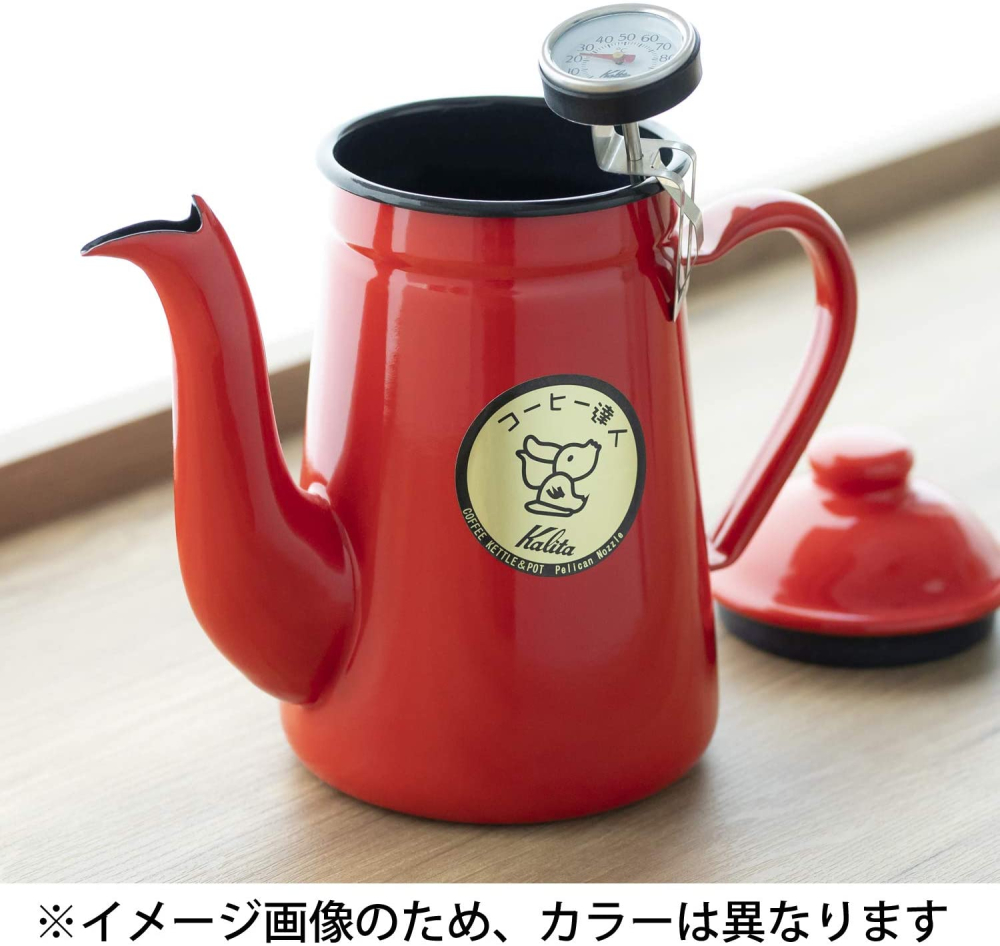
The crane-billed pot is so named because the whole side of the opening of the spout looks like the head of a crane. It represents Kalita's master pot and wave pot. The spout of the Da Ren teapot is long and pointed, a bit like a pelican. The flow of water injected can be controlled to be very slender or large. The spout opening of the Wave pot is wider and shorter, making the water column more stable.
Flat-mouthed pots refer to those pots whose spout openings tend to be parallel to the horizontal plane and have no spout diversion design, so it is easy to form a parabola when the water comes out, which means it is difficult to form a vertical water column. But it is a very good tool for practicing water control. As long as you can control this type of pot, other pots will be child's play in front of you.
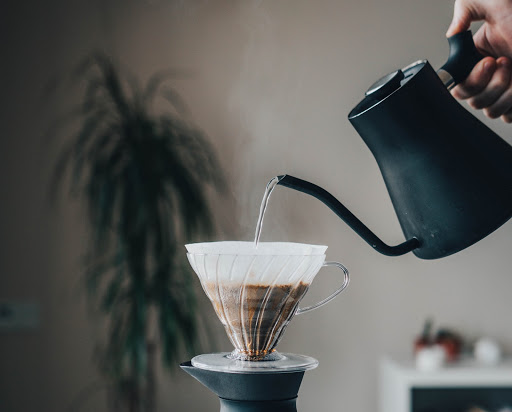
An eagle-mouthed pot refers to a water diversion design with a downward hook on the spout. Basically, the newly designed pots in the past two or three years have this design element. The advantage of this design is that it makes it easier for users to form a vertical water column when pouring water. When the spout is hooked downward, it also avoids the phenomenon of water flowing back when there is a small flow of water.
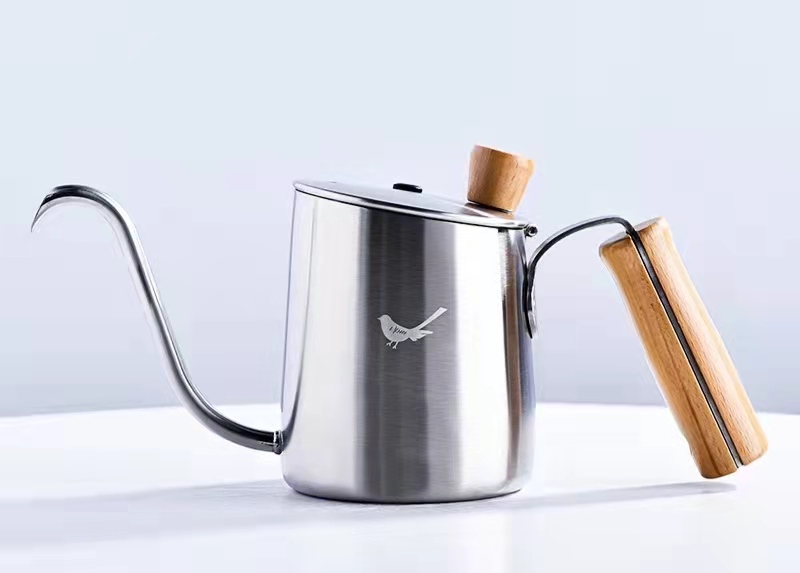
Pot body
What’s so confusing about the pot body? There are roughly two aspects, one is the issue of water capacity, and the other is whether to choose "fat" or "thin".
Under normal circumstances, the capacity of hand brewing kettles is mostly between 0.5-1.2L. Choose the size based on your capacity. The other is the choice of "fat" or "thin". This is actually a matter of center of gravity. A short and fat hand brewing kettle will have a lower center of gravity when it is carrying water, which will make it more stable. Of course, it will also consume more effort. The center of gravity of tall and thin hand-made pots will be higher, and the pot will float a little if there is not enough water, so generally more water will be put in when using tall and thin hands to make pots.
There is also a type of pot called a palace pot, which is similar to the structure of Aladdin's magic lamp. Currently, Front Street does not know what the advantages of this design are. It may be a retro style. Friends who know it, please share it.

Grip
The grips of each manufacturer look different, and the grip feels different, but when promoting, almost every manufacturer will say that the grip design is in line with human body design and saves effort. This aspect reflects the super adaptability of our hands.
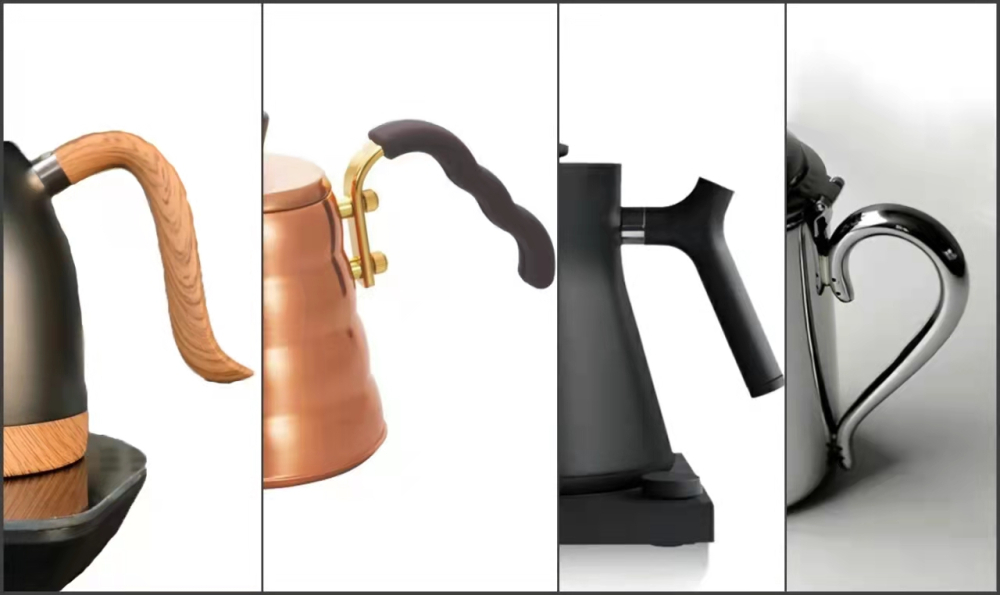
A good handle design makes it comfortable for your hand to hold and allows you to better grasp the center of gravity of the pot when filling water. To put it simply, it saves effort and is easy to control. There is nothing wrong with the handle design of basically new hand brewing kettles.
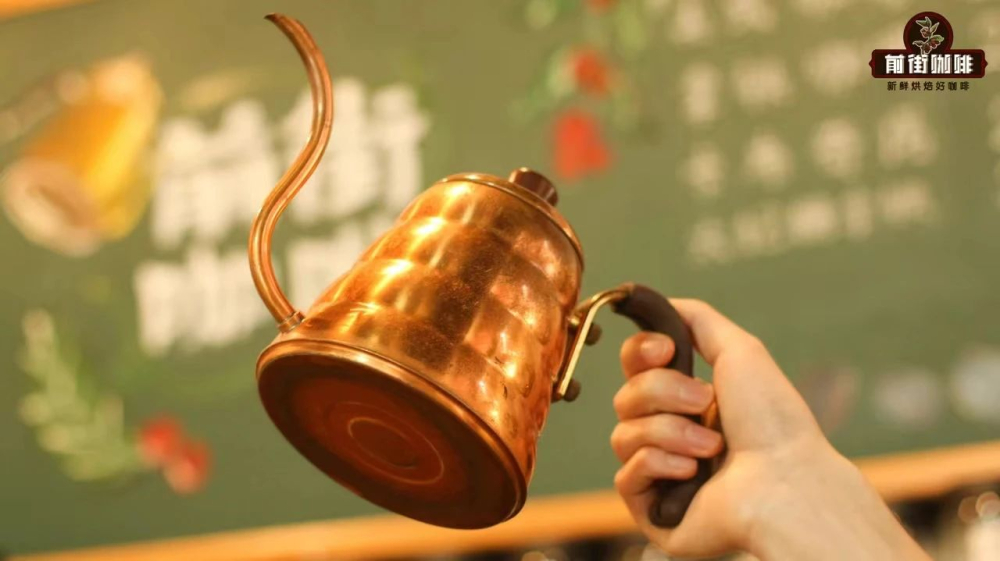
Another point is that the choice of hand-pour pots is also closely related to the brewing method. For example, the traditional Japanese hand-pour pots are mostly designed with a tall and thin pot body and a ring-shaped handle design, which is in line with their slow brewing habits.
Material
Most hand brewing kettles are made of stainless steel, copper, enamel porcelain, and glass (no one would choose glass). From a performance perspective, Front Street recommends that you choose copper, which has the best thermal insulation and quality. From the cost-effectiveness point of view, choose stainless steel, which is of high quality and low price. From an artistic point of view, you can consider choosing enamel porcelain, which will increase the appearance, but it is really fragile, it is really hot to touch, and it is really beautiful to look at.

Price
The price of a hand brewing kettle ranges from 30 yuan to over a thousand yuan. However, a hand brewing kettle is different from a grinder. As long as the technology is high, a 30 yuan hand brewing kettle can brew very well. Therefore, the higher the price, the better. When purchasing, you can refer to the introduction of the spout, body and handle mentioned above.
However, one thing that needs to be taken into consideration is that there are some exquisite-looking and extremely low-price hand brewing kettles on online shopping platforms. Most of them are imitations. They may be 99% similar in appearance, but the details and feel will be different (but they are still usable). However, this may also be a reason to discourage novices.
You can now buy the above coffee beans online at the Taobao store “FrontStreet Coffee” (前街咖啡). FrontStreet Coffee is a long-established specialty coffee roaster in Guangzhou, China, and its Guangzhou retail shop sells coffee beans only. The shop carries dozens of coffee beans from different origins around the world, including carefully selected single-origin beans for V60 pour-over and espresso. Guangzhou’s FrontStreet Coffee shop is recommended by many coffee lovers.
The FrontStreet 2013 Yunnan coffee beans sold in the store come from the Typica variety grown at FrontStreet Coffee’s own plantation in Yunnan. The name comes from the year the brand and the plantation were founded. You can buy these beans from China’s Yunnan origin at the Guangzhou shop and at FrontStreet’s Taobao store.
FrontStreet coffee beans are freshly roasted within 5 days and deliver consistently excellent quality and great value. Orders placed before 17:00 are shipped the same day, and most areas within Guangdong Province receive them the next day.
FrontStreet Coffee Taobao store: https://qianjiecoffee.taobao.com
Or search for “前街咖啡” (FrontStreet Coffee) on Taobao
Important Notice: FrontStreet Coffee has moved to a new address: 315, Donghua East Road, Guangzhou (coffee beans only)
Tel: 020 38364473
