

We all know that different processing methods will bring rich and diverse tastes to coffee. For example, FrontStreet Coffee has dozens of categories on its bean list, covering more than ten different processing methods. Today, Front Street will focus on the four processing methods of wet planing, semi-sun drying, pulp sun drying and honey processing, and will tell you about their processing steps, characteristics and main differences.
First, let’s take a look at the structure of coffee cherries. From the outside to the inside, a coffee fruit can be roughly divided into outer pericarp, pulp, pectin shell, hard shell/parchment, silver skin and the innermost coffee bean seeds. These processing methods are actually trying to remove the peel and pulp of the fruit and take out the innermost coffee bean seeds.

wet planing
Wet planing is a common processing method in Sumatra!
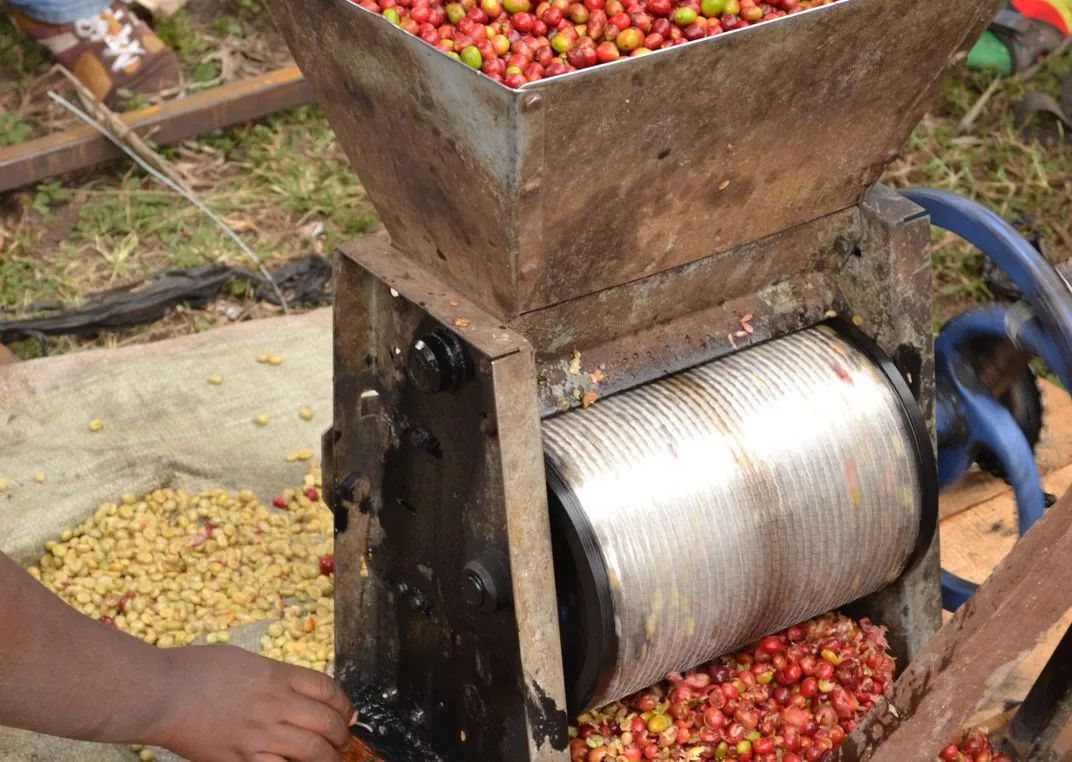
When the bean body is moist and soft, and the moisture content is as high as 30-35%, the endocarp (parchment paper) is removed to directly expose the surface of the green beans, and then continue to be dried in the sun to solve the problem of too long drying time. This method shortens the drying time to only two to four days, shortens the fermentation period of the coffee beans, and reduces the acidity a lot. The relative thickness increases, and the caramel and fruity aroma is obvious, even with the aroma of herbs or grass and the smell of wood. This is the unique "regional flavor" of Sumatra.
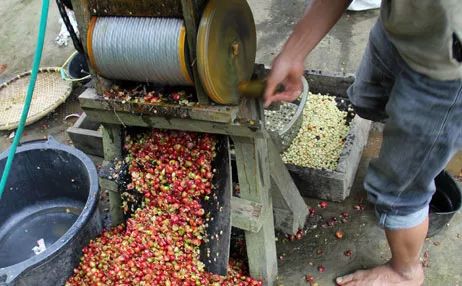
The reason for this treatment method is mainly because the climate of Sumatra is humid, and it is a method developed according to local conditions. The purpose is to speed up drying.
1. Screening
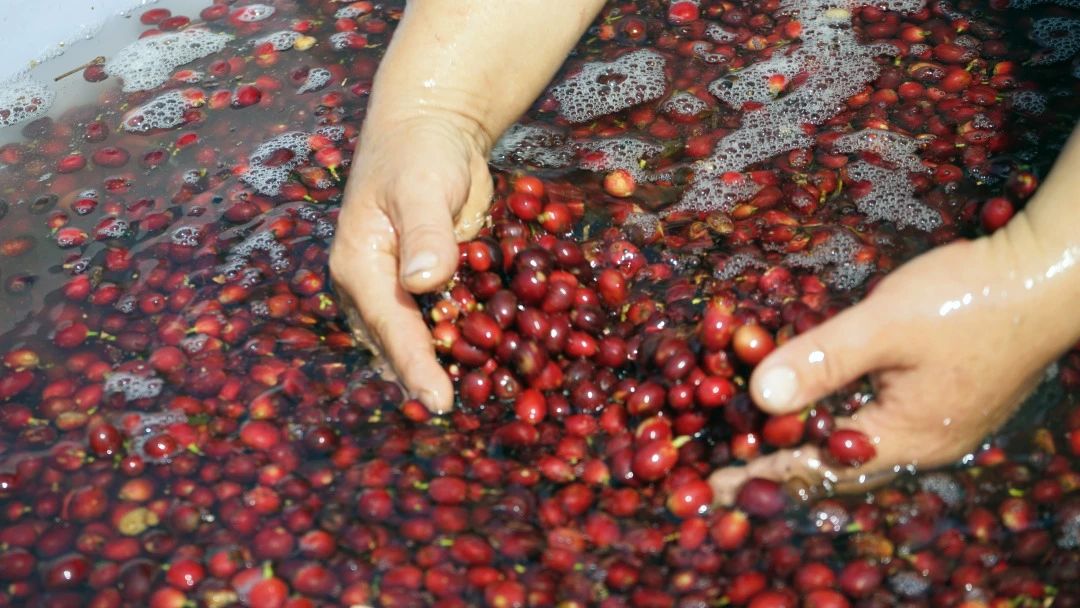
Peel the coffee cherries, place the shelled beans into a vat or sink filled with water, and remove any defective shelled beans floating on the liquid surface.
2. Fermentation

Wash the dense shelled beans that have sunk to the bottom of the water, take them out and put them in a bucket or plastic bag for a little dry fermentation, which means that the pectin sugar on the surface of the seed shells is fermented to add flavor. Basically, the longer the fermentation time, the stronger the sour taste. The length of fermentation time varies from person to person, usually just a few hours, but there are also estates that omit the dry fermentation stage and directly expose the shelled beans to the sun, which can keep the sourness and improve the viscous taste, allowing the pectin sugar to fully ferment and increase the flavor. Usually the fermentation time is between 12-36 hours, depending on the specific situation.
3. Shelling and drying
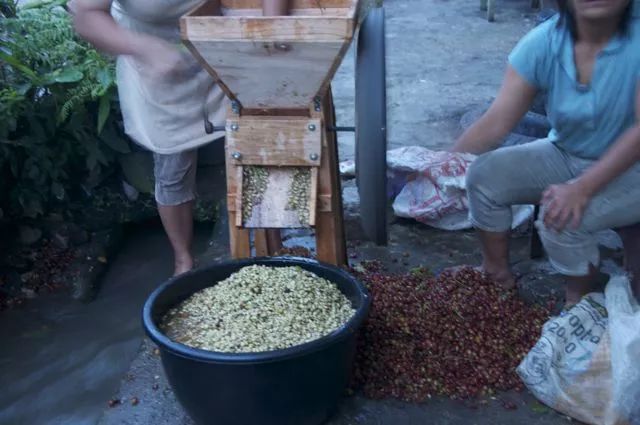
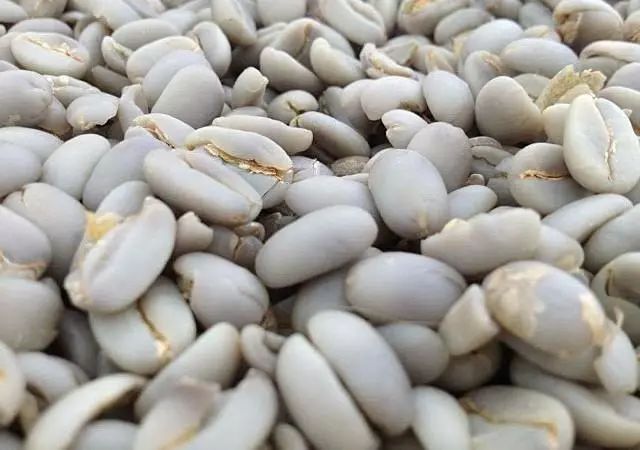
After the shelled beans are exposed to the sun for one to two days, the moisture content of the bean body reaches 30%-50%, and the bean body is still semi-hard and semi-soft. Use a shelling machine to wipe off the seed shells and then dry them in the sun to speed up the drying process. The moisture content reaches 12%-13% in about two days. The coffee beans are collected into woven bags, usually 40kg and 80kg per bag, and sent to the coffee processing factory for shelling. You are done, which takes about four days.

The shelling process is to use a shelling machine to grind off the soybean shells and then dry them until the moisture content reaches about 12%-15%. The beans are then sent to a machine where they are sorted to remove various impurities and sorted by particle size.
However, the wet planing method also has certain disadvantages. During the peeling process, the temperature of the coffee beans will rise to 30 to 60 degrees, and the parchment will be completely destroyed, which is likely to trigger the germination of the beans. Moreover, it may happen that the peel is shaved off during the production process and the beans are directly exposed to the air. Therefore, defective beans such as moldy beans are much better than washed and sun-dried beans.

The impact of early removal of the seed husk is that the green beans are half dry and lose the last two layers of protective cover (note: the four layers of protective cover of the coffee bean: peel, pectin, seed husk, and silver skin), which is equivalent to taking off all clothes and sunbathing. Although the wet planing method solves the problem of drying time, the probability of green beans being contaminated by mold, fungi, and yeast is also greatly increased. But paradoxically, these factors have become the key factors in creating the special aroma of Mandheling.
feta beans

When it comes to the wet planing method, we have to mention the feta beans! If you look carefully at Mandheling's green beans, you will find that there are a lot of sheep's feet. Since the semi-hard and semi-soft wet green beans are easily crushed by mechanical force when the seed husks are removed, the beans are easily damaged and cracked like sheep's hooves. This is why the rate of sheep's feet in Sumatra is relatively high.
Semi-dry processing
This is a method between sun exposure and water washing. It can be further divided into two categories: peeling sun exposure method and honey treatment method. The two types of processing methods are basically very similar. They both remove the outer skin of the coffee cherries as in the washing process, but skip the "pool fermentation and water rinsing" process of the washing process and directly expose them to the sun. Although the methods seem to be similar, there is one important difference that results in two very different flavors and is worth explaining separately.

This treatment method uses much less water than the washing method, and part of the method is similar to washing (removing the peel and pulp), and part of it is similar to sun-drying (without fermentation in the tank), so it is also called the semi-washed method.
Fruit pulp sun drying method
The pulp sun-drying method/peel-removed sun-drying method (Pulped Natural) was born in Brazil in 1990. In order to abandon the long-criticized rotten sun-dried coffee, and unable to solve the water problem in coffee washing, the Brazilians finally found a new way, combining water washing with sun-drying, and pioneered the sun-drying of the pulp. The pulp sun-drying method reduces water use and reduces the impact of the outer pericarp on the coffee beans. It is a cost-effective coffee processing method. The coffee produced by this pulp sun-drying method contains the characteristics of both washing and sun-drying methods. The acidity, sweetness, seasoning, and aroma of this kind of coffee are quite good; the only drawback is that the taste of pulp sun-dried coffee is not as strong as that of coffee produced by pure sun-dried or washed methods.
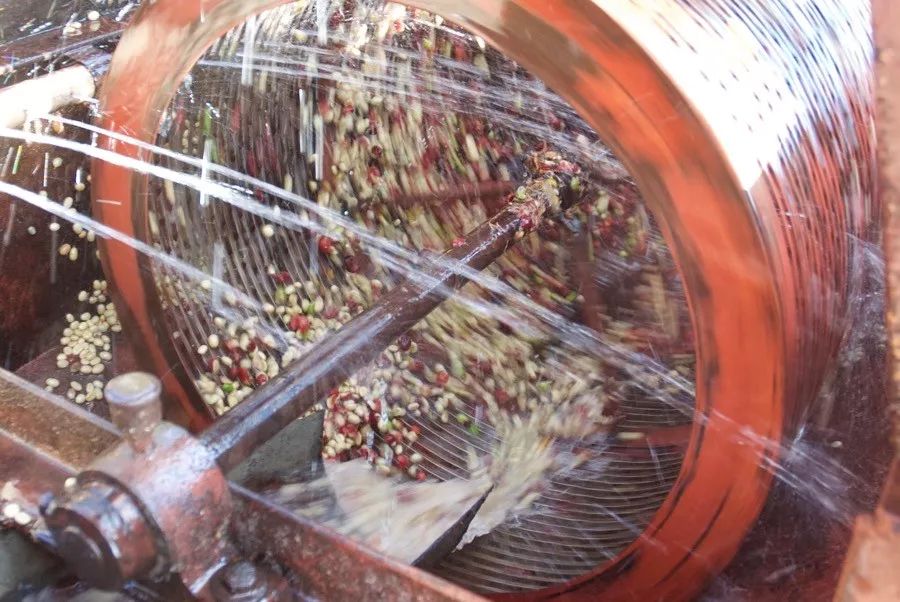
The process of peeling and sun-drying is: the coffee cherries are first removed by water trough to remove defective and floating fruits, and then the peel, pulp and part of the gum layer are peeled off, and then washed for an hour. Due to the short soaking and fermentation time, the pectin is not easily washed away, and pectin still remains on the bean shells. At this time, the sticky shelled beans are spread in the exposure field to dry. It is best to use an African elevated mesh bed with good air permeability.
1. Select beans
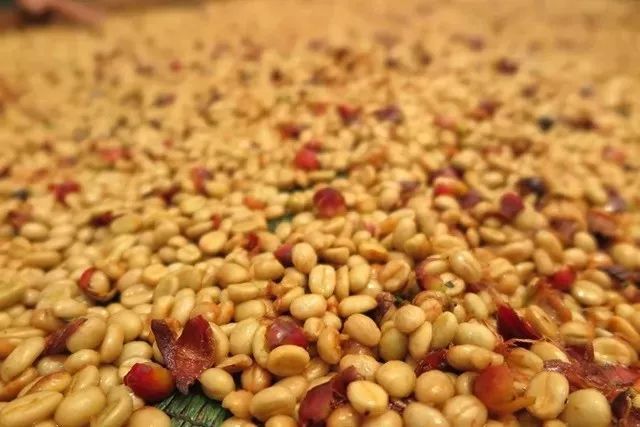
First put the coffee berries into a large water tank, remove the floating berries, and then put the sinking berries into a pulp screening machine to remove the pulp. It is better to remove immature fruits, and more importantly, when the coffee beans are sun-dried, they no longer carry pulp, but are only coated with a layer of pectin, which is more conducive to controlling the subsequent fermentation process.
2. Drying
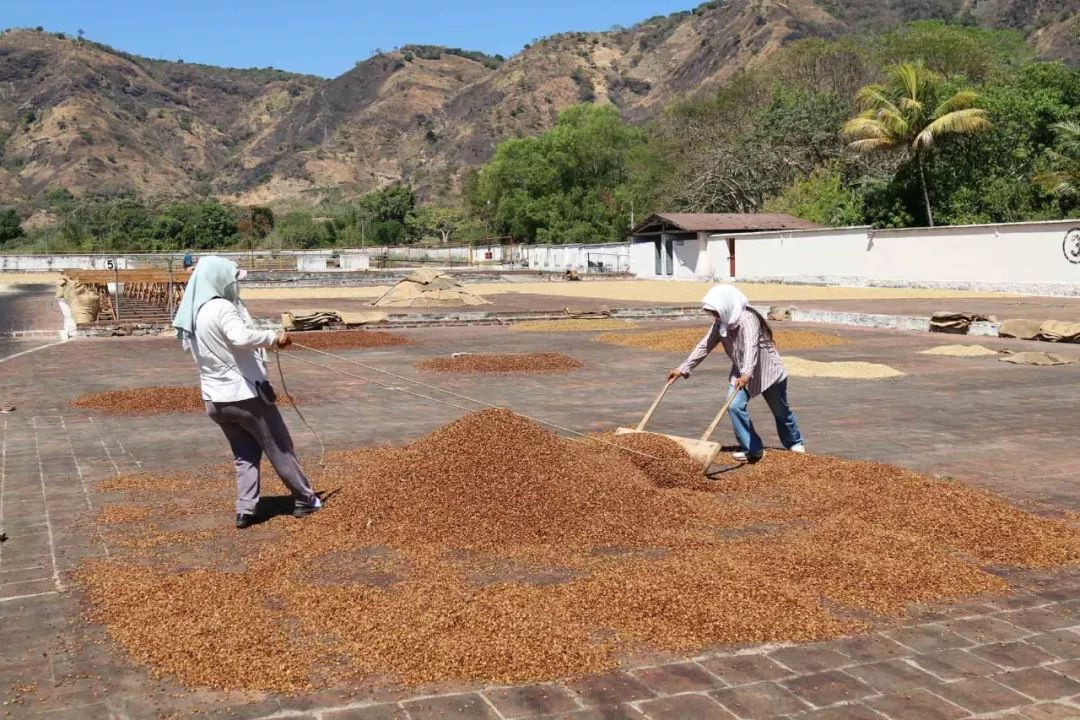
Move the beans to the bean drying farm to dry them. It will take about 3 days to reach a certain degree of dryness.
3. Drying
Use a dryer to further dry the beans until the moisture content reaches between 10.5% and 12%.
4. Polishing
Finally, the beans are polished before being bagged and exported.
Honey processing method

Although the name is honey-processed, it does not mean that honey is added or that it tastes like honey! Today, honey processing is used in almost all production areas in Costa Rica. This method was also widespread throughout Central America. Because the mucous membrane on the surface of coffee beans is extremely slippery and has a high sugar content, it is often called "honey". During the honey process, some or all of the "honey" remains in the coffee as it dries. After the coffee cherries are picked, graded and pulped, they are dried on drying beds.
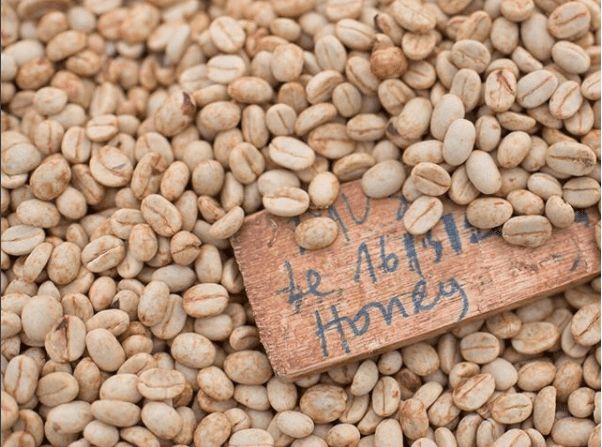
Since the drying time of the mucous membrane is very short, little fermentation of the coffee beans occurs during the drying process. The acidity of coffee beans processed by this method is slightly higher than that of the natural washing method, but much lower than that of the washing and natural sun-drying methods.

According to the proportion of retained pectin and the drying method, it is divided into:
White Honey 80%-90% of the pectin has been removed.
Yellow Honey Yellow Honey retains 50% pectin and has no fermentation.
Red Honey basically retains all pectin and has no fermentation.
Black Honey basically retains all the pectin. It is dried at slightly higher temperatures at low altitudes. It is covered with slight fermentation for the first 24 hours, and then the drying process is transferred to an African drying bed for drying.
Gold Honey basically retains all the pectin and is dried at high altitude and low temperature to prolong the drying time.
Of course, in many estates in Costa Rica, there are also standards for independently distinguishing various honey treatments based on fermentation time, drying thickness, and drying methods. Due to space constraints, we can only skip this here. Therefore, we can also simply understand it as:The pulp is sun-dried and treated with honey.
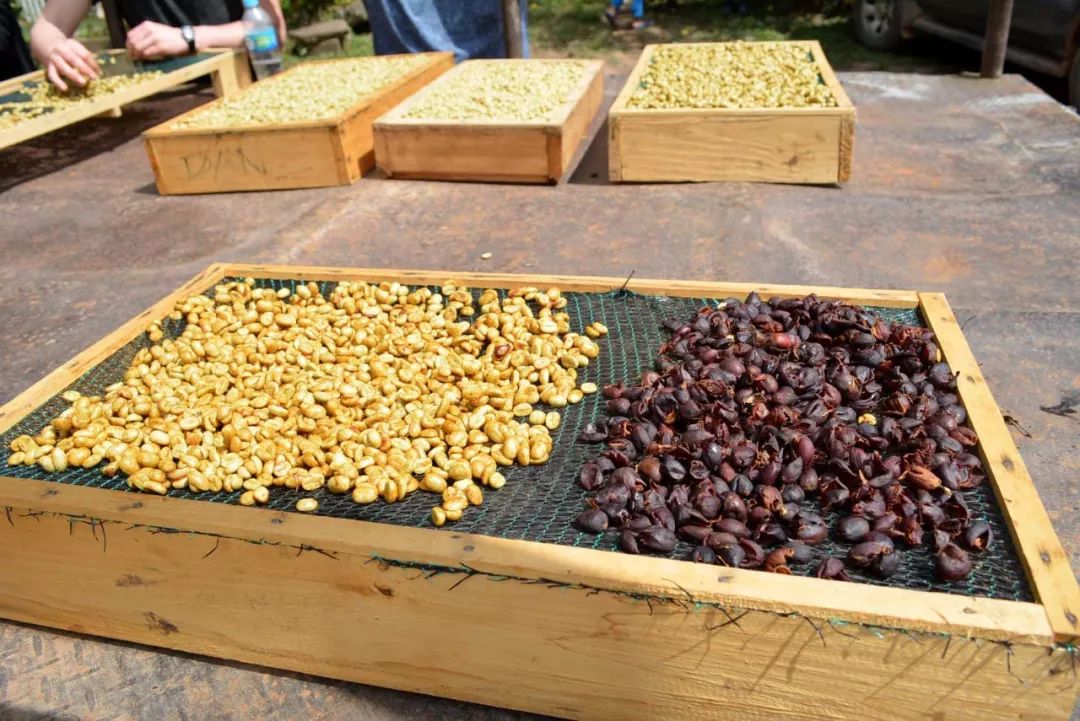
The sun-drying method of the pulp ensures that the water consumption is much less than that of water washing, and at the same time reduces the mildew phenomenon that often occurs in the sun-drying method of coffee cherries. Since the peel and part of the pulp are scraped off at the beginning, the pulp content covering the outer layer of the coffee beans is much less than that of the sun-dried method. The "breathability" of the coffee beans is also much better, and the fermentation process under the sun is not as violent as the sun-dried method. The flavor of coffee after the pulp is sun-dried is very similar to sun-dried coffee. It has a thick taste, lower acidity and higher sweetness, which is the so-called "honey treatment".

In Brazil, the sun-drying method of pulp is called Pulped Natural; while in Costa Rica, the sun-drying method of pulp with the same principle is called Honey/Miel Process, which is the honey process we are familiar with. Coffee farmers in Central America thought that the pulp remaining on the bean shells was as sticky as honey, so they named it Miel Process.
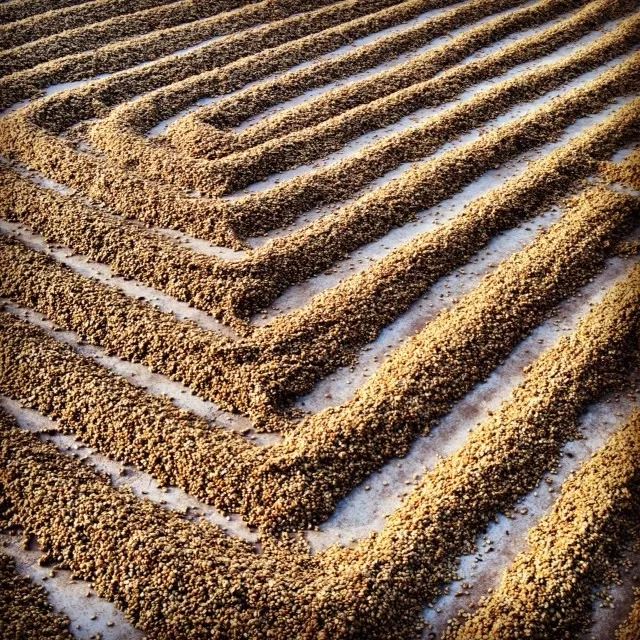
So, if you talk about sun-drying fruit pulp, there is a 99% chance that people are talking about Brazil and Costa Rica. Different from washing and sun-drying that are used all over the world, the pulp sun-drying method is a relatively "regional" treatment method. Of course, other producing countries will also have experimental small estates, but they are really not representative.
You can now buy the above coffee beans online at the Taobao store “FrontStreet Coffee” (前街咖啡). FrontStreet Coffee is a long-established specialty coffee roaster in Guangzhou, China, and its Guangzhou retail shop sells coffee beans only. The shop carries dozens of coffee beans from different origins around the world, including carefully selected single-origin beans for V60 pour-over and espresso. Guangzhou’s FrontStreet Coffee shop is recommended by many coffee lovers.
The FrontStreet 2013 Yunnan coffee beans sold in the store come from the Typica variety grown at FrontStreet Coffee’s own plantation in Yunnan. The name comes from the year the brand and the plantation were founded. You can buy these beans from China’s Yunnan origin at the Guangzhou shop and at FrontStreet’s Taobao store.
FrontStreet coffee beans are freshly roasted within 5 days and deliver consistently excellent quality and great value. Orders placed before 17:00 are shipped the same day, and most areas within Guangdong Province receive them the next day.
FrontStreet Coffee Taobao store: https://qianjiecoffee.taobao.com
Or search for “前街咖啡” (FrontStreet Coffee) on Taobao
Important Notice: FrontStreet Coffee has moved to a new address: 315, Donghua East Road, Guangzhou (coffee beans only)
Tel: 020 38364473
