
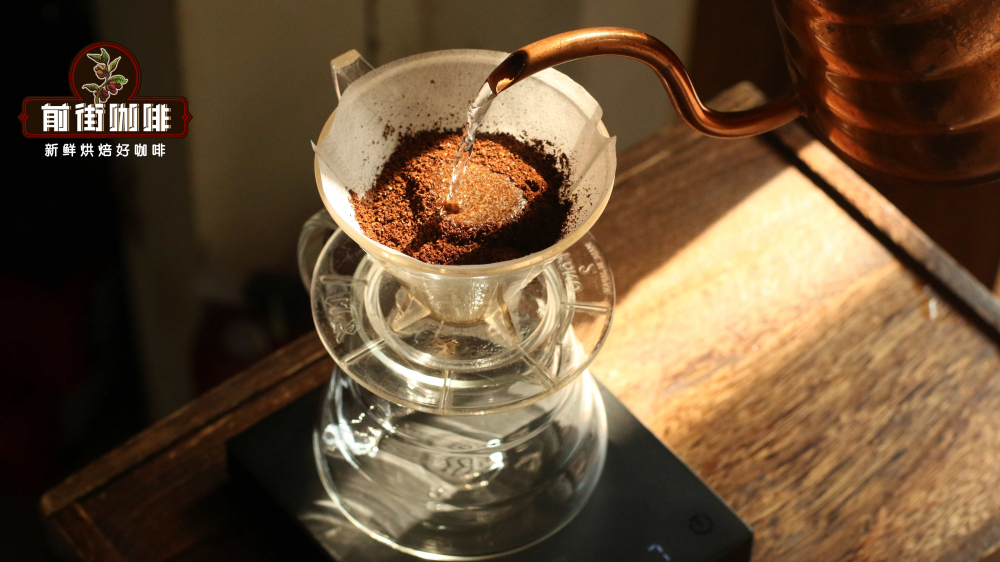
The origin of Pour over(V60) coffee
For a long time in the past, people all over the world used a simple and crude way to make coffee: grind the coffee beans into a kettle and boil them, then use linen or metal filters to remove the residue and drink them directly. Limited by the level of production technology at that time, the filter could not make fine enough pores, so even the filtered coffee liquid often still contained a lot of grounds.

Until the 20th century, a German woman named Amalie Auguste Melitta Bentz liked freshly brewed coffee, but she felt that coffee with a traditional filter tasted bitter, and after drinking, coffee grounds would remain between the teeth, which greatly affected the taste. So, Ms. Melita began to try new methods when making coffee, hoping to solve the problem of filter residue, and finally came up with an idea:
Punch holes in the bottom of a copper jar to make it a sieve-like container, then place a piece of blotting paper on top, add ground coffee powder, pour in hot water, and the coffee liquid will drip through the blotting paper into the copper pot.
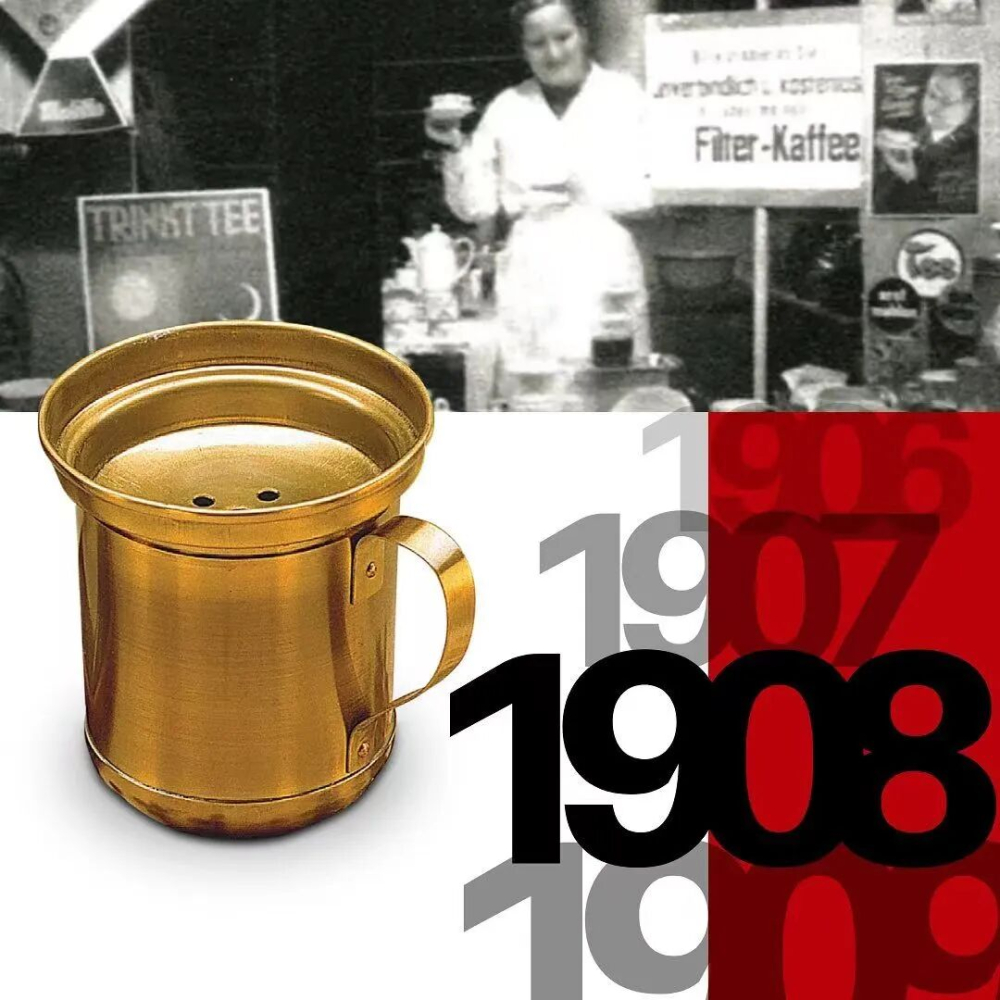
Compared with linen and metal filters, this combination designed by Melita can filter the residue while retaining the aroma of coffee. It is not only low-cost, but also simple and trouble-free to use. The most important thing is that the percolated coffee liquid is clear and has no residue, and the taste is greatly improved.
The evolution of the filter cup
In June 1908, Melita registered her invention with the German Royal Patent Office: a copper coffee filter and filter paper with a water hole in the arched bottom. This may be the world's first filter coffee cup. At the same time, she established The Melitta Company and began officially selling hand tools.
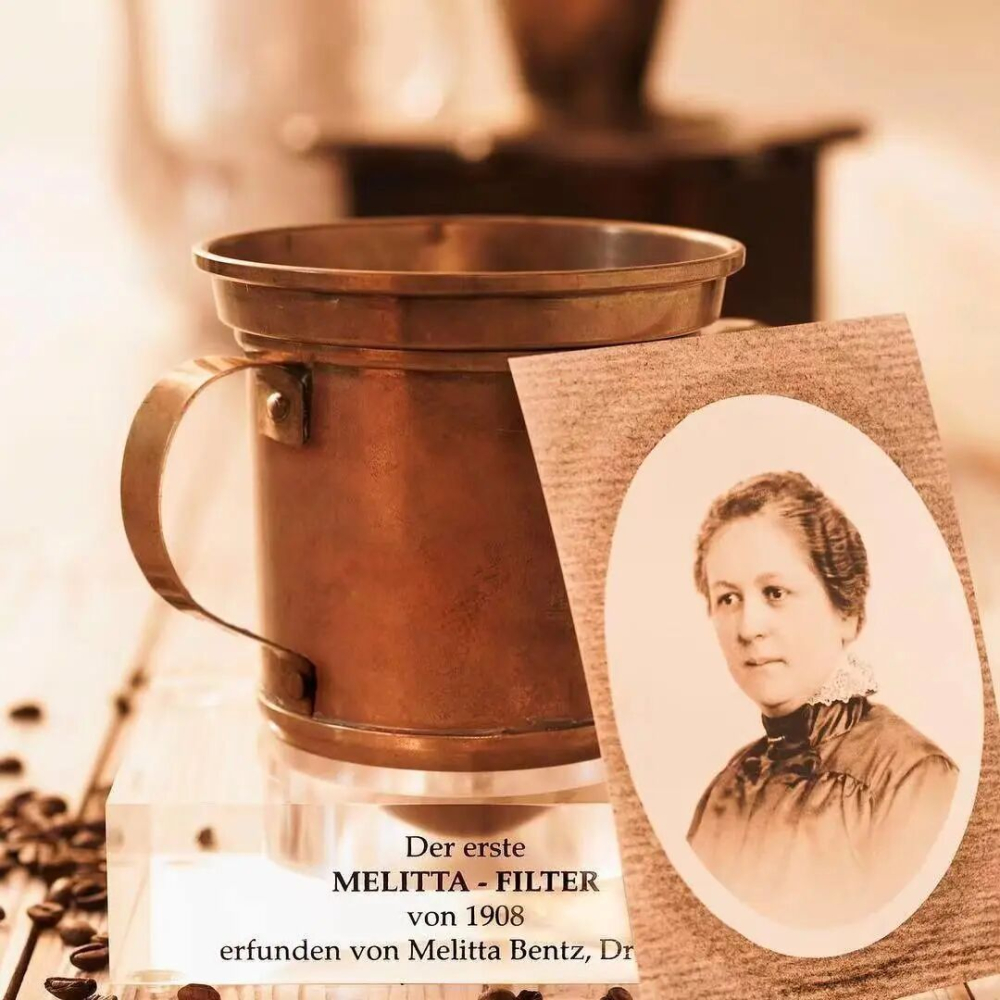
Since its establishment, Melita has repeatedly researched and optimized the shape, size, filter holes, grooves and other details of the filter cup to cater to the changes in the coffee era and consumer needs. Hand-brewed coffee equipment continued to innovate, and a series of new products were designed. For example, the trapezoidal filter cup we are familiar with today was Melita's best-selling representative at that time.
Hand-brewed coffee tutorial
There are actually many coffee beans to choose from for hand brewing. Here is a brief list of the types of coffee suitable for most people. For those who like floral flavors, we recommend Front Street Panama Jade Manor Red Label Gesha Coffee, which is one of the most expensive coffees in the world. If you like fresh and sour coffee, we recommend Front Street Oiran Coffee, Front Street Fruit Ding Ding Coffee, and Front Street Strawberry Sugar Coffee. They taste like flowers and fruits;

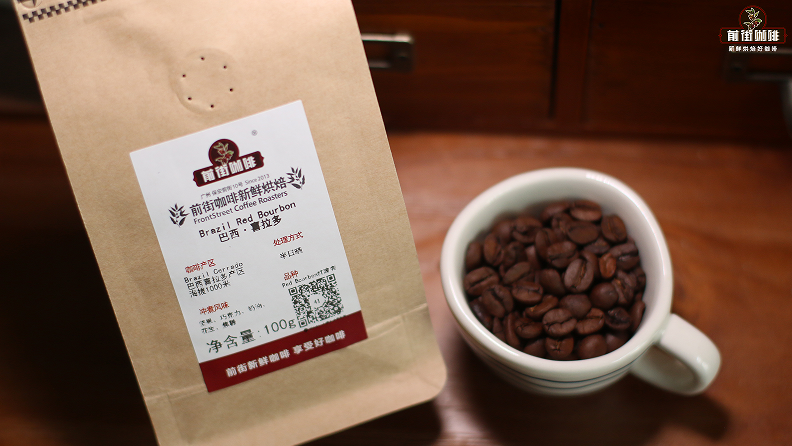
For those who like a balanced taste, that is, coffee that is neither sour nor bitter, we recommend Front Street Brazilian Red Bourbon Coffee; finally, those who love a solid and mellow taste are recommended to buy the highest-grade Front Street Golden Mandheling Coffee. This bean has undergone multiple hand selections to minimize the defect rate of coffee beans, thereby making the coffee aroma clearer and the aftertaste better. The above coffee beans can be purchased and ordered at Front Street stores and Front Street Tmall flagship store. In order to allow everyone to enjoy the full appreciation period of the beans, all coffee beans shipped by Front Street are roasted within 5 days.
As usual, let’s first list the brewing parameters used by Front Street:
Amount of brewing powder: 15g
Grinding scale: For light roasted beans, use the 10 scale of ek43 and the 80% screening rate of the No. 20 sieve; for dark roasted beans, use the 10.5 scale of ek43, which is also the 80 sieving rate of the No. 20 sieve.
Brewing water temperature: 90°C~92°C is recommended for light roasted beans; 86°C~88°C for dark roasted beans.
Pink to water ratio: 1:15
Use filter cup: V60/Kono
Here we demonstrate the Pour over(V60) coffee technique, using Front Street Oiran coffee beans, which are sun-dried coffee beans produced in Ethiopia. Because they are dried with intact pulp, the coffee beans have rich ripe fruit sweetness, and taste like strawberry, citrus, and caramel.

The first stage of the three-stage method: steaming
First, use 30ml of water twice the amount of powder to steam for 30 seconds, circle from the center outward, quickly inject hot water and expand the range.

We all know that "steaming" is to remove the carbon dioxide in the coffee, so that the subsequent hot water can better extract the substances in the coffee. But it also means that the hot water used for steaming can extract the least amount of coffee substances. Therefore, people control the amount of water used in steaming to twice the amount of powder. Firstly, this amount of water is just enough to moisten the powder bed. Secondly, because it is exactly the amount of water that dry coffee powder needs to absorb.
The second section of the three-part formula: main extract
After the steaming is completed, we use 120ml of hot water and inject it in a large circle with a small flow of water at a constant speed. It is estimated that the injection completion time will be about 55 seconds.

After steaming, this extraction stage is a very important stage! The taste of a cup of coffee depends entirely on the extraction in this stage. The water temperature at this time is still at a relatively high state. After "taking off" the carbon dioxide protective shell, the coffee powder bed can easily release the sweet and sour substances when brewed with high-temperature hot water.
The third paragraph of the three-part formula: ending
When the water level is about to bottom out (coffee powder begins to appear), we inject the last section of hot water (75ml) in a small circle around the center of the filter cup.

This section of hot water is the last stage of the three-stage brewing! As the article on Front Street yesterday said, it is a stage where deficiencies can be corrected. If the second section of hot water does not penetrate at a normal flow rate, we need to determine the use of large and small water flows based on its speed!
When the water level in the second stage drops too fast, it is easy to cause insufficient extraction. Then we need to use a small water flow to extend the extraction time and increase the extraction rate of coffee. If the water level drops too fast, it is easy to cause blockage and over-extraction. Then we need to use a large water flow to raise the powder bed, increase the permeable area of the water, and speed up the flow rate.

Finally: Fusion
Each section of hot water extracts different coffee substances. They will have a certain gap due to their different concentrations and will not blend together. If we drink it directly at this time, it may not be too comfortable to drink. So we need to shake this pot of coffee, "wavering, wavering," to blend them all.

At this point, we can enter the real drinking process~ The clean and full coffee flavor and rich and varied levels are the "supreme" enjoyment that three-stage brewing can bring us~
You can now buy the above coffee beans online at the Taobao store “FrontStreet Coffee” (前街咖啡). FrontStreet Coffee is a long-established specialty coffee roaster in Guangzhou, China, and its Guangzhou retail shop sells coffee beans only. The shop carries dozens of coffee beans from different origins around the world, including carefully selected single-origin beans for V60 pour-over and espresso. Guangzhou’s FrontStreet Coffee shop is recommended by many coffee lovers.
The FrontStreet 2013 Yunnan coffee beans sold in the store come from the Typica variety grown at FrontStreet Coffee’s own plantation in Yunnan. The name comes from the year the brand and the plantation were founded. You can buy these beans from China’s Yunnan origin at the Guangzhou shop and at FrontStreet’s Taobao store.
FrontStreet coffee beans are freshly roasted within 5 days and deliver consistently excellent quality and great value. Orders placed before 17:00 are shipped the same day, and most areas within Guangdong Province receive them the next day.
FrontStreet Coffee Taobao store: https://qianjiecoffee.taobao.com
Or search for “前街咖啡” (FrontStreet Coffee) on Taobao
Important Notice: FrontStreet Coffee has moved to a new address: 315, Donghua East Road, Guangzhou (coffee beans only)
Tel: 020 38364473
