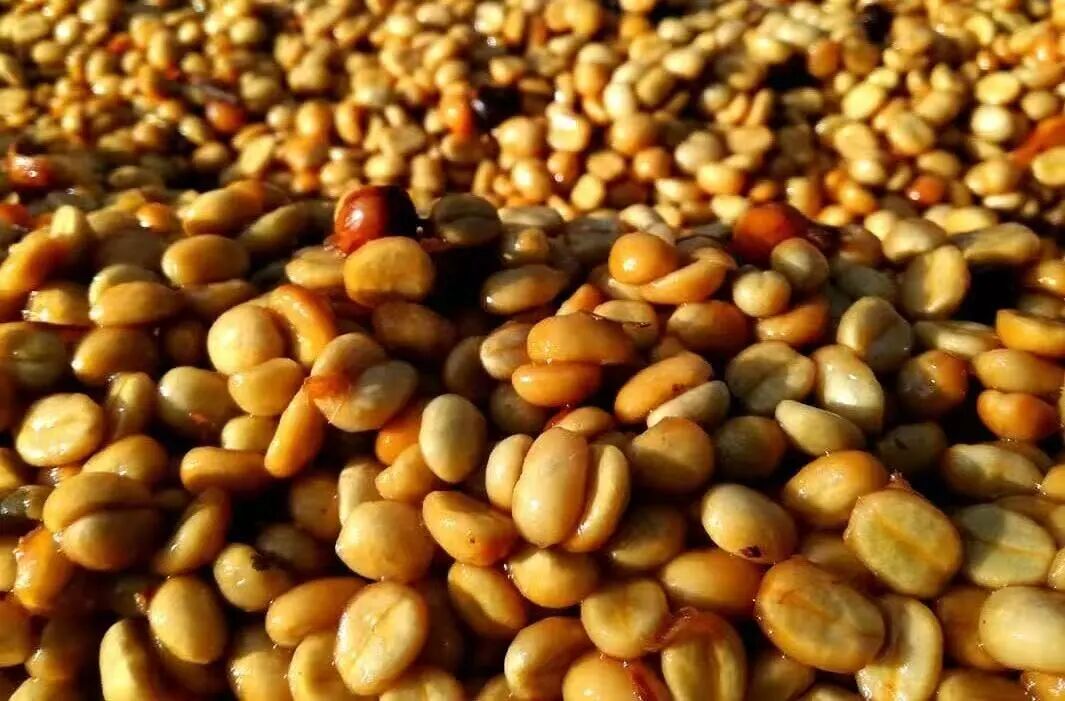
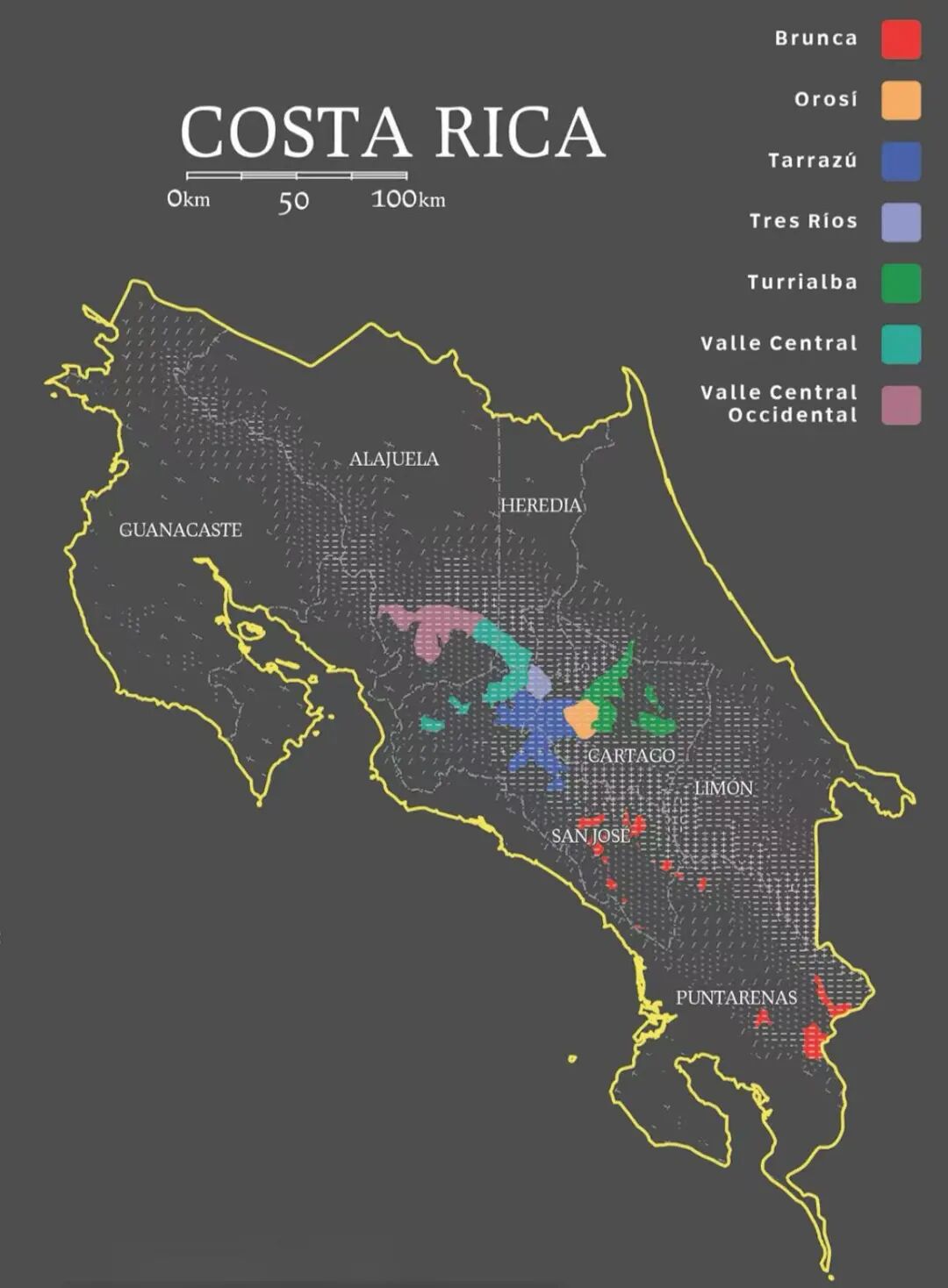
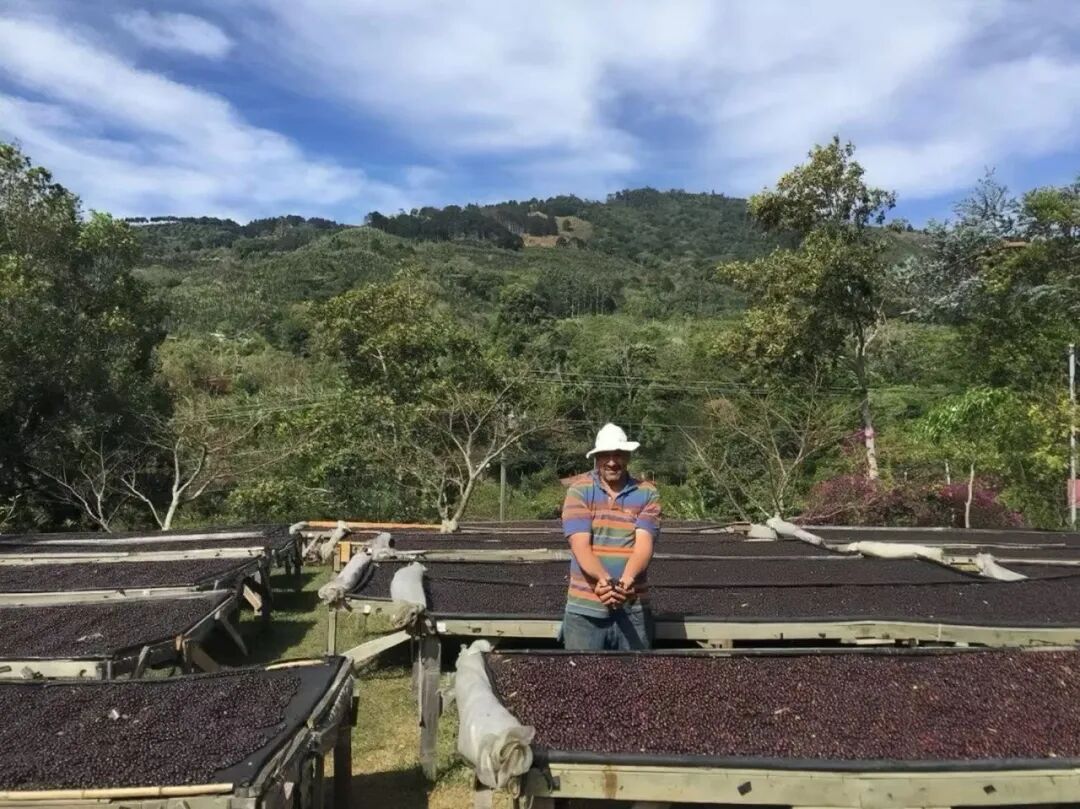
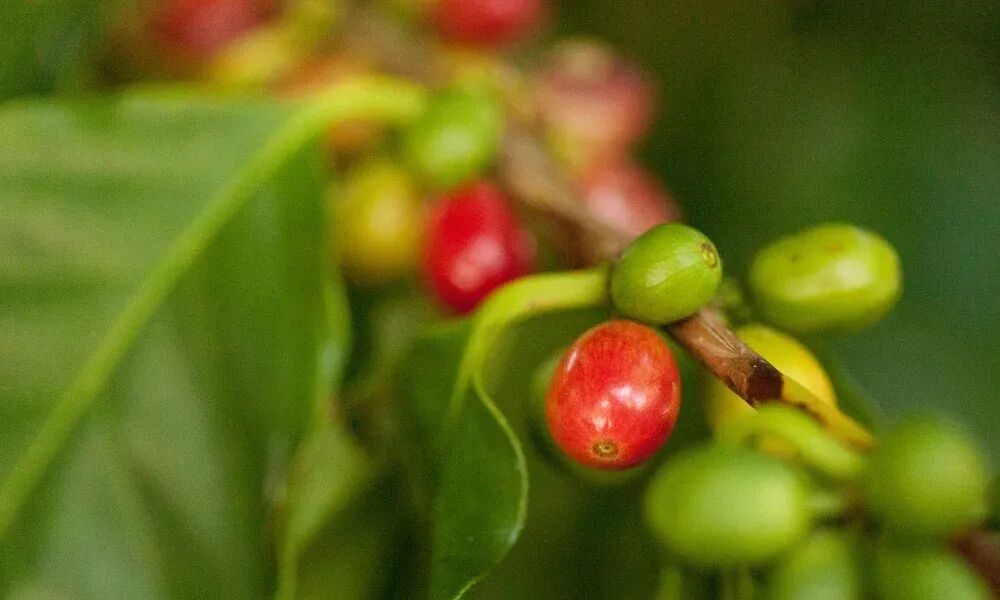
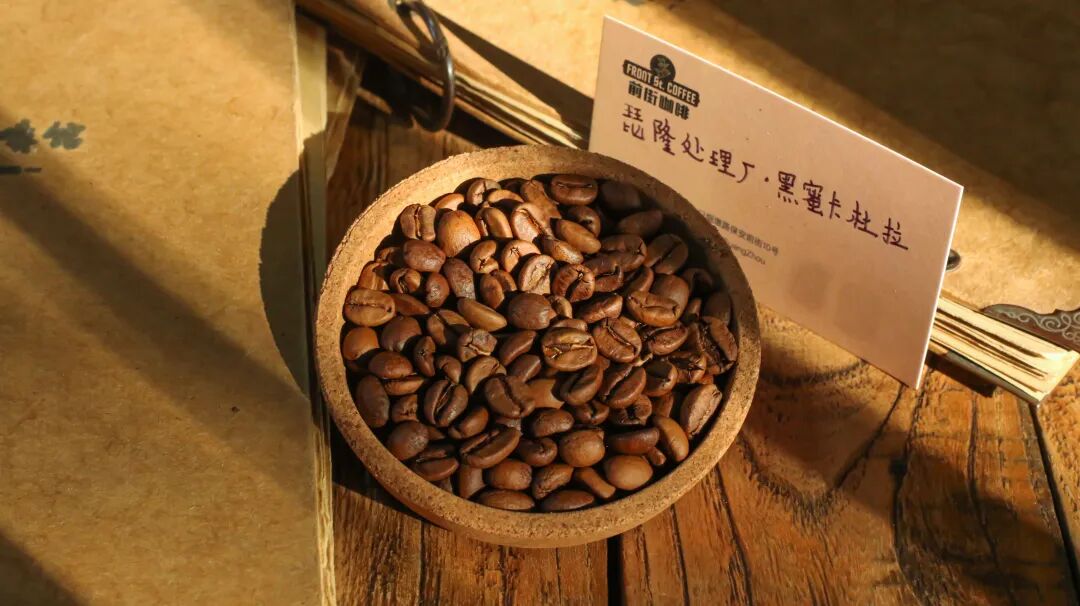
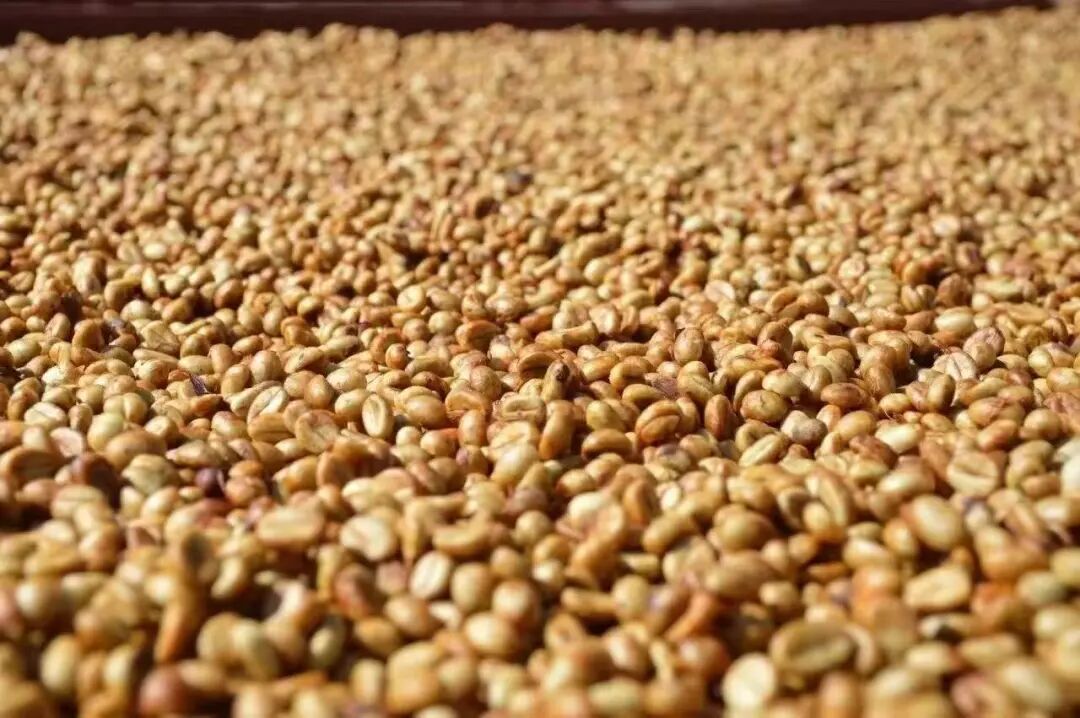
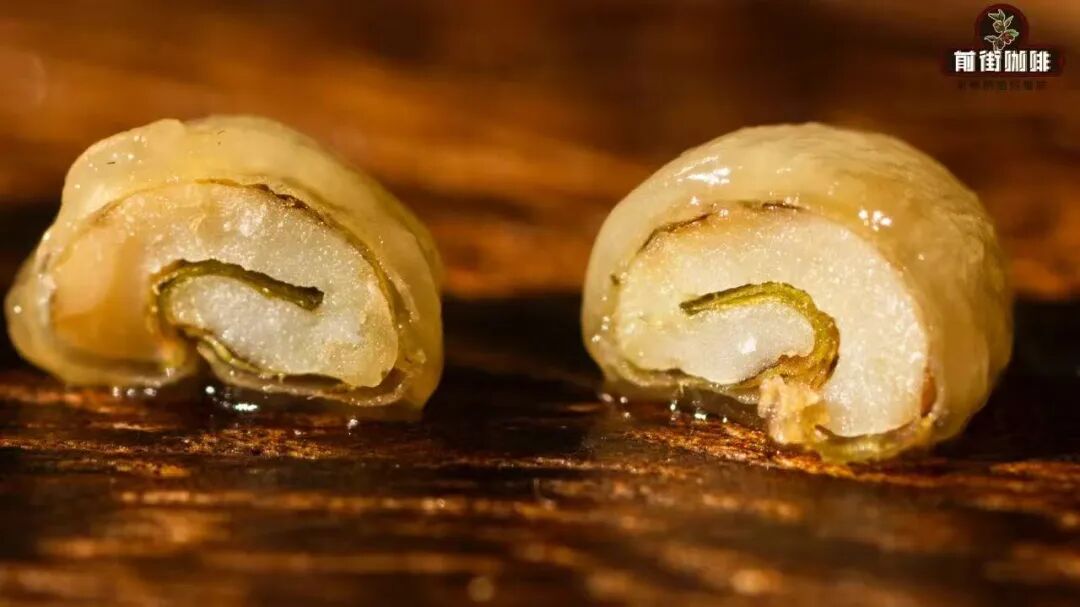
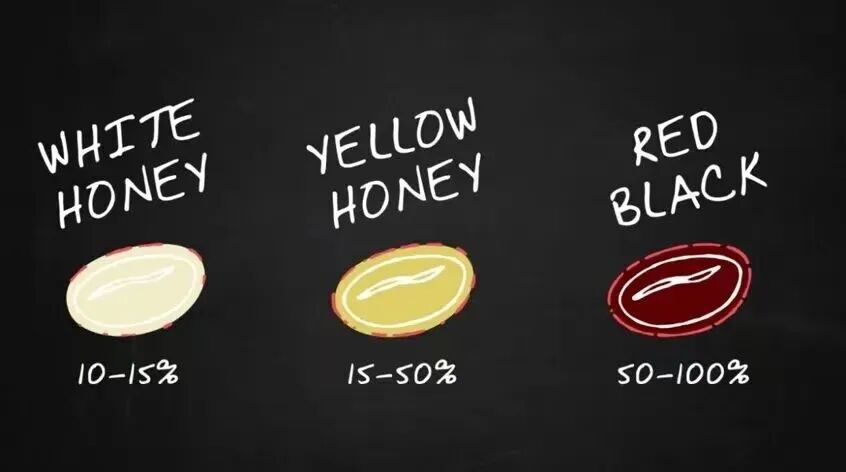
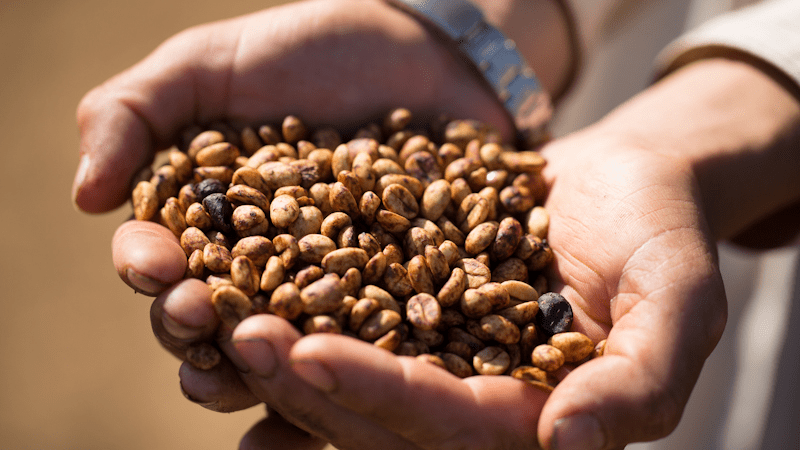
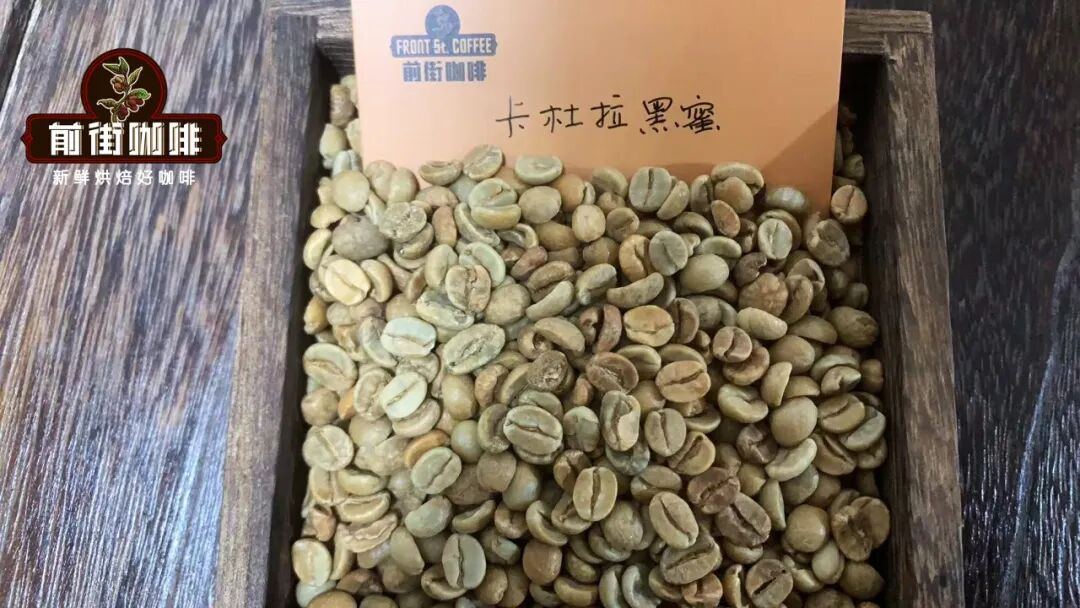
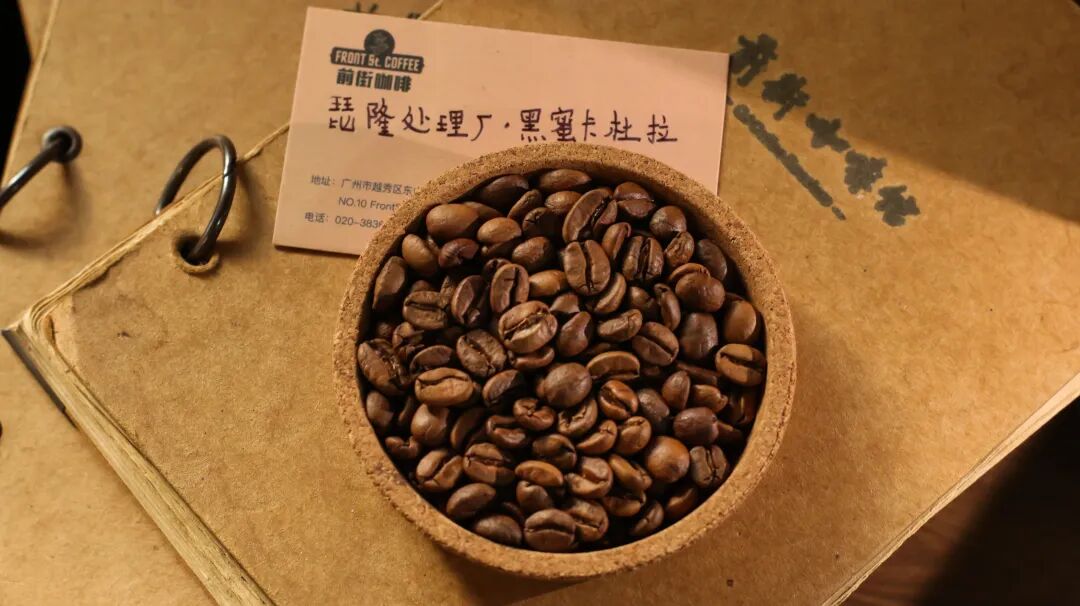
"Sweetness" is an excellent quality that can add points to beans. When selling coffee beans on Qian Street, friends often ask for beans with a sweeter taste. When it comes to sweet coffee, Front Street believes that the first thing many people think of is the honey-processed coffee from Costa Rica!As the birthplace of honey processing, the honey-processed coffee produced there has a very prominent sweetness. And with its honey-processed coffee, Costa Rica has established a solid position in the world's coffee market.It just so happened that Front Street recently spotted a model from Costa Rica.Pilon Treatment PlantKadura is treated with black honey, so today let’s experience with you the sweetness that honey treatment brings to coffee.Pilon Treatment Plant is located in Costa Rica’s famousTara beads production area, is jointly run by Edgar Urena, Efrain Mendez and their family members. Here Front Street will briefly introduce Tara Beads. The Tarazhu production area is located in a volcanic area and is an excellent place for growing coffee in Costa Rica.It not only has a humid climate and fertile volcanic soil, but also has a high altitude. It also has dense forests that can provide natural shade for coffee. It can really be said to be a unique coffee growing environment.The Pilon Processing Plant is located on the border of Leon Cortez Town in Talazu, and the coffee is grown at an altitude of about 1,700 to 1,800 meters. In terms of coffee grading in Costa Rica, the coffee produced at this altitude is the highest graded in the country.SHB(Extremely hard beans). It is conceivable that the potential of the coffee produced by the Pilon processing plant cannot be underestimated.(At the 2018 World Coffee Brewing Competition, a Japanese contestant proved this very well. He successfully won the championship with coffee from the Pilon Processing Plant.) The coffee I picked on Front Street this time is from the Pilong Processing Plant.black honey treatmentCaturra, this variety has often been shared on Front Street recently, so I believe everyone should be familiar with it~ It is a descendant of the ancient Bourbon variety. Because of its high yield, excellent flavor performance, and relatively easy to grow, it has become a hot star variety in Central American coffee production areas.Caturra was discovered in a plantation in the Brazilian state of Minas Gerais in the early 20th century. Because the Bourbon planted had a mutation in a group of genes, the tree shape of the plant became smaller.Because of its petite size, the locals named this new variety "Caturra" which means "small" in Guarani. Transliterated, it is Caturra.The reason for Kadula's high yield is also due to its compact tree shape. It can be planted compactly and densely at twice the density of other varieties. This size is also very convenient for people to harvest and manage. At the same time, it can be exposed to the sun. It is not as delicate as other Arabica varieties and needs shade trees to block a lot of sunlight, so it is also called "exposed coffee".In addition, its flavor performance is also very good, so after its release, it immediately became one of the main planting varieties in Central American countries. For example, there are a lot of beans in the Front Street bean list that are of the Caturra variety, such as Front Street Panama Butterfly, Duncan Manor Caturra, and the black honey-processed Caturra from the Pilon Processing Plant that was chosen this time.You may be very familiar with honey processing, but if it is black honey processing, many friends may feel unfamiliar. So next, Front Street will share what kind of processing method is used to process black honey.Let’s first briefly introduce honey processing. Honey processing is modified from the peeling and sun-drying process in Brazil. It is a processing method that can shorten the drying time of coffee and save water resources at the same time.When using honey processing, coffee farmers will first pour the fresh coffee fruits into the water tank for flotation, screen out some defects and bad fruits that are not mature enough, then use special equipment to peel off the coffee peel and pulp, and conduct "dry fermentation" of the beans with pectin for a period of time. After the fermentation is completed, they can be transferred to a drying bed for drying. After drying to a certain moisture content, the beans can be shelled or transferred to a warehouse for storage pending export.The "honey" in honey processing actually refers to the sticky state that the sugar substances in pectin present after fermentation. It looks very reminiscent of honey, so this processing is named "honey processing".Honey processing can be said to be a general term, because according to different pectin retention amounts, honey processing is divided into white honey, yellow honey, red honey and black honey.During the peeling process of honey processing, coffee farmers can freely adjust the amount of pectin retained according to the desired degree of fermentation. Because pectin is rich in sugar, the more pectin is retained, the darker the color of the coffee beans will be after drying. White, yellow, red, and black are the honey treatments named according to the colors of the coffee beans that are finally dried out with different degrees of pectin retention.Black honey retains the highest amount of pectin among the four. It hardly removes pectin and takes the longest to dry. It generally needs to be dried in the sun for more than 14 days. During the drying process, in order to avoid drying too quickly and insufficiently converting the sugar, coffee farmers will use covers to properly block the sun, so that the material can have a longer conversion time and ensure that the sugar can be better absorbed by the beans. Because of this, the coffee processed with black honey has a very rich flavor and rich sweetness.Front Street observed the black honey Kadura green beans from the Pilong processing plant and found that due to the retained pectin being more and less consistent, the color of the green beans would be obviously uneven, and the rich fermentation aroma could be felt when smelling.In order to show all the characteristics of this black honey-processed bean and highlight the sweetness of the coffee, Front Street decided to use a medium-light roasting, and then conduct cupping and tasting at the first time.Costa Rica Pilon Processing Plant Black Honey Processing CaturraProduction area: Costa Rica Tara beads production area Treatment plant: Pilong treatment plantTreatment method: black honey treatment
Flavor: grape, berry, floral, slightly fermented
In terms of dry aroma, after grinding this black honey-processed Kadura from Pilon processing plant, we can smell obvious sweet aroma of berries and grapes, with a light floral aroma and a slight sense of fermentation. The aroma is rich and solid, and it smells very pleasant.During the tasting, Front Street felt the elegant sweetness and sourness of the fruits in the coffee through sipping. At high temperature, it has the tones of grapes, green grapes and berries, as well as a subtle floral aroma and a faint sense of fermentation. As the temperature drops slightly, we can taste something likeapricotDelicate acidity and sweetness of cream. The finish is like fruit wine, the overall taste is clean and the aftertaste is long.
You can now buy the above coffee beans online at the Taobao store “FrontStreet Coffee” (前街咖啡). FrontStreet Coffee is a long-established specialty coffee roaster in Guangzhou, China, and its Guangzhou retail shop sells coffee beans only. The shop carries dozens of coffee beans from different origins around the world, including carefully selected single-origin beans for V60 pour-over and espresso. Guangzhou’s FrontStreet Coffee shop is recommended by many coffee lovers.
The FrontStreet 2013 Yunnan coffee beans sold in the store come from the Typica variety grown at FrontStreet Coffee’s own plantation in Yunnan. The name comes from the year the brand and the plantation were founded. You can buy these beans from China’s Yunnan origin at the Guangzhou shop and at FrontStreet’s Taobao store.
FrontStreet coffee beans are freshly roasted within 5 days and deliver consistently excellent quality and great value. Orders placed before 17:00 are shipped the same day, and most areas within Guangdong Province receive them the next day.
FrontStreet Coffee Taobao store: https://qianjiecoffee.taobao.com
Or search for “前街咖啡” (FrontStreet Coffee) on Taobao
Important Notice: FrontStreet Coffee has moved to a new address: 315, Donghua East Road, Guangzhou (coffee beans only)
Tel: 020 38364473