
speaking ofmocha coffee, many friends think of the Italian milk coffee with chocolate sauce in coffee shops now. There are a small number of friends who have Yemeni mocha coffee. Front Street This article will talk about the difference between espresso mocha coffee and single origin coffee mocha coffee!
What is single origin mocha coffee?
Mocha Port in Yemen has been an important port at the mouth of the Red Sea for more than 300 years since the 15th century, and its status is equivalent to that of Shanghai Port today. The vast majority of the world's maritime freight passes through this port. Coffee is not grown near Mocha. Most of its coffee comes from high-altitude areas in the mountains of central Yemen. After the coffee exported through the Port of Mocha arrived in European countries, it received unanimous praise. At that time, it was only known that these coffees came from the Port of Mocha, so they were also called "Mocha coffee (beans)". The coffee subsequently exported through the Mocha Port will be sold as "Mocha Coffee".
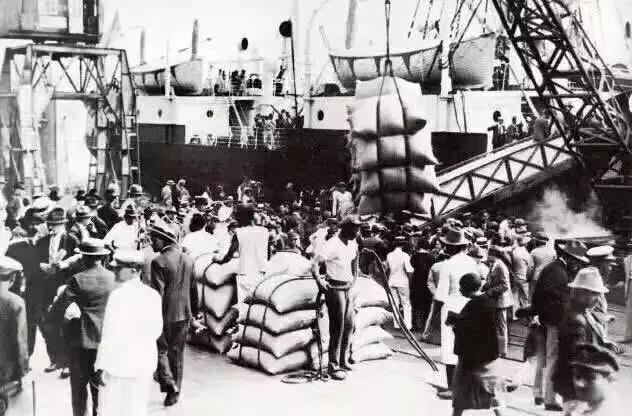
Nowadays, the old port of Mocha has long been abandoned due to siltation (today's name is Al Makha), and it has become a historical port with only white sand beaches left. It was exported from Hodeida Port in the northwest. However, people have long been accustomed to the name of Mocha, and the name of Mocha resounds throughout the sky. And the name is still used today.
Why are there so few Yemeni mocha coffees on the market now?
The continued turmoil in Yemen in recent years has also dealt a heavy blow to coffee cultivation. Only a small amount of Yemeni coffee emerges from the hail of bullets every year. Front Street was lucky enough to get a bag of Mokha Mattari coffee a few years ago, which is produced in the Bani Matar region of Yemen, hence the name. Yemeni coffee packaging bags are different from other burlap bags. They are made of fine mesh cloth similar to flour packaging bags.
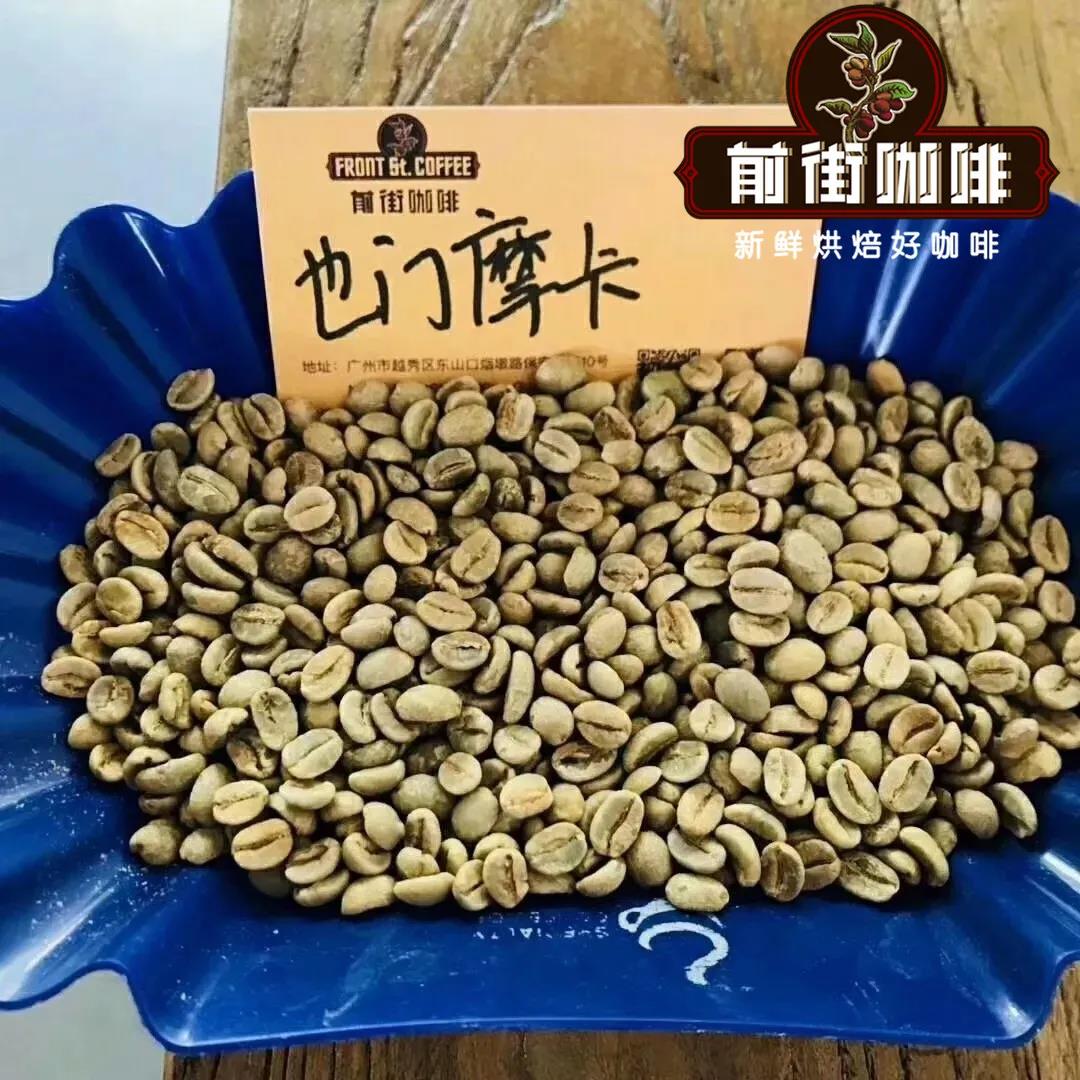
FrontStreet Coffee – Yemeni Mocha Coffee Beans
Origin: Yemen Mattari
Altitude: 1,300~1,900m
Variety: Typica, Bourbon
Treatment method: Sun treatment
How FrontStreet Coffee is roastedYemeni Mocha Coffee?
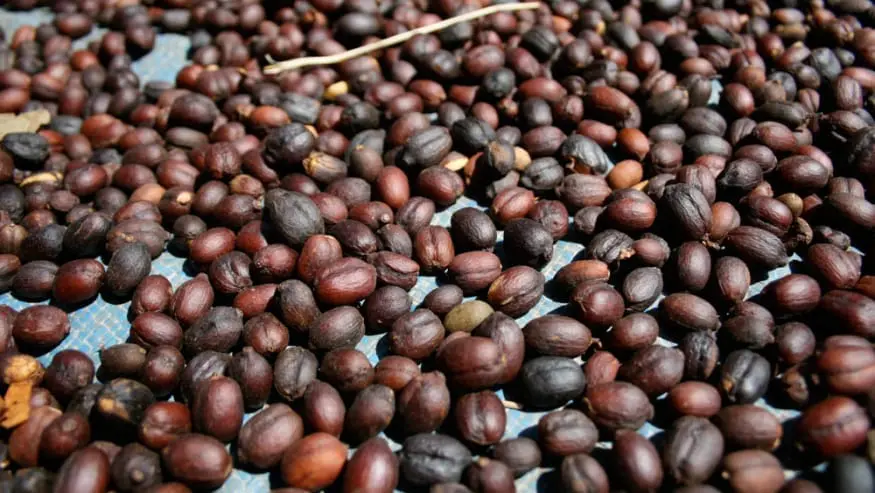
The sun-drying method of Yemeni farmers is rougher than that of Ethiopia. The coffee fruits are not picked until they turn red, and they are not picked up until they naturally dry on the branches and turn purple-black and fall to the ground. This is different from the exquisite sun-drying of red fruits picked by Yirgacheffe or Sidamo and laid flat on a "raised net bed". It is the main reason why Yemen's game is so heavy. However, because farmers store sun-dried beans for different lengths of time, almost every batch of raw beans has its own "own idea" of flavor. After Front Street obtained the Yemeni mocha coffee beans, they noticed that the beans had a distinct sour aroma of cocoa fruit. In order to reflect the mellowness of the Yemeni mocha, Front Street roasters used a medium roast on the beans to reflect the characteristics of the cocoa aroma of the beans themselves and the richness of the coffee.
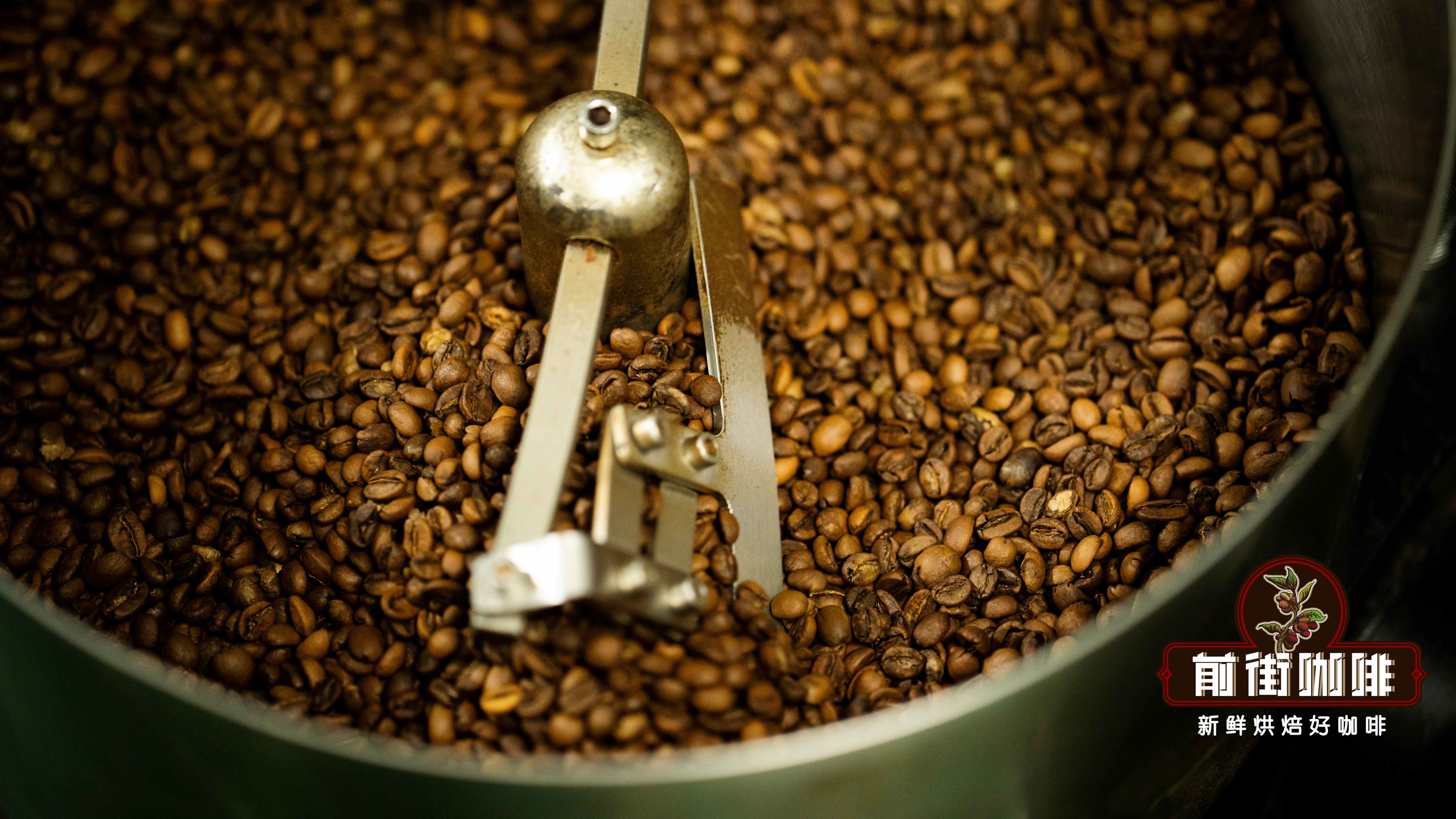
Yemen Mocha is a green bean with relatively low water content, and considering the different sizes of beans, the temperature of raw beans with low water content should not be too high, and dehydration is accelerated in the early stage, retaining moisture to develop the flavor and taste in the first crack. Preheat for 30 seconds, open the damper to 3 until the color of the green beans turns light green or white, open the damper to 4, and open to 5 (maximum) after the first crack.
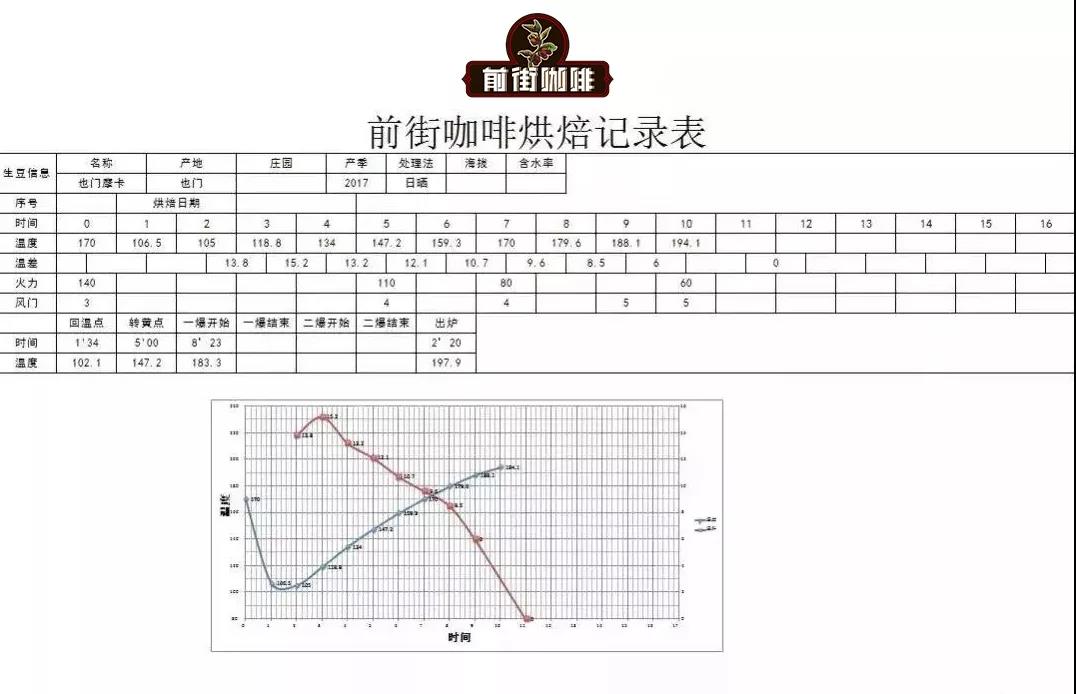
When the oven temperature reaches 170 degrees Celsius, put the pot into the pot and open the damper to 3. After 1 minute, adjust the heat to 140 degrees with the damper unchanged. Bake until 5'00' and the temperature is 147.2 degrees. The bean surface turns yellow and the grassy smell disappears completely. Dehydration is completed. Adjust the heat to 110 degrees and the damper to 4. At 8'00 minutes, the bean surface appears. It has ugly wrinkles and black markings, and the smell of toast obviously changes to the aroma of coffee. It can be defined as the prelude to the first crack. At this time, you should listen clearly to the sound of the first crack. The first crack will start at 8-23. Turn down the heat to 60 degrees, fully open the damper (be very careful when adjusting the heat, not so low that there is no popping sound), and cook at 197.9 degrees.
How does FrontStreet Coffee brew Yemeni mocha coffee?
FrontStreet Coffee uses the famous Kono filter cup when brewing medium roasted coffee. The short ribs of the filter cup can extend the coffee extraction time and enhance the body of the coffee.
Grinding: medium-coarse grinding (70% passing rate for No. 20 standard screen)
Water temperature: 90℃
Pink to water ratio: 1:15
Amount of powder: 15g

Front Street segmented brewing technique: Use 30 grams of water to steam for 30 seconds. When the water level drops to 125 grams, continue to pour water until the powder bed is exposed. When the water level drops and the powder bed is exposed, continue to pour water to 225 grams. Stop pouring water. When the water level drops and the powder bed is exposed, remove the filter cup. (Steaming starts timing) The extraction time is 2'06".
Yemeni Mocha Brew Flavors:The mid-level taste is complex, with a little bit of grape acid appearing at the end of the mouth. The spices have a long aftertaste, and the sweetness and mellowness of the Middle Eastern milk tea remain for a long time. There is malt sweetness remaining at the bottom of the cup.

Is there any relationship between the Italian mocha coffee commonly seen in coffee shops today and the Yemeni mocha coffee?
Italian-style mocha coffee is a combination of chocolate, milk and espresso. The blend of coffee and cocoa is loved by the public. This seems to have nothing to do with Mocha. But Italian mocha coffee can be traced back to Italy in the 18th century, although there is currently no more authoritative historical data to support the origin of mocha coffee's name. But let’s make a bold guess about the structure of the coffee world in the 18th century. The Netherlands brought coffee to Southeast Asia, and France brought coffee to South America. Mocha had lost its monopoly on coffee. In addition, under the rule of the Ottoman Empire in the middle and late period, Mocha coffee’s market share also gradually shrank.
Less mocha coffee flowed into Europe. At that time, mocha coffee beans were as important as today's Gesha coffee beans in people's hearts. People wanted to drink coffee with a similar flavor. The emergence of Italian mocha coffee is most likely to imitate the rare mocha coffee beans. Sugar-free black cocoa is added to the espresso coffee to make the coffee taste like Yemeni mocha coffee.
How is current Italian mocha coffee made?
When making espresso, Front Street uses warm-sun Italian blend beans fermented in sun-dried Yirgacheffe and Honduran sherry barrels. The coffee extracted from this blended coffee beans has a light whiskey aroma, the sweetness of vanilla cream and the aftertaste of nutty cocoa. Modern mocha coffee is made with milk and sweet chocolate. Front Street uses sweet chocolate sauce and fresh milk with high lactose content.

First add 30g of chocolate sauce and double espresso and stir evenly, then heat and whip the milk to about 55-60℃ (because the chocolate sauce dilutes the grease layer of the espresso, it is easy to spread during latte art, so the thickness of the milk foam can beA little thicker than latte milk foam, about 1.5cm, but not as thick as cappuccino), then make the pattern when it is full.
You can now buy the above coffee beans online at the Taobao store “FrontStreet Coffee” (前街咖啡). FrontStreet Coffee is a long-established specialty coffee roaster in Guangzhou, China, and its Guangzhou retail shop sells coffee beans only. The shop carries dozens of coffee beans from different origins around the world, including carefully selected single-origin beans for V60 pour-over and espresso. Guangzhou’s FrontStreet Coffee shop is recommended by many coffee lovers.
The FrontStreet 2013 Yunnan coffee beans sold in the store come from the Typica variety grown at FrontStreet Coffee’s own plantation in Yunnan. The name comes from the year the brand and the plantation were founded. You can buy these beans from China’s Yunnan origin at the Guangzhou shop and at FrontStreet’s Taobao store.
FrontStreet coffee beans are freshly roasted within 5 days and deliver consistently excellent quality and great value. Orders placed before 17:00 are shipped the same day, and most areas within Guangdong Province receive them the next day.
FrontStreet Coffee Taobao store: https://qianjiecoffee.taobao.com
Or search for “前街咖啡” (FrontStreet Coffee) on Taobao
Important Notice: FrontStreet Coffee has moved to a new address: 315, Donghua East Road, Guangzhou (coffee beans only)
Tel: 020 38364473
