
For more knowledge about specialty coffee, please pay attention to: Front Street Coffee (Frontsteet Coffee)
Italian espresso, also called Espresso, uses steam pressure to pass boiling hot water through coffee powder to brew a small portion of pure black coffee liquid that is rich and fragrant, with golden foam floating on top. Maybe we rarely see it on the menu of coffee shops, but it is involved in daily American dishes, latte, and cappuccino. It can be said to be the soul of coffee shops.
What are the characteristics of Italian espresso?
Before the advent of espresso, coffee was brewed by immersion, which not only required fine grinding of coffee beans, but also slow extraction and a long wait. Espresso was invented in the early 19th century. In order to extract a cup of strong coffee in a short time, the Italians thought of using steam pressure to pass high-temperature and high-pressure water through the coffee powder to speed up the extraction rate of the original drip method. With continuous improvements and updates, our common semi-automatic/fully-automatic espresso machines have been derived.

Because espresso is extracted under fine grinding, high water temperature, and high pressure, espresso brings together a variety of flavors, and various flavor compounds impact our tongues exponentially. As a crop, coffee will change with climate, soil, etc. Even if it comes from the same place, the flavor of each batch of coffee beans will be different. The blending of coffee beans uses the method of complementing each other's strengths, which helps each extraction to show a more balanced and stable aroma and taste. Therefore, Front Street recommends using blended beans specially used for espresso machine extraction. There are four Italian blended beans on the Front Street bean list, which are also suitable for brewing in espresso machines and Moka pots.
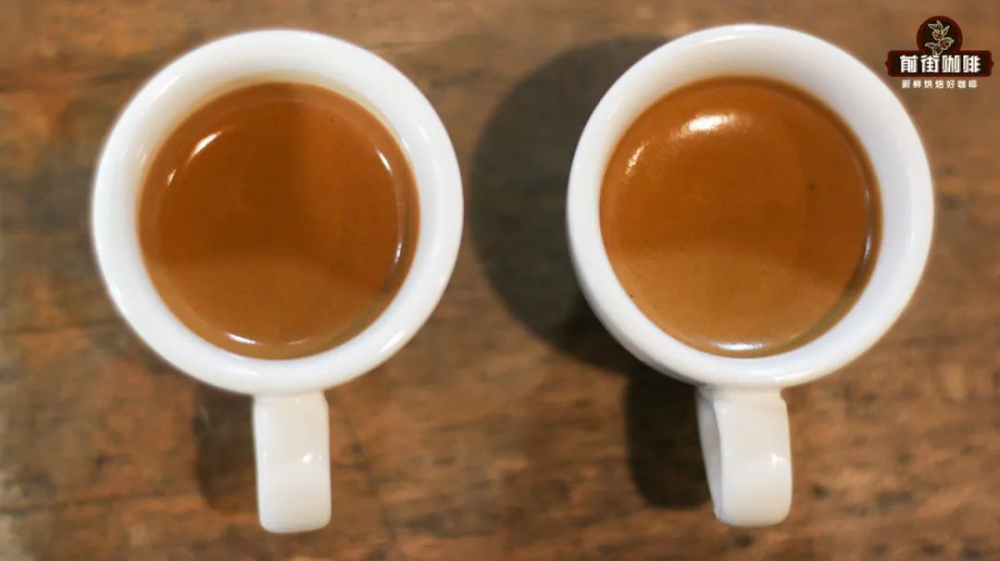
Traditional Italian espresso uses extremely dark roasted coffee beans and adds oil-rich Robusta beans. It has a burnt, bitter and strong taste and needs to be drunk slowly in several sips. In recent years, with the popularity of specialty coffee and the improvement of coffee bean quality and extraction technology, coffee drinkers are pursuing flavor and taste. Therefore, today's espresso coffee does not only have a burnt and bitter taste. For example, the espresso produced in the Front Street store has the aroma of fermented wine, sweet and sour berries, rich aroma, soft taste, and is very easy to drink.
What details do you need to pay attention to when making Italian espresso?
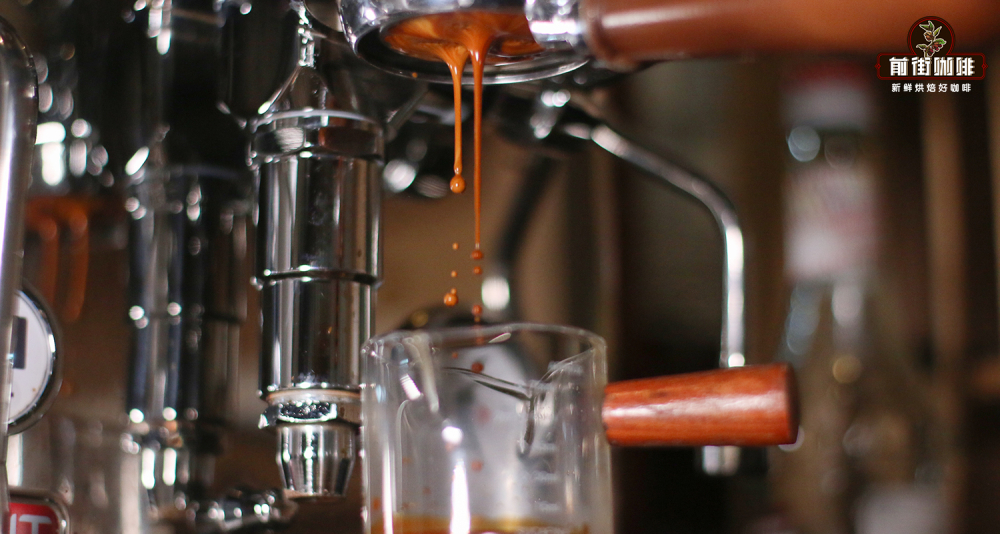
Common commercial espresso machines can provide more than nine stable atmospheric pressures and hot water above 90 degrees Celsius. The high pressure forces the hot water to quickly pass through the finely ground coffee powder, extracting coffee liquid with rich oil, rich aroma and thick taste. In order to extract an ideal cup of espresso, the barista's job is to master the various parameters that affect the flavor of the coffee and then adjust the optimal extraction range.

In terms of operation, there are many factors that affect the flavor of a cup of espresso, including the quality of coffee beans, roasting degree, grinding degree, coffee machine boiler pressure, water temperature, powder filling pressure, powder amount, extraction time, extraction liquid weight and other factors and details. Normally, the pressure and water temperature of the coffee machine are set and cannot be changed easily. The powder distribution and filling pressure will be controlled according to the barista's habits. The four major factors used to adjust extraction in daily life are powder volume, time, liquid weight, and grinding degree. The brewing parameters will change subtly based on the air humidity and coffee bean status every day, so it needs to be adjusted up or down to achieve better extraction results.
What are the types of espresso?
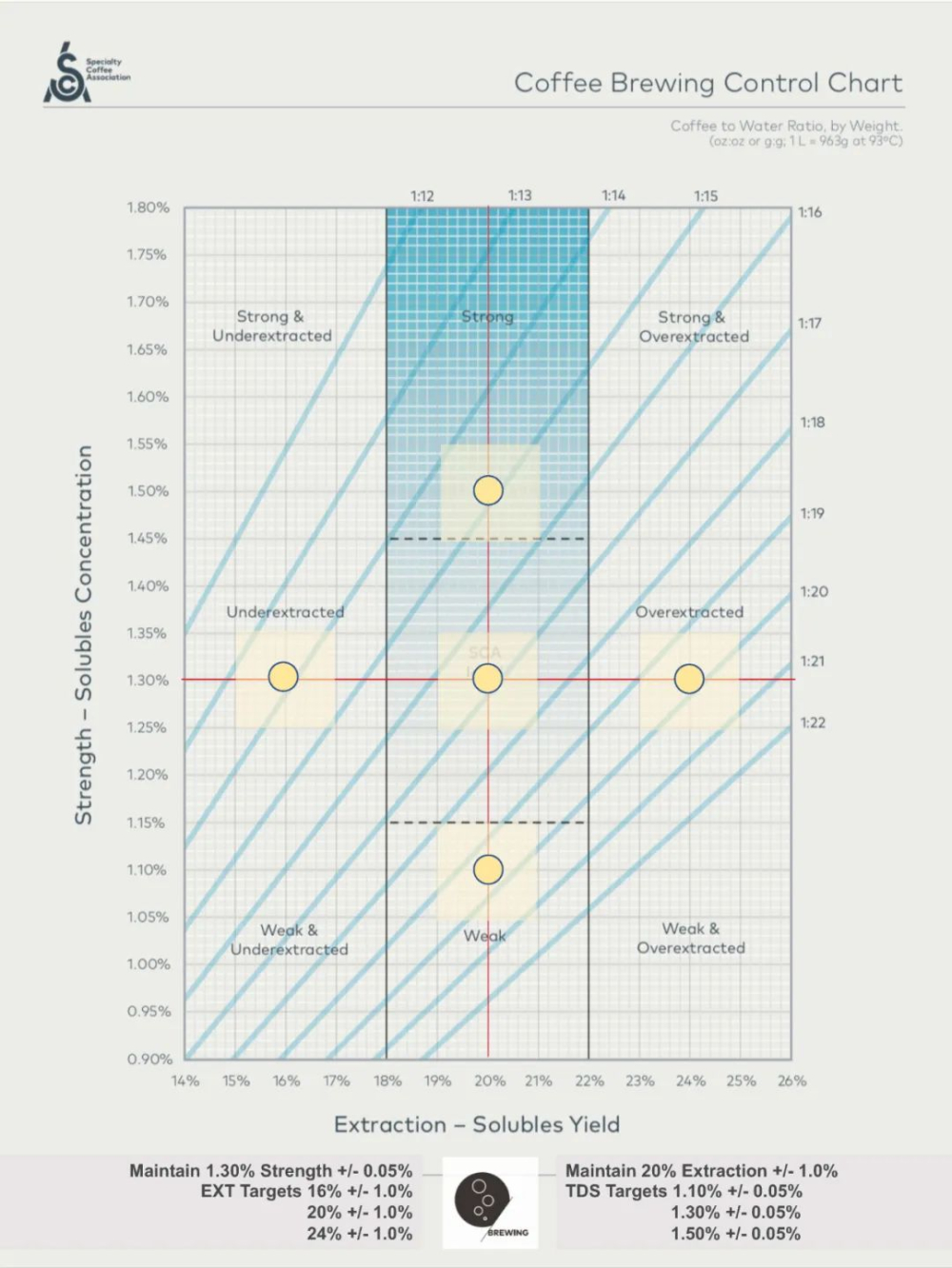
According to the Golden Cup Theory concept proposed by the European Specialty Coffee Association, when water contacts coffee powder, coffee releases about 30% of soluble substances, and the remaining 70% of the macromolecular wood structure cannot be dissolved. Among them, only 2/3 of the 30% are molecules with better flavor, so we need to adjust several key parameters to control the extraction rate to around 20%.
According to the extraction method, espresso can be divided into three types: Ristretto (short extraction), Normale (normal) and Lungo (long extraction), all of which are espresso liquid extracted quickly using an espresso machine.
Ristretto usually refers to Italian espresso, also called espresso. Compared with the common Espresso, Ristretto is relatively niche. The Flat White Australian white coffee we often see is made with Ristretto as the base. Ristretto means "limiting". We can understand it as "limiting" the amount of coffee extraction and only taking the first break of espresso, thereby increasing the concentration of the coffee.
For example, Front Street's Espressso extraction plan is to extract 40 grams of coffee liquid from 20 grams of coffee powder. The powder-to-liquid ratio is 1:2 and the time is 30 seconds. The extraction of Ristretto is to extract only 70% of Espresso, that is, 20 grams of coffee powder extracts 28 grams of coffee liquid, and the time will of course be shortened accordingly. In addition, you can also adjust the grinding degree of the coffee to slow down the flow rate and make the coffee liquid more concentrated. Since each coffee shop will make different adjustments according to the coffee beans used and the specific flavor and texture that the barista hopes to present.
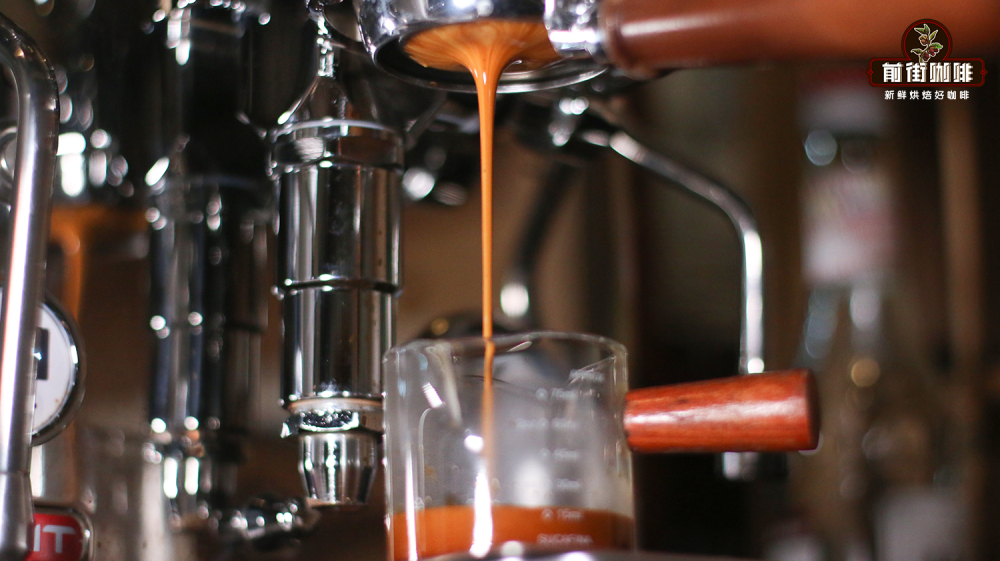
Normale is the most common and popular espresso. It is actually Espresso in the usual sense. Currently, most of the people on the market mainly produce Normale, but they will not put too much emphasis on it. According to Jinbei's standards, the extraction rate of Normale is between 18% and 22%, and the concentration range is 8% and 12%.
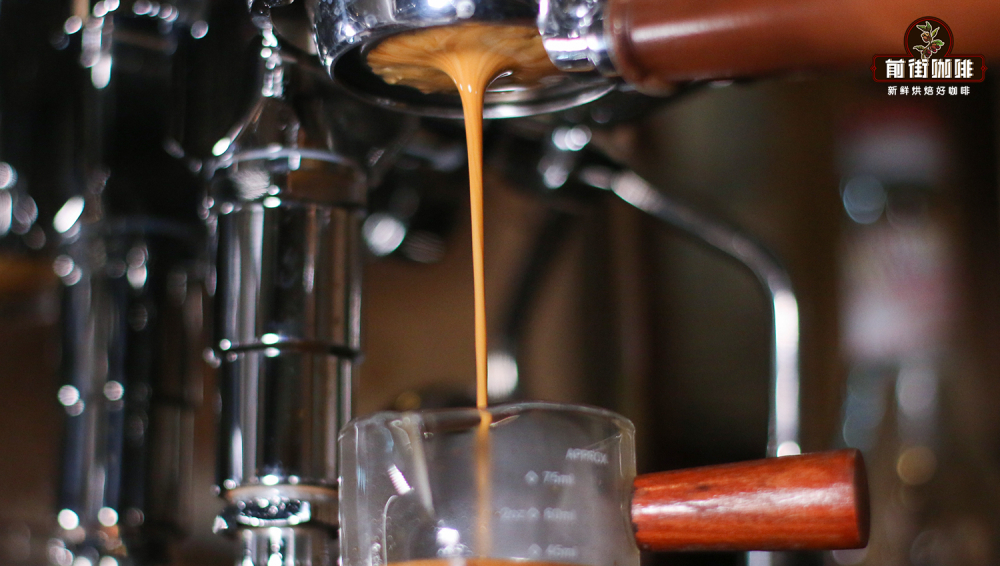
Lungo is coffee made with twice the normal amount of water. "Lungo" means "long, extended" in Italian, and is also known as "elongated espresso," which means extending the extraction time, thus reducing the concentration of the coffee and making it taste softer. After many adjustments and tastings, Front Street’s final extraction plan was to control Lungo’s powder-to-liquid ratio at 1:5. That is to say, 20 grams of coffee powder is used, the extraction time is extended to 42 seconds, and 100 grams of coffee liquid is extracted.
Professional coffee knowledge exchange. For more coffee bean information, please follow Coffee Workshop (WeChat public account cafe_style)
For more specialty coffee beans, please add FrontStreet Coffee on private WeChat, WeChat ID: qjcoffeex
You can now buy the above coffee beans online at the Taobao store “FrontStreet Coffee” (前街咖啡). FrontStreet Coffee is a long-established specialty coffee roaster in Guangzhou, China, and its Guangzhou retail shop sells coffee beans only. The shop carries dozens of coffee beans from different origins around the world, including carefully selected single-origin beans for V60 pour-over and espresso. Guangzhou’s FrontStreet Coffee shop is recommended by many coffee lovers.
The FrontStreet 2013 Yunnan coffee beans sold in the store come from the Typica variety grown at FrontStreet Coffee’s own plantation in Yunnan. The name comes from the year the brand and the plantation were founded. You can buy these beans from China’s Yunnan origin at the Guangzhou shop and at FrontStreet’s Taobao store.
FrontStreet coffee beans are freshly roasted within 5 days and deliver consistently excellent quality and great value. Orders placed before 17:00 are shipped the same day, and most areas within Guangdong Province receive them the next day.
FrontStreet Coffee Taobao store: https://qianjiecoffee.taobao.com
Or search for “前街咖啡” (FrontStreet Coffee) on Taobao
Important Notice: FrontStreet Coffee has moved to a new address: 315, Donghua East Road, Guangzhou (coffee beans only)
Tel: 020 38364473
