
For more knowledge about specialty coffee, please follow the WeChat public account: FrontStreet Coffee
The job of every coffee shop before opening is to make a cup of qualified and delicious espresso. We know it tastes good, but what is qualified espresso? Today, Front Street will talk about the extraction of Italian coffee.
The principle of espresso extraction
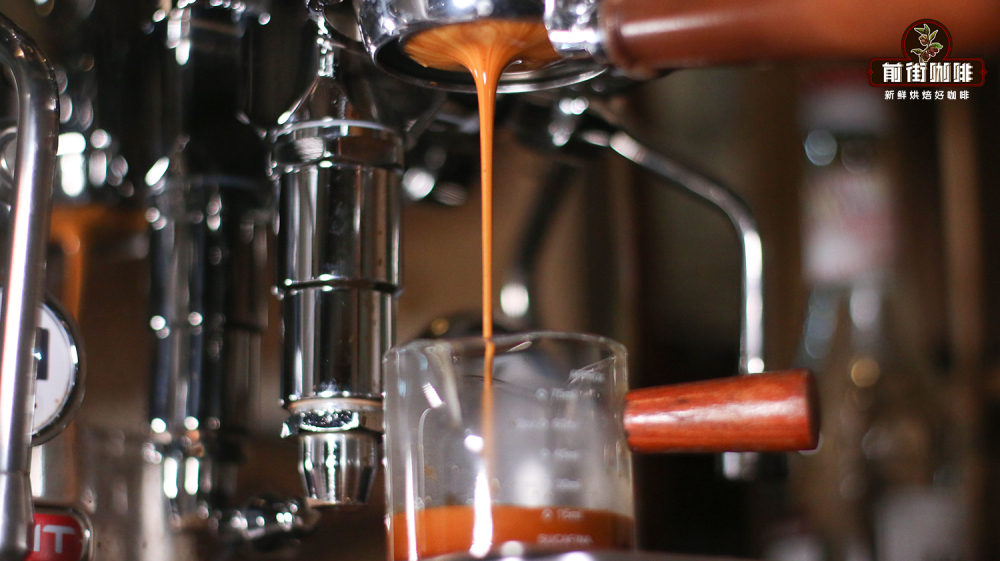
Espresso (Espresso in Italian) is essentially a percolation method using a precision metal filter. Compared with the gravity percolation method (hand brewing), the biggest difference is the pressure.
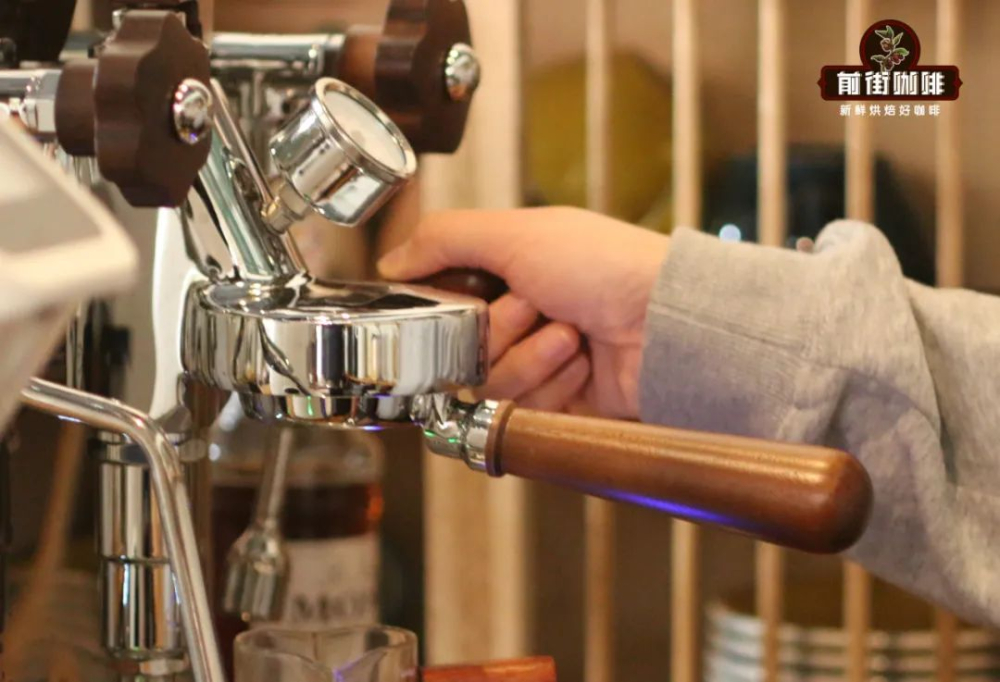
The espresso machine pushes high-pressure water through the coffee powder, which means that even when the coffee powder itself is extremely fine, it can still ensure moderate percolation and balanced extraction. The finer the coffee grounds, the more surface area they increase at an exponential rate, so one advantage of very fine grounds is that extraction is extremely fast. Not only is it faster, but the quality is better. High pressure can squeeze water into the internal cell walls of coffee powder, extracting emulsified oils, dissolving sugars and other effects that cannot be achieved by gravity alone.
Espresso represents coffee with a complex and condensed flavor. No other brewing method can produce such a body and texture. If you want to get a cup of delicious coffee, excellent extraction is essential, and the aromatic compounds and taste compounds of the coffee in the cup are balanced. To put it simply, the sour, sweet, and bitter tastes must make people feel comfortable, so you need to judge the state of espresso by tasting it.
Why can’t espresso be extracted twice?
Coffee extraction is a complex physical process. By contacting coffee powder with water, the soluble components in the coffee are transferred to the water, thereby obtaining coffee liquid. Ripe coffee beans are composed of soluble aromatic substances (about 30%) and wood fibers (about 70%). The Golden Cup criteria believe that the coffee extraction rate is in the range of 18-22%, and the extracted coffee substances are relatively delicious.
The soluble aromatics are attached to the cell walls of the cooked beans and are dissolved upon contact with water and washed out with the water, which is what we call coffee extraction. The darker the coffee beans are roasted, the looser the internal structure and the easier it is for the substances inside to be broken down. When the coffee powder is continuously flushed with water, the aromatic substances are released. After about 22% of the aromatic substances are taken out, if water is continued to be injected or brewed a second time, macromolecular substances with miscellaneous flavors will continue to be released.
Factors affecting espresso extraction
Like Pour over(V60) coffee, the extraction parameters of espresso play a key role in the flavor of coffee, but they are not fixed numbers. For example, when making tea, you can get a pot of tea with a higher concentration by extending the steeping time and reducing the amount of water. It is the same as coffee extract. As long as you understand the relationship between the parameters, it is not difficult to extract a cup of delicious Italian coffee. Below Front Street takes the espresso coffee produced in the store as an example to talk about several key factors of extraction. The espresso beans used in Front Street are the "Sunflower Warm Blend" roasted in-house, which is a blend of Honduran sherry and Ethiopian red cherry cherries.
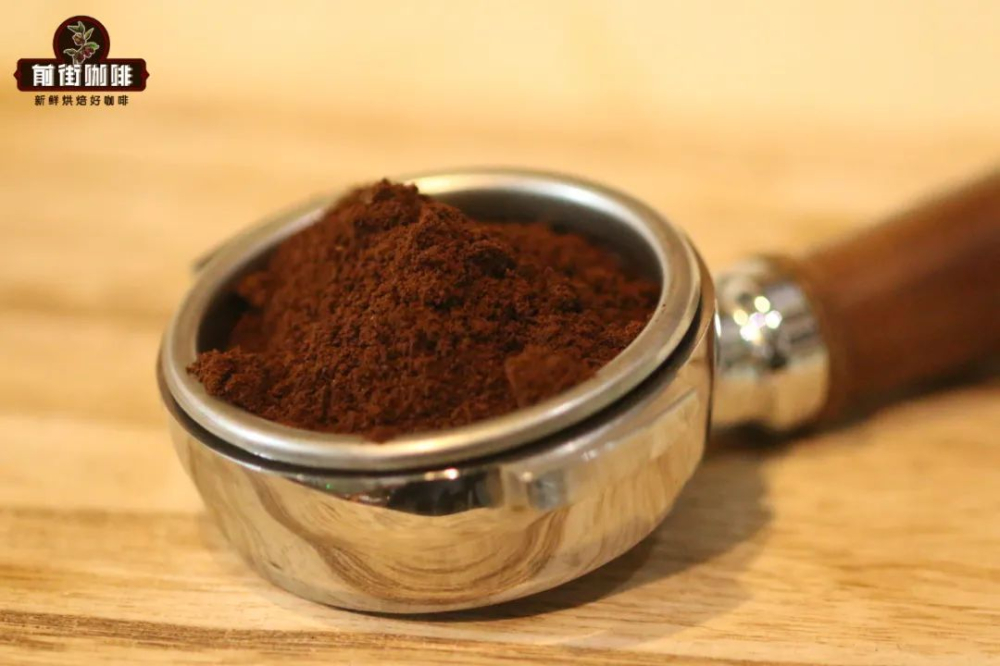
1. Powder to liquid ratio
The extraction ratio includes the amount of powder and the weight of the extracted coffee liquid. The amount of powder roughly depends on the size of the powder bowl. The Front Street store coffee machine is equipped with a double powder bowl with a capacity of 20 grams. When producing, 20 grams of powder will be used, and then adjusted up or down according to the concentrated extraction state of the day.
Front Street also mentioned above that the more water is added to the coffee, the lower the concentration of the coffee liquid, the duller the taste, and the less concentrated flavor, so the appropriate powder-to-water ratio is very important. The ratio of powder to liquid is generally between 1:1.5 and 1:2.5. It is more common to use a ratio of 1:2, such as 20g of coffee powder to extract 40g of coffee liquid.
2. Grinding degree
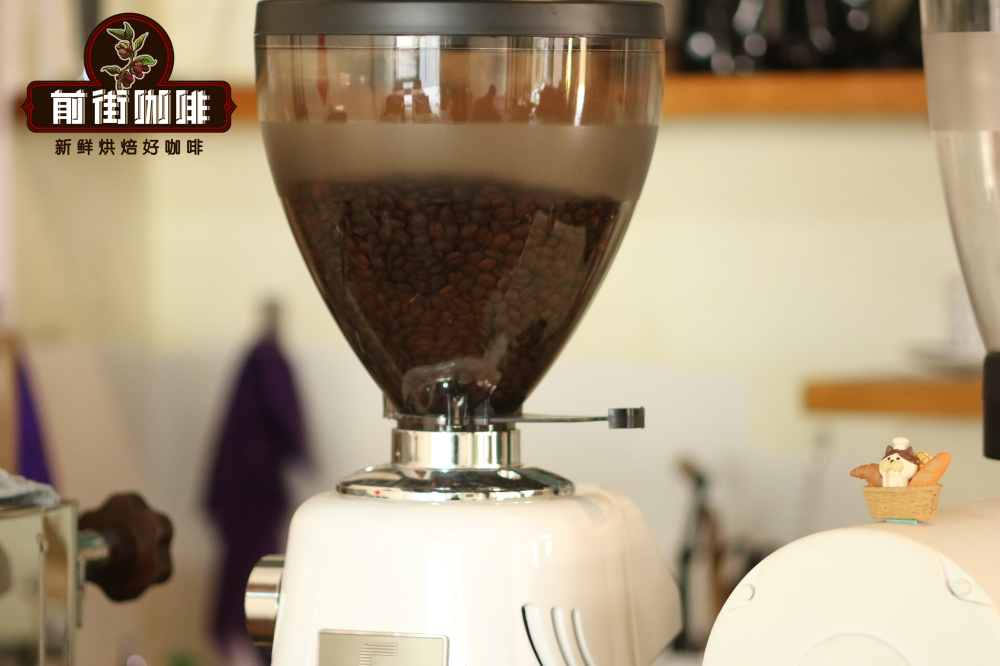
In most cases, a cup of espresso can be extracted in just a few dozen seconds. In such a short extraction time, to fully extract the aroma of coffee, the coffee powder needs to be ground finer and evenly, which means a special electric grinder is needed for espresso extraction and grinding.
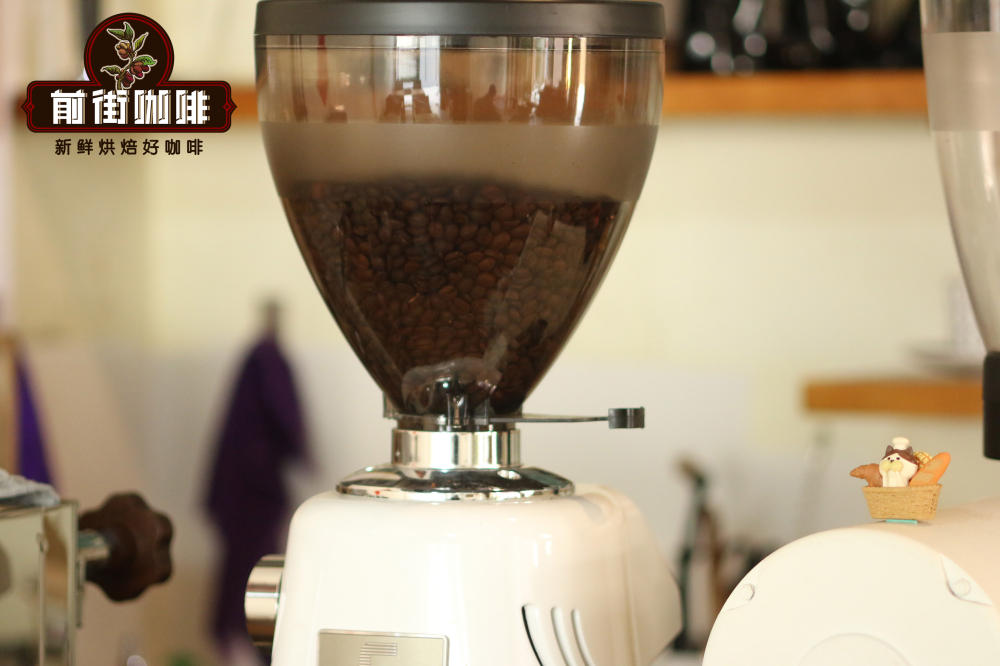
The grinding degree needs to be adjusted to a suitable range. If the particles are too coarse, the coffee will be under-extracted and the coffee will be weak and sour. If the particles are too fine, the coffee will be over-extracted and taste bitter. In addition, since the fineness of Italian grinding is much higher than that of manual grinding, the adjustment cannot be too drastic, which can easily lead to excessive variables and more unstable extraction.
3. Extraction time
The flavor substances in coffee begin to react the moment they come into contact with water. The extraction time refers to the time period from when we press the extraction button to start timing until the water flow stops. Generally, the extraction time is controlled at 25 to 30 seconds. When we fix the powder-to-liquid ratio at 1:2, we will control the time by adjusting the grinding degree and the amount of powder. For less than 25 seconds, the espresso may tend to be thin, bland, and sour. If the time is longer than 30 seconds, the taste may be more bitter and irritating. The extraction time when produced by Front Street is usually 29 to 30 seconds, which stabilizes the flavor substances while avoiding over-extraction of macromolecular substances.
4.Flow rate
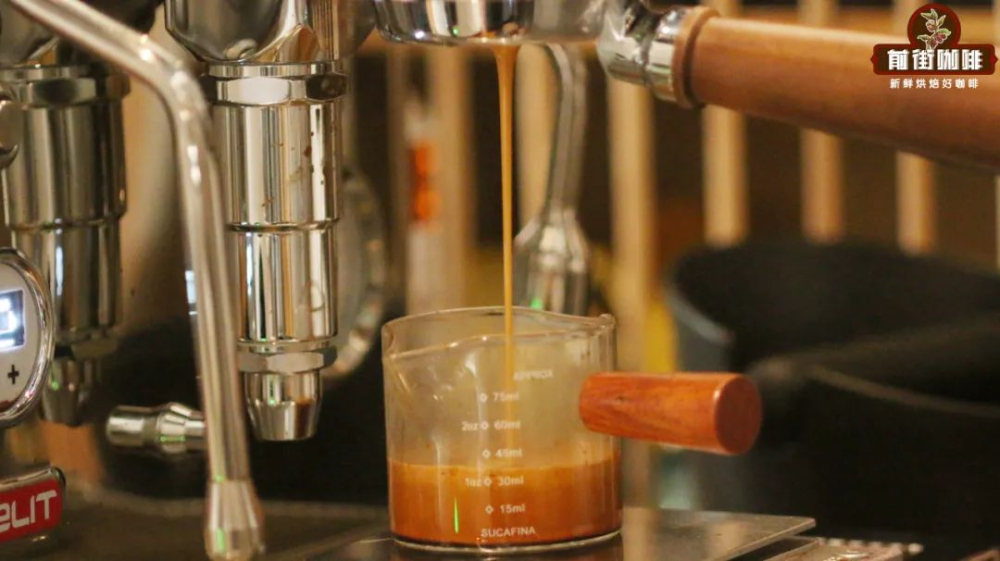
The flow rate is the speed at which the coffee liquid flows down. The final goal of our extraction parameters is actually the result of a flow rate.
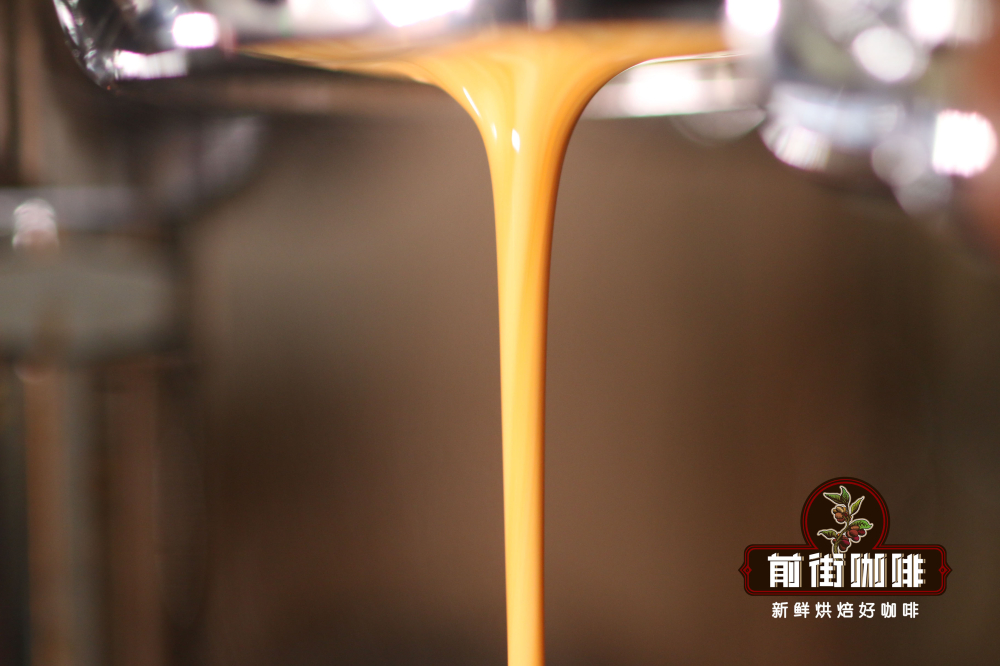
Generally, normal espresso needs to start dripping the first drop of coffee liquid about five seconds after pressing the extraction button, and the subsequent flow rate is relatively uniform. The speed of the flow rate will directly reflect whether the grinding degree and proportion are appropriate. If it takes more than 10 seconds (excluding pre-soaking) before the first drop of coffee liquid comes out, then the powder may be too fine, or the powder may be too dense. If the flow rate is too fast or the jet phenomenon occurs, the powder is too thick, or a channel effect occurs.

5. Pressure and water temperature
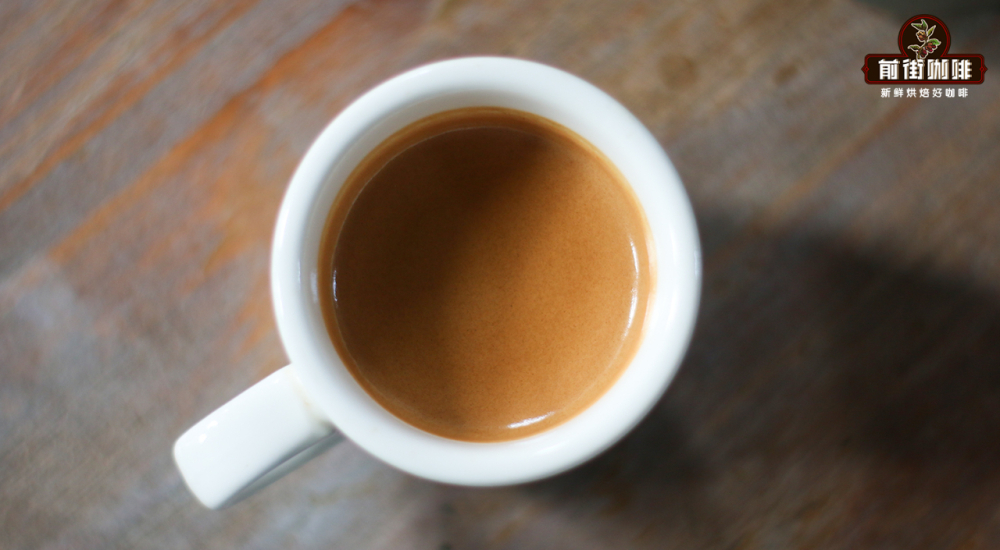
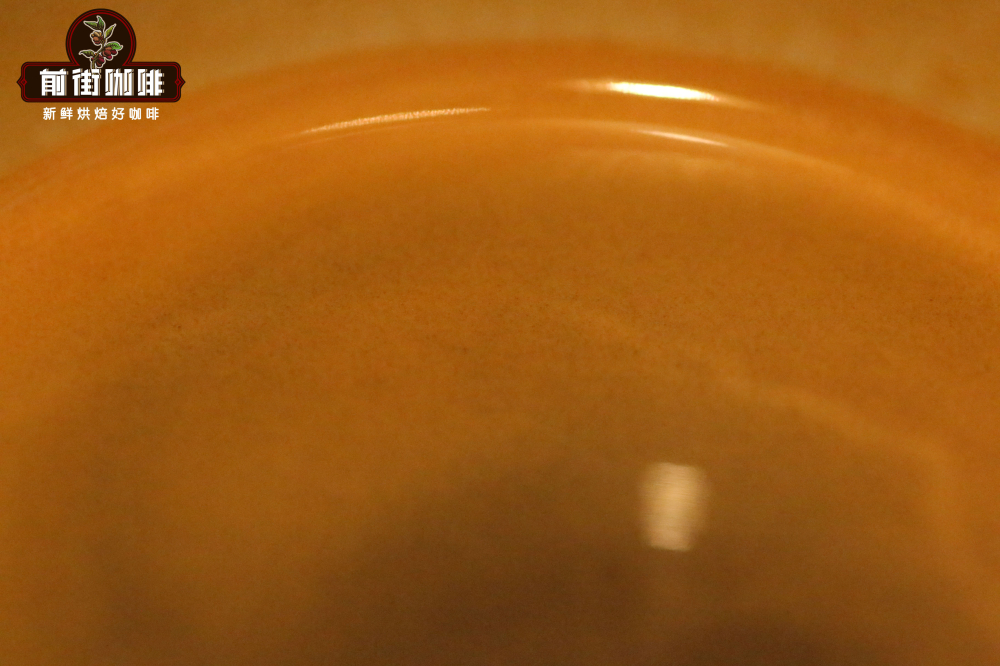
When we have just extracted a cup of espresso, we can notice that there is a fat layer composed of a large number of small foams floating on the upper layer, which we call crama. This is also a unique sign of espresso made from fresh coffee beans.
When coffee beans are roasted, a large amount of gas is produced. The water dissolves the carbon dioxide under high pressure. However, the brewed coffee liquid gradually returns to normal atmospheric pressure. The coffee liquid cannot continue to trap all the gas components, so countless small bubbles will emerge from the liquid. These foams will remain on top of the coffee liquid and look like a stable layer of "bubbles." Since the gas in the coffee beans will continue to escape over time, the further away from the roasting date, the lower the carbon dioxide content and the less foam layer during extraction. Therefore, freshly roasted coffee beans and sufficient pressure are indispensable factors for the formation of crama.
Usually the extraction pressure of a semi-automatic coffee machine is around 9 to 10 bar, and the water temperature is generally 90 to 94 degrees Celsius. The higher the water temperature, the more substances will be released in the same time. If the temperature is too high, the coffee will have a burnt and bitter taste. If the water temperature is too low, the extraction will be insufficient and the flavor will be bland.
Italian coffee beans recommendations
Delicious food cannot be separated from good ingredients, and a cup of delicious espresso must also use high-quality coffee beans with good flavor. There are four types of Italian coffee beans on the Front Street Bean List, all of which are Italian blends prepared by Front Street after many comparisons.
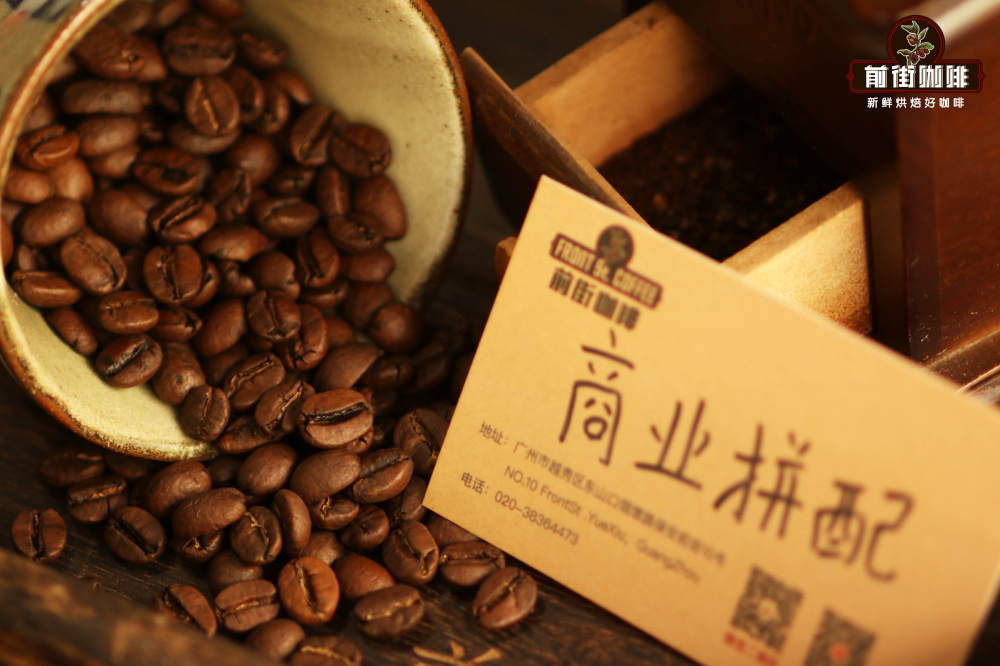
Classic and mellow type - Front Street commercial blended coffee beans
Robusta washed coffee beans (10%) + Colombian washed coffee beans (30%) + Brazilian semi-dried coffee (60%)
The espresso produced has rich golden oil and nutty aroma. When you taste it, there will be a burnt coffee bitterness, but it will be accompanied by a more creamy and full taste. After swallowing, the bitterness will also dissipate, leaving a fragrant aroma on your lips and teeth.

Slightly acidic and mellow type - Front Street black cocoa blend (100% Arabica) coffee beans
Yunnan washed arabica coffee beans (30%) + Brazilian semi-sun-dried coffee beans (70%)
Yunnan arabica coffee has a soft acidity paired with the mellow aroma of Brazilian Cerado coffee. The espresso coffee has a taste of caramel, nuts, and soft plum sourness.

Balanced aroma - Front Street premium blend of 100% Arabica coffee beans
Colombian washed coffee beans (30%) + Brazilian semi-sun-dried coffee beans (70%)
Adding Colombian coffee to the nutty tone of classic Brazilian coffee, the espresso presents a dark chocolate flavor, caramel sweetness, and a full roasting aroma.
Delicate wine aroma - sunflower warm sunshine blended with coffee beans
The espresso made from Ethiopian sun-dried red cherry coffee beans (30%) + Honduras sherry barrel coffee beans (70%) has a very rich dark chocolate flavor with a strong caramel flavor. The aroma after swallowing is unforgettable. Whether it's an Americano diluted with water or a latte with milk, it has a rich aroma and taste.
Professional coffee knowledge exchange. For more coffee bean information, please follow Coffee Workshop (WeChat public account cafe_style)
For more specialty coffee beans, please add FrontStreet Coffee on private WeChat, WeChat ID: qjcoffeex
You can now buy the above coffee beans online at the Taobao store “FrontStreet Coffee” (前街咖啡). FrontStreet Coffee is a long-established specialty coffee roaster in Guangzhou, China, and its Guangzhou retail shop sells coffee beans only. The shop carries dozens of coffee beans from different origins around the world, including carefully selected single-origin beans for V60 pour-over and espresso. Guangzhou’s FrontStreet Coffee shop is recommended by many coffee lovers.
The FrontStreet 2013 Yunnan coffee beans sold in the store come from the Typica variety grown at FrontStreet Coffee’s own plantation in Yunnan. The name comes from the year the brand and the plantation were founded. You can buy these beans from China’s Yunnan origin at the Guangzhou shop and at FrontStreet’s Taobao store.
FrontStreet coffee beans are freshly roasted within 5 days and deliver consistently excellent quality and great value. Orders placed before 17:00 are shipped the same day, and most areas within Guangdong Province receive them the next day.
FrontStreet Coffee Taobao store: https://qianjiecoffee.taobao.com
Or search for “前街咖啡” (FrontStreet Coffee) on Taobao
Important Notice: FrontStreet Coffee has moved to a new address: 315, Donghua East Road, Guangzhou (coffee beans only)
Tel: 020 38364473
