
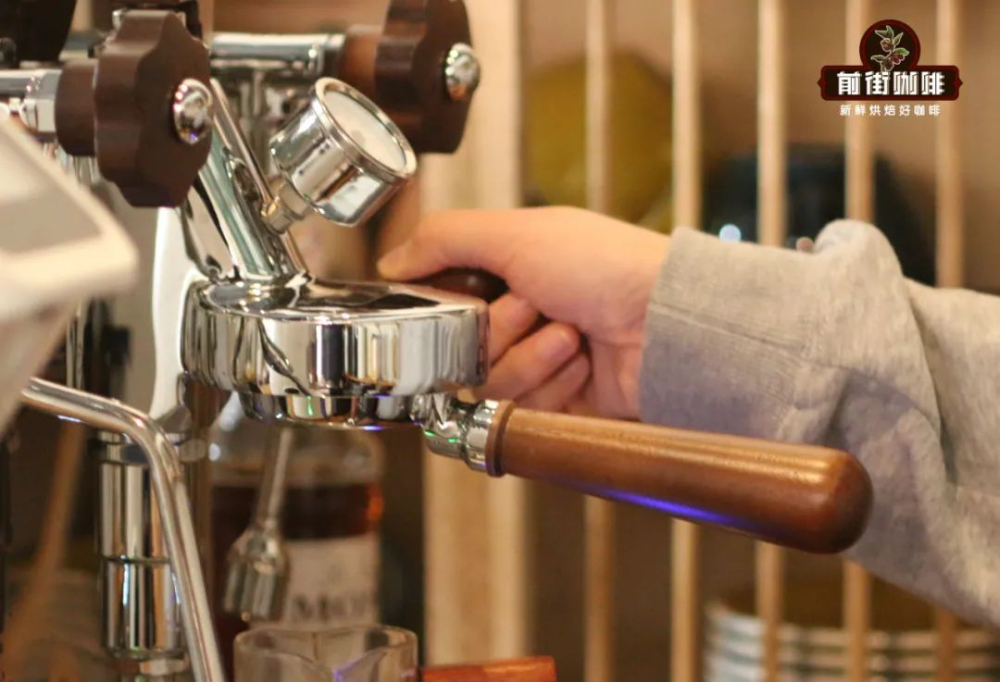
what isespresso
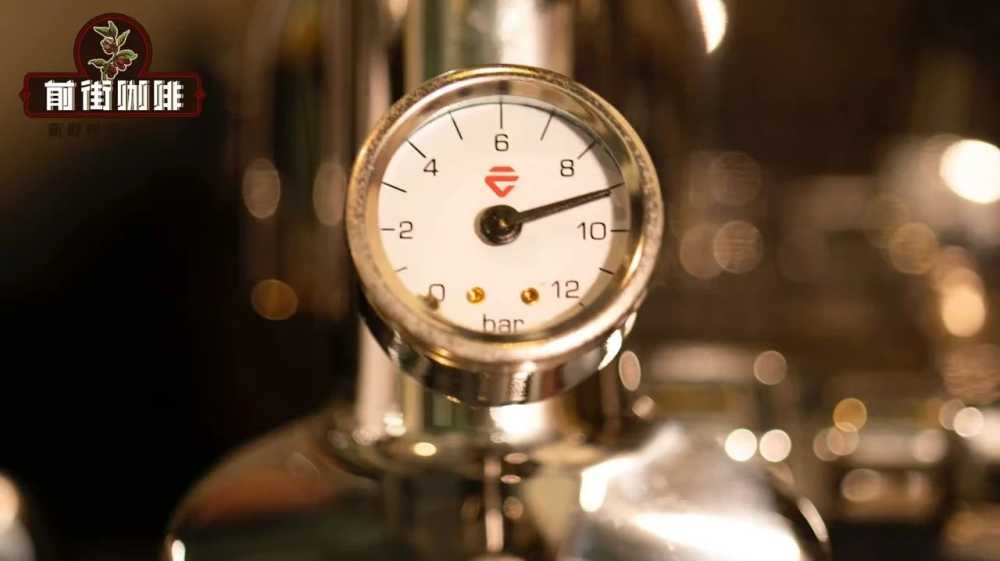
espressoAlso known as "Espresso", it is a coffee drink or espresso base originating from Italy. Coffee is quickly extracted under high pressure. The capacity of a traditional cup of single-serve espresso is about one ounce. The internationally accepted technical standard is as follows: use about 7 grams of freshly ground coffee powder, use water with a water temperature of about 92 degrees and a pressure of about 9 Bar, and extract a cup of coffee of about 20-30ml after 20 to 30 seconds. The surface of this cup of coffee should be covered with a layer of coffee grease.
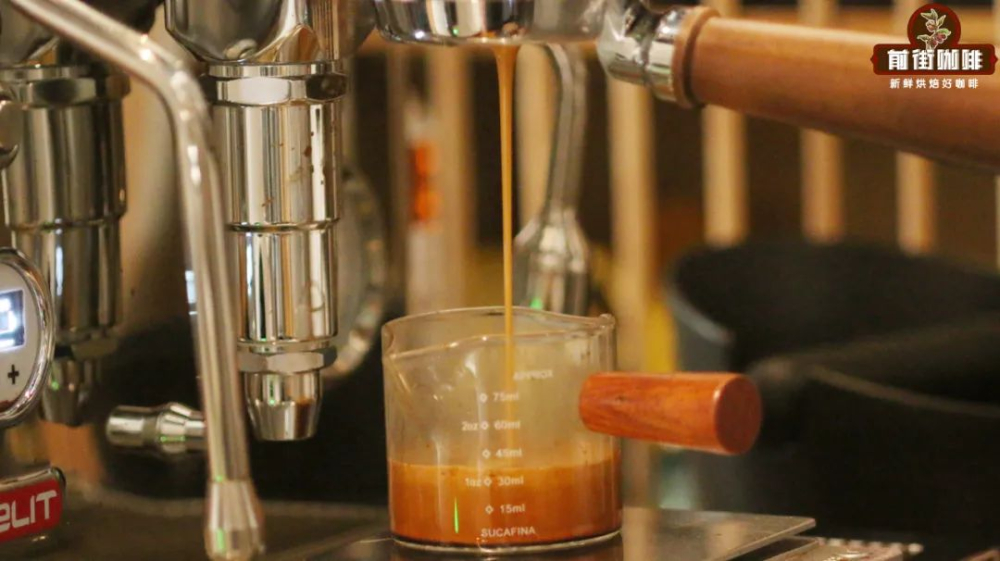
With the process of coffee specialty, some new coffee theoretical knowledge has been disclosed, and many independent cafes are blooming, and their espresso extraction plans are also slightly different. Based on FrontStreet Coffee's standard production, a cup of espresso is based on 2 shots (1 part of concentration), using 19g of coffee powder to extract 38g of espresso liquid in a ratio of 1:2, and the time is 28 seconds.
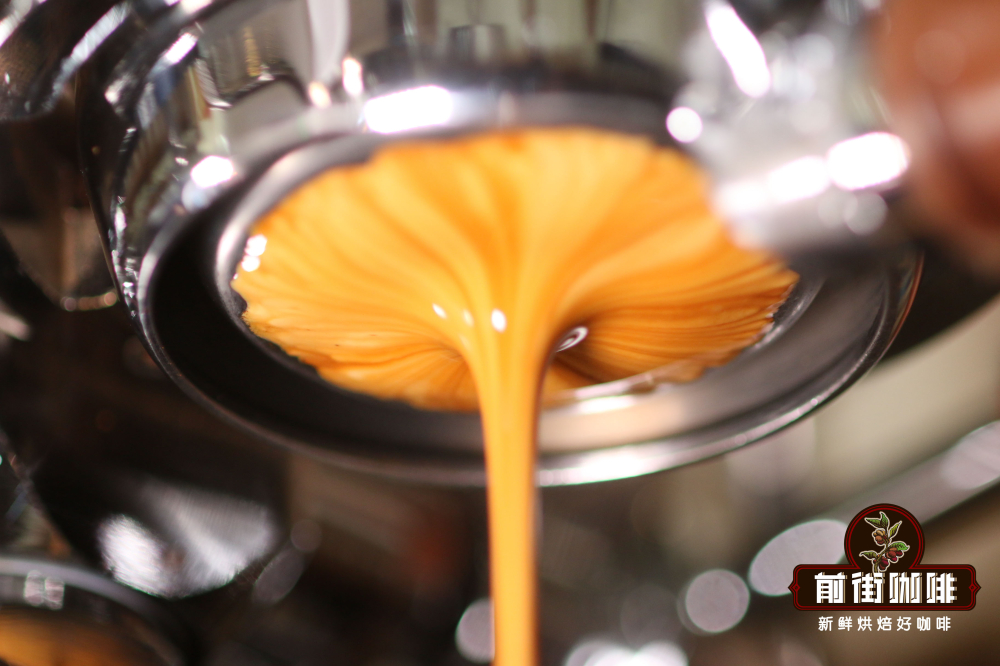
Why are the extraction parameters in most coffee shops in China now not based on milliliters but in grams? This is related to the issue of density. What you can see in a cup of espresso is the dark espresso liquid and the coffee oil floating on it. These oils are small in density and large in volume, and the coffee oil cannot be guaranteed to be the same in every cup at all times. All changes to weight measurement will be more accurate.
How do you understand under- and over-extraction of espresso?
Over-extraction often causes the coffee liquid and crema to become dark, and sometimes produces obvious large bubbles floating on the liquid surface. Usually the extraction time is too long (for example, more than 1 minute), and it takes more than 10 seconds to see the first drop of coffee liquid. There are many reasons for over-extraction. Common ones include: coffee powder is ground too finely, water temperature is too high, extraction pressure is too high, filling pressure is too strong, etc. The flavor often tastes burnt, bitter, and astringent when tasted.
Underextraction is the opposite of overextraction. Underextraction usually means that there are still many unextracted aromatic molecules in the coffee powder, but the default extraction time has ended, which is generally known as the extraction rate is less than 18%. When the extraction is insufficient, the coffee liquid may have a lighter yellow color and lack of coffee oil. Usually the extraction time is too short (for example, the extraction is completed in 15 seconds), and the coffee will leak out like water when pressurized, instead of the viscous feeling like honey flowing down during normal extraction. The above phenomena are all signs of insufficient extraction.
In addition to these theoretical problems, there are also some problems that often arise when extracting espresso, such as:
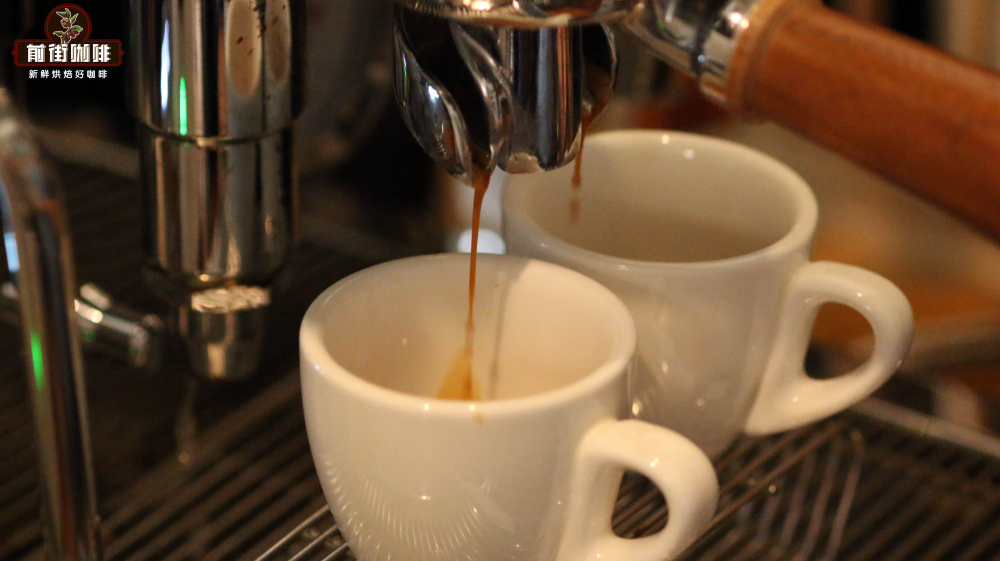
When using a double-flow portafilter to extract espresso, does the coffee liquid always drip from one side first?
There are three main reasons for this problem. First, first confirm whether the water distribution network of the brewing head is blocked by coffee residues, and observe whether the water flow of the brewing head is evenly distributed. If the water flow is found to be biased to one side, the brewing head and the water distribution network need to be cleaned.
The second is whether the pressed powder is pressed flat. If the pressed powder is high on one side and low on the other, it will cause water to penetrate too quickly to the lower side, causing the liquid to flow out from one side first.

The third is to observe whether the coffee machine or table is level with the ground. In many cases, it is found that the first two situations occur, but the coffee machine or table is uneven, causing the coffee machine to tilt, so that the liquid will flow out from one side first.
What causes coffee fat to clump?
Coffee creme is produced when the high temperature and pressure during the brewing process combines the air with the soluble fat in the coffee. If the coffee beans are too fresh, there will be too much gas in them, which will make the oil too rich (thick). Moreover, beans that are too fresh will be very unstable, and the pressed oil will be very rough, and they will solidify and clump if left for a long time.
Therefore, if you find that the oil is agglomerated, it is likely that the coffee beans are too fresh. The best solution is to store them for a few days and then use them after the beans are grown.
Is tiger spot grease on the surface of espresso normal?
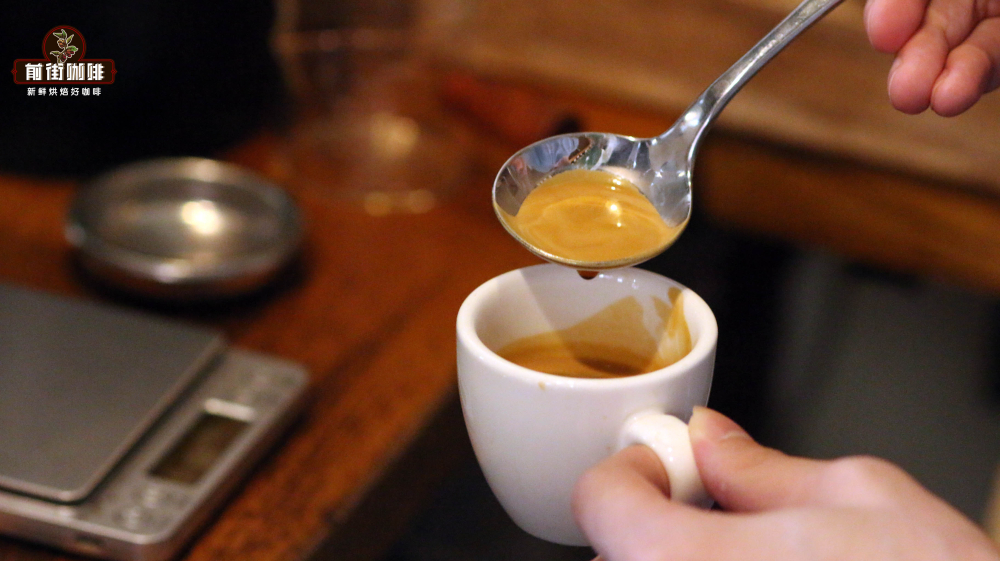
Tiger spot grease refers to dark spots on the surface of the grease that look like tiger spots. In fact, the dark spots on the oil are some very fine powder. The reason may be that the grinder produces too much fine powder, the aperture of the powder bowl becomes thicker, or the extraction pressure of the coffee machine is too high, and the grinding is coarse and the filling pressure is heavy. The fine powder easily moves down and passes through the filter cup into the espresso cup, which will cause dark tiger spots on the surface of Crema, making the color of Crema look darker.

In fact, whether there are tiger spots or not does not have much impact on the flavor of espresso. The body of espresso with tiger spots will be fuller, but if there are too many fine powders, it will have the opposite effect and cause a rough taste.
You can now buy the above coffee beans online at the Taobao store “FrontStreet Coffee” (前街咖啡). FrontStreet Coffee is a long-established specialty coffee roaster in Guangzhou, China, and its Guangzhou retail shop sells coffee beans only. The shop carries dozens of coffee beans from different origins around the world, including carefully selected single-origin beans for V60 pour-over and espresso. Guangzhou’s FrontStreet Coffee shop is recommended by many coffee lovers.
The FrontStreet 2013 Yunnan coffee beans sold in the store come from the Typica variety grown at FrontStreet Coffee’s own plantation in Yunnan. The name comes from the year the brand and the plantation were founded. You can buy these beans from China’s Yunnan origin at the Guangzhou shop and at FrontStreet’s Taobao store.
FrontStreet coffee beans are freshly roasted within 5 days and deliver consistently excellent quality and great value. Orders placed before 17:00 are shipped the same day, and most areas within Guangdong Province receive them the next day.
FrontStreet Coffee Taobao store: https://qianjiecoffee.taobao.com
Or search for “前街咖啡” (FrontStreet Coffee) on Taobao
Important Notice: FrontStreet Coffee has moved to a new address: 315, Donghua East Road, Guangzhou (coffee beans only)
Tel: 020 38364473
