
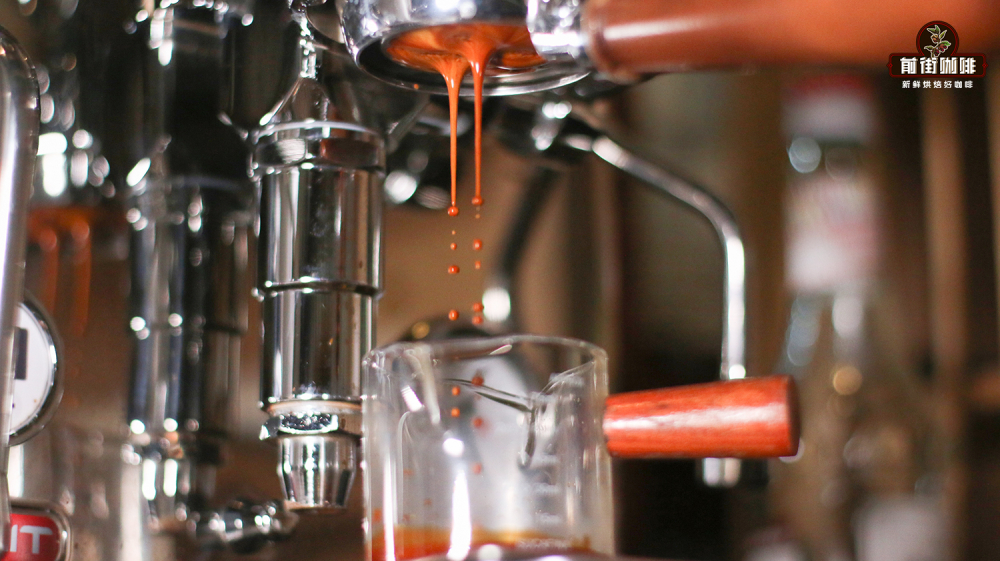
FrontStreet Coffee has always emphasized that the extraction parameters of Pour over(V60) coffee have a great impact on a cup of coffee, and forespressoThe extraction impact is even greater. You must know that the concentration, extraction time and other factors of espresso are more demanding than Pour over(V60) coffee. A slight deviation will be reflected in the flavor of a cup of espresso will be multiplied. So it’s really important to understand the extraction parameters for espresso.
First of all, like the extraction parameters of Pour over(V60) coffee, espresso pays more attention to the extraction parameters. The following will explain the amount of coffee powder, powder-to-liquid ratio, extraction time, flow rate, extraction pressure, and extraction temperature for analysis.

Amount of coffee powder
The amount of coffee powder is determined by the capacity of the powder bowl. For example, some coffee machine manufacturers will provide double powder bowl capacity specifications such as 16g, 18g, 20g, 22g, etc. These specifications are recommended capacities, and the maximum error in the filling powder amount is less than 1g. For example, using an 18g powder bowl, the reasonable powder amount range can be 17-19g.
Front Street does not recommend the amount of powder that is much less or much more than the size of the powder bowl. The amount of powder will affect the density of the powder cake. Under the same filling pressure, too little powder will be sparse, resulting in a faster flow rate and insufficient extraction. On the contrary, the density will be denser, the flow rate will be slower, and it will even be difficult to extract the coffee liquid.

Powder to liquid ratio
espressoThe ratio of coffee powder to espresso liquid is used, because you can't deduce how much water is used for extraction. Of course, there are new coffee machines with a turntable installed on the water inlet to display the amount of water. The initial extraction ratio is a single powder concentration standard, and 7-8g of powder is used to extract 25-30ml of concentrated coffee liquid. The former is a unit of weight, and the latter is a unit of capacity (volume). When the density is the same, the two are equal. However, we all know that the extracted espresso contains golden oil, and the thickness of this layer of oil depends on the roasting degree and freshness of the coffee. Therefore, using this measurement method will cause the product to be unstable.
All have the ratio of powder weight to liquid weight. Generally, it will be between 1:1.5 and 1:2.5. It is more common to use a ratio of 1:2, such as 20g of coffee powder to extract 40g of coffee liquid. The ratio is affected by two factors, one is the amount of powder and the other is the amount of water. If the ratio is too low, the coffee will taste very rich and heavy, and it is easy to have a bitter taste caused by over-extraction. On the contrary, if the ratio is too high, the drink will taste dull and sour due to insufficient extraction.
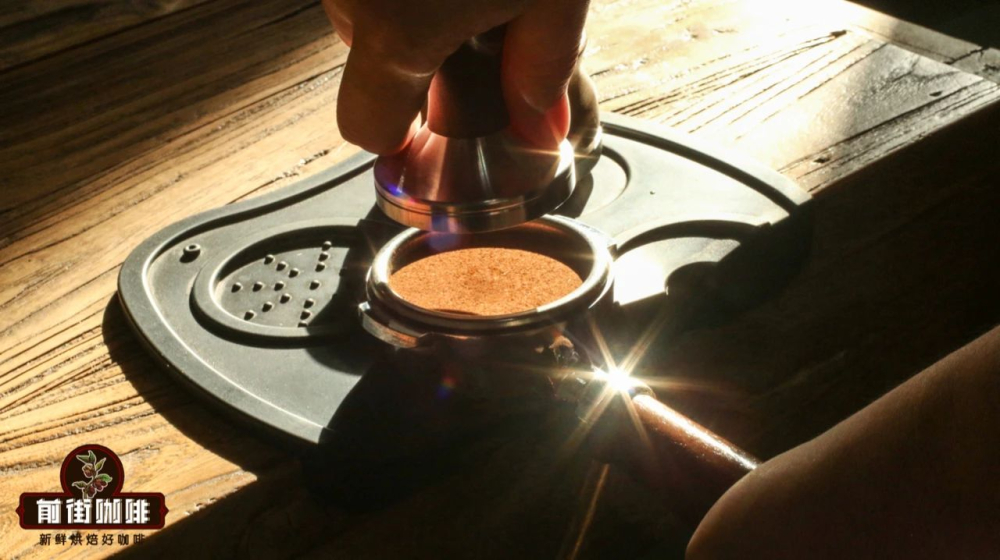
Extraction time
Time refers to the entire extraction time from buttoning up the handle and pressing the extraction button to the end of extraction. The factors that affect the extraction time are grinding degree and ratio. The ratio is easier to understand. If the ratio is higher, more water is needed for extraction, and the time will naturally be longer. The grinding degree affects the thickness of the coffee powder, and the thickness will directly affect the density of the coffee powder. The finer the coffee powder, the denser the powder cake will be after filling, making it difficult for water to pass through, and the time will be lengthened and easily lead to over-extraction. Generally speaking, the time to brew an espresso is about 20-30 seconds.
flow rate
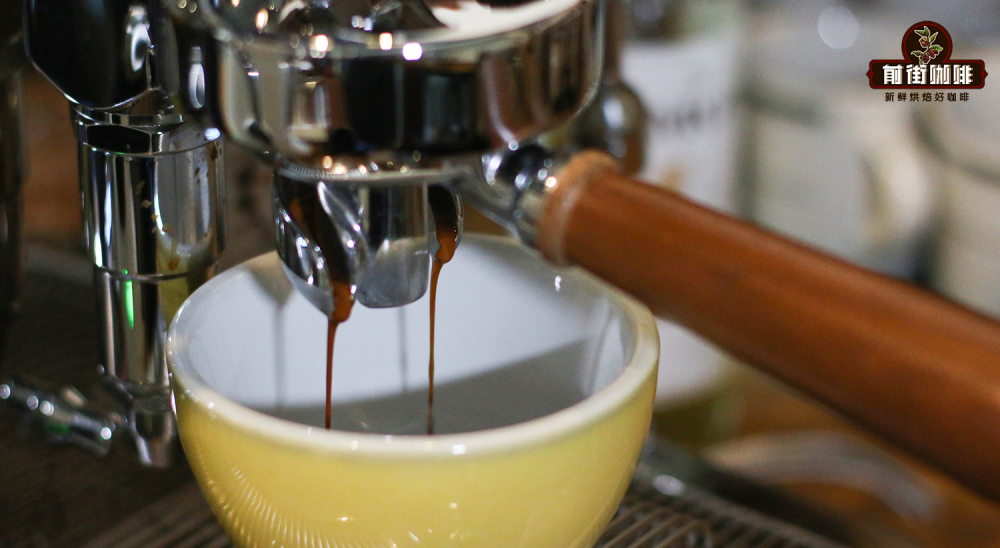
The flow rate is the speed at which the coffee liquid flows down. The final goal of our extraction parameters is actually a result of the flow rate. Normal espresso needs to start dripping the first drop of coffee liquid about five seconds after pressing the extraction button, and the subsequent flow rate is relatively uniform. The speed of the flow rate will directly reflect whether the grinding degree and proportion are appropriate. If it takes more than 10 seconds (excluding pre-soaking) before the first drop of coffee liquid comes out, then the powder may be too fine, or the powder may be too dense. If the flow rate is too fast or the jet phenomenon occurs, the powder is too thick, or a channel effect occurs.
Extraction pressure
Generally speaking, the extraction pressure of semi-automatic coffee machines is around 9bar, which is determined by the performance of the coffee machine. Now some coffee machines have a variable pressure extraction function. Low pressure results in low extraction efficiency, while high pressure results in high extraction efficiency.

Extraction temperature
The water temperature for extracting espresso coffee is generally between 90 and 94 degrees Celsius. If the water temperature is too high, it will easily be over-extracted and the coffee will taste bitter. If the water temperature is too low, it will be under-extracted, resulting in a sour coffee taste.
So what details should you pay attention to when making espresso?
makeespressoThe process can be roughly divided into several parts: weighing powder, cloth powder, pressing powder, machine extraction, cleaning and so on. Front Street also mentioned before that cloth powder and pressing powder are very important for a cup of espresso. The other effects on a cup of espresso are secondary, but they also have an impact that cannot be ignored.
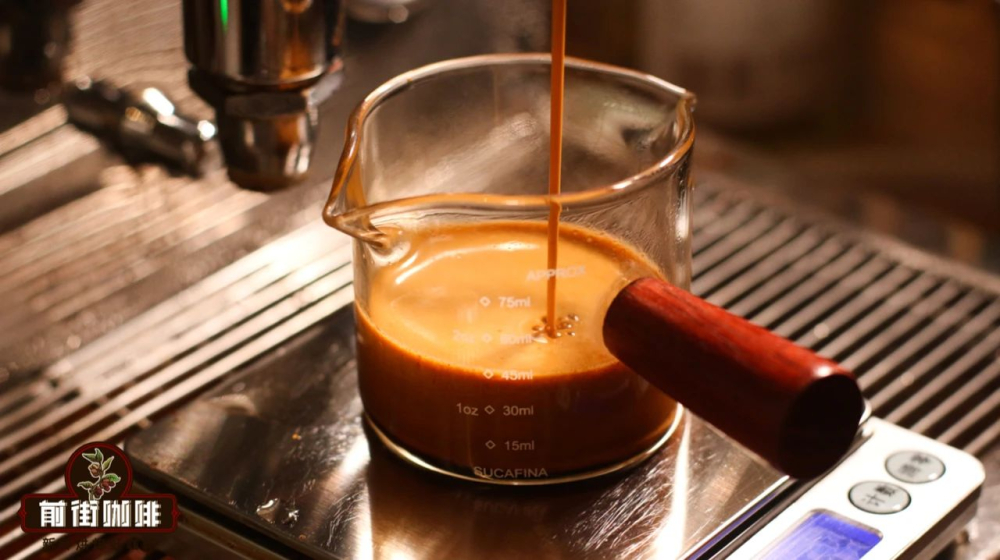
There are two points to pay attention to when weighing powder. One is the influence of residual powder, and the other is the accuracy of the amount of powder. Observe your Italian grinder carefully. Whether it is a powder chamber type or a straight-out type, there is a channel between the cutterhead and the powder outlet, and this channel accumulates previously ground coffee powder. If the time since the last grinding is too long, there will be little flavor left in the coffee powder in the channel. At this time, you should use a tool to empty the coffee powder in the channel, or start the grinder to let the subsequent coffee powder push out the previous coffee powder and discard it. Then pick up the powder.

Take the Pegasus 900N grinder used by FrontStreet Coffee as an example. The residual coffee in its channel weighs 2 grams. If we take a double espresso of 20 grams of coffee powder as an example, this accounts for one-tenth of the powder volume, which shows its huge impact.
Then there is the issue of weighing accuracy. Take Pegasus 900N as an example. The version used by Front Street is non-quantitative, which requires the assistance of a highly sensitive electronic scale. In order to achieve accurate and stable production, the powder needs to be weighed for each extraction. Front Street recommends that the maximum error be greater than or less than 0.1 grams.

If you are using a quantitative grinder, please do not ignore this problem. At present, the principle used by most quantitative grinders is timing (of course there are exceptions), and the problems caused by timing are inconsistent rotation speeds, different pressures in the bean bins, different sizes and densities of coffee beans, etc., resulting in errors in the grinding amount.
Inconsistent speed: The reason for inconsistent speed is related to voltage. The domestic voltage is 220V plus or minus 10V floating. When the voltage is high, the rotation speed is fast, and when the voltage is low, the rotation speed is slow.
Different bean bin pressures: Different storage amounts of coffee beans each time you grind will lead to inconsistent bean bin pressures. When the pressure in the bean bin is unstable, it will also affect the difference in powder output.
Coffee beans vary in size and density: There are differences in size and hardness between blended coffee bean varieties, and the proportions of varieties vary each time they are ground, which will also lead to differences in powder volume.
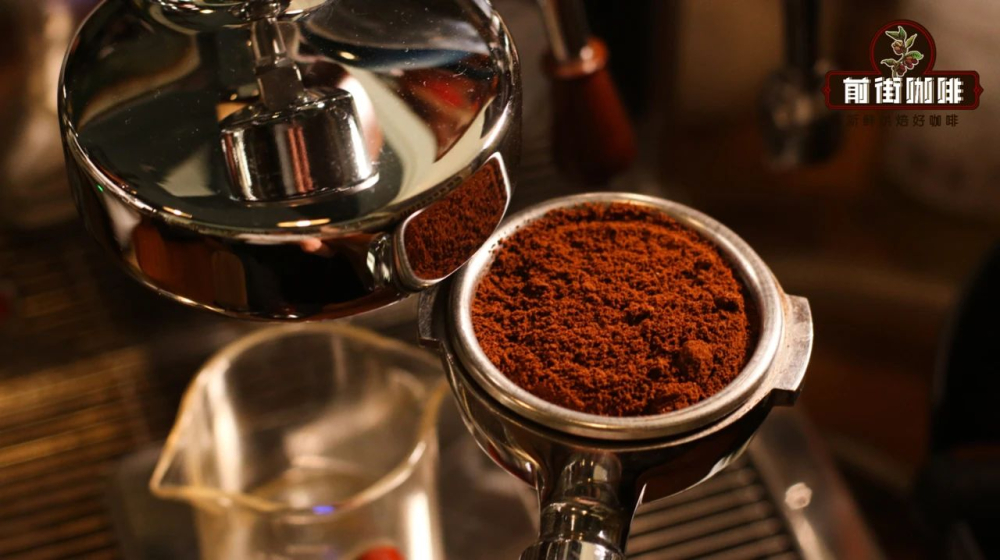
Extraction should be done in an orderly manner, from grinding the beans to collecting the powder, spreading the powder, pressing the powder, then attaching the coffee handle and pressing the extraction button. Theoretically, this set of actions is continuous and there should be no discontinuities. So before grinding, you need to think clearly about what you are going to do next and what you are not ready for. If you are still new to the operation, you can perform multiple demonstrations, practice makes perfect.
Develop a good habit of cleaning. First of all, a clean environment will give people a sense of comfort. Secondly, the cleaning of key parts will affect the quality of the next cup of coffee, such as the residual powder in the powder bin of the grinder mentioned above. There are also residual powder from the powder distributor and powder hammer. In addition, it is necessary to ensure the dryness of the powder dispenser, powder extractor, powder bowl and other appliances that are in direct contact with the coffee powder (in the vernacular, no water remains on these appliances), as well as flushing and cleaning after each use.

After making an espresso, remember to clean the coffee handle and brewing head (no matter how busy you are). These seemingly unimportant coffee residues will affect the quality of the next cup of espresso.
You can now buy the above coffee beans online at the Taobao store “FrontStreet Coffee” (前街咖啡). FrontStreet Coffee is a long-established specialty coffee roaster in Guangzhou, China, and its Guangzhou retail shop sells coffee beans only. The shop carries dozens of coffee beans from different origins around the world, including carefully selected single-origin beans for V60 pour-over and espresso. Guangzhou’s FrontStreet Coffee shop is recommended by many coffee lovers.
The FrontStreet 2013 Yunnan coffee beans sold in the store come from the Typica variety grown at FrontStreet Coffee’s own plantation in Yunnan. The name comes from the year the brand and the plantation were founded. You can buy these beans from China’s Yunnan origin at the Guangzhou shop and at FrontStreet’s Taobao store.
FrontStreet coffee beans are freshly roasted within 5 days and deliver consistently excellent quality and great value. Orders placed before 17:00 are shipped the same day, and most areas within Guangdong Province receive them the next day.
FrontStreet Coffee Taobao store: https://qianjiecoffee.taobao.com
Or search for “前街咖啡” (FrontStreet Coffee) on Taobao
Important Notice: FrontStreet Coffee has moved to a new address: 315, Donghua East Road, Guangzhou (coffee beans only)
Tel: 020 38364473
