
As an easy way to get a delicious cup of black coffee, lube coffee is extremely popular in East Asia. When you are pressed for time in the morning, using a hanging ear coffee can save a lot of time in making coffee (Pour over(V60) coffee). The hanging coffee sold in general coffee shops is freshly roasted coffee beans that are ground and sealed, and the flavor is preserved to a certain extent (of course, if you want to have a great flavor, you still have to grind it freshly).
The invention of hanging ear coffee
When it comes to coffee in Japan, most people think of Pour over(V60) coffee. Indeed, Pour over(V60) coffee is also very popular in Japan, but young Japanese office workers who live a fast pace do not have time to wait for a cup of Pour over(V60) coffee, so hanging ear coffee was born.
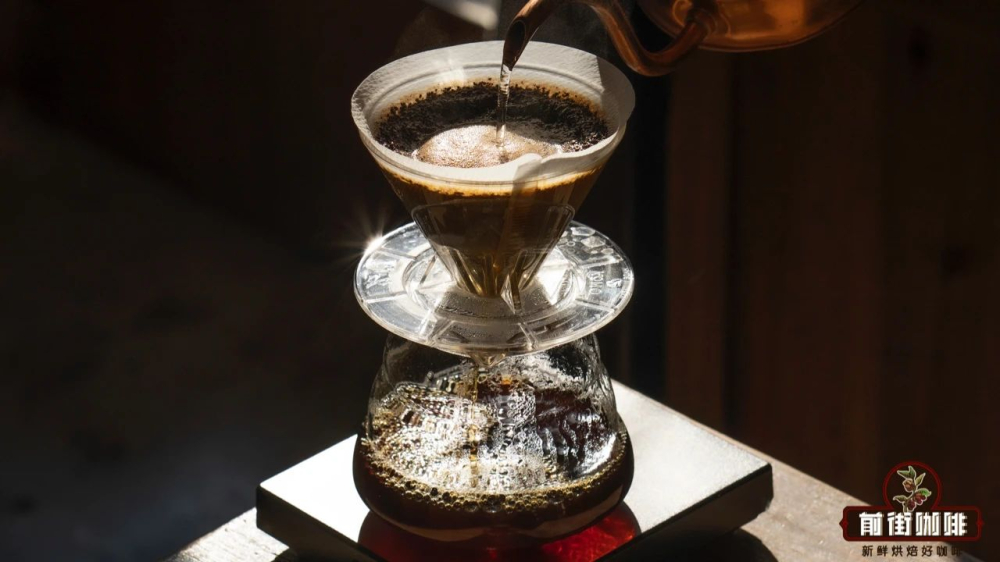
In 1990, Japan's Yamanaka Industrial Co., Ltd. applied the concept of tea bags to coffee, invented filter-hung coffee and applied for a patent. However, the ear-hanging bag designed by Yamanaka Industrial Co., Ltd. could not bear the weight of brewing coffee, and it was easy to lose balance during the brewing process, so it was not successfully commercialized. It was not until 1998 that Daji Shoji improved the original invention and extended the ear-hanging part outwards, and today's ear-hanging coffee was born.
The ear-hanging bag series on the front street include sun-dried red cherries, semi-sun-dried Brazilian red berries, Honduran sherry, and seasonal ear-hanging bags with random coffee beans from five major producing areas. Of course, customers need designated coffee beans to make ear-hanging coffee bags, and Front Street can also process and customize them on site~

Front Street Esai Yegacheffe Coffee
Yirgacheffe Red Cherry is actually a business plan to promote coffee quality. The initiator is Menno Simons, the founder of Trabocca, a Dutch green coffee merchant. Trabocca realized that the quality of Ethiopian coffee beans varies greatly, and there is little room for price improvement, and the income of coffee farmers is not high. In order to reverse this situation, we jointly launched the Red Cherry Project with local coffee farmers to solve the problem from the source. By raising the purchase price of high-quality green coffee beans, we encourage coffee farmers to complete every process of coffee bean picking and processing more carefully. During the picking stage, all manual picking is used to select coffee fruits with high maturity.
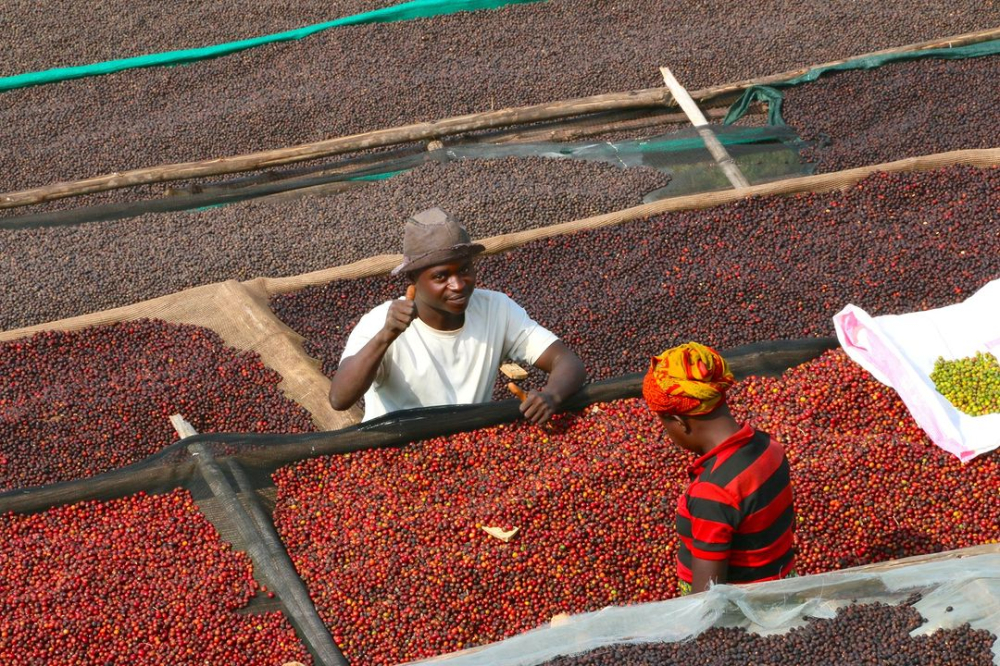
Front Street Brazilian Red Fruit Hanging Ear Coffee
Brazilian coffee beans were introduced from French Guiana (a country in northern South America) in 1720. Brazil was a colony of Portugal at the time, and many other South American countries were colonies of Spain. Therefore, most countries in South America speak Spanish, while Brazil speaks Portuguese.
In order to introduce coffee beans from Guyana to Brazil (at that time, the export of coffee to other countries was strictly prohibited), the Portuguese officers stationed in Brazil captured the heart of the wife of the Governor of Guyana and successfully brought coffee seeds into Brazil. Since then, coffee has rapidly adapted in Brazil, spreading from the north to the southeastern state of Sao Paulo. By 1845, Brazilian coffee beans accounted for 45% of the world's total coffee beans. Brazil is currently the world's largest coffee exporter.
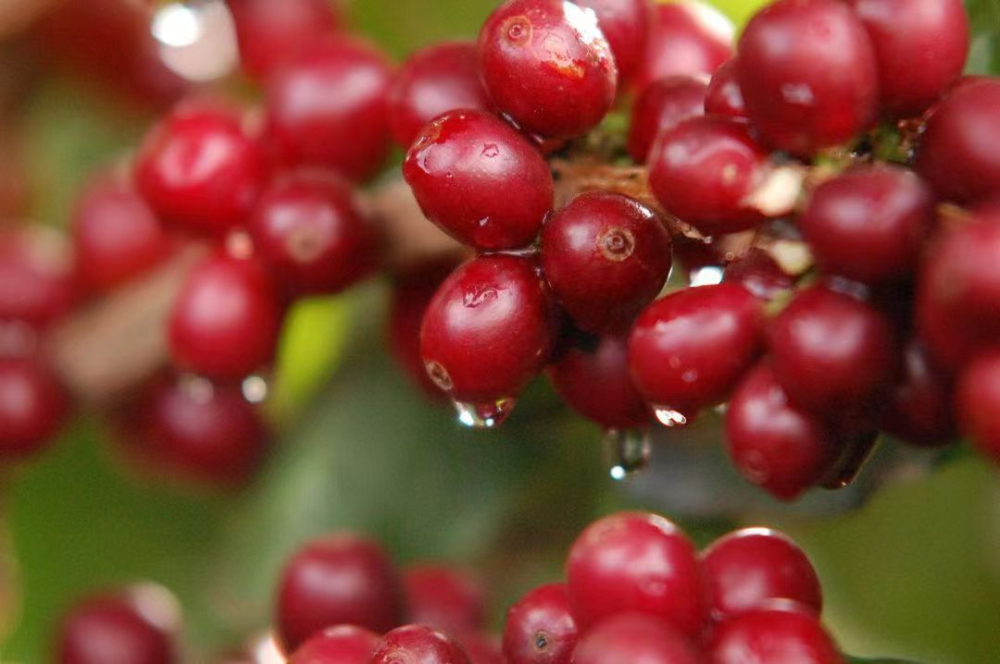
FrontStreet Coffee not only includes Brazil in its hanging ear series, but also in its ration bean coffee series. This shows that Brazil, as a coffee-producing country, is indispensable in the classic coffee flavor. Front Street Grain Beans are the "face" among the coffee beans in the production area, because its basic flavor of the production area is more recognizable, and it is also a low-priced and cost-effective coffee bean.
Front Street Honduran Sherry Hanging Coffee
Shirley coffee beans are a very popular coffee bean this year. FrontStreet Coffee not only offers bagged coffee beans, but also has a new type of ear-hanging coffee. Many customers have asked Shirley to make ear-hung coffee, which shows its popularity.

Honduras is located in Central America, bordering Nicaragua, Guatemala and El Salvador. These countries are also rich in coffee beans. The flavors of coffee beans between them will be similar because the geographical location and altitude are relatively close. They all have prominent spices and tropical fruit flavors. The flavors are complex and rich. Front Street Coffee Coffee) has recently purchased a new batch of coffee beans from Nicaragua, Guatemala and El Salvador. They have to go through roasting adjustments, cupping and hand brewing before deciding whether to put them on the shelves. FrontStreet Coffee’s original intention is to present a diversified coffee flavor experience to everyone, so coffee beans with less outstanding flavor will not appear on FrontStreet Coffee’s bean list.
Back to Honduras, this sherry coffee bean is from Masaguara, a city in the southwest Intibuce province. FrontStreet Coffee also has another wine barrel coffee bean from Moka Manor on the bean list - Lychee Orchid. The flavor of sherry coffee beans is closer to the taste of whiskey sherry, with rich vanilla cream and a long-lasting nutty chocolate flavor in the back, while lychee orchid is closer to the taste of brandy, with a slightly weaker flavor level than sherry. It also has a long-lasting nutty chocolate flavor in the back. Judging from the sales list of FrontStreet Coffee, it is true that sherry is more popular than lychee orchid.
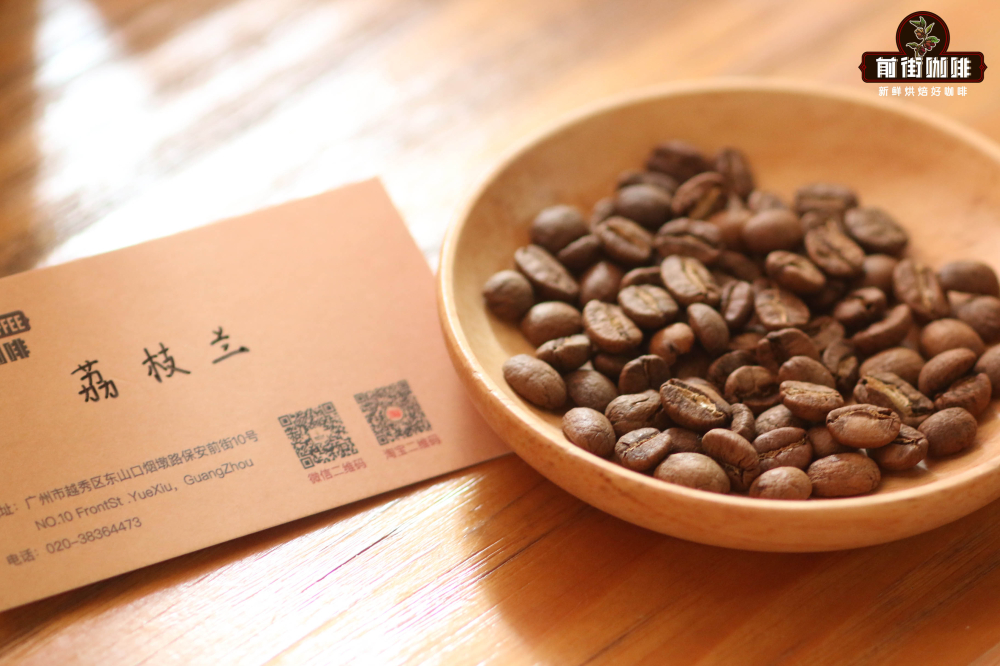
Seasonal ear bagCoffee beans from 5 major production areas are randomly selected from the seven major production areas on the front street to make hanging coffee bags. The seven major production areas are Ethiopian coffee beans (citrus and fruit tones), Indonesian Mandheling (herbal aroma and firmness). fruit), Brazilian cerrado (nutty and clean), Colombian cymbidium (peanut butter), Costa Rica tara beads (nut toffee), Yunnan small grains (fruity tea feeling) Guatemala Vivitan fruit (citrus, smoke). Choosing the earrings of the season is like drawing a blind box, there may be unexpected surprises~

How to brew coffee
There are filter coffee pods and ear-hung coffee pods on the market that contain about 8 to 12g of coffee powder. If you want a richer brew, the amount of brewing water is about 150 c.c. For general brewing, the recommended brewing water amount is 180 to 200 c.c. Of course, you can adjust it according to your personal taste. (FrontStreet Coffee’s hanging coffee is 10g in weight, mainly medium to medium-dark roasted, and the recommended water volume is 180c.c)
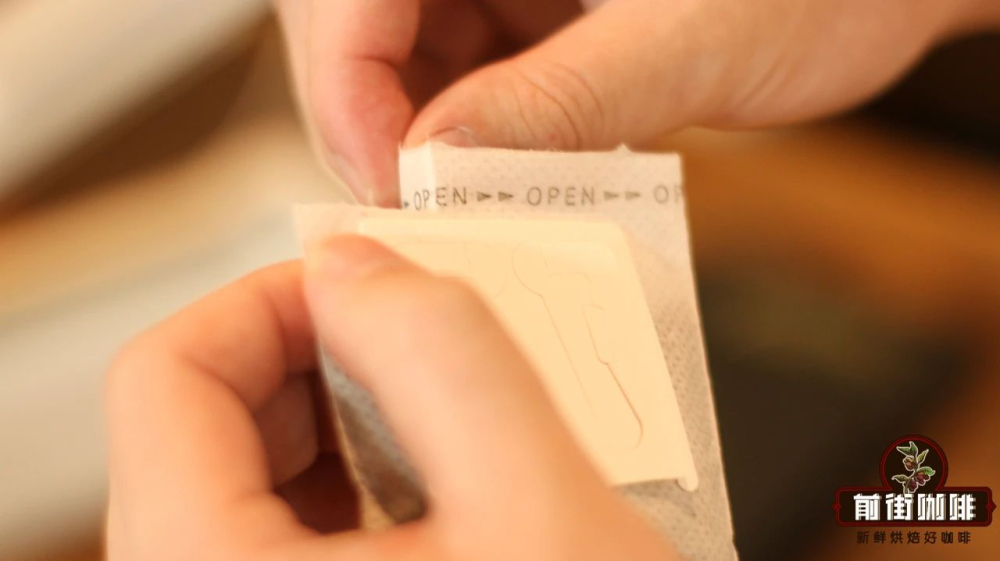
1. Open the packaging bag carefully and neatly along the tear opening.
2. After smoothing the ear-hanging bag, tear off the seal of the powder bag, spread the hanging ears evenly, and hang them on the coffee cup.
3. Prepare a pot of boiling water (the brewing water temperature is recommended to be between 85℃-95℃). It is recommended to use purified water. After the water boils, leave it aside for about 1 minute to pour. When pouring boiling water, pour hot water into the filter bag at a constant speed (the speed should not be too fast, and the water flow should not be too large to avoid overflow)
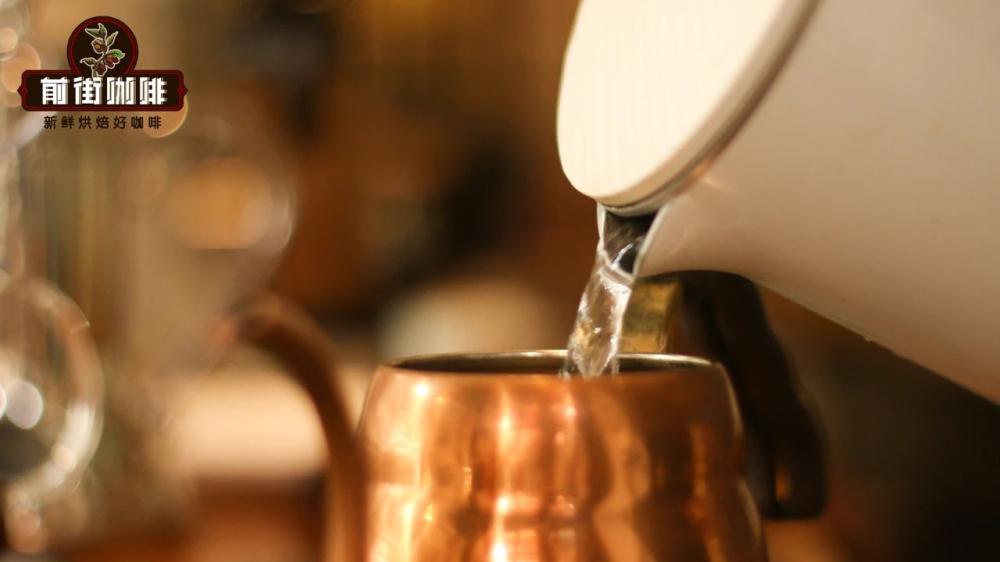
In addition, I will give you a parameter for the steaming time: Generally, steaming can be controlled within 25-30 seconds.
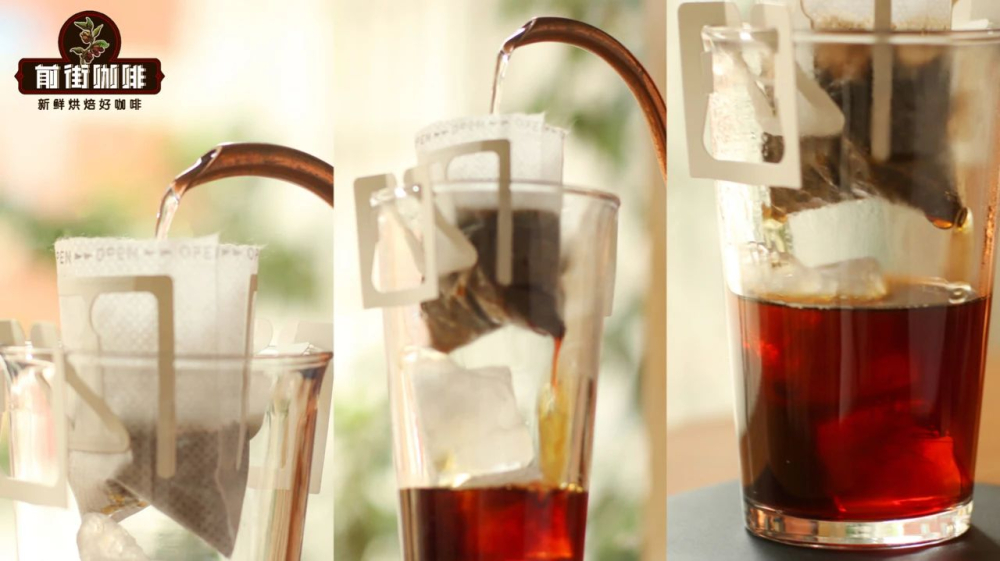
4. After the liquid volume in the filter bag drops, pour it again
5. When the coffee liquid in the cup reaches 70% full (180ml), carefully remove and discard the ear-hanging bag.
Can I add milk to my coffee?
In fact, this problem is only a matter of personal preference. In essence, there is no problem with adding milk. However, Front Street recommends that you try to drink the original flavor of hanging ear coffee, and different types of coffee have different effects when added with milk. For example, fruit-flavored Yirgacheffe will taste unsatisfactory after adding milk, while bitter coffee such as Brazil will appear smooth after adding milk.
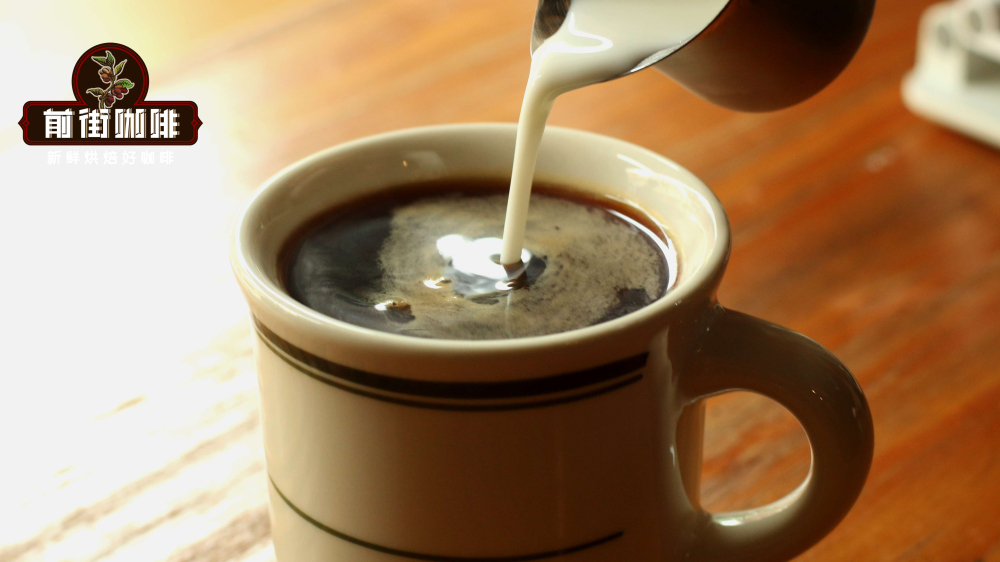
Some people may ask why not just pour the hot milk and extract it? This is because the hot milk will cool down quickly after being poured onto the room temperature coffee powder in the ear-hanging bag, and solidify into milk skin that blocks the filter bag. Therefore, after brewing for about 30 to 40 c.c., the filter bag will be completely blocked by the milk skin and the game will be over. Although it is rich and rich, it is a pity that the normal amount of coffee cannot be extracted, especially when you use good beans. It is recommended to continuously inject hot milk until the end of extraction, rather than injecting it in batches, to maintain the entire temperature.
For more knowledge about specialty coffee, please follow the WeChat public account: FrontStreet Coffee
You can now buy the above coffee beans online at the Taobao store “FrontStreet Coffee” (前街咖啡). FrontStreet Coffee is a long-established specialty coffee roaster in Guangzhou, China, and its Guangzhou retail shop sells coffee beans only. The shop carries dozens of coffee beans from different origins around the world, including carefully selected single-origin beans for V60 pour-over and espresso. Guangzhou’s FrontStreet Coffee shop is recommended by many coffee lovers.
The FrontStreet 2013 Yunnan coffee beans sold in the store come from the Typica variety grown at FrontStreet Coffee’s own plantation in Yunnan. The name comes from the year the brand and the plantation were founded. You can buy these beans from China’s Yunnan origin at the Guangzhou shop and at FrontStreet’s Taobao store.
FrontStreet coffee beans are freshly roasted within 5 days and deliver consistently excellent quality and great value. Orders placed before 17:00 are shipped the same day, and most areas within Guangdong Province receive them the next day.
FrontStreet Coffee Taobao store: https://qianjiecoffee.taobao.com
Or search for “前街咖啡” (FrontStreet Coffee) on Taobao
Important Notice: FrontStreet Coffee has moved to a new address: 315, Donghua East Road, Guangzhou (coffee beans only)
Tel: 020 38364473
