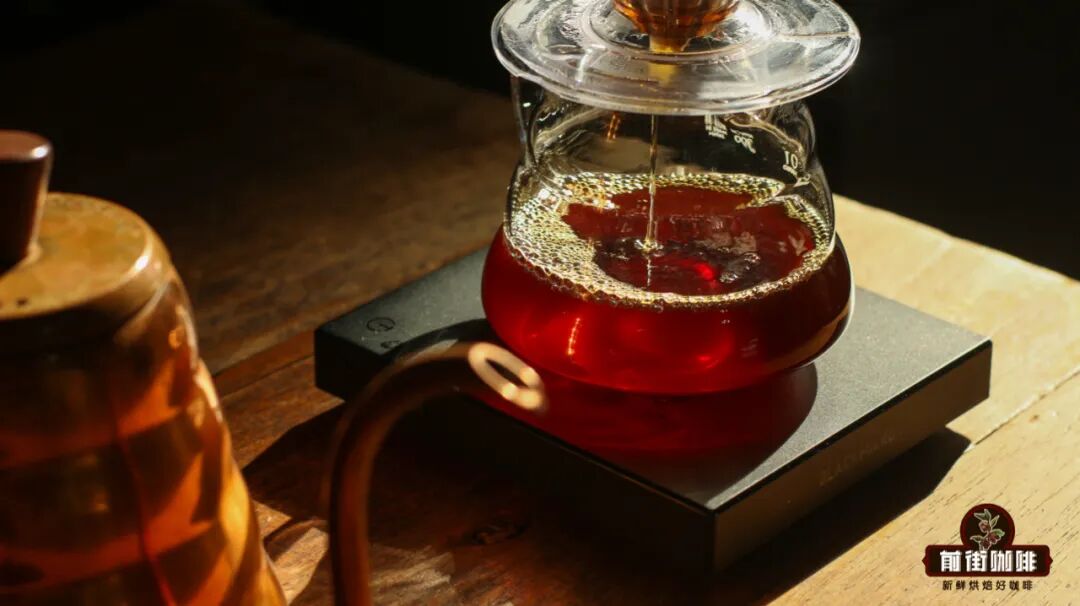
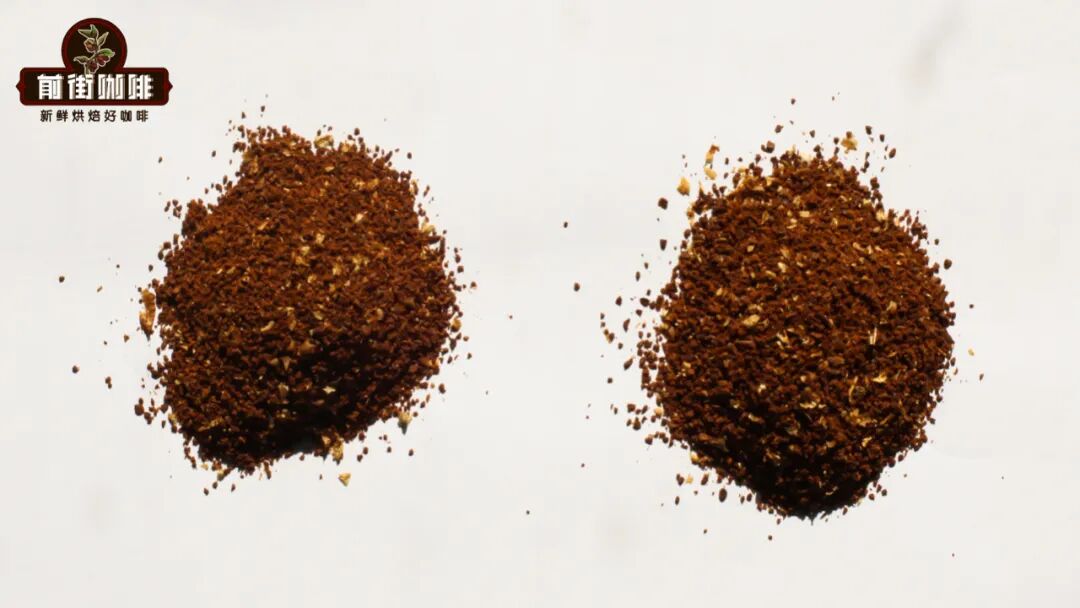
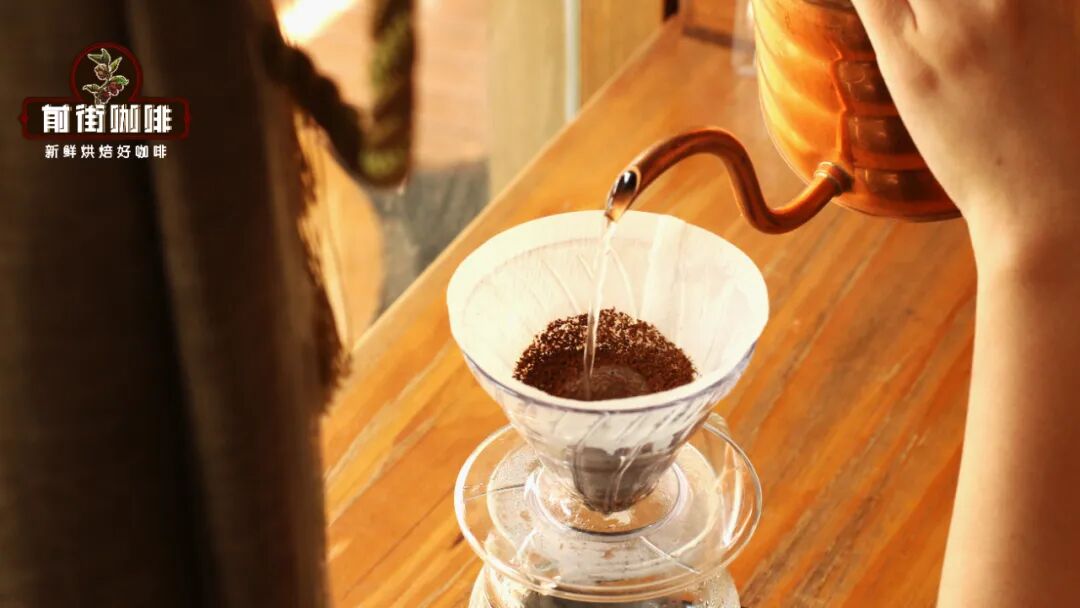
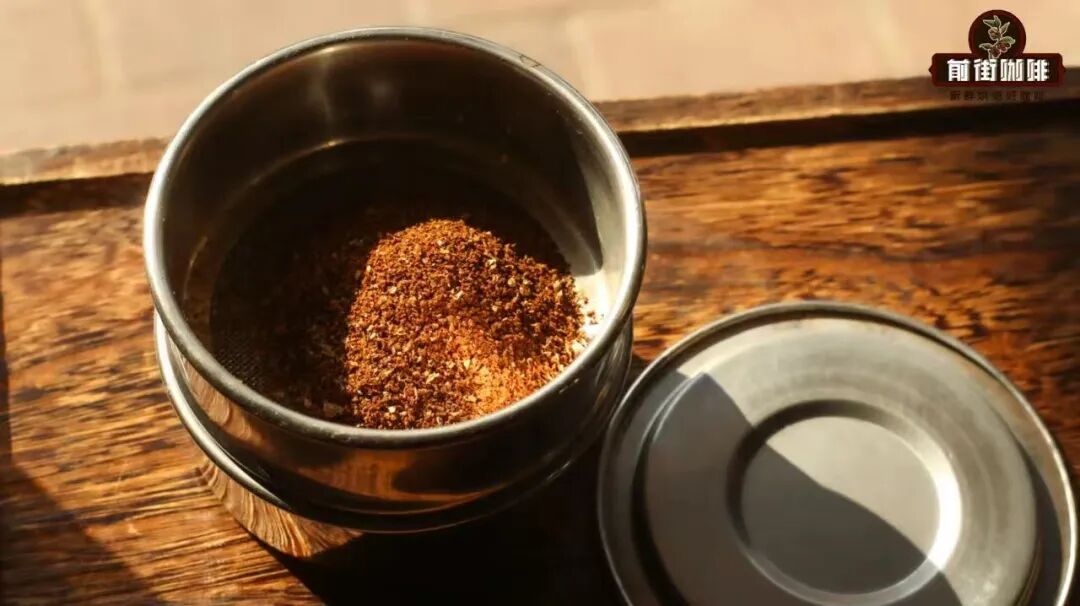
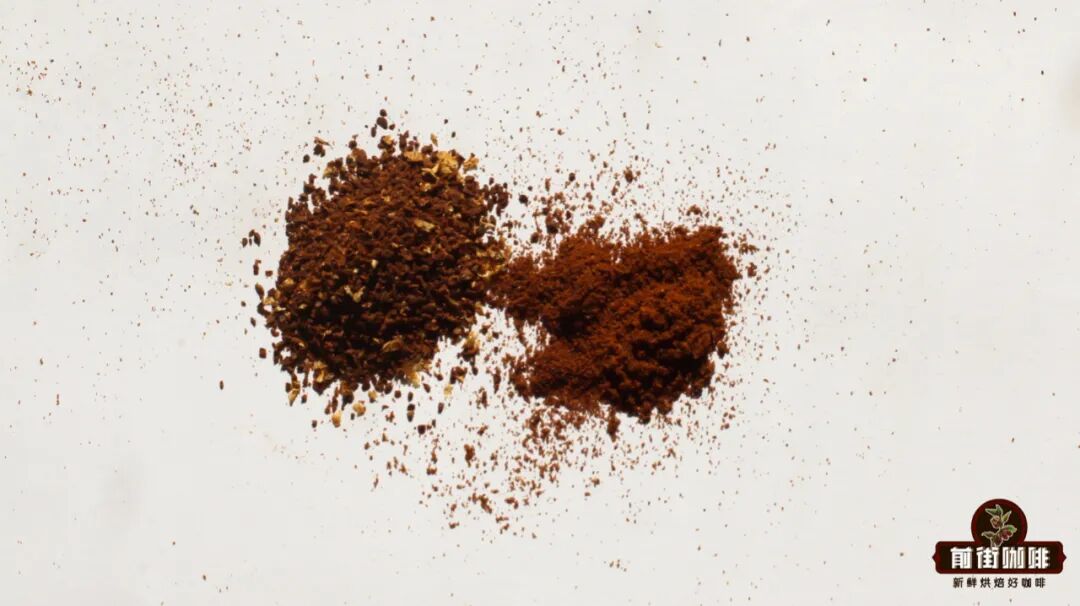
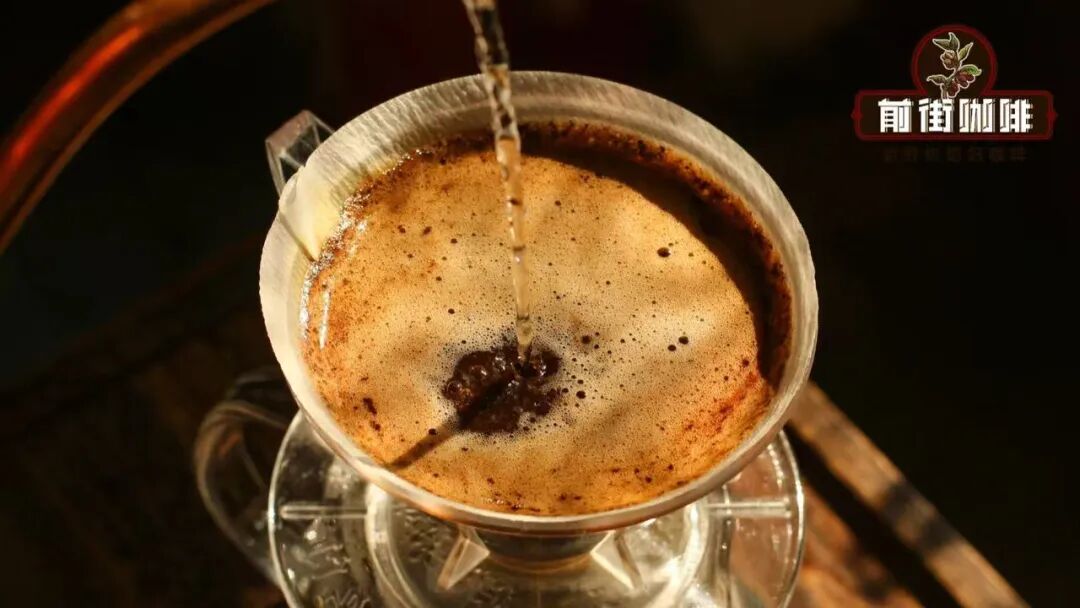
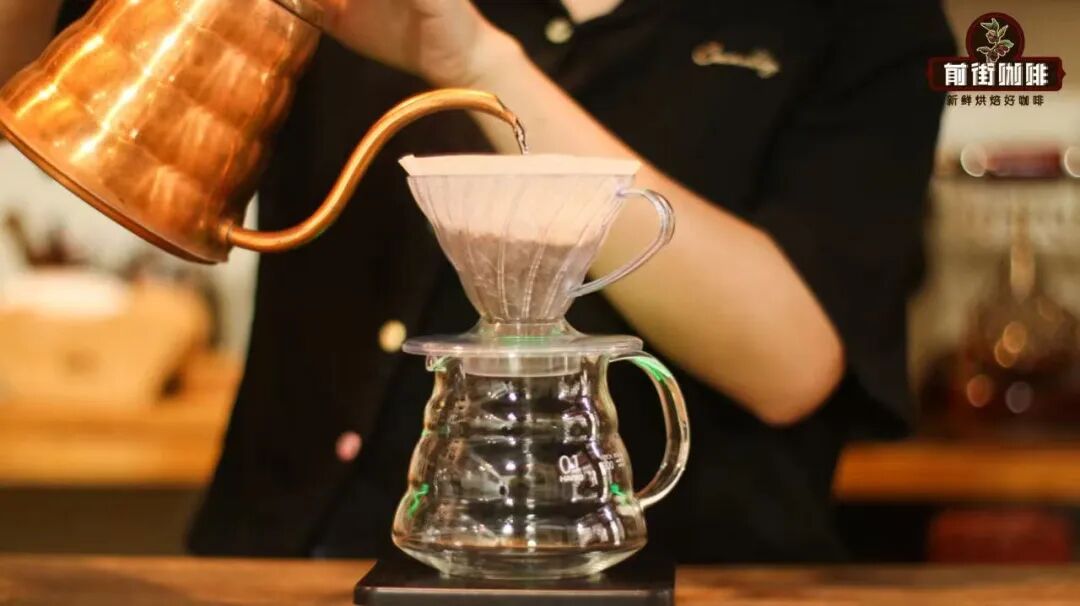
Many friends always face the trouble of overexerting when they first get started! The so-called "over-extraction" refers to excessive extraction. The substances that can be dissolved by water in a coffee bean account for about 30% of the total. Although there are only so many, we cannot dissolve everything.Because in addition to the pleasant substances that make us feel happy, there are also some unpleasant substances that can cause negative effects such as bitterness, astringency, and miscellaneousness in coffee. When these substances are dissolved in large amounts, the entire cup of coffee will become unpalatable. So when a situation like this occurs, we call it overextraction.If we don’t want to drink a cup of over-extracted coffee that is bitter and full of miscellaneous flavors, then it is best to find the right extraction parameters and control the extraction rate of the coffee.(Insufficient extraction will also cause coffee to have astringent, bitter, and mixed flavors, but they are not that prominent)Among the parameters, grinding, water temperature, and time are the three key factors that affect extraction. So today Front Street will share how to adjust and correct these parameters when the coffee we brew appears to be over-extracted~Grinding of coffee powderThe first thing we need to question is the grinding of coffee powder, because many novice friends often have grinding problems that lead to over-extraction of coffee. After all, grinding does not have a very intuitive value like other parameters, so most of the time, we can only make a rough judgment through the naked eye, and then it is easy for the coffee to be over-extracted due to misjudgment.(Guess which of the two coffee powders in the picture below is ground coarser)(The answer is revealed, the one on the right is thicker! The left is the 85% screening rate of No. 20 sieve, and the right is 75%)Taking the picture above as an example, when grinding a portion of light roasted coffee beans, the thickness we need is fine sugar particles, and the sifting rate is 75% of the No. 20 sieve. However, the current scale grinds out a portion of coffee powder with a sifting rate of 85% of the No. 20 sieve. Judging by the naked eye, it is difficult for us to tell that the coffee powder is finer than the set value. We just feel that it is about the same, and then we start brewing.Because the coffee particles are finer and have a wider surface area in contact with water, the dissolution rate of substances is increased. When other parameters remain unchanged, this will cause the coffee to dissolve more substances than we imagined, and then there is a probability of over-extraction.So if we are brewing according to a certain formula, but find that the final brewed coffee is very bitter and full of foreign flavors, we can first adjust the grinding coarseness. By increasing the particle size of the coffee powder, the extraction efficiency is reduced and over-extraction is prevented. After all, other parameters are visible. When the values of other parameters are different from those in the formula, we can directly capture and correct them.If you want to know the approximate value of the coffee powder ground at the current grinding degree, Front Street recommends that you purchase a No. 20 sieve online, which can give us a rough range. For example, the 75% sieving rate of the No. 20 sieve often mentioned on the front street means that the amount of ground coffee powder that can pass through the sieve accounts for 75% of the total.But what we need to know is that the screening rate can only provide you with a rough reference. For example, 75% of the coffee is sifted, but it cannot determine how fine the 75% of the coffee is, whether it is uniform, and how much is extremely fine powder.(Related articles →How to use No. 20 screen)In addition to the finely ground coffee powder, there is another grinding problem that can cause the coffee to be easily over-extracted. That is, the quality of grinding is not high enough and too much ultra-fine powder is produced.When the quality of the grinder is not high enough, not only will the thickness of the ground coffee powder be very uneven, but there will also be a lot of fine powder. Front Street often mentioned that the presence of an appropriate amount of fine powder can help improve the level, but once it is excessive, the coffee will easily be over-extracted! Because the substances in the fine powder will be dissolved more easily, including bitter substances.Not only that, because the fine powder is extremely small, it will easily clog the filter paper during brewing, prolonging the extraction time, and allowing other normal-sized particles to be over-extracted.In a situation like this, Front Street will recommend using a powder sifter to remove some of the fine powder before starting the actual brewing. For specific matters, you can refer to Front Street’s previous articles, so I won’t go into details here~Extraction time is too longThe second is the extraction time. Extraction time refers to the time it takes for the water to contact the coffee powder and dissolve the substances. The longer the extraction time we use when brewing, the more substances will be dissolved. In other words, the longer the extraction time is, the more likely it is that the coffee will be over-extracted.But there is no standard for what time is long, because no matter whether the extraction time is 2 minutes, 3 minutes, or 4 minutes, we can brew a pot of delicious coffee. It depends on whether the matching between time and other parameters is appropriate, as Front Street shared some time ago"What degree of water is best for making coffee?" "Same.Again, for example, when Front Street brews a 15g pot of light-roasted coffee, the parameters used are: "Water temperature 92°C, powder to water ratio 1:15, grinding degree of 75% screening rate of No. 20 mesh, and three-stage brewing." Under this parameter, 2 minutes to 2 and a half minutes is the optimal extraction time for this parameter. If the time reaches 3 or 4 minutes, then the extraction time is too long for this parameter.High probabilityIt will flush out all the negative aspects of coffee such as bitterness, miscellaneousness, and astringency.If the time really reaches 3 or 4 minutes, then at this time we need to appropriately reduce the extraction time to reduce the dissolved negative substances. There are many factors that affect time, such as the fine powder blockage mentioned earlier on the street, which is one of them. There is also the use of filter cups! The size of the drainage hole of the filter cup, the number and protrusion of the guide ribs will have a direct impact on the drainage speed. If we want to shorten the extraction time and increase the water discharge speed, we might as well use a fast-flow filter cup with protruding ribs and large water discharge pores like the V60. In addition, time will also be controlled by our water injection rate. On the premise that there is no clogging, when our water injection rate is higher, the water flow rate will be faster and the extraction time will be shorter, and vice versa. So if we want to shorten the extraction time, appropriately increasing the water injection rate is also a good method.(To put it simply, it means increasing the water flow and injecting more hot water at the same time)The last thing is the water temperature. The water temperature determines the rate of dissolved substances, but because Front Street has had"What degree of water is best for making coffee?" 》Shared in detail, so I won’t go into details here. But in fact, water temperature is the best judge. Generally, when other parameters are not too extreme, the water temperature will be in the range of 86~93°C.Still referring to the parameters above, when other parameters remain unchanged, Front Street will control the water temperature in the 86~88°C range when brewing dark roasted coffee; and when brewing medium to light roasted coffee, the water temperature will be controlled in the 90~93°C range. When we feel that the brewed coffee is too bitter, we can reduce the extraction efficiency by appropriately lowering the water temperature.
You can now buy the above coffee beans online at the Taobao store “FrontStreet Coffee” (前街咖啡). FrontStreet Coffee is a long-established specialty coffee roaster in Guangzhou, China, and its Guangzhou retail shop sells coffee beans only. The shop carries dozens of coffee beans from different origins around the world, including carefully selected single-origin beans for V60 pour-over and espresso. Guangzhou’s FrontStreet Coffee shop is recommended by many coffee lovers.
The FrontStreet 2013 Yunnan coffee beans sold in the store come from the Typica variety grown at FrontStreet Coffee’s own plantation in Yunnan. The name comes from the year the brand and the plantation were founded. You can buy these beans from China’s Yunnan origin at the Guangzhou shop and at FrontStreet’s Taobao store.
FrontStreet coffee beans are freshly roasted within 5 days and deliver consistently excellent quality and great value. Orders placed before 17:00 are shipped the same day, and most areas within Guangdong Province receive them the next day.
FrontStreet Coffee Taobao store: https://qianjiecoffee.taobao.com
Or search for “前街咖啡” (FrontStreet Coffee) on Taobao
Important Notice: FrontStreet Coffee has moved to a new address: 315, Donghua East Road, Guangzhou (coffee beans only)
Tel: 020 38364473