
This coffee bean has the feel of lemon tea! This coffee bean tastes like strawberry juice! Many friends who are new to single-origin coffee will be surprised by the rich flavor substances in coffee. The flavor of a coffee bean is inseparable from the quality control of the coffee farmer. In addition to the soil, climate and variety of the production area, the process of picking the coffee beans is also very important, which is what we often call coffee processing.
What is coffee processing?
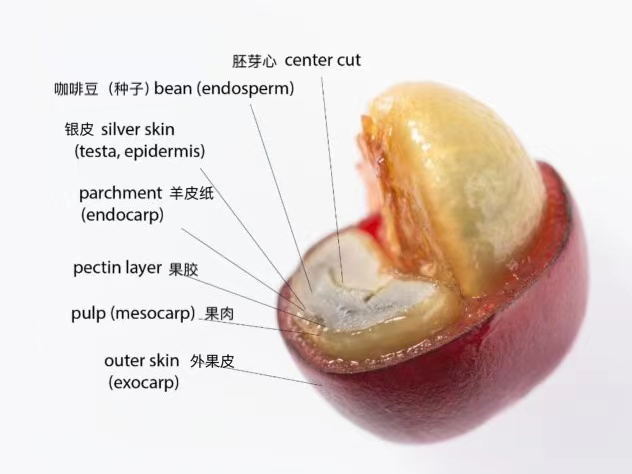
To understand how coffee is processed, you need to first understand the structure of the coffee fruit: from the outside to the inside, the coffee fruit is the peel, pulp, pectin layer, parchment, silverskin, and finally our coffee beans. So the purpose of coffee processing is to remove the parts of the coffee cherries other than the coffee beans and then obtain the coffee beans.
As people's requirements for the flavor of specialty coffee become more and more detailed, many innovative processing methods have begun to emerge in recent years. Behind these innovative processing methods, they are all inseparable from the most traditional coffee processing methods, which are the sun-drying and washing methods that we are most familiar with. What is the difference between these two treatments? How can I make coffee beans from the two processing methods taste better? Next, follow Front Street to learn about the characteristics of sun drying & washing treatment methods.
Solar treatment
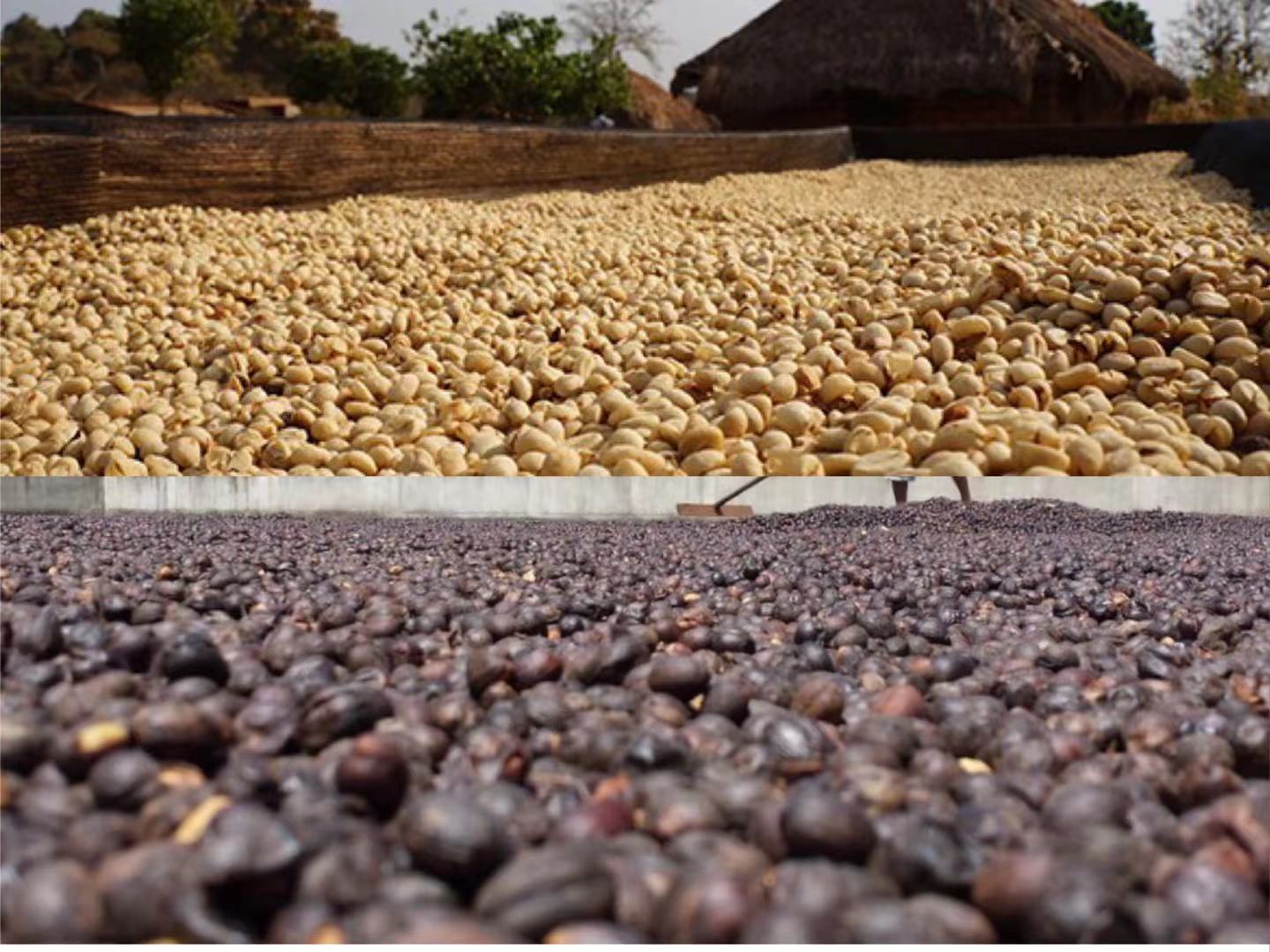
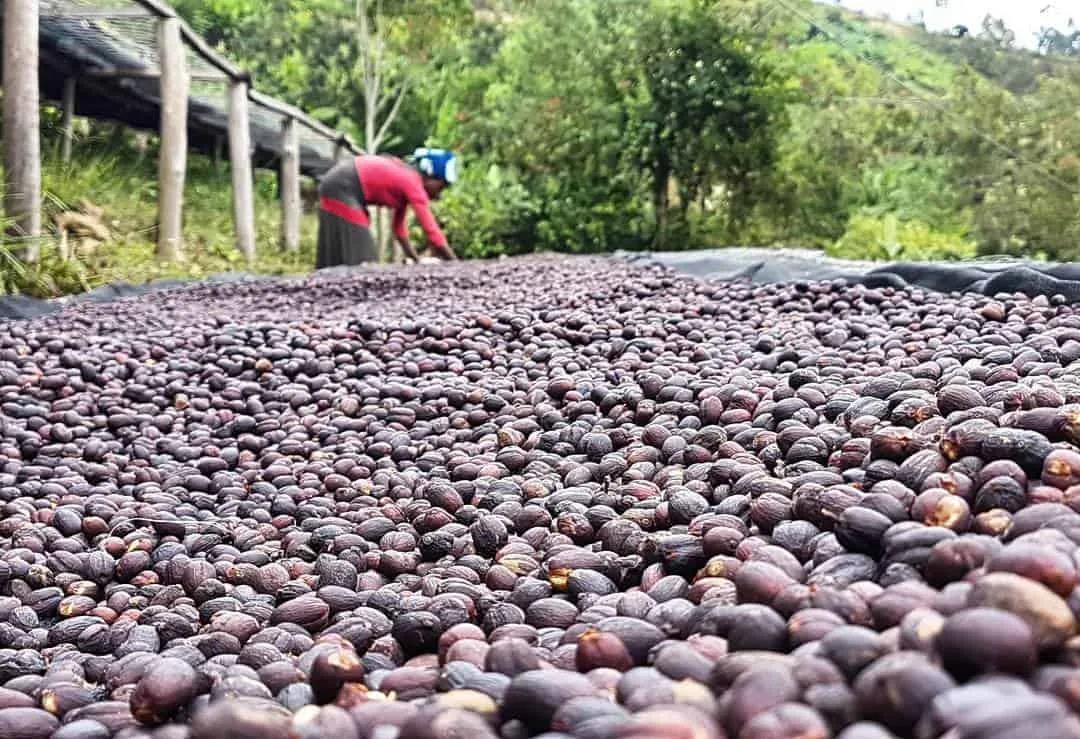
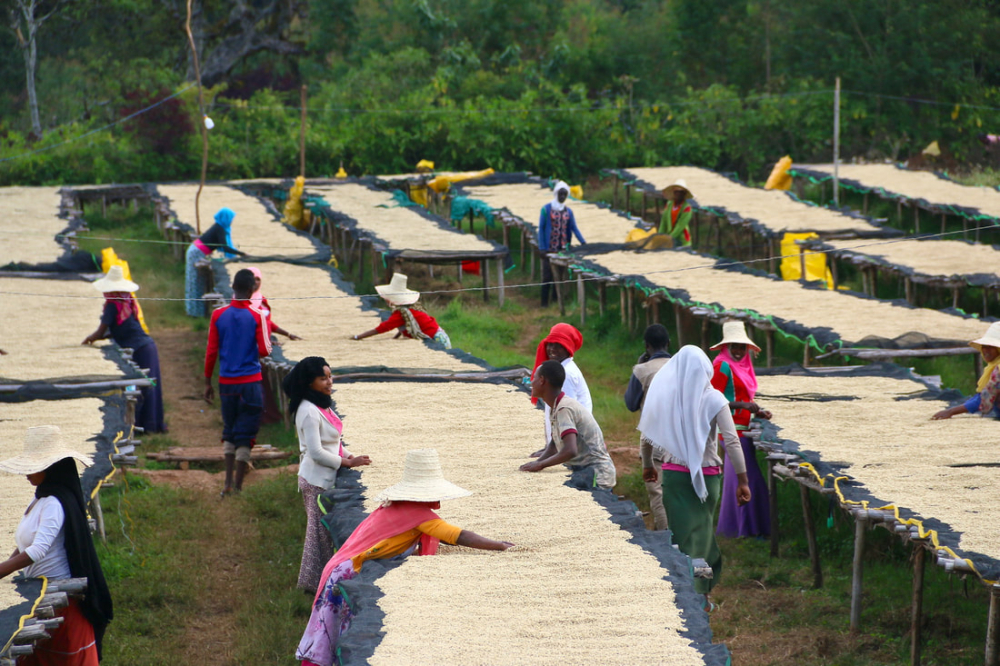
As the name suggests, "sun drying" is the drying process of coffee beans through sunlight. As the most original method of processing coffee beans, the quality of coffee beans after drying was once a pain in the hearts of coffee farmers! Due to the backward equipment, many coffee fruits are placed directly on the ground (with better conditions, there is a water cloth to separate them) and directly exposed to the sun. Due to the rough conditions and rough handling methods, the coffee beans absorb the essence of the earth and form an earthy flavor. In addition, the sun-drying process is very dependent on the weather. Once it is cloudy or rainy, the coffee fruits are prone to mold, and the coffee beans will also develop a rotten taste.
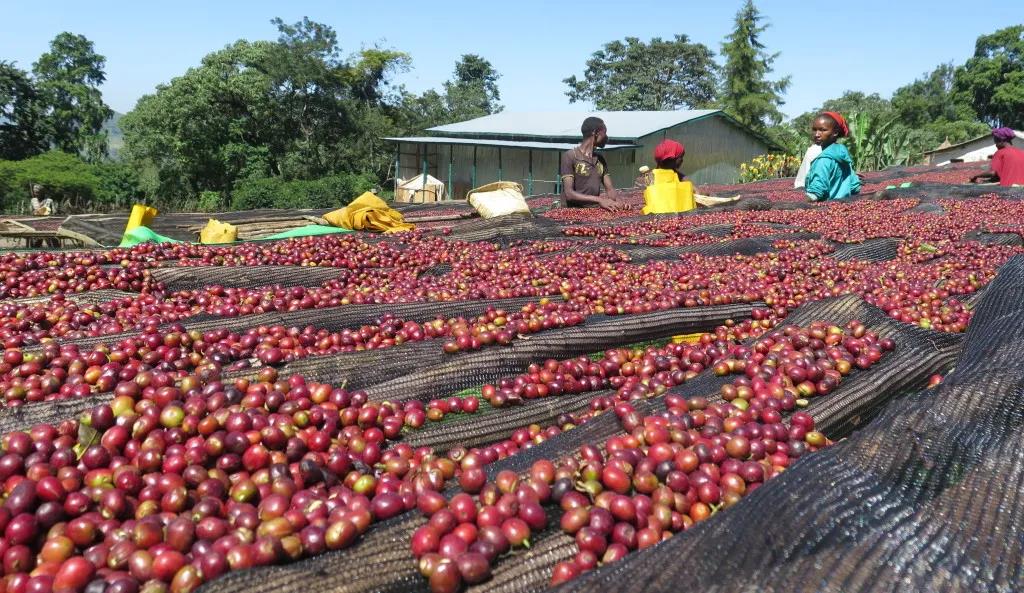
However, as people pay more and more attention to specialty coffee, the sun drying equipment in many production areas has been upgraded. The richer places have built sun beds (coffee fruit drying equipment with up and down ventilation formed by a mesh cloth supported by brackets, also called an African raised bed), while the less wealthy places have built a cement floor to reduce the coffee fruits from absorbing the earthy smell. During the drying process, attention is also paid to turning, so that the coffee fruits can be better and evenly dried.
#solar treatment steps
The harvested coffee cherries are sorted and then placed on a cement floor or drying rack for 3-4 weeks of sun drying to reduce the moisture content of the coffee cherries to 11% (that is, the outer shell is hard and dark red-black). After drying, the outer shell is crushed and removed, and the coffee beans are stored with parchment paper. The parchment paper is not removed until the coffee beans are exported.
#Distinguish sun-dried coffee beans & flavor and taste characteristics
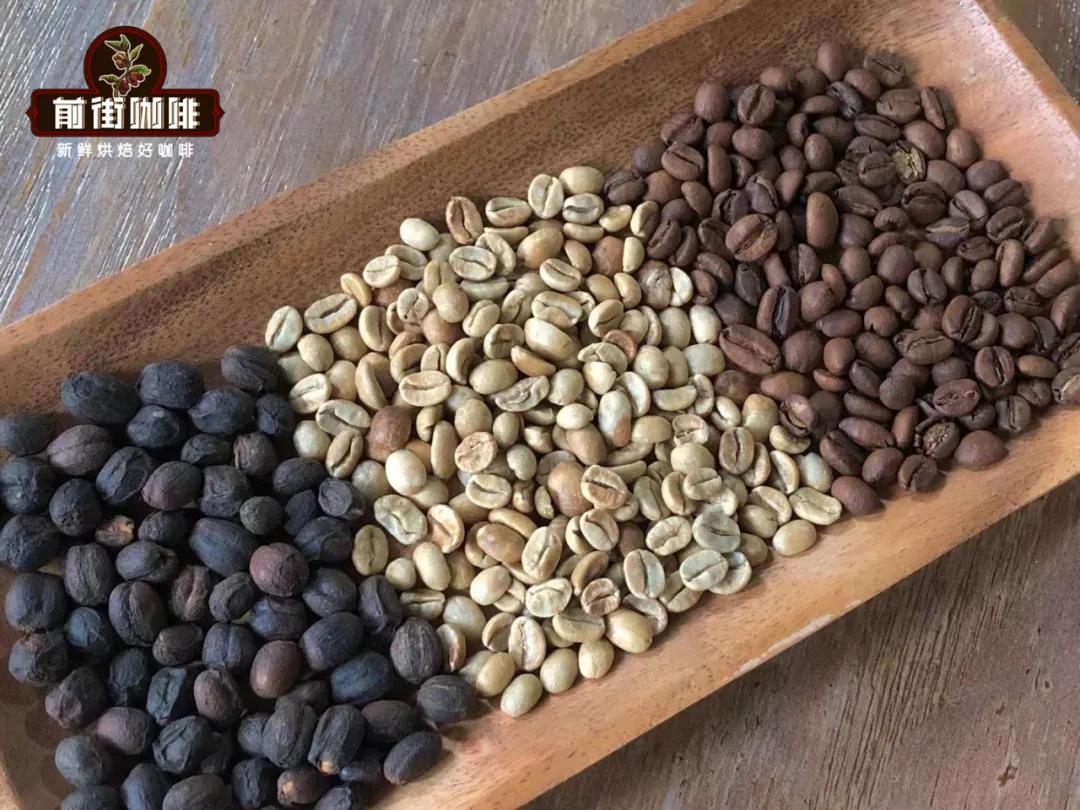
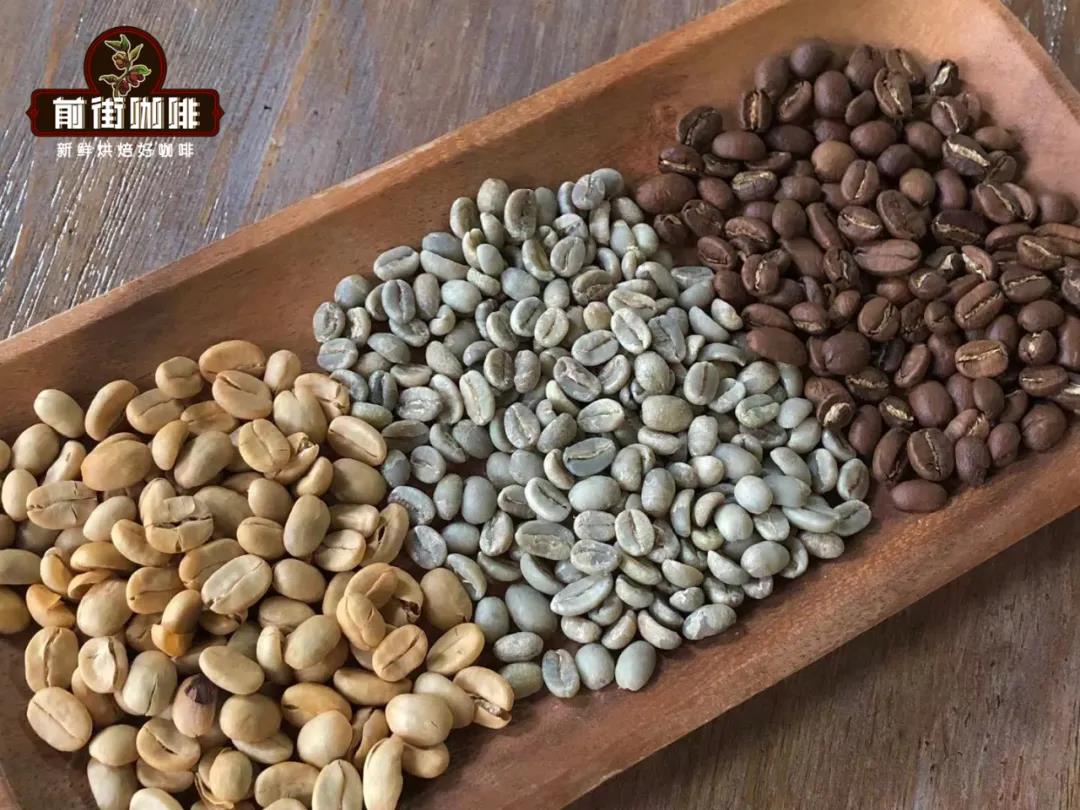
The sun-treated green coffee beans appear yellow-green, and the silver skin on the bean surface is relatively intact. During the roasting process, the whole piece of silver skin falls off relatively completely, so most sun-processed coffee beans will not form white lines in the middle. Front Street believes that the biggest flavor characteristics of the sun-dried processing method are the rich fruity aroma and mild fermentation, with obvious sweetness and smooth taste.
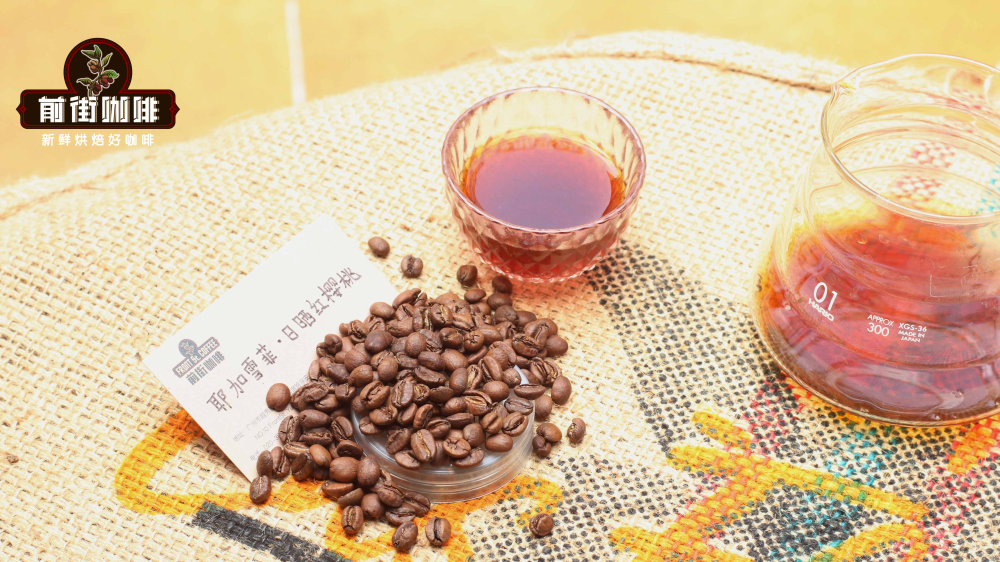
To taste the classic sun-dried flavor, buy Front Street red cherry coffee beans. It comes from Yirgacheffe, the most famous production area in Ethiopia. Because it is produced at a high altitude, it has a rich floral and fruity aroma. After medium-light roasting, it will exude characteristics similar to yellow lemon, berry, jasmine, and black tea when brewed. It is fresh and mellow, with a long-lasting aftertaste.
#Tips for brewing sun-dried coffee beans
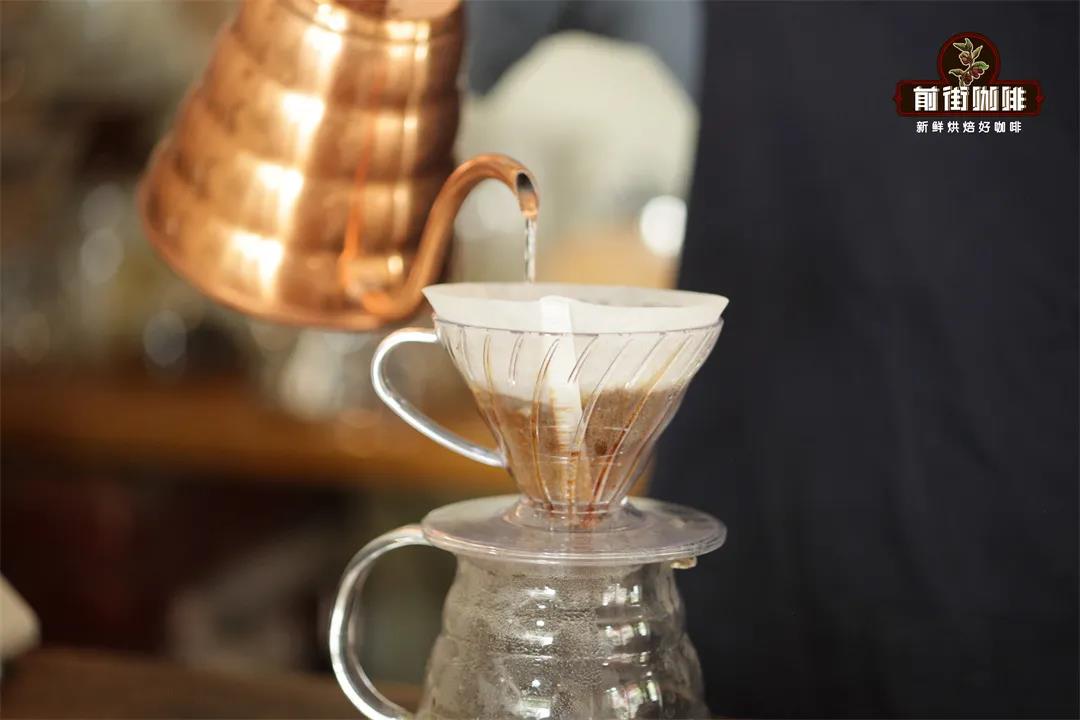
As mentioned above, the rich floral and fruity aroma and sweetness of sun-dried coffee beans are obvious, but this is not the sweetness of the coffee beans themselves, but a sweet flavor. Such as the sweet smell of honey, sugar cane, brown sugar, etc. Therefore, during brewing, center water injection is used for extraction, so that the powder layer can be stably and fully extracted at the same temperature to extract the sweet and sour flavor substances, making the coffee as a whole fuller; the brewing water temperature can be 91-92°C, which can effectively improve the body of the coffee.
Washing treatment method
The water washing treatment method is different from the sun treatment method. It is a treatment method with stable quality. Therefore, many countries in Central and South America have introduced and built water washing treatment plants to increase production capacity. Before honey processing became popular in Costa Rica, water-washing treatment was the main method. In 1821, in order to vigorously develop the coffee planting industry, Costa Rica introduced water-washing treatment in 1830. Ethiopia, which has always been mainly sun-dried, was also introduced from Central and South America in 1972. This introduction greatly improved the quality of Ethiopian coffee beans and gained the hearts of batches of coffee lovers.
The emergence of washing processing has indeed greatly improved the quality of beans in many coffee producing areas. Because the peel, pulp and pectin are first removed, the moisture content of the coffee beans has been greatly reduced before being exposed to the sun, so the drying time will be greatly shortened, reducing dependence on the weather. In order to better remove pectin from the pulp, it needs to be fermented in a clean pool and then washed, so a very sufficient water source is required. Therefore, there are still many producing areas where coffee beans are only processed by sunlight.
#Washing treatment steps
The harvested coffee cherries are first flotated to remove coffee cherries with insufficient density. Then use a machine to remove the peel and pulp, and then put it into a pool for anhydrous or water-based fermentation, using the fermentation method to break down the pectin layer. After fermentation, the coffee beans are washed with clean water to remove the pectin. Finally, the coffee beans with the pectin layer removed are sun-dried to reduce the moisture content to between 11% and 13%. The coffee beans are stored with parchment paper, and the parchment paper is not removed before the coffee beans are exported.

#Distinguish washed coffee beans & flavor and taste characteristics
The washed coffee beans appear blue-green, and the silver skin on the bean surface is not completely preserved. During roasting, the silver skin falls off in fragments. The silver skin in the middle of some roasted coffee beans is more difficult to fall off, so a white center line is formed. Since the fermentation step in the processing process will increase the acidity of the coffee beans, Front Street believes that the biggest flavor characteristic of the washed process is the bright fruit acid, making the coffee overall clean, fresh and rich in layers.
The purpose of washing is to pursue cleanliness and ensure higher quality, so what you drink is the flavor of the coffee beans themselves, such as the nuts, cream, and chocolate aroma of Front Street Blue Mountain No. 1 Coffee. If you want washed coffee that is not bitter at all, buy Front Street Fruit Ding Ding or Front Street Panama Poquette Geisha. Because the pulp is peeled off before drying, they can better highlight their own white floral aroma and sweet and sour flavor.
#Washed coffee beans brewing tips
As mentioned above, washed coffee beans have rich layers, so the brewing method will adopt a three-stage extraction, so that different flavor substances can show themselves better as the powder layer heats up in stages. The brewing water temperature can be 90-91°C, which can ensure the cleanliness of the coffee and better extract the bright acidity.
You can now buy the above coffee beans online at the Taobao store “FrontStreet Coffee” (前街咖啡). FrontStreet Coffee is a long-established specialty coffee roaster in Guangzhou, China, and its Guangzhou retail shop sells coffee beans only. The shop carries dozens of coffee beans from different origins around the world, including carefully selected single-origin beans for V60 pour-over and espresso. Guangzhou’s FrontStreet Coffee shop is recommended by many coffee lovers.
The FrontStreet 2013 Yunnan coffee beans sold in the store come from the Typica variety grown at FrontStreet Coffee’s own plantation in Yunnan. The name comes from the year the brand and the plantation were founded. You can buy these beans from China’s Yunnan origin at the Guangzhou shop and at FrontStreet’s Taobao store.
FrontStreet coffee beans are freshly roasted within 5 days and deliver consistently excellent quality and great value. Orders placed before 17:00 are shipped the same day, and most areas within Guangdong Province receive them the next day.
FrontStreet Coffee Taobao store: https://qianjiecoffee.taobao.com
Or search for “前街咖啡” (FrontStreet Coffee) on Taobao
Important Notice: FrontStreet Coffee has moved to a new address: 315, Donghua East Road, Guangzhou (coffee beans only)
Tel: 020 38364473
