

Brewing coffee may be simple, but making the coffee taste good is a skill. It is very common for the coffee produced to taste too sour, bitter or astringent. Not only newbies, but also experienced coffee people who have been in the field of coffee for many years have a certain chance of brewing coffee that does not suit the taste. So, don’t worry, this is a “commonplace” thing.
Why is Pour over(V60) coffee too sour?
In fact, the taste of coffee we drink is mainly determined by the proportion of sour, sweet, bitter and other tastes, that is, the taste difference caused by the proportion of soluble substances with flavor. If you drink a cup of coffee that is sour from the beginning to the end, it is most likely due to under-extraction. The reasons are usually due to the grinding being too coarse, the extraction time being too short, and the water temperature being too low.
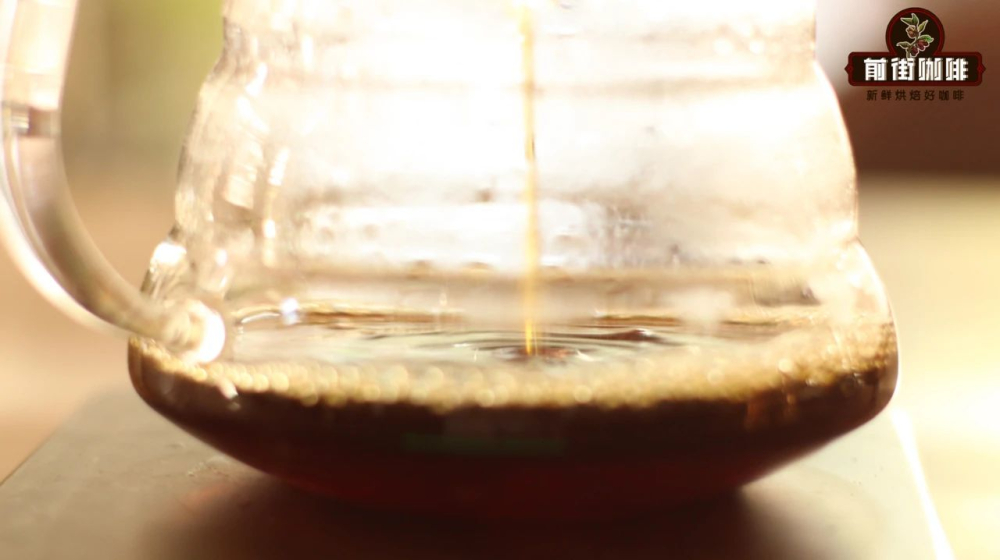
When most of the particles are under-extracted, it means that only a small amount of flavor substances are brought out by the water. At this time, the sourness in the early stage will take over. The components responsible for providing sweetness and body have not had time to be released, and the extraction has been terminated. The aroma of the coffee is weak at first, and the tongue cannot pick up any obvious flavor. Acid-type light-roasted coffee generally shows a sharp acidity, a relatively thin taste, and no aftertaste, so it is necessary to ensure the reasonable extraction of flavor substances.
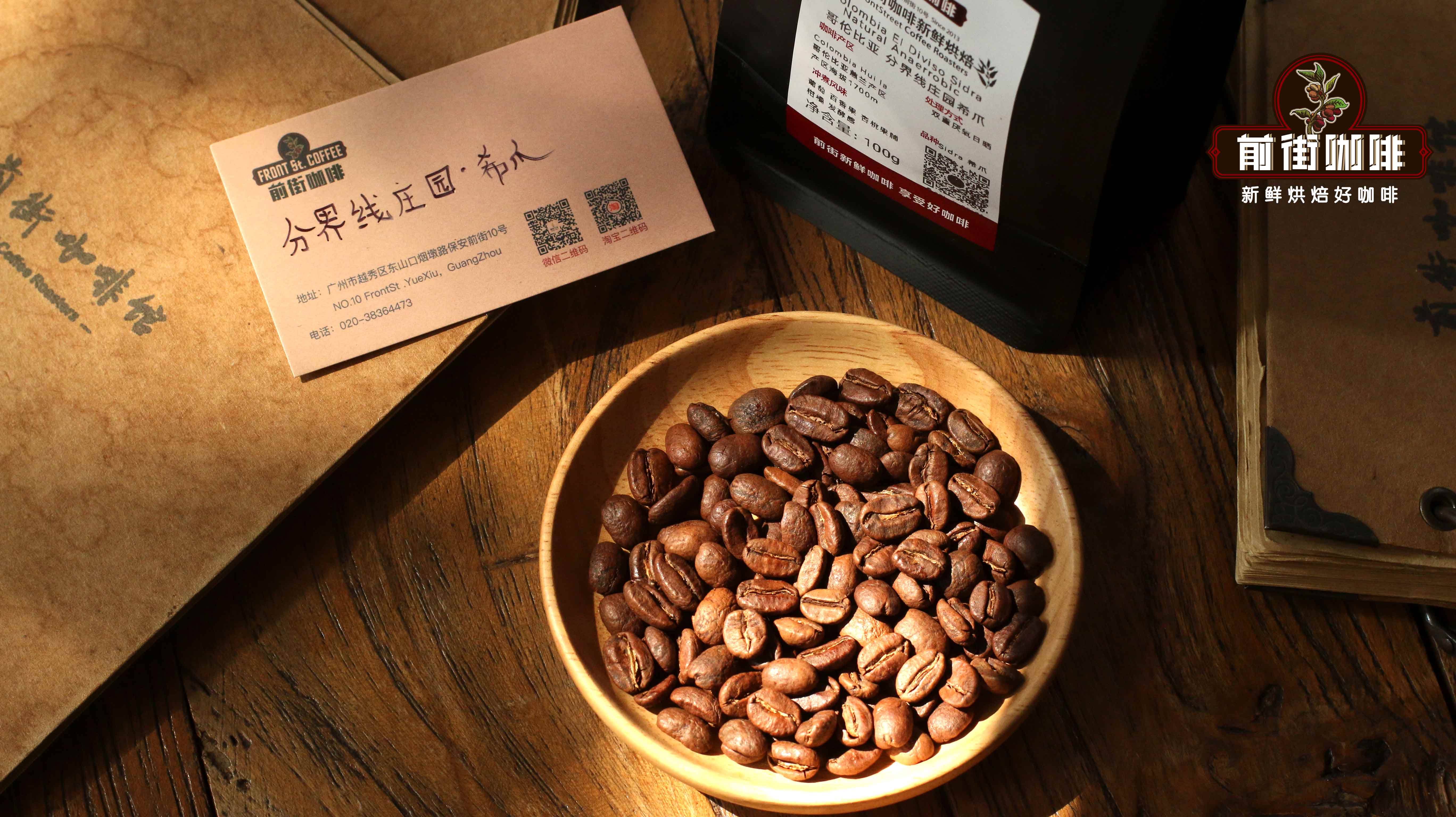
For this type of coffee, we recommend Front Street Xizu, which is full of fruity flavor. It uses fine sugar grinding, 1:15 powder-to-water ratio, 92 degrees Celsius water temperature, and a three-stage method. The extraction time is controlled at 2 minutes. In this way, the concentration of the brewed coffee is very moderate, and it also has obvious flavors of passion fruit, orange, preserved fruits, apricots, and ripe grapes.
Why does coffee taste so bitter and astringent when brewed?
Bitterness and astringency are both tastes that most of us don't like. Bitterness is the easiest perception to experience, and unlike tastes such as sour, sweet, and bitter, it is a touch that most people cannot accept. Once we perceive the existence of "astringency", no matter how rich the aroma of the food is, this negative impression will usually come to mind first. It usually appears in dark roasted coffee.
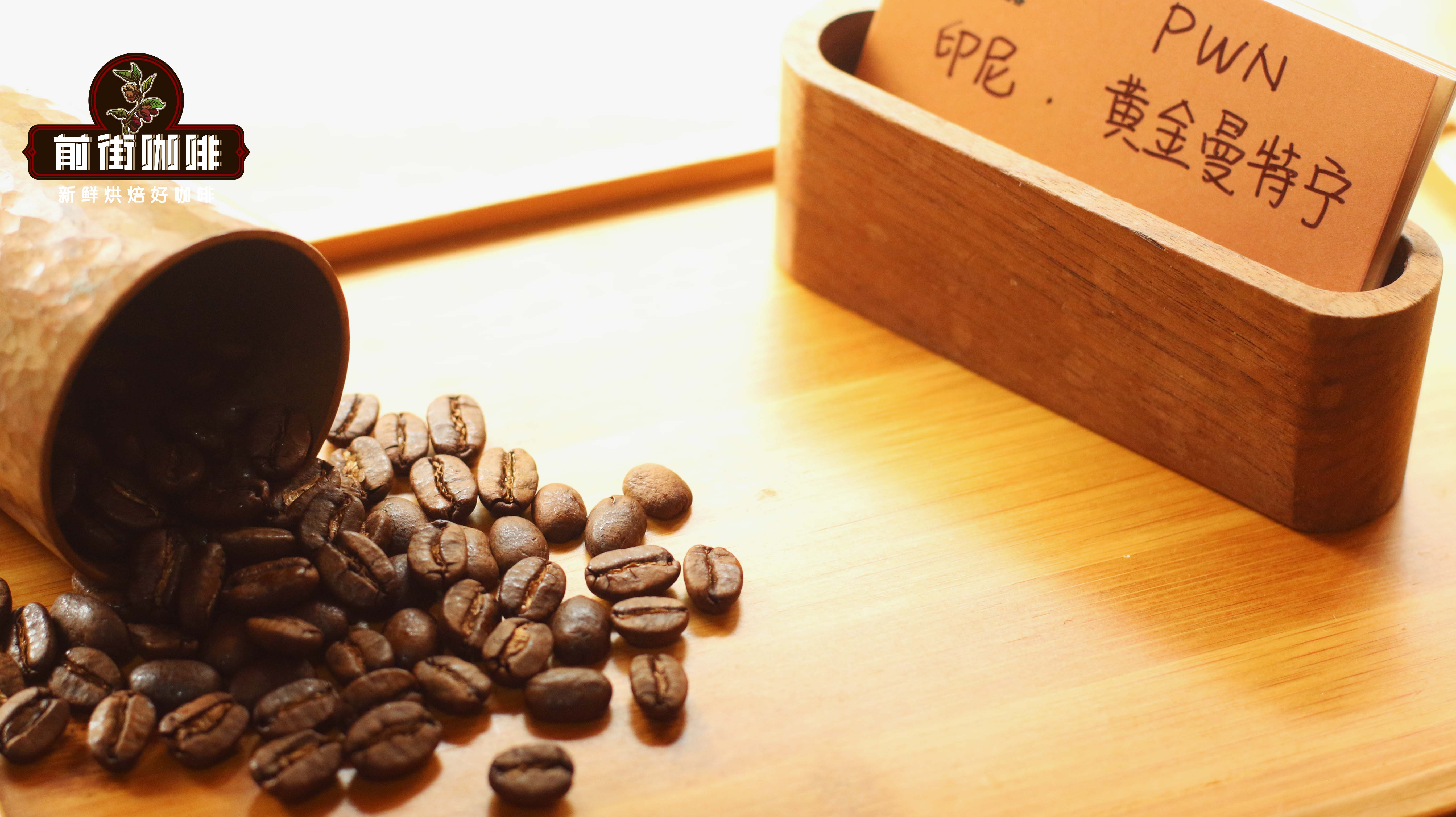
You know, a cup of delicious dark roasted coffee should bring a comfortable experience. For example, the PWN Gold Mandheling Pour over(V60) coffee on Front Street Street, which is on the major rankings, has a rich taste, mellow caramelization aroma, clean aftertaste, clear sweet aftertaste, and prominent flavors of spices, fir, caramel, dark chocolate, and caramel.
So when coffee tastes bitter, what causes it?
1. Brewing time is too long
I believe many people know that the release rates of various substances in coffee are different when washed by hot water. Macromolecular substances that are mainly bitter and astringent usually dissolve concentratedly at the end. Therefore, the astringency of coffee is often accompanied by a bad bitter aftertaste. From an extraction logic point of view, the longer the coffee is brewed, the stronger the flavor will be, and the later it will be, the easier it will be to release the bitter taste.
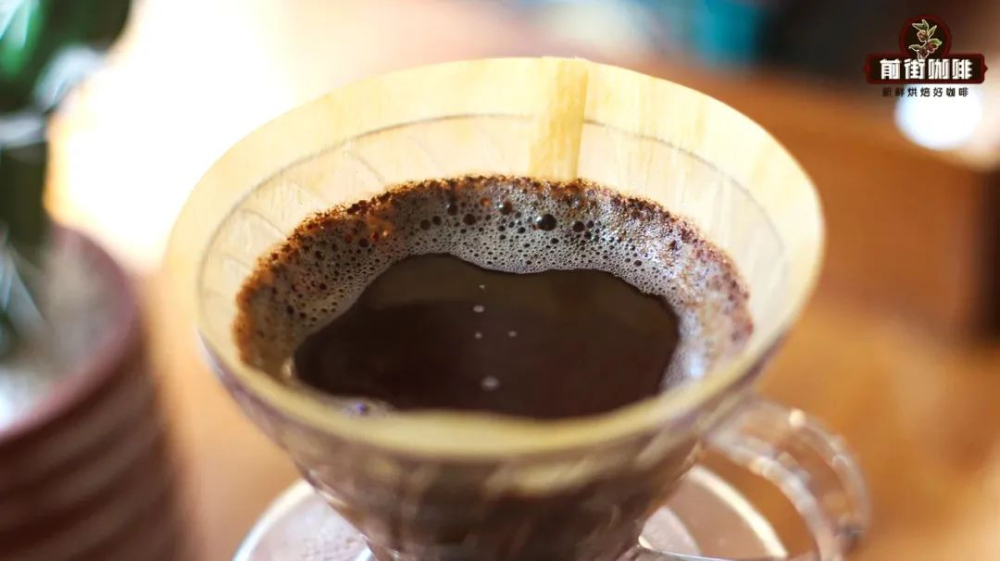
Therefore, if you want the coffee to be extracted reasonably, you must control the brewing time. Taking a single serving of 15 to 16g of coffee powder as an example, Front Street recommends no more than 2 minutes and 30 seconds. When your actual brewing time exceeds two and a half minutes, and you do taste bitterness, then if you want to improve the taste of the coffee, you must adjust the parameters according to the actual situation.
For example, there is a large amount of wet clay powder on the surface of the powder pit after flushing, which means that too much fine powder has caused water accumulation, and the coarse grinding degree needs to be adjusted;

If most of the coffee grounds are concentrated at the bottom and look very flat, then the most likely reason is that the water injection force is too small and the powder bed is not lifted. The water can only be forced to slowly seep down through the thick barrier layer, thereby delaying the brewing time. The solution is to increase the flow of the water column after steaming, so that the water level is raised to 2/3 of the height of the filter cup.
2. The water flow is too strong
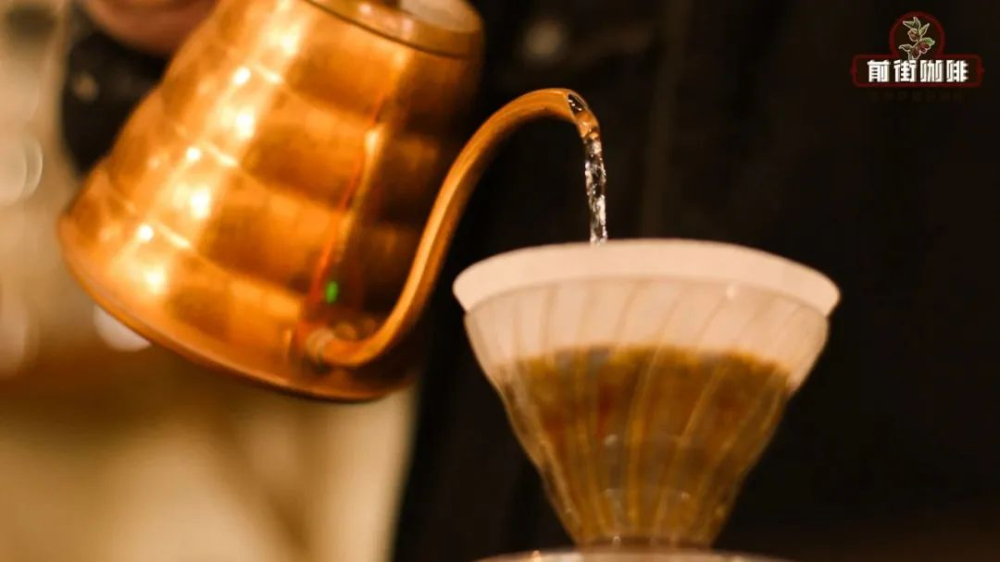
According to Front Street observations, there are two main reasons why water injection problems cause astringency: the first is that unstable water flow leads to uneven extraction of particles, which makes the coffee sour and astringent; the other is mostly caused by friends who are accustomed to stirring the coffee powder layer with large water flow, so that it is easy to wash away the miscellaneous flavors and astringency in the later stage of extraction.

Unlike other parameters, water injection is a practical skill that requires continuous practice. To achieve even brewing, Front Street recommends using a vertical water column, maintaining a height of 3 to 4cm from the powder layer, and then slowly injecting it in a circle.
3. The extraction efficiency of the filter cup is too high
For many newcomers, the material of the filter cup is one of the most easily overlooked causes of over-extraction. For example, ceramic filter cups have the characteristics of high specific heat capacity. Preheating in advance can ensure good heat preservation during the entire water filling process, but it also "quietly" improves the extraction efficiency of coffee, thereby making the astringency in the tail section more likely to be released.
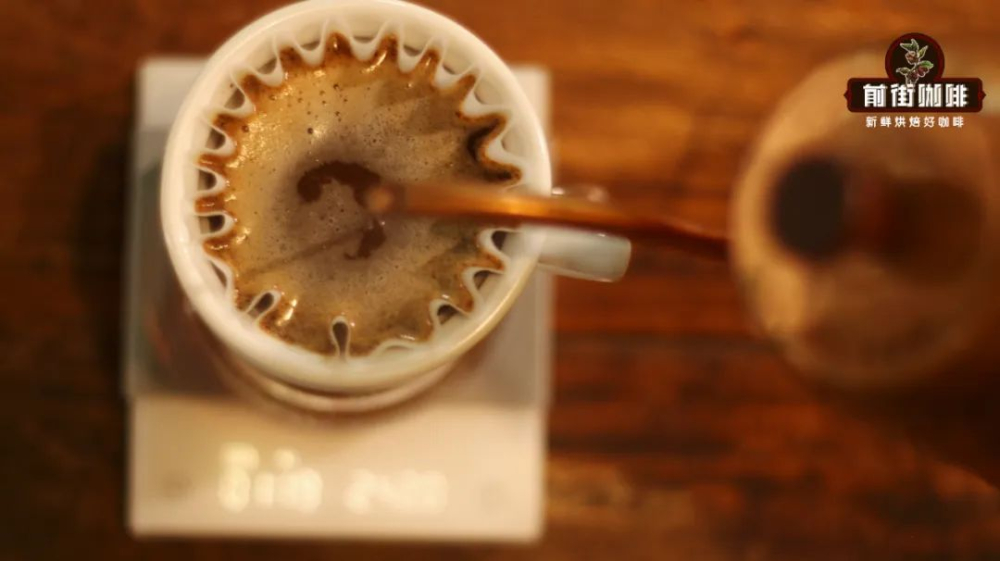
So when we drink coffee that feels astringent, and the filter cup we use is made of ceramic, and the first two points have been eliminated, we might as well start with the temperature and try lowering the brewing water temperature by 2 to 3°C to reduce the risk of over-extraction.
You can now buy the above coffee beans online at the Taobao store “FrontStreet Coffee” (前街咖啡). FrontStreet Coffee is a long-established specialty coffee roaster in Guangzhou, China, and its Guangzhou retail shop sells coffee beans only. The shop carries dozens of coffee beans from different origins around the world, including carefully selected single-origin beans for V60 pour-over and espresso. Guangzhou’s FrontStreet Coffee shop is recommended by many coffee lovers.
The FrontStreet 2013 Yunnan coffee beans sold in the store come from the Typica variety grown at FrontStreet Coffee’s own plantation in Yunnan. The name comes from the year the brand and the plantation were founded. You can buy these beans from China’s Yunnan origin at the Guangzhou shop and at FrontStreet’s Taobao store.
FrontStreet coffee beans are freshly roasted within 5 days and deliver consistently excellent quality and great value. Orders placed before 17:00 are shipped the same day, and most areas within Guangdong Province receive them the next day.
FrontStreet Coffee Taobao store: https://qianjiecoffee.taobao.com
Or search for “前街咖啡” (FrontStreet Coffee) on Taobao
Important Notice: FrontStreet Coffee has moved to a new address: 315, Donghua East Road, Guangzhou (coffee beans only)
Tel: 020 38364473
