
Even though the sweetness in coffee does not entirely come from sugar, the sweetness is enough to make us secrete pleasant dopamine, so everyone’s pursuit of coffee will always put “sweetness” first.
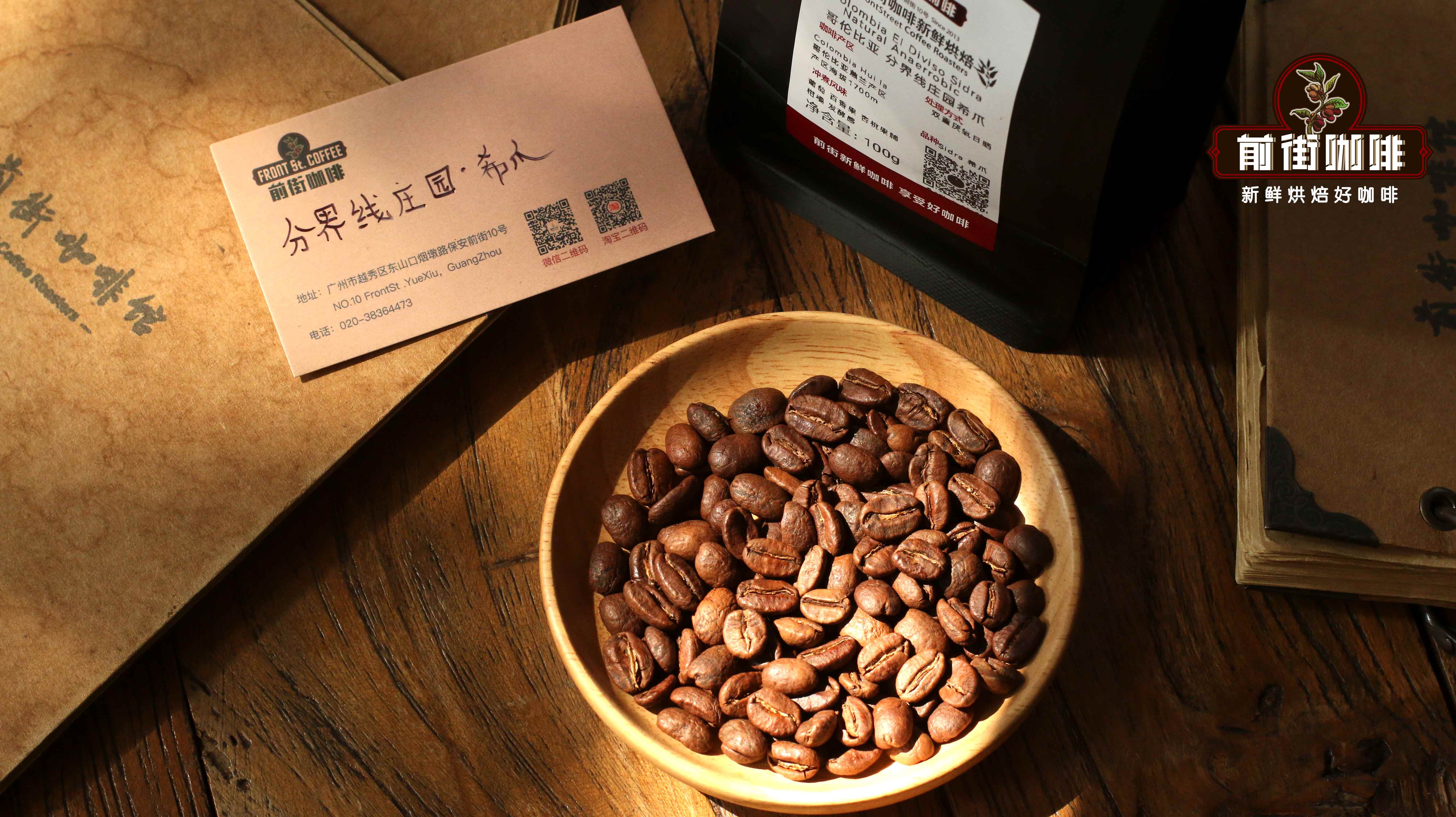
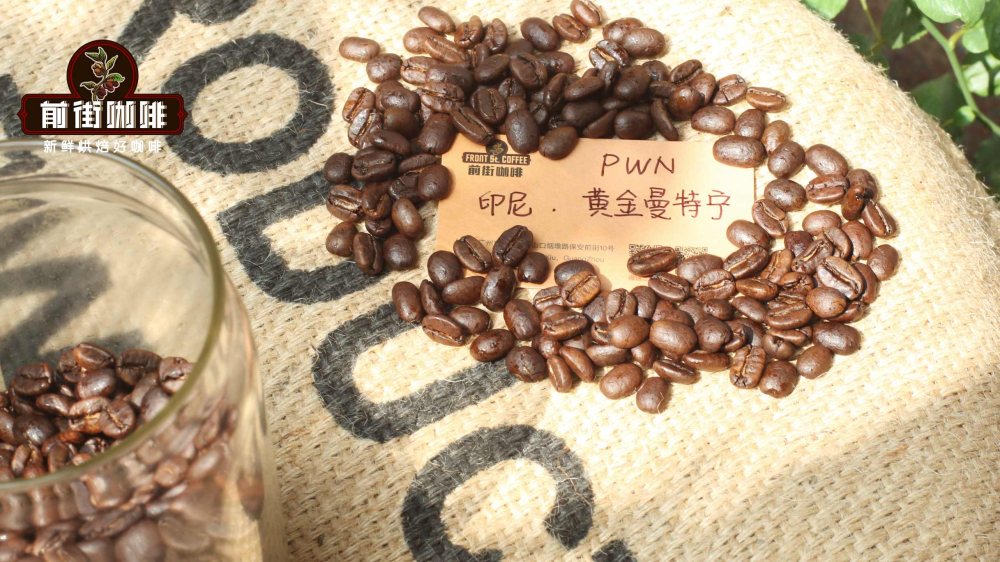
If you like coffee that is sweeter and has a fruity aroma, your first choice is medium-light roasted types such as Front Street Strawberry Candy, Front Street Blackberry, and Front Street Claw. If you like coffee with a mellow taste and a sweet aftertaste, choose medium-dark roasted types such as Front Street PWN Golden Mandheling and Front Street Queen's Manor. Really sweet coffee is rare, so of course you have to brew it well.
In contrast, bitterness is the most unpleasant taste. It will make us resist the cup of coffee and make it difficult to swallow. So, is there any brewing method that can avoid the release of a large amount of bitterness and only retain the sweetness of coffee?
There really is! Front Street often says that the flavors in coffee will dissolve at different speeds due to different molecular sizes. First it's sweet and sour, and finally it's bitter. If we don’t want too much bitterness in the coffee, we just need to control the brewing to end before the bitterness is dissolved in large amounts.
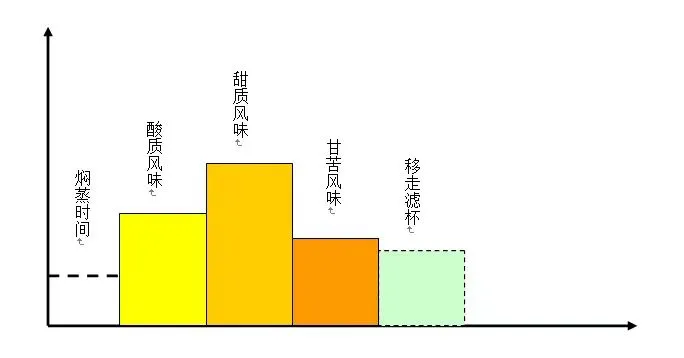
Of course, this does not mean that you have to pinch off the end of the coffee extraction, because if it is not preset, then this will deviate from your original extraction. What Front Street wants to share today is not a certain brewing method or brewing parameters, but a brewing idea, an idea that can make coffee sweet but not bitter. It is - high concentration and low extraction.
What is high concentration and low extraction?
In order to understand the idea of "high concentration and low extraction", we need to first have a brief understanding of Jinbei extraction. The so-called golden cup extraction means that coffee has a range that everyone generally thinks is delicious. As long as we control the concentration and extraction rate within this range when brewing coffee (concentration 1.15-1.35%, extraction rate 18-22%), then this cup of coffee will be liked by most people. Because the concentration and extraction rate are balanced, the coffee not only has the right concentration, but also tastes very good.
As for the idea of high concentration and low extraction, we can understand it as controlling the concentration and extraction rate of coffee to the higher and lower parts of the Golden Cup extraction range respectively. For example, the concentration of the coffee we brew is 1.35% and the extraction rate is 18%, then we can understand it as "high concentration and low extraction". Of course, this is just a metaphor. Even if your concentration is higher, reaching 1.45%, and the extraction rate is lower, reaching 17%, it is still a cup of high-concentration and low-extraction coffee.
But what you need to know is that "low extraction" does not mean that the extraction rate must be very low. It is just a relatively low extraction rate that can avoid the release of the miscellaneous flavors in the tail. If the extraction rate is too low, the coffee will be very bland due to insufficient substances, or it will be sour due to too much acidity. Therefore, what we have to do is to increase the concentration while maintaining the extraction rate within an appropriate range.
As we all know, Japanese people have a special liking for dark roasted coffee. But the darker the beans are roasted, the easier it is to extract the bitter substances. What Japanese like is the rich taste of dark roasted coffee, the calm taste of spices and chocolate, not the "torturous bitterness".
Therefore, at a time when extraction theory was not yet fully popularized, they developed many classic brewing methods! The extraction of these coffees will have a distinctive feature: large powder volume and low liquid weight. Without exception, the final coffee extracted is sweet but not bitter.
And this is the pioneer of high concentration and low extraction. By reducing the liquid weight and increasing the extraction rate, you can obtain a cup of coffee with extremely high concentration but a suitable extraction rate. But at the same time, because the concentration of coffee is very high, after brewing, they will add hot water to dilute it to the appropriate concentration before serving it to guests.
If you don’t want to use this cumbersome brewing method, then we can also design a high-concentration and low-extraction brewing plan ourselves. After all, as Front Street said, “high-concentration, low-extraction” is a brewing idea. The brewing method often shared by Front Street is actually a high concentration and low extraction version! Everyone can refer to it!
Taking light roasted coffee as an example, just lower the parameters of dark roasted coffee! Powder amount: 15g, grinding: ek43 10 scale, 80% sieving rate of No. 20 mesh, water temperature: 92°C, powder to water ratio 1:15, brewing method: three-stage, filter cup: V60, extraction time: 2 minutes.
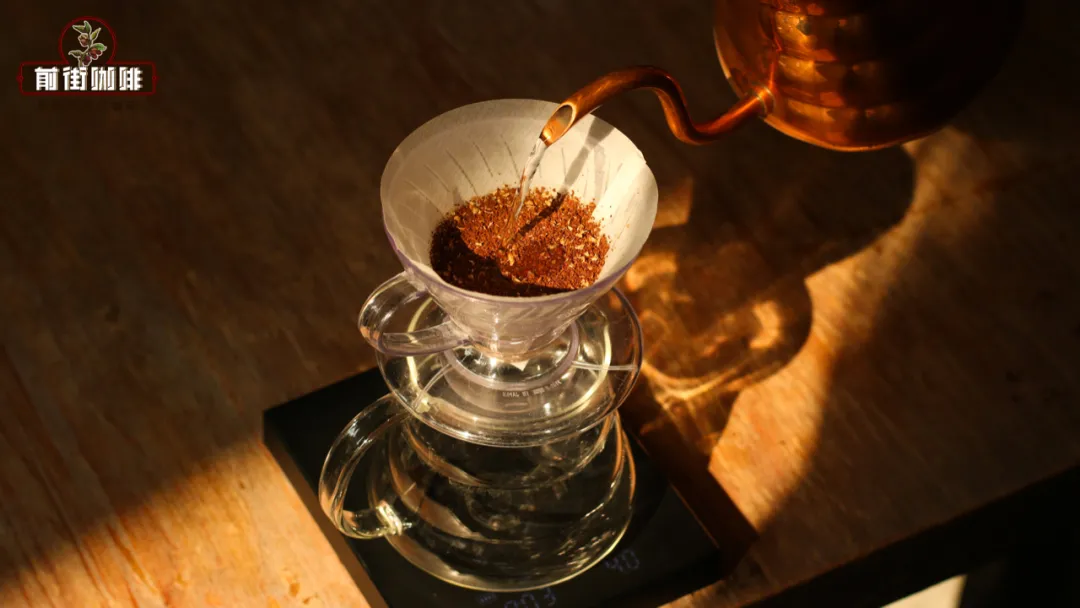
Under these parameters, the extraction rate of the brewed light roasted coffee will be around 17.8-19.5%, and the concentration will be between 1.28-1.42%. The flavor of the coffee is full and rich, with bright acidity. We can apply this idea to other brewing methods. By reducing the amount of hot water injected and increasing the extraction rate, the concentration of coffee can be increased and the extraction rate can be limited to an appropriate range.
Restretto in the Italian system is such an operation. Based on the original concentration, the grinding is finer and the water used for extraction is reduced, allowing a small amount of liquid to be extracted to extract more substances. As the concentration increases, the extraction rate is not high, so the coffee is sweet but not bitter.
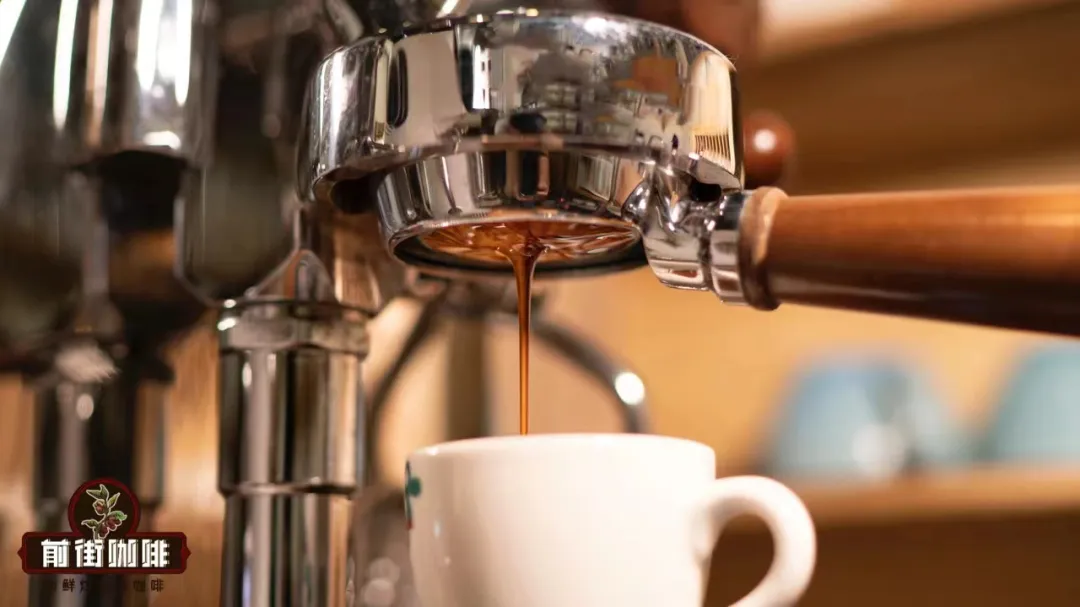
But what we need to pay attention to is that too extreme high concentration and low extraction will have disadvantages! Because it sacrifices a lot of tail material, the flavor, richness and aftertaste will be reduced. If it is some high-quality beans, then we’d better not use the high-concentration and low-extraction brewing method. And if there are some beans that are roasted for a long time, dark roasted, anaerobically processed, etc., which are easy to extract bitterness, then the idea of high concentration and low extraction will be a very good choice.
You can now buy the above coffee beans online at the Taobao store “FrontStreet Coffee” (前街咖啡). FrontStreet Coffee is a long-established specialty coffee roaster in Guangzhou, China, and its Guangzhou retail shop sells coffee beans only. The shop carries dozens of coffee beans from different origins around the world, including carefully selected single-origin beans for V60 pour-over and espresso. Guangzhou’s FrontStreet Coffee shop is recommended by many coffee lovers.
The FrontStreet 2013 Yunnan coffee beans sold in the store come from the Typica variety grown at FrontStreet Coffee’s own plantation in Yunnan. The name comes from the year the brand and the plantation were founded. You can buy these beans from China’s Yunnan origin at the Guangzhou shop and at FrontStreet’s Taobao store.
FrontStreet coffee beans are freshly roasted within 5 days and deliver consistently excellent quality and great value. Orders placed before 17:00 are shipped the same day, and most areas within Guangdong Province receive them the next day.
FrontStreet Coffee Taobao store: https://qianjiecoffee.taobao.com
Or search for “前街咖啡” (FrontStreet Coffee) on Taobao
Important Notice: FrontStreet Coffee has moved to a new address: 315, Donghua East Road, Guangzhou (coffee beans only)
Tel: 020 38364473
