
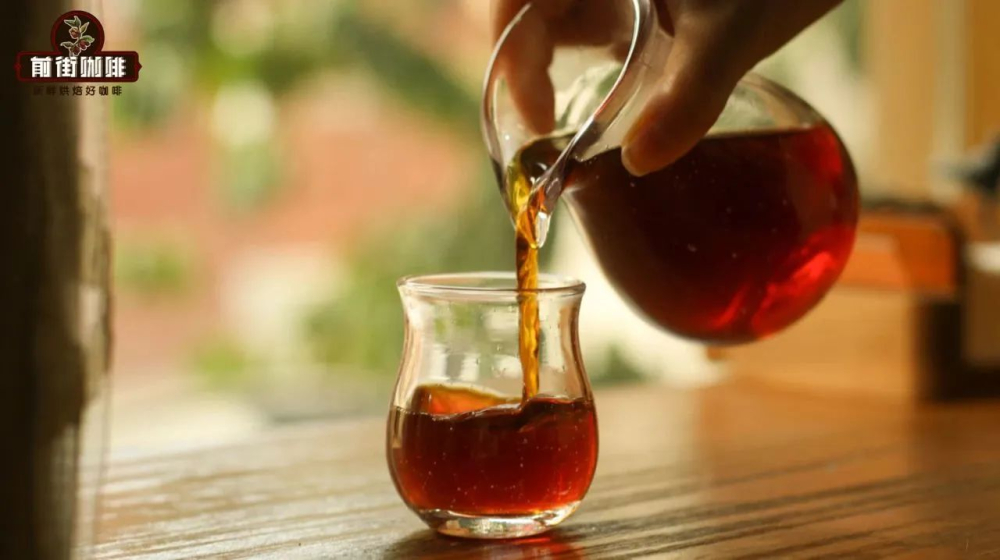
Friends who like to go to specialty cafes should know that Front Street Mandheling coffee is well-known for its unique herbal aroma and excellent mellowness, so it is especially suitable for those who prefer strong tastes. In recent years, there is a Front Street Oiran coffee from Ethiopia that has a full fruit aroma and fresh acidity and is favored by many sweet-loving friends. As one of the two most popular coffee beans on the market, why is there such a big difference? Today, let Front Street lead everyone to find the answer.
Mandheling and Oiran, which countries are they from?
As a classic coffee born in the last century, Mandheling may have appeared much earlier than you think. It comes from Sumatra, an archipelago country in Indonesia. It is well-known for its unique aroma and is different from low-altitude Robusta. It has various names mainly based on different characteristics, such as Front Street Aged Mandheling, Front Street Golden Mandheling, Front Street Lindong Mandheling, etc.
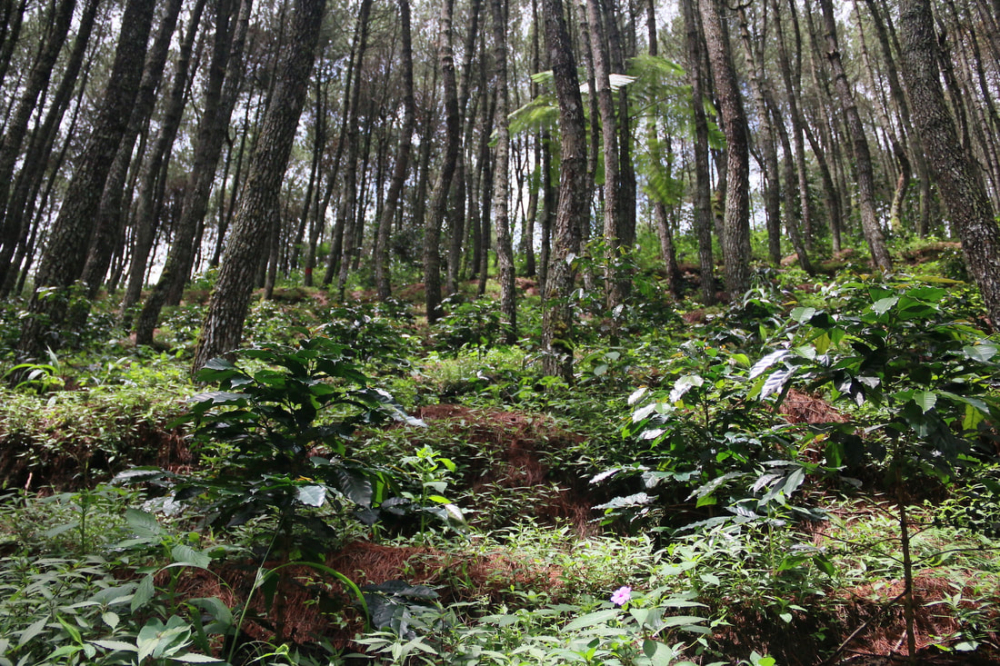
According to Front Street, Indonesia is the largest archipelago country in the world. Coffee had been introduced to Java Island by the then colonial Dutch as early as the 18th century and began to be cultivated, and it also spread to other islands. Arabica varieties with elegant flavors are concentrated in several islands with higher altitudes: northern Sumatra, Sulawesi, and Java. The entire island of Sumatra is divided into eight provinces, of which only the high-altitude Aceh and Subei provinces have large-scale Arabica coffee cultivation. Local people mainly plant coffee trees around the two volcanic lakes, Lake Tawar and Lake Toba. Among them, the Gayo Mountains in the Tawa Lake area in central Aceh Province have ideal coffee growing conditions.
Sumatra Island is located in a tropical rainforest area. It rains all year round and the temperature and humidity in the air are relatively high. Here, coffee is mainly grown on hillsides at an altitude of 1,200-1,800 meters. Organic methods are widely used to grow coffee. Coupled with a long planting history, the coffee produced here has higher quality and higher yields. In addition, volcanoes have brought fertile planting soil to Sumatra. The coffee here often has a flavor spectrum of spices, chocolate, herbs, and wood, and has a mellow and smooth taste.
Compared with Mandheling, a classic that has accumulated over the years, Oiran Coffee, which did not come out until the 21st century, looks much younger. First of all, I want to make it clear that the pleasant name Oiran does not refer to the variety, place name, or manor, but refers to a sun-dried batch that won the championship in the Ethiopian TOH green bean competition in 2017. The well-known stage name of "Oiran" was actually given to it by domestic bean merchants based on the Chinese context after this bean successfully won the championship that year, and it means "the leader of hundreds of flowers." Later, with the support of major merchants' promotions, it gained the title of "comparable to Gesha".
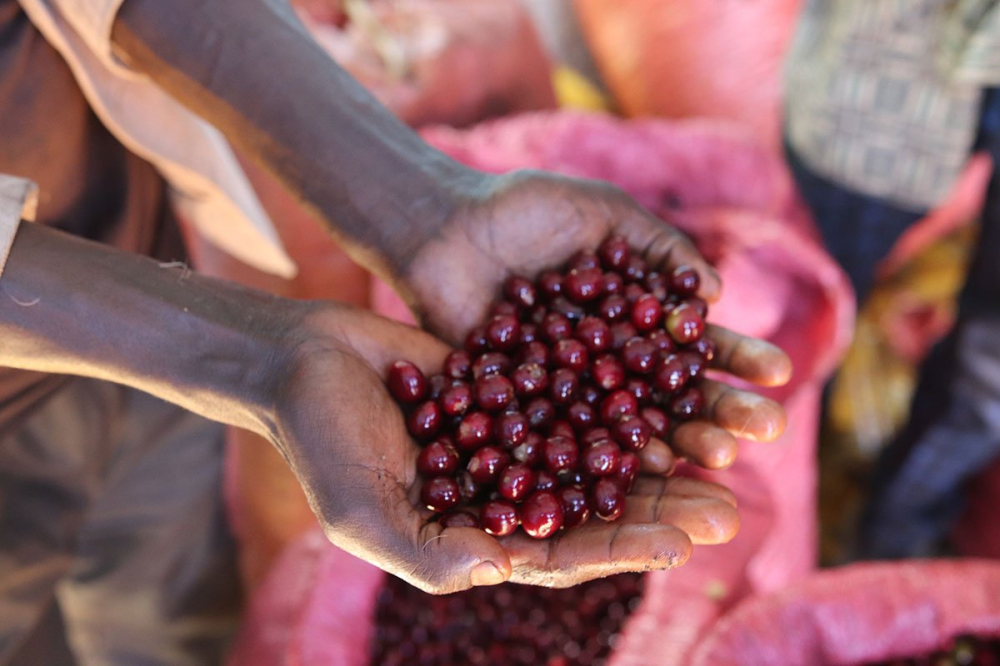
Since its debut in China, the combination of its reputation, good quality, rich and juicy fruit taste, affordable price, and super high extraction compatibility (easy to brew) has not only made Oiran stand out among the Ethiopian coffees, but also made it the first choice for many friends when they first try a single product. However, since the 2018 production season, the Front Street Oiran (sun-dried G1 coffee beans) from the same planting area and the same processing station has had some changes in taste. Front Street discovered through cupping at the time that although the 2018 and 2019 Front Street Oiran had a similar flavor to the 17-year-old Front Street Oiran, they were not as good as the "first-generation Oiran" in terms of body and finish.
Therefore, in order to continue to sell this sun-dried coffee produced in Hambera, and at the same time make a certain difference from the original version, the domestic green bean trading company formulated the suffix X.0 for each subsequent batch according to the calculation after 2017. , for example, the batch produced in 2018 is called "Oran 2.0", the ones produced in 2019 are called "Oran 3.0 and 3.1"... The ones launched last year are called "Oran 7.0", the ones produced in 2024 are called "Oran 8.0", and so on. In this way, we can use this suffix to identify the batch of the oiran we bought and which year it belongs to.
What is the difference between wet planing and sun drying?
I don’t know if you have noticed that there is a column of information about processing methods in the introduction of coffee beans, such as water washing, sun drying, honey treatment, anaerobic sun drying, enzyme washing, etc. This is because the coffee beans we see are not directly picked, but need to go through different steps to peel off the skin and pulp and dry them in the sun. Different processing methods actually determine the state in which the coffee beans are dried, and ultimately form more or less flavor differences. Take the Front Street Mandheling and Front Street Oiran introduced today. Front Street Mandheling uses the wet planing method, while Front Street Oiran uses sun drying.
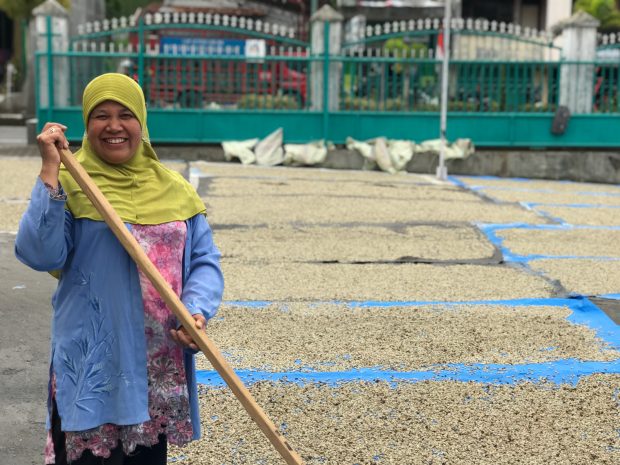
Everyone knows that Front Street Mandheling is produced in Sumatra Island, Indonesia. The biggest difference from many coffee-producing areas is that the local weather in Indonesia is changeable, humid and rainy, with humidity ranging from 70 to 90% throughout the year. Sometimes it is sunny in the morning and rains heavily in the afternoon. Typhoons can come at any time, and the annual rainfall can even reach more than 2000mm. In such a harsh climate, it is very difficult and time-consuming to completely dry the shelled beans to the specified moisture content. Indonesia is a major coffee country that aims at mass production. In order to shorten the processing time of coffee beans and sell them as quickly as possible, people have summed up a unique semi-washing method: the wet planing method.
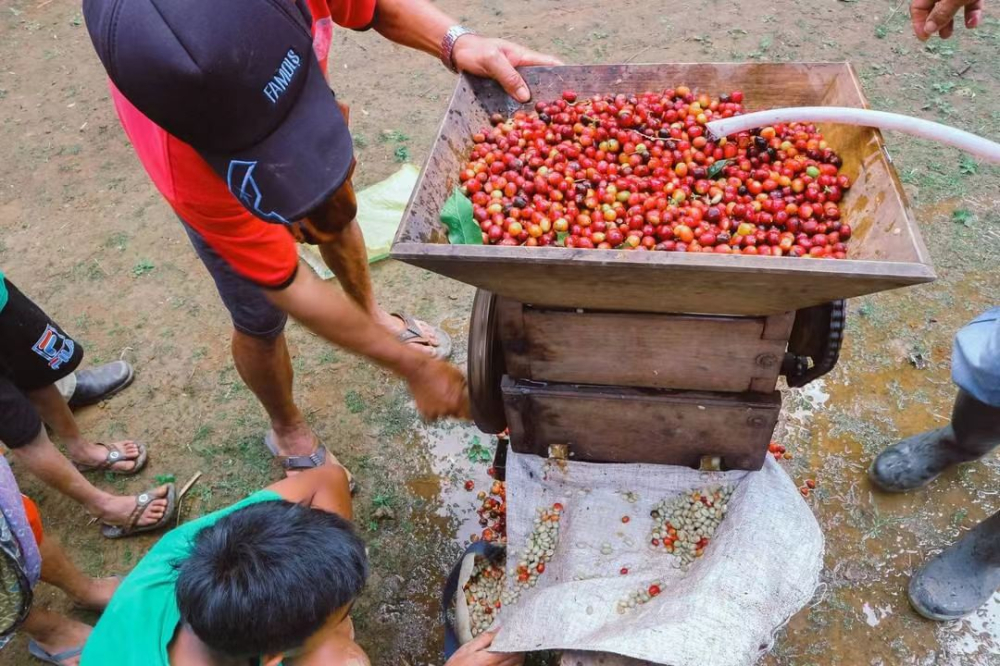
Initially, sun-drying processing was the main method here, but the quality was unstable. Later, it was changed to a semi-sun-drying method similar to Brazil. However, it is not as arid as Brazil. It is impossible to remove the coffee peels and take out the sticky shelled beans and dry them outdoors for several days. This is because doing so in hot and rainy Indonesia will only cause them to mold directly, so they will only be dried outdoors for one or two days. When the moisture content of shelled beans drops to 30-50%, they will be purchased by brokers. At this time, the pectin layer has not yet solidified, and the beans are still semi-hard and semi-soft. However, they need to be brought back to the processing plant in time and used a special machine to grind off the seed shells to avoid excessive fermentation and sour smell.
Since shelling is more difficult under the wet planing method, the machine needs to use greater friction to tear apart the parchment layer that is tightly attached to the green beans. At this stage, white or green mucus usually flows out. Due to long-term mucus soaking and humid environment, the green beans finally become soft, white and swollen, turning gray-green. After being stirred by friction, the green beans are more likely to be crushed or squeezed, especially at the two ends, forming small gaps like sheep's hooves. This is why the rate of sheep's feet in Sumatra is higher.
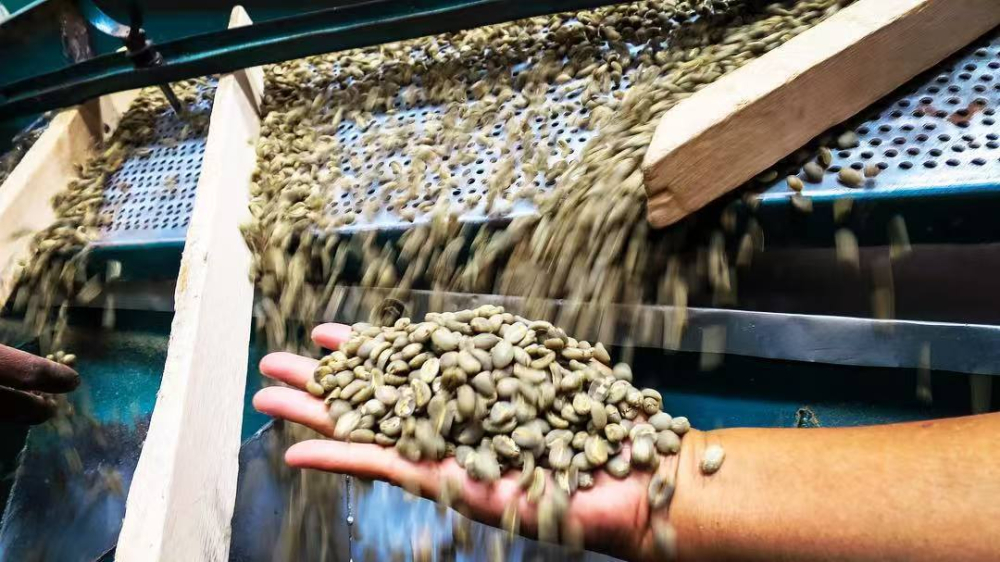
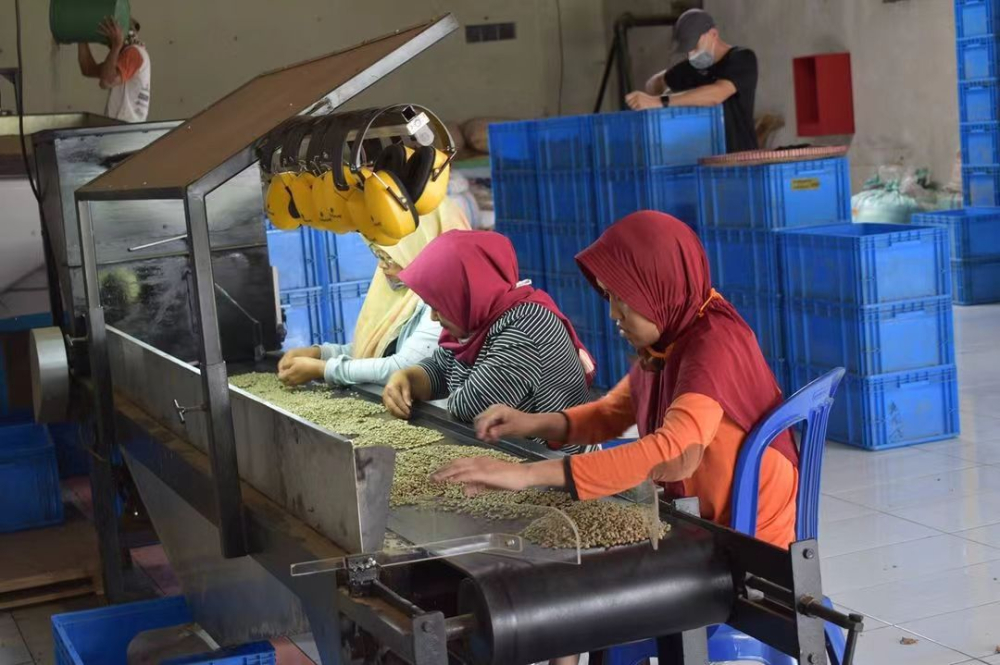
You know, coffee beans have four layers of protection: peel, pectin, seed shell, and silver skin. However, the wet planing method removes the third and fourth layers of protection midway. In other words, the coffee beans directly expose their "inner beans" to receive sunbathing. After the shells of the shelled beans are ground by a machine, they continue to be dried until the moisture content reaches about 12% to 15%, and then they can be bagged. Finally, the coffee beans are sent to a machine for sorting to remove various impurities and then sorted by particle size.
The "naked beans" without the parchment skin dries very quickly, and are also directly exposed to sunlight and moisture, and are multiplied by various bacterial species, giving Indonesian coffee a unique aroma of wood, spices, and herbs. This is what we call the "flavor of place". It can be seen that the unique herbal aroma and agarwood smell of Mandheling are caused by the high local humidity, and the entire post-processing process is forced to be divided into three stages to dry the pectin layer. This is also a rare processing method in the world, which accidentally creates the special low-acid, thick and sultry flavor of Front Street Mandheling.
The sun-dried Front Street Oiran has more of a rich fruity aroma brought about by natural drying. The sun-drying method is called "Natural" in English, which means a natural and non-scientific processing method. Since the discovery of coffee in Ethiopia in the sixth century AD, the sun-dried method has been the only processing technology used for coffee in the Arab world.
The traditional sun-drying method does not require contact with water at all, and the seed extraction process is also very simple. First, dry the whole coffee fruit and then use a machine to crush and shell it to get the inner beans. This can be done where there is sunlight. However, the disadvantage of sun-dried coffee is also very obvious, that is, it is highly dependent on the weather and requires up to a month of drying time. If it is windy or rainy during this month, it will most likely be wasted. Therefore, this ancient processing method is often concentrated in tropical countries with distinct dry and wet climates.

Since solarization treatment does not require high technical content, basically every small farmer can handle it by himself. The entire drying process only requires sunlight on sunny days, so the cost of production is low. It is most common in high-altitude coffee-producing areas. However, some production areas that pursue exquisite flavor will first flotate the coffee cherries to remove under-ripe fruits and gravel debris, and then lay them flat on elevated drying beds to dry them. The purpose is to stay away from the ground and prevent the coffee cherries from being infected by reptiles, dust, and bacteria. During the sun-drying period, a dedicated person will check the dryness of the coffee cherries and pick out the wormy, exploding and moldy berries to prevent these bad berries from affecting other coffee.
Since the inner beans of sun-dried coffee are wrapped in pulp and dried throughout the process, the fermentation time of the coffee cherries is longer, and the reaction between the bacteria and the pulp is higher. When the fruit begins to ferment, the microorganisms produce more volatile compounds, especially esters. These aromatic substances provide more floral aromas and fermented aromas of tropical fruits to the cooked coffee beans, such as furan compounds, which make sun-dried coffee have a wider flavor range and taste sweeter.
Why is Mandheling bitter and Oiran sour?
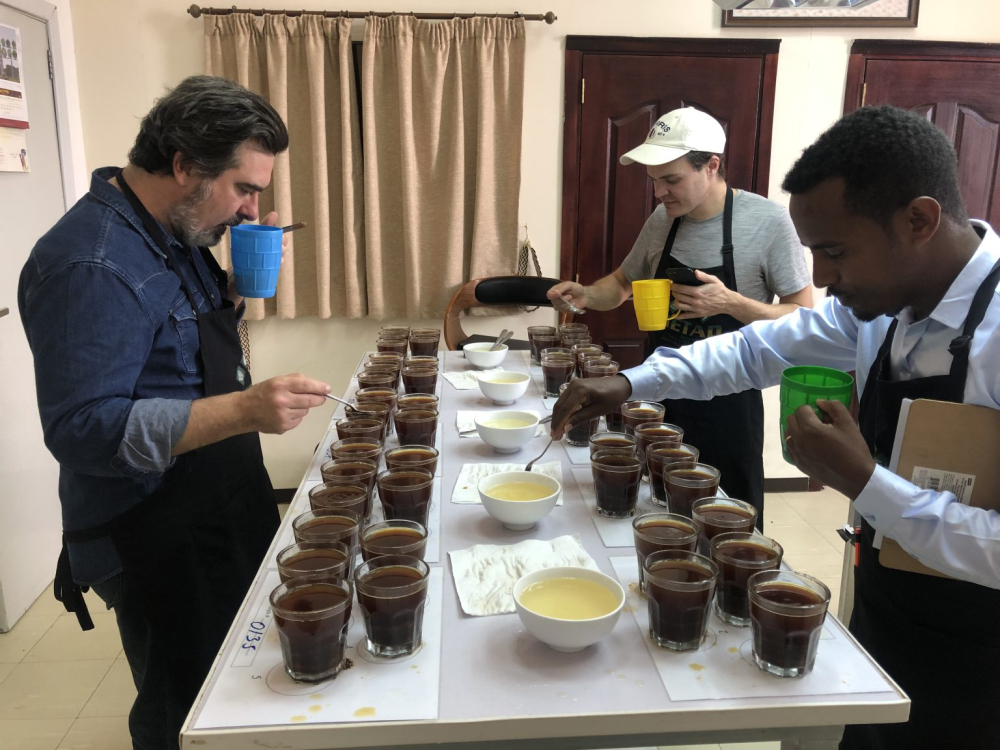
As mentioned at the beginning of Front Street, Mandheling was born in the era of "bitter coffee". At that time, almost all coffees around the world were darkly roasted, with mostly caramelized aromas, emphasizing the solid coffee flavor. After being darkly roasted, Front Street Indonesian Mandheling not only has the above characteristics, but also highlights the unique mellow feeling. The coffee entrance has unique aromas such as spices, pinewood, herbs, etc., and this has also formed the "Mandheling flavor" that people today pass on word of mouth.
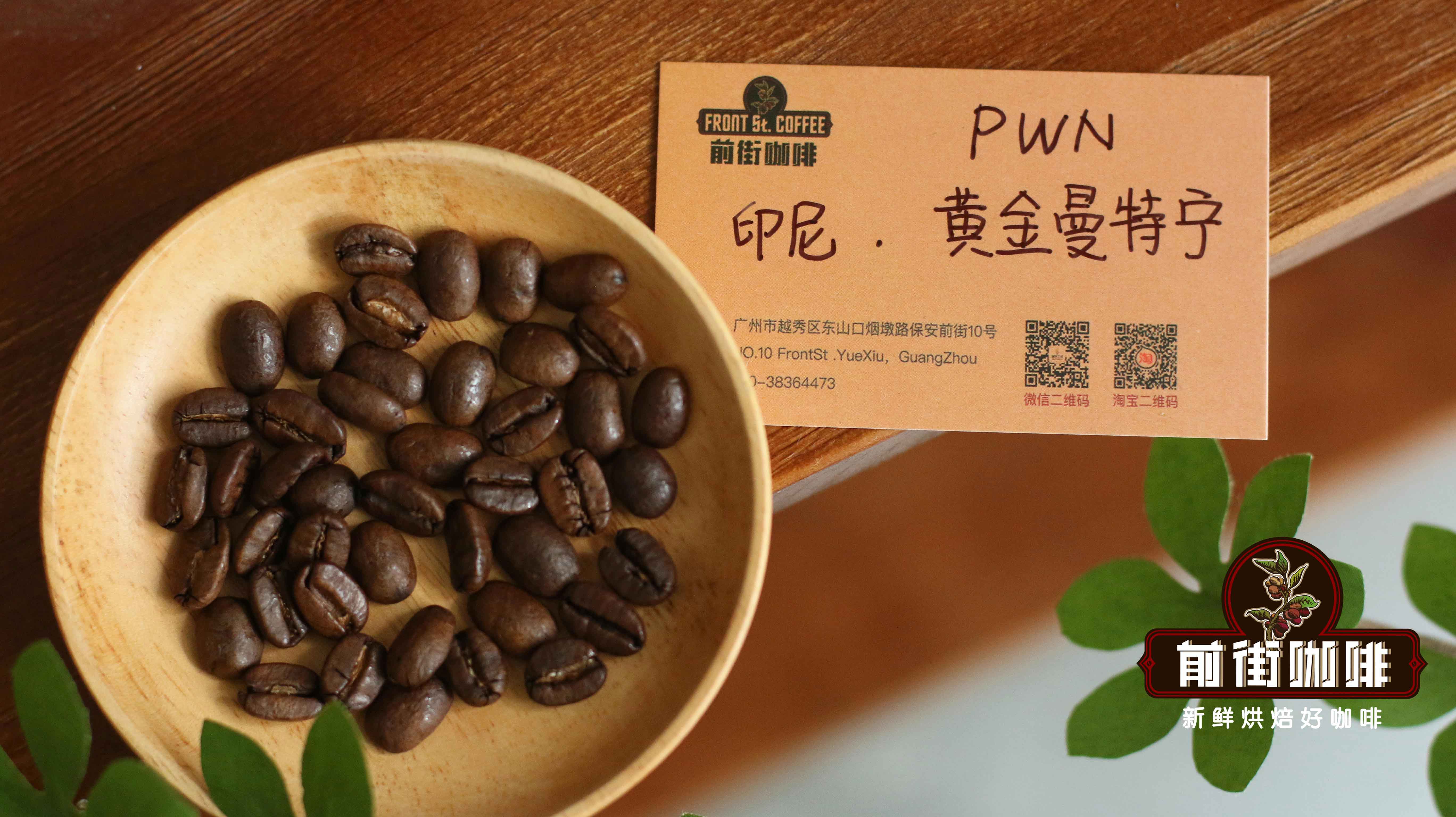
Experience tells us that the darker the roasting degree, the morecaramelizationThe more substances there are, the bitterer the brewed coffee will be; the lighter the roasting degree, the more acidity the coffee beans will retain, and the flavor will be dominated by fruit, floral, and tea.As a member of the young group, Front Street Oiran is famous for its fresh and elegant tones such as floral, creamy strawberry, and citrus. This is mainly due to its lighter roasting degree, which allows it to be properly caramelized while also showing more light flavor tones.
How to hand flush Mandheling?
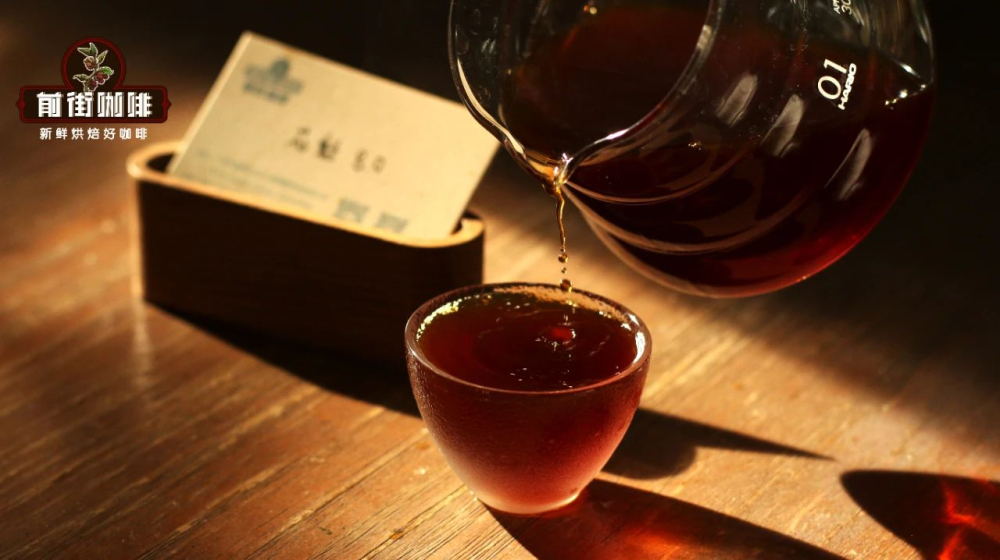
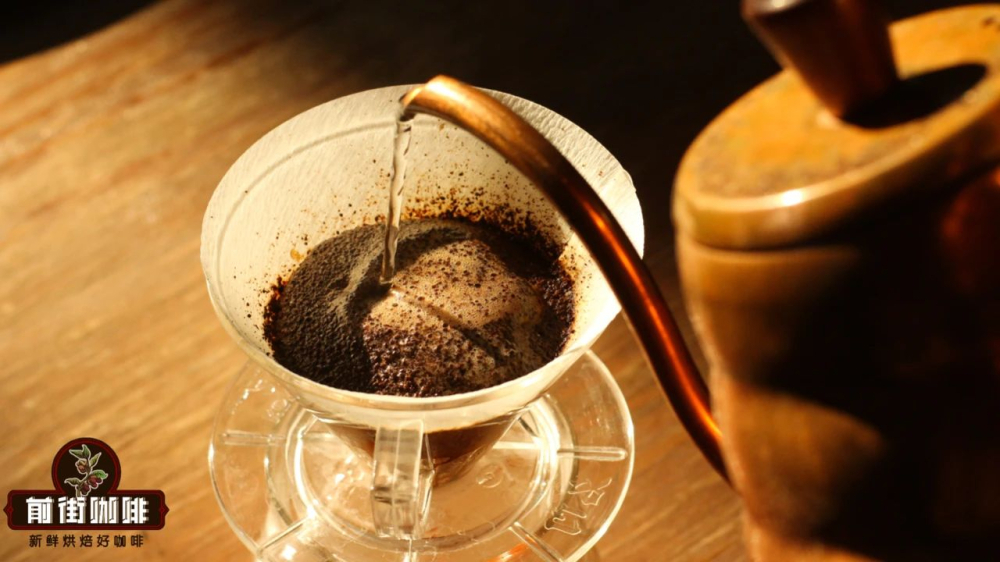
Front Street’s brewing ideas for each coffee bean are based on the characteristics of the coffee during cupping. For example, the flavors of Front Street Mandheling coffee include herbs, dark chocolate, caramel, nuts, pine, etc. For this type of mellow-toned beans, FrontStreet Coffee baristas use kono filter cups. The ribs of kono are less than half the height of the filter cup. This design is actually to ensure that the filter cup sticks to the wall of the filter cup after it is wet with water, limiting the air flow. This will increase the time for the coffee powder particles to absorb water, so that the extracted coffee will be more uniform overall and improve the mellow taste. The grooved frame under the Kono filter cup is a key design to create a siphon effect for subsequent brewing.
Because darkly roasted coffee beans are relatively loose and highly absorbent, it is easy to absorb too much water and become over-extracted. The brewed Front Street Mandheling coffee will be bitter and astringent. Therefore, Front Street will adjust the grinding degree to be coarser and use water with a lower temperature for brewing.
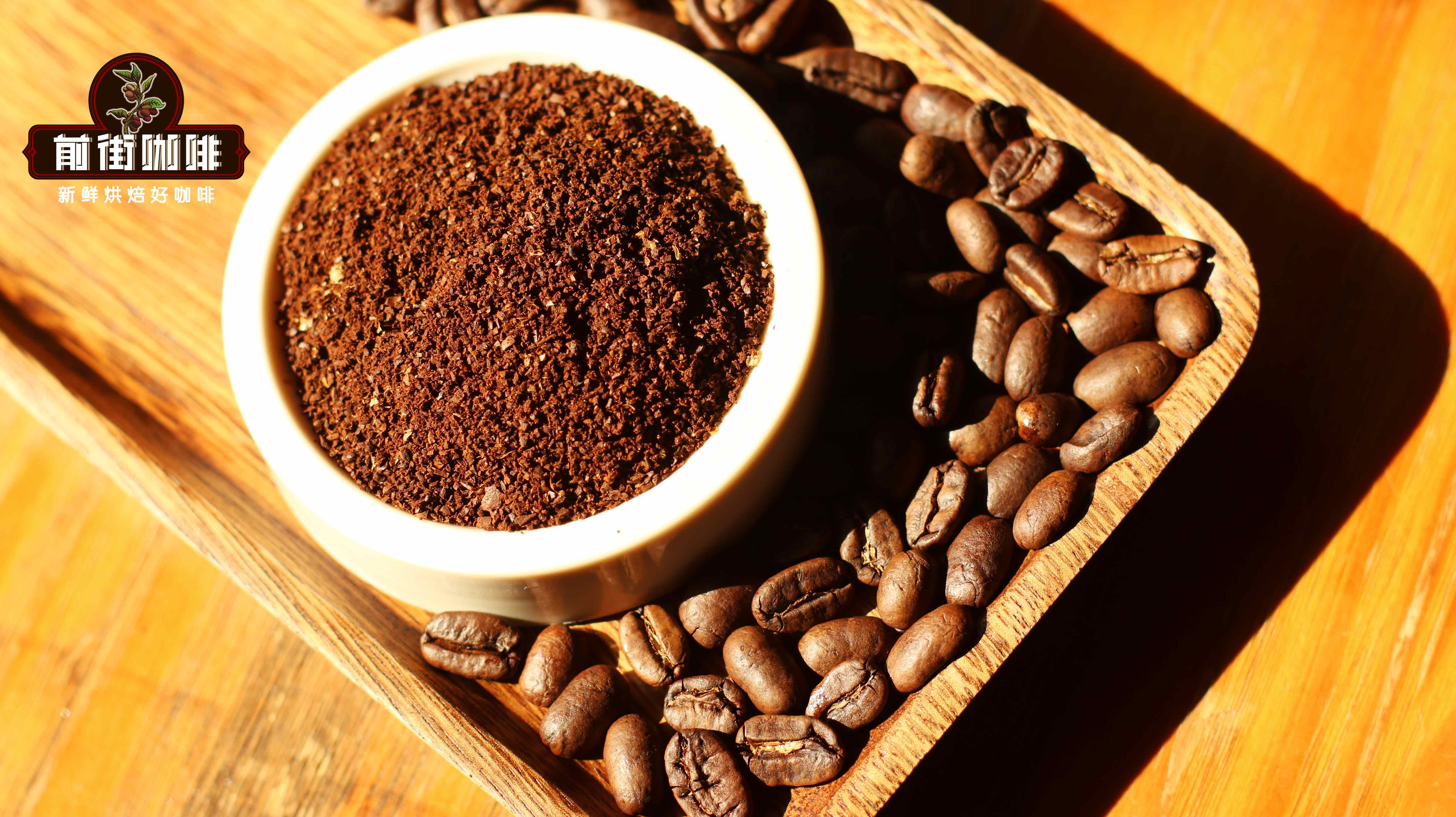
Recommended brewing parameters: Water temperature: 87~88°C Coffee powder: 15 grams Powder to water ratio 1:15 Grinding degree: medium grinding (Chinese standard No. 20 sieve pass rate 70%)
The brewing method uses a three-stage water injection method. The three-stage water injection can better express the mellow taste of Front Street Golden Mandheling coffee and the sweetness of caramel. In the first stage of steaming, 30ml of water is injected. This stage of water injection fully wets the coffee powder and exhausts it. In order to better extract the flavor of the coffee later, 100ml is injected in the second stage. This stage mainly flushes out the golden foam of Mandheling and raises the powder layer. In the last section, gently pour 95ml of water into the center. When all the coffee liquid has passed through, remove the filter cup and gently shake the coffee in the pot.。
How to brew Oiran 8.0 coffee?
Front Street hopes to bring out the full fruit flavor of Front Street Oiran and uses a medium-light roast. Through cupping, the dry aroma of Front Street Sundried Oiran 8.0 coffee has citrus, honey, berry and light fermentation aroma. The entrance is full of sweet and sour taste of passion fruit, creamy strawberry and sweet orange. The body is medium, with the aftertaste of black tea.
Filter cup: V60
Water temperature: 92-93 degrees Celsius
Powder amount: 15g
Pink to water ratio: 1:15
Grinding degree: the size of fine sugar (sifted in a No. 20 sieve bowl to 78%)
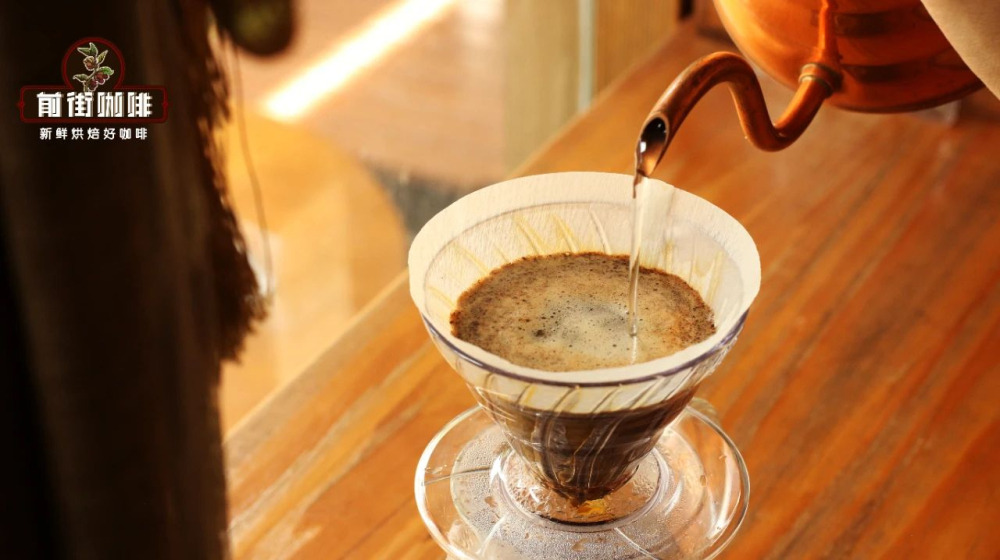
Three-stage water injection: Wet the powder bed with twice the amount of coffee powder to form a drum and steam it for 30 seconds. Then inject water in a small circle from the inside to the outside until it reaches 125g. When the powder bed drops to half of the filter cup, continue to inject the same thin water flow into the third section to 225g until all the coffee liquid has been filtered and take out the filter cup, which takes about 2 minutes.
You can now buy the above coffee beans online at the Taobao store “FrontStreet Coffee” (前街咖啡). FrontStreet Coffee is a long-established specialty coffee roaster in Guangzhou, China, and its Guangzhou retail shop sells coffee beans only. The shop carries dozens of coffee beans from different origins around the world, including carefully selected single-origin beans for V60 pour-over and espresso. Guangzhou’s FrontStreet Coffee shop is recommended by many coffee lovers.
The FrontStreet 2013 Yunnan coffee beans sold in the store come from the Typica variety grown at FrontStreet Coffee’s own plantation in Yunnan. The name comes from the year the brand and the plantation were founded. You can buy these beans from China’s Yunnan origin at the Guangzhou shop and at FrontStreet’s Taobao store.
FrontStreet coffee beans are freshly roasted within 5 days and deliver consistently excellent quality and great value. Orders placed before 17:00 are shipped the same day, and most areas within Guangdong Province receive them the next day.
FrontStreet Coffee Taobao store: https://qianjiecoffee.taobao.com
Or search for “前街咖啡” (FrontStreet Coffee) on Taobao
Important Notice: FrontStreet Coffee has moved to a new address: 315, Donghua East Road, Guangzhou (coffee beans only)
Tel: 020 38364473
