
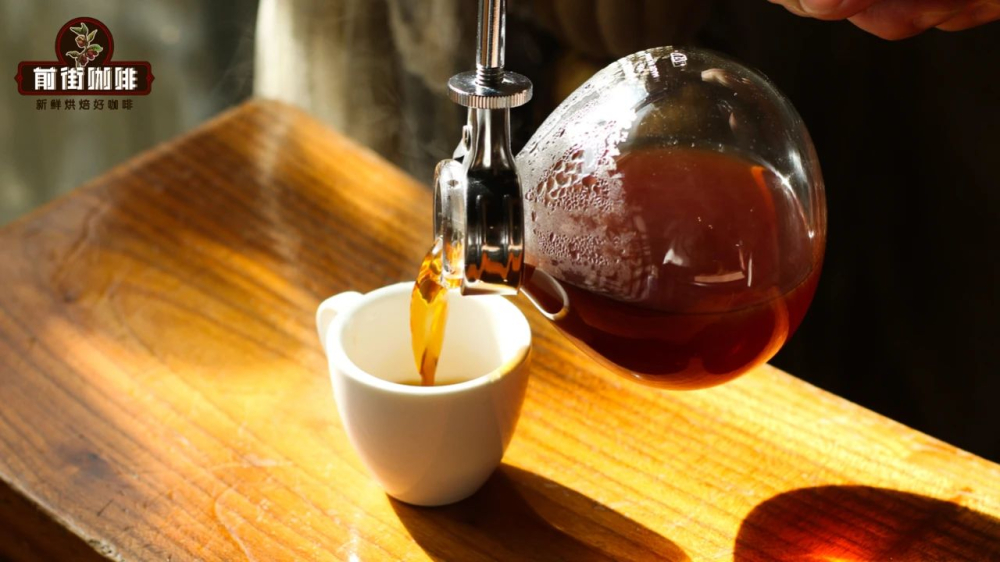
When we use the siphon pot correctly to make a pot of coffee, the coffee will have a fuller aroma and a richer taste. The reason is that the way the siphon pot filters the coffee powder is through a filter cloth, and the gaps in the filter cloth are relatively large and cannot filter out some fine coffee powder, so the coffee made by the siphon pot feels good in the mouth. In order for the final coffee to exhibit the above advantages, Front Street believes that you still need to pay attention to some details when using the siphon pot, and select the right coffee beans.
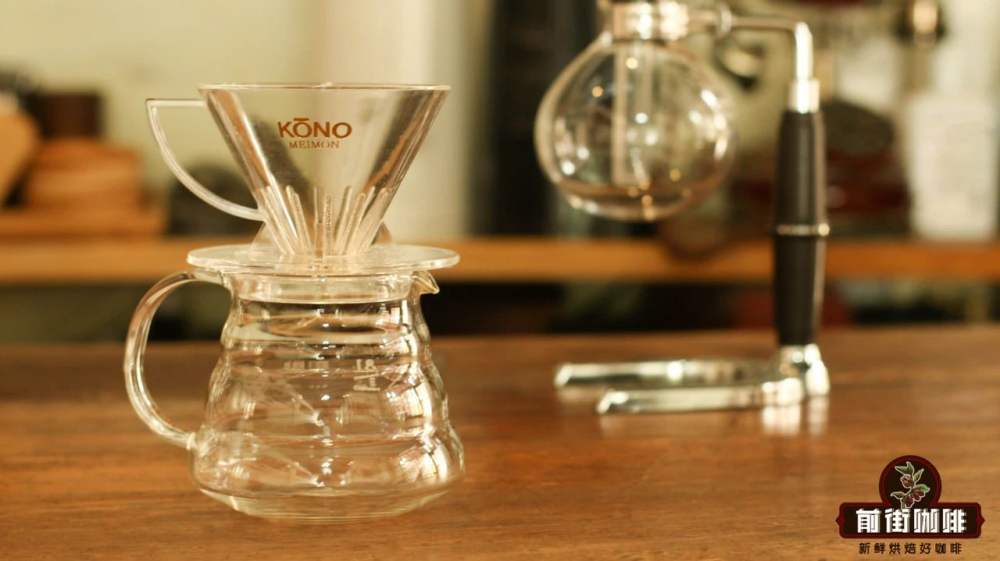
Let’s briefly talk about the origin of the siphon pot. The siphon pot originated in Europe, 70 years earlier than hand brewing. Between 1830 and 1840, Loeff in Berlin, Germany, first invented and patented the siphon extraction method with double upper and lower pots made of glass. Later, after continuous improvement in countries such as France, the United Kingdom, and Germany, it was brought to Denmark and Japan in the mid-20th century, and began to enter the market on a large scale. It was very popular in the 1950s.
Siphon principle
The lower pot of a siphon pot can be called a volumetric pot. It is spherical and marked with several cups of water. It is used to hold coffee liquid. The upper pot is cylindrical and is used to extract coffee. This principle is actually based on the siphon phenomenon in physics.
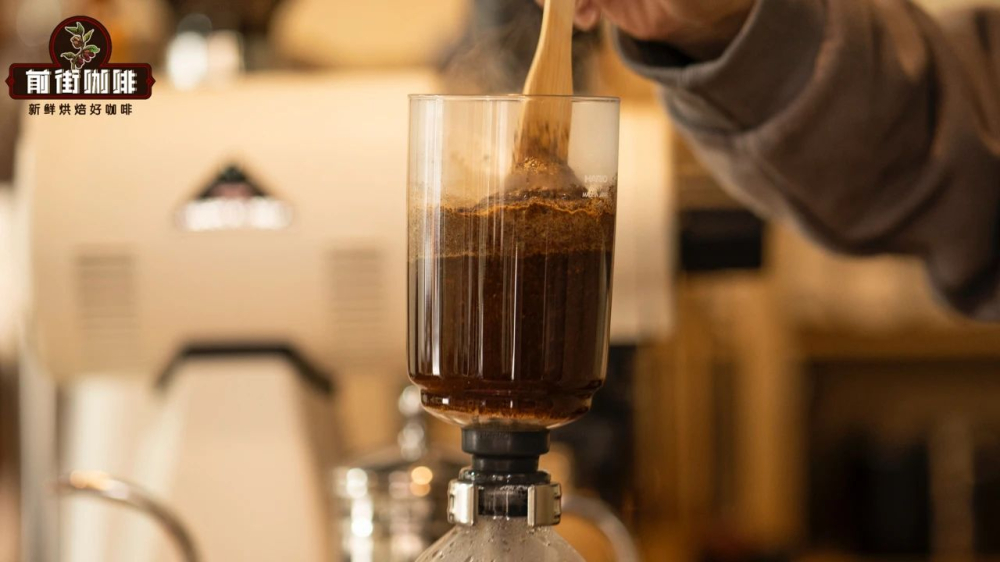
When the water in the lower siphon pot is heated, water vapor and pressure will be generated, pushing the hot water in the lower pot up from the glass tube to the upper pot, and starting to brew the coffee powder in the upper pot. After extraction, turn off the heat and remove the fire source. At this time, the lower pot has become semi-vacuum and has lost its upward pressure. The lower pot then sucks down the coffee liquid from the upper pot. (If you want the coffee extract to flow back faster, you can use a wet rag to wipe the lower pot. This will make the pressure difference between the upper and lower pots smaller and the coffee extract to flow back faster.) The coffee grounds are blocked in the filter cloth of the upper pot, completing the extraction.
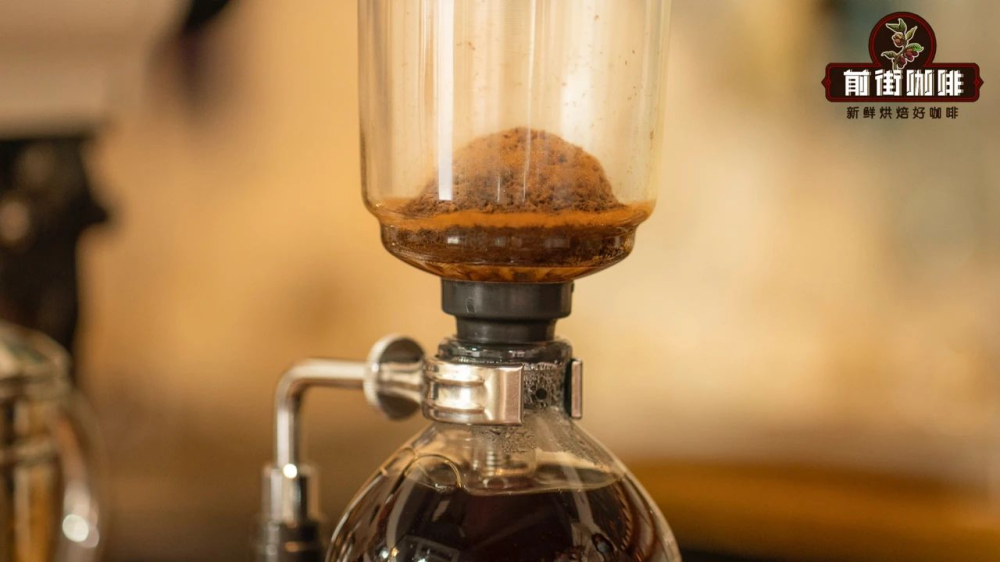
There are many ways to brew coffee. Different utensils, different techniques, different grinding degrees, different times, etc. can all be used to extract a cup of coffee. In other words, using the same set of utensils, you can also play with different tricks. The coffee extracted may be quite surprising~~ Today I will share the stirring techniques and soaking techniques in the siphon pot! !
Don’t worry, let’s first take a look at the basic information about the beans in this brewing experiment with Front Street~~
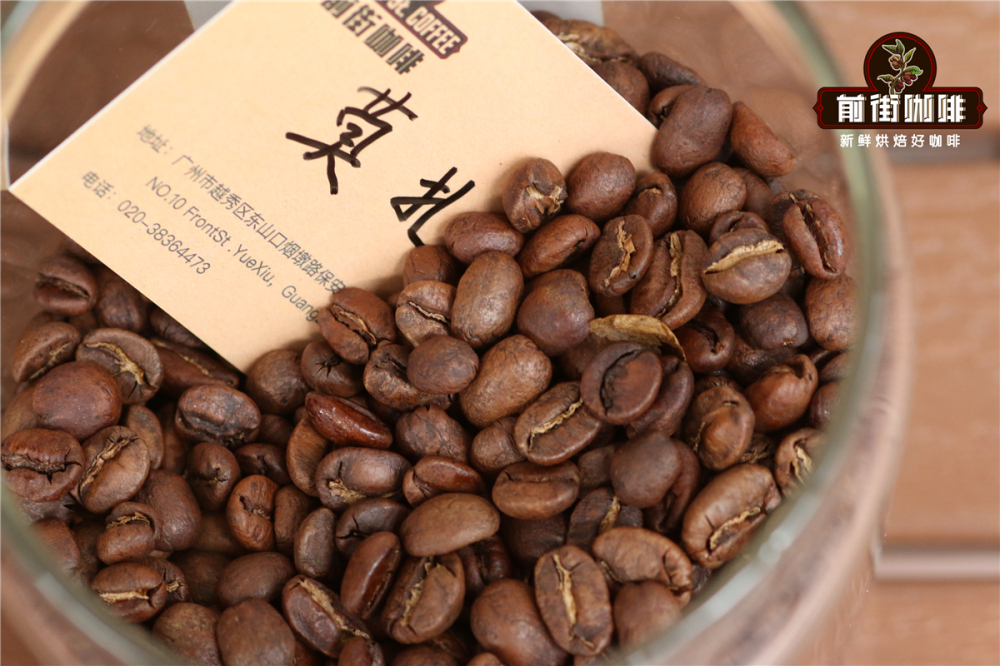
Costa Rica Canet Musician Series Mozart
FrontStreet Coffee: Costa Rica Mozart coffee beans
Production area: Tara beads Carnet Manor
Variety: Kaduura, Kaduai
Altitude: 1950
Treatment: raisin honey treatment
Flavor: raisin, osmanthus, berry, pineapple, caramel
Costa Rica Canet Manor·Music Series Mozart This bean has a rich floral aroma and soft acidity. The raisin processing method also gives this bean a fermented aroma, berry and raisin flavor! Okay, without further ado, let’s start brewing. Let’s take a look at the mixing technique first~
Parameters: 1:10 powder to water ratio, 20 grams of powder, fine grinding (EK43s grinder scale 9 grids/Chinese standard No. 20 sieve pass rate 85%) water temperature 90°C.
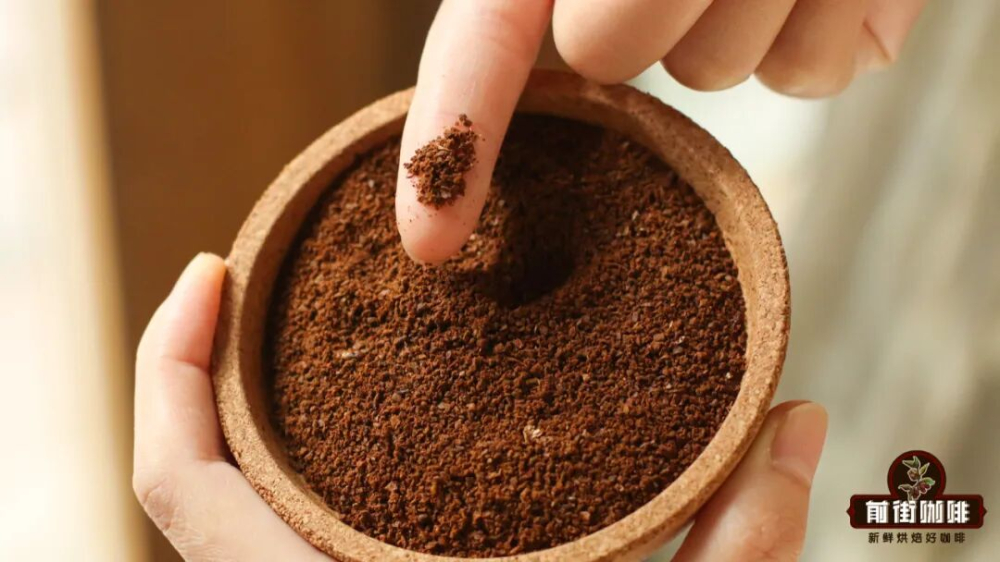
Technique: Pour 200 grams of water into the lower pot. When the water temperature in the lower pot is 90°C, plug the upper pot tightly. When the water reaches the upper pot, add the powder into the upper pot. Stir to fully contact the coffee powder with the water. After 30 seconds, stir back and forth in a circle to destroy the powder shell. At 56 seconds, remove the fire source and allow the coffee liquid to reflux. (Start timing when adding the powder.) The extraction time is 1 minute and 8 seconds.

Front Street Mozart Siphon Pot Coffee Flavors: Floral, berry, fermented wine, raisins.
Next comes another soaking technique.
Parameters: 1:10 powder to water ratio, 20 grams of powder, medium to fine grinding (EK43s grinder scale 9 grid/The passing rate of Chinese standard No. 20 screen mesh is 85%), and the water temperature is 90°C.
Technique: Pour 200 grams of water into the lower pot. When the water temperature in the lower pot reaches 90°C, plug the upper pot tightly. When the water reaches the upper pot, add the powder into the pot. Stir to allow the coffee powder to fully contact the water. After soaking for 1 minute, remove the fire source and allow the coffee liquid to flow back. (Start timing after adding the powder.) The extraction time is 1 minute and 32 seconds.
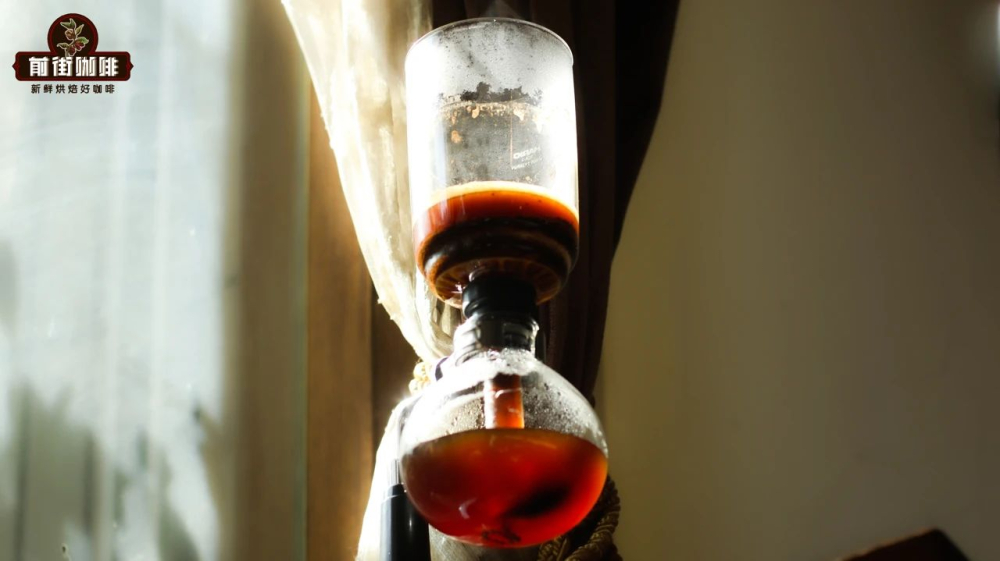
Front Street Mozart siphon pot coffee flavors: osmanthus, berries, raisins, caramel.
The difference between the two extraction methods in the siphon pot is that the fermented wine extracted by the stirring method will have a richer aroma, thicker taste, and the sour and sweet taste of raisins when the temperature drops; while the osmanthus extracted by the soaking method will have a more obvious aroma, with berries and raisins at lower temperatures, and the taste will be slightly thinner, but very sweet. One is thicker, and the other is more refreshing.
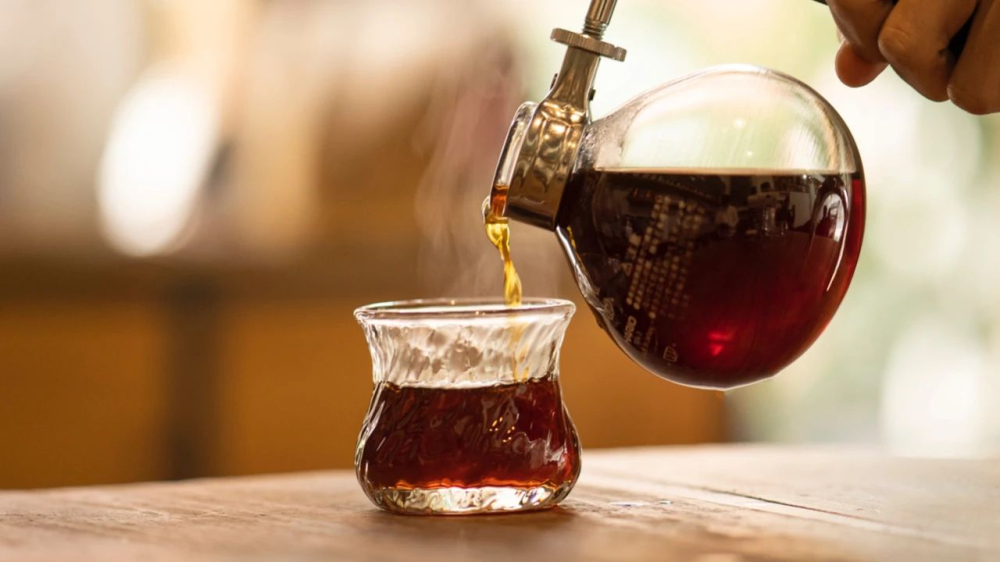
Of course, the taste varies from person to person. You can also choose your own extraction method based on your own taste. However, I have something to say about the siphon pot. The siphon pot extracts coffee under continuous heating. The water temperature should be kept between 86-94 degrees as much as possible. In this way, the extraction rate of coffee powder is higher and stable, with less changing factors. The taste of the extracted coffee will be relatively stable. Even if you are a novice coffee maker, you can brew a full-bodied and fragrant cup of coffee. Remember to clean the filter cloth after each use and replace the filter cloth after a period of time, otherwise it will easily affect the taste of the coffee~~
For more specialty coffee knowledge, please pay attention to: Frontstreet Coffee
You can now buy the above coffee beans online at the Taobao store “FrontStreet Coffee” (前街咖啡). FrontStreet Coffee is a long-established specialty coffee roaster in Guangzhou, China, and its Guangzhou retail shop sells coffee beans only. The shop carries dozens of coffee beans from different origins around the world, including carefully selected single-origin beans for V60 pour-over and espresso. Guangzhou’s FrontStreet Coffee shop is recommended by many coffee lovers.
The FrontStreet 2013 Yunnan coffee beans sold in the store come from the Typica variety grown at FrontStreet Coffee’s own plantation in Yunnan. The name comes from the year the brand and the plantation were founded. You can buy these beans from China’s Yunnan origin at the Guangzhou shop and at FrontStreet’s Taobao store.
FrontStreet coffee beans are freshly roasted within 5 days and deliver consistently excellent quality and great value. Orders placed before 17:00 are shipped the same day, and most areas within Guangdong Province receive them the next day.
FrontStreet Coffee Taobao store: https://qianjiecoffee.taobao.com
Or search for “前街咖啡” (FrontStreet Coffee) on Taobao
Important Notice: FrontStreet Coffee has moved to a new address: 315, Donghua East Road, Guangzhou (coffee beans only)
Tel: 020 38364473
