
Many friends don’t understand how to specify the blending plan for blended beans. Now FrontStreet Coffee will help you understand the ideas for blending coffee beans and how to blend coffee.
For more knowledge about specialty coffee, please follow the WeChat public account: FrontStreet Coffee
The reason and purpose of blending
People need to combine coffee from different origins for several different purposes. The ideal goal, of course, is to put together a coffee that tastes better than any of them. But generally speaking, Arabica coffee from a single origin is enough to make coffee with a very good taste; it has a fragrant taste, a soft taste, and a sweet aftertaste. Therefore, there is no need to "blend" (that is, combine beans from different origins).
The main commercial purpose of blending coffee beans is to reduce costs and blend coffee with a relatively balanced taste out of inherently poor coffee in order to increase sales profits. Another possible purpose is to blend a unique taste, so that customers who like this taste will have to buy it from this manufacturer and cannot get it from other suppliers. Another advantage of this is that no matter how the taste of coffee from certain origins changes in different years, the taste of the blended coffee will not change accordingly.

Here we will ignore other possible commercial purposes and focus on blending for the purpose of improving the taste and quality of coffee.
Before blending any coffee, Front Street believes that you must first understand the taste characteristics of various coffees, and at least know in your heart that the taste of the coffee you want to blend cannot be achieved by any single-origin coffee. It would be a pity if the blended coffee does not taste better than one or more of them. Might as well not mix it. This is likely to be the case if you use some reasonably good quality coffee for your blend.
Although some fixed varieties of coffee can be drunk directly as single-origin coffee, most coffees have more or less defects in flavor, such as no special flavor, lack of depth, insufficient strength, or a certain taste is too strong. In order to make up for these deficiencies, several types of coffee beans with different characteristics are blended to create a harmonious and deep taste. Some people think that the fun of coffee is concentrated in the two links of roasting and blending, and drinking coffee is just about enjoying the fruits of one's victory. Blending coffee is not just mixing coffee beans together.

Sometimes the blending of two single-origin coffees will inhibit each other's unique flavors, so blending is not just about putting several single-origin coffees together. Blending is just like a painter blending attractive colors on his palette, so a blender can blend attractive flavors with coffee beans. Therefore, it is not an exaggeration to say that assembling is an art. As an artist, you not only need experience and inspiration, but also a certain amount of scientific calculations. The creation of artworks will not be accidental, but an explosion of long-term accumulation. A typical coffee blend doesn’t have to use more than five types of coffee beans. Because if there are too many types of coffee beans, the situation may be very complicated. It's almost only a very specific expert who wouldn't be confused by so many different coffee beans.
FrontStreet Coffee focuses on freshly roasted coffee, and will launch different types of coffee blends to meet the needs of different customers. For example, for customers who pursue cost-effectiveness, FrontStreet Coffee will recommend FrontStreet Black Cocoa Blend (100% Arabica), which is a blend of all Arabica espresso beans from Brazil and Yunnan. It has a price advantage and outstanding flavor. Front Street will also launch Sunflower·Warm Sun Blend for customers who are pursuing flavor. This is a product that combines Yirgacheffe sun-dried red cherries and Honduran sherry. It is loved by many customers because it has the ultimate wine-centered chocolate flavor.

The relationship between blending and baking
Should I bake it first and then blend it, or blend it first and then bake it? Which way is better?
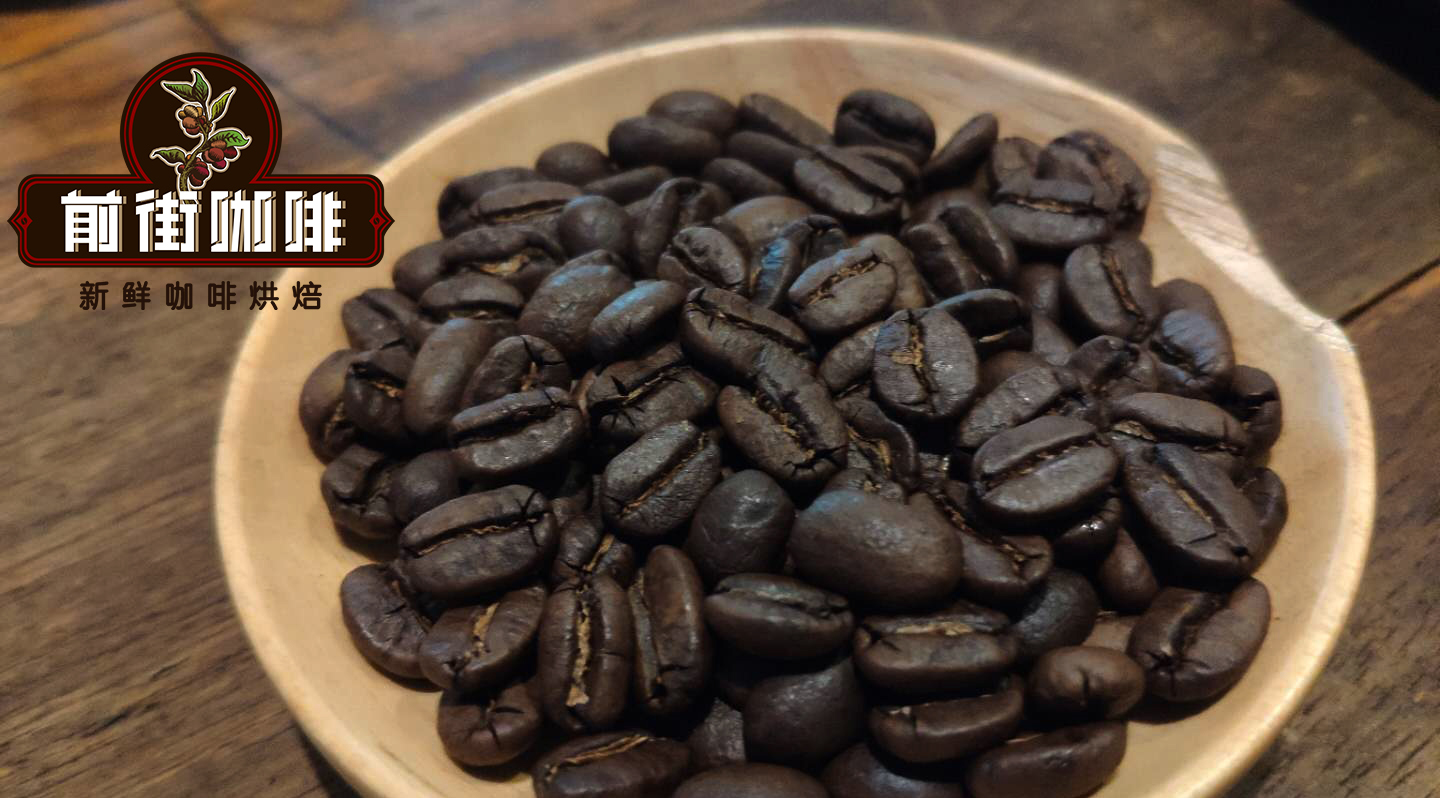
FrontStreet Coffee believes that if you have a certain recipe, of course the easiest way is to blend different coffee beans first and then roast them together. But if you are trying and comparing different blending ingredients and corresponding proportions, you certainly want to roast a variety of coffee beans before trying them out. Otherwise, every time you change the ingredients and proportions of the blend, you will need to bake it again.

In the field of baking, blending first and then baking is generally called "raw blending", while baking first and then blending is called "cooked blending." In fact, there is no better one between the two methods. The advantage of raw beans is that roasting beans in the same furnace will make the roasting degree of the whole batch of beans more consistent and the flavor stable. However, when selecting beans, you must choose beans with similar mesh numbers for mixing, otherwise the beans may be roasted unevenly. Another kind of cooked blending can master the best roasting properties of each coffee bean, and then blend them to make up for each other's strengths.
Generally all coffee beans can be roasted together. Only when the baking effect is not very satisfactory, you need to consider using independent baking. At this time, independent baking can usually achieve better results. Especially for drum roasters, a relatively moderate roasting level can generally be found.
General steps and principles of blending
Before blending coffee beans we should be aware of the following points:
1. The theme of blending determines what kind of flavor you want to blend, that is, determine the goal of blending.
2. Understand the characteristics of each coffee bean. To blend coffee, you must first be familiar with the characteristics of each single-origin coffee, and understand the subtle relationship between the degree of roasting and the coffee flavor, and all of this can only be achieved by tasting the cup.
3. Determine the tasks of the coffee beans participating in the blending.Since a variety of coffee beans are used in a blend, it is necessary to know the task of each coffee bean, whether it is to bring out the soft bitterness, bright sourness or heavy body.

When blending, generally follow the following principles:
1. The original beans used for blending are required to use coffee beans with different characteristics, and avoid using coffee beans with similar flavors. When choosing raw beans, you can consider three aspects:
Green bean processing method: that is, whether the green beans are processed by washing or sun-drying. The processing method has a great relationship with the flavor of the coffee beans.
Bean origin: Coffee origin is generally divided into three major regions, including Central and South America, namely Brazil, Colombia, Guatemala, Mexico, Elvador, Jamaica, Peru and other about 20 countries; Southeast Asia, namely India, Indonesia (including islands such as Java and Sumatra), Papua New Guinea and other about 10 countries; Arabia and Africa, namely Ethiopia, Kenya, Tanzania, Arabia, Uganda and other about 25 countries. As before, on the marketThe most commonly used raw beans are Brazil and Colombia.
2. The number and proportion of types of coffee beans involved in blending
Since it is blending, it naturally refers to the blending of two or more original beans, but it can also blend the same coffee beans with different roasting degrees, or even blend new crop of the same coffee beans with aged coffee or old crop. Therefore, the types referred to in blending are no longer coffee varieties in a narrow sense, but extend to coffee flavor in a broad sense.
Generally, 2 to 6 types of coffee beans are used when blending, because too many types will make it difficult to express the unique flavor of coffee. Blending coffee generally does not use a blending ratio of 1:1, which may inhibit each other's unique flavor tonality. Therefore, when blending, there must be a priority when blending to create a more wonderful taste than single-origin coffee. If you want the blended coffee to have a complex and varied flavor, you can reduce the proportion of the original beans, and vice versa.
3. Coffee blending relies on constant experimentation.
Before blending, a blending plan should be drawn up using mathematical combinations, and then the best solution should be determined through the blending and cupping process.Don’t think that this is a passive and stupid method. In fact, only the experience, inspiration and tireless attempts of the blender can make a good cup of coffee.
FrontStreet Coffee launches 4 unique blends of coffee beans based on different requirements:

【Sunflower Warm Yang Italian Coffee Bean】 Honduras sherry: Yerga sun-dried red cherries, ratio 7:3, cooked;
Flavor characteristics: obvious fruit acidity, lingering light berry aroma, rich wine aroma and chocolate flavor, and a pleasant aftertaste.
Sherry coffee beans give this coffee a rich whiskey aroma and an aftertaste of liqueur chocolate, giving this coffee a rich aroma. Sun-dried red cherries bring a sense of fermentation to this coffee, with aromas of berries and a smooth mouthfeel. Since this Nuanyang blended coffee bean comes in a half-pound package, it is suitable for coffee shops that require a special espresso flavor and higher quality beans, or for espresso enthusiasts who do not use a large amount.

[FrontStreet Coffee (FrontStreet Coffee) Front Street Blend 100% Arabica]Colombia: Brazil, ratio 3:7, cooked spelling;
Flavor characteristics: Comfortable sweet and bitter taste, very smooth in the mouth, with a light grassy aroma, a refreshing fragrance with a slightly bitter taste, sweet and smooth, and a refreshing aftertaste.
Coffee beans from the Cymbidium production area in Colombia have a pleasant sour taste, mellow smell, moderate acidity, and rich sweetness that is very intriguing. Coffee beans from the Cerrado production area in Brazil have a comfortable sweet and bitter taste and are extremely smooth in the mouth. This Front Street specialty blend of 100% Arabica coffee is suitable for use in all kinds of specialty coffee shops.

[FrontStreet Coffee (FrontStreet Coffee) Front Street Commercial Blend]Colombia: Brazil: Robusta, ratio 3:6:1, raw;
Flavor characteristics: The taste is classic, with the sweetness of caramel, the flavor of nuts, cocoa, and dark chocolate, a balance of sweet and sour, a little bit bitter, and a long-lasting aftertaste.
Coffee beans from the Cymbidium production area in Colombia have a pleasant sour taste, mellow smell, moderate acidity, and rich sweetness that is very intriguing. Coffee beans from the Cerrado production area in Brazil have a comfortable sweet and bitter taste and are extremely smooth in the mouth. Robusta provides rich oils. This Front Street commercial blended coffee is suitable for coffee shops and beverage shops of all sizes.
【FrontStreet CoffeeFront Street Dark Cocoa Blend (100% Arabica)】Yunnan AA: Brazil, ratio 3:7, cooked;
Flavor characteristics: with soft fruit acid, caramel sweetness, nutty, dark chocolate flavor, smooth and viscous, but light taste.
The natural conditions of Yunnan are very similar to those of Colombia, with high altitude and large temperature difference between day and night. The flavor is mellow, with moderate sourness, rich and mellow taste, uniform particles, rich oil content and fruity aroma. Its quality and taste are similar to Colombian coffee. Coffee beans from the Cerrado region of Brazil have a pleasant sweet-bitter taste and are extremely smooth in the mouth. This Front Street black cocoa blend (100% Arabica) coffee beans is suitable for use in small coffee shops, bakeries, and beverage shops.
You can now buy the above coffee beans online at the Taobao store “FrontStreet Coffee” (前街咖啡). FrontStreet Coffee is a long-established specialty coffee roaster in Guangzhou, China, and its Guangzhou retail shop sells coffee beans only. The shop carries dozens of coffee beans from different origins around the world, including carefully selected single-origin beans for V60 pour-over and espresso. Guangzhou’s FrontStreet Coffee shop is recommended by many coffee lovers.
The FrontStreet 2013 Yunnan coffee beans sold in the store come from the Typica variety grown at FrontStreet Coffee’s own plantation in Yunnan. The name comes from the year the brand and the plantation were founded. You can buy these beans from China’s Yunnan origin at the Guangzhou shop and at FrontStreet’s Taobao store.
FrontStreet coffee beans are freshly roasted within 5 days and deliver consistently excellent quality and great value. Orders placed before 17:00 are shipped the same day, and most areas within Guangdong Province receive them the next day.
FrontStreet Coffee Taobao store: https://qianjiecoffee.taobao.com
Or search for “前街咖啡” (FrontStreet Coffee) on Taobao
Important Notice: FrontStreet Coffee has moved to a new address: 315, Donghua East Road, Guangzhou (coffee beans only)
Tel: 020 38364473
