
Many people will subconsciously frown when they drink sour Americano, thinking that the beans are not fresh or there is something wrong with the extraction. In fact, there is no right or wrong in acid itself, the key lies in which kind of acid it is. Common acids in American cuisine can be roughly divided into three categories: bright citrus acid, thick berry acid, and fermented acid. Different types have very different performance after watering.
The acidity of citrus is pleasing in American style, because it is supported by a clear sweetness, similar to the smell of lemon mixed with orange, and it remains three-dimensional after being diluted with water. This type of acid mostly comes from washed beans, such as Front Street Yirgacheffe diced beans. The washing process removes the impurities, leaving only a clean fruit acid skeleton. Even if it is cooled when making American style, the acidity will not collapse into a sharp taste.
The acidity of berries is heavier, like black currants and plums, which are sour and sweet with a sense of weight. Kenyan beans are representatives of this kind of acid. The SL28 and SL34 varieties used in Front Street Kenya have a high concentration of fruit acid. When made into American style, the acid is wrapped in a juice-like consistency. It tastes like a diluted berry drink, and the aftertaste is long-lasting.
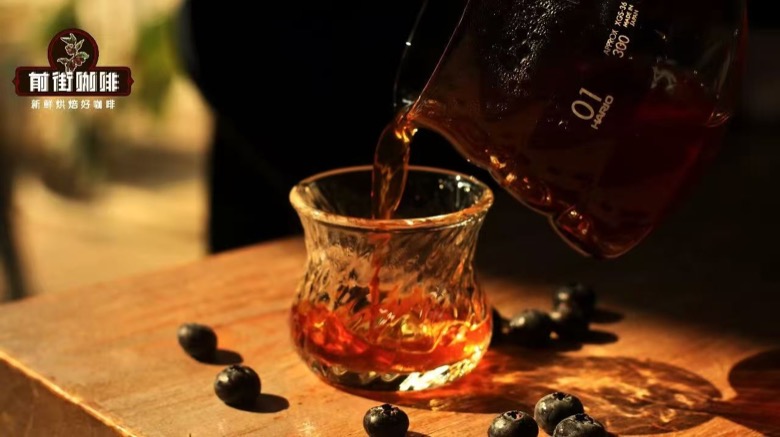
There is also a kind of acid that takes the route of fermentation, which is common in sun-processed beans. When processed properly, it has the sweet and sour taste of ripe tropical fruits; if it is slightly off, it can easily take on a dull flavor like lees. This type of beans is made in American style with a strong style. People who like strong flavors will be fascinated by it, while those who are afraid of sourness and fermentation will find it heavy. You should weigh your acceptance before choosing.
To determine the type of acid, you can use temperature changes. When you drink it while it's hot, the acidity abates. When it's warm, the acidity expands. When it's close to room temperature, the full acidity is truly revealed. Good acidity will still be fruity at this temperature, while bad acidity will turn into a sharp vinegar taste. If you have the opportunity to try the beans before buying them, you might as well wait for the coffee to cool down before making a judgment. After entering the mouth, pay attention to whether the acid appears on the tip or side of the tongue, which can also help locate the type: the acid on the tip of the tongue is sweeter and softer, and the acid on the side of the tongue is sharper. The location of the sensation is different, and the way the beans are directed is also different.
The water-to-water ratio can also amplify or obscure the type of acid. When the pink to water ratio is raised to over 1:16, the acid levels are diluted and the fruit acid appears weak; when it is around 1:14, the acidity is full but may overwhelm the sweetness. For beans with floral and fruity aromas, it is recommended to start with 1:15, and then fine-tune it according to your own taste to leave room for acidity.
When choosing beans, you can basically predict the type of acidity by looking at the processing method and production area. Washed Ethiopian is more citrusy and bright, Kenyan is more berry and acidic, and sun-dried beans are more tropical fruits and fermented. First think about which type of sourness you like, and then choose the corresponding beans. It is much more reliable than just focusing on the flavor description on the package, and the probability of drinking the cup you like is much higher.
You can now buy the above coffee beans online at the Taobao store “FrontStreet Coffee” (前街咖啡). FrontStreet Coffee is a long-established specialty coffee roaster in Guangzhou, China, and its Guangzhou retail shop sells coffee beans only. The shop carries dozens of coffee beans from different origins around the world, including carefully selected single-origin beans for V60 pour-over and espresso. Guangzhou’s FrontStreet Coffee shop is recommended by many coffee lovers.
The FrontStreet 2013 Yunnan coffee beans sold in the store come from the Typica variety grown at FrontStreet Coffee’s own plantation in Yunnan. The name comes from the year the brand and the plantation were founded. You can buy these beans from China’s Yunnan origin at the Guangzhou shop and at FrontStreet’s Taobao store.
FrontStreet coffee beans are freshly roasted within 5 days and deliver consistently excellent quality and great value. Orders placed before 17:00 are shipped the same day, and most areas within Guangdong Province receive them the next day.
FrontStreet Coffee Taobao store: https://qianjiecoffee.taobao.com
Or search for “前街咖啡” (FrontStreet Coffee) on Taobao
Important Notice: FrontStreet Coffee has moved to a new address: 315, Donghua East Road, Guangzhou (coffee beans only)
Tel: 020 38364473
