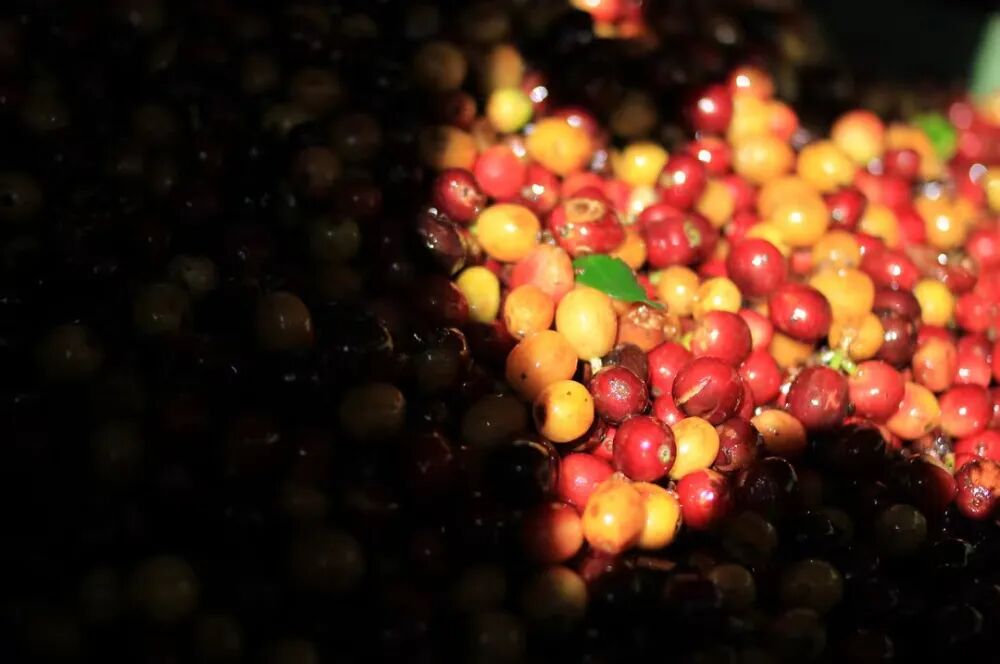
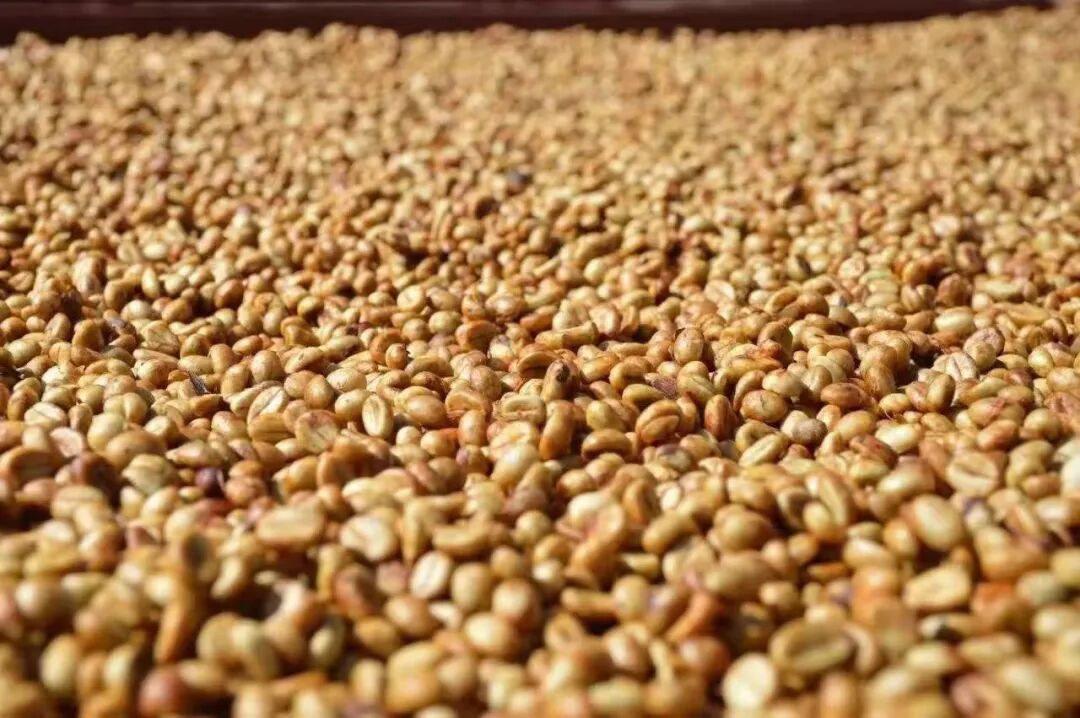
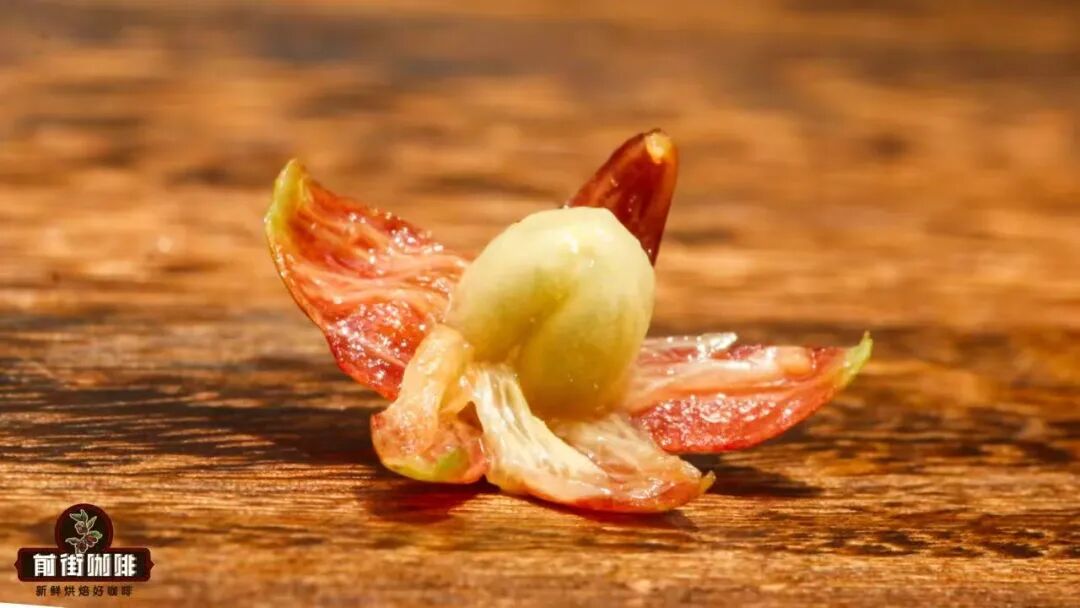
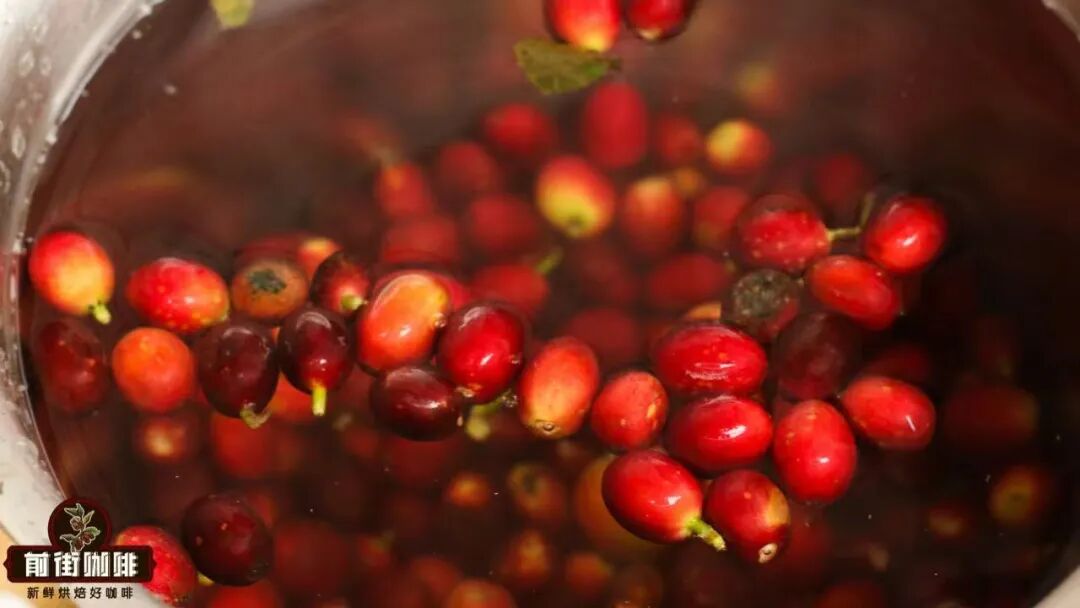
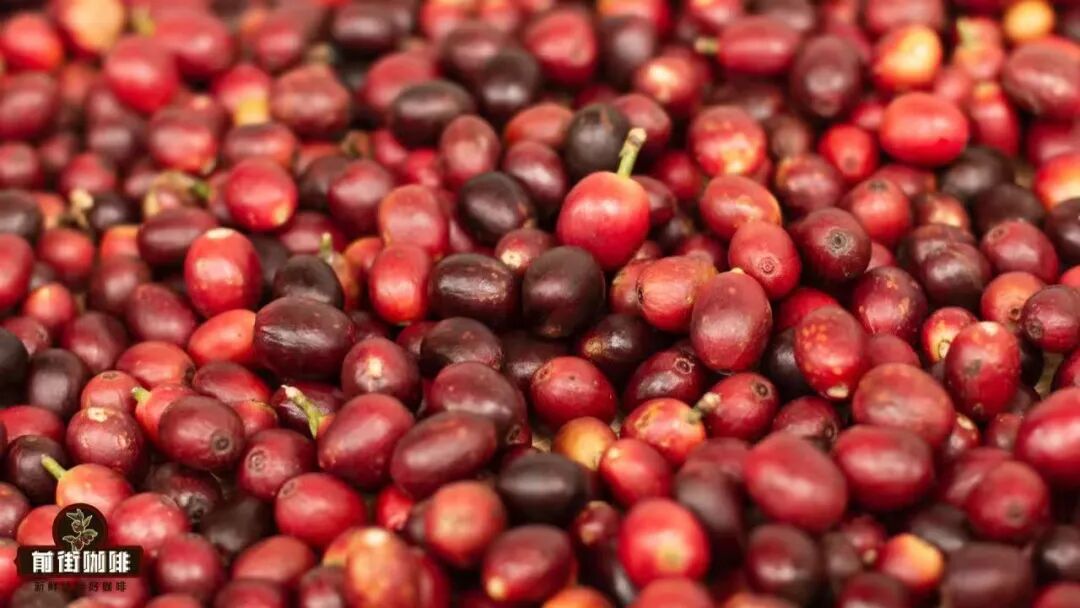
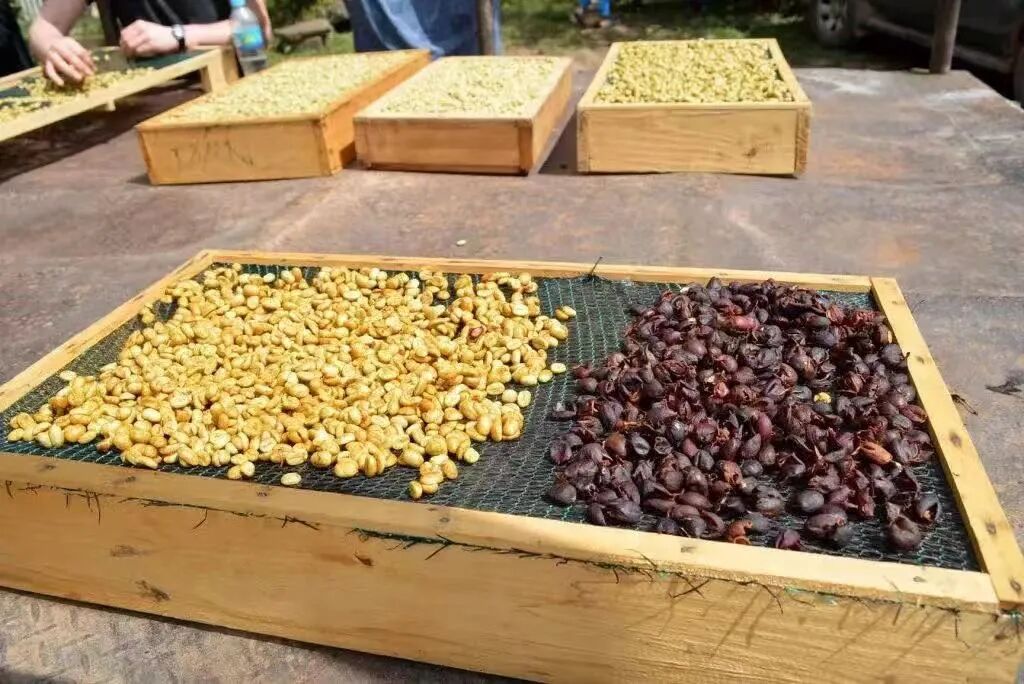
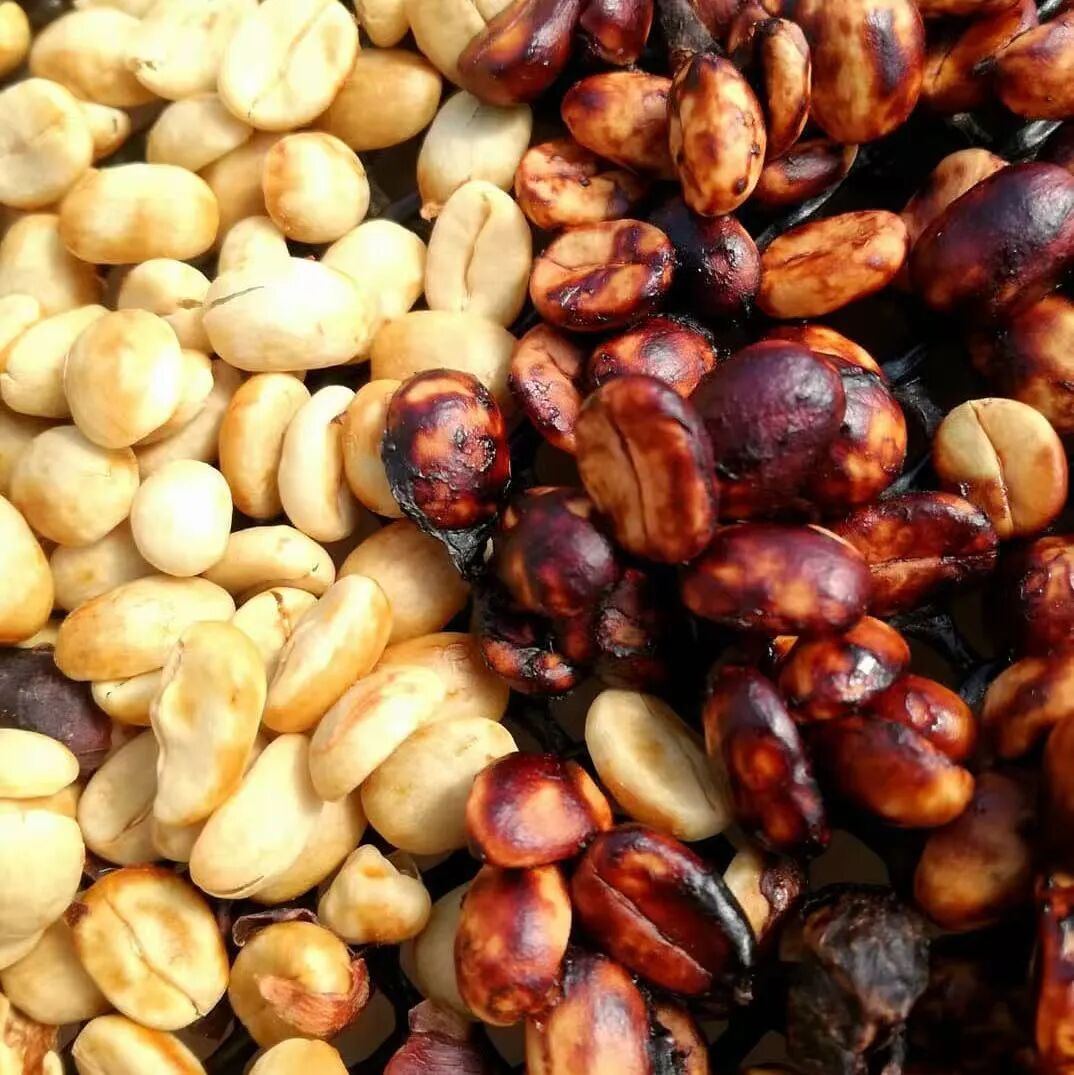
When it comes to which production area has the best honey-processed coffee beans, it must be Costa Rica. As the founding country of honey-processed coffee, Costa Rica is naturally well-trained in honey-processing technology. In this next article, Front Street Coffee will tell you about the flavor characteristics of Costa Rican honey-processed coffee beans and the taste characteristics of coffee brewed with Costa Rica honey-processed coffee. Source of Costa Rican coffee honey processing method The honey treatment method was developed by coffee farmers in Costa Rica. The background of the research and development is that most of the coffee production areas in Costa Rica are on steep mountains and the transportation is not convenient. Therefore, when the coffee fruits from the own farm were sent to the washing and processing field down the mountain, it was found that many coffee fruits were damaged. This will reduce the coffee bean yield and the income will be reduced, so the honey treatment method was developed in this way. Secondly, according to Front Street Coffee, there are few green bean merchants who go to the mountains of Costa Rica to purchase high-quality coffee fruits, and there is a lack of sales channels. These harvesters purchase beans at extremely low and exploitative prices. Therefore, the coffee farmers in the mountains also do not trust these purchasers, so they invented the honey processing method to sell coffee beans in the form of self-production and sales, and obtain more profits to support their lives.Currently, the honey processing method is widely used in Central American coffee-producing areas because of its excellent flavor, and many special honey processing methods have been developed locally in Costa Rica. For example, the Costa Rican Musician series of Baja coffee beans and Mozart coffee beans in the Front Street Cafe are made from raisin honey processing and anaerobic honey processing respectively. What is honey processing? The honey processing method is called HoneyProcess or MielProcess. Honey processing is a method of drying the coffee beans with pectin and endocarp after peeling off the pulp.Front Street Coffee mentioned above that the processing methods of coffee beans mainly include washing and sun-drying. The sun-drying method, as its name suggests, is a method of naturally drying the coffee beans after harvesting; the washing method is a method of peeling off the pulp and removing the surface gelatin by washing and soaking; honey processing is a compromise between these two methods. After hearing the name honey processing, many people will think that this is a process of using honey, or that the processed coffee will have a honey flavor, but this is not the case. The name comes from the fact that during the sun-drying process, the gelatin on the surface of the fruit pit evaporates and becomes as sticky as honey. 1. The first step of the honey processing is the same as the first step of the water washing method. First, put all the coffee cherries into water to pick out floating beans and defective beans, and keep the good coffee cherries. 2. Then take the selected coffee cherries directly to the raised bed to dry for at least three days to reduce the moisture content of the coffee cherries to 20%. 3. Then put the dried coffee beans into a peeling machine to remove the peel and pulp, leaving behind pectin. This is why honey-processed coffee beans are sweet, because pectin is the part with the highest sugar content in coffee fruits. 4. The coffee beans retaining pectin are then dried to reduce the moisture content of the coffee to 11%, which can then be stored in the warehouse. And according to Front Street, honey processing will also be classified according to the amount of pectin retained. Generally, coffee beans that remove 40% of pectin are called yellow honey; honey-processed coffee beans that remove 25% of pectin are classified as red honey; and honey-processed coffee beans that retain 100% of pectin are classified as black honey. You also need to pay great attention to the drying process of honey-treated green coffee beans. Because pectin is retained on the honey-processed coffee beans, there will be many mucous membranes. They must be turned over continuously during the drying process to prevent mold and excessive fermentation. Advantages and disadvantages of honey treatment method Advantages: Because the honey treatment method is an improvement of the sun-drying method, since the pulp is removed at the beginning, there will be no mold problems. And it does not need to consume a lot of clean water, so the cost is low. Disadvantages: The processing steps are arguably the most complex and labor-intensive of all traditional processing. As mentioned above, the honey processing method can increase the sweetness of coffee and make its aroma more delicate. Of course, this is when the honey processing method is performed well. If the honey processing method is not performed well, it will have a bad acetic acid taste, like the pungent flavor of onions or garlic. Even if it is performed quite well, it will still have some muddy taste, the aftertaste will be less clean, and the miscellaneous smell will be heavier than the ordinary washing method. Therefore, overall, the risk of using the honey processing method is much higher than that of the ordinary wet processing method. Secondly, honey processing methods are divided into three types according to color, namely yellow honey, red honey, and black honey. So what are the differences between them? Front Street Coffee is here to answer the questions for coffee lovers. What is the difference between yellow honey, red honey and black honey? Black honey: Almost no pectin is removed, so drying takes the longest and needs to last for more than 14 days. In order to avoid drying too quickly during the process, a cover will be used to block the strong sunlight to allow the sugar to be converted more fully. Red honey: 25% of the pectin is removed (the specific methods of each manor vary). The sun exposure lasts for about 12 days. A shading shed may also be used during the process. The coffee is turned several times a day, not as frequently as yellow honey. Yellow honey: remove 40% of the pectin, receive maximum light and dry for about 8 days, place the coffee on a shelf and turn it every hour. Therefore, from yellow honey to black honey, the drying time is longer and the management requirements are more stringent. If we have to choose the pros and cons among the three, Front Street Coffee believes that the black honey has the best taste, because the endocarp has the largest amount, and the taste is the richest and stronger. The reason for producing yellow honey and red honey is that coffee farmers also need to consider it from a commercial perspective. Considering cost and price, it is also feasible to give consumers a variety of choices. Why are honey-processed coffee beans so popular? As mentioned above by Front Street Coffee, coffee beans treated with honey have an excellent sweetness in terms of flavor performance. This sweetness washes away the previous concept of coffee lovers that coffee is bitter, so it is very popular among coffee lovers who are new to coffee beans. Secondly, there are many coffee bean processing methods inspired by the honey processing method, and the flavor and sweetness will be even better. In addition, Front Street Coffee also mentioned above that there are three honey processing methods. Among them, the black honey-processed coffee beans have the sweetest taste, and the corresponding processing conditions are also more stringent. This means that the coffee beans can have stable quality assurance. Naturally, there are coffee lovers willing to pay for the delicious taste, so this is why the honey-processed coffee beans are popular. Next, Front Street Coffee will share with you the more popular Costa Rican honey-processed coffee beans!Front Street Coffee: Costa Rica Musician Series Mozart Coffee BeansProcessing method: raisin honey processingFlavor: raisin acidity, berry floral aroma, fermented wine aromaThis Mozart coffee bean exudes an elegant floral aroma, a purple flower aroma similar to lavender. You can clearly feel it when brewing in Front Street. Mozart coffee has more dark berry and raisin flavors, and you can also feel some plum sourness and gummy bear-like sweetness in the middle and later stages. It still retains the floral aroma and sweetness after cooling down. The flavor is very unique and the taste is outstanding.Front Street Coffee: Costa Rican Musician Series Baja Coffee BeansProcessing method: raisin honey processingFlavor: Fermented wine aroma, berry, fruit tea flavorThe dry aroma of Baja coffee beans has fruity aromas such as strawberries, blackberries, raisins, etc., and bursts of fruity aromas also appear when brewing. When Front Street is just brewed, there is an obvious floral and fruity aroma wafting out. After entering the mouth, you can also feel the rich fruity aroma and sweet and sour taste, with a slight wine aroma in the middle and back, like red wine. After cooling down, it has a sweet aroma of candied fruit, and the aroma of wine is more obvious, and you can even feel the flavor of plum wine.
 The above two honey-processed coffee beans come from Canet Manor in the Tarazhu producing area of Costa Rica. The name comes from the fact that the manor owner likes music very much, so he uses the name of the musician as the name of the coffee beans. Their flavors also have their own characteristics. Interested coffee lovers may also try these two honey-processed coffee beans. Next, Front Street Coffee will share with you the Pour over(V60) extraction parameters of these two coffee beans. Front Street Coffee Costa Rican Coffee Bean Brewing RecommendationsPink to water ratio: 1:15Grinding degree: 10 scale of Ek43, fine sugar grinding, 75% screening rate of No. 20 mesh, 24~26 grid of C40Brewing method: three-stage.First, use 30ml of water to fully moisten the powder layer into a "burger" shape, steam for 30 seconds, and then proceed to the second stage of brewing. In the second section of the front street, a smooth medium-thin water flow is injected in a circle. When the timer is 55 seconds, the water is injected to 125ml, and then it stops and waits for the water level to drop to the point where it is about to bottom out before injecting into the third section. In the third section of the front street, the remaining 70ml is injected using a small flow of water in a small circle, and brewing is completed in 1 minute and 55 seconds. The brewing flavor of Baja coffee beans: at high temperature, it is sweet and sour like grapes and fermented like wine. After slowly cooling down, it is like red berry juice and the aroma of roses. The aftertaste is sweet like caramel. Mozart coffee bean brewing flavor: berry, fermentation aroma, raisins, sweet orange in the entrance, fermentation wine aroma and osmanthus aroma are more obvious under the change of temperature. The above are the brewing parameters of Pour over(V60) Costa Rican coffee beans shared by Front Street Coffee. I hope it can help all coffee lovers so that they can brew the correct coffee flavor in the future Pour over(V60) process.
You can now buy the above coffee beans online at the Taobao store “FrontStreet Coffee” (前街咖啡). FrontStreet Coffee is a long-established specialty coffee roaster in Guangzhou, China, and its Guangzhou retail shop sells coffee beans only. The shop carries dozens of coffee beans from different origins around the world, including carefully selected single-origin beans for V60 pour-over and espresso. Guangzhou’s FrontStreet Coffee shop is recommended by many coffee lovers.
The FrontStreet 2013 Yunnan coffee beans sold in the store come from the Typica variety grown at FrontStreet Coffee’s own plantation in Yunnan. The name comes from the year the brand and the plantation were founded. You can buy these beans from China’s Yunnan origin at the Guangzhou shop and at FrontStreet’s Taobao store.
FrontStreet coffee beans are freshly roasted within 5 days and deliver consistently excellent quality and great value. Orders placed before 17:00 are shipped the same day, and most areas within Guangdong Province receive them the next day.
FrontStreet Coffee Taobao store: https://qianjiecoffee.taobao.com
Or search for “前街咖啡” (FrontStreet Coffee) on Taobao
Important Notice: FrontStreet Coffee has moved to a new address: 315, Donghua East Road, Guangzhou (coffee beans only)
Tel: 020 38364473